At a Glance
- Duration: 10-night stay.
- Home Base: Larnaca, near McKenzie Beach and the Salt Lake.
- Top Day Trip: The Ayia Napa/Cape Greco Tour.
- Memorable Moment: Tom's birthday dinner at Sea Natra (complete with borrowed balloons) and the unexpected discovery of the beauty of Ayia Napa’s Coastline.
- Overall Vibe: Quiet, more working-class than Limassol/Paphos, but rewarding for foodies and perfect for easy access to the spectacular eastern coast.
This Town is Special Because...
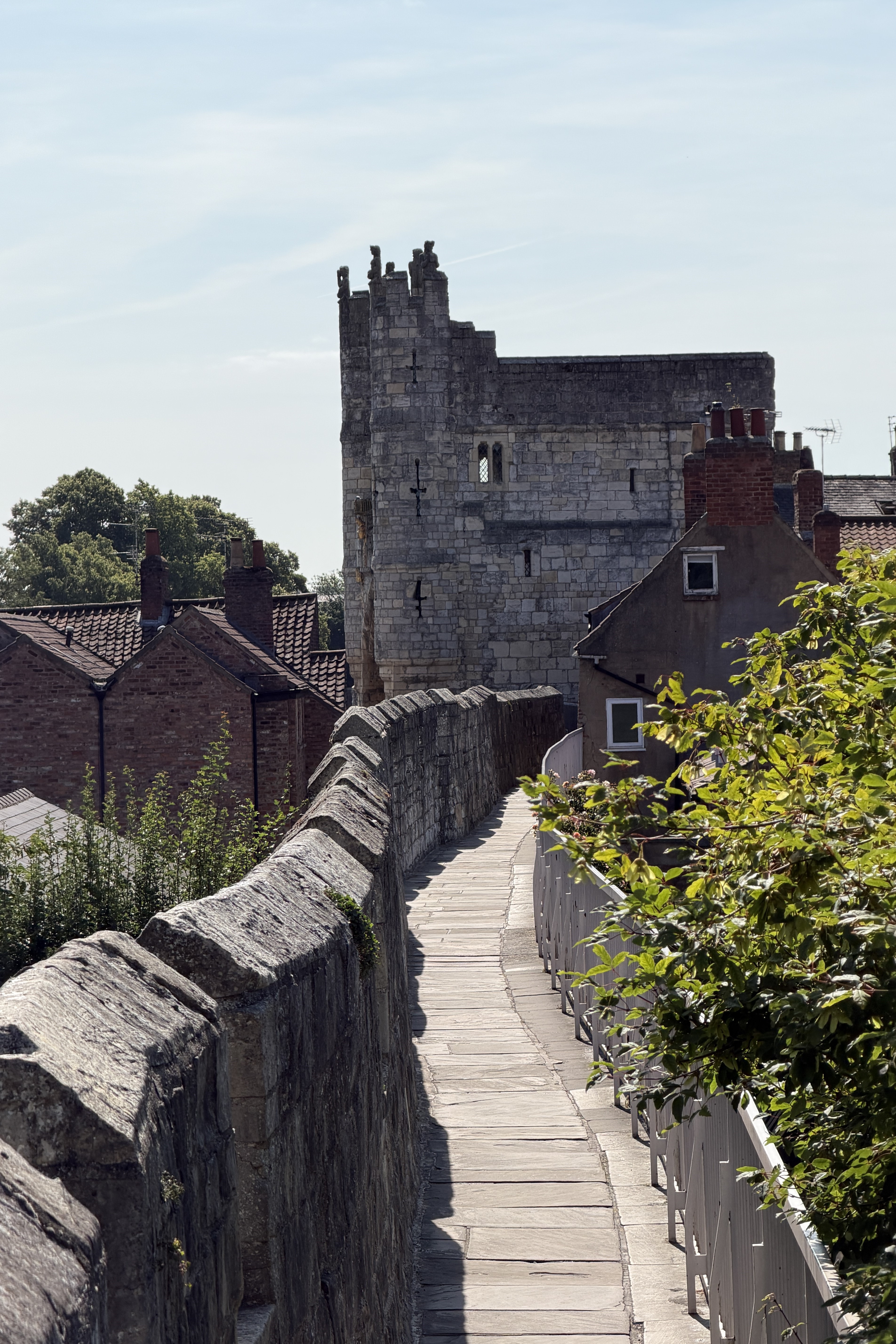
Larnaca is quieter and feels more local than the other major cities in Cyprus, but its history is immense. The modern city is built over the ancient Greek city-kingdom of Kition, which dates back to the Mycenaean Achaeans in the 13th century BC.
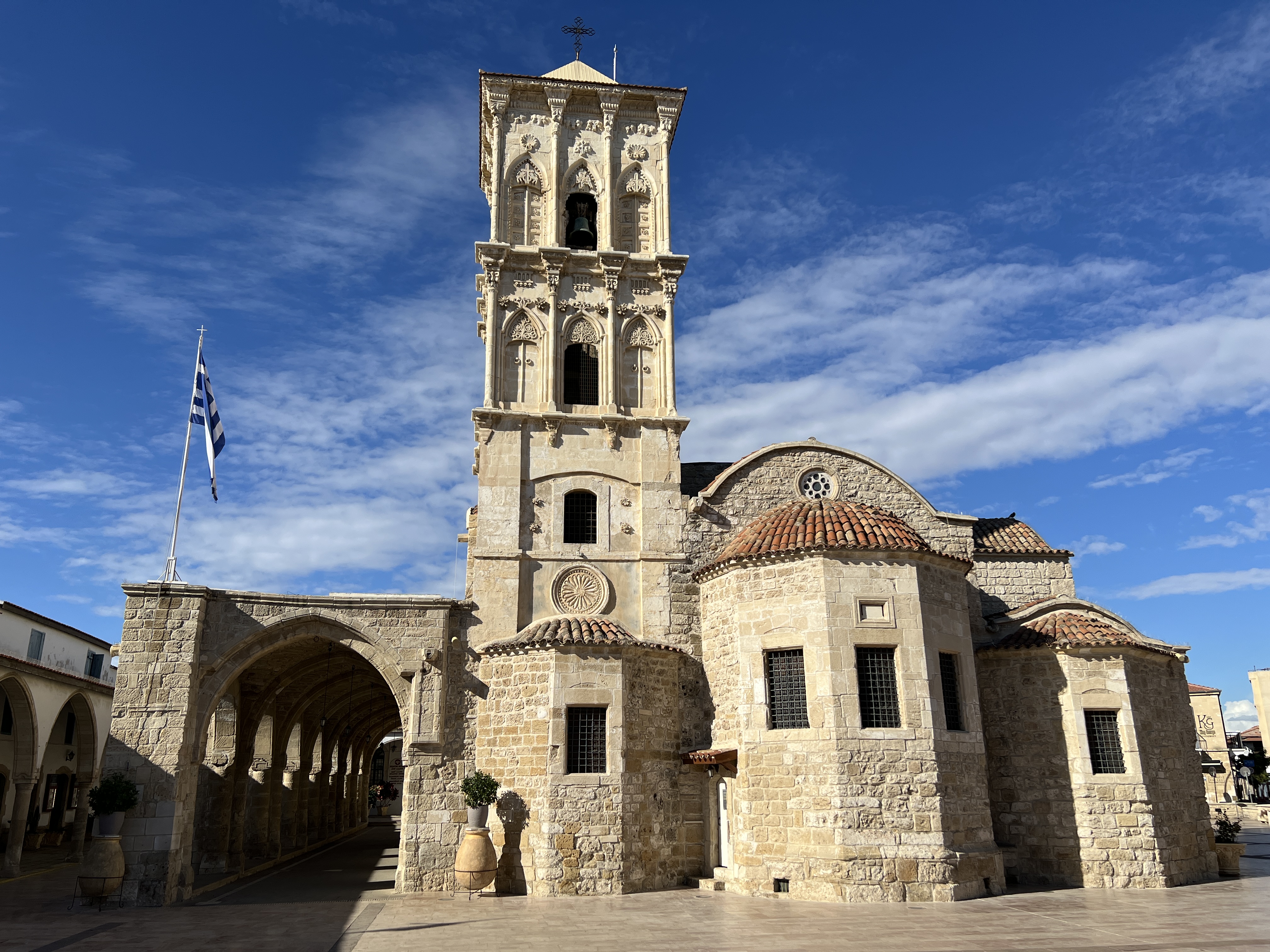
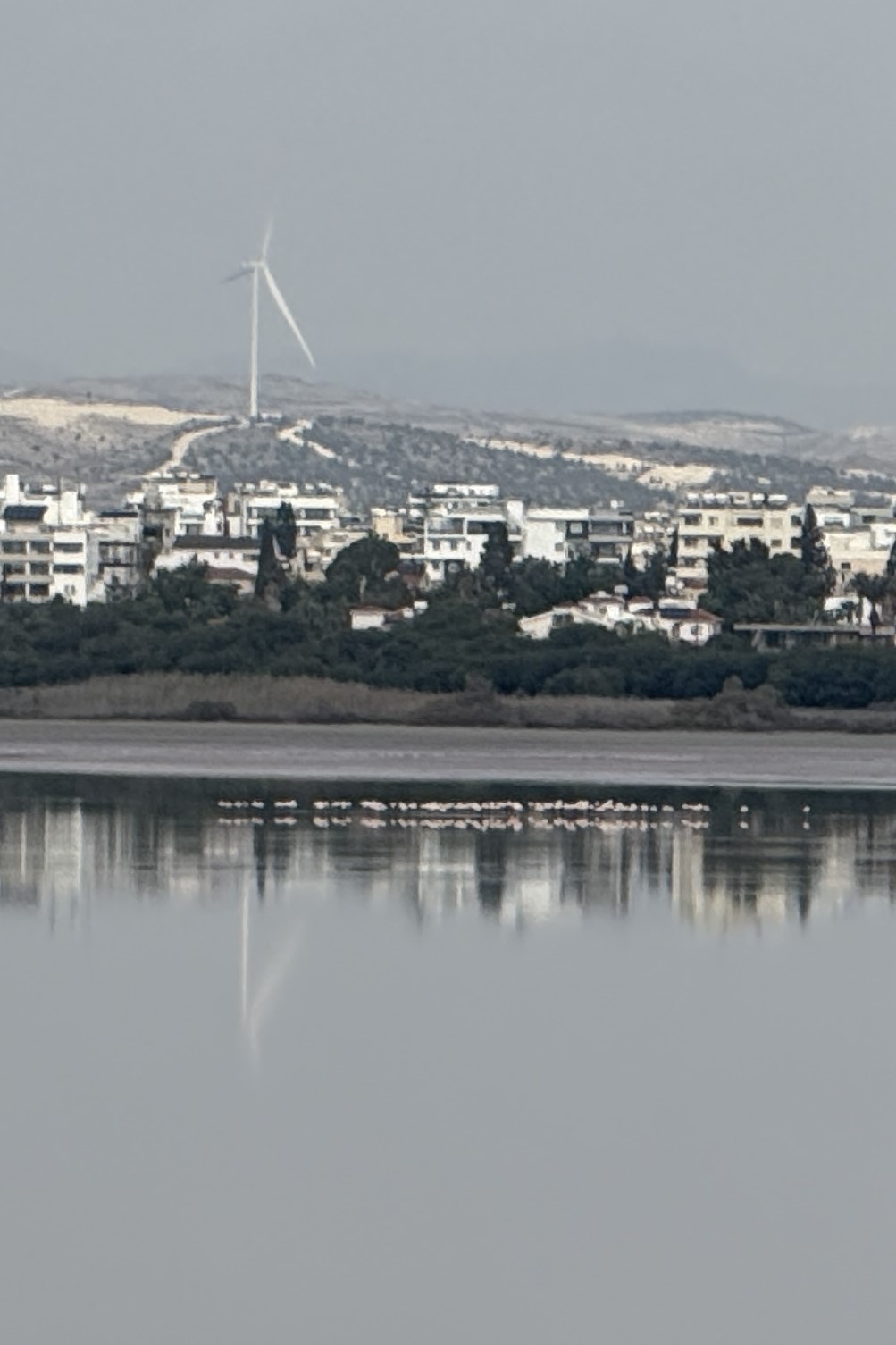
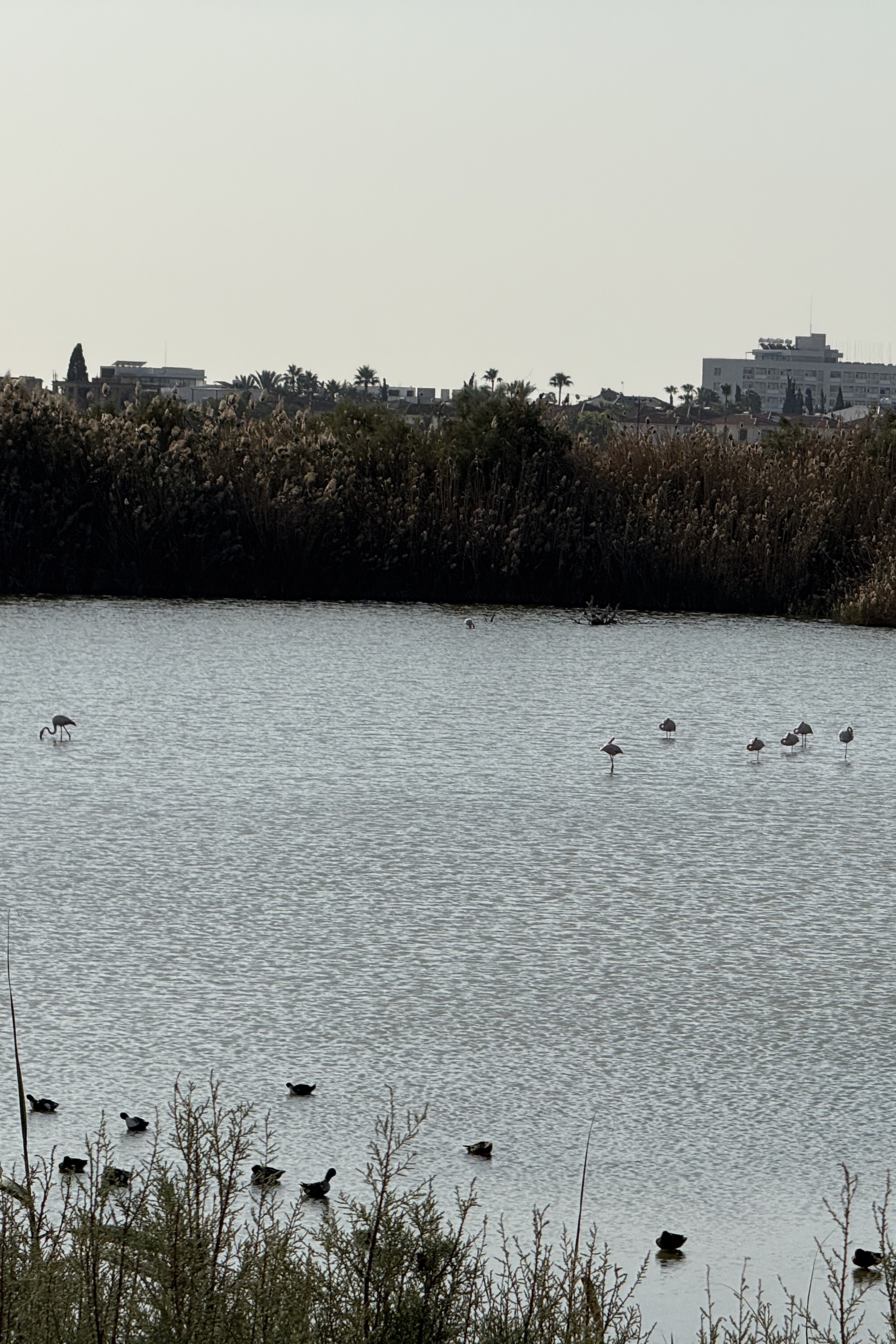
Beyond its ancient roots, Larnaca is home to the famous Salt Lake, which transforms into a winter sanctuary for migrating flamingos, and the spectacular Church of St. Lazarus. According to Eastern Orthodox tradition, Lazarus fled Judea after his resurrection and was appointed by Saints Paul and Barnabas as the first bishop of Kition. The 9th-century church was built over the site of his second tomb, and a marble sarcophagus believed to hold part of his relics was discovered in 1972.
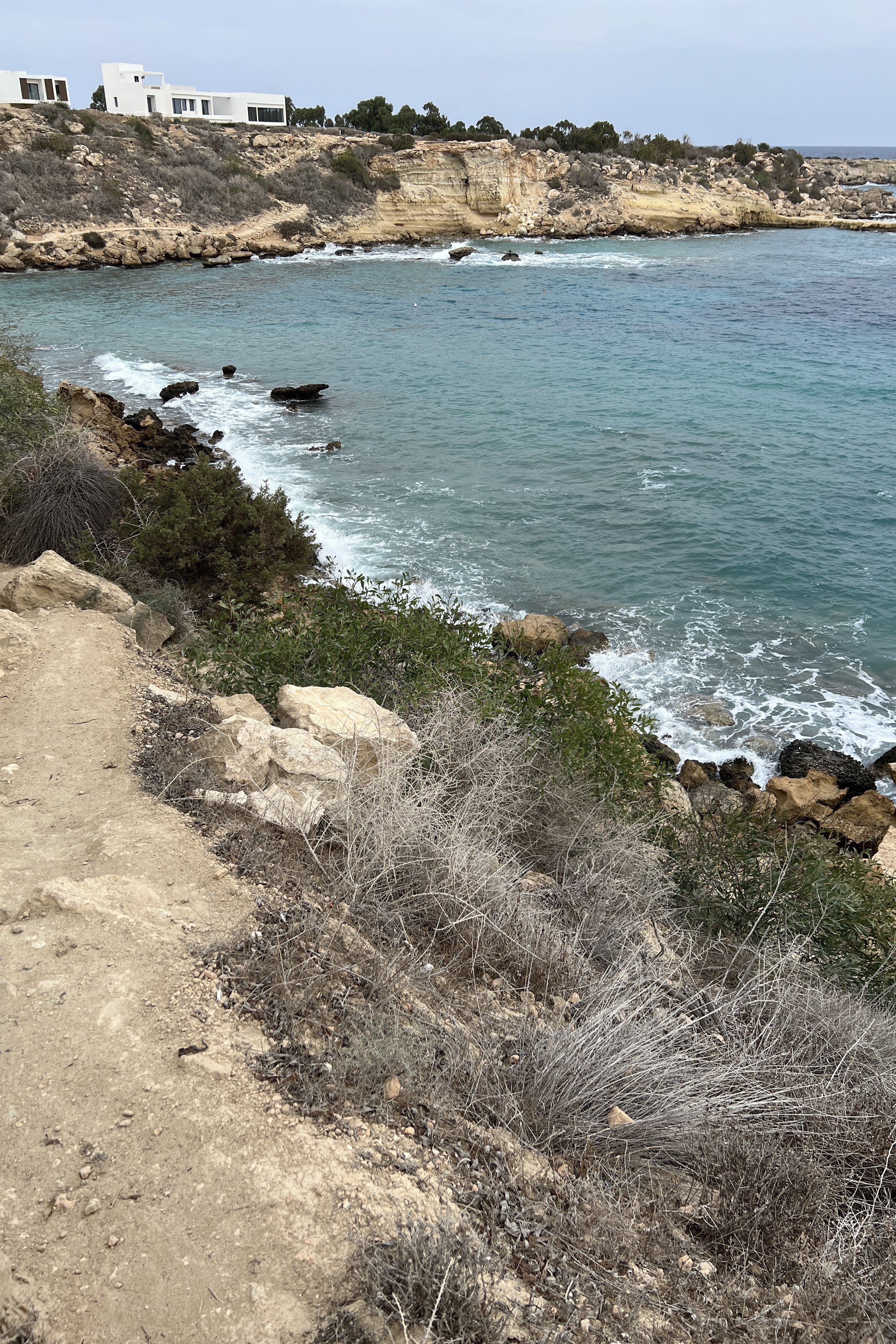
The city's greatest asset is its proximity to the incredible natural beauty of Cape Greco and Ayia Napa, which made for one of the best day trips of our entire Cyprus adventure.
Our Home Base: Larnaca
We arrived after a two-bus transfer (which required a transfer at Limassol on the weekend) and settled into a small, cute apartment near McKenzie Beach.
The ambiance was completely different from Paphos; here, we looked out over other apartment buildings and had only a sliver of the ocean and the Salt Lake area in the distance from our terrace. This area is growing, so at the time of our stay we had constant noise due to a lot of new apartment construction nearby, compounded by the sound of planes from the close airport.
We quickly realized we were in the wrong location for the winter season. Since the weather was too cold for swimming and it rained a lot, the focus shifted away from the beach. Many of the restaurants in this area are cool, open-air beach restaurants near McKenzie beach, so we opted to walk to the Old Town/downtown for dinner where things were livelier and the rain didn’t impact as much.
Our Larnaca Experience: The Day-to-Day
The Ayia Napa Tour: Coastline, Culture, and the Winter Trade-off
We took a small 6-guest mini-bus tour through Adventures Cyprus, where we stopped in during one of our walks of the Old Town, to the stunning Ayia Napa and Cape Greco area. This was tied for the best tour we took in Cyprus.
The Seasonal Reality of Ayia Napa
Ayia Napa is primarily known as a massive resort town and tourist hub that gets over 2 million visitors during the summer months. This area basically shuts down by December 1st, with most shops closing and only a couple of hotels staying open. This reality really struck home when we drove by a large supermarket that was closed, with all the windows papered over for the season. Because our tour took place in the off-season, the itinerary was deliberately altered: we visited the Sculpture Park instead of doing water-based activities like snorkeling or jumping off the cliffs at the sea caves.
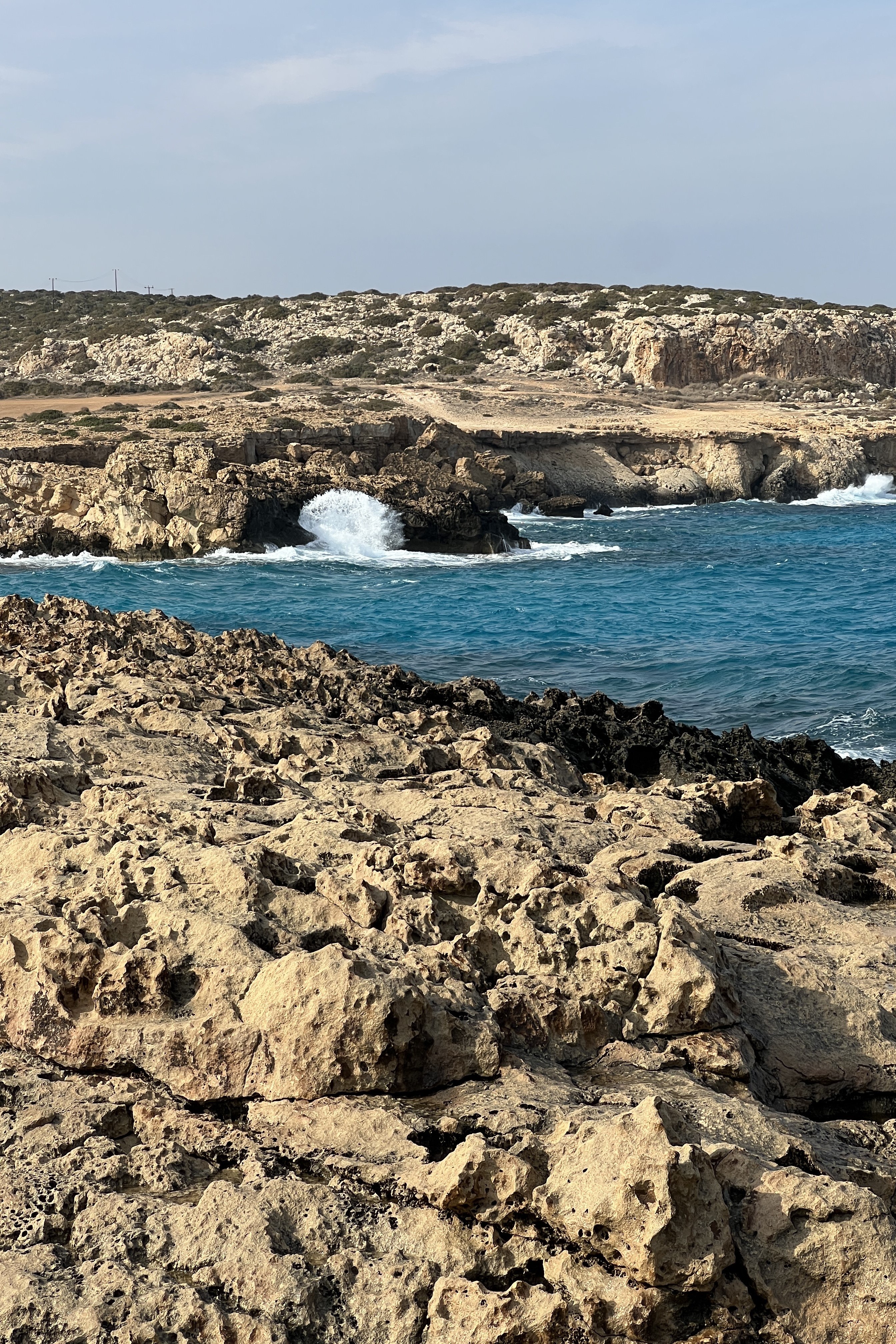
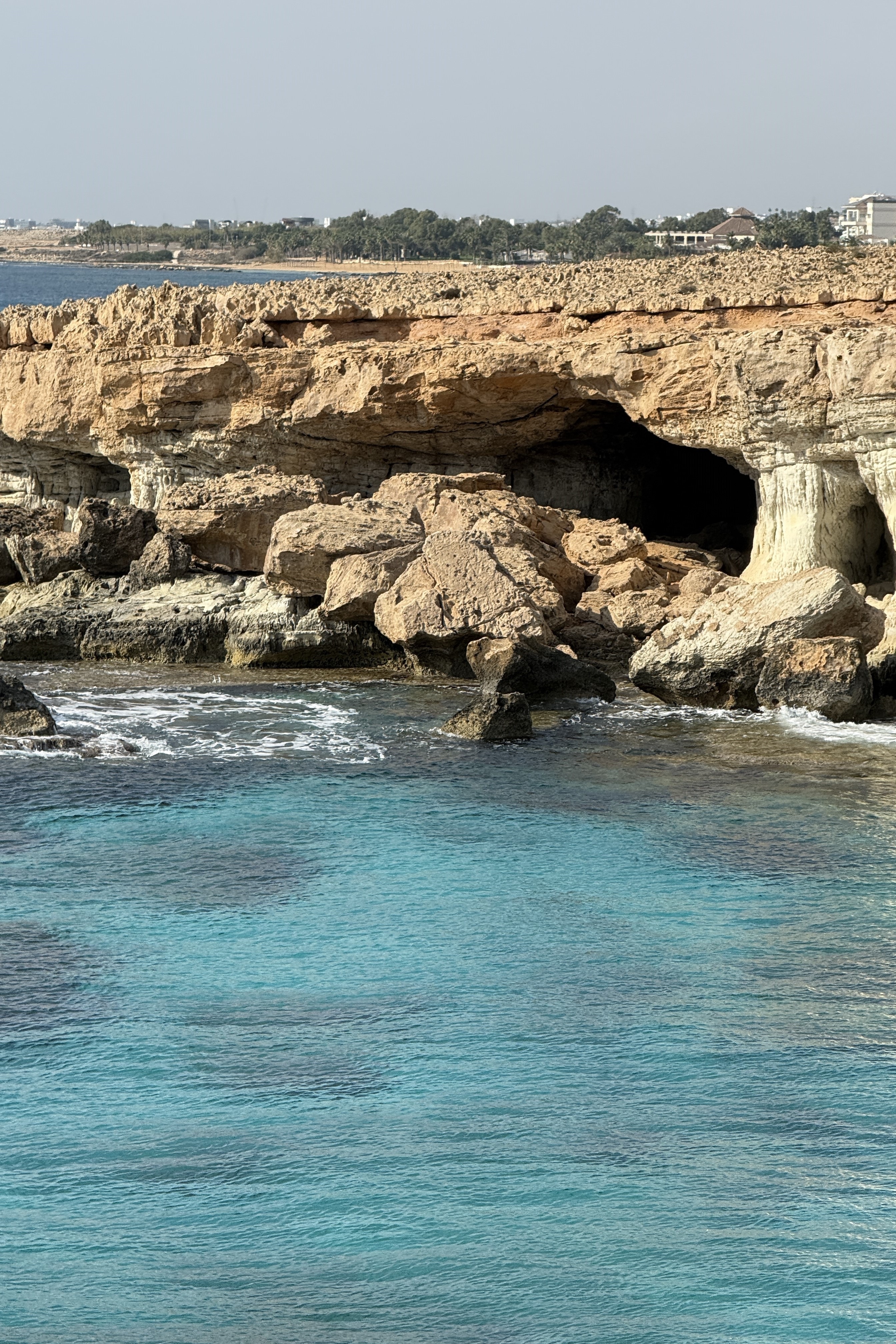
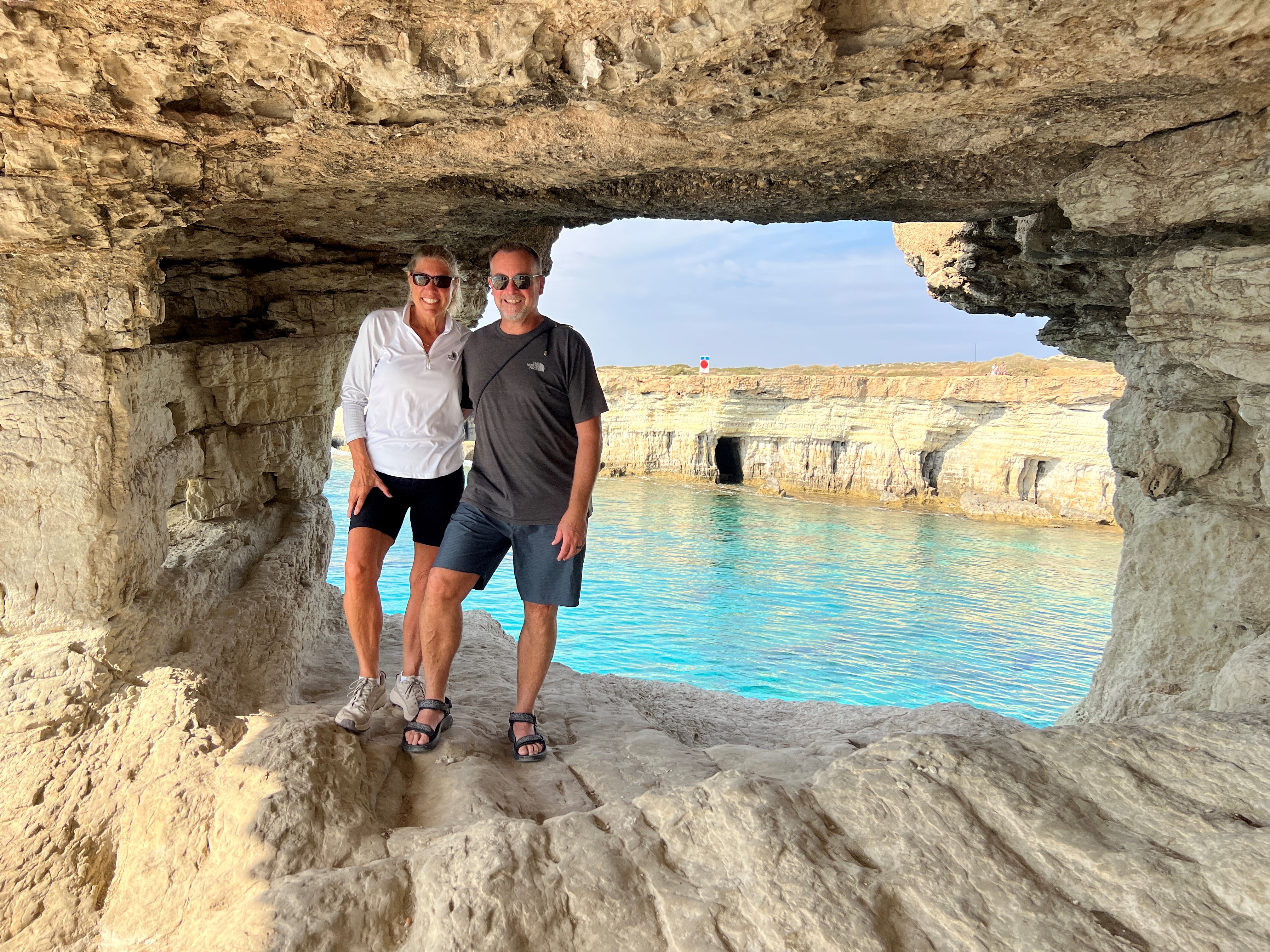
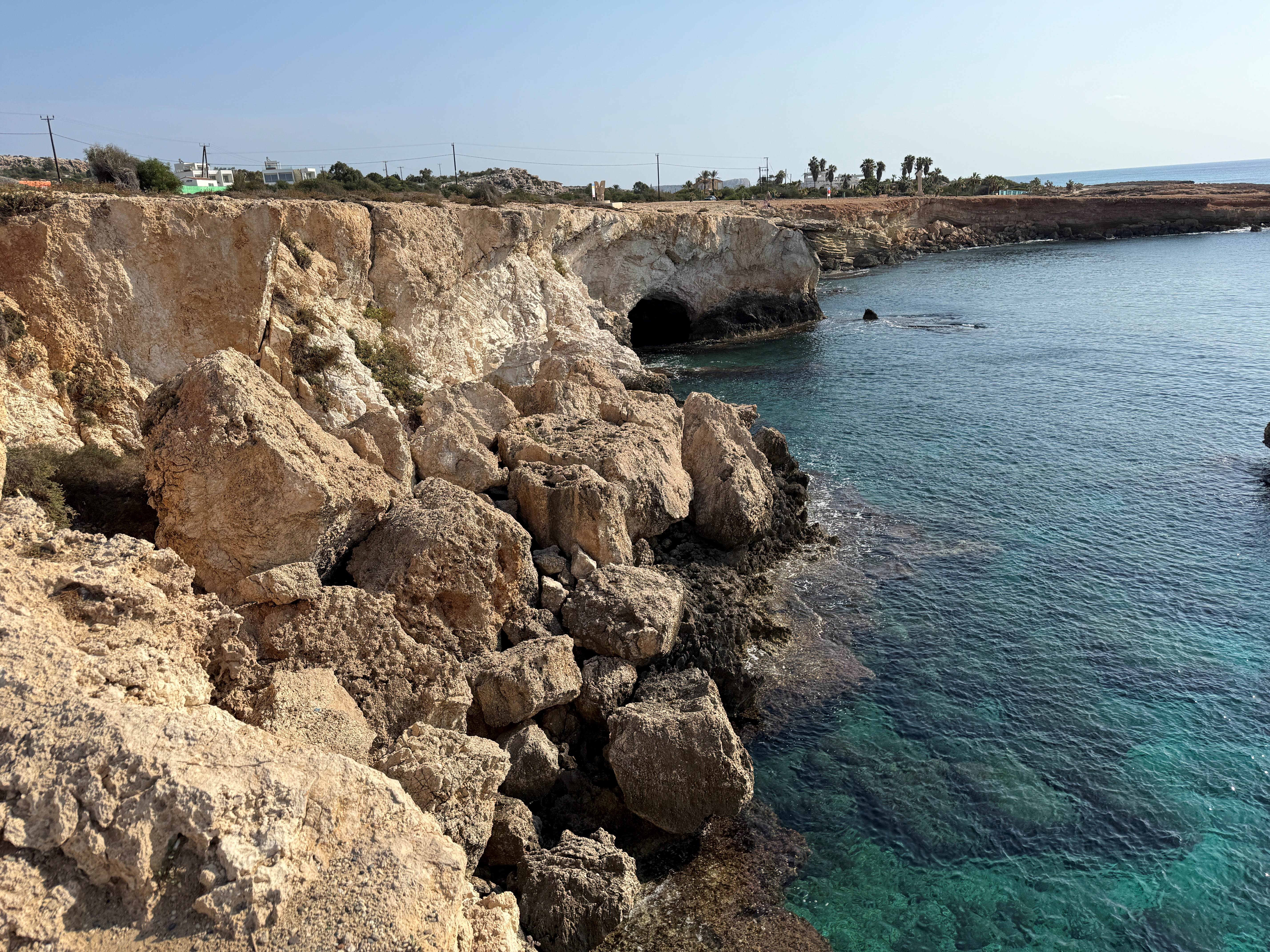
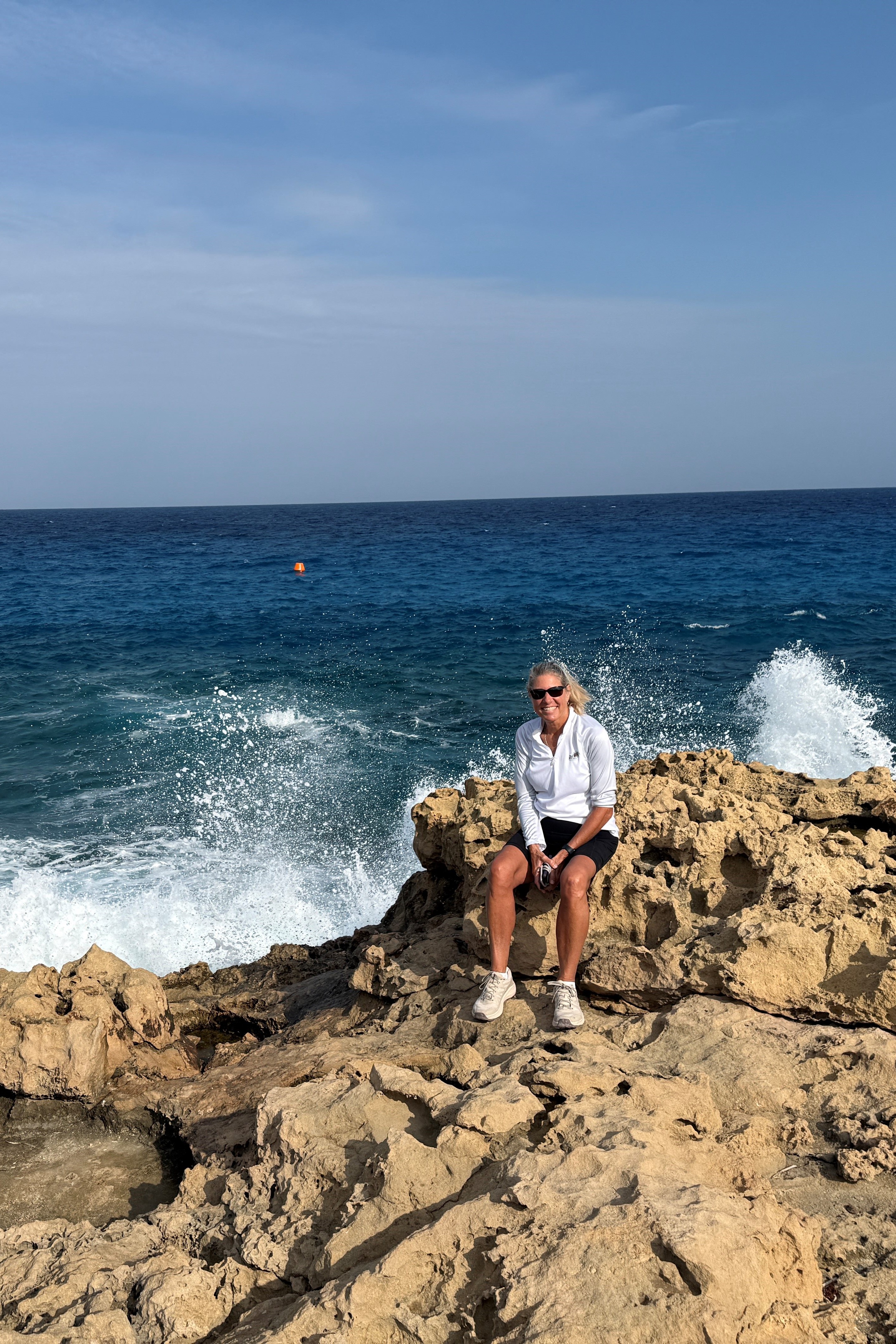
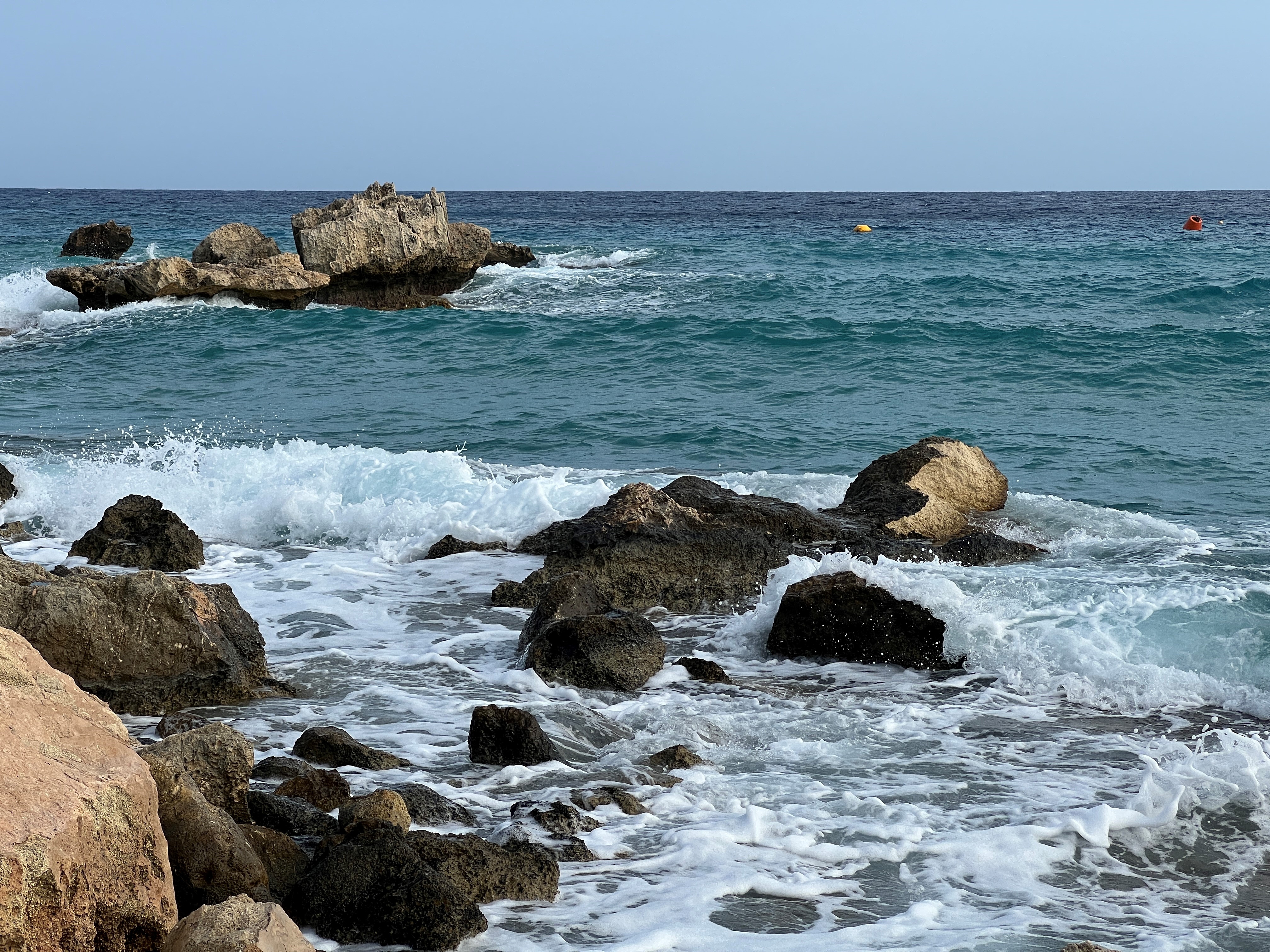
- Nature and Sea: Our first stop was an observation deck to see the migrating flamingos wintering at the Salt Lake. We then visited Nissi Beach, traveled the stunning coastline to the Sea Caves and the Blue Lagoon where we got amazing video of waves crashing up against the rocks.
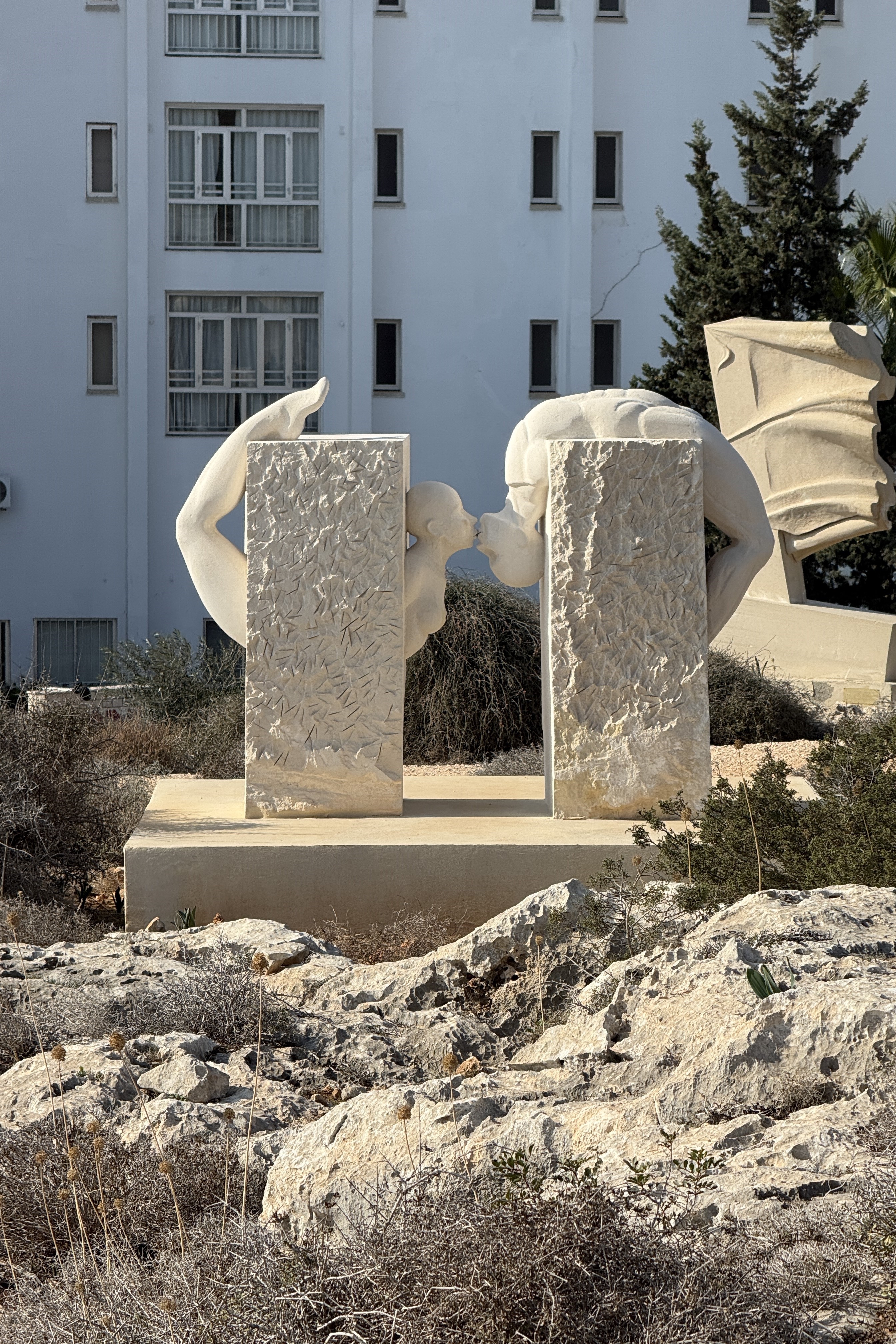
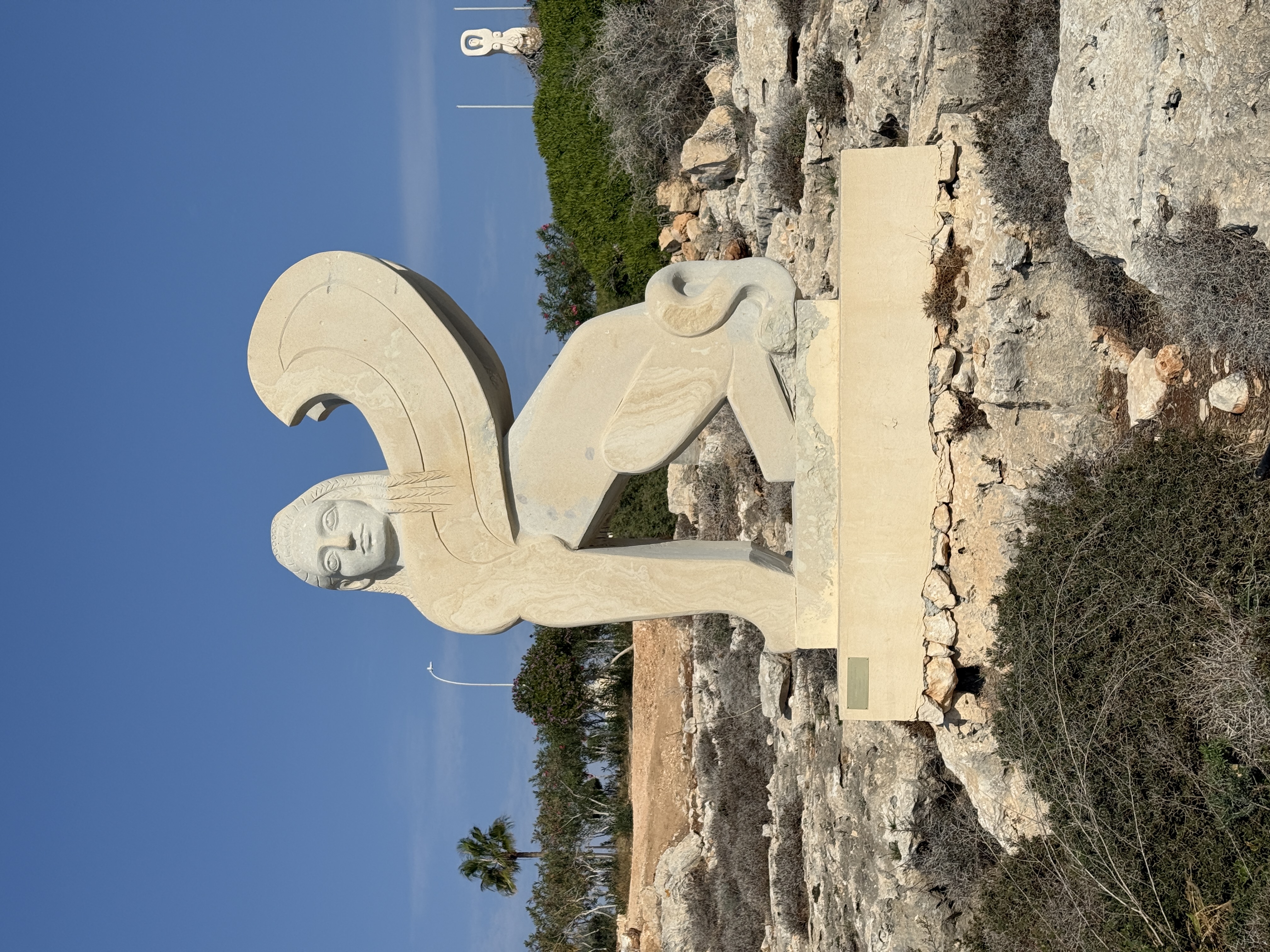
- Culture and Art: We visited the Lovers Bridge and the new Sculpture Park, which features sculptures by artists from all over the world.
- Cape Greco Hike: Our tour finished at Cape Greco National Park. Since it was winter and too cold to swim, we cut our stay short, but Tom and I, along with one of the women from our group, did a quick 30-minute hike around the point.
Local Exploration and Events
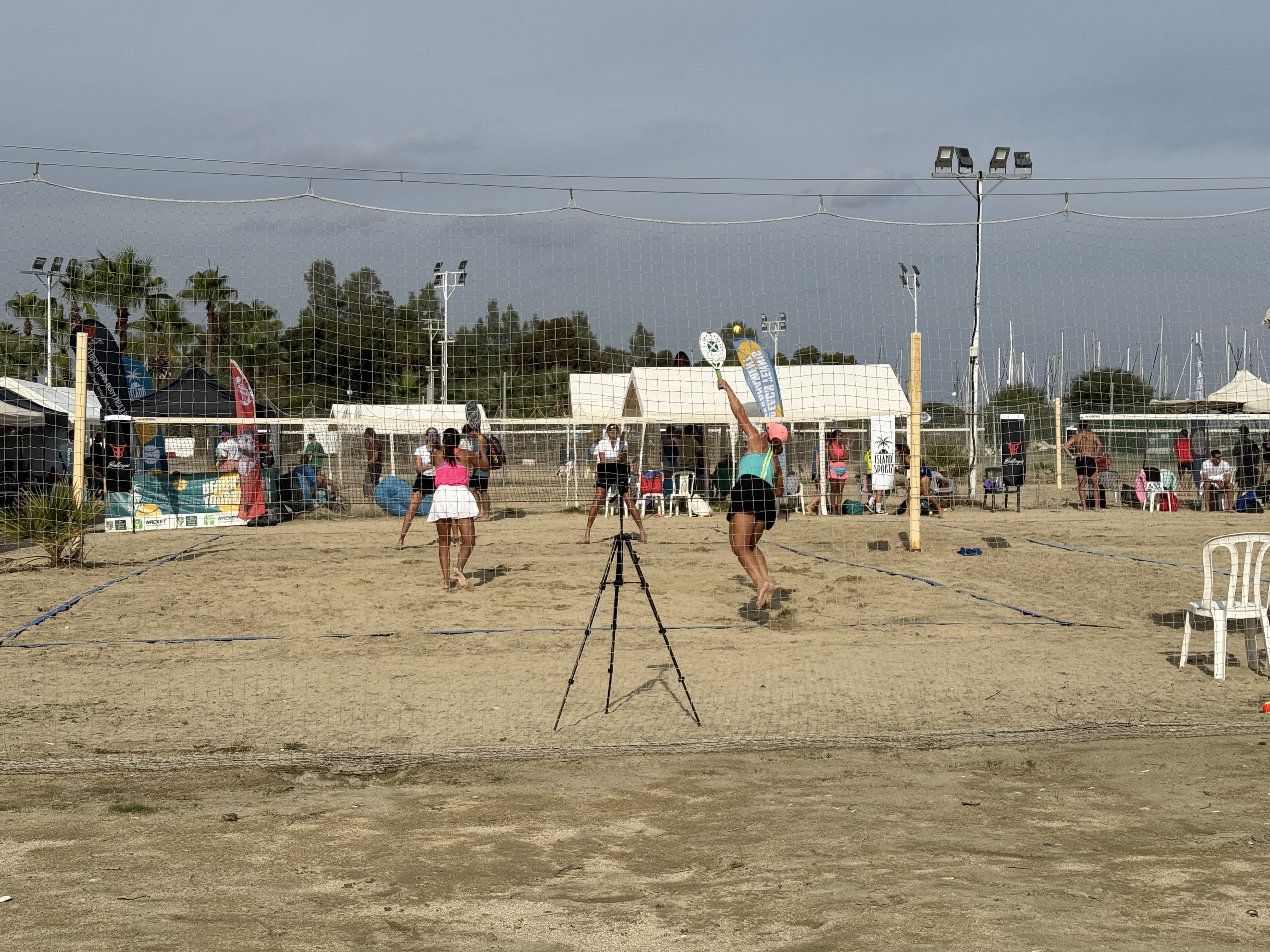
- Beach Tennis Tournament: Our stay was unexpectedly enhanced by a Beach Tennis Tournament happening on Finikoudes Beach. We enjoyed watching both the women’s/men’s doubles and the mixed doubles and seeing the different strategies between sunny days and super-windy days.
- St. Lazarus Church: We walked downtown to the historic Church of St. Lazarus. We couldn't go in on our first visit because we weren't dressed correctly, but we appreciated its imposing exterior.
- Flamingo Quest: We made a determined effort to see the wintering flamingos at the Salt Lake. We ended up seeing them on our tour of Ayia Napa, and again on our ride to the airport on the day we were leaving.
Culinary Discoveries and Shared Triumphs
We generally liked the food here better than in Paphos; the places we researched or had recommended to us were very good.
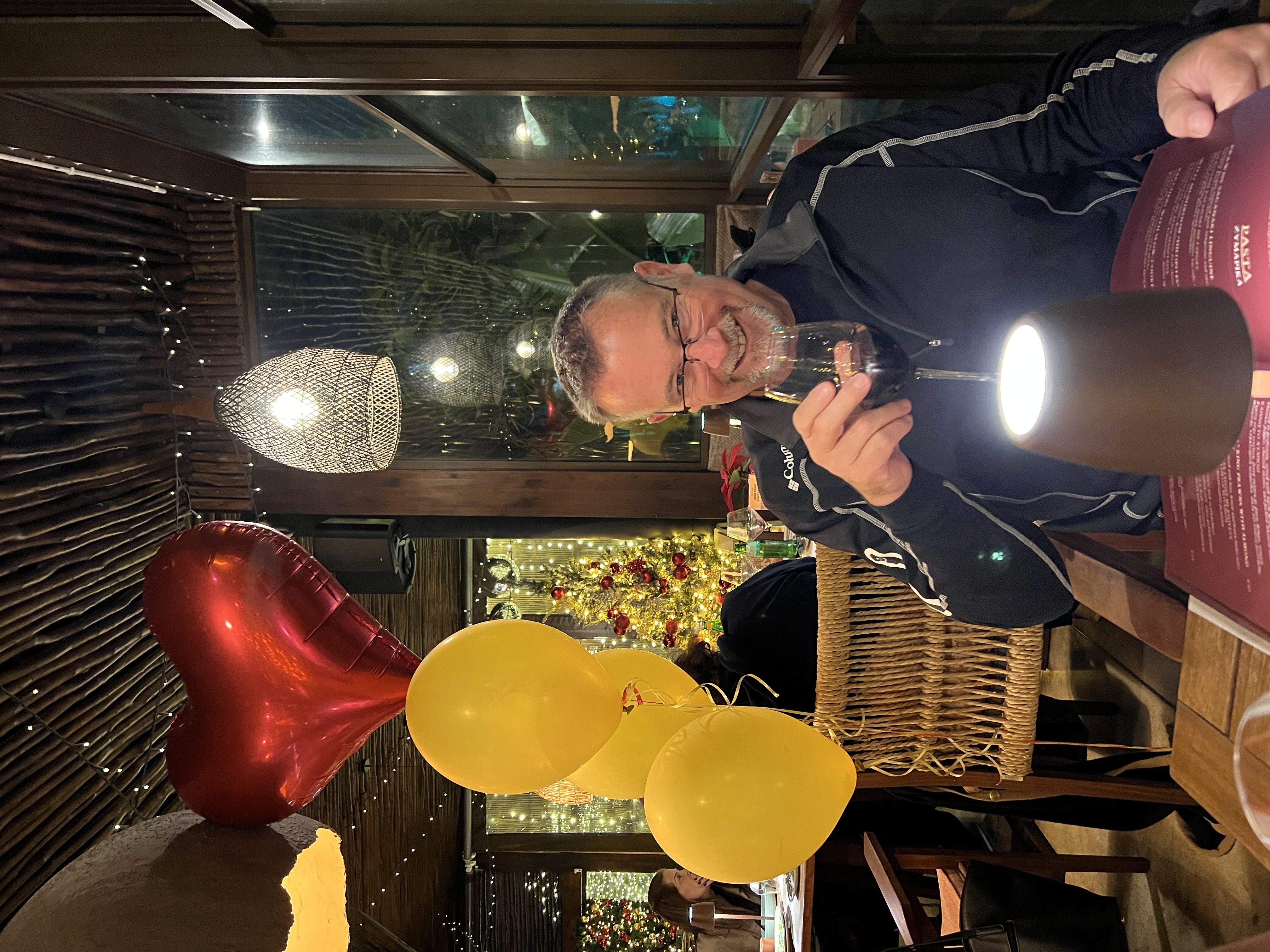
- Tom's Birthday Dinner: We celebrated Tom's birthday at Sea Natra, where we ordered an amazing sea bream with cauliflower purée that was absolutely phenomenal. We got a humorous photo of Tom with balloons from a birthday being celebrated by a large family seated right behind Tom. We liked it so much we went back again for lunch.
- Best of Cyprus: We had one of the best meals in all of Cyprus at Stou Roushia, and it was one of our most authentically local dining experiences. We thought they had the best tzatziki on the island, and went back to buy some as takeaway for us to snack on while we played games on the rainier days.
- Local Bakery Finds: We loved StoArtos Bakery near the St. Lazarus square because they do a lot of traditional Cypriot foods. We tried pastries filled with sausage and halloumi and later bought their seasonal, traditional Christmas cookies.
- The Wine Hunt: We found a great wine shop, The Oak Tree wine cellar, and purchased a bottle of Maratheftiko (it is considered Cyprus' premium indigenous red grape, often described as its top red variety) from Kolios Winery for only 18€. We also bought a Cypriot red blend of Giannoudi and Matara from Zambartas Winery, which we first had in a restaurant in Paphos, and we also found is sold at the duty-free at Larnaca airport, and we would definitely recommend.
What We Loved (and Didn't)
We left feeling that while Larnaca was not as charming as Limassol, it was ultimately rewarding. We loved the food, especially the local traditional spots, and we really enjoyed the unexpected beach tennis tournament. The Ayia Napa tour was one of the best cultural and nature experiences we had in all of Cyprus.
What We Didn't Like:
The biggest challenge was our choice of apartment location near McKenzie Beach. If you are going in a season where the beach and swimming is less of the focus (it was too cold to swim and it rained a lot during our stay), we would not recommend this area. We would suggest you stay near the old town and Finikoudes beach. If coming in the spring, summer, or early fall seasons, we would recommend Ayia Napa over Larnaca and take the intercity bus for a day trip to Larnaca.
Links: More Trip Reports |
Up Next: Munich, Germany

Welcome to the new Touchpoint Wines
We’re blending our passion for wine with a love for global exploration. Join us as we journey through the world's most captivating destinations, uncovering hidden wine gems and offering unique workshop experiences for your team retreats. Whether you're seeking to enhance team dynamics or discover the art of slow travel, let us be your guide.