For most international visitors, drinking in Britain is synonymous with cellar-temperature cask ales pulled in historic neighborhood pubs. For a wine student or serious enthusiast, however, the United Kingdom represents a dual viticultural landscape. On one hand, southern England is home to a world-class, critically established sparkling wine industry that legitimately rivals Champagne on the global stage. On the other, the UK remains one of the world's most sophisticated, open-minded import hubs—a market that produces only a fraction of what it consumes, resulting in an urban dining scene packed with rare, diverse bottle allocations from every corner of the earth.
Yet, exploring British wine culture as an independent slow traveler presents a logistical reality check. Outside of pockets in the South Downs, Kent, and Sussex, vineyards remain rural, fragmented, and challenging to stitch together without dedicating weeks strictly to driving.
Rather than attempting a grueling countryside driving tour, Tom and I experienced the UK from the inside out. Establishing ourselves in extended hubs—starting in the leafy London village of East Dulwich before moving west to the Georgian stone avenues of Bath, north to York, and finishing across Scotland in Edinburgh—we treated the nation’s specialized merchants, neighborhood tasting salons, and progressive wine bars as our primary classrooms. Anchored by a formal WSET English Wine& Cheese Masterclass at Streatham Wine House in South London, this guide explores the commercial reality of domestic viticulture alongside the extraordinary breadth of Britain’s urban wine lists.
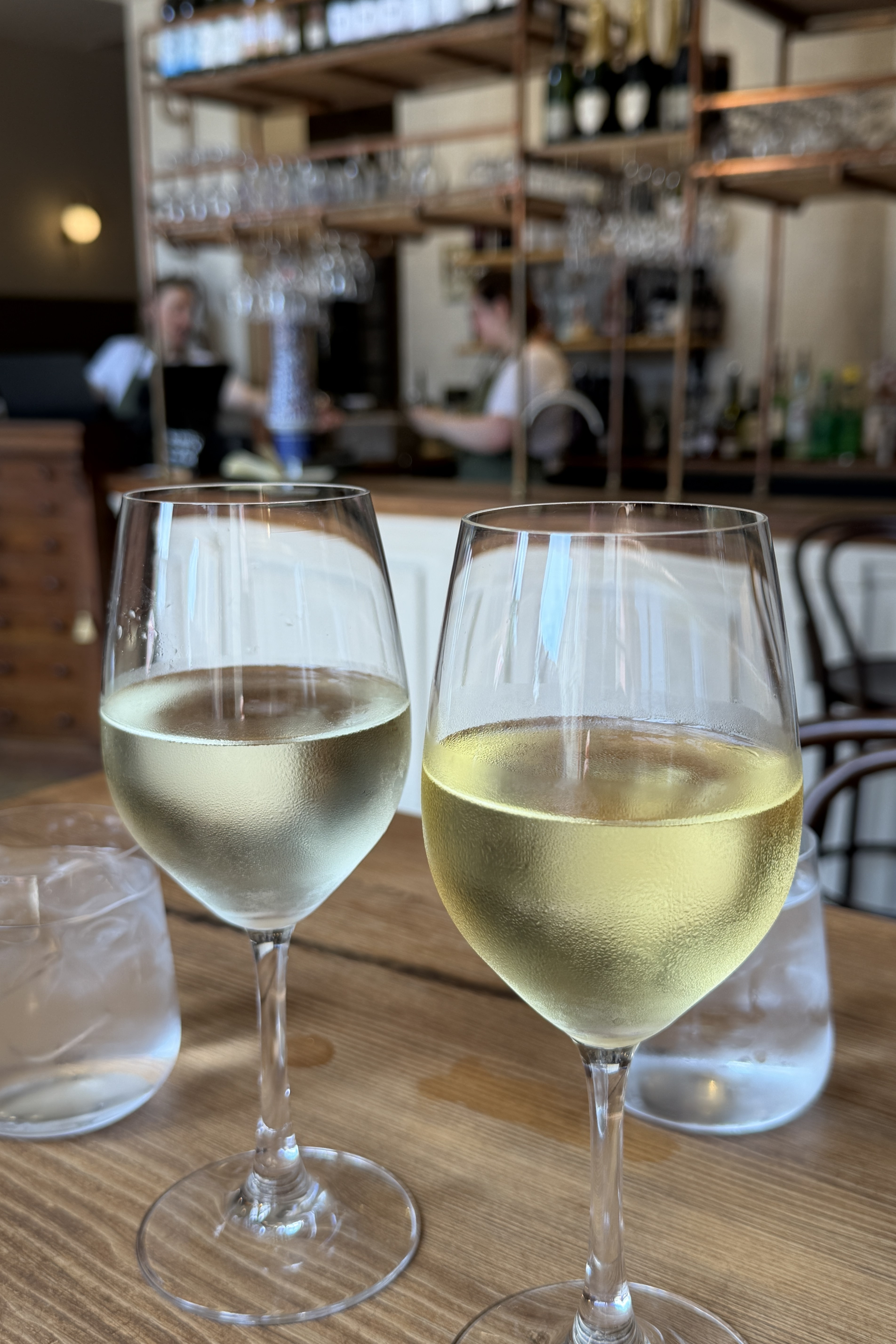
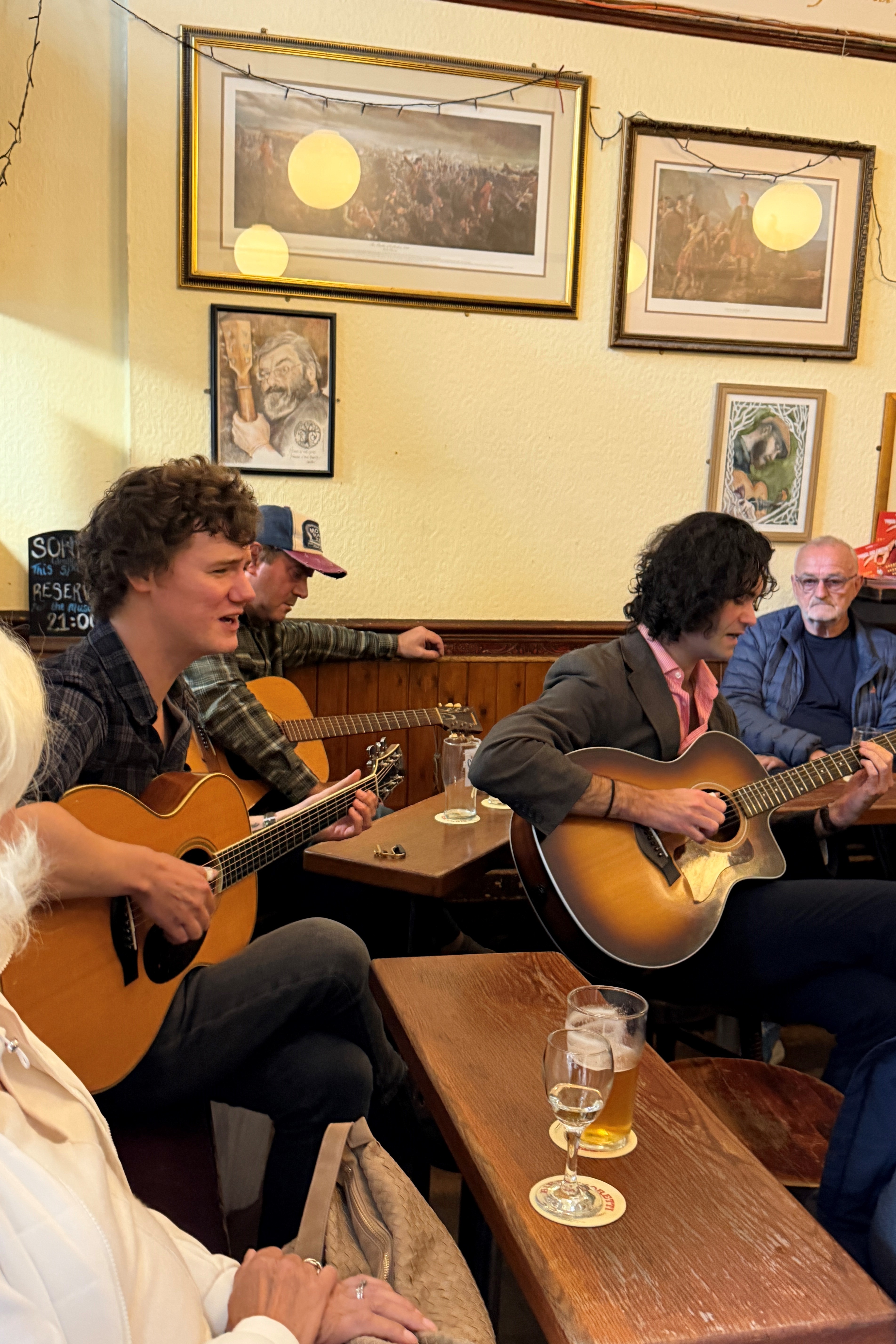
Navigating the UK Wine Landscape
Navigation requires understanding how inventory moves through the country. Unlike traditional continental wine regions where local bistros pour exclusively from nearby vineyards, British wine lists are shaped by domestic micro-production and an international import trade.
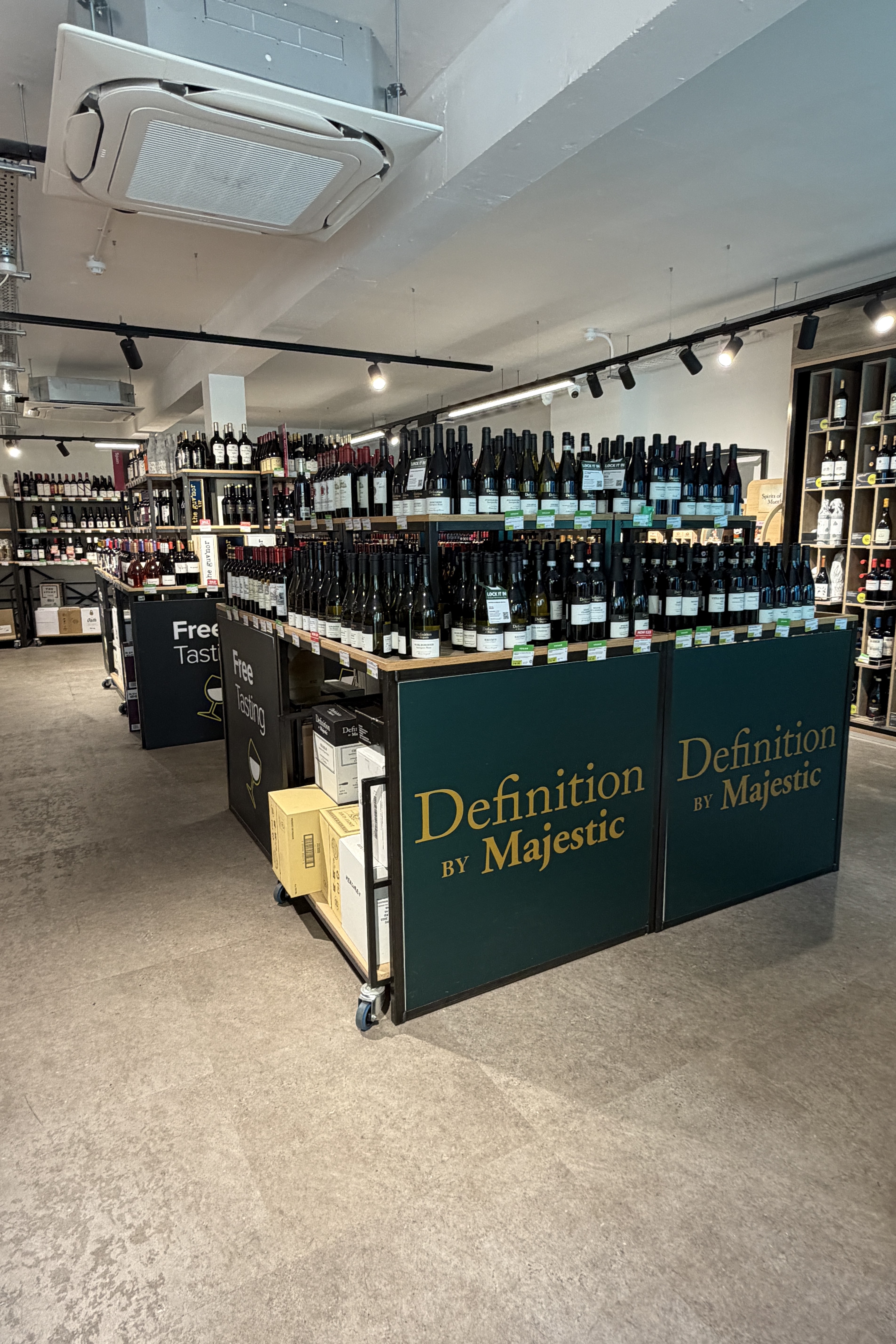
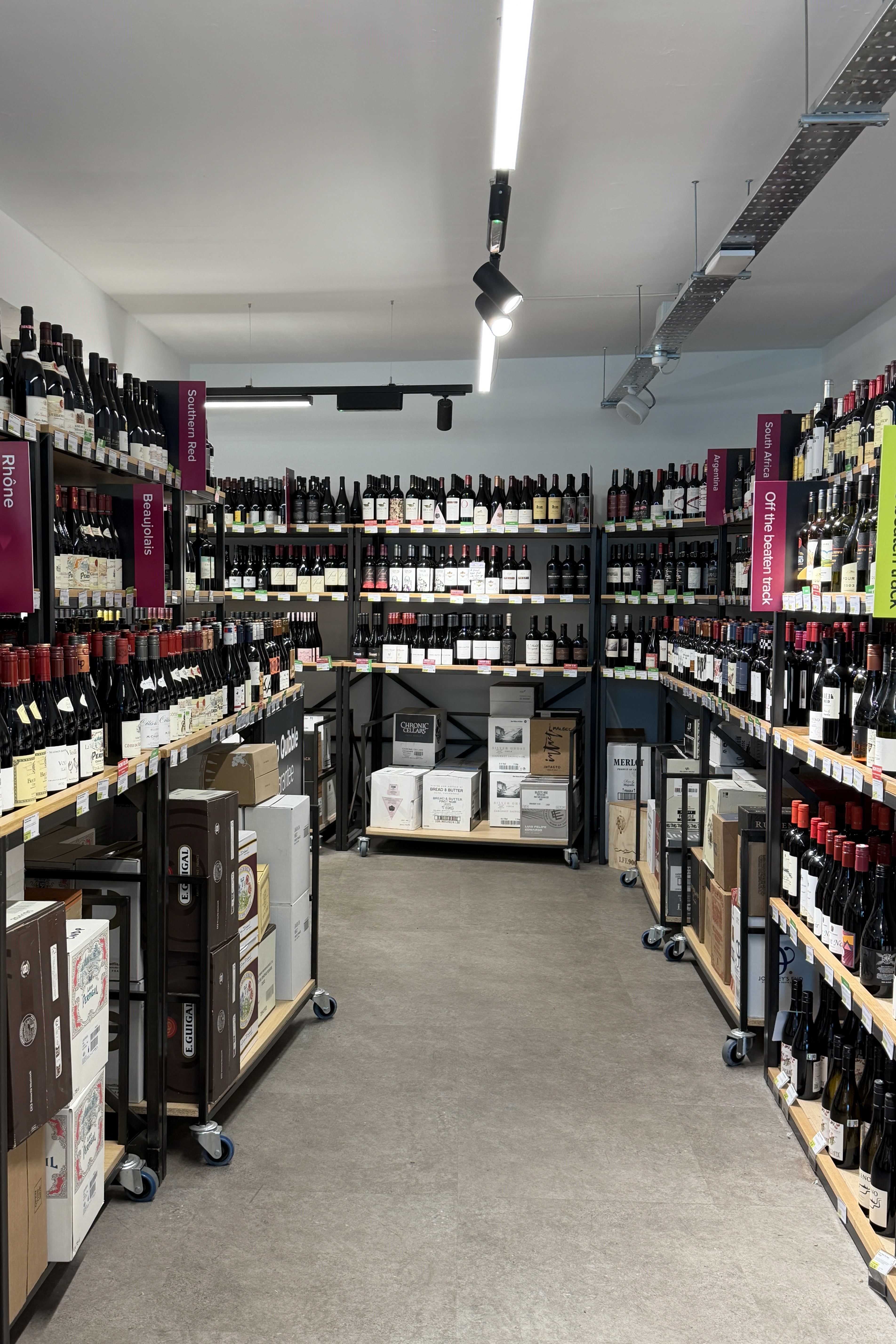
- The Retail Sourcing Dilemma: During our deep-dive discussion with the branch manager at Majestic Wine (the UK's prominent national specialist merchant), we uncovered a critical lesson: scale dictates retail distribution. Major commercial retailers struggle to stock boutique domestic producers because vintage variation in England is still so volatile that single-estate yields fluctuate wildly year to year. While large-scale commercial benchmarks like Chapel Down, Gusbourne, or Stopham Estate can be found in specialized shops, smaller artisan still wines rarely hit corporate shelves. To find cutting-edge domestic bottlings, seek out independent neighborhood bottle shops or progressive urban bars that hold direct grower allocations.
- The Urban Tap Solution: If you want to sample English wines without committing to steep £30–£50 bottle price tags, look for modern dispensary concepts like Vagabond Wines (with multiple locations across London, including Victoria). Utilizing automated Enomatic tap systems, they purchase English wines in volume and pour sample-sized tastes, allowing students to evaluate domestic typicity without high financial friction.
- UK Dining Realities: When structuring wine dinners, keep two British administrative quirks in mind:
- Discretionary Service & Taxes: Nearly every sit-down restaurant and wine bar automatically adds a 12.5% service charge to the final bill, alongside standard 20% VAT.
- The Table Turn Clock: Unlike southern Europe, where a table is yours for the night, UK dining culture enforces strict 90- to 105-minute table limits that are closely monitored during peak evening services.
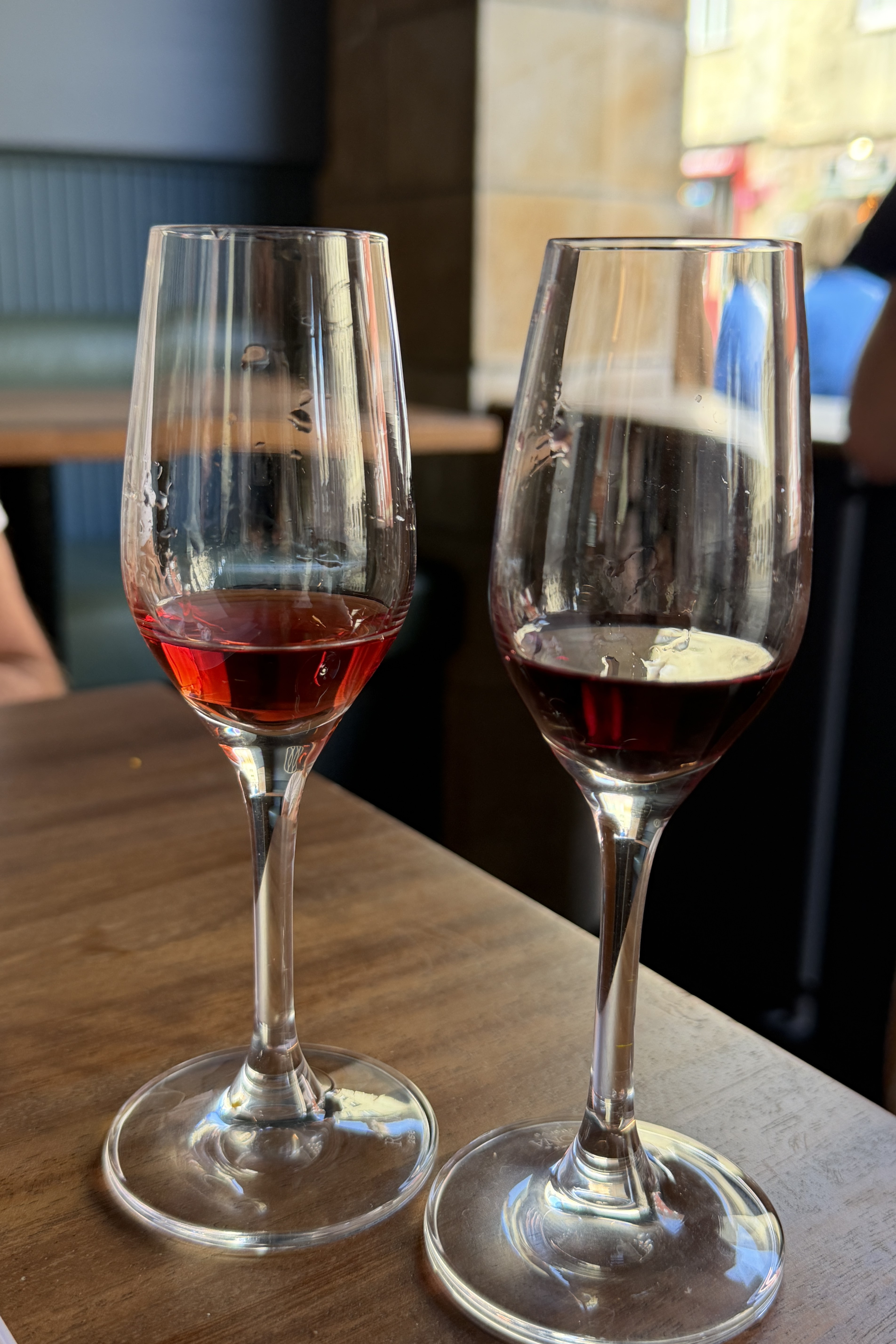
The Spoke Report: English Viticulture in the Field
The Learning Objective: Understanding Marginal Cool-Climate Viticulture
Why should a serious wine student study England? Because it provides a living case study in the outer climatic limits of viticulture.
- The Scale of the Renaissance: According to official WineGB data presented during our masterclass, England's vineyard area has exploded—growing from just 793 hectares in 2005 to an impressive 4,841 hectares across 1,104 vineyards and 238 wineries by 2024. Plantings are concentrated heavily across the south: Kent leads the nation with 1,239 hectares, followed by West Sussex (671 ha), East Sussex (461 ha), Hampshire (426 ha), and Essex (461 ha).
- Climate & Geography: England operates on a marginal, cool-climate maritime model. The growing season is characterized by long, high-latitude daylight hours paired with low heat summation and regular rainfall.
- Soil Profile: The premier sparkling districts of the South Downs (Sussex, Kent, Hampshire) rest on a sprawling, porous belt of Senonian Chalk and Upper Greensand—the exact same geological strata that dips beneath the English Channel and emerges in the Côte des Blancs of Champagne. Further inland, clay-limestone, greensand, and gravelly clays dominate the lower valleys.
Sparkling Wine: An Established World-Class Discipline
A common misconception among casual wine drinkers is that English sparkling wine is an emerging experiment. In reality, English sparkling wine is an established, world-class category that has already arrived.
Sparkling wine accounts for roughly 70% of all bottles produced in England. The country’s cool maritime climate and chalk soils provide natural, mouth-watering acidity paired with delicate fruit accumulation—conditions ideal for traditional-method sparkling production. Over the past two decades, top Sussex, Kent, and Hampshire estates have consistently triumphed over grand marque Champagnes in international blind tastings. The classic Champagne trio dominates English vineyard acreage: Chardonnay (1,498 ha), Pinot Noir (1,370 ha), and Pinot Meunier (411 ha) make up the vast majority of all domestic vines.
The Still Wine Frontier: Emerging Terroirs vs. Backyard Reality
While sparkling wine represents England's established baseline, still wine remains the evolving frontier. Accounting for the remaining 30% of production, still wines are led by Bacchus (334 ha)—a cold-hardy crossing that yields vibrant, elderflower- and nettle-driven whites—alongside hybrids like Seyval Blanc and Reichensteiner.
As temperatures warm, Essex and the Crouch Valley have emerged as the premier territory for still Pinot Noir and Chardonnay. Sheltered from excess rain, Essex captures some of the highest sunshine hours in the UK, allowing boutique estates like Danbury Ridge to produce still reds with genuine phenolic ripeness and structural depth.
However, our session at the South London Wine School (hosted at Streatham Wine House alongside artisanal British cheeses from Hamish Johnston in Battersea) highlighted the contrast that still defines the domestic scene. Alongside commercial bottlings, our tasting featured hyper-local community projects—such as urban sparkling and red wines from Chateau Tooting (The Urban Wine Company), produced from garden and allotment vines gathered across London. While we did not like the local community wines, it was interesting to see how viticulture and winemaking are being shaped.
While community-sourced wines make charming stories, they illustrate the gap between amateur viticulture and professional winemaking. For a WSET student, the lesson is clear: while England's top estates produce world-class sparkling and precise still wines, the secondary tier can vary considerably in technical stability. Discerning quality requires verifying producer credentials, vineyard provenance, and cellar control.
The Global Cellar: Why the UK is an International Tasting Laboratory
Because domestic vineyards provide only a small portion of what the country drinks, the UK is defined by its deep international trade. For centuries, British merchants have curated the finest cellars from Bordeaux, the Rhône, Spain, and Portugal.
Today, this legacy has evolved into an urban wine bar scene with exceptional breadth. In London, Bath, Bristol, or Edinburgh, you rarely sit down to a list restricted to domestic labels. Instead, you encounter independent sommeliers pouring everything from rare Greek Xinomavro and Georgian amphora whites to high-altitude Spanish reds and classic French terroirs. For a certification candidate, visiting the UK functions as a dynamic international tasting lab—allowing you to evaluate regional benchmarks across multiple countries alongside top-flight domestic sparkling.
The Regional Style & SAT Tasting Notes
- Rathfinny Wine Estate, Classic Cuvée Brut 2019 (South Downs, Sussex)
- Appearance: Clear, pale lemon-gold with a vibrant, persistent stream of delicate, pinpoint bubbles.
- Nose: Clean, pronounced intensity, displaying an elegant, classic autolytic profile. High-toned aromas of crisp green apple, lemon curd, and white peach are seamlessly woven with rich secondary notes of toasted brioche, biscuit dough, and crushed chalk minerality.
- Palate: Dry, medium-bodied, carried by a refined, creamy mousse. The structure is powered by an electric, mouth-watering high acidity that gives the wine exceptional linear drive, and exceptional balance. Flavors of crunchy orchard fruits, citrus zest, and baked pastry fill the mid-palate, leading into a taut, intensely refreshing, and saline-chalk finish.
- Conclusion: Outstanding quality. The Why: Established in 2010 by Mark and Sarah Driver on the chalky South Downs, Rathfinny's estate cuvée captures the world-class pedigree of English sparkling wine. A blend of 44% Pinot Noir, 41% Chardonnay, and 15% Pinot Meunier, the wine is aged on its lees for at least three years in bottle. The maritime breezes and pure chalk bedrock allow the fruit to develop autolytic depth while locking in the structural acidity necessary to rival grand marque Champagne.
- Domaine Louis Moreau, Petit Chablis 2024 (Tasted at 22 Clifton, Bristol)
- Appearance: Clear, pale straw-yellow with bright green highlights.
- Nose: Clean, medium intensity, displaying textbook cool-climate Kimmeridgian typicity. Aromas of green apple, lemon peel, and white grapefruit are framed by an unmistakable streak of crushed oyster shell, wet chalk, and sea-spray salinity.
- Palate: Bone dry, light-to-medium bodied, driven by a high, electric, and razor-sharp acidity. The mid-palate delivers crisp citrus and green pear, backed by a taut, steely mineral tension that leaves a clean, mouth-watering finish.
- Conclusion: Good quality. The Why: Petit Chablis provides an ideal comparative benchmark for cool-climate Chardonnay, illustrating how Portlandian limestone soils and cool northern latitudes preserve high natural acidity without the weight or softening influence of oak.
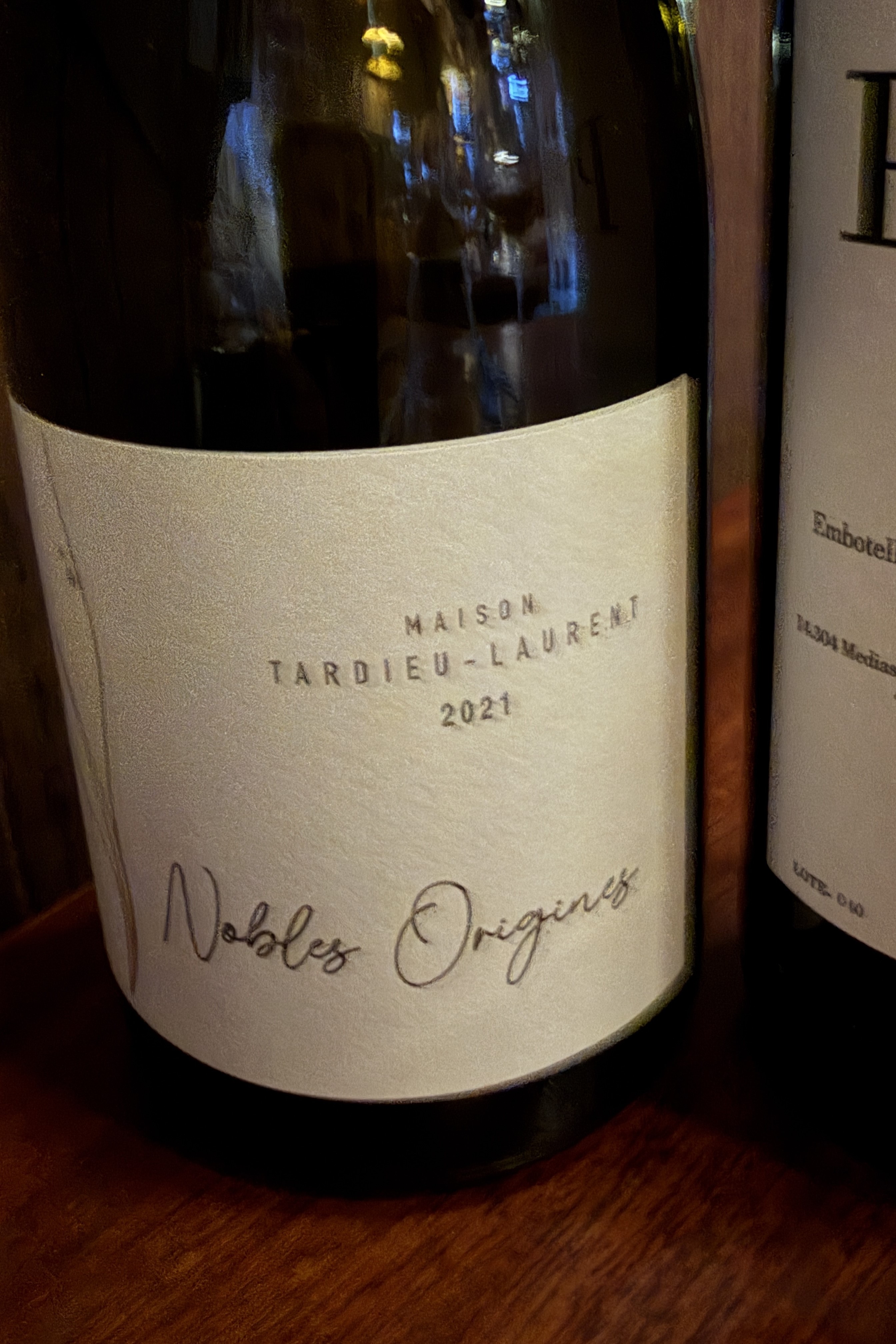
- Maison Tardieu-Laurent, Côtes-du-Rhône "Les Becs Fins" 2021 (Tasted at Cask & Vine, Edinburgh)
- Appearance: Clear, deep ruby-purple with a concentrated magenta core.
- Nose: Clean, medium-plus intensity, revealing a rustic, Old World bouquet. Aromas of ripe black cherry, wild blackberry, and crushed dark plum are layered with secondary notes of cracked black pepper, smoked meat, dried garrigue herbs, and licorice.
- Palate: Dry, medium-plus bodied, featuring a broad, supple texture. Medium acidity frames an architecture of medium-plus, fine-grained tannins. The mid-palate is packed with dark savory fruit, leading into a long, warming, spice-inflected finish.
- Conclusion: Very good quality. The Why: Sourced from an elite Rhône négociant-éleveur, this Syrah-Grenache blend showcases the power of neutral wood maturation, demonstrating how cellar discipline preserves peppery terroir character without heavy oak extraction.
- Bodegas y Viñedos Pintia (Vega Sicilia), Toro 2019 (Tasted at Cask & Vine, Edinburgh)
- Appearance: Clear, opaque deep purple-ruby with viscous, slow-moving tears.
- Nose: Clean, pronounced intensity, expressive with dark fruit and spice. Layers of blackberry compote, cassis, and black plum jam are interwoven with dark chocolate, espresso bean, toasted vanilla, and an iron-rich mineral warmth.
- Palate: Dry, full-bodied, and concentrated, carrying a powerful 15.5% ABV that remains integrated. High, muscular, and ripe tannins are balanced by medium-plus acidity. The palate delivers deep waves of concentrated dark fruits and toasted oak spices, culminating in a resonant finish.
- Conclusion: Outstanding quality. The Why: An exceptional masterclass in extreme continental viticulture. From alluvial boulder soils at 700 meters elevation in Toro, Pintia harnesses the intense sun to fully ripen thick-skinned Tinta de Toro (Tempranillo), while the severe nighttime diurnal drop preserves the vital structural acidity required to balance 15.5% alcohol.

The Hub Scene: Urban Cellars, Merchant Flights, and Wine Dinners
When exploring the UK without visiting rural cellars, your education relies entirely on the quality of urban curation. Here is where slow travelers and students should taste:
London: Neighborhood Cellars & Historic Arches
- A Neighborhood Authority —Majestic Wine (East Dulwich): An accessible classroom for understanding the retail side of British wine. Setting time to speak directly with the branch manager provided invaluable insights into domestic allocation hurdles, vintage swings in Kent, and why independent bottle shops hold the keys to micro-batch English still wines.
- The Historic Benchmark —Gordon’s Wine Bar (Charing Cross): Established in 1890, Gordon's is London's oldest operating wine bar. You descend down steep, narrow wooden stairs into 19th-century vaulted stone cellars lit entirely by candlelight, or sit outside on Watergate Walk beside Victoria Embankment Gardens. The list is classical and European-focused—making it an atmospheric stop to grab a crisp glass of Loire or Austrian white after a day in the city.
- The Fusion Lab — TOZI (Victoria): An exceptional venue for studying food and wine pairing. This Venetian cicchetti outpost features an Italian-driven list. Pairing a bright, savory Friulano white against their signature buffalo ricotta and black truffle ravioli in melted butter delivers a textbook lesson in how northern Italian acidity cuts through rich dairy fats.
Bath& Bristol: Georgian Terraces and Cellar Flights
- The Natural Wine & Small Plate Elite — Corkage (Bath): Tucked onto Chapel Row, this Bib Gourmand-accredited wine restaurant is Bath’s premier wine bar. Rather than relying on rigid commercial menus, their list is organized by flavor profile (e.g., "Fresh & Crisp," "Rich & Spicy"). It is a wonderful venue to order creative small plates, pull up a seat on their covered garden terrace, and taste through rotating flights of high-altitude Austrian whites or natural reds.
- The Merchant Cellar — 22 Clifton (Bristol): Located in the picturesque Georgian quarter of Clifton Village, this hybrid wine shop and bar features a lower-level cellar space pouring rotating tasting flights and was one of our favorite wine experiences in the UK. It is an ideal, low-pressure setting to sit down with a flight of three distinct whites (comparing French Picpoul and Petit Chablis against New Zealand Sauvignon Blanc) and chat wine trends with the knowledgeable staff before walking across the Clifton Suspension Bridge.
- The Seafood Benchmark — The Scallop Shell (Bath): One of the finest seafood restaurants in the West Country. Skip the standard pub pints and head to their sister bar, Sydney’s, for an aperitif before sitting down in the main dining room. A chilled glass of crisp Picpoul de Pinet paired alongside coastal oysters and crisp haddock fish and chips is un-missable in regional food pairing.
York: Riverfront Sips and Michelin Cellars
- The Casual Riverfront Perch— Plonkers Wine Bar: Located directly on the River Ouse near Clifford’s Tower, Plonkers offers an unpretentious, relaxed atmosphere. Grabbing a riverside outdoor table with a chilled glass of white is the perfect antidote to the crowded tourist corridors of the Shambles.
- The High-End Pairing Laboratory — Skosh: An extraordinary Michelin-rated dining room on Mickle gate specializing in creative, globally inspired small plates. Pairings here are thrilling: dishes like salt-aged beef fillet tataki with cherry, mustard, and kohlrabi, or lobster dumplings in lemongrass foam, can be paired with an eclectic, accessible bottle list (including characterful Portuguese reds) at exceptionally fair pricing.
The Northward Frontier: Edinburgh’s Standout Wine Scene
To our surprise, across our entire UK journey, Edinburgh delivered the absolute best wine bar culture outside of London. The Scottish capital breaks into two distinct vibes: while Old Town leans into dramatic medieval history, pubs, and Scotch whisky, the wide, elegant Georgian streets of New Town (and neighboring Stockbridge) harbor a sophisticated, friendly wine community. It is a neighborhood where certified sommeliers, neighborhood regulars, and slow travelers mix over shared bottles.
If you travel north, these four establishments represent essential stops:
- The Royal Mile Innovator —The Black Grape: Located on the lower stretch of the Royal Mile toward Holyrood Palace, this venue anchors its philosophy in creative Scottish small plates paired with an adventurous global cellar. Their list is organized by structural profile (such as "Silky & Smooth" or "Spicy & Warming") rather than simple geography, giving their sommeliers the freedom to introduce guests to unexpected regions like Turkey, Georgia, Lebanon, and North Macedonia. A chilled glass of their fresh, red-fruited Turkish red paired with shared plates made for one of our favorite casual tastings in the city.
- The Neighborhood Benchmark— Smith & Gertrude (Stockbridge): Tucked into the vibrant village-like pocket of Stockbridge, this is the neighborhood wine bar perfected. Specializing in curated wine-and-cheese flights served alongside seasonal small plates, the team here pours thoughtfully selected allocations—including obscure indigenous grapes like Ribera del Duero's rare white Albillo Mayor or project wines from renowned French producers. It is cozy, unhurried, and deeply rooted in the local community.
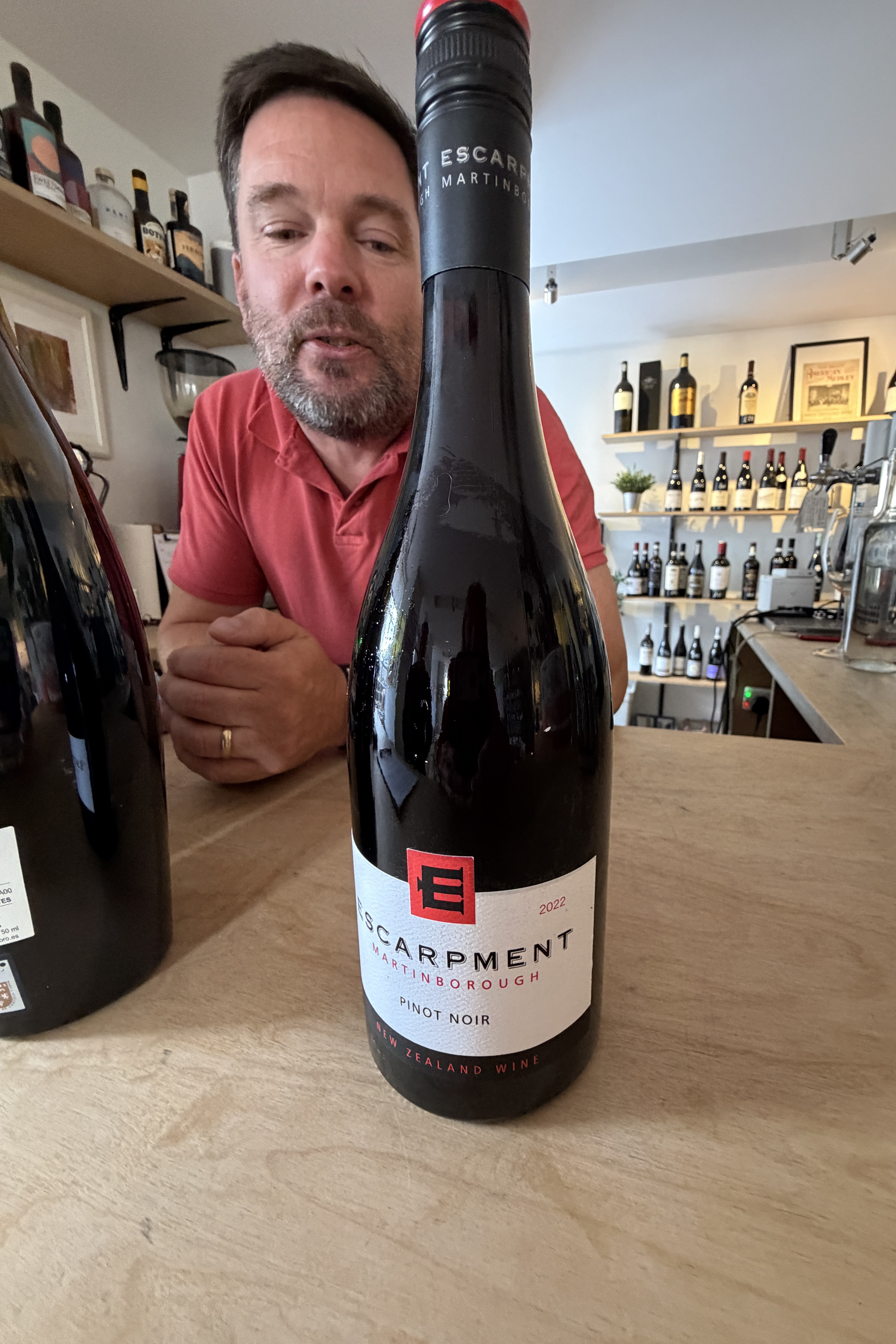
- The Producer Champion —Good Brothers Wine Bar (Stockbridge): Owned by Graham, an energetic hospitality veteran who completed an 18-month cellar stage in Burgundy, Good Brothers radiates hospitality. Graham regularly opens rare, unique bottles off-menu to share with guests, guiding you through selections like cool-climate South Island New Zealand Pinot Noirs or small-batch natural bottlings. His approach captures the welcoming, unpretentious spirit of the Edinburgh wine scene: treating wine not as a luxury status symbol, but as an agricultural product meant to bring people together.
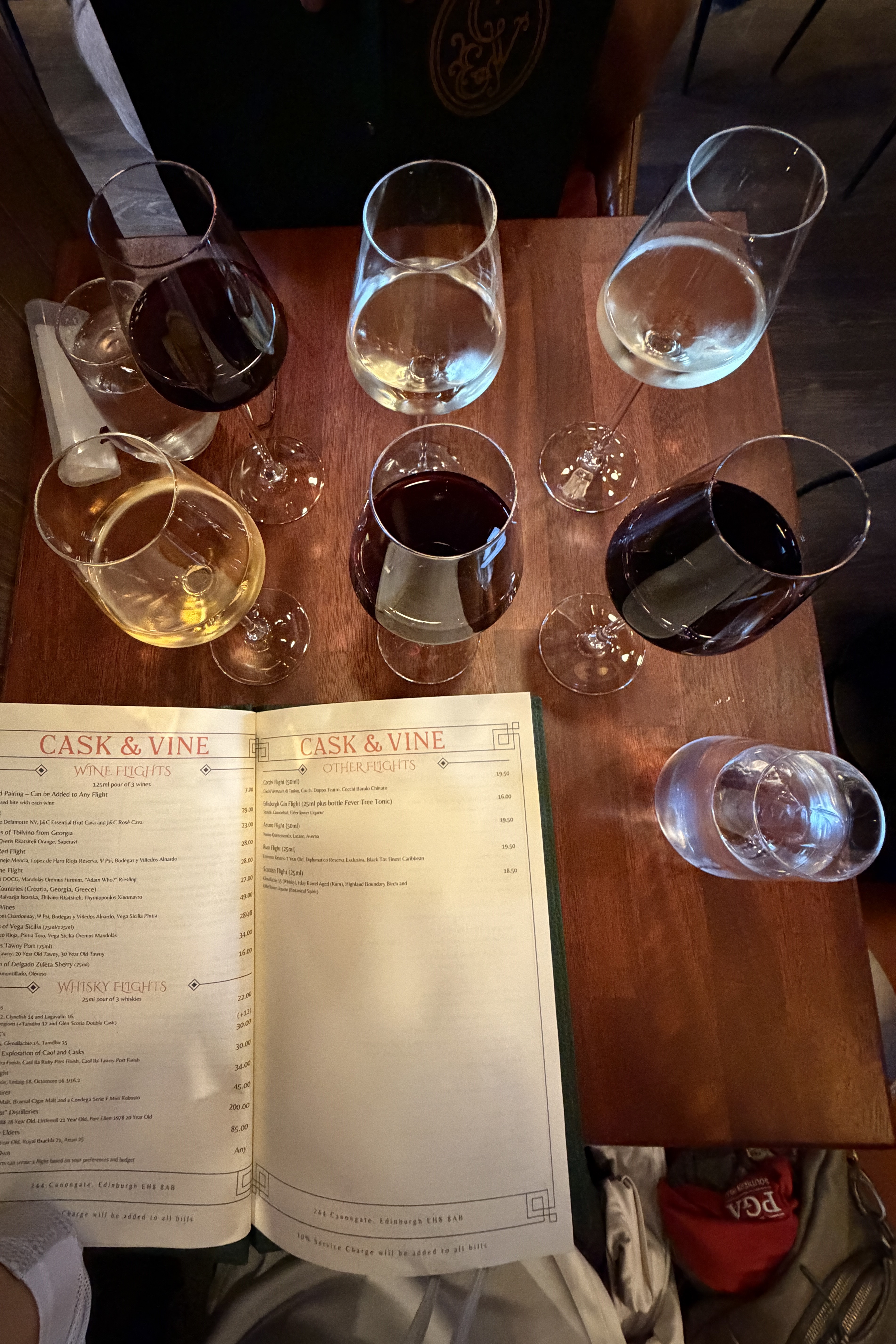
- The Ultimate Educator —Cask & Vine: Positioned right in Old Town on the Royal Mile, Cask & Vine serves as an exceptional urban wine academy. With a cellar boasting over 100 artisan bottles, the staff includes multiple professionals actively studying for their WSET Diplomas. Rather than adhering to rigid flights, they gladly build custom comparative tastings tailored to your exact budget and palate—effortlessly moving from Croatian Malvazija and Georgian amber wines to legendary powerhouses like Vega Sicilia's Pintia. It was our single best tasting experience in Scotland.
The WSET Study Corner
- The Production Profile: According to WineGB official data, the UK produced 10.7 million bottles of wine in 2024, with sparkling wine consistently commanding roughly 70% of total production (peaking at 76% in high-yield vintages like 2023).
- Label Anatomy (PDO vs. PGI)
- English Quality Sparkling Wine (PDO): Must be produced exclusively from classic varieties (Chardonnay, Pinot Noir, Pinot Meunier, Pinot Blanc, Pinot Gris) via traditional secondary fermentation in the bottle, spending a minimum of 9 months on the lees.
- Regional Still Wines (PGI): Provide regulatory flexibility, permitting cold-hardy crosses and hybrids like Bacchus, Seyval Blanc, and Reichensteiner to help growers mitigate vintage variation.
- Flashcard Moment — The Chalk Connection: Why are the chalk soils of the South Downs viticulturally significant? Answer: Sharing the same Cretaceous Chalk basin as Champagne, the South Downs feature exceptional water-regulating properties: porous chalk acts like a sponge, absorbing winter rains and delivering steady capillary hydration to vine roots during dry summer spells while naturally restricting vigor to concentrate fruit flavors and preserve natural acidity.
The Exam Cheat Sheet
- Climate: Cool maritime; high latitude (50°–52°N) with long daylight hours, mitigated by the Gulf Stream but vulnerable to high humidity, spring frosts, and autumn rainfall.
- Soils: Cretaceous Chalk belts in Sussex and Hampshire; greensand, clay-limestone, and gravelly clays across Kent and the Crouch Valley (Essex).
- Key Varieties: Chardonnay (1,498 ha), Pinot Noir (1,370 ha), Pinot Meunier (411 ha) representing over 70% of plantings; Bacchus (334 ha) as the signature still white.
If you are interested in learning more about the WSET Certification in Wine. I received my Level 2 from Johnson & Whales University in Charlotte, NC and my Level 3 from the Napa Valley Wine Academy in Napa Valley, CA.
Continue Exploring: Trip Reports, Planning Guides & Regional Wine Studies
Field study doesn’t end at the bottom of the glass—it connects directly to how you structure your journey. To dive into the logistical foundations of our UK travels, along with our other expereances, explore our link below.
Links:
London Trip Report | Bath City Trip Report | Bath & Day Trips Planning Guide | Part 2: Escapes from the Hub: 5 Unforgettable Day Trips from Bath | Surviving & Thriving at the Edinburgh Fringe: A First-Timer’s Tactical Guide | More Trip Reports | More Planning Guides
Next Up: Croatia Wine Guide


Welcome to the new Touchpoint Wines
We’re blending our passion for wine with a love for global exploration. Join us as we journey through the world's most captivating destinations, uncovering hidden wine gems and offering unique workshop experiences for your team retreats. Whether you're seeking to enhance team dynamics or discover the art of slow travel, let us be your guide.