At a Glance
- Duration: 3 Weeks July 2026.
- Home Base: A quiet apartment at 10 Grove Street, just a short walk across Pulteney Bridge into the historic core.
- Ready to venture beyond the city walls: While Bath makes for a magnificent pedestrian retreat, its rail and bus connections open up ancient Henge monuments, limestone gorges, and university riverbanks. Dive straight into our full breakdown of routes, schedules, and pub stops in our companion guide: Escapes from the Hub: 5 Unforgettable Day Trips from Bath.
- Top Day Trip: Oxford—Punting down the tranquil river with a half-bottle of Rioja and pacing the very gravel paths where the Inklings debated myth and truth.
- Memorable Moment: Finding ourselves invited into a pre-opening "friends and family" celebration on the patio of Osteria Partenopea, sharing Prosecco, small bites, and stories with the owners.
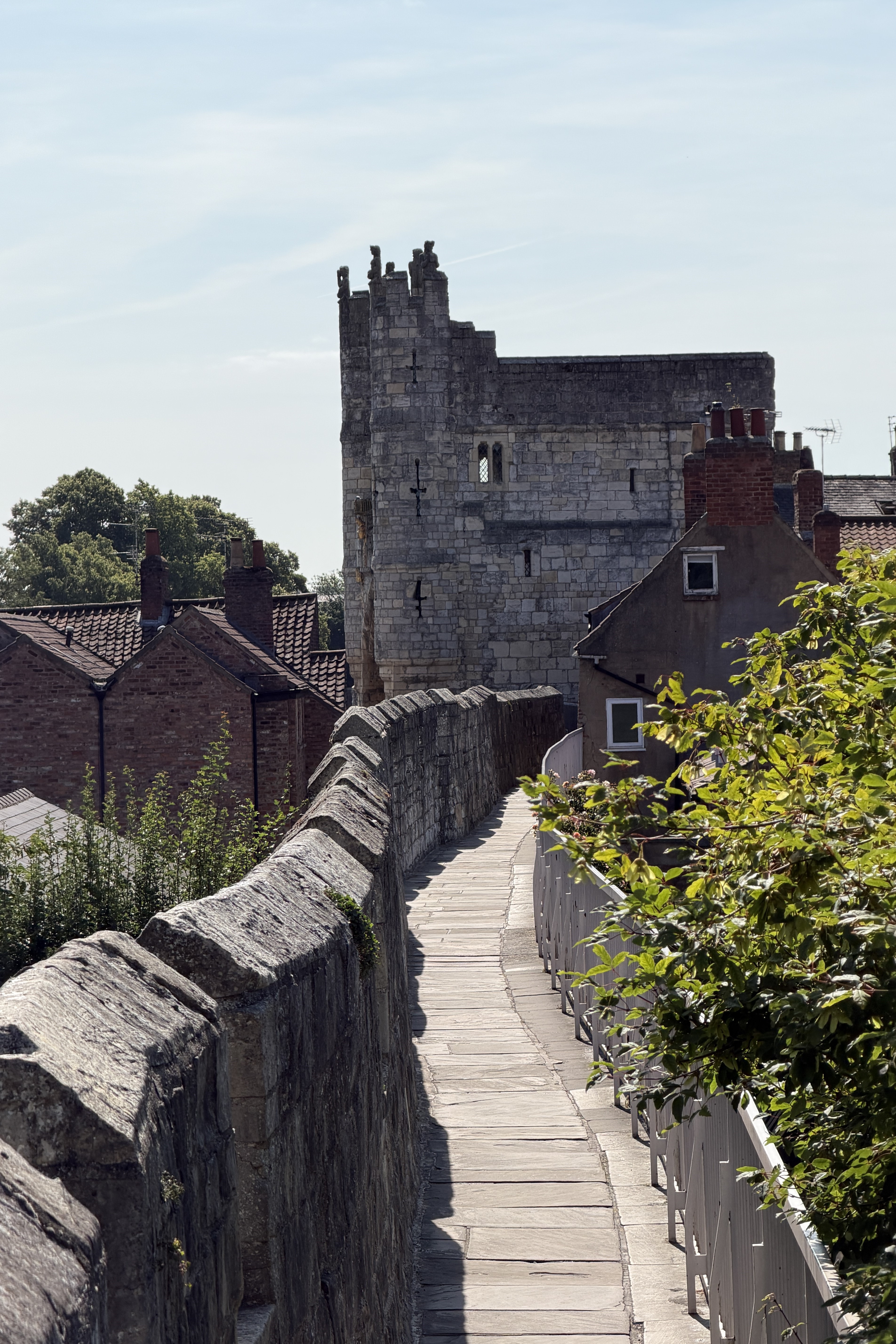
- Overall Vibe: Historically majestic, architecturally unified, and surprisingly pastoral. While Bath carries a prominent reputation on the international tourist circuit, it preserves an intimate local cadence once the day-trippers disperse, surrounded by public footpaths leading into open meadows and woods.
This Town is Special Because... (Introduction & Our Why)
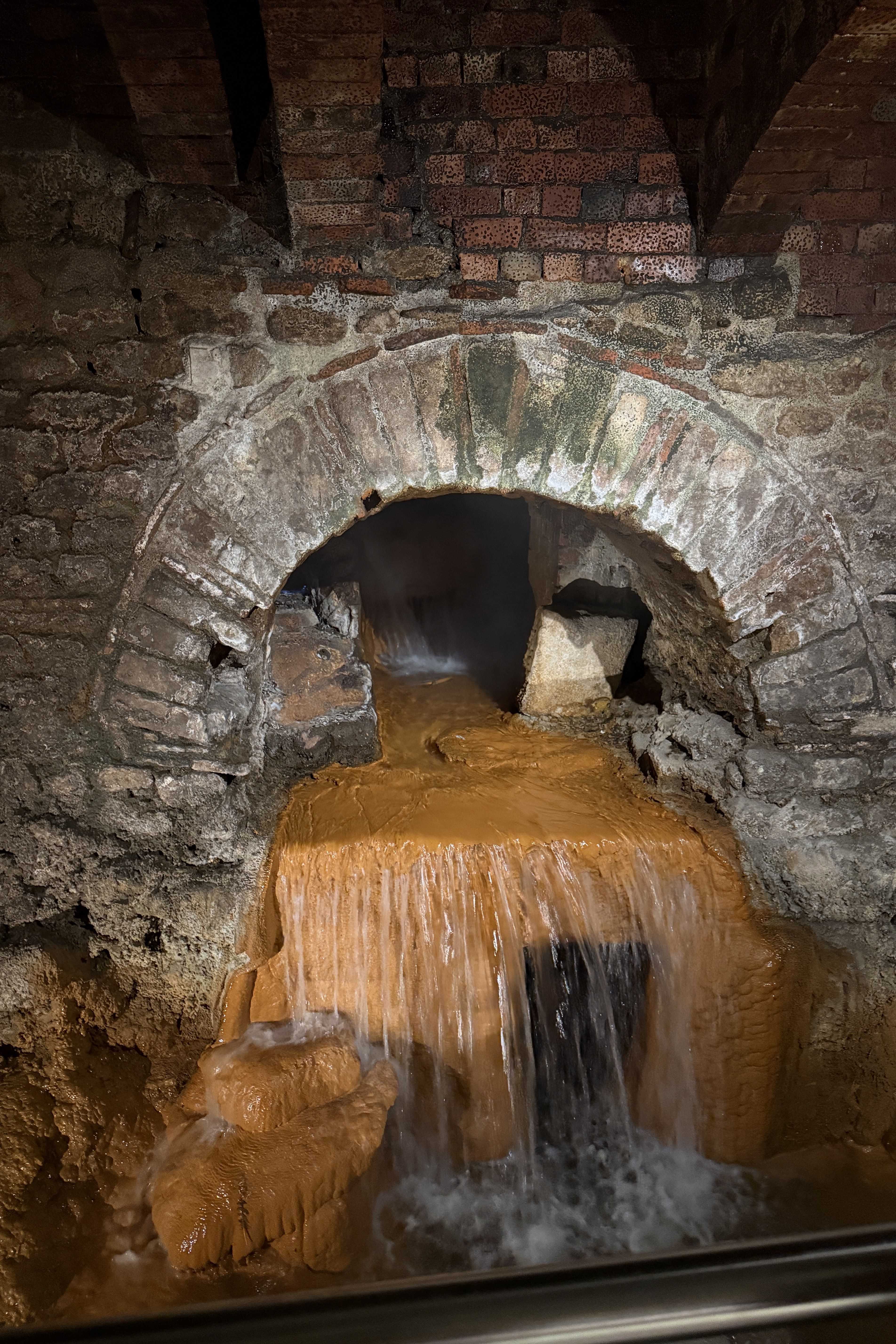
Bath proved to be one of our favorite slow-travel hubs. Rising from the Somerset basin along the River Avon, the city owes its glowing, uniform appearance to "honeyed stone"—the warm, creamy golden-yellow Oolitic limestone quarried directly from the local hills to construct its iconic Georgian crescents and terraces. Long before it became the fashionable playground for 18th-century aristocracy looking to "take the waters," ancient peoples recognized the spiritual gravity of Britain's only natural hot springs, tossing carved flint arrowheads into the steaming fissures thousands of years ago as sacred offerings.
We selected Bath as our three-week West Country base to balance cultural immersion with scenic regional connectivity. What made Bath truly unforgettable was its quintessential British harmony of historic urbanity and green accessibility. Step two minutes off a bustling cobblestone shopping street and you find yourself along a tranquil canal towpath watching narrowboats navigate historic locks, or climbing into hillside pastures grazed by cattle. It delivers seamless urban convenience while keeping pastoral nature right at your doorstep.

Our Home Base: 10 Grove Street
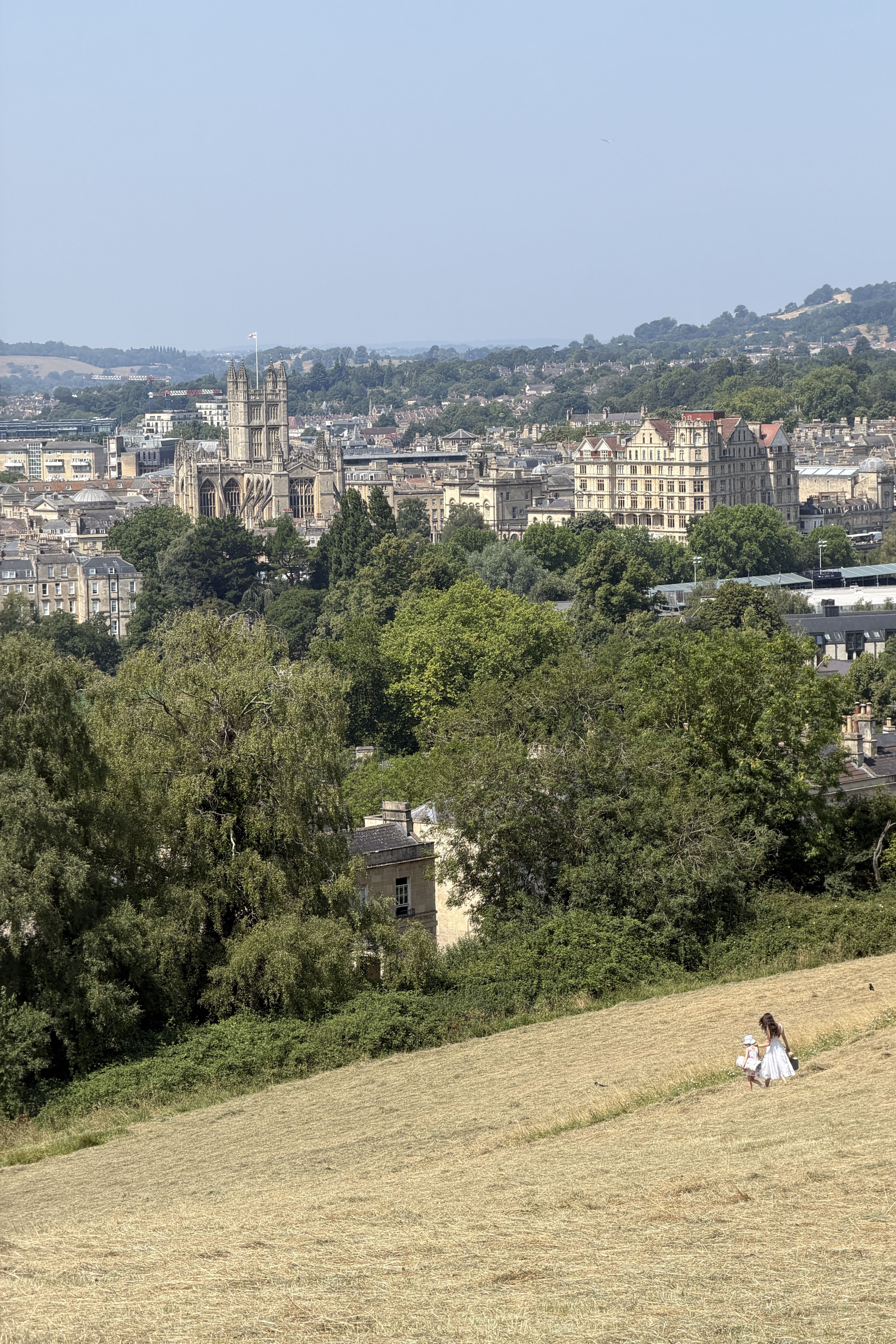
Our apartment was nestled on Grove Street, just northeast of the historic core. Positioned mere steps from the grand sweep of Great Pulteney Street and the historic shops lining Pulteney Bridge, it was an ideal location. We were an easy, flat 12-minute walk from Bath Spa railway station, making our frequent train excursions into Wiltshire and Oxford shire effortless.
Staying on Grove Street allowed us to experience the city's changing moods. While the center hummed with tour groups during the midday hours, our evenings were serene. We could step out at twilight to wander past the floodlit Roman Baths, admire the sweeping arc of the Royal Crescent without the crowds, or stroll the quiet avenues of nearby Sydney Gardens.

Our Bath Experience: The Day-to-Day
Walking Through Centuries of History
To ground our stay, we joined a walking tour led by The Mayor of Bath's Honorary Guides. These passionate volunteers lead comprehensive, two-and-a-half-hour walking tours that are entirely free of charge—in fact, the guides are legally forbidden from accepting tips. Our guide, David, traced the city's fascinating trajectory from prehistoric times and Roman engineering through its Georgian golden age steered by social arbiter Beau Nash and stone magnate Ralph Allen.
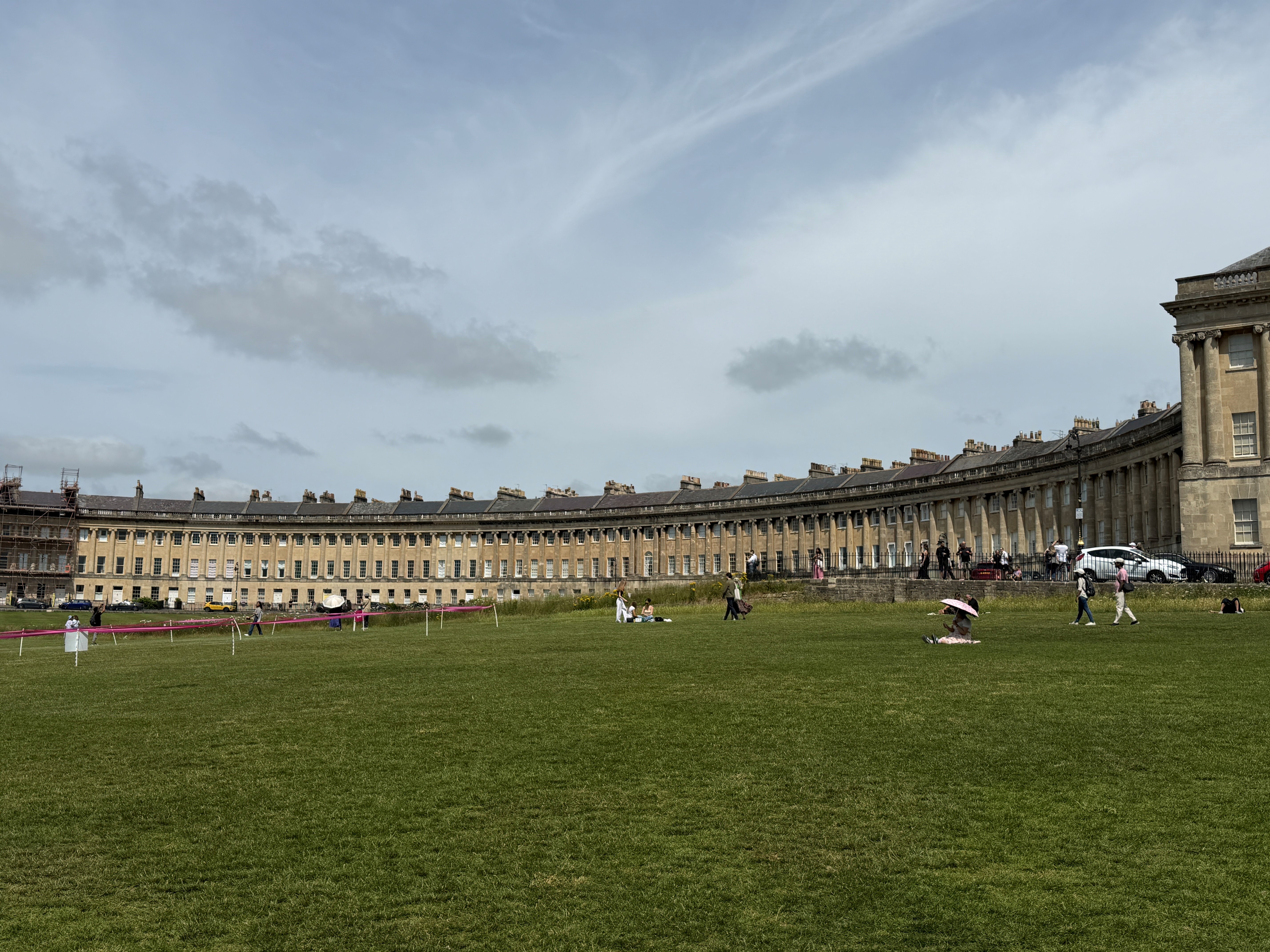
We marveled at the architectural theatre of The Circus—John Wood the Elder’s three-part circular terrace inspired by the Roman Colosseum—and the towering curve of the Royal Crescent. For anyone who loves classic English literature, the stroll between the two is pure magic. This very path serves as the emotional climax of Jane Austen’s final masterpiece, Persuasion. As you walk toward the sweep of the Royal Crescent, you trace the exact steps where Captain Frederick Wentworth and Anne Elliot finally confess their enduring love and regard for one another after eight years of estrangement. Standing on the gravel looking up at the uniform honey-colored facades, it was delightful to pause and imagine that scene unfolding against the backdrop of Georgian high society.
Hillside Meadows and Canal Paths
Our fitness routine took full advantage of the region's remarkable network of public rights-of-way:
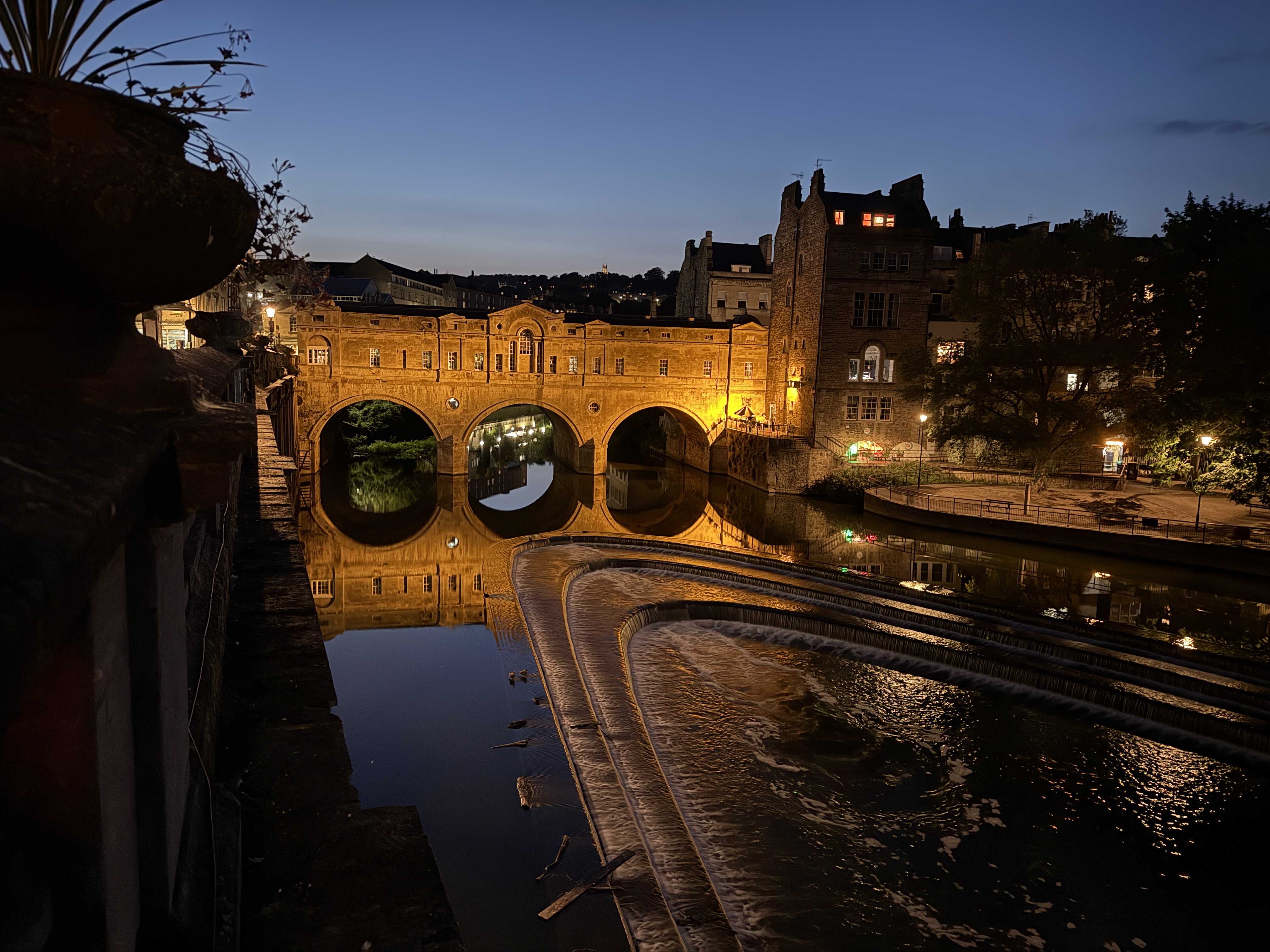
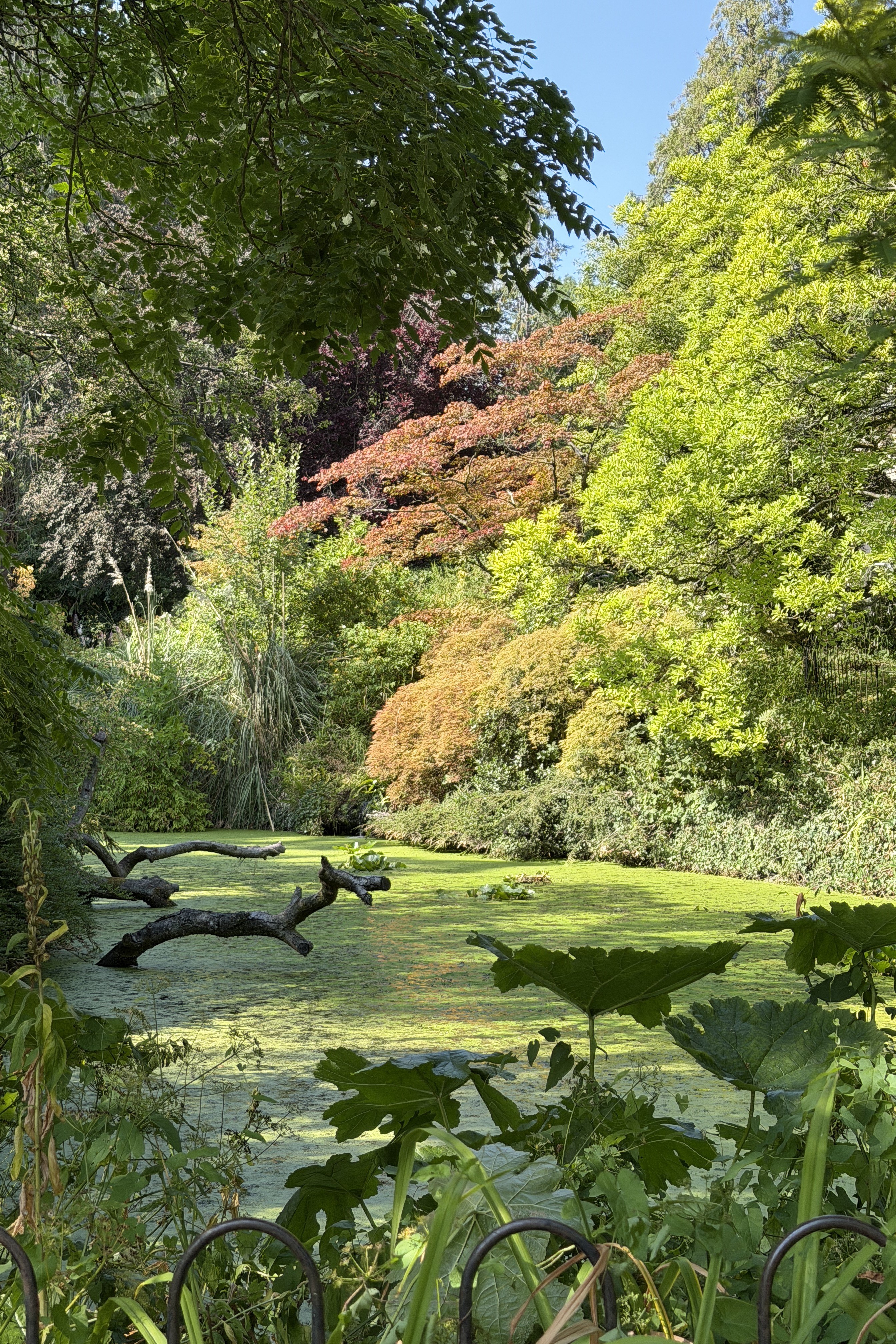
- The Bath Skyline Walk: We loved this trail so much that we tackled it multiple times. Leaving the city behind, the trail ascends through dense beech woodland before opening into sprawling, high-altitude meadows were cows graze quietly. Along the ridge sits Sham Castle, an ornamental folly built in 1762 by Ralph Allen to showcase the architectural capabilities of his quarry stone while embellishing the view from his town residence (it now serves as a scenic backdrop for the local golf course driving range). Scrambling through rustic stiles, turnstiles, and latched wooden gates felt like stepping straight into classic countryside lore.

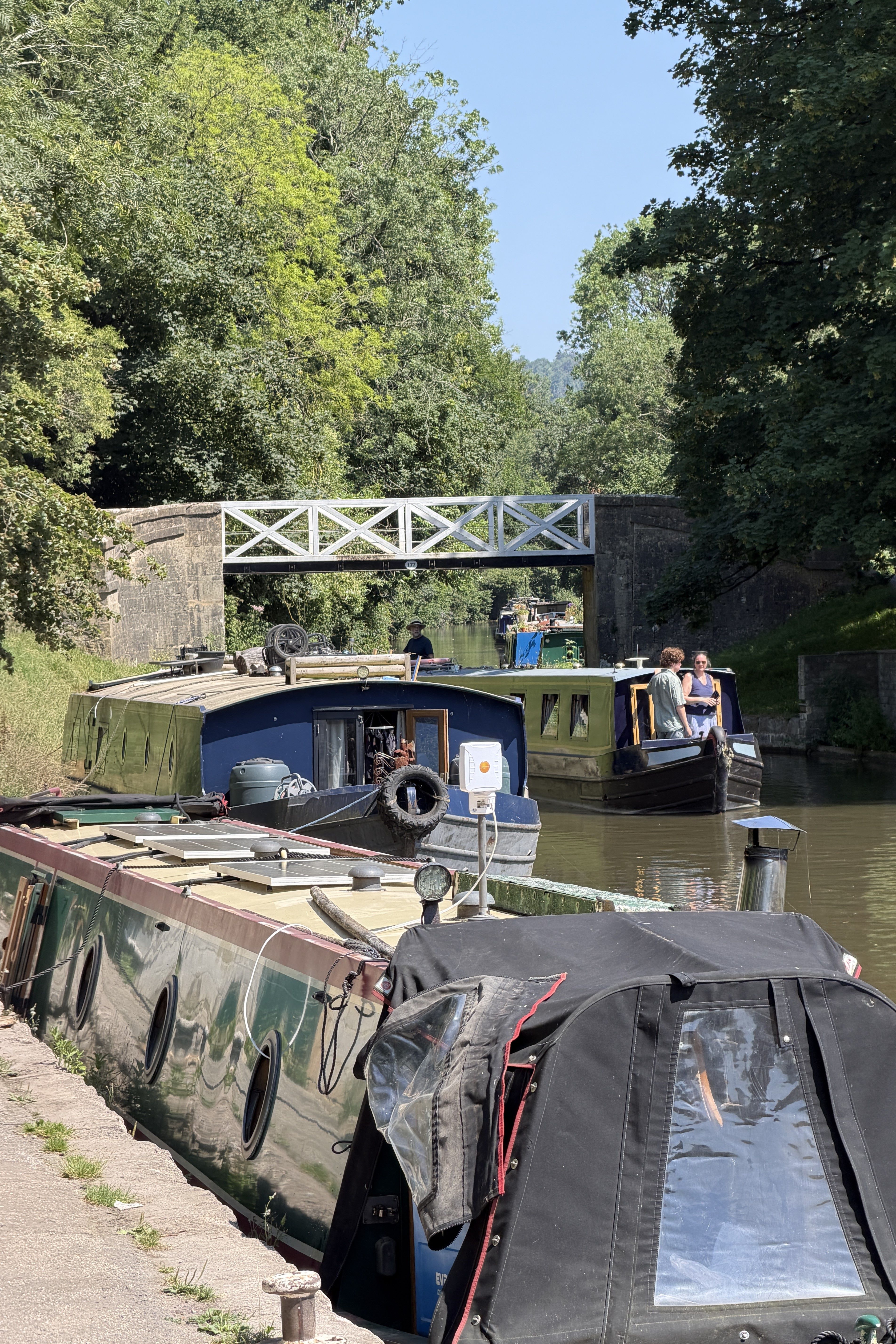
- Kennet & Avon Canal Towpath: On quieter afternoons, we strolled the flat towpath running alongside the River Avon, admiring the houseboats, watching narrowboats maneuver through the locks, and observing how daily life gently revolves around the water.
- Dundas Aqueduct to Prior Park: We embarked on a three-hour, 12-kilometer trek out toward the Dundas Aqueduct, watching families swim and picnic along the water before pausing on our return leg to watch an authentic weekend cricket match.


Festive Rhythms: The Bath Carnival & Summer Fayre
During our stay, Bath’s polite Georgian veneer gave way to vibrant community celebrations:
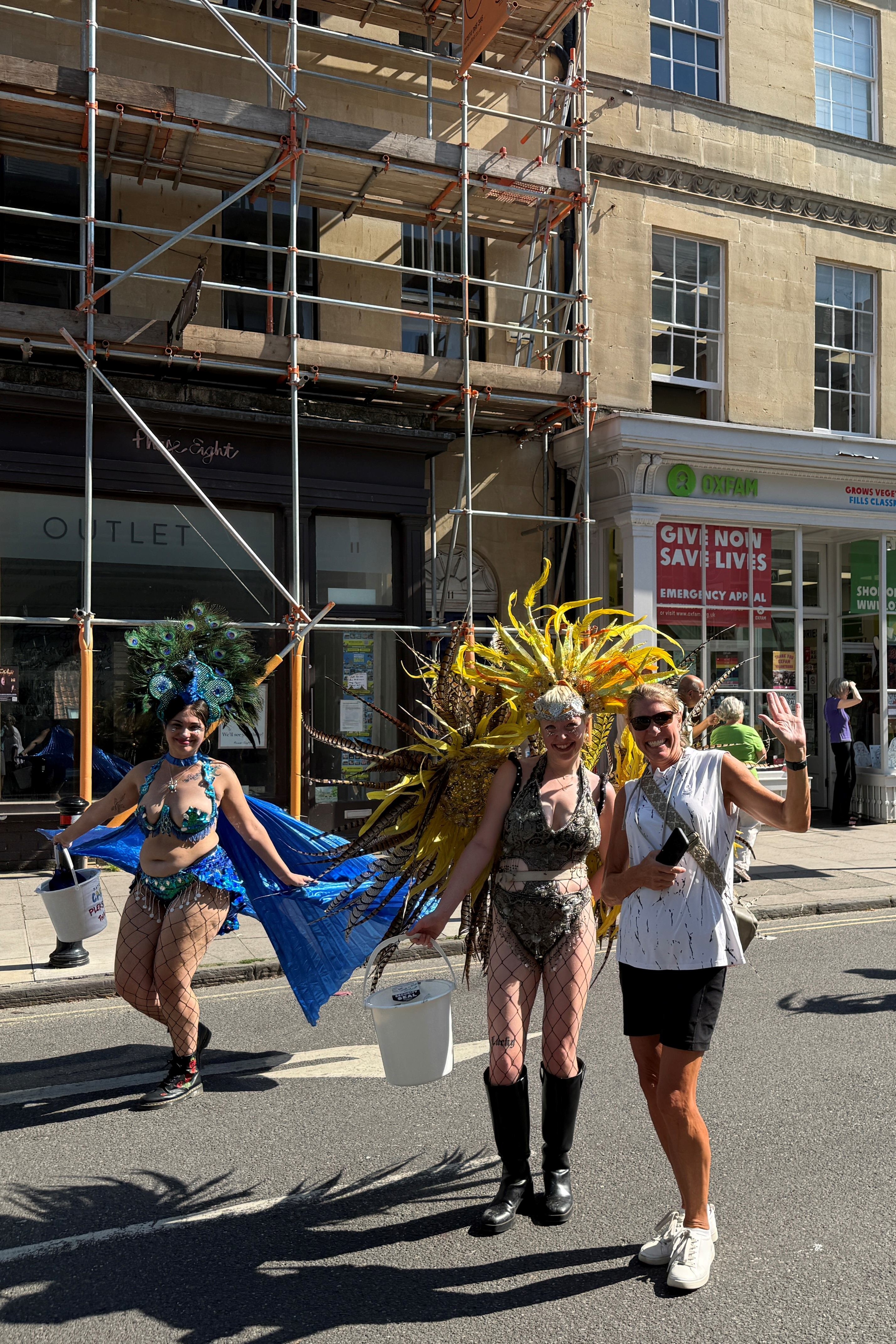
- The Bath Carnival: We claimed a shady spot under the trees in Sydney Gardens, listening to live blues-rock, Egyptian pop, and reggae rhythms. At 3:00 PM, the Carnival Procession surged forward, bringing over 1,000 costumed dancers, roaring samba drummers, and giant puppets down Great Pulteney Street past roaring crowds.
- The Bath Summer Fayre: Spilling across central thoroughfares like Milsom Street, this street festival gathered regional woodworkers, artisans, and street food vendors. We grazed the stalls with cups of refreshing Pimm's and lemonade in hand, picking up artisanal fudge and marinated feta salad.

Culinary Discoveries & Historic Sips
Bath surprised us with the caliber of its dining scene, easily surpassing the predictable tourist menus common in many European hubs.
- The Scallop Shell: Simply outstanding. We enjoyed pre-dinner drinks next door at their sister bar, Sydney’s, before digging into fresh coastal oysters, salt cod fishcakes, a vibrant tomato salad, and a shared platter of haddock fish and chips. The open kitchen and lively playlist made it an instant favorite, earning an eager return reservation.
- Clayton’s Kitchen: An exceptional set-price lunch experience. Tom’s meal was extraordinary—a delicate lobster appetizer accompanied by rolled cucumbers, followed by pan-seared sea bass over seasoned potatoes with pickled cucumber. It immediately became a frontrunner for our annual Touchpoint Tally culinary awards.
- Sotto Sotto & Magari: Italian dining in Bath is remarkably strong. Sotto Sotto delivered an intimate evening in its vaulted stone cellars, while Magari served fantastic fresh, homemade pasta at casual outdoor tables.
- Osteria Partenopea: Wandering past this new establishment, we peeked onto the terrace and struck up a warm conversation with the owners as they prepared for their launch. Co-owner Manuel invited us to their private "friends and family" pre-opening celebration the following evening. We spent an hour sipping Prosecco and sampling fresh bruschetta, fried pasta cubes, and skewered vegetable lasagna, returning the next afternoon to support their official opening day.
- The Salamander: A traditional tavern where Tom had what he declared his favorite fish and chips of our entire UK journey—expertly fried with an airy, crisp batter.
- The Hideout & Amathus: Following a personalized whiskey consultation from the knowledgeable owner at Amathus bottle shop, we ducked into The Hideout—a tiny, speakeasy cocktail den hidden near the Abbey. The craft here is exceptional: Tom enjoyed a nuanced Old Fashioned while I ordered the Voulez-Vous (a bright blend of gin,grapefruit, and lemon).
- Corkage: A cozy covered terrace bistro centered around an adventurous by-the-glass wine program. While the pigeon breast entrée with raspberry coulis was a bit underwhelming, we thoroughly enjoyed comparing small pours of Austrian Grüner Veltliner and German Riesling Reserve.

Reflections on the Journey
- The things we loved the most: The effortless access to nature. To stay in an architecturally preserved city where you can step out your door and hike miles of pristine public footpaths through fields, forests, and canals is an extraordinary luxury.
- The things we didn’t: The urban seagulls! There are so many of them, and they are everywhere. Because Bath sits in a river basin and offers endless flat Georgian parapets for nesting, the gull population is relentless. Their aggressive squawking woke us up promptly at 4:00 AM every single morning—an unyielding natural alarm clock that wore on our patience.
- What we learned: The Architecture of Civility: Our walking tour highlighted the story of Richard "Beau" Nash, the self-appointed 18th-century "King of Bath." Nash codified modern social etiquette by banning swords in ballrooms, outlawing muddy boots on dancefloors, and creating strict rules of public decorum. Learning that this cultural framework helped earn Bath its second UNESCO World Heritage designation—recognizing how the city pioneered the European "resort society" where civility, manners, and shared leisure replaced class duels—made us view the Georgian terraces with fresh admiration.
- The English Wine Reality: The undisputed standout of the UK wine landscape remains its world-class traditional-method sparkling wines. Thriving on southern England's chalk soils, they deliver stunning acidity and complexity that easily rival Champagne. For still wines, Bacchus is the white variety to watch as regional temperatures rise, offering crisp citrus, melon, and elderflower notes. The biggest surprise was the price tag; English wines are exceptionally expensive across the board due to small-scale production, steep land costs, and unpredictable vintages. While the quality of top producers is undeniable, you pay a noticeable premium to drink local.
Links: Bath & Day Trips Planning Guide | London Trip Report | More Trip Reports | The UK Wine Guide
Next Up: Bath Part 2 - Day Trips | York Trip Report
Welcome to the new Touchpoint Wines
We’re blending our passion for wine with a love for global exploration. Join us as we journey through the world's most captivating destinations, uncovering hidden wine gems and offering unique workshop experiences for your team retreats. Whether you're seeking to enhance team dynamics or discover the art of slow travel, let us be your guide.