Our Fringe Festival Strategy
Stepping into Edinburgh during the first weeks of August means plunging into the largest arts festival on earth. With more than 1,800 registered productions taking over three hundred spaces—from university lecture halls and historic theatres to damp subterranean vaults, shipping containers, and cramped pub basements—the sheer volume can induce immediate sensory overload. Performers pitch fliers directly into your hands at every street corner, vibrant posters plaster every available inch of medieval stone, and the momentum of three million attendees makes thoughtful planning essential. Rather than treating the Fringe as a frantic, exhausting sprint, we approached it with a slow traveler’s mindset: testing the waters early, pacing our days, and curating an eclectic lineup across diverse genres.
The Preview Window Advantage: Arriving Before the Rush
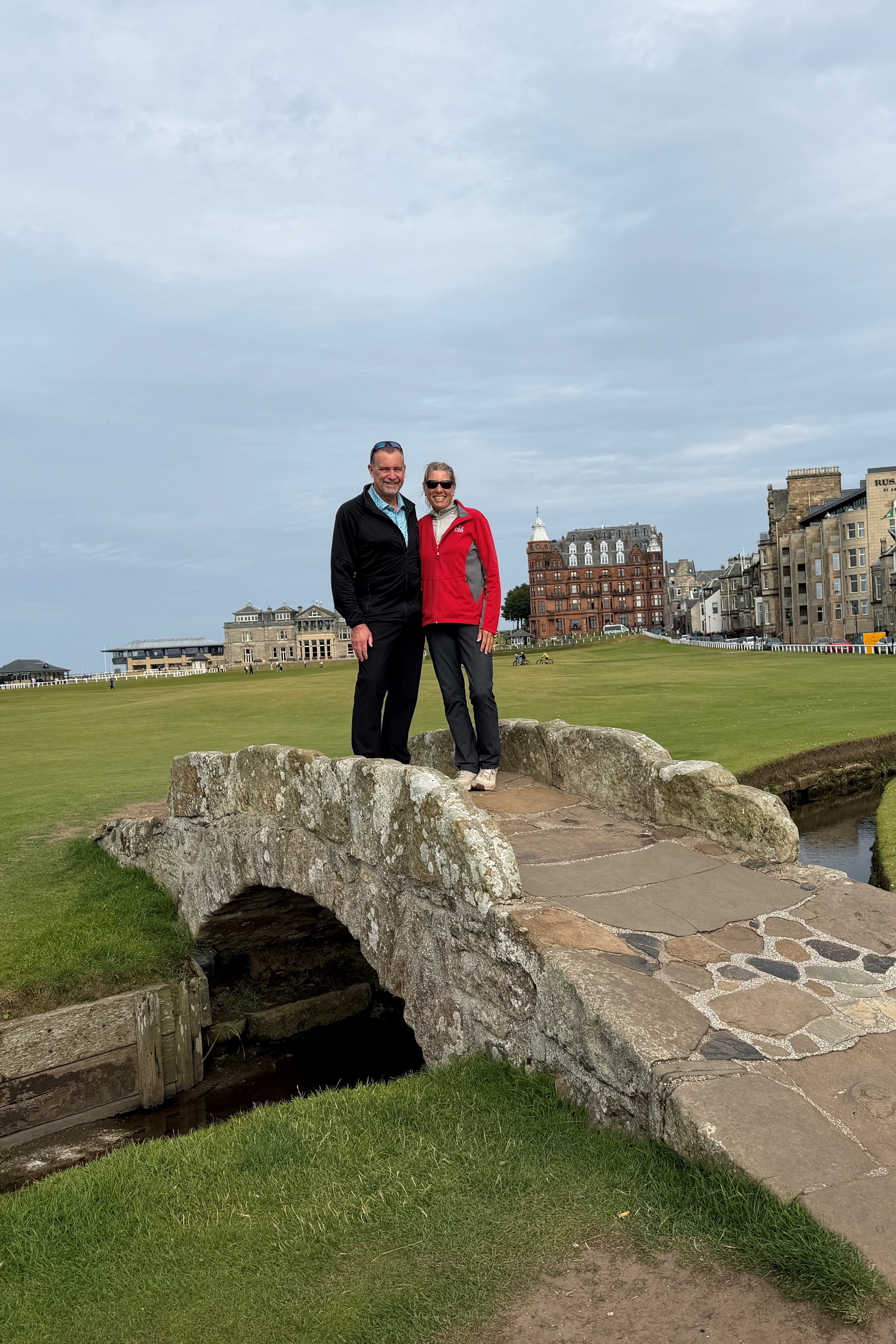
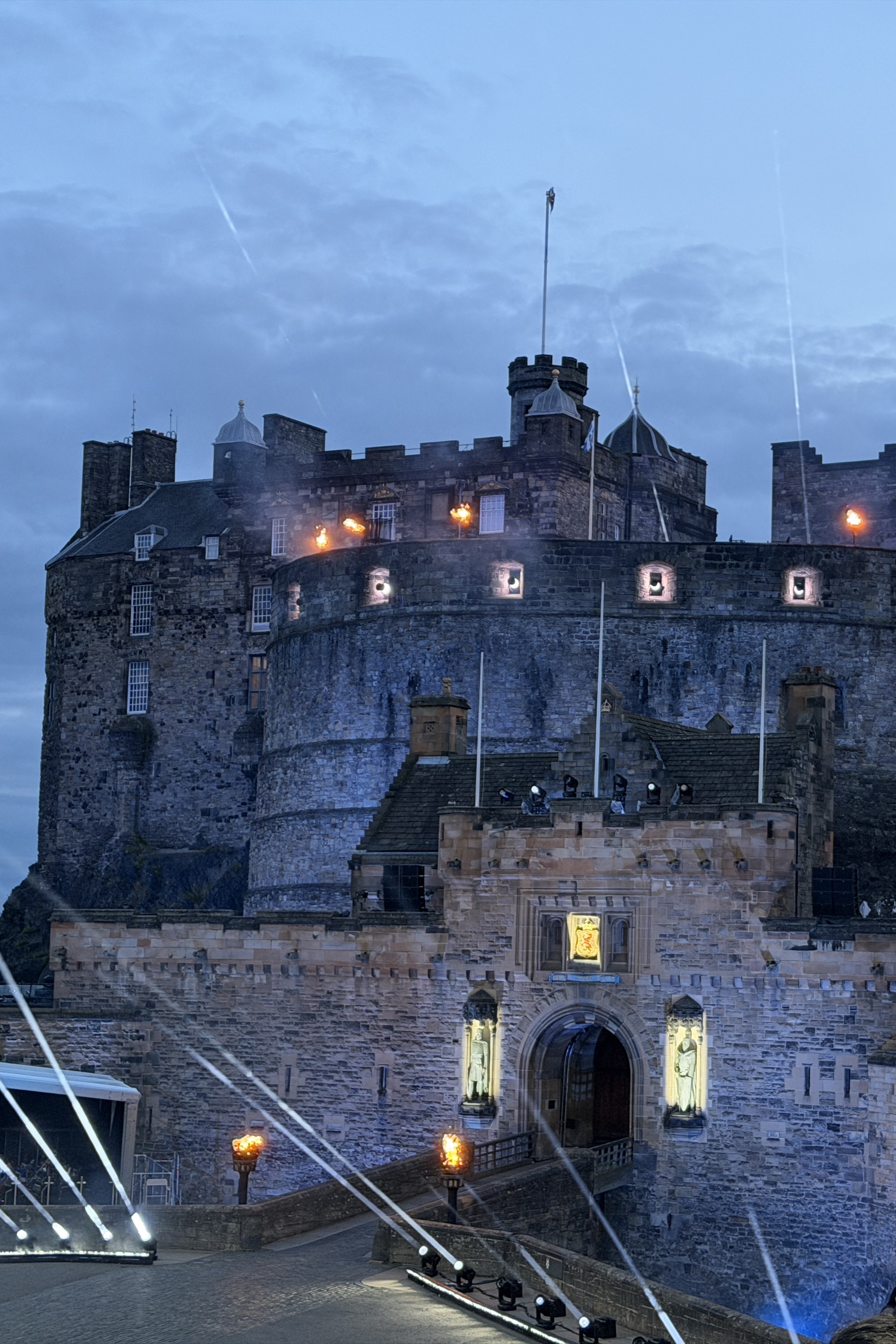
Our smartest logistical decision was arriving on July 27, well over a week before the festival officially kicked off on August 7. This window allowed us to experience iconic landmarks like Edinburgh Castle, Arthur’s Seat, and St Andrews without suffocating crowds. When preview performances began on August 5 and 6, we stepped right into the halls.
Preview shows are designed for performers to settle into their spaces and iron out sound, lighting, and stage mechanics. Tickets are often slightly cheaper, crowds are manageable, and venue staff are far more relaxed. Crucially, front-of-house teams are often more forgiving if you run a minute late during previews. Once the official festival starts on the 7th, venues enforce a strict locked-door policy. If you are even two minutes late, you will not be admitted under any circumstances.
Taming the Beast: Digital Planning, Apps & Network Realities
The physical Fringe program book is as thick as a vintage phone directory. Carrying it around is completely impractical, and flipping through thousands of listings quickly becomes paralyzing.
We relied heavily on the official Fringe website and mobile app, using the "heart" tool to build a shortlist of shows. The app allows you to filter by genre and map out venues, making it easy to see which stages are clustered together.
- Pro tip- When purchasing tickets, bundle your selections into a single checkout. There is a small booking transaction fee, but it caps out per purchase—meaning you pay the fee once rather than on every individual ticket.
Our most critical technological discovery was that Edinburgh’s cellular network collapses under festival crowds. We had read that temporary mobile infrastructure is added for August, but cellular data was painfully slow and unreliable across the city. While only a few tickets could be added to Apple Wallet, taking a screenshot of the QR code for every single ticket saved us. Those saved photos in our camera roll scanned instantly at every door without relying on patchy venue Wi-Fi or staring at a spinning app.
The Best Ways to Scout Great Shows: Lines, YouTube & Review Realities
With hundreds of flyers being pressed into your hands every day, and posters filling every square inch of available space on dividers, building walls and doors, finding the gems requires a smarter filter than printed star ratings.
- Strike Up Conversations in Line: This was easily our most reliable method for uncovering stellar acts. When you are queued up for a specific show, you are standing among people who clearly share your taste. Chatting with fellow audiences about what they’ve loved and what fell flat not only makes the wait fly by, but it’s the exact word-of-mouth pipeline that led us to Pierre Novellie.
- Vet Comedians on YouTube First: Before committing time and money to a solo hour, look up a comic's past sets or clips on YouTube. Comedy is intensely subjective—what leaves one person howling might make another cringe. Giving a performer a quick five-minute screen test before booking lets you see if their cadence, style, and tone are genuinely your cup of tea.
- Take Published Reviews with a Grain of Salt: We quickly learned that star ratings are remarkably poor predictors of personal enjoyment. Critical reviews can be overly intellectual or completely miss the room's energy, while some top-tier circuit veterans (like Pierre Novellie) optout of traditional festival reviews altogether. Trust your own eyes and word-of-mouth over published write-ups.
Master the App by Venue: The Premier Hubs to Watch
One of the most effective ways to use the Fringe app is to flip the script: search by venue first, then browse the acts on their stage schedules. Established venues curate their programs ruthlessly, meaning their stages come with a built-in quality baseline. This is the one thing we wish we would have known beforehand. Beyond The Monkey Barrel for circuit stand-up, premier operators anchor the festival circuit:
- Assembly (Assembly George Square, Assembly Hall, Assembly Rooms): The gold standard for polished international comedy, major theatre productions, and massive celebrity names. Their George Square hub is the beating heart of festival social life, while the historic Assembly Rooms on George Street host premier solo acts (like Chris Dugdale) inelegant, professional surroundings.
- Pleasance (Pleasance Courtyard & Pleasance Dome): Famed for its iconic cobblestone courtyard filled with yellow umbrellas, Pleasance is a launching pad for television-caliber comedy, high-concept sketch shows, and celebrated narrative theatre.
- Underbelly (George Square & Cowgate): Instantly recognizable by their giant purple upside-down cow ("Udderbelly"), they specialize in edgy stand-up, high-energy variety, physical cabaret, and circus. Their Cowgate location utilizes atmospheric underground brick arches.
- Gilded Balloon (Patter Hoose & National Museum of Scotland): A beloved Fringe cornerstone known for championing breakthrough comedic talent, late-night mixed-bill showcases, and lively panel shows.
- The Stand Comedy Club (York Place): Alongside The Monkey Barrel, this is Edinburgh’s premier year-round comedy basement, known for no-nonsense, hard-hitting, traditional stand-up free of festival gimmicks.
Top Venues to Watch for Live Music
- The Queen's Hall (Clerk Street / Southside): The premier destination for top-tier, professional music acts. Housed in a historic former chapel, this 900-seat hall offers pristine acoustics and attracts world-class touring artists spanning traditional Celtic roots, acoustic showcases, international folk, and classical ensembles.
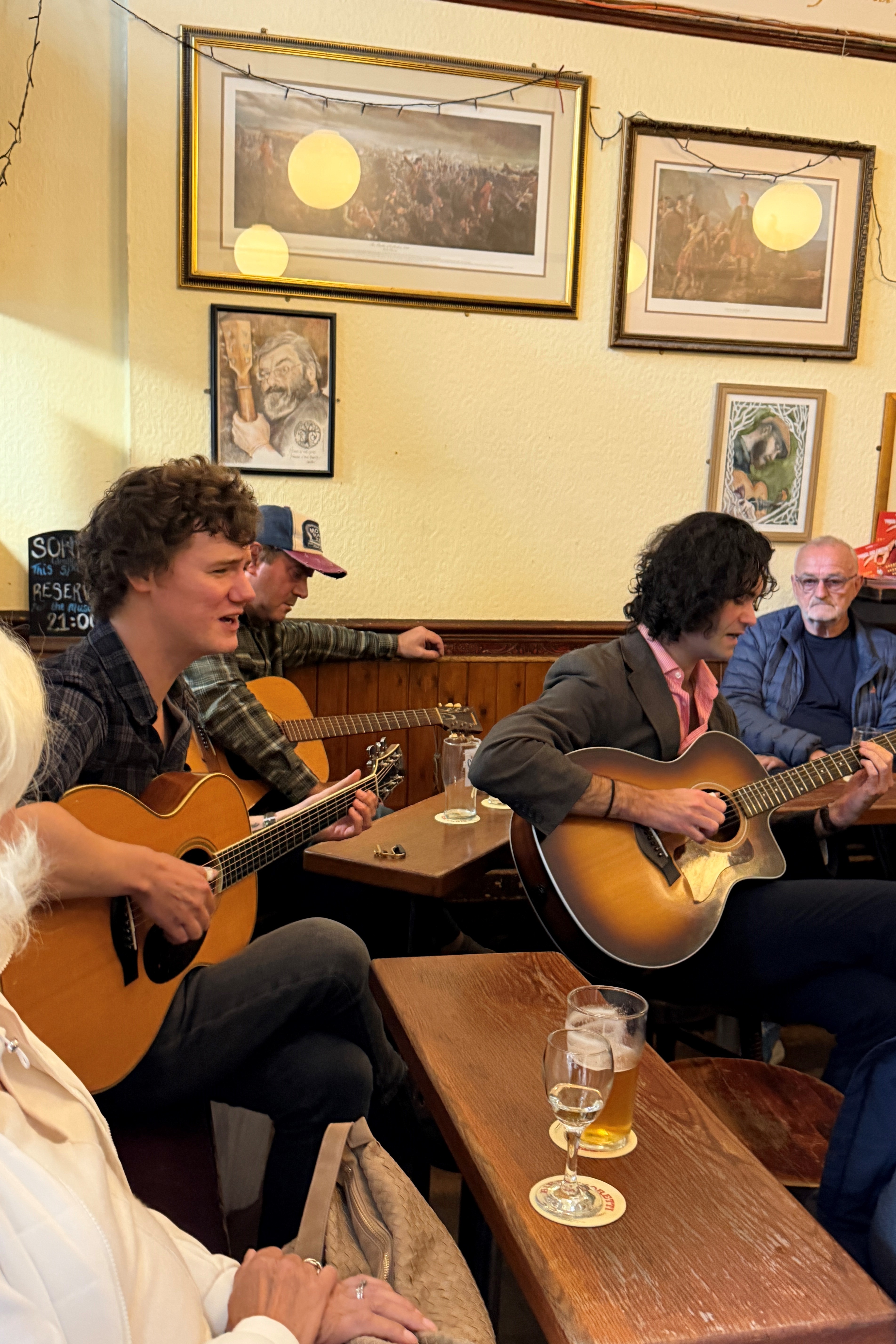
- The Royal Oak & The Jazz Bar (Intimate Old Town Staples): For cozy, close-up authenticity without high-ticket gloss, these two neighborhood legends deliver every time. The Royal Oak on Infirmary Street is Edinburgh’s historic heart of folk music, where veteran Scottish singer-songwriters perform completely acoustic in a snug back lounge. Just down the road on Chambers Street, The Jazz Bar offers a classic subterranean cellar atmosphere, hosting solid afternoon and late-night sets of swing, blues, and jazz where you can grab a drink and sit just feet from the band.
- Stramash (Cowgate): If you want lively, energetic performances in a large, character-rich space, this converted 200-year-old church features a massive stage hosting free, high-tempo live music runs—from contemporary Celtic rock and fiddle bands to funk and soul.
Watch for Weekend Drop-Ins & Short-Run Headliners
One major insider dynamic we didn't discover until we were already in the thick of the festival was the phenomenon of short-run headliners. While up-and-coming acts commit to the entire month-long grind, massive household-name comics and international touring stars often drop into Edinburgh for just a single weekend, two nights, or a quick Thursday-to-Sunday stint to test fresh arena material.
These elite, lightning-fast residencies are almost exclusively concentrated across the biggest rooms run by Assembly (such as Assembly Hall and the Gordon Aikman Theatre at George Square), Pleasance Grand, or The Stand's New Town Theatre. Because they appear on the schedules for only a couple of dates rather than the full month, they are easy to overlook if you are casually browsing by date, and they sell out in a heartbeat. When planning your dates months ahead, actively scan the rosters of these flagship venues specifically for these limited-run gems so you don't miss out on seeing arena-level talent in an intimate room.
Decoding the "Free Fringe" vs. Curated Paid Shows
To counter soaring commercial costs, organizations like PBH’s Free Fringe and Laughing Horse partner with neighborhood pubs, restaurants, and basement bars (such as The Pear Tree, The Counting House, and Kick Ass Cowgate) to offer rent-free performance spaces. Venues make their money on food and drink sales, while performers retain their box-office independence, passing around a bucket or offering card-tap readers at the door for pay-what-you-can donations.
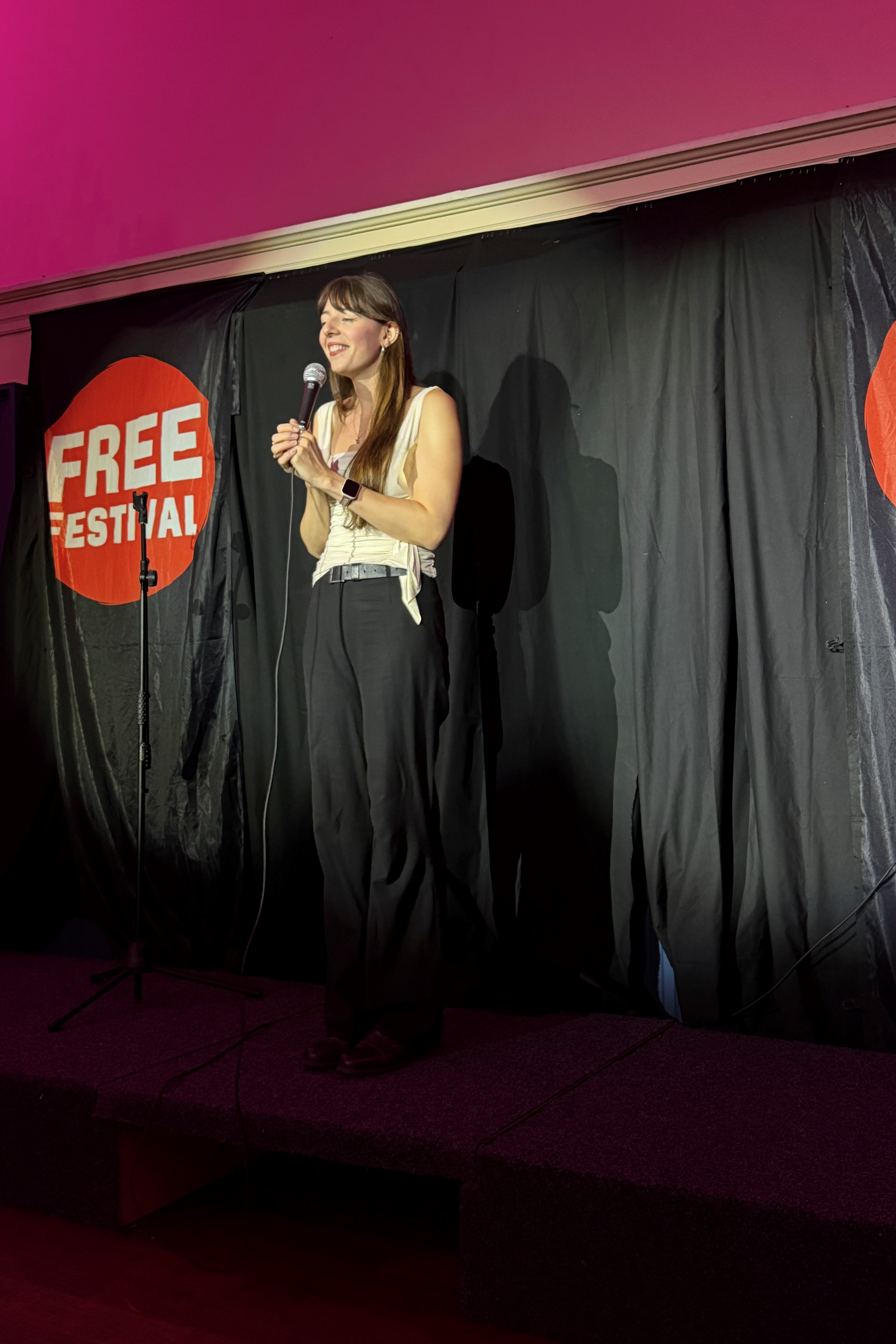
While you can often reserve seats online for a nominal fee (around £2 to £5), most audiences simply queue up and hope for open room. Our experience with the Free Fringe, however, was a mixed bag. In theory, it is a romantic tribute to grassroots creativity. In practice, the quality is completely unregulated. We found that paying upfront for curated talent at established venues saved us considerable time, energy, and secondhand awkwardness. However, we did not find any of these acts to be standouts. We did like that many of them are smart marketing efforts. They may do a competition or a panel lineup where the acts do a small performance and then tell you where they are playing for their actual hour-long show. It’s a good way for you to see if any of the younger acts are worth your time.
Sampling the Spectrum: Our Performance Reviews
Rather than sticking strictly to conventional comedy, we used the app’s category filters to sample a wide artistic spectrum—exploring illusion, musical tributes, storytelling, folk music, cellar blues, and circuit stand-up.
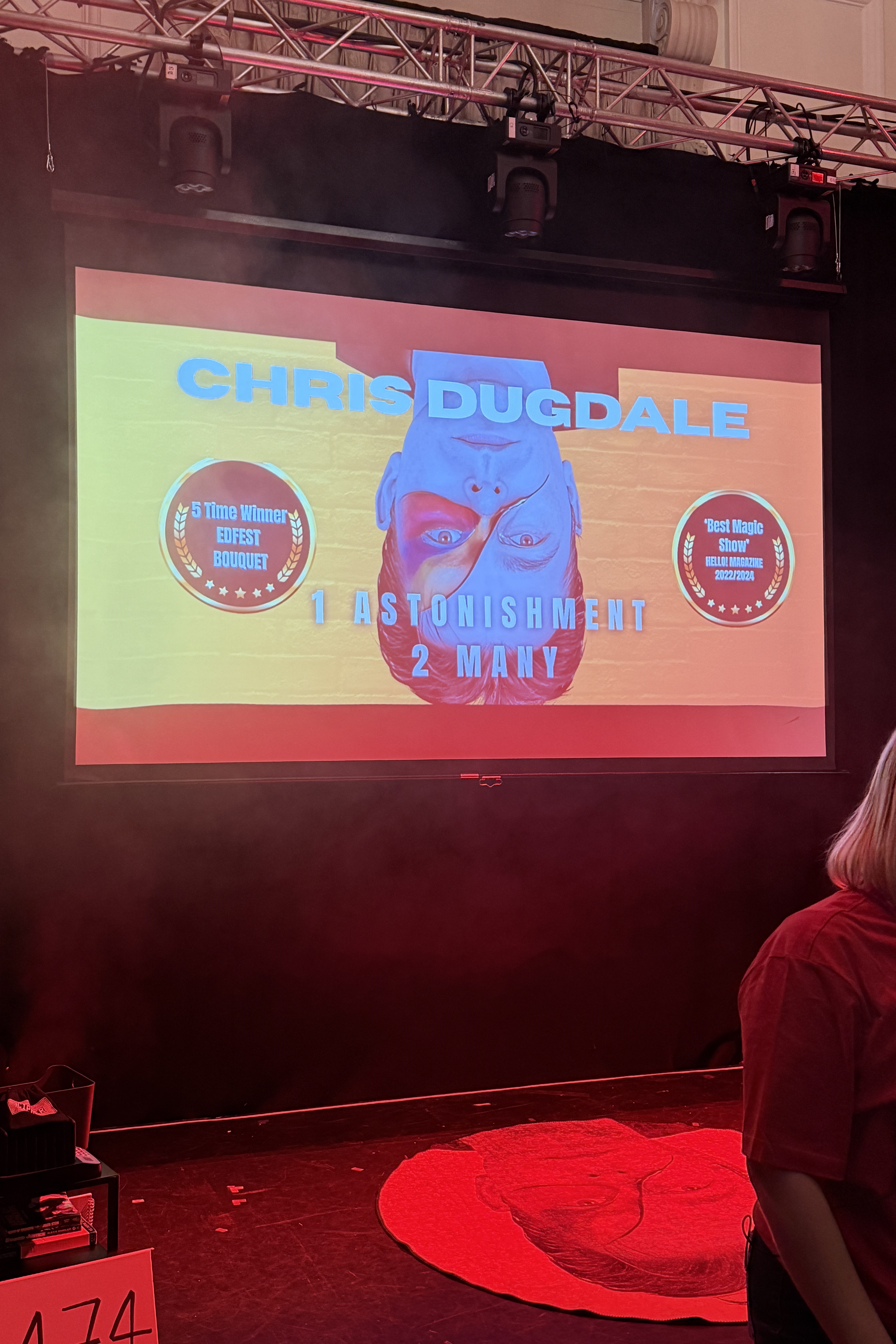
Chris Dugdale: 1 Astonishment 2 Many (Assembly Rooms – Drawing Room)
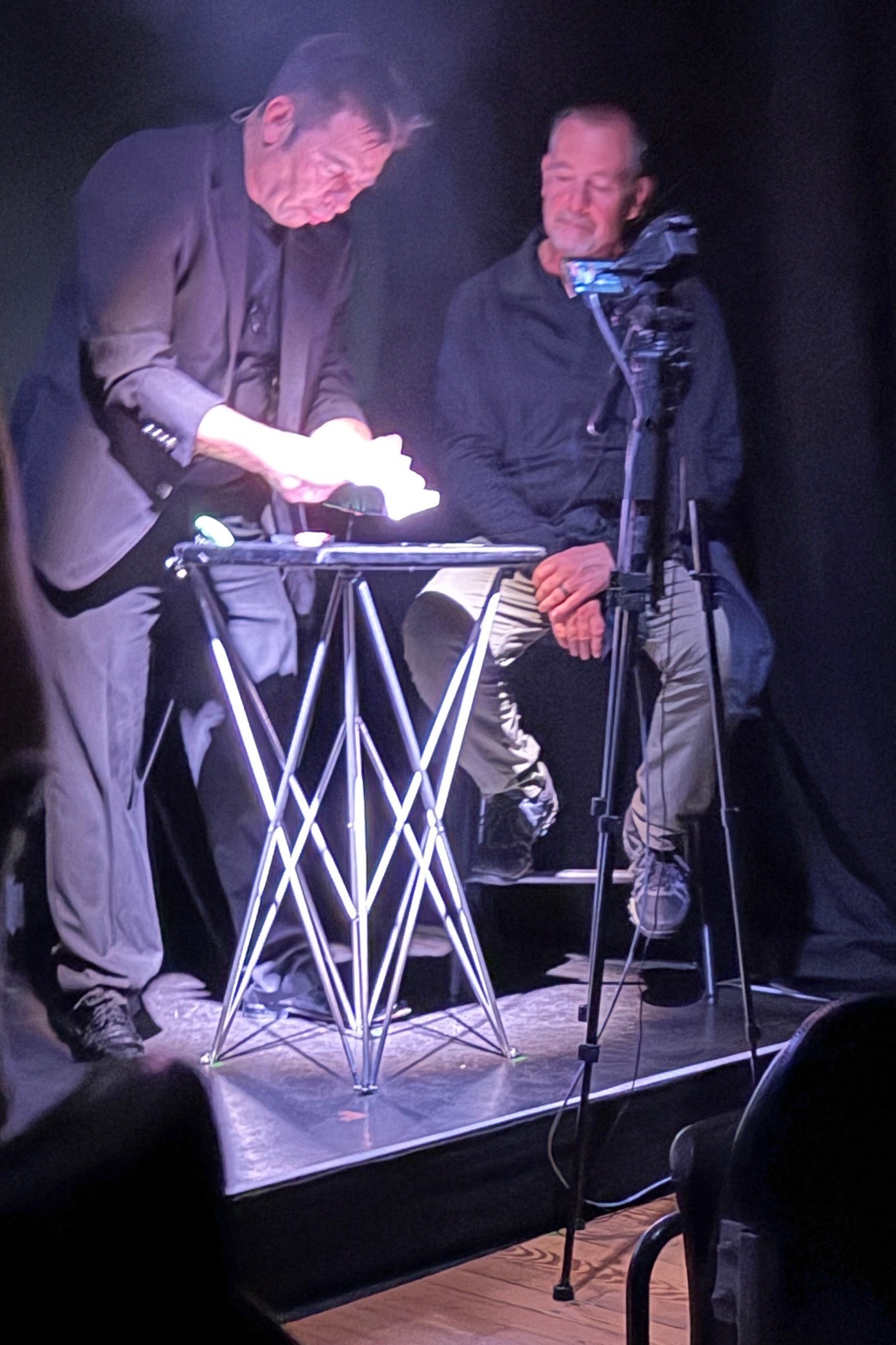
This was easily our favorite performance of the entire festival and a front-runner for our Touchpoint Tally awards. Dugdale is a master illusionist and mentalist with royal pedigree, having performed numerous times for the Royal Family and high-level international groups. His show blends psychological manipulation, sharp wit, and astonishing card sleight-of-hand. It is full of audience participation and Tom was pulled up onstage as the primary audience participant for the opening sequence. Tom wrote his name and the city of Paris on a card, yet no matter how the deck was cut, shuffled, or handled by Tom himself, that exact card repeatedly surfaced at the top. Dugdale’s pacing, observation, and storytelling kept the room mesmerized from start to finish.
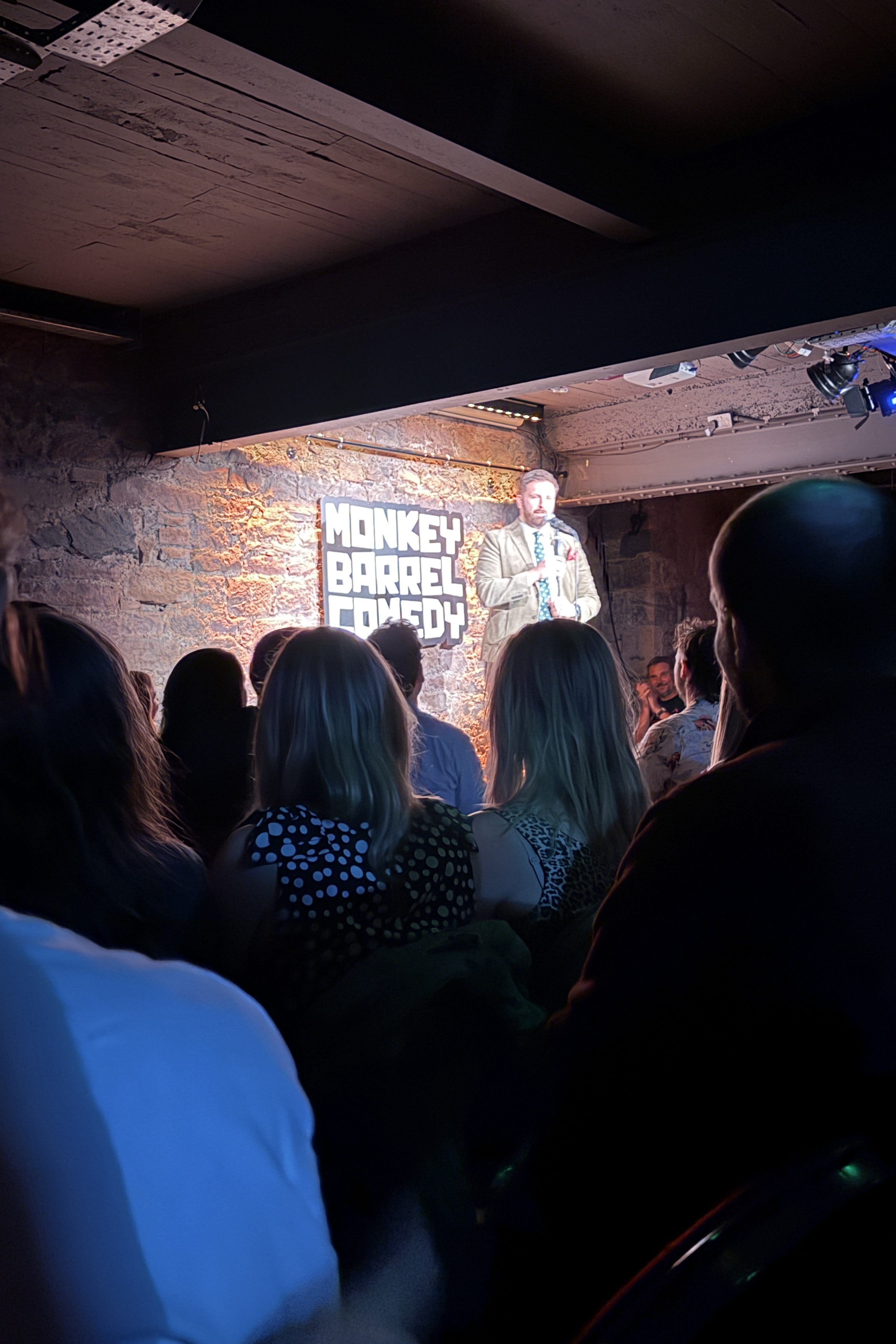
Pierre Novellie: Okay, One More Then Bedtime (The Monkey Barrel)
Novellie proved why The Monkey Barrel has the reputation it does: this was hands down the best stand-up comedy hour we witnessed. He is a brilliant observational comic who forensically dismantles the unspoken rules of daily life, modern habits, and human peculiarities. His delivery was effortless, hilarious, and relatable, making his show a must-see for fans of smart, articulate comedy.
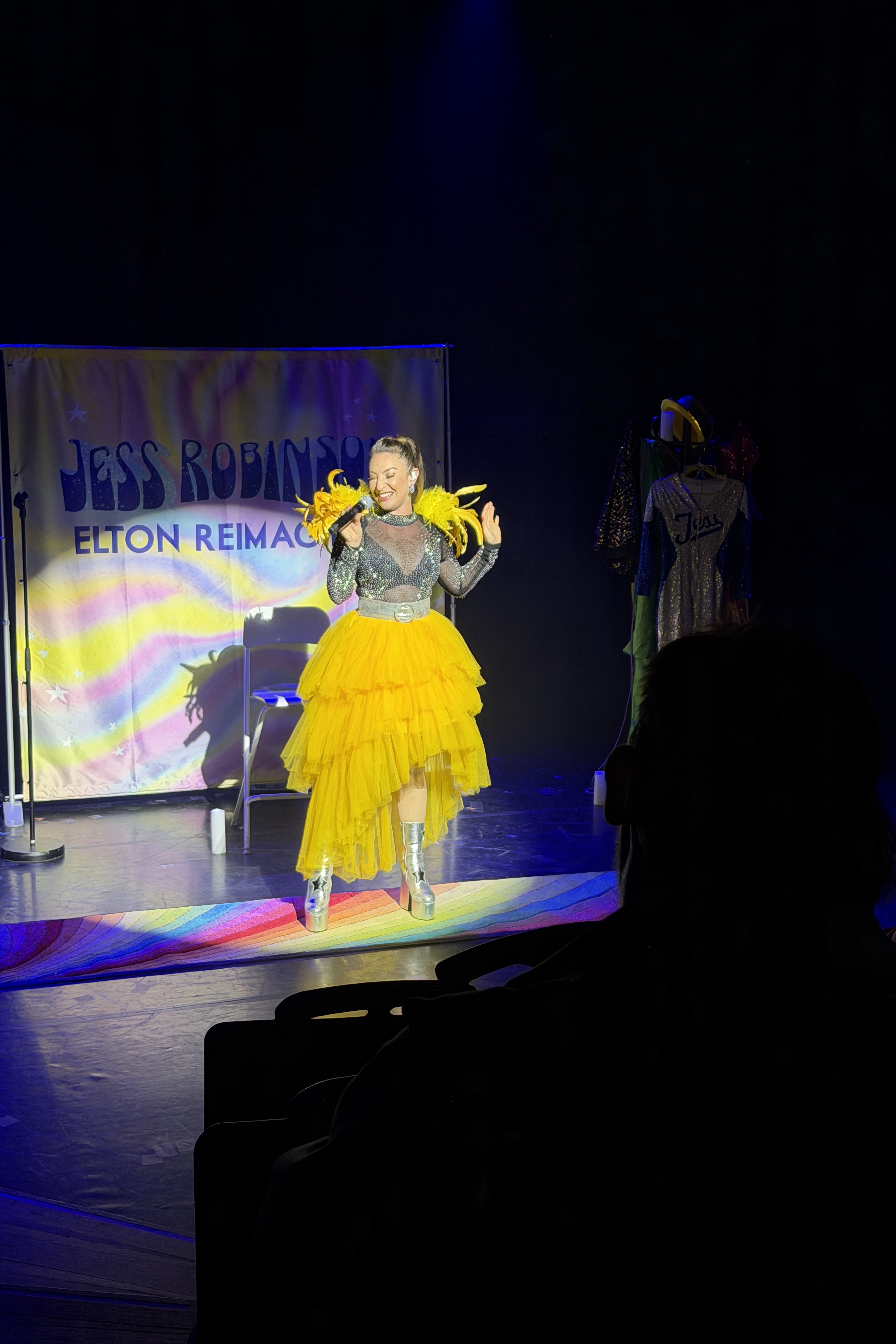
Jess Robinson: Elton Reimagined (Assembly George Square – Piccolo Tent)
Our variety-show pick was an exuberant homage to Elton John. Jess Robinson possesses an astonishing vocal range paired with sharp comedic instincts. She wove classic Elton tunes through impressions of diverse British and international singers. While some of the regional British references sailed over our heads, her energy, and sheer singing chops made the Piccolo Tent feel like an intimate rock party.
2 for the Price of Song (The Royal Oak– Lounge)
Seeking an authentic taste of traditional Scottish music, we went to The Royal Oak on Infirmary Street, a historic institution for folk musicians. In a tiny back lounge with barely a dozen patrons, two veteran Scottish singer-songwriters (Alasdair Dow and Stuart Honeyman) performed an acoustic set featuring entirely original material. Listening to their handcrafted melodies and regional storytelling up close provided a soulful, grounded contrast to the theatrical madness outside.
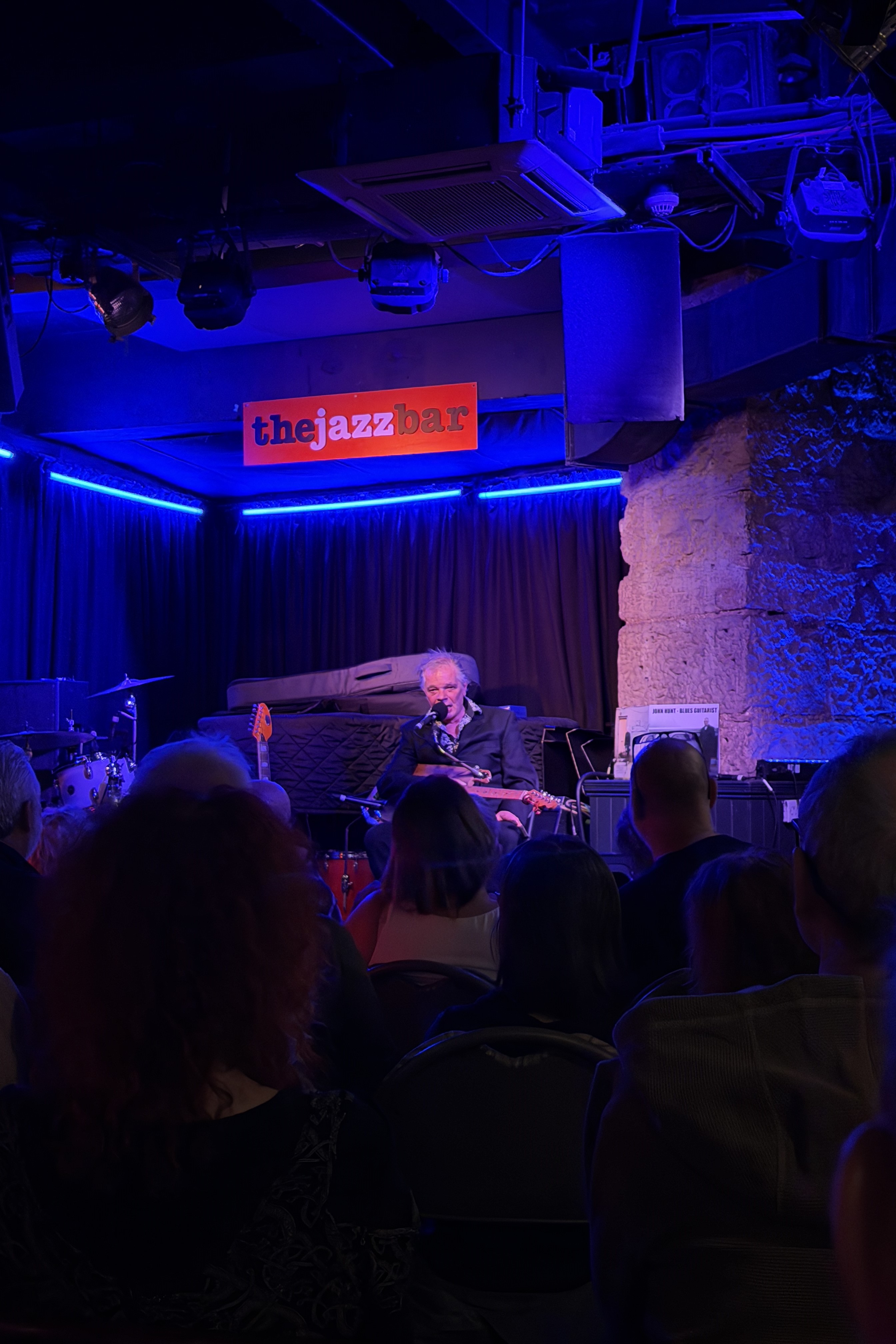
John Hunt Four O'Clock Afternoon Blues and Swing (The Jazz Bar)
We descended into The Jazz Bar on Chambers Street, an underground Old Town cellar that has served as a cornerstone of Edinburgh live music for decades. John Hunt was a charismatic front man with an earthy, gravelly voice and great warmth. While his original songwriting didn't captivate us, he was fantastic when covering classic blues and swing standards. It offered a restorative; dimly lit afternoon retreat paired with a cold drink.
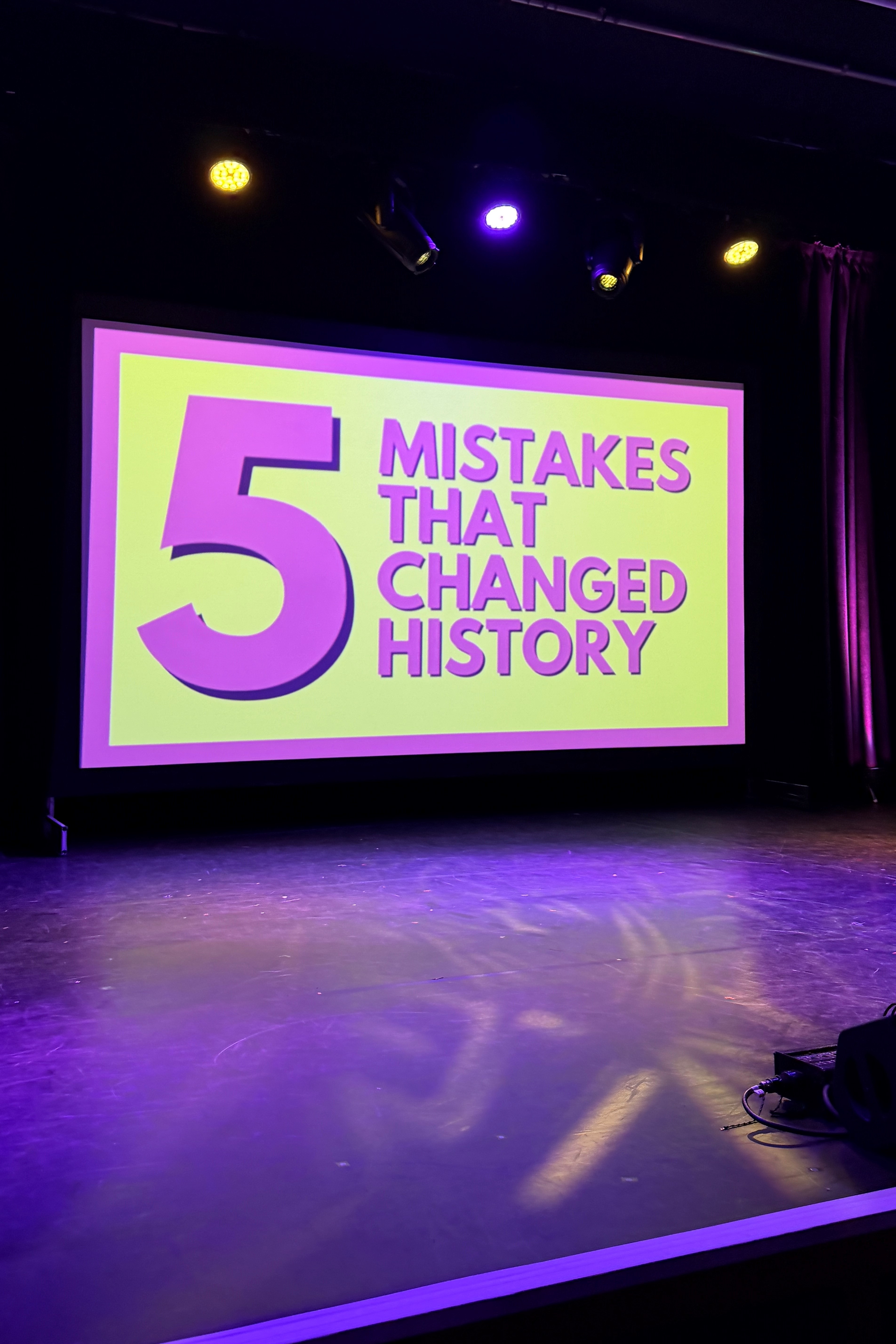
5 Mistakes That Changed History (Assembly George Square – Gordon Aikman Theatre)
Hosted in a lecture auditorium, this show struck a great balance between educational lecture and comedic storytelling. The presenter explored five historic miscalculations that altered the course of empires. It was witty, engaging, and well-researched—a fantastic midday palette cleanser and one we would highly recommend.
War of the Flags & The Free Fringe Comedy Showcases
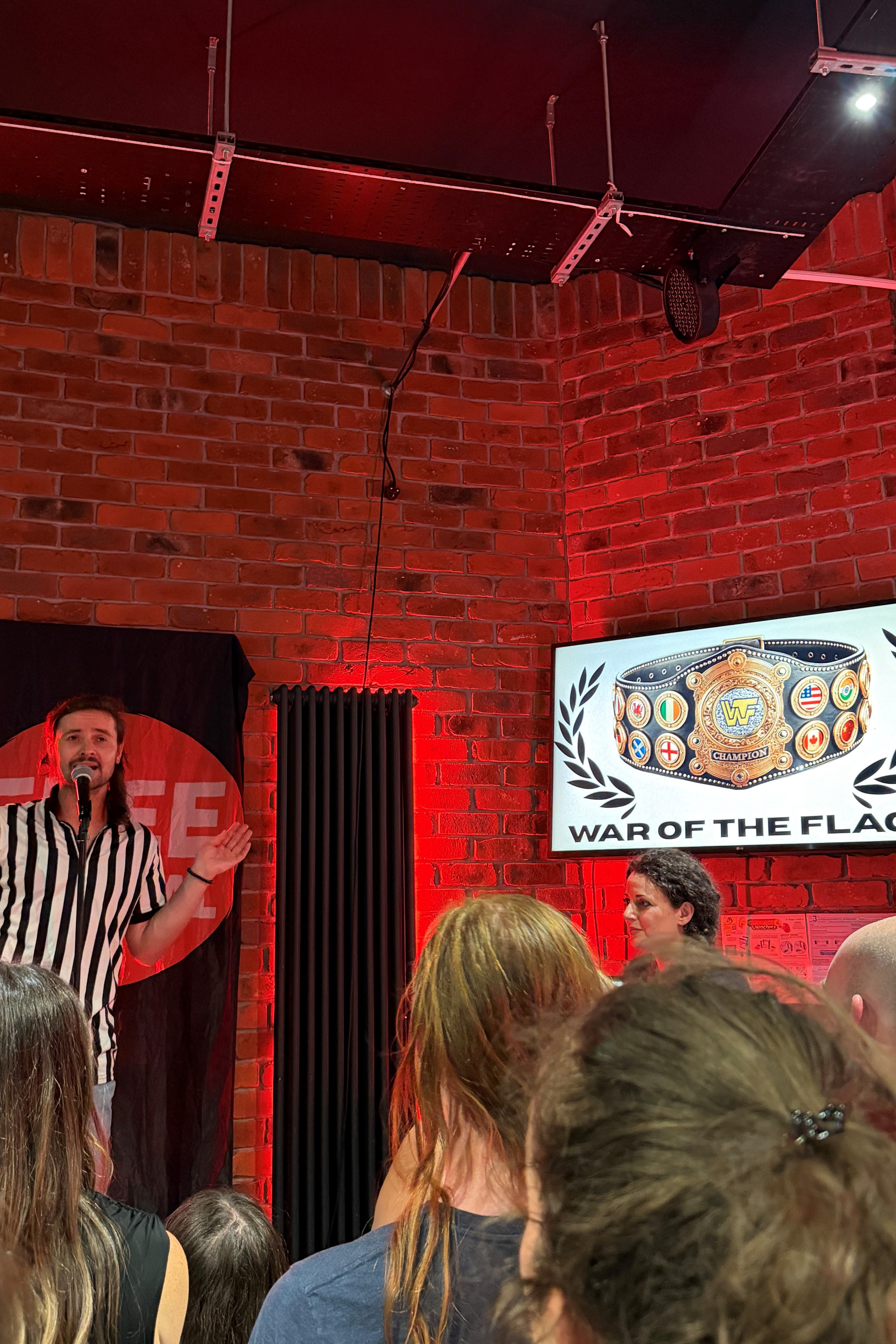
Our attempts at the Free Fringe illustrated its chaotic nature. At Kick Ass Cowgate, we caught #1 All-Time Best Comedy Champion: War of the Flags, an international showcase where four comics did ten-minute sets competing for audience votes. An Australian-Jewish comic was raw but genuinely hilarious, and an Indian comic delivered sharp, clever lines to win the room. The format was clever: each comic used their set as a teaser to pitch flyers for their own full-length solo shows.
However, other free shows missed the mark entirely. At The Caves, a comedy showcase featured a producer whose routine felt uncomfortable and borderline offensive, followed by awkward deliveries that had us checking the exit doors. A philosophical comedy set at The Counting House left us bored, and a late-night show at the Apex ended with an unpolished comic losing his rhythm to hecklers. It reinforced our lesson: when your festival hours are limited, curated, ticketed venues are well worth the investment.
Tactical Pacing: Midday Pauses & Dining Strategy
Surviving the Fringe requires knowing when to step off the track. Trying to bounce between five shows back-to-back across town will burn you out by day three.
- Reserve Drinks Tables Between Curtains: Booking dinner around peak festival hours can be difficult without advance reservations. However, wine bars like Cask & Vine on the Royal Mile allow you to book tables purely for drinks. Securing an hour-and-a-half window between afternoon and evening curtains gave us a quiet haven to rest our feet, sample flights, and debrief without waiting in street queues.
- Head South to University Pubs: When the Royal Mile and Cowgate become impassable, walk south past the University toward The Meadows. Taverns like The Doctors on Teviot Place offer handsome wood interiors and open leather booths with fewer crowds. Further south in Marchmont, The Argyle Bar provides neighborhood café vibes where you can more easily find an open table.
- Arrive Early for Seating: Queues form outside the room 15 to 20 minutes before curtain. If you want to avoid being pulled into the performance as Tom was, let others grab the front-row seats!
The Edinburgh Fringe is unpredictable, chaotic, and exhilarating. If you arrive with flexibility, download your tickets beforehand, pace yourself with quiet neighborhood meals, and balance headline acts with local pub music, it is one of the most rewarding cultural adventures in the world.
Explore the Full Journey:
Ready to see how our festival days fit into our broader Scottish adventure? Read our full master report: Edinburgh, Scotland: Castle Ramparts, The Royal Tattoo, and Fringe Festival Realities for our deep dive into Arthur’s Seat hikes, the spectacle of the Military Tattoo, St Andrews links golf, and the capital’s exceptional wine and whisky scene.
Related UK Reports & Guides:
London City Trip Report | Bath City Trip Report | York Trip Report | Bath Planning Guide
Welcome to the new Touchpoint Wines
We’re blending our passion for wine with a love for global exploration. Join us as we journey through the world's most captivating destinations, uncovering hidden wine gems and offering unique workshop experiences for your team retreats. Whether you're seeking to enhance team dynamics or discover the art of slow travel, let us be your guide.