The Blueprint at a Glance
- Operational Stats:
- Route: Marrakech, Ouarzazate, Sahara Desert (M'hamid & Erg Chegaga), Fes, Tangier.
- Total Duration: 63 Days.
- Travel Season: February through April 2026.
- Daily Budget Range: $205 - $215.
- The "65-Degree Sun-Chasing" Status: Managed successfully. Before our 63 days in Morocco, we anchored in Kenya first, allowing us to hit Morocco exactly as the spring sun began to warm the cities.
- The Strategic Intent: This 63-day block served as a vital, non-Schengen anchor built to execute the "Schengen Shuffle," completely resetting our European visa clock outside the EU.
- The Narrative Anchor: Read our Morocco Trip Reports for our complete experience of the souks, the sensory reflections on our desert camp nights, and the cultural deep dives across Morocco. Marrakech | Ouarzazate | Desert Safari | Fes | Tangier
Pre-Trip Logistics & Nomad Admin (The "Before You Go" Gauntlet)
Hub Pacing & Duration Strategy: The 63-Day Itinerary Construction
For us, nomadic pacing is an intentional puzzle of geography, seasonal climates, and cultural windows—not a race to cram landmarks into a standard checklist. Because we were transitioning to Morocco from our month-long anchor in Kenya, our itinerary had to be constructed backwards from our entry and exit points, using climate and logistics data as our anchors.
Our operational blueprint came together through six distinct planning milestones:
- Milestone 1: The Schengen Flight Riddle & The Egypt Bridge: One of the most frustrating aspects of routing from Kenya to Morocco is that almost every major flight path forces you to loop backward through a European Schengen hub, which would have completely messed up our visa clock. Our research helped us identify a strategic route via EgyptAir. This allowed us to preserve our Schengen days and spend some time in Egypt before moving west.
- Milestone 2: The Shoulder-Season Weather Window: Because the timing was prime to catch the historic sites before the blistering summer heat waves set in, we engineered our Egypt layout around two distinct places: a quick, focused multi-day stop in Cairo to see the Pyramids and the new Grand Egyptian Museum (GEM), (Egypt Trip Report) followed by a focused retreat to Alexandria to walk the Mediterranean Corniche and immerse in the ancient library atmosphere.
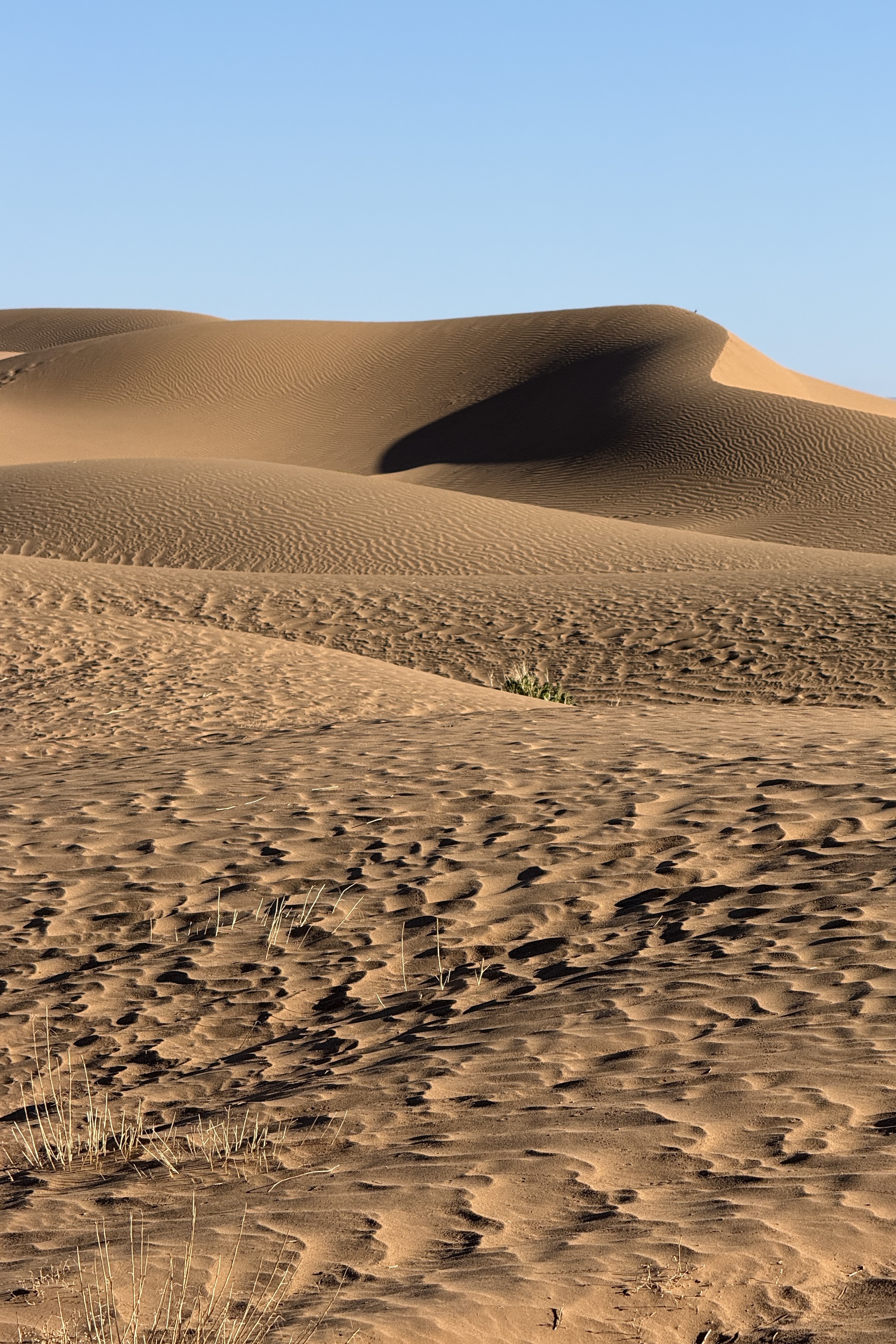
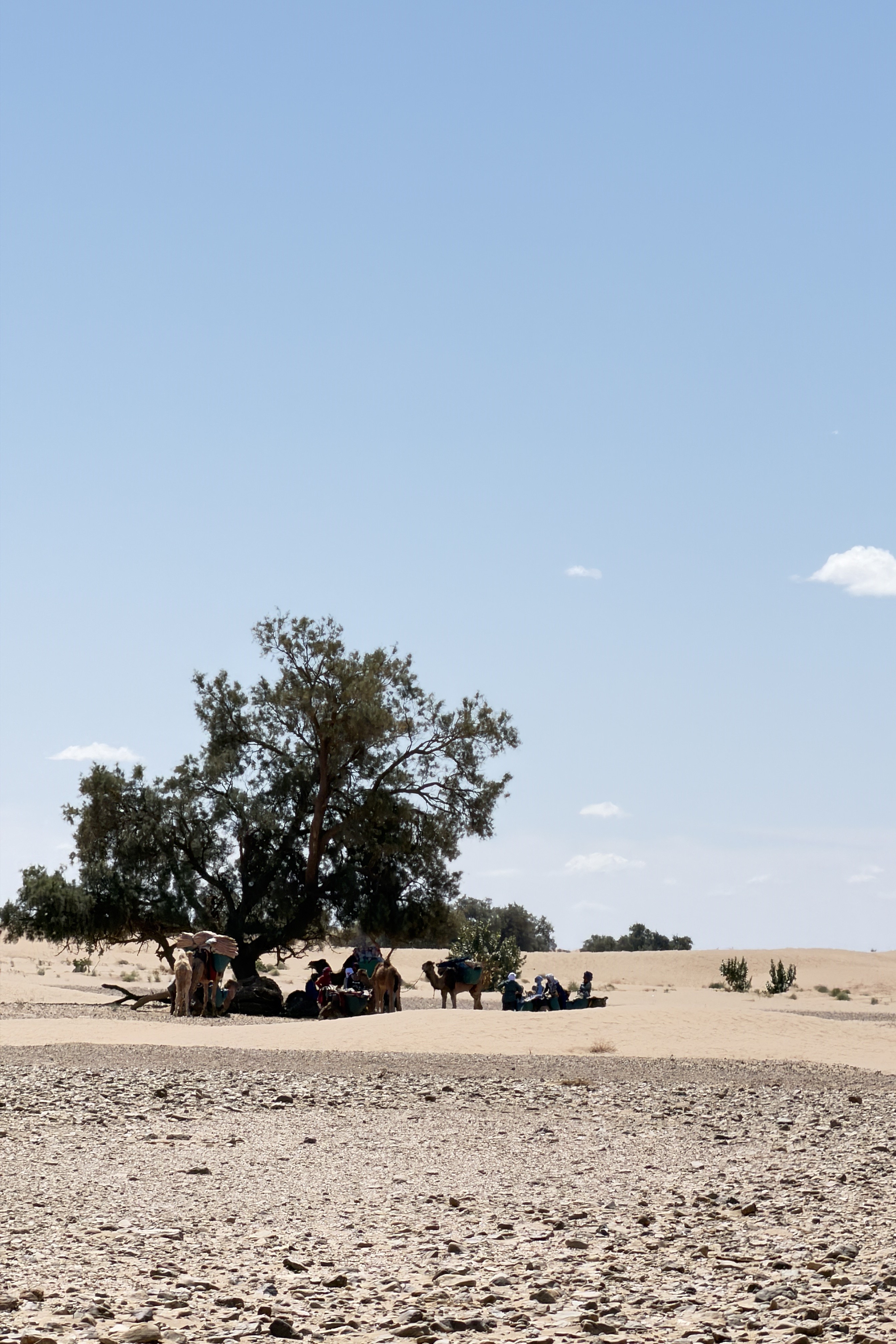
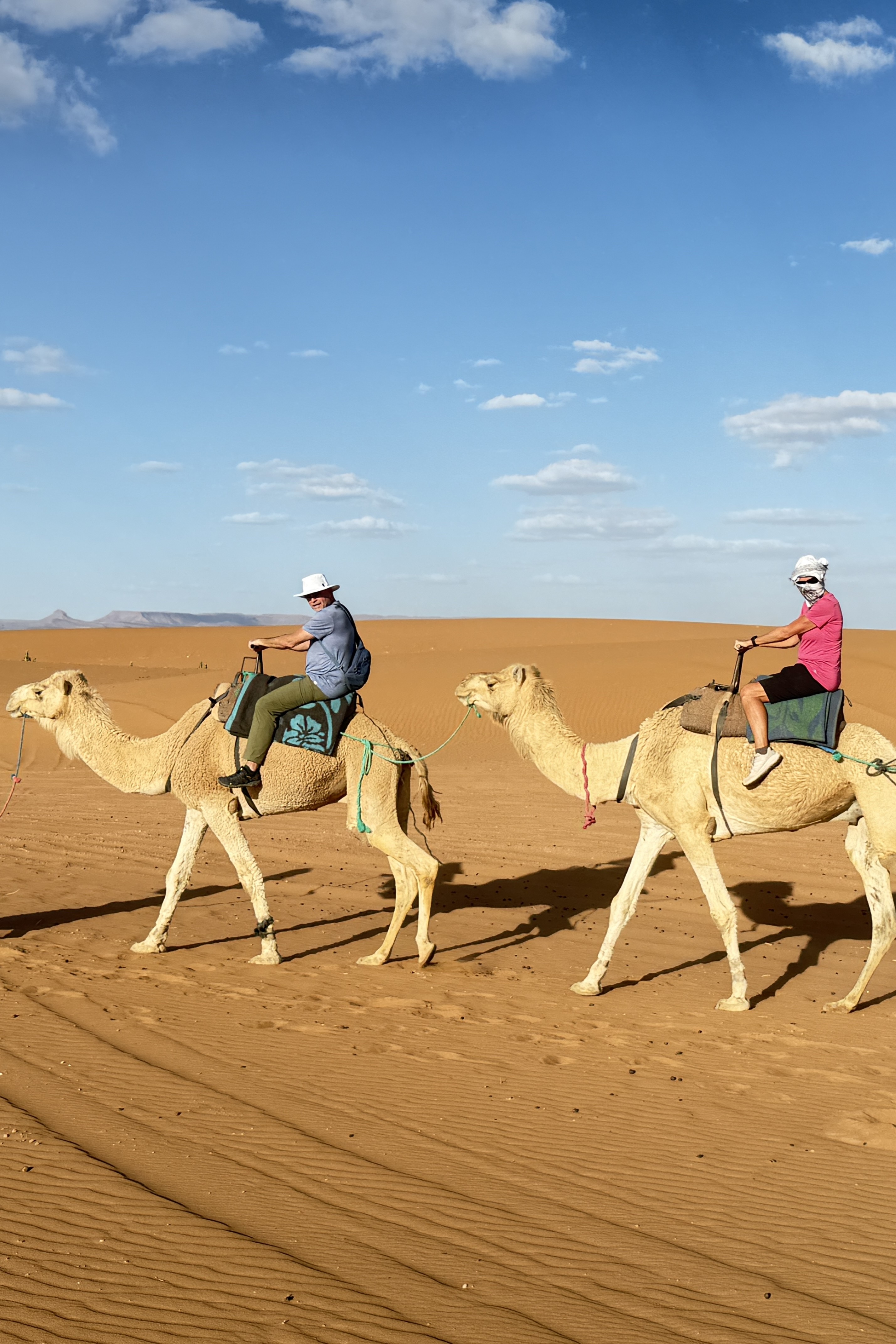
- Milestone 3: The Climate Anchor (The Desert Safari): Moving from Egypt into Morocco, our front-end research flagged that the Sahara Desert and high-altitude mountain passes remain uncomfortably cold at night until late March. Because we travel with a strict "one-suitcase" wardrobe, we could not carry heavy winter gear. We purposefully anchored our Erg Chegaga desert safari for late March when the desert floor finally heats up quickly, building our overall Moroccan city dates around that window.
- Milestone 4: The Cultural Filter (Navigating Ramadan): We knew our early Morocco dates would land directly inside the holy month. To minimize infrastructure and closure friction, we chose Marrakech as our major hub during the holiday. It was an easy domestic connection flight from Casablanca, and as the country's most cosmopolitan city, it offered the highest level of tourist-supporting restaurants, bars, wine and liquor shops, and open grocery options to ensure we wouldn't find ourselves stranded in a localized holiday lockdown.
- Milestone 5: The Safari Logistical Link: The desert safari company operated out of both Ouarzazate and Marrakech. To optimize our pacing, we booked a few nights in the traditional city of Ouarzazateto experience the earthen town first, arranging our private 4x4 tour directly from our Ouarzazate Riad. We then booked the safari's return leg to drop us straight back into Marrakech, before we continued on to Fes.
- Milestone 6: The Slow-Down Anchor: With the desert legs established, we utilized the highly efficient, simple regional train network to slide from Marrakech to Fes for our historic deep dive, and finally up to Tangier—our final hub chosen specifically so we could take the passenger ferry over the strait into Malaga. We deliberately allocated a much longer block in Tangier to slow down our pace, catch our breath, and use the quiet coastal sunshine to catch up on our planning, work, and booking admin for the next six months of our travel calendar.
⚠️ The Retrospective Pacing Pivot: While our door-to-door safari loop worked on paper, the trade-off was a grueling, white-knuckle 8-hour journey on Day 3 inside a 4x4, swaying over rough desert terrain, rocky riverbeds, and steep mountain switchbacks to reach Marrakech. From there, we immediately faced an8-hour first-class train ride the next morning to reach Fes. Knowing what we know now, we prioritized cost over time, and it simply wasn't worth the physical exhaustion. If we were to re-engineer this leg today, we would have our safari driver drop us back at the Ouarzazate hub and catch a quick, comfortable flight directly from Ouarzazate to Fes.
Booking Windows & Lead Times (The 6-Month Action Plan)
Slow travel planning is about matching your research timeline to seasonal inventory realities. Because we were not traveling during the absolute peak tourist window, we had the luxury of time.
- The Apartment Window: I kicked off our lodging research roughly six months prior to the trip and began officially locking down our primary apartments around four months before departure. Because it wasn't high season, we had a great pool of properties to choose from with good rates in our exact target neighborhoods. Identifying the correct neighborhood was our highest-priority task, and because the inventory risk was low, we could comfortably wait a bit before pulling the trigger. We used Booking.com for our bookings in Morocco.
- The Train Window & The 12GO Procurement Hack: While apartment bookings were relaxed, the Moroccan rail system was an entirely different beast. Pinning down advance tickets through the local ONCF network was exceptionally difficult, and even when local sources told me tickets should be available, I could not physically secure them through the native app. To eliminate the stress of constant manual tracking, I outsourced the procurement to 12GO. This third-party service monitored the rail release calendar daily on the ground, instantly executed the physical purchase the exact moment the seats were released, and emailed us our digital PDFs. When we finally boarded, First Class was completely sold out on both of our trains, so we were very glad we used their services.
The Health & Admin Suite
- Health Needs: Although there are no legally mandated vaccines or shots for travel from the US to Morocco; from a health and planning perspective, the CDC and WHO strongly recommend a few standard travel vaccines to protect yourself from localized bugs. Hepatitis A & Typhoid are the big two for Morocco. Both are transmitted through contaminated food and water. Even if you are eating at high-end restaurants in modern hubs like Gueliz, or trying local street food in the Medinas, having these updated is highly recommended.
- The Visa Rules: Since we were citizens traveling for less than 90 days, we simply proceeded straight through customs and immigration on arrival with zero need for advance paperwork or entry fees.
- Data Connectivity: Saily was our baseline global eSIM plan. It worked perfectly to keep us connected across modern city neighborhoods, though connectivity can completely drop inside the deep, thick stone walls of the Medinas.
Luggage & Packing Constraints (The Spatial Architecture)
Packing is always one of our main challenges. Our baseline kit was built around our international airline allowances: one medium-sized Away suitcase capped at 22kg (50 lbs), one carry-on item, like my Nomadic backpack, and one personal item per person. Moving this gear across Morocco required two distinct operational protocols.
- The First-Class Train Reality: Practically speaking, the regional trains were the most restrictive leg of our journey. While official rail guidelines state that passengers are strictly limited to one primary bag and one backpack, we observed no policing of this rule on the platforms—travelers frequently boarded with massive piles of bags. The true threat is pure spatial math. A first-class cabin contains six seats, but the overhead racks only hold enough physical space for four large suitcases and a few small carry-ons. Because we arrived at the platform 30 minutes early and were able to get toward the front of the queue, we secured our overhead slots, avoiding the stress of leaving our hard-shell suitcases stranded out in the public hallway.
- Slow Travel Pro-Tip: Keep your backpacks with you at your seats; if they are not overpacked they slide comfortably directly under your seat, preserving cabin space and keeping your electronics accessible for the long ride.
- The Sahara Desert 4x4 Framework: When preparing for a multi-day desert safari, you have two logical options for your primary luggage. If your itinerary loops back to the exact same base,properties like our Ouarzazate Riad will happily store your large suitcases free of charge. However, because our strategic pacing dictated a direct transit route back to Marrakech, our medium-sized Away bags had to travel with us. Because we booked a private tour, it was just Tom, myself, and our driver, Moo Moo, meaning everything fit comfortably inside the back of the Toyota Prado with plenty of room to spare.
- The Sand-Prevention Hack: Even though the vehicle had space, do not live out of your primary suitcases in the desert. We packed exactly what we needed for the 3-day trek into our carry-on backpacks. This meant we never had to open or unzipper our large suitcases on the dunes, completely eliminating the high risk of filling our primary gear and clothing with invasive desert sand.
The Neighborhood Audit
We officially booked our primary Moroccan apartments roughly four months in advance through Booking.com to secure optimal non-peak availability and competitive monthly rates.
- Marrakech (Gueliz): The Absolute Right Choice. Gueliz is the modern, cosmopolitan face of Marrakech. It features exceptionally wide boulevards, excellent walking sidewalks, accessible green spaces, and a massive selection of international restaurants. Even with the closures for Ramadan, we did not have any issues finding things to do or places to eat. It takes approximately 20 minutes to walk from your apartment here to the Medina. The Planning Reality: Property managers here work incredibly hard to mask infrastructure issues; you must be prepared for a persistent sewer smell that they attempt to cover with heavy automated air fragrance systems.
- Fes (Ville Nouveau vs. Medina): The Location Divide. We split our time here, which taught us, that for us, the Medina Riad for long-term slow travel is not what we prefer. Riads look spectacular in pictures, but the reality means living with zero external windows, limited structural privacy, dark rooms, and a crumbling infrastructure. We were vastly happier during our time in Ville Nouveau. It offered bright, sunlit apartments and wide boulevards to walk down without having to first navigate dark, narrow medieval alleys to reach a basic grocery store. For an upscale, quiet residential vibe in Fes, look specifically into the Western neighborhood near where the local goatherders move their flocks along the upscale hillsides.
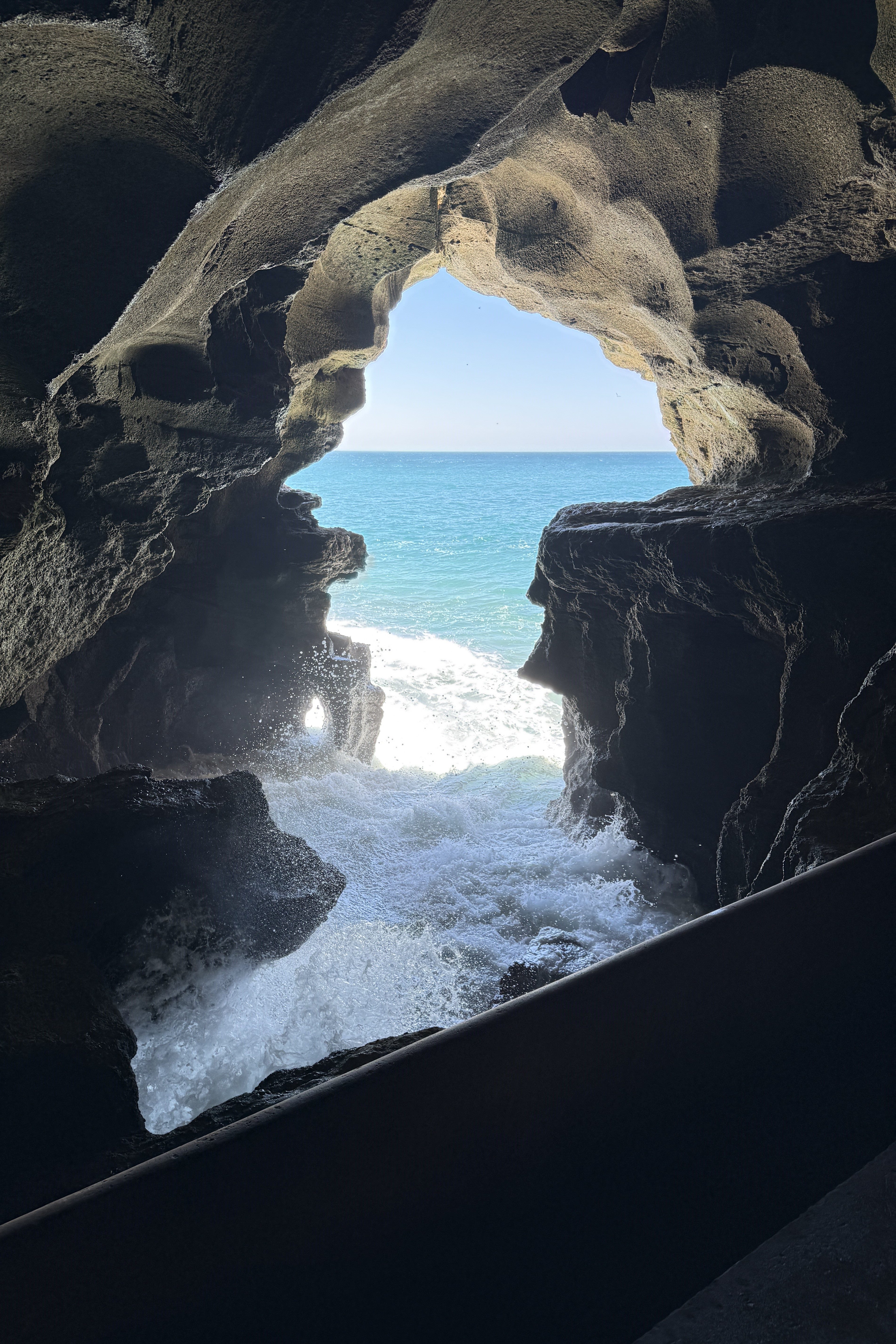
- Tangier (Marshan): The Coastal Sanctuary. Marshan is an elite, upscale residential neighborhood perched high on the hill right next to the Kasbah and the Royal Palace. It featured an exceptionally sunny apartment with beautiful, peek-a-boo ocean views from the kitchen. The Planning Reality: Marshan is an incredibly steep, vertical neighborhood. To reach the waterfront corniche or the marina, you must navigate an intense workout of stairs and steep hills—something to keep firmly in mind if you are traveling with elderly family members or young children in strollers.
Slow Travel Hub Criteria (The 30-Day Apartment Audit)
When auditing a Moroccan apartment for along-term stay, our baseline checklist must include: air conditioning to manage sudden heat spikes, verified cooking utility descriptions (read reviews defensively to ensure the kitchen isn't a single "student-style" pot), functional laundry equipment, and an attentive property concierge.
- The Sound & Mosque Pro-Tip: You cannot escape the call to prayer in Morocco—it happens multiple times a day and is a foundational part of the local culture. However, for a long-term stay where protecting your sleep cycle and your early morning routine is vital, you must perform an acoustic radius audit. Open Google Maps, drop a pin on your potential apartment, and physically check the proximity of the closest minarets. If a mosque sits immediately next door or shares a property line, be prepared for heavy, sleep-disrupting volume—especially during the 4:30 AM dawn call.
The Post-Stay Hub Verdict
- Marrakech: The duration was perfect; Gueliz provides lovely green spaces, quick access to the Medina or tour pickups, and a number of high-tier restaurants.
- Fes: While the city features beautiful green infrastructure and an interesting, timeless Medina, it showcased for us that we prefer to stay in a neighborhood near the Medina, rather than directly in it.
- Tangier: Marshan was a spectacular choice that we would re-book without hesitation. If you want a more commercial, beach-adjacent layout right off the main promenade, look into the neighborhood down near the Hilton and the train station.
The Intellectual & Tactical Filter: "Questions We are Glad We Asked"
Slow travel is a professional-grade research project. Before our boots ever hit the ground in North Africa, we spent months querying our research suite and local forums. Looking back at our preparation window, there are three critical questions that completely transformed our execution, saved our budget, and protected our sanity:
- Question 1: "What does it actually mean to live alongside Ramadan and Eid al-Fitr as a temporary resident? "Most tourists only search for basic operational impacts, like "Are the museums open during Ramadan?" We went much deeper, researching the core cultural meaning of the holy month and the subsequent Eid al-Fitr ("Festival of Breaking the Fast") celebration.
- The Planning Value: Because we invested the time to understand the cultural framework, we didn't just see closures—we understood what we were experiencing. We knew why the streets suddenly emptied at sunset as families broke their fast together, and we were prepared for the intense, joyous energy that flooded the public squares during Eid when everyone donned their best clothes to celebrate with music and dancing. This cultural intelligence allowed us to blend into the local rhythm rather than fighting against it.
- Question 2: "Ferry vs. Flight: Does the romantic notion of sailing across the Strait of Gibraltar match the logistical reality?" We had a deeply romanticized travel goal of ending our Moroccan chapter by taking the passenger ferry across the water from Tangier to our next destination, Malaga. It sounded like the ultimate slow-travel transition. However, when I finally sat down to execute the bookings and mapped out the exact multi-modal logistics, the illusion shattered.
- The Logistical Math: Taking the ferry required coordinating a taxi to the Tangier port, navigating maritime border control, sailing across the strait, and then securing a secondary bus link to finally reach Malaga city center. When we ran the hard numbers on the transit times, connection stress, and total cumulative costs, we realized that flying was infinitely more efficient. A direct flight was only an hour long and cost virtually the same amount once all the individual taxi, ferry, and bus tickets were factored in. The Lesson: Had I done this earlier, I would not necessarily have booked Tangier last since we could have flown to Malaga from any of the major Moroccan cities we visited.
- Question 3: "Which city will offer the highest level of infrastructure support during a major religious holiday?" When mapping a 63-day itinerary that intersects a month-long fasting period, you cannot treat every hub equally. We explicitly asked which city would minimize our daily living friction during Ramadan.
- The Planning Value: This single question led us to anchor our earliest dates in Marrakech. By identifying it as Morocco’s most cosmopolitan, international city, we guaranteed access to open grocery stores, tourist-supporting restaurants, wine and liquor shops, as well as a few bars, and active transit links at a time when smaller, traditional towns (like Ouarzazate) completely close down much of their commercial infrastructure.
The Local Logistical Machinery & Financial Architecture
Moving yourself, your companion(s), and your luggage inside Moroccan city limits requires researching your options and how best to book. This section maps out the exact local mechanics we used across our hubs.
Intra-Hub Transit Operations: The City-by-City Reality
- Marrakech Ground Machinery: For arrival logistics, we utilized Booking.com to pre-arrange private rides from the Marrakech airport directly to our Gueliz apartment. This completely bypassed the chaotic arrival taxi ranks. For daily inner-city transit, Uber or Bolt does not operate legally or reliably in Morocco. Private un-metered city cars can carry steep, unregulated tourist premiums and legal friction with local unions. Instead, we relied on walking and the standard, colored local petit taxis.
- The Safety Warning: Pedestrians don’t always have the right of way in Moroccan hubs. In some cities you will find specific crosswalks operating mostly without traffic lights—even when walking inside a marked crosswalk with a walk signal. Motorbikes and cars will not always stop; crossing the street is always an active adventure.
- Fes Host-Arranged Transit: Inside the dense, vehicle-free maze of the Fes Medina, leveraging your host’s infrastructure is a mandatory planning hack. We paid our Fes Riad €10 to arrange a trusted private driver to pick us up directly at the train station platform upon arrival. They paid the driver seamlessly behind the scenes, eliminating on-the-spot cash haggling, however, we took it upon ourselves to offer a tip when the ride was complete. We repeated this exact same €10 protocol to have a driver waiting to transfer us back to the train station when leaving for Tangier.
- Ouarzazate Direct Negotiations: In this highly traditional town, our apartment Riad served as our local booking agent. While the Riad handled the logistics of sourcing and booking a private vehicle and driver for our day trips, they did not handle the cash. We negotiated the final daily rate and paid the driver directly at the end of the excursions.
The Financial Landscape: The ATM Error Reality
Morocco runs almost entirely on physical currency. Medina stalls, cafes, and apartment taxes must be settled using paper notes—either Moroccan Dirham (MAD) or Euros.
- The Cash Mandate: Both of our Riads only accepted cash as payment. This is not an exception to the rule; rather, cash payment is the rule, and accepting credit cards or advanced digital payment is the anomaly.
- The AI Fees Failure: One of our biggest pre-trip friction points was that our AI research suite was completely wrong regarding local banking fees. On three separate occasions, our AI tools explicitly named specific Moroccan banks that would process foreign debit cards with no convenience fees—and every single one of them charged us a heavy convenience fee on the ground in addition to a standard transaction fee.
- The Arab Bank Anchor: The single, solitary institution across the entire country that actually processed our cards with zero ATM convenience fees was Arab Bank in Marrakech. However, they did still charge the transaction fee, which for us was $5 for a 2,000 MAD withdrawal and $10 for a 4,000 MAD withdrawal. In all other cities, we were forced to pay the standard convenience fees plus the transaction fee because we could not locate another Arab Bank or fee-free alternative. (Note: Our home bank does reimburse some of our standard transaction fees as part of our account benefits, but they do not reimburse for local ATM convenience fees.
- The Terminal Cap Limit: Standard Moroccan terminals enforce strict transaction caps of 2,000 to 4,000 MAD per withdrawal. If you are settling a large cash invoice, plan to run your card multiple times or space out withdrawals across consecutive days to clear the machine limits. We were also told that many of the machines will run out of MAD early in the weekend. We never had an issue, but made sure we visited the machines on Friday to ensure it wasn’t a problem.
Hub Attractions & Core Infrastructure Operations
If traveling at non-peak times, you have the luxury of waiting until you land to book your city tickets, walking tours, or regional day trips.
Sights, Tickets, & The Medina Best Practice
- The Mandatory First-Day Tour Protocol: Our signature slow-travel rule is to book a certified local city walking tour on Day One of any new hub. While we often use the free tip-based tours offered in many global cities, in Marrakech, we upgraded to a private, highly rated tour of the city and culture with a local Berber guide named Said. Spending your first morning walking with a local allows you to instantly acclimate to the city layout, identify culinary secrets, and pinpoint hidden landmarks. Most importantly, it gives you the current local intelligence needed to rewrite your pinned maps on the fly.
- Meeting Note: Like many walking tours, you will meet your guide by Café Paris. Dozens of guides gather there to call out names, so keep your ears open as the square gets exceptionally busy.
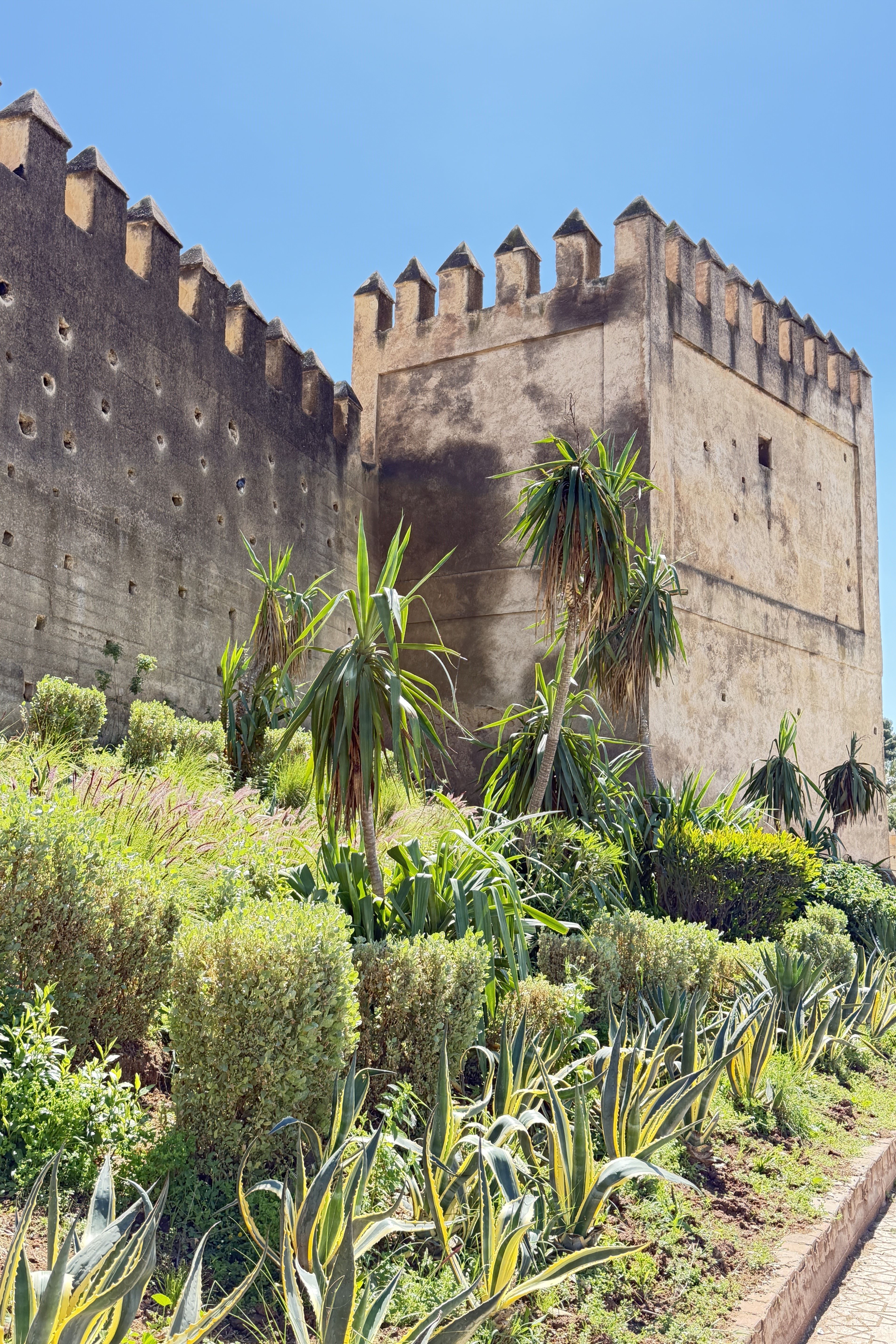
- Marrakech Guided City Tour (The Said Audit): The city tour with Said focuses on historical landmarks, local life, and Muslim culture. While it wasn’t focused heavily on the souks, we walked through the Medina a few times, paused in the historic Jewish Quarter, visited the exterior of the main Koutoubia Mosque, and visited with a gentleman that holds the longstanding tradition of keeping the Hammam fires burning. Additionally, we toured the interior labyrinth rooms of the 19th-century Bahia Palace and the historic Ben Youssef Madrasa Koran school. Entry to the Bahia Palace and Ben Youssef require separate admission fees. We paid Said directly in cash so he could handle the ticket procurement logistics—he physically purchased our entry tickets on the spot and seamlessly guided us past the massive, slow public entry lines.
- The Medina Experience Audit: While we read extensive warnings about aggressive shopkeeper pressure in the Medinas, we never experienced that behavior across any of our hub destinations—and we visited them all. Instead, we found wonderful, rich educational opportunities. Shopkeepers were highly willing to share stories about their traditional crafts, from identifying local woods used in their woodworking, to explaining the goat, lamb, and cow skins used inside the traditional Fes leather tanneries.
Within this ecosystem, the famous main square in Marrakech (Jemaa el-Fnaa) is an absolute, non-negotiable must-visit. It is a mesmerizing space to witness during the day, but it transforms into something truly spectacular at night when the endless rows of open-air food stalls set up and thick cooking smoke fills the air.
Crucial Planning Warning: While the square is alive with energy, keep your camera deployment strategic. The street performers—especially the snake charmers and monkey handlers—will aggressively demand money if they catch you taking pictures of them or their animals.
The Single Infrastructure Exception: The constant, high-speed motorbikes racing through the narrow, dark alleyways of the Marrakech Medina severely hinders the walking experience—which is almost entirely absent from the calmer Medinas of Fes, Meknes, or Tangier.
Nomadic Sports Architecture: The Moroccan Golf Framework
Incorporating a bucket-list golf outing (Royal Country Club Tangier) into along-term slow travel itinerary is seamless in Morocco, provided you plan ahead for the hidden currency requirements.
- The Booking Mechanics: Securing tee times is a remarkably simple digital process, and the core green fees can be fully settled in advance via credit card.
- The Transit Strategy: We utilized standard, inexpensive local petit taxis to transport us to and from the clubhouse steps.
- The Caddy Cash Mandate: The primary planning surprise is that hiring a caddy is a requirement on these courses. While your primary green fees are swiped on a card, the caddy must be compensated in local paper cash at the end of the round. Ensure you hit the ATM in advance specifically to hold caddy cash (300MAD).
- The Course Experience: Moroccan layouts are spectacularly walkable, parkland-style designs. Because your mandated caddy handles, cleans, and manipulates your clubs across every hole, you are entirely liberated from carrying weight or dragging a trolley. It transforms the round into a luxurious fitness walk, letting you fully focus on your game and enjoy the course.
The Financial Architecture & Dining Strategy
- The Cost-Per-Day Range: Our 63-day Moroccan pacing comfortably balanced out inside our $245 daily target. By anchoring our weeks inside lower-cost residential neighborhoods like Gueliz and Ville Nouveau—where we shopped at local Carrefour markets and utilized fully equipped apartment kitchens and washing machines—our daily baseline cost was low enough to absorb the high operational splurges of our private desert safaris and private driver excursions.
- The "Local Favorite" Dining Criteria: We resourced Tripadvisor specifically to see where the massive tourist waves gathered, reading through the reviews exclusively to identify restaurants offering high-end view aesthetics, rooftop terraces, or unique regional cuisine.
- The Google Review Location Hack: The moment our boots landed in a new hub, we pivoted exclusively to using localized Google Map reviews. Because Google reviews are heavily updated by neighborhood residents rather than international tourists, they yielded much more recent, authentic data. This hack directly uncovered hidden neighborhood gems like Culture Box in Fes—an exceptional local and tourist favorite.
Closure & The Cross-Series Network
The Journey Continues: Navigating the globe as a slow traveler that aspires to be a temporary local means transforming raw logistical friction into your greatest asset. Ready to step outside the city walls? Read our comprehensive, step-by-step companion guide: [Morocco Day Trip & Safari Planning Guides].
If you are ready to see how this operational blueprint translates into the intense, sensory story of our daily life on the cobblestones, check out our [Morocco Trip reports]. For a professional-grade WSET 3 audit of the unique grapes and wine scene of Morocco head directly over to our [Moroccan Wine Guide].
Welcome to the new Touchpoint Wines
We’re blending our passion for wine with a love for global exploration. Join us as we journey through the world's most captivating destinations, uncovering hidden wine gems and offering unique workshop experiences for your team retreats. Whether you're seeking to enhance team dynamics or discover the art of slow travel, let us be your guide.