At a Glance
- Duration: 21 Days.
- Home Base: Gueliz, Marrakech.
- Top Day Trip: Anima Gardens in the Atlas foothills.
- Memorable Moment: Returning to Marrakech after our time in Ouarzazate and our Desert Safari (tom put in a hot link) and being greeted at Le Zar Restaurant and Lounge with hugs and air kisses by the owner and staff—a heartwarming reunion after we had shared our travel stories with them earlier in the trip.
- Overall Vibe: A fascinating blend of modern European influence and ancient Berber tradition, characterized by lush green spaces and a vibrant rooftop culture.
This Town is Special Because...
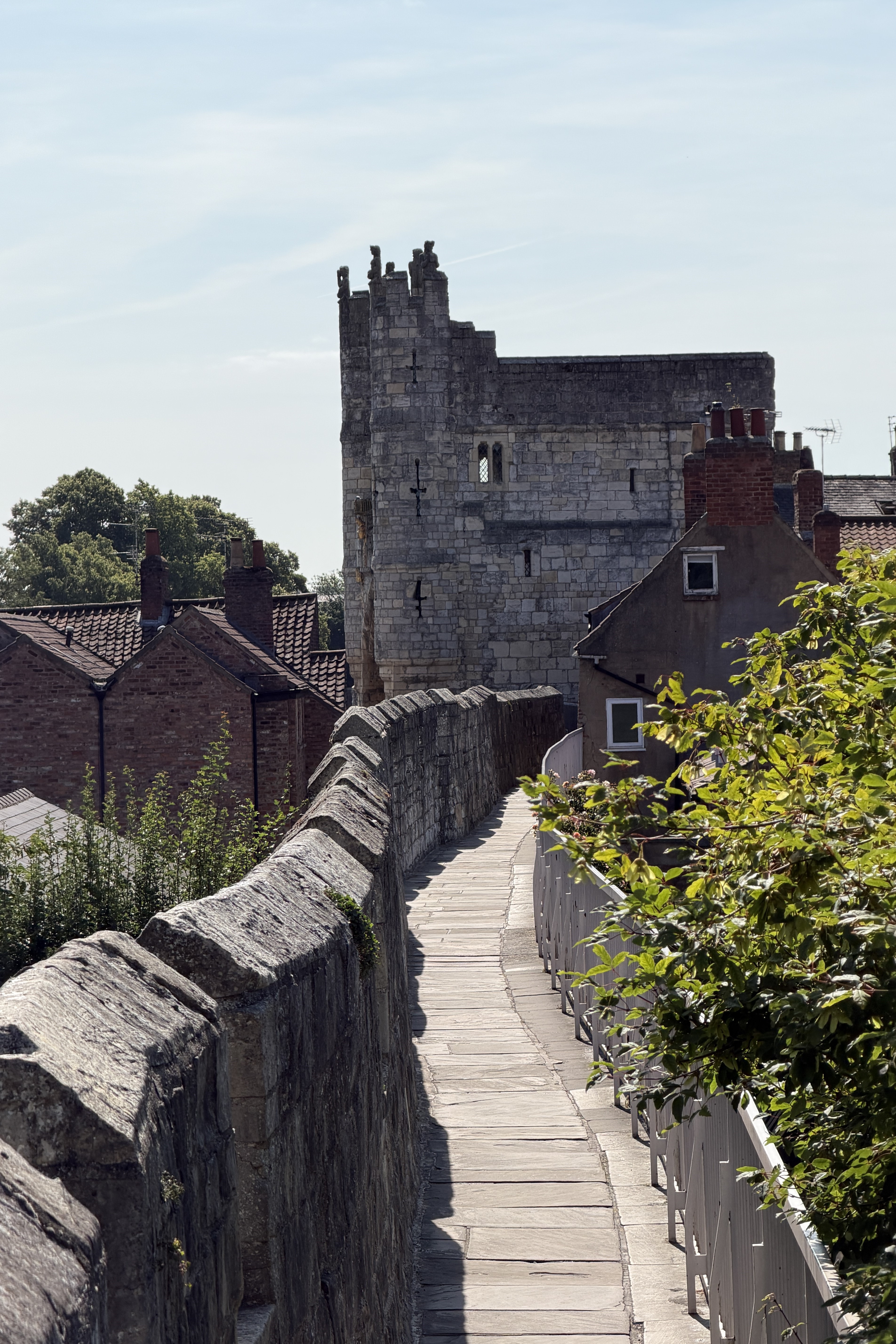
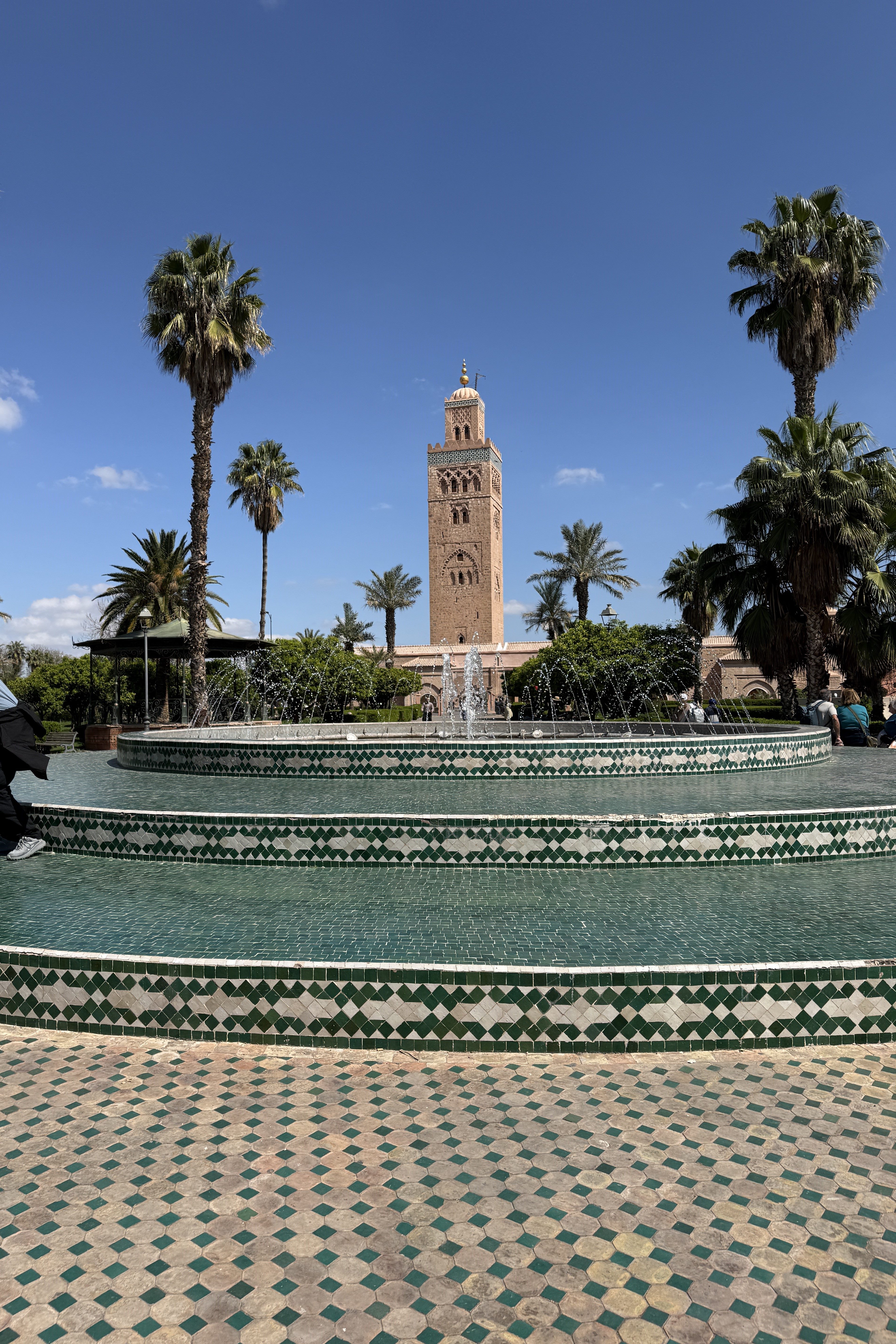
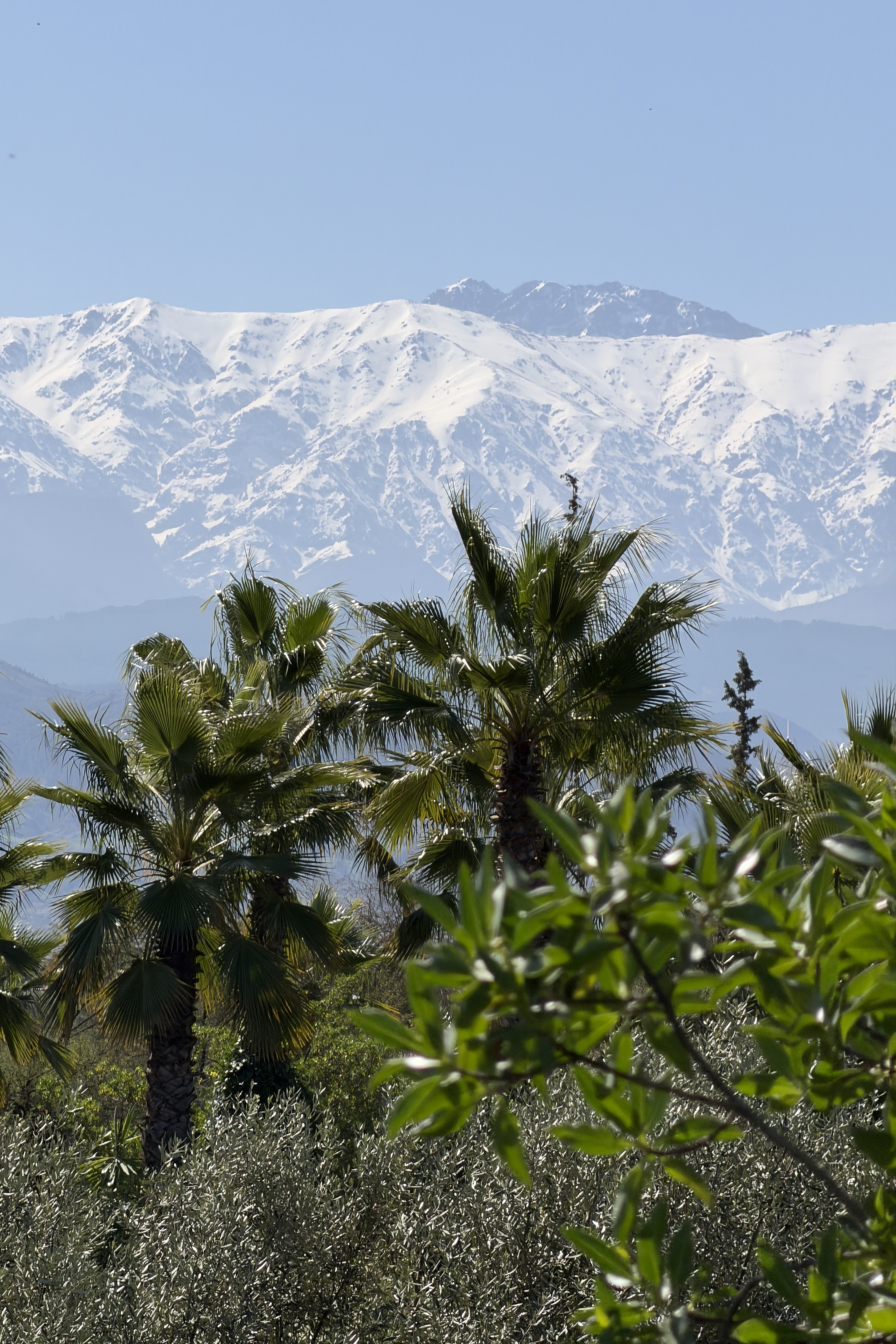
Marrakech, the "Red City," is an atmospheric auditor’s dream. The city earns its nickname from the striking red sand and clay used in its buildings, which glow with a unique warmth against the backdrop of the snow-capped Atlas Mountains. Our stay coincided with Ramadan, the Islamic holy month of fasting, prayer, and community. This significantly influenced the city's tempo; many shops had alternative hours, and the air would fill with a sense of shared purpose each evening as teams broke their fast together. Far from being a hindrance, Ramadan added a layer of cultural depth, from the quiet dignity of the afternoons to the festive showmanship of the evening markets.
Our Home Base: The Walkable Oasis of Gueliz
For our extended three-week stay, we utilized two different apartments in Gueliz, the more modern "Ville Nouvelle" area of Marrakech. While many tourists gravitate toward the Riad experience in the Medina, we found Gueliz to be the absolute right choice for slow travel.
The neighborhood is characterized by wider streets, ample green space, and a level of walkability that felt safer than the hectic Medina, even featuring rare walk symbols at some intersections. It is a neighborhood where daily life and tourism coexist comfortably. We spent many mornings on "power walks" through local parks, enjoying the relative quiet before the city fully woke up. This area provided the perfect balance—a modern retreat with easy access to the historical chaos of the Medina when we craved it.
Our Marrakech Experience: The Day-to-Day
Living the Local Life
Our 21 days in the city allowed us to immerse ourselves without the rush of a standard tour. Most days followed a productive but relaxed cadence: a morning power walk in one of the local parks for exercise, followed by a few hours of work. By the afternoon, we would venture out to explore a specific part of town or embark on a day trip.
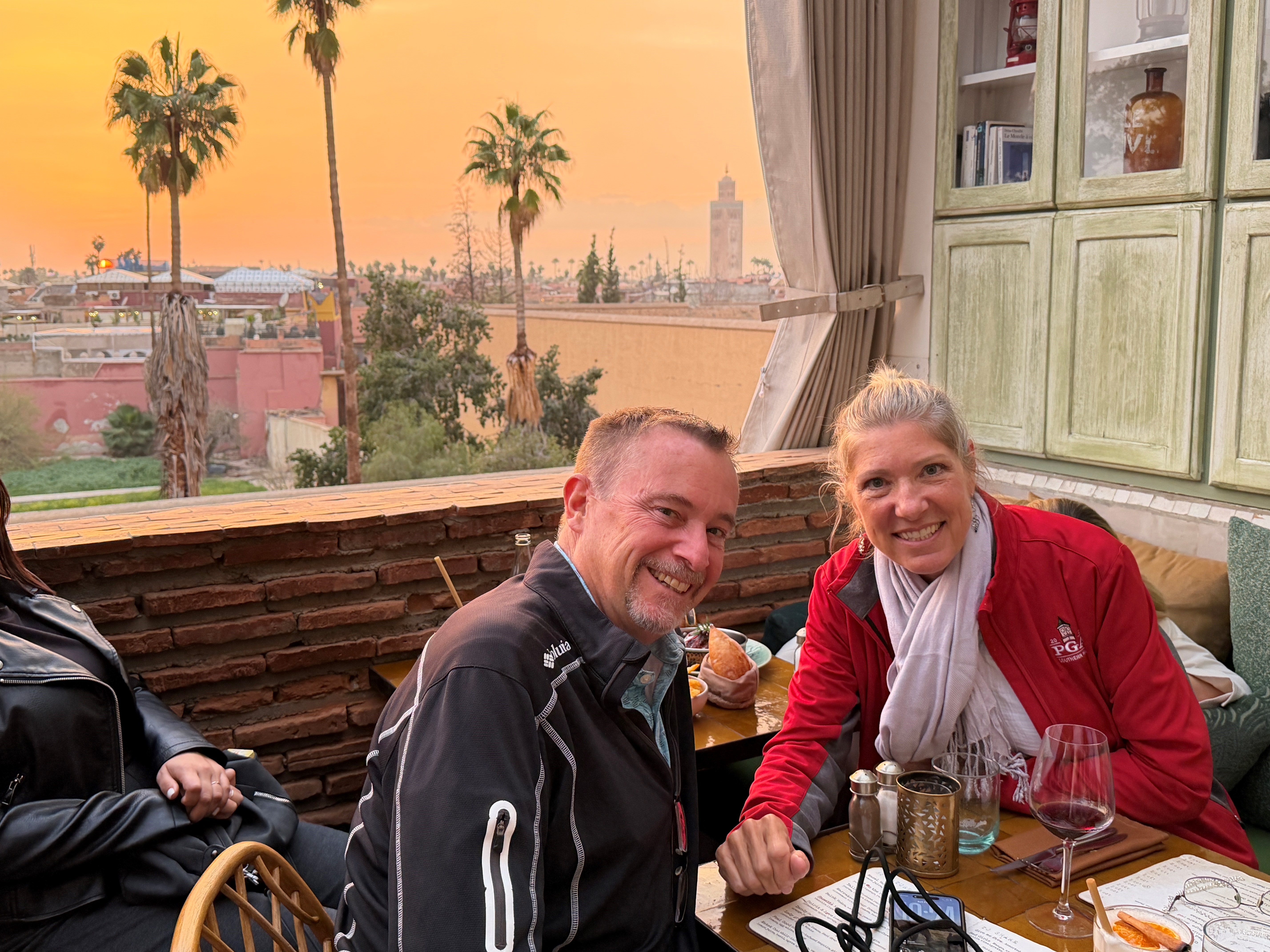
On a few occasions, we found refuge at Le Zar Restaurant and Lounge, a welcoming spot near our apartment. The owner, originally from the UK, and his engaging staff created a friendly atmosphere where we could enjoy a drink and chat with other travelers. It was the perfect occasional home-away-from-home, especially for Tom, who loved their reliable fish and chips. The personal connection we forged there made our final return to Marrakech feel like coming home to friends.
The Theatrical Heart of the Medina
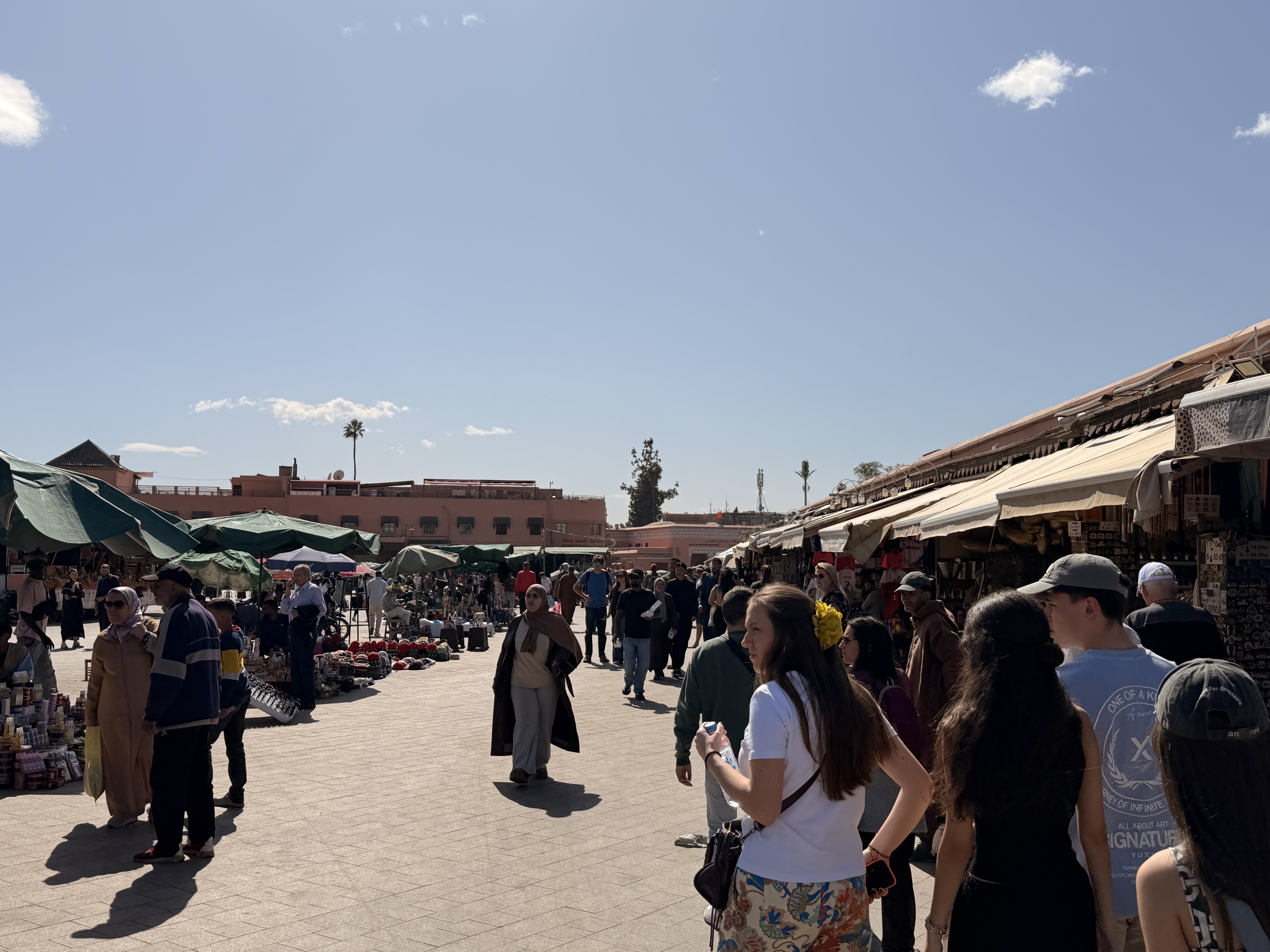
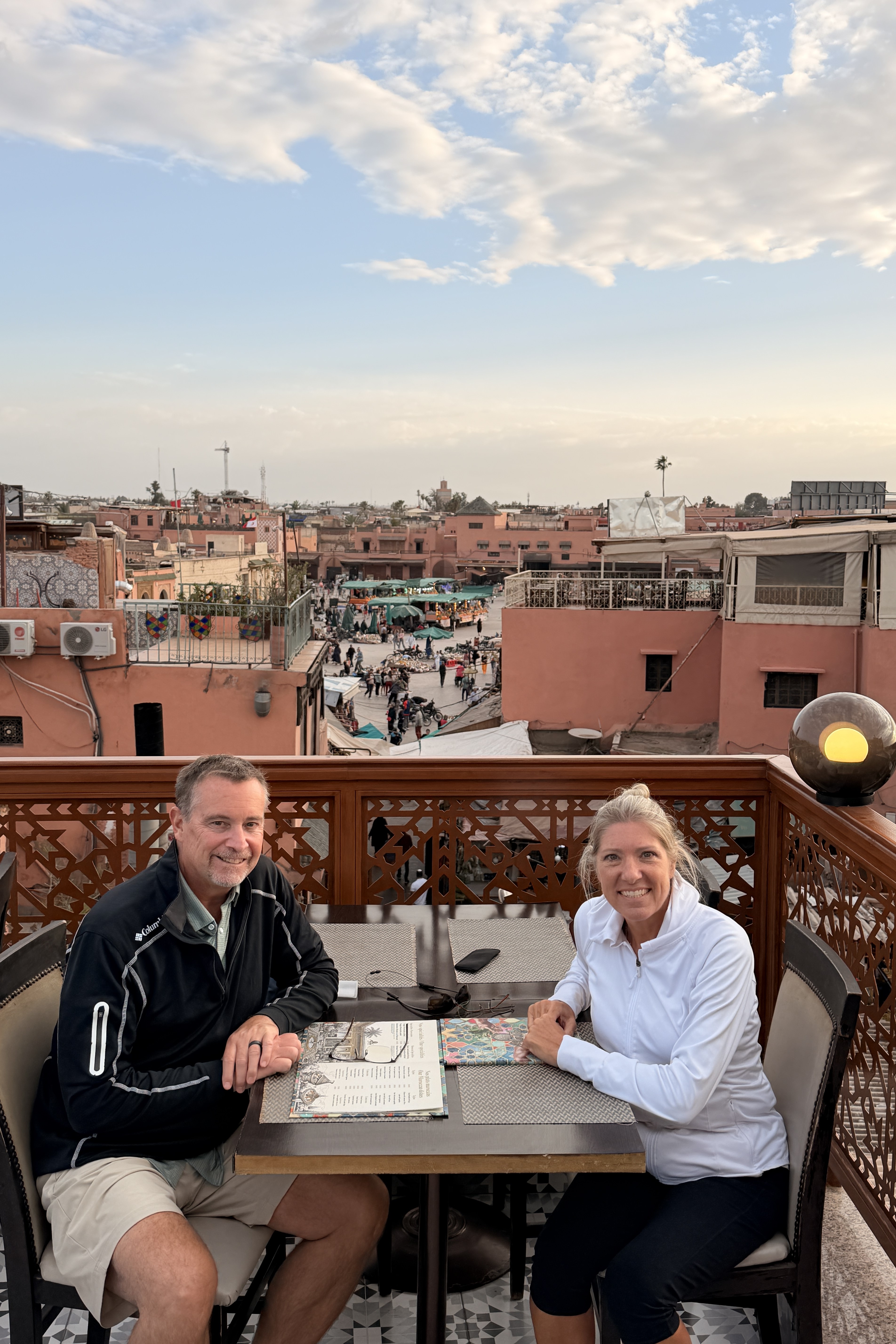
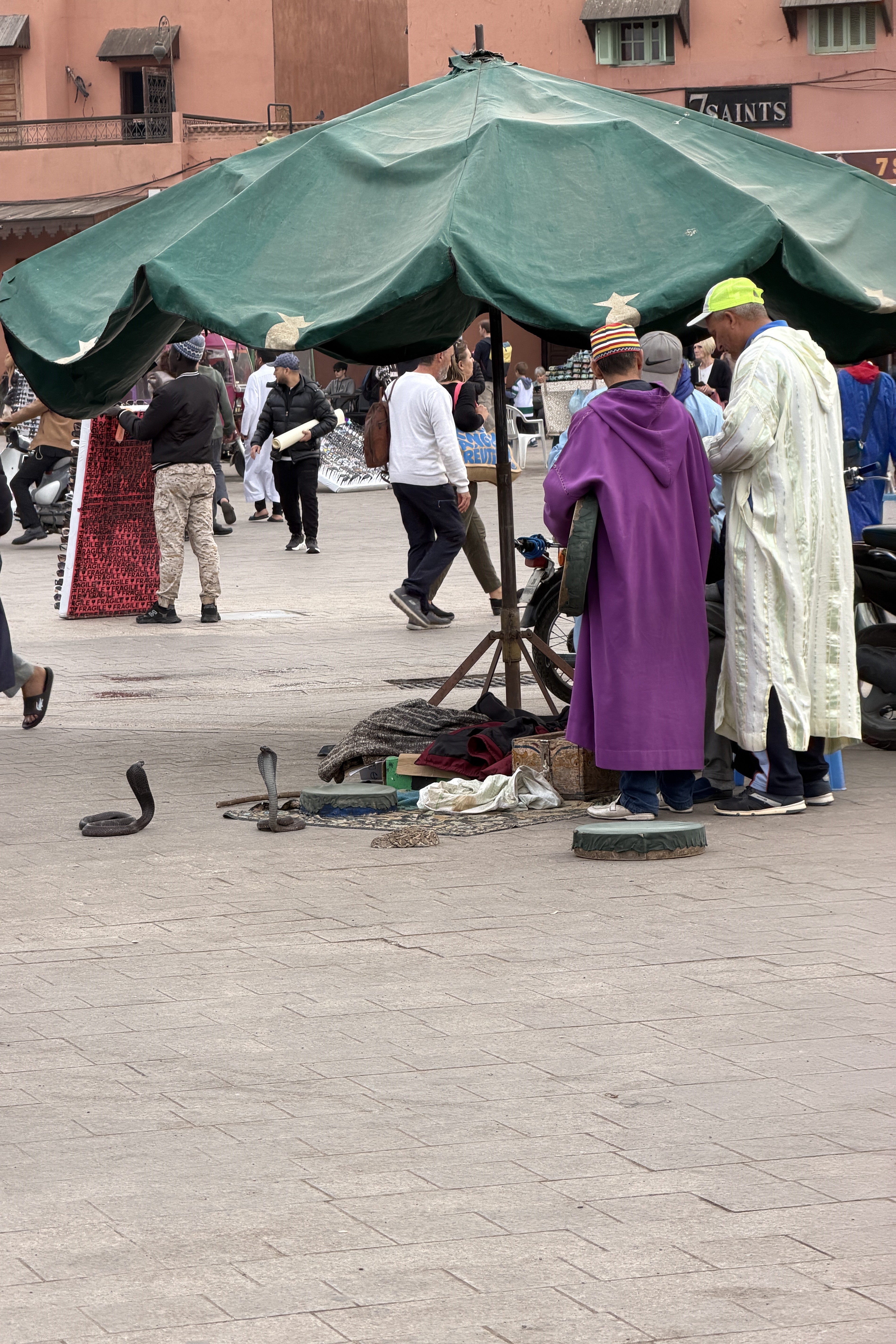
The Jemaa el-Fnaa, the main square of the Medina, is a site like no other. We visited many times, often heading to the rooftop of Café de France for a coffee to watch the evening transformation. The showmanship of the juice stand vendors is particularly entertaining; they set up in close competition, shouting humorous pitches to catch the attention of passersby. It is a place for fascinating people-watching, though it requires a bit of resilience—vendors here can be quite aggressive, sometimes demanding money just for having your phone in your hand, even if you aren't taking a photo.
Souks with a Goal: The Custom Jeweler
Navigating the labyrinthine souks is best done with a specific objective. We used Google pins to find artisans working in leather, wood, and jewelry. One of our most interesting experiences was finding a reputable jeweler willing to modify a necklace into a custom glasses chain.
Despite the language barrier, we used Google Translate to discuss the design, ensuring the clasps were right for my needs. Walking away with a high-quality, custom piece of jewelry—verified as 925silver—was a highlight of our Medina explorations. It proved that beyond the initial sales pitch, many artisans are deeply skilled and happy to guide travelers toward a product that meets their specific needs.
A Taste of Marrakech
The culinary scene in Marrakech is arguably the best in Morocco, showcasing not only amazing local dishes like the meat-focused tajia, (not to be confused with tangine) but also sophisticated international and French influenced dishes. We highly recommend these three standouts.
- AZALAÏ Urban Souk: A small place with excellent service where dishes like chicken dumplings and beef pastille are finished tableside with a flourish.
- Melipol: Located in Gueliz, this restaurant perfectly showcases the French-influenced prix-fixe lunch. We enjoyed a superb meal featuring minced steak with pepper sauce and a classic crème brûlée, and kabob pizza for under 500 MAD.
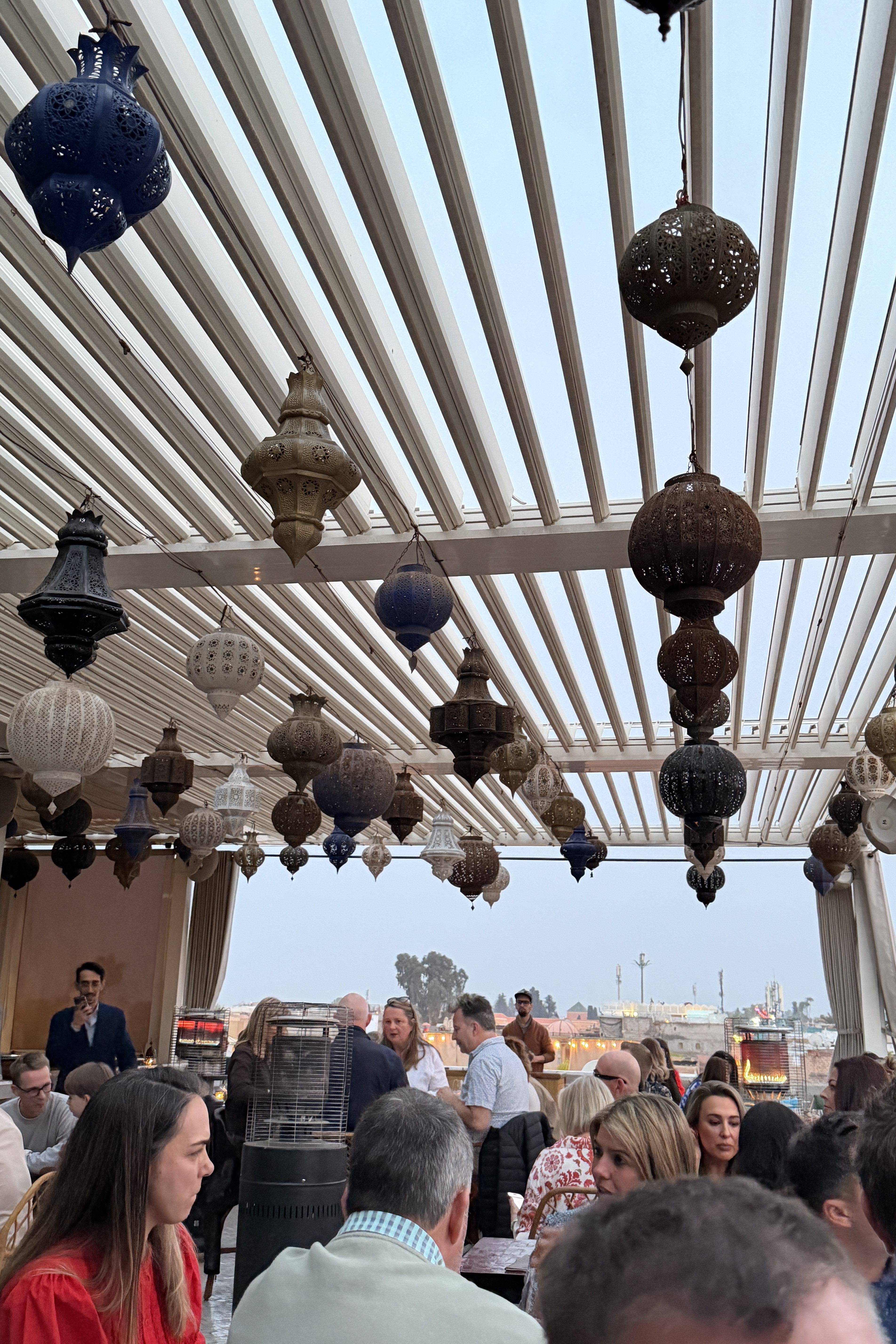
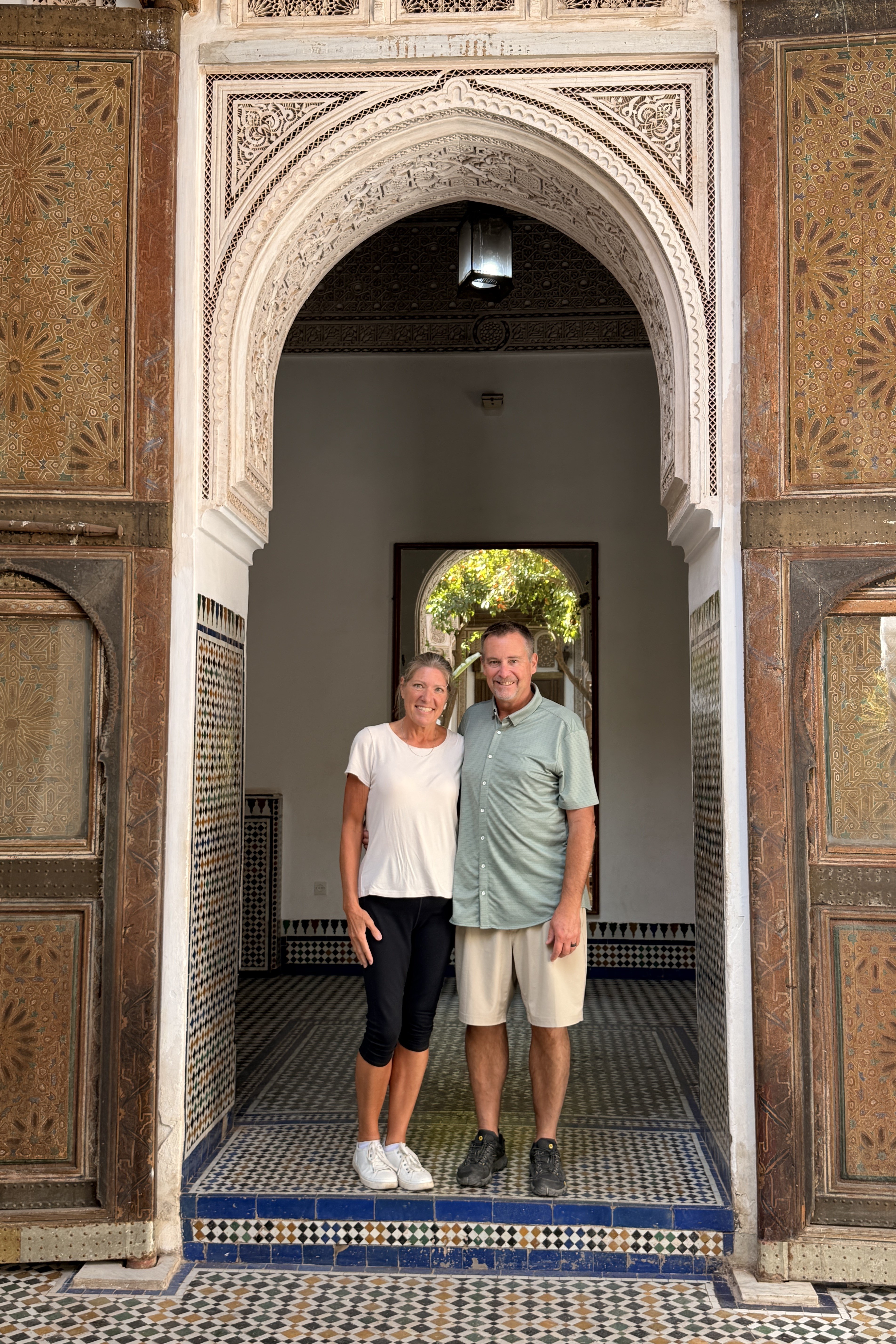
- Dardar Rooftop: A favorite for both lunch and dinner. Beyond the great shrimp risotto, tajia, and mini tacos, we found design inspiration in their unique ceiling lanterns for the home we are designing in North Carolina.
Day Trips: Escapes from the Hub
Anima Gardens: Art in the Foothills
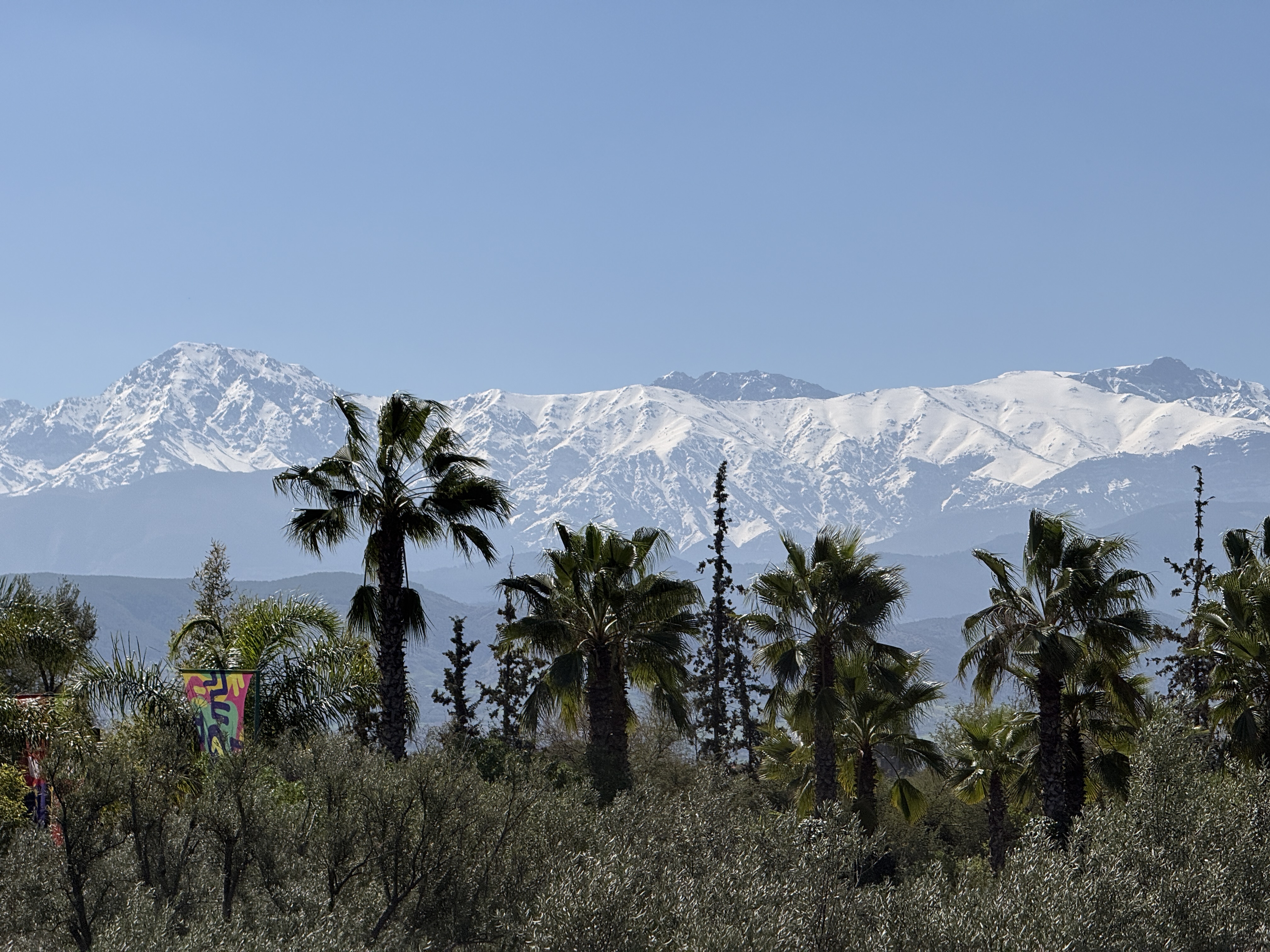
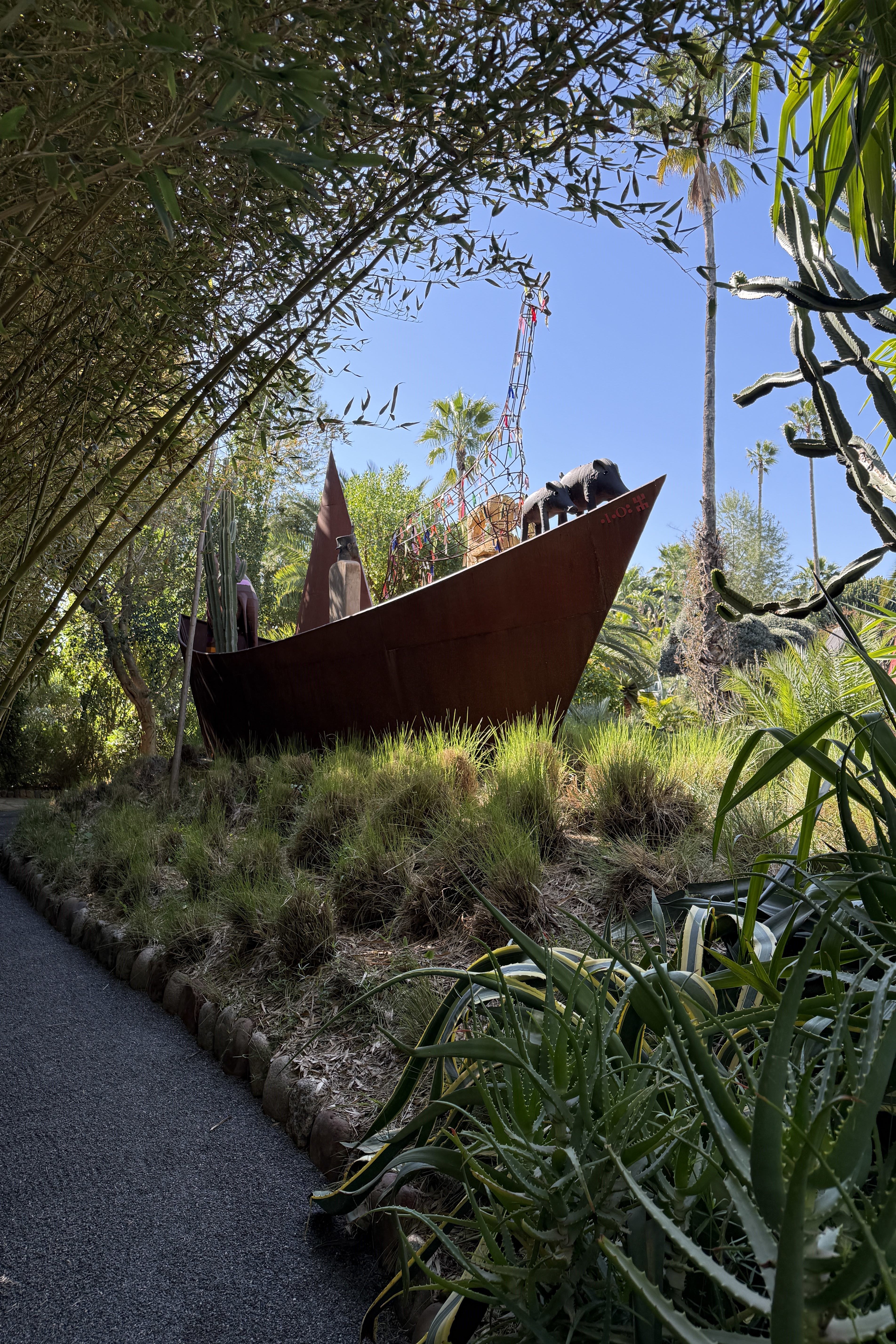
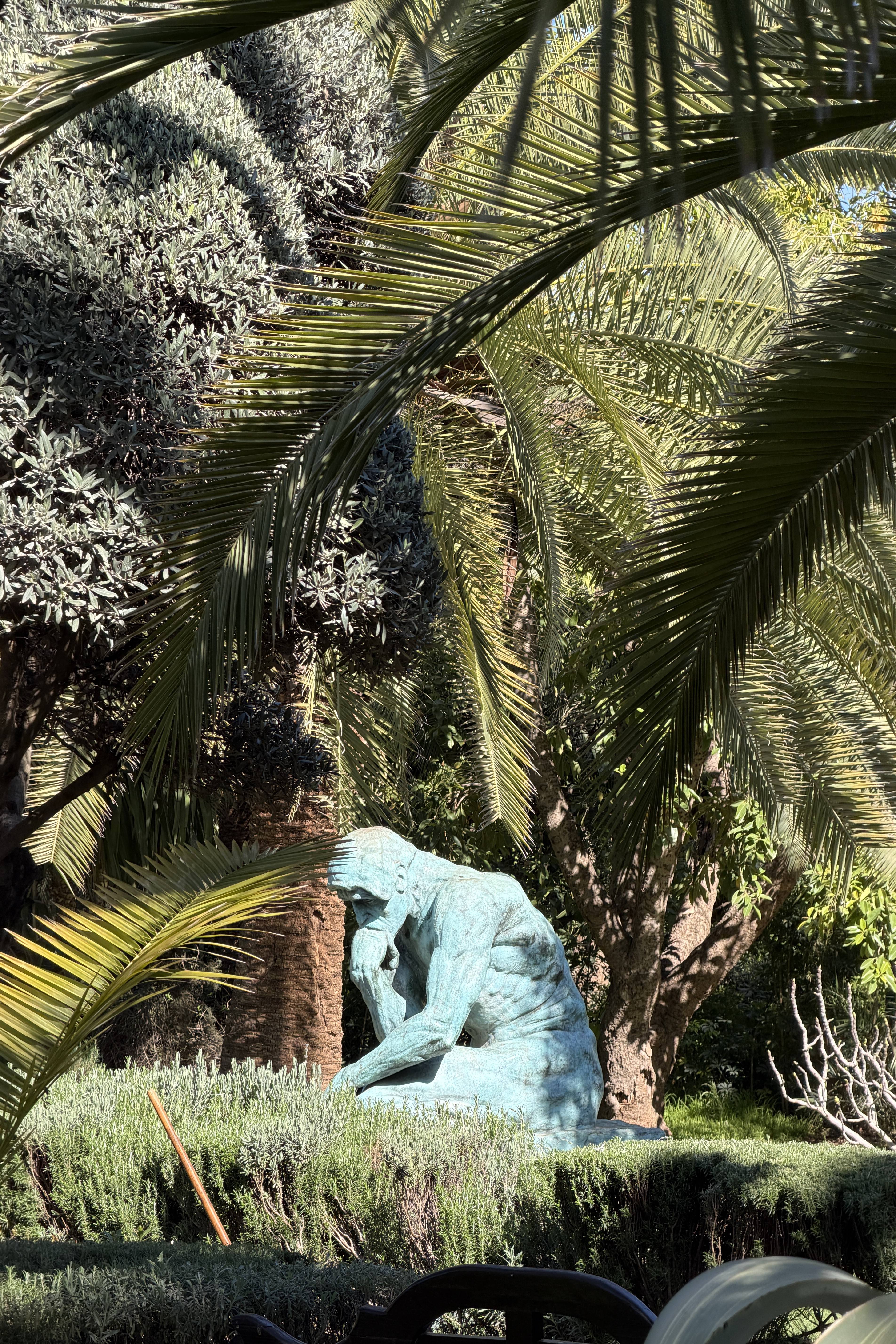
Located about 27 kilometers out of town in the Atlas foothills, Anima Gardens is a stunning fusion of botany and art. We took the free shuttle out to the park, but since we couldn't book a return seat, we happily navigated the way back using local vans—officially known as Transport Mixtes or Grand Taxis. It was a simple process that dropped us in a part of the Medina we likely never would have explored otherwise. The garden it self is filled with sculptures and lush paths, offering breathtaking views of the snow-capped mountains from its rooftop café.
Ourika Valley: A "Resilient Realist" Lesson
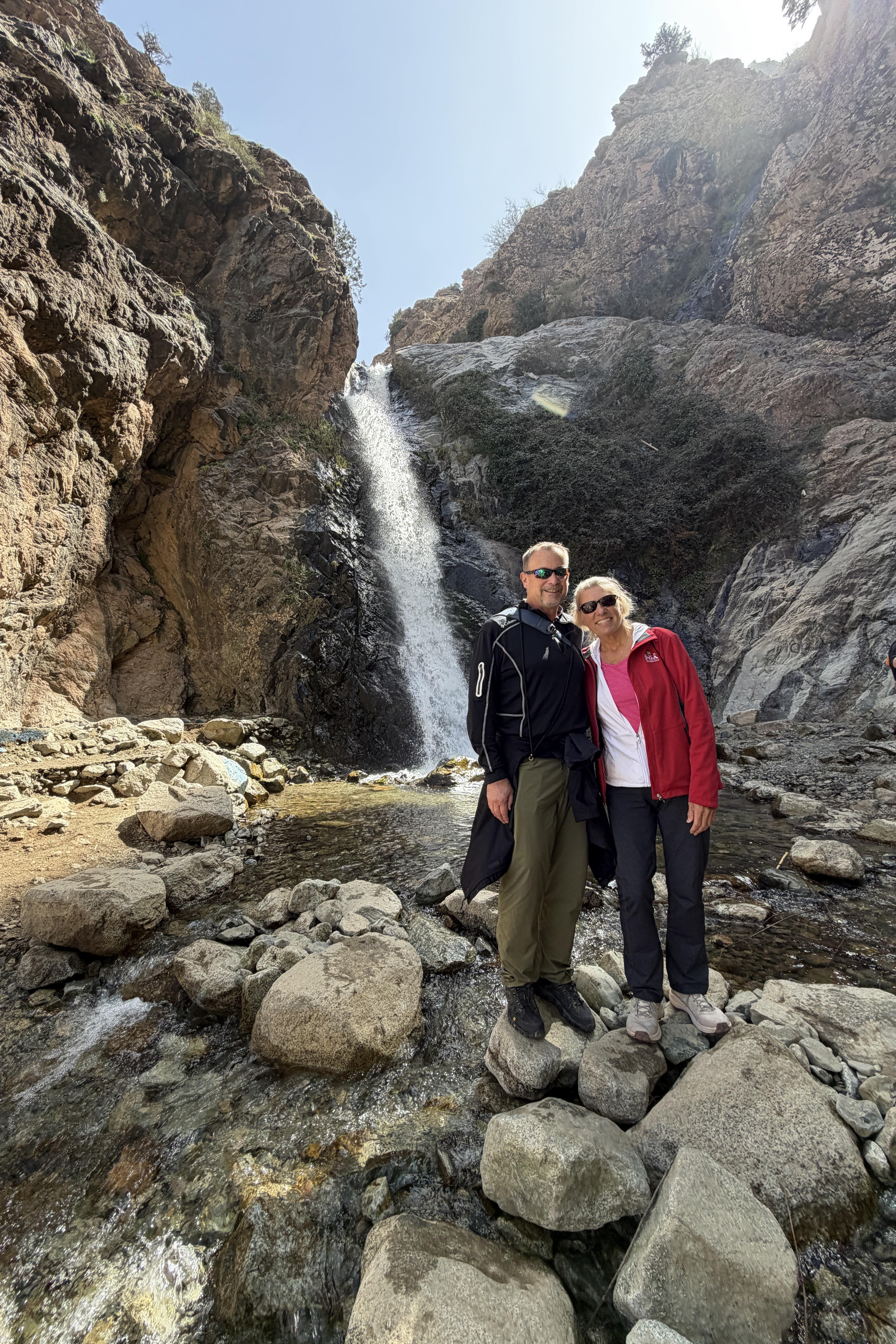
Our trip to the Ourika Valley, in the town of Setti Fadma, was a lesson in the importance of verifying and managing expectations. I had spent significant time researching the Ourika Valley "7 Waterfalls" hike tours because we wanted a challenging 3–4-hour trek and not the standard short hike and lunch offered through most of the tours. Instead, we were ushered through the standard 45-minute hike, and instead of the 7-8 hours we booked and paid for, we were picked up at 9:00 am and back at our apartment at 12:30. While the valley is beautiful and historically significant as a Berber stronghold, the "bait and switch" of the tour was a major disappointment especially since we paid significantly more than what we could have for what we received.
The Marrakech Wine Scene
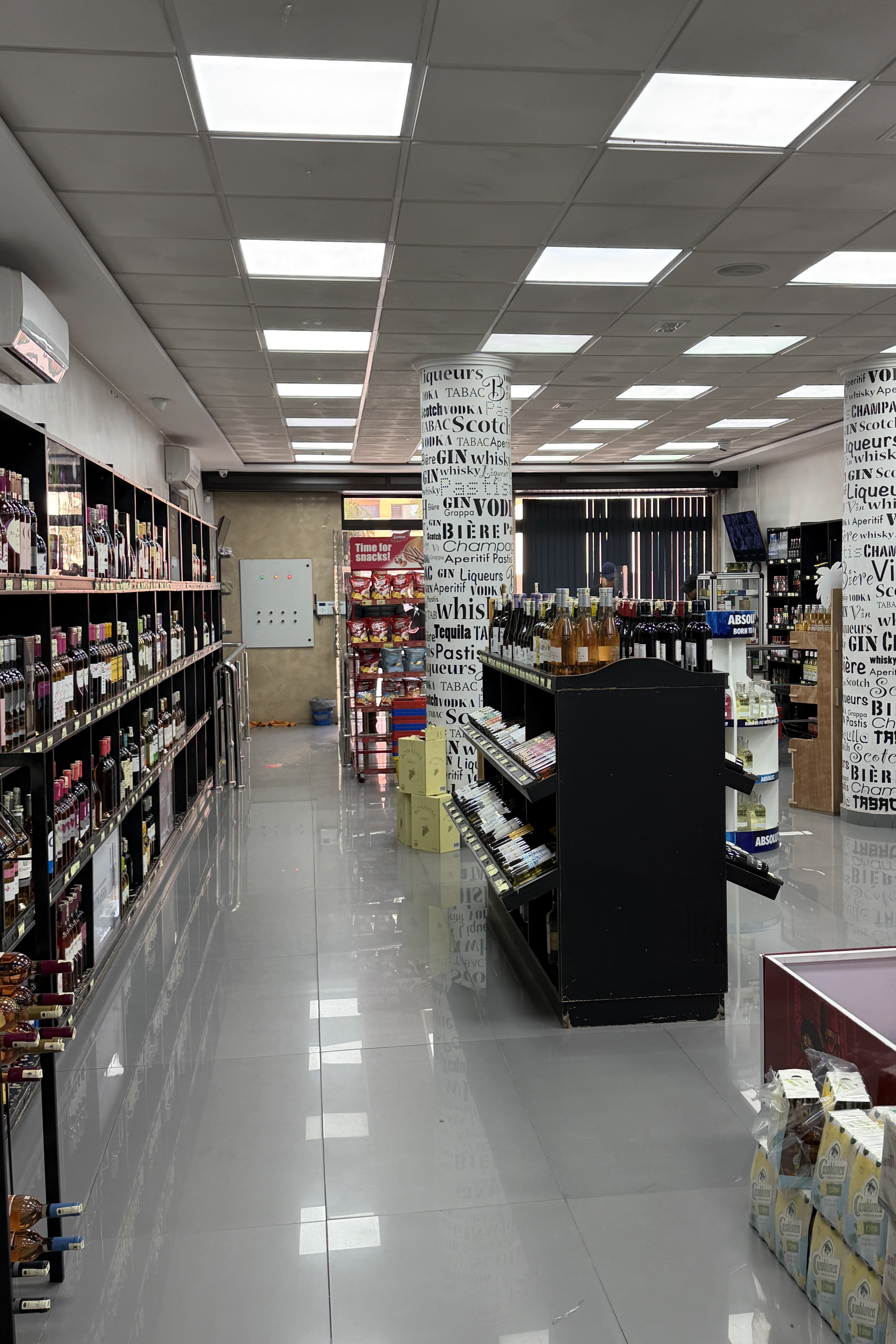
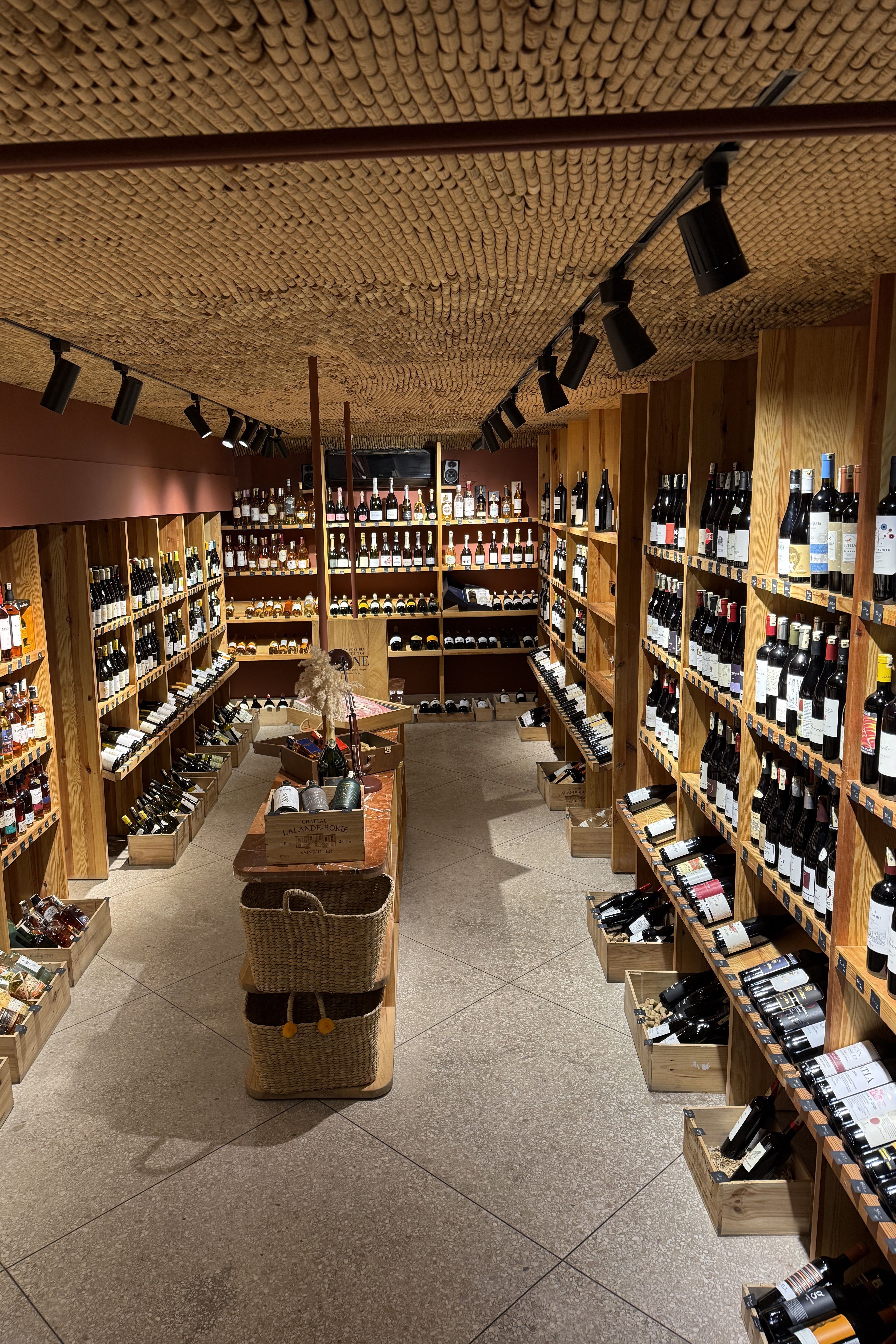
As part of our on going Trip Reports, we’ve begun documenting the "wine scene" of each region, with a full Moroccan Wine Blog forthcoming. Navigating this as a WSET professional during Ramadan was particularly interesting. While major supermarkets like Carrefour sell wine, their "alcohol caves" are strictly closed during this holy month.
Instead, one must seek out independent wine shops located in the more modern neighborhoods like Gueliz. Be aware that these shops often have limited hours that are not updated on Google; we often found them only open from 11:00 to 15:00. We successfully located three reliable shops: Des Vignes aux Vins, Victoria's Drink Depot, Barbe. Marrakech. These shops offer surprisingly expansive selections of both French imports and Moroccan labels.
Finding restaurants that offer both a stunning rooftop and a solid wine list is a highlight of the city. While you will certainly encounter other tourists, the culinary and service experiences are often world-class. In addition to Dardar, Terrasse des Épices in the Medina is utterly beautiful. It boasts one of the most robust French wine lists I've ever seen, alongside standout cocktails and a Syrah/Tempranillo blend that we thoroughly enjoyed.
Reflections on the Journey
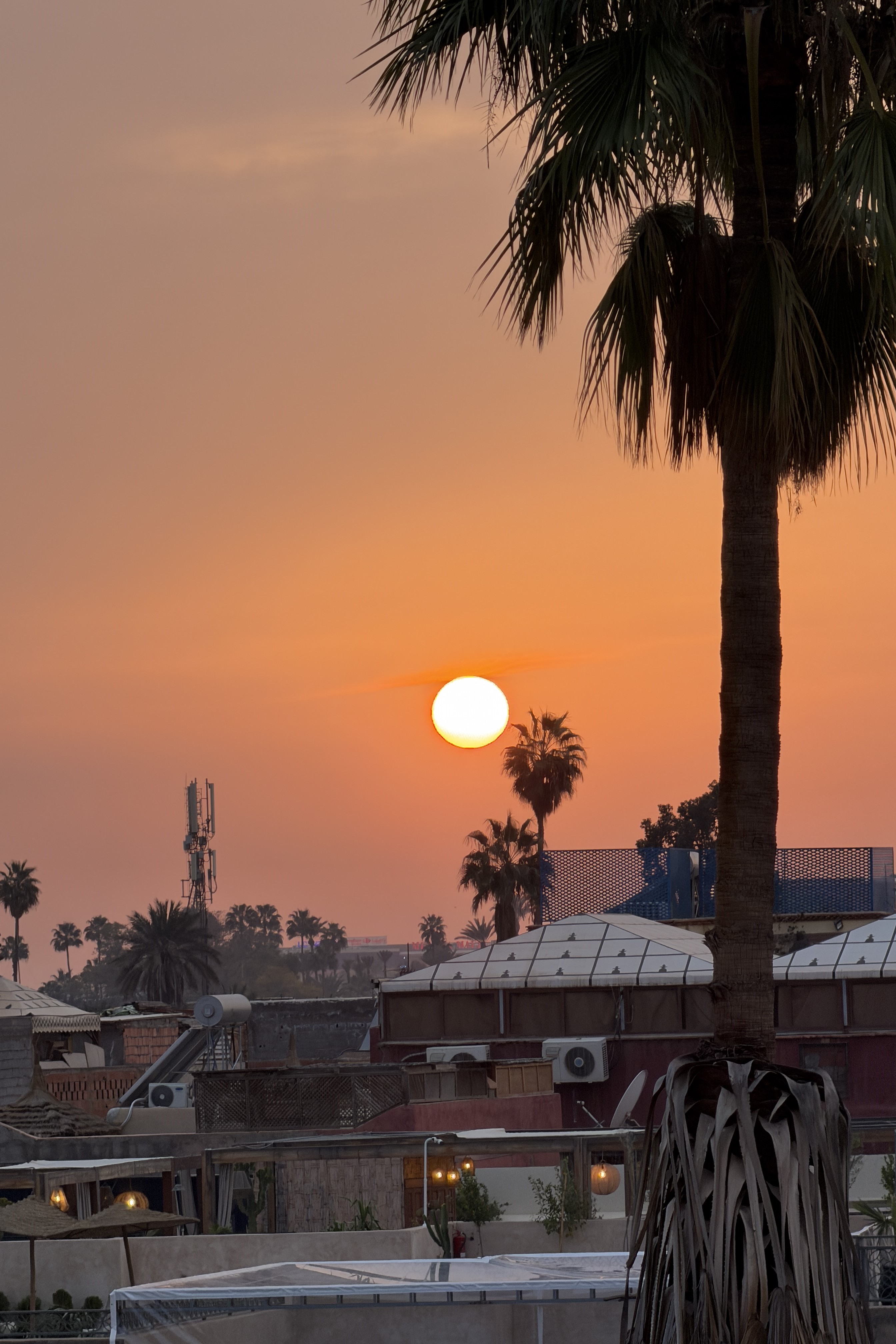
Looking back on our three weeks in the Red City, Marrakech left a lasting impression, showing us that a city’s truest magic often lies in its contradictions. Our daily rhythm was anchored by the unexpected abundance of lush green spaces and quiet neighborhood parks that gave us room for our morning power walks—a peaceful counterweight to the urban energy you find around the Medina. When evening fell, the vibrant rooftop culture stole our hearts. Watching the sunset cast its warm glow over the clay skyline, cold drink in hand, became the ultimate reward for our days of slow exploration.
Of course, a slow-travel journey is never without friction, and the Medina tested our resilience in very specific ways. The relentless buzz and tight squeeze of chaotic motorbikes cutting through the ancient, narrow streets frequently shattered the historic charm we wanted to experience. Out in the open expanse of the Jemaa el-Fnaa, we had to build up a thick skin against the aggressive "photo police"—those vendors who would step into your space and demand money simply because your phone was in your hand, regardless of whether you were taking a picture. It’s the kind of commercial hustle that requires a firm "no" and a quick step.
Living like a local also brought a wealth of practical education. We quickly realized that Marrakech is heavily a cash-driven society, making regular ATM runs a necessity for daily transactions and local taxes. We also learned to keep our wallets closed for retail therapy; the high local VAT tax ensures that buying clothes here is rarely the bargain it appears to be. Our most critical takeaway for anyone venturing beyond the city limits on day trips is to always carry your actual, physical passport. The local police maintain regular checkpoints along the highways, and a paper copy simply won't cut it if you're asked to verify your details.
Yet, our most profound revelation was how beautifully the reality of the Medina DIDN'T live up to our expectations. We had braced ourselves for an onslaught of high-pressure, aggressive sales tactics from shopkeepers. Instead, we were met with a culture that was remarkably open, inviting, and genuinely helpful. Once you look past the initial, standard tourist banter and attention-getting, you find an artisan community eager to share their craft and connect on a human level. It was a beautiful reminder to always approach a new culture with an open mind, because the reality on the ground is often far more gracious than the warnings in a guidebook.
Links: Morocco Day Trip and Safari Planning Guide | The Touchpoint Blueprint: Planning Guide for Morocco | More Trip Reports |
Up Next: Ouarzazate, Morocco
Welcome to the new Touchpoint Wines
We’re blending our passion for wine with a love for global exploration. Join us as we journey through the world's most captivating destinations, uncovering hidden wine gems and offering unique workshop experiences for your team retreats. Whether you're seeking to enhance team dynamics or discover the art of slow travel, let us be your guide.