How to plan a life of slow travel, one 90-day shuffle at a time.
Planning for a nomadic life isn't just about picking a destination; it’s about managing a complex puzzle of international rules, weather windows, and personal non-negotiables. For us, the "Slow Travel" lifestyle isn't just about the destinations we visit, but the strategic framework we use to experience them. We look at our life in 180-day blocks, largely dictated by the "Schengen Shuffle"—the rule that allows us to stay in most European countries for only 90 out of every 180 days. While this post focuses on the macro-strategy of picking a "Hub," you can also dive into our [Digital Toolkit & Budget Strategy] for the apps we use or [Navigating Life on the Road] to see how we handle health and infrastructure.
Here is the "Touchpoint" methodology we use to build our world.
The Macro Filter: Weather & Events
Our first pass is simple but strict:
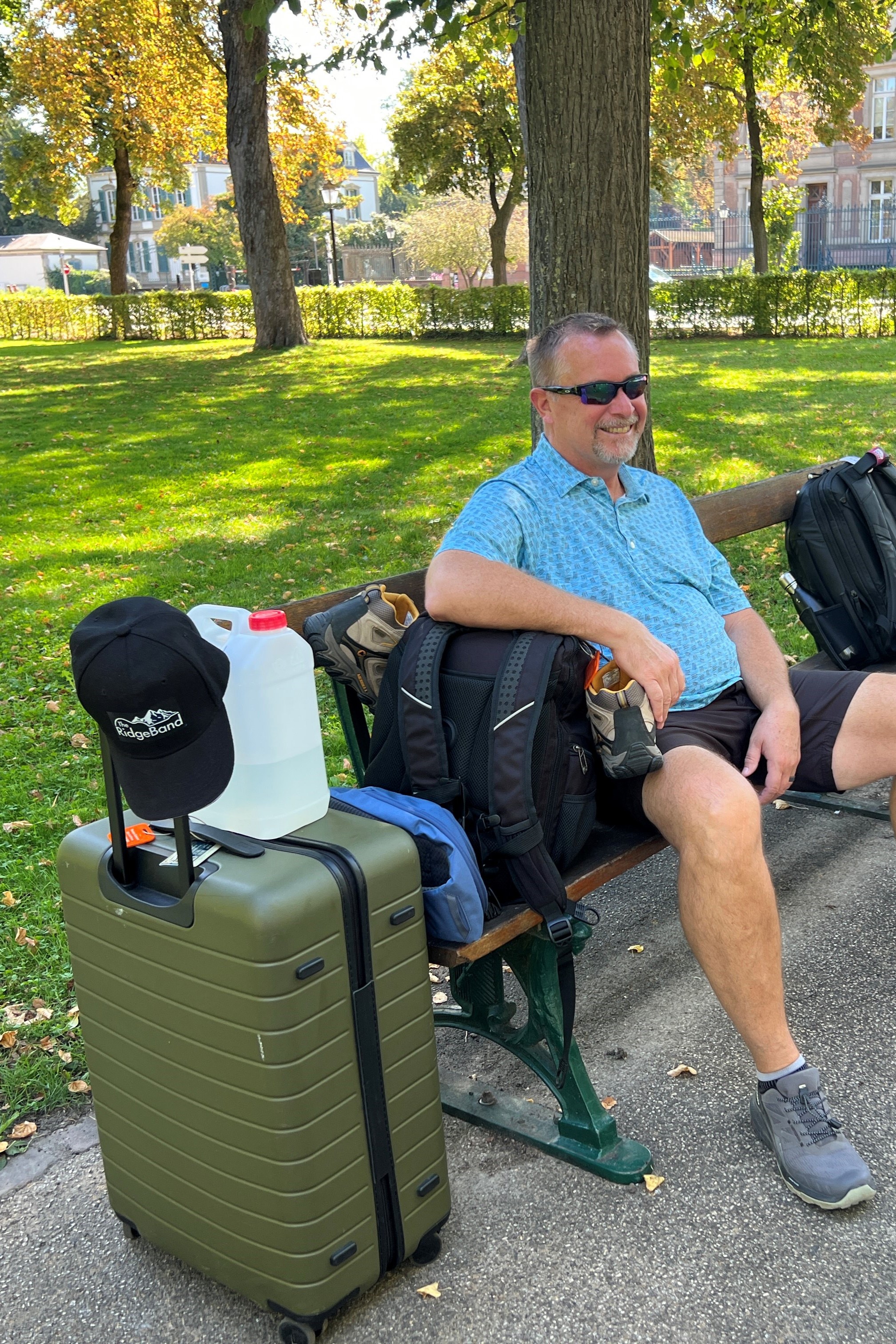
- The 65° Rule: We don’t stay anywhere with an average daytime temperature below 65°F. Because we travel full time, this allows us to keep one checked bag (Away medium sized bag) and one backpack. (Nomadic) With layers, this allows us to manage spring, summer and fall.
- The Event Check: We cross-reference our dates with local festivals or significant cultural happenings. We want to be in Strasbourg for Christmas or the Troodos Mountains for a wine harvest, not arriving two days after the party ends.
Defining the "Hub"
Once we pick a region, we look for our Hub. We typically stay for 3 to 4 weeks (10 days at a minimum) to truly immerse ourselves. Often, we add on two or three days to the beginning or end of a Hub stay to ensure we don’t miss any key experience or places, but which are often too far away to day trip. A great example is our 3 weeks stay in Malaga, Spain, followed by 5 nights in Seville, and then 30 nights in Faro Portugal for golf and to explore the Algarve region.
Our criteria for a Hub are non-negotiable:
- Connectivity: It must have robust public transport (trains or buses) so we can avoid relying on car rentals only.
- The Power Walk and Great Outdoors Factors: It needs safe, beautiful paths for our morning exercise that also allows us to get out and explore.
- Water Proximity: We are drawn to the water—oceans, lakes, or rivers are high, but many bucket destinations don’t meet these criteria, so this one is negotiable.
- Neighborhood Vibes: We skip the prime tourist centers in favor of local, or adjacent neighborhoods. We want to walk into the "sights" but eat our dinner where the locals live.
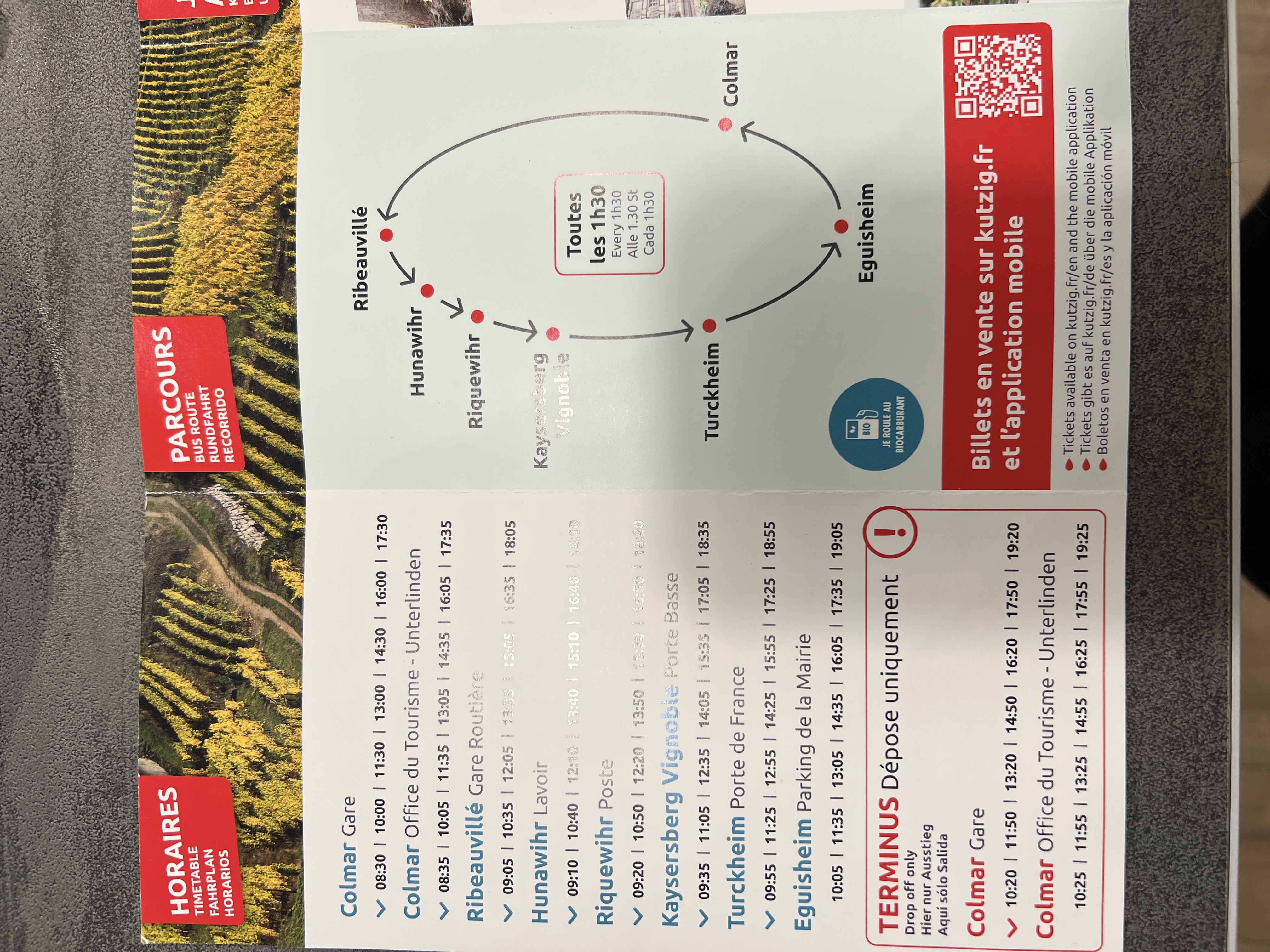
- Day Tips: It must have enough places to go, things to do and towns to visit within 2 hours. We try for one-to-three-day trips per week. This can include hiking, excursions or tours that showcase that area, visiting small towns and villages, remote beaches and golf.
Planning Tip: Choosing the right Hub is the difference between a stressful trip and a restorative stay. For a real-world look at how we applied these criteria to aresidential African neighborhood, see our [Nyali Beach: A Slow Travel Trip Report].
The Art of the Pivot
However, even the best-laid plans must pass the "Logistics Test." You have to be willing to pivot when the reality of travel clashes with the itinerary. A perfect example was our planned leg from Beaune, France, to Antwerp, Belgium. We had the accommodations picked out and the "ideal" vision in our heads. But when we sat down to actually book the transport, we realized that getting from the heart of Burgundy to Antwerp was going to be a multi-change logistical nightmare that would eat up an entire day of our lives.
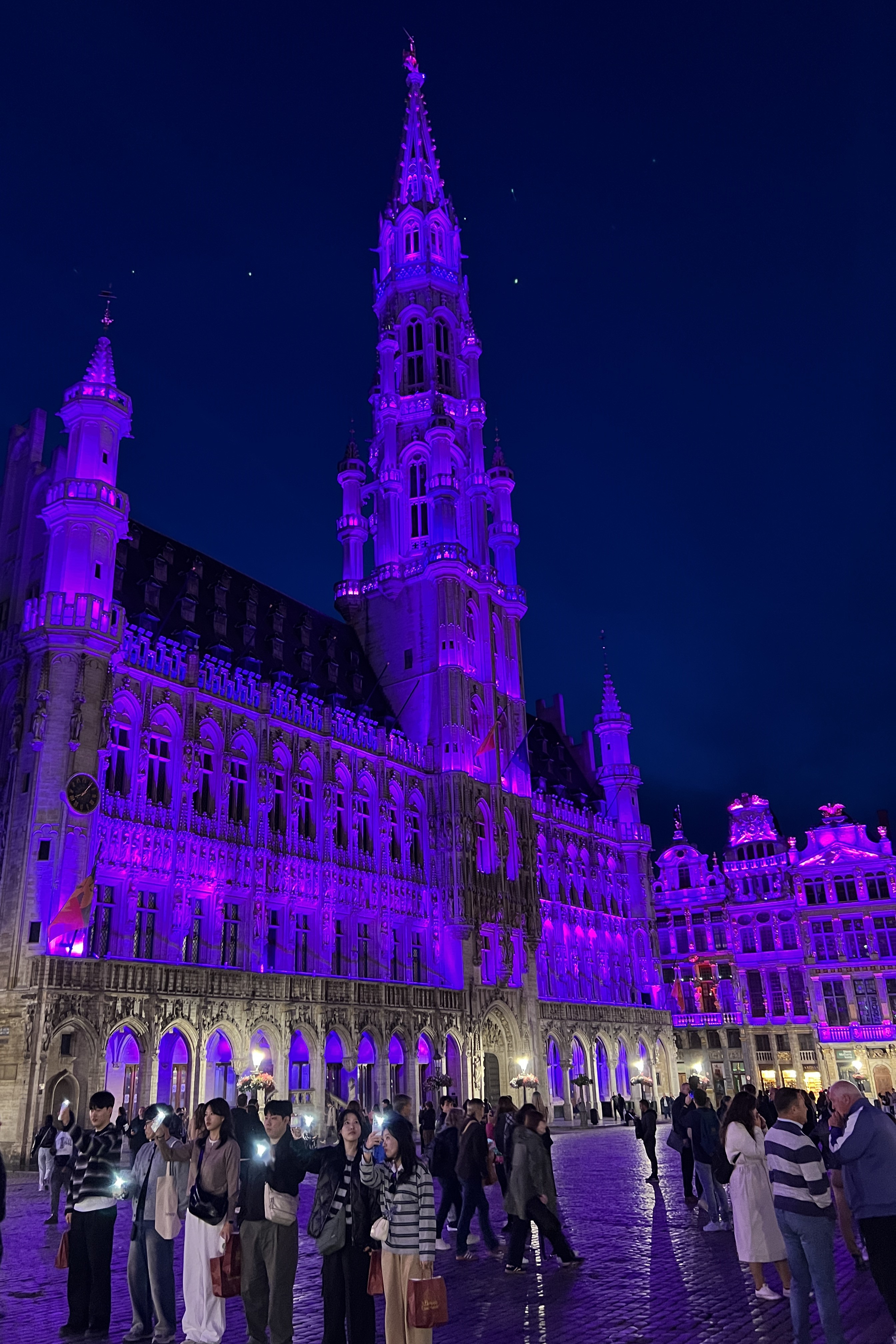
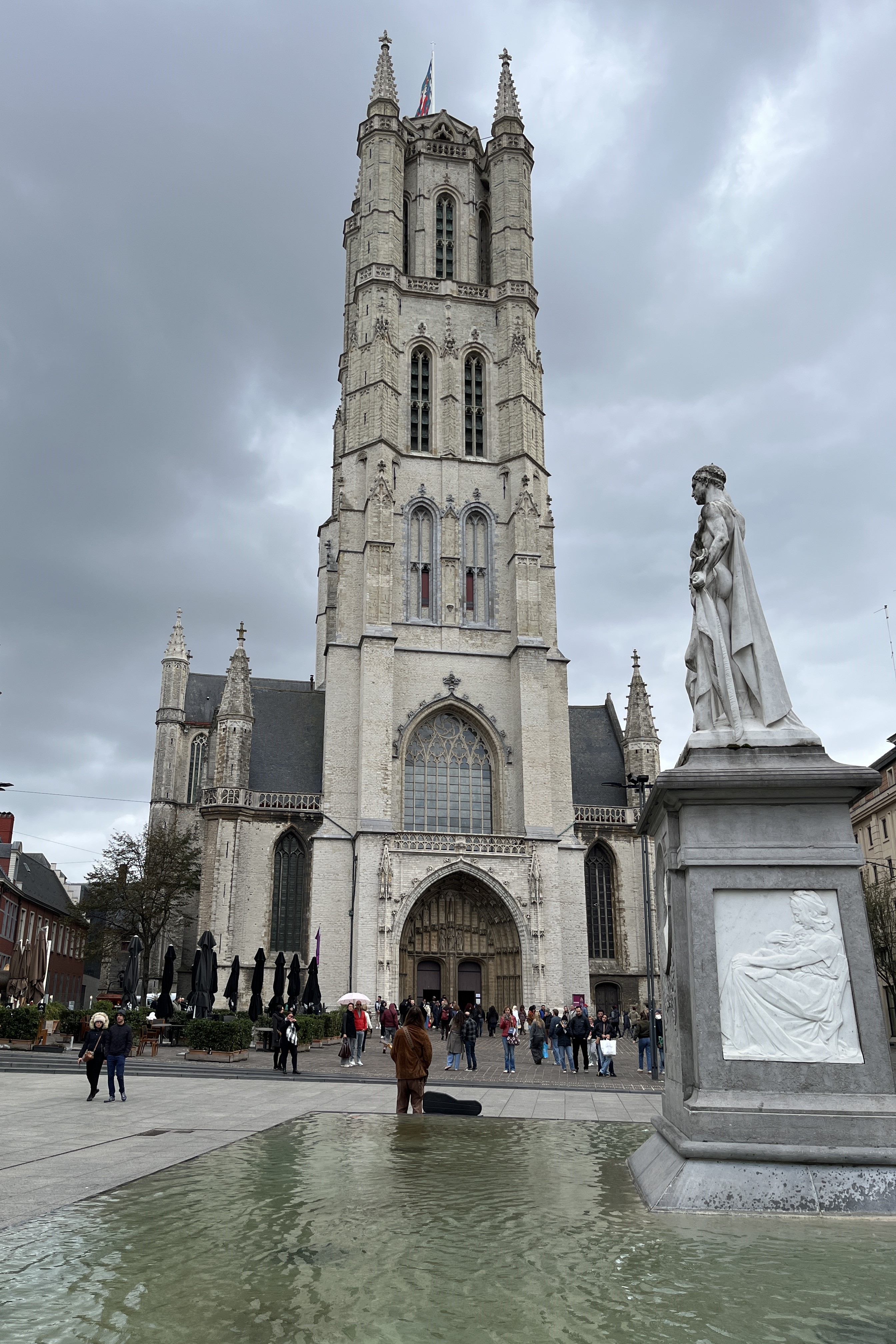
Instead of forcing a bad route, we pivoted. We cancelled Antwerp and headed to [Brussels] and [Ghent] instead. It was a vital lesson: if the logistics are fighting you, the Hub isn't right. The Hub is meant to be your sanctuary, not a source of travel exhaustion.
The Nomadic Evolution: A Journey of Constant Learning
One of the most rewarding aspects of this lifestyle is the constant, live feedback loop it provides. We aren't just traveling; we are refining a blueprint for what a happy, sustainable life looks like. Every country we visit and every apartment we unlock allows us to further sharpen our understanding of what we actually need versus what we thought we wanted.
In the beginning, we were focused on location and price. But as we spent more time in different environments—from the "sand-blasting" winds of [Nyali Beach] to the historic streets of [Ghent]—we realized that our physical surroundings significantly impacted our daily joy. We noticed, for instance, that we felt a distinct sense of "confinement" when we didn't have an immediate connection to the outdoors.
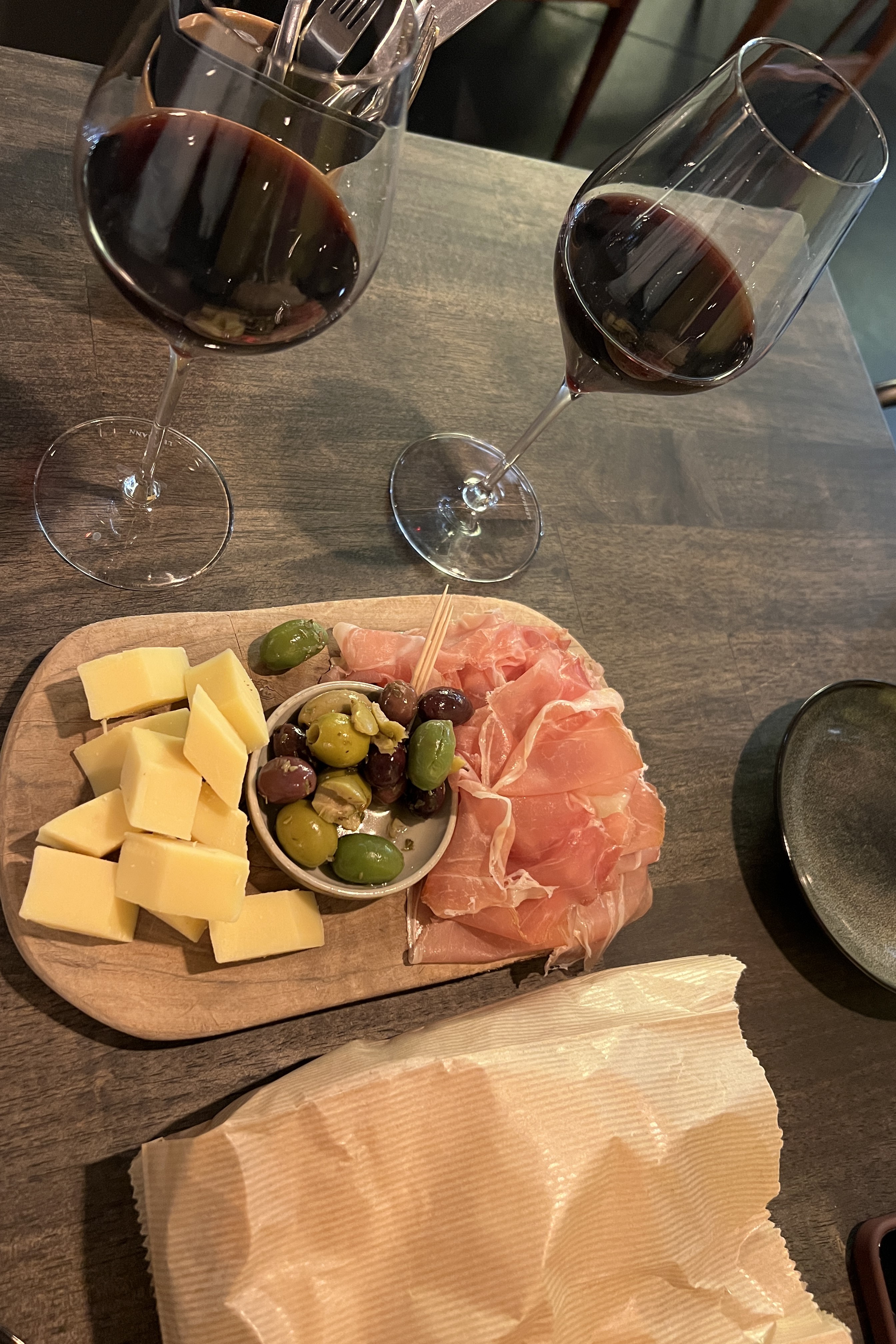
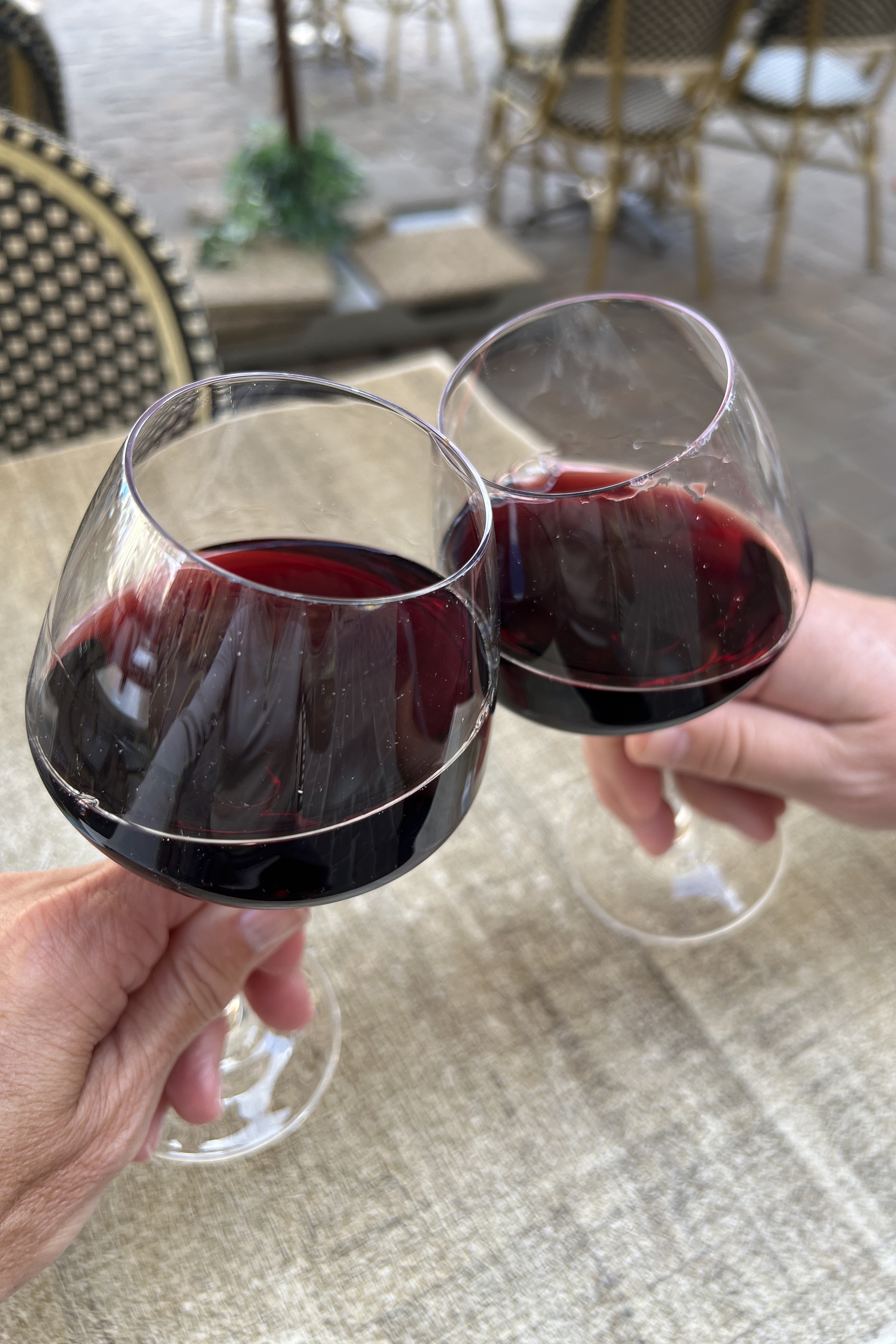
This realization led to a major shift in our planning. We now treat a balcony or terrace as a mandatory filter in our initial searches. Having that "breathing room" to drink our morning coffee while watching the neighborhood wake up or sharing a bottle of wine for Happy Hour to close out our day has become essential for our mental well-being during long-term stays. We’ve also learned to prioritize neighborhood immersion over tourist centers; we’d much rather walk twenty minutes into the "sights" if it means we can spend our evenings in a local haunt where the staff knows our names after a week. This constant refinement ensures that each 180-day block is better than the last, tailored perfectly to the experiences that make us most happy.
The AI & Research Phase
Once the Hub is identified, we go deep into the logistics using Gemini Pro and ChatGPT (paid version). We are looking for the "invisible" details: Does the bus actually run on Sundays? How far in advance do we need to book that museum? (A lesson learned the hard way at the Anne Frank House in Amsterdam!).
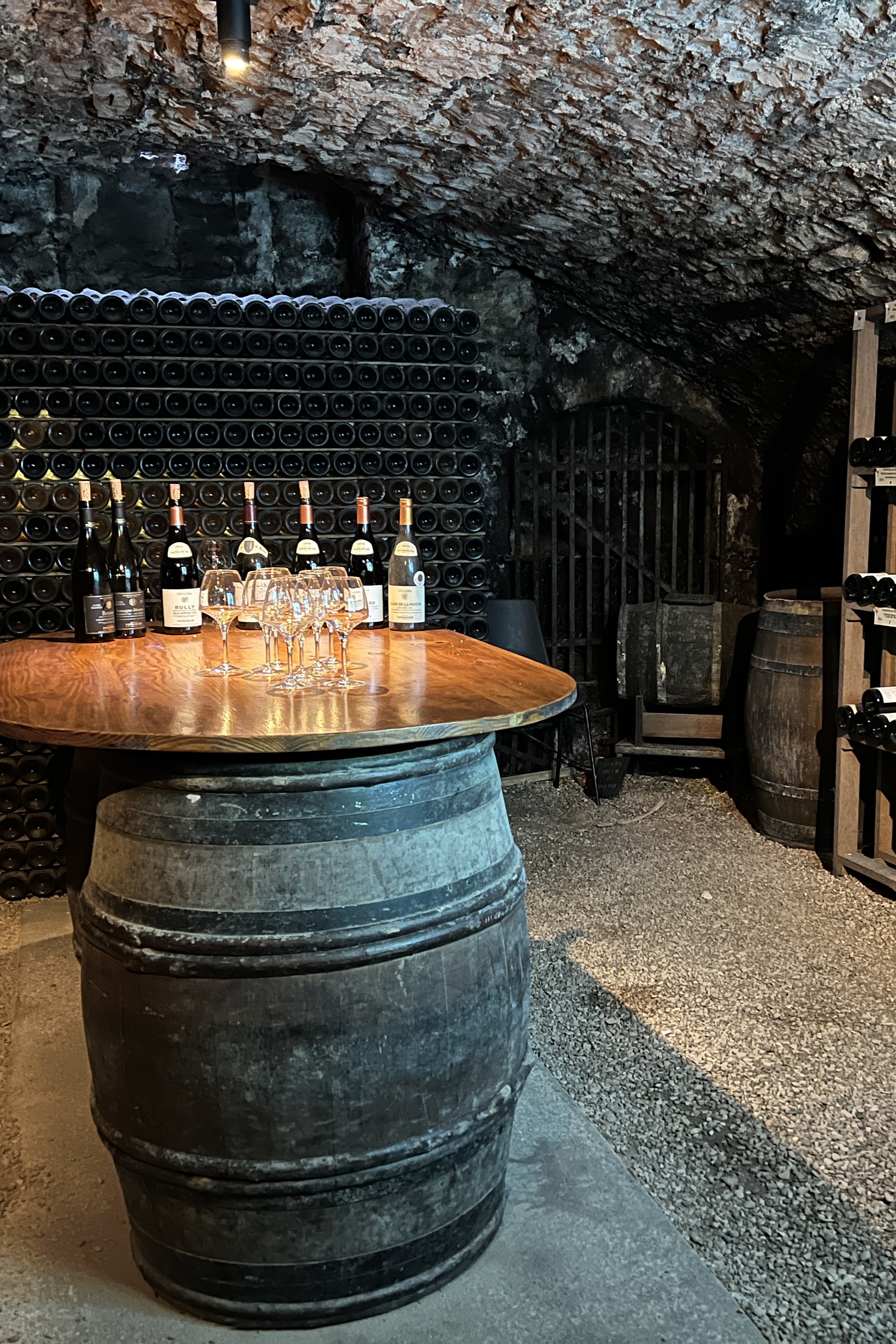
We also rifle through digital library archives of international travel magazines and blogs, looking specifically for the unique things to experience in that place as well as the wine scene. We research go deep to learn and help finalize our plans. For example, regarding the wine scene I research local grapes, hidden wine bars, and the distance to nearby vineyards. If a region is more than two hours away, we might pivot our plan to spend a full week there instead of a day trip.
Once the destination is selected and booked. A fun thing we like to do is to look for YouTube videos of others who have traveled to that destination. This gets us more familiar with a place, it may give us more ideas of excursions, and probably most importantly, gets us more excited about our upcoming adventure.
The Booking Workflow: Flexibility First
- 6 Months Out: We book accommodations (apartments or apart-hotels with kitchens and laundry) using free cancellation options to maintain flexibility. Our primary is Booking.com. We would prefer to go direct, but often the ease factor wins out.
- We also book any tickets for things that have to be done in advance like the Alhambra. Specifically, the most restricted, must-see area within the complex, the Nasrid Palaces (Palacios Nazaríes), which requires a timed entry ticket. Or the Royal Edinburgh Military Tattoo, which is such a popular event it sells out rather quickly when the tickets go on sale in December.
- 3–4 Months Out: We book flights once demand-based pricing stabilizes.
- 90 Days Out: We book trains, ferries and buses. This is the "sweet spot" when tickets are released and the best discounted fares are available. This is also when we book our day trips, appointments or tastings with wineries, and any event tickets.
The "Suitcase Exception" to the 65° Rule
While we aim for warmth, we’ve learned that some bucket-list experiences are worth the chill. When we first left North Carolina, we knew we’d be facing the crisp northern autumn and winter markets. To handle this, we traveled with an extra "winter suitcase" dedicated to heavy gear.
This allowed us to fully embrace the [Norway Astronomer Cruise aboard the Hutegruten ship Richard With] out of [Bergen], the festive magic of the [Munich] and [Nuremberg Christmas Markets], and a quintessential holiday in [Strasbourg]. We finished that leg visiting friends in Zurich, where we officially "retired" our cold-weather gear. We donated the winter clothes, tossed the extra suitcase, and lightened our load as we pivoted back toward the sun.
The Lodging Playbook: Where We Book
We treat our accommodations as a home, not just a bed. Our universal starting point is booking.com, but for specific regions or "extra-special" stays, we look elsewhere.
- UK Unique Finds: holidaycottages.co.uk is a goldmine for properties with character across the UK.
- The "Splurge" List: For high-design or truly breath taking properties, we browse Plum Guide or Welcome Beyond, though these are reserved for significant milestones due to their premium pricing.
- We are looking more into apart hotels as well, which offer the convenience of an apartment with some concierge support. We have met a few couples in our travels that use them quite frequently, so it’s something we are looking into.
Mastering the 180-day strategy is how we arrive, but the "Art of the Hub" is only half the equation. Arriving in a new country is one thing; living there sustainably while managing a business and a budget is another. To see the specific digital tools, banking hacks, and connectivity strategies we use to stay on track once the plane lands, head over to the next part of our series: [The Nomadic Digital Toolkit & Budget Strategy].
The Hub Risk-Management Framework (Commitment & Location)
When you travel full-time, the stakes for picking accommodation completely change. If you are only staying in a city for a few days, you can live with almost anything; however, when you commit to a hub for three weeks to a month, your lodging choices carry a much higher financial and operational risk.
Our biggest unexpected travel costs and emotional stressors have occurred when we were forced to abandon a rental early because it failed to match the listing. Cleanliness, active bug infestations, and safety red flags have caused us to walk away from properties, resulting in the massive stress of paying double for last-minute lodging alongside unexpected emergency transit costs. For this reason, we filter our accommodation choices through a two-step protective framework.
Step 1: The Selection Filter (Hotel vs. Apartment)
Before we ever look at an individual listing, we determine the type of lodging required based on three strict operational rules:
- The Safety & Language Filter: If a city features complex navigation, a limited English-speaking population, and requires you to be hyper-conscious of personal safety (like Cairo), we bypass apartments entirely and check into a hotel. High-tier hotels provide the localized on-the-ground knowledge, translation support, and secure logistical shell needed to run your day-to-day life smoothly.
- The Short-Stay Rule (5 Nights or Less): For quick regional transit stops or brief 1-to-5-night connections, we stay at a hotel to enjoy reliable amenities and eliminate the variable cleaning or key-exchange friction of holiday apartments.
- The Slow-Travel Hub Rule (7 Nights or Longer): If we are anchoring in a destination for a week or more, we explicitly hunt for modern apartments. This guarantees a deeper cultural immersion into the neighborhood, provides a fully equipped kitchen so we can prepare our own breakfasts and light dinners to keep our food budget balanced, and delivers the ultimate nomadic luxury: a private washing machine.
Step 2: The Defensive De-Risking Protocol (Vetting Your Choice)
Once the selection filter dictates an apartment stay, we execute a rigorous defensive audit to protect our budget, comfort, and peace of mind. We actively mitigate risk by applying these core criteria:
- The Review Volume Threshold: We will never book a long-term apartment (7 nights or longer) if it only has a handful of reviews. High-risk, low-volume listings are an immediate red flag. We require a deep history of past guest experiences to prove the property's consistency.
- The 20-Minute Transit Proximity Range: We map the property's physical location against our primary transit goals. For example, if our planning relies heavily on regional buses for day trips, the apartment must sit within a strict 20-minute walking radius of the central bus station. This neighborhood placement completely eliminates the hidden costs and daily friction of relying on unmetered taxis or illegal rideshares.
- The Review Keyword Scrub: We dynamically comb through guest feedback, ignoring the generic "great stay" comments to search for specific data on:
- Cleanliness & Comfort: Checking for bugs, deep grime, and the actual comfort level of the mattress and bedding.
- Infrastructure & Utility: Verifying the neighborhood safety data, the level of internet, the sidewalk walkability, the noise levels, and the actual utility of the kitchen setup (ensuring it isn't just a single pot).
- Host Performance: Auditing the responsiveness and character of host interactions.
- The Long-Stay Refresh Policy: For any booking extending past the 7-night mark, we proactively message the host prior to booking to clarify their exact policy regarding "refresh cleanings" and fresh linen swaps during our stay.
Welcome to the new Touchpoint Wines
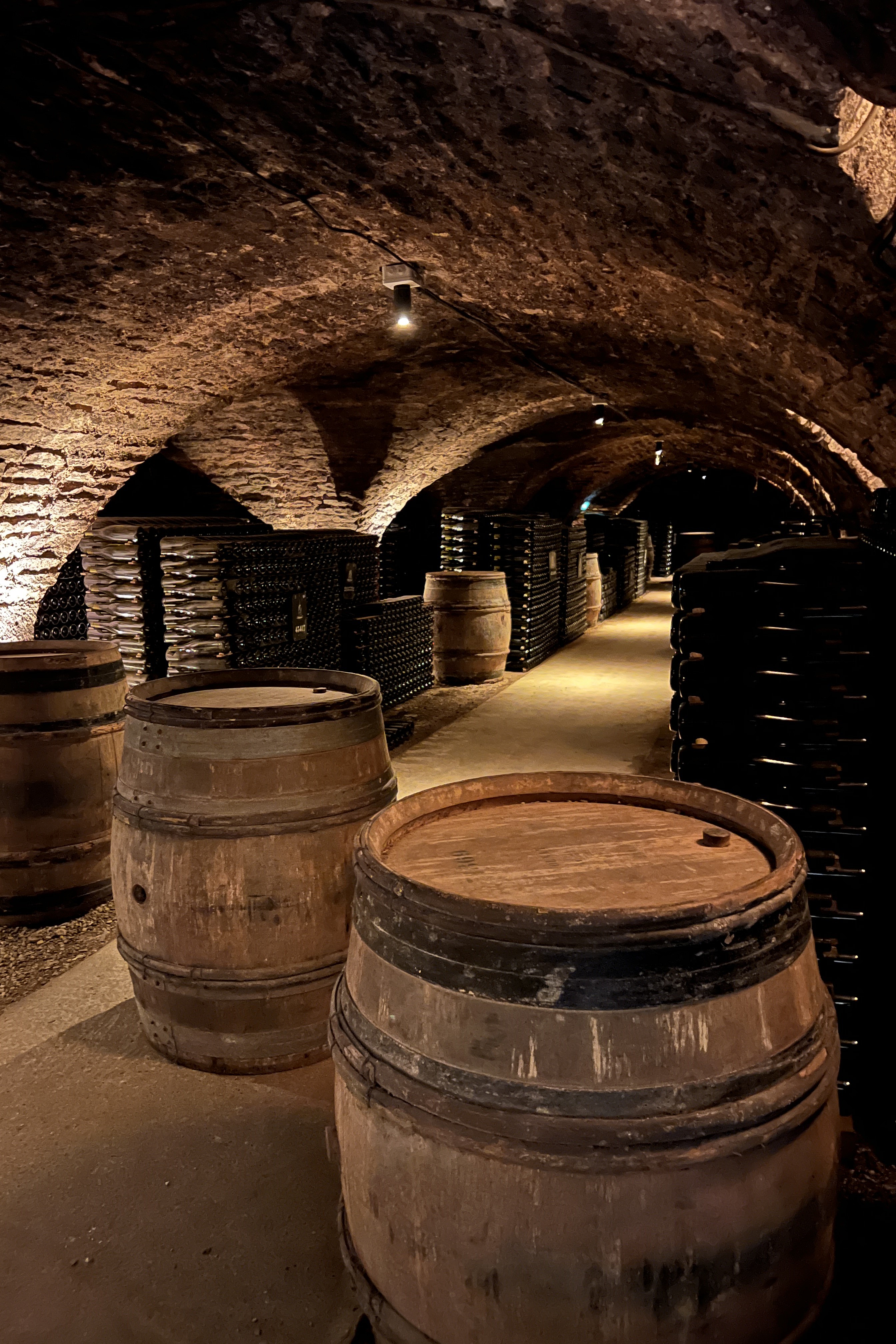
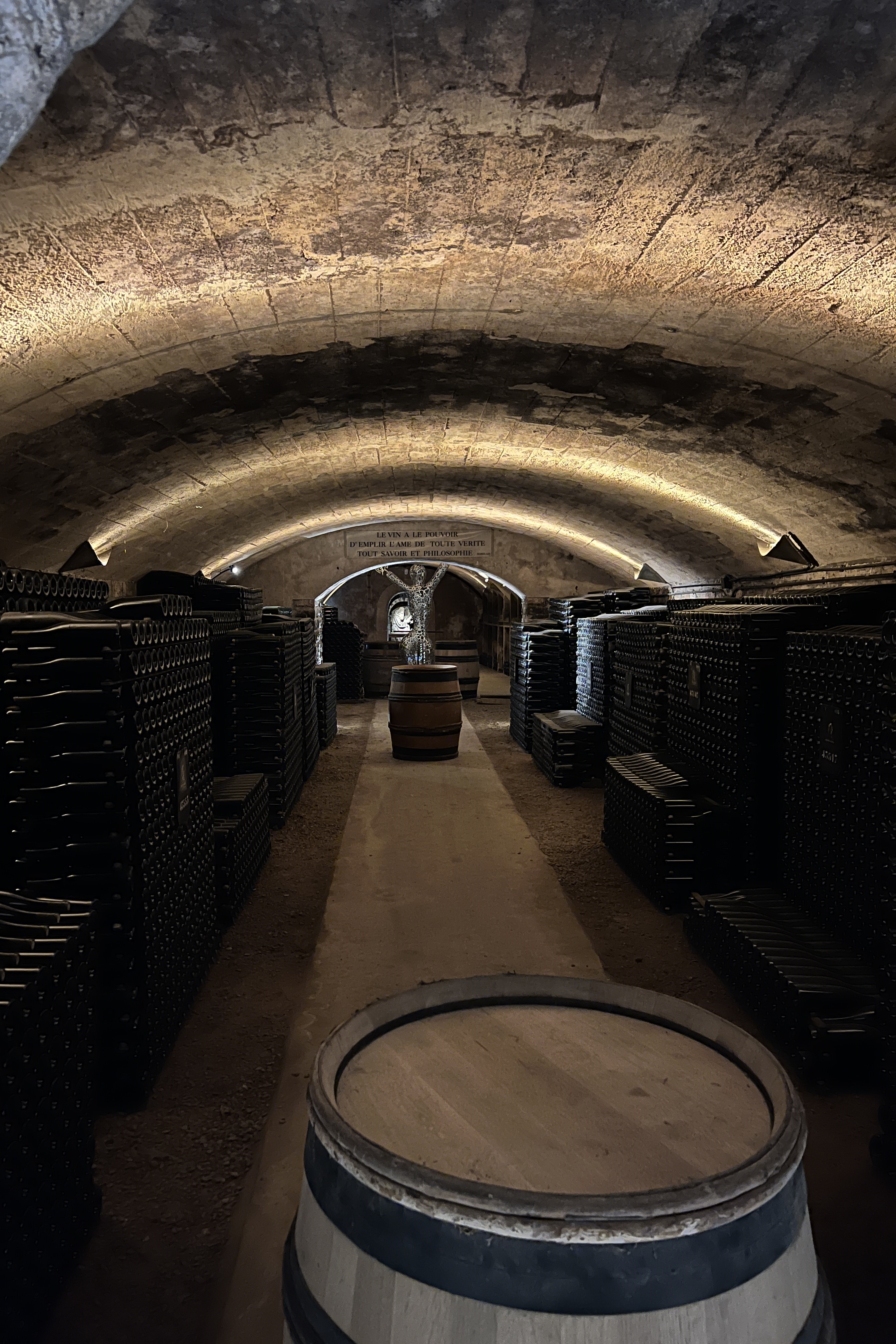
We’re blending our passion for wine with a love for global exploration. Join us as we journey through the world's most captivating destinations, uncovering hidden wine gems and offering unique workshop experiences for your team retreats. Whether you're seeking to enhance team dynamics or discover the art of slow travel, let us be your guide.