At a Glance
- Duration: 28-night stay.
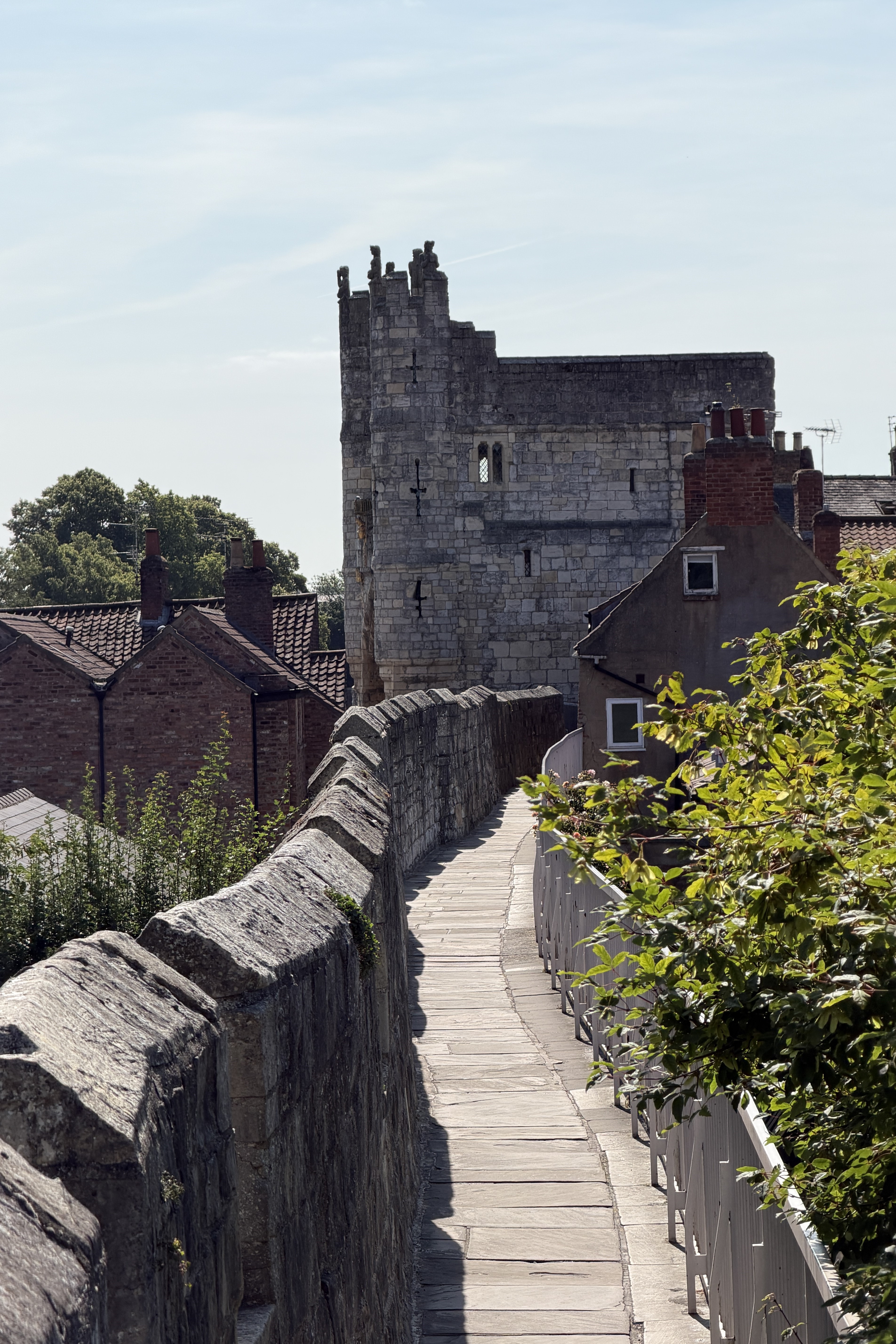
- Home Base: A spacious three-bedroom apartment in a gated complex in Nyali Beach—our refuge during the daily 90°F+ heat.
- Top Experience: Our long afternoon at Monsoon, an Italian-Kenyan fusion restaurant built on old ruins, where the hospitality was as memorable as the wine.
- Top Restaurant: Tamarind, for its tranquil beauty and a spicy crab broth so good we used the leftovers to cook dinner the next night.
- Memorable Moment: The feeling of the giraffe’s tongue as it swipes the food pellets from your hand, and the sticky saliva that we heard has healing properties.
- Overall Vibe: Authentically vibrant and occasionally intense. Nyali is a residential hub that forced us out of our first-world comfort zone and into a deeper level of cultural vigilance and curiosity.
This Town is Special Because...
Mombasa isn't just a beach destination; it’s a cultural intersection. Unlike the resort-heavy Diani to the south, Nyali is a residential, high-rise area where we lived alongside locals. We quickly learned that the "hustle" here is a way of life—you have to discern between a friendly "Jambo" (Swahili for hello) and a person providing a service for the local economy.
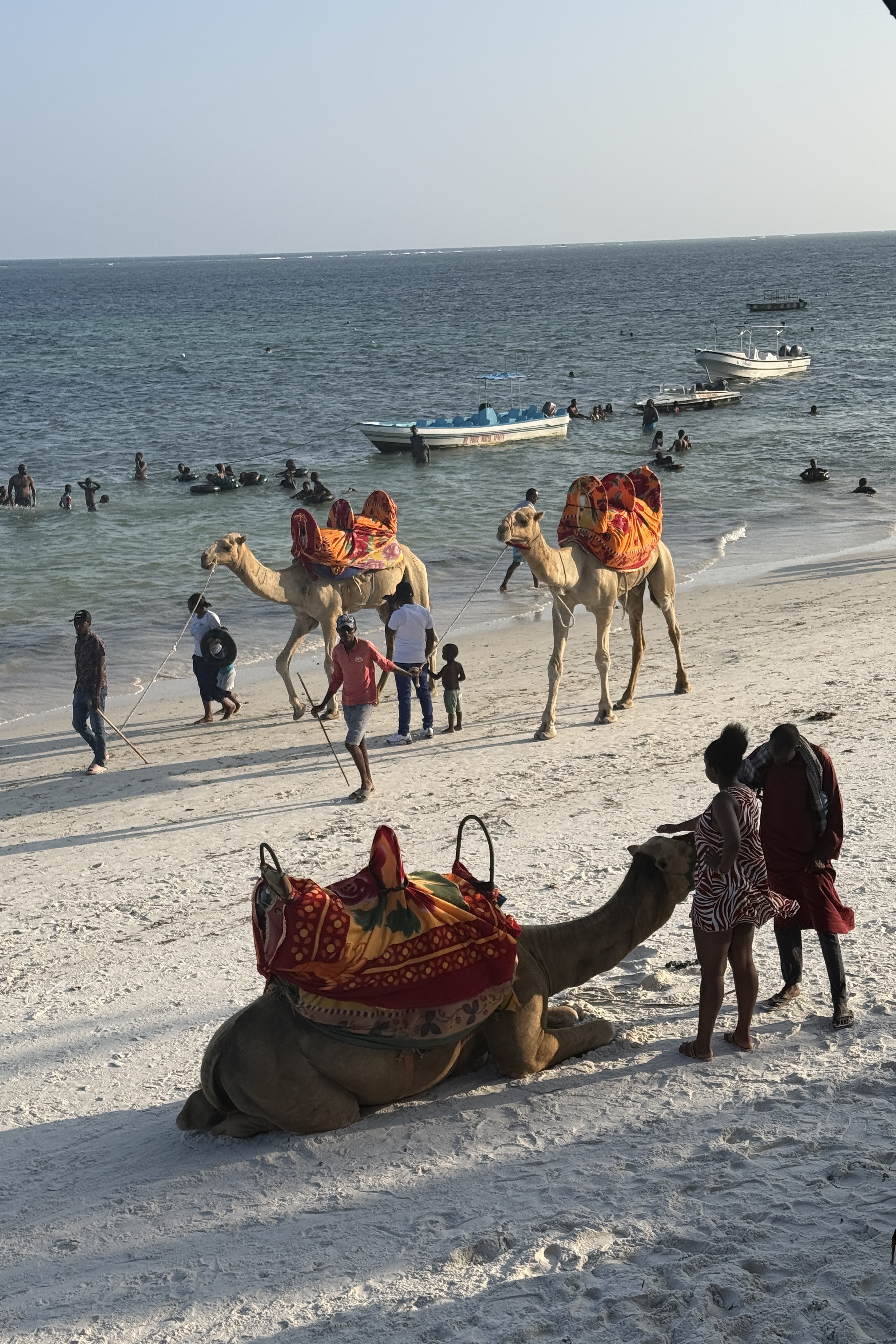
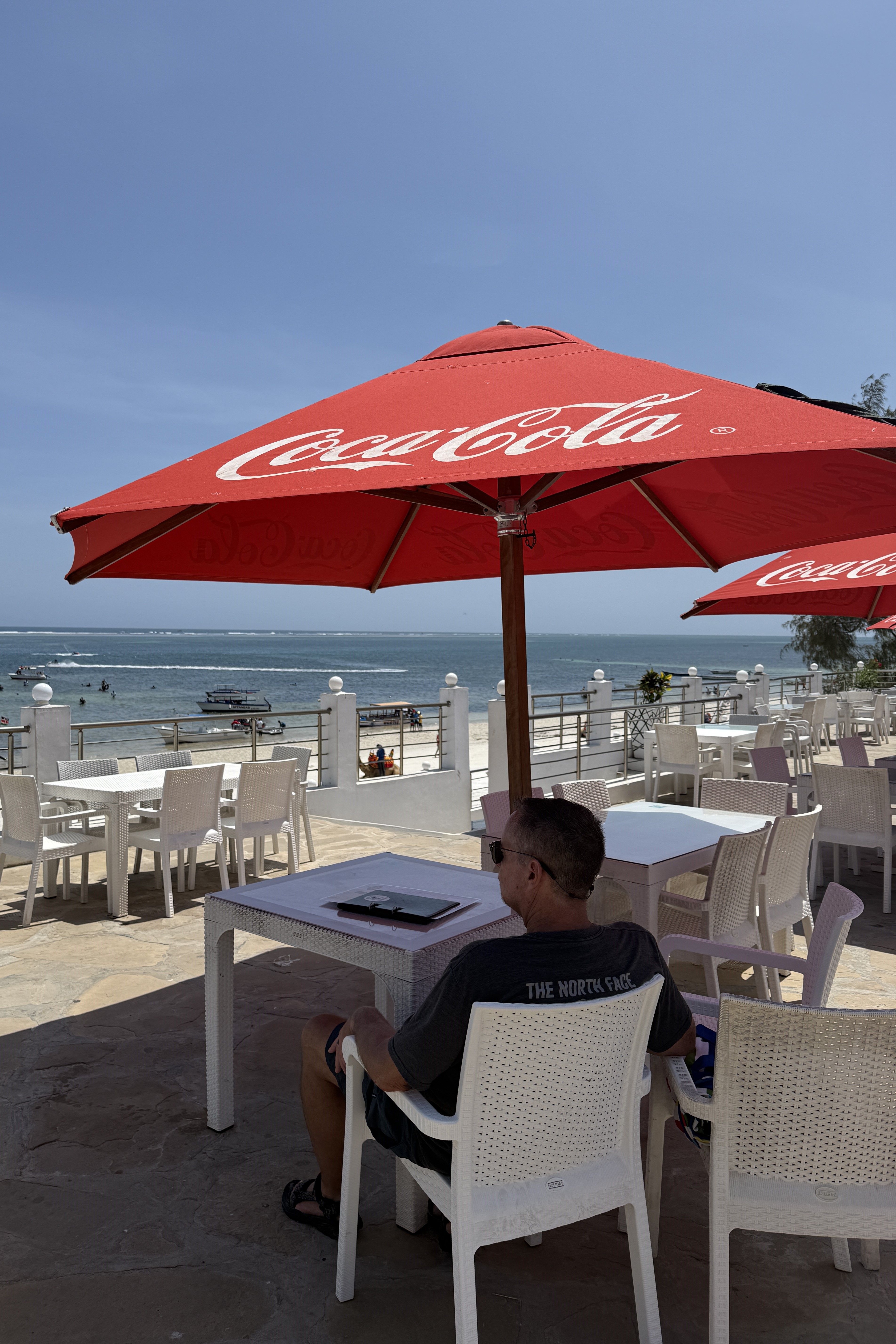
We were struck by the kindness of the people, who always make eye contact and were curious and ready to engage in conversation. We quickly realized that the intense January wind wasn't just a breeze—it was the Kaskazi (Swahili for "northern wind") season. It turned every beach trip into a "sand-blasting "adventure, but we still found ourselves drawn to the shore 3 to 4 times a week. We’d settle in to watch the kite-surfers and the camels wandering by in the surf before heading to a beach bar for a cold beer.
Our month in Nyali Beach was the perfect introduction to the rhythm of Kenya, but it was also the essential preparation for the next phase of our adventure. We traded the monsoon winds of the Indian Ocean for the high-altitude plains of the equator to begin our first-ever African safari. Our journey into the wild started with a raw, private immersion at Ol Pejeta Safari Cottage, followed by the high-density drama of Elephant Bedroom Camp.
Ecological Restoration: A Day at Haller Park
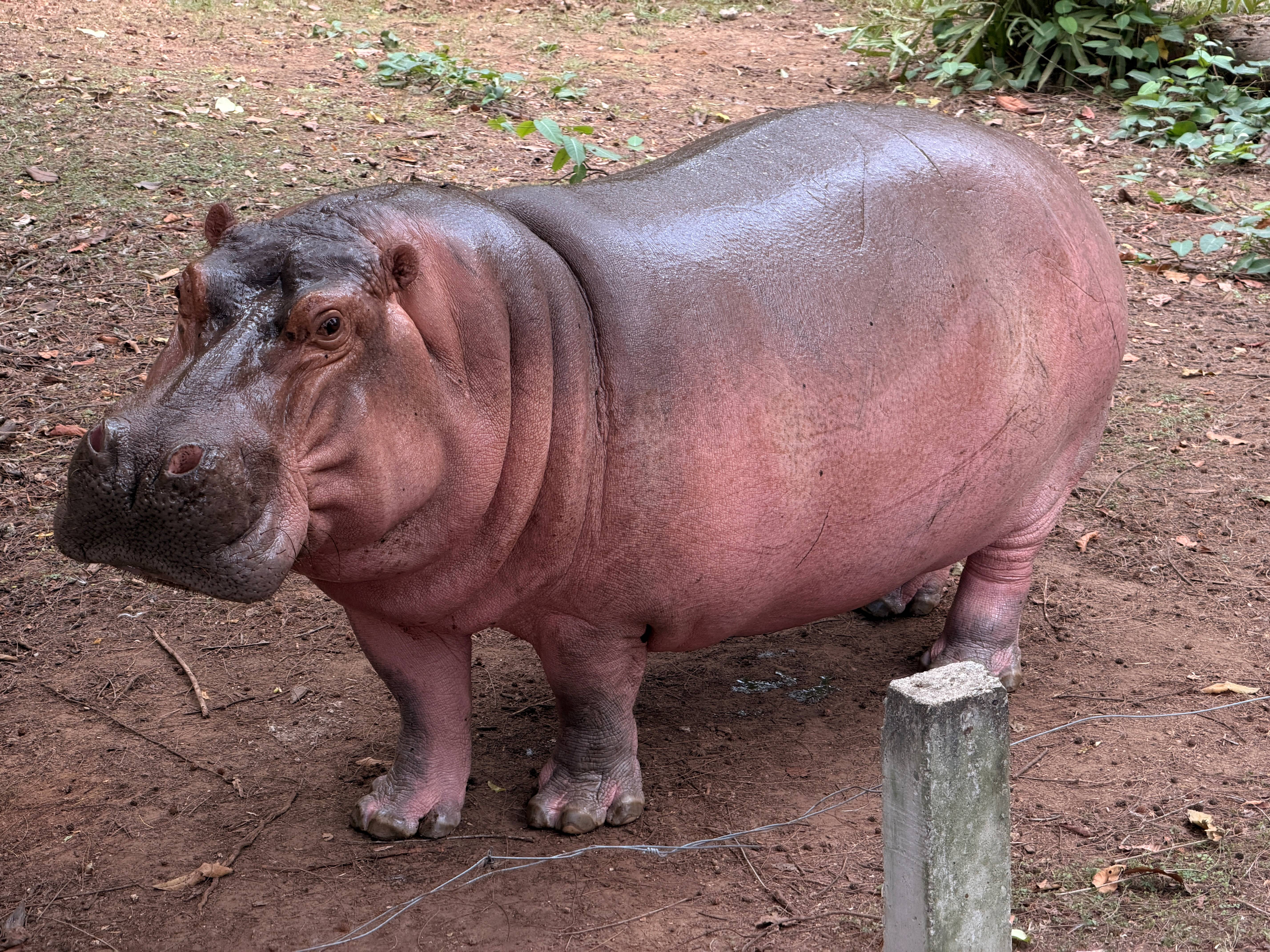
Just a short drive from our base in Nyali is Haller Park, a place that is as much a miracle of engineering as it is a nature sanctuary. The goal of the park is incredible: it is a reclaimed limestone quarry once owned by Bamburi Cement that was successfully transformed from a barren, dusty wasteland into a lush, thriving ecosystem. It’s a powerful testament to how nature can be restored with the right vision.
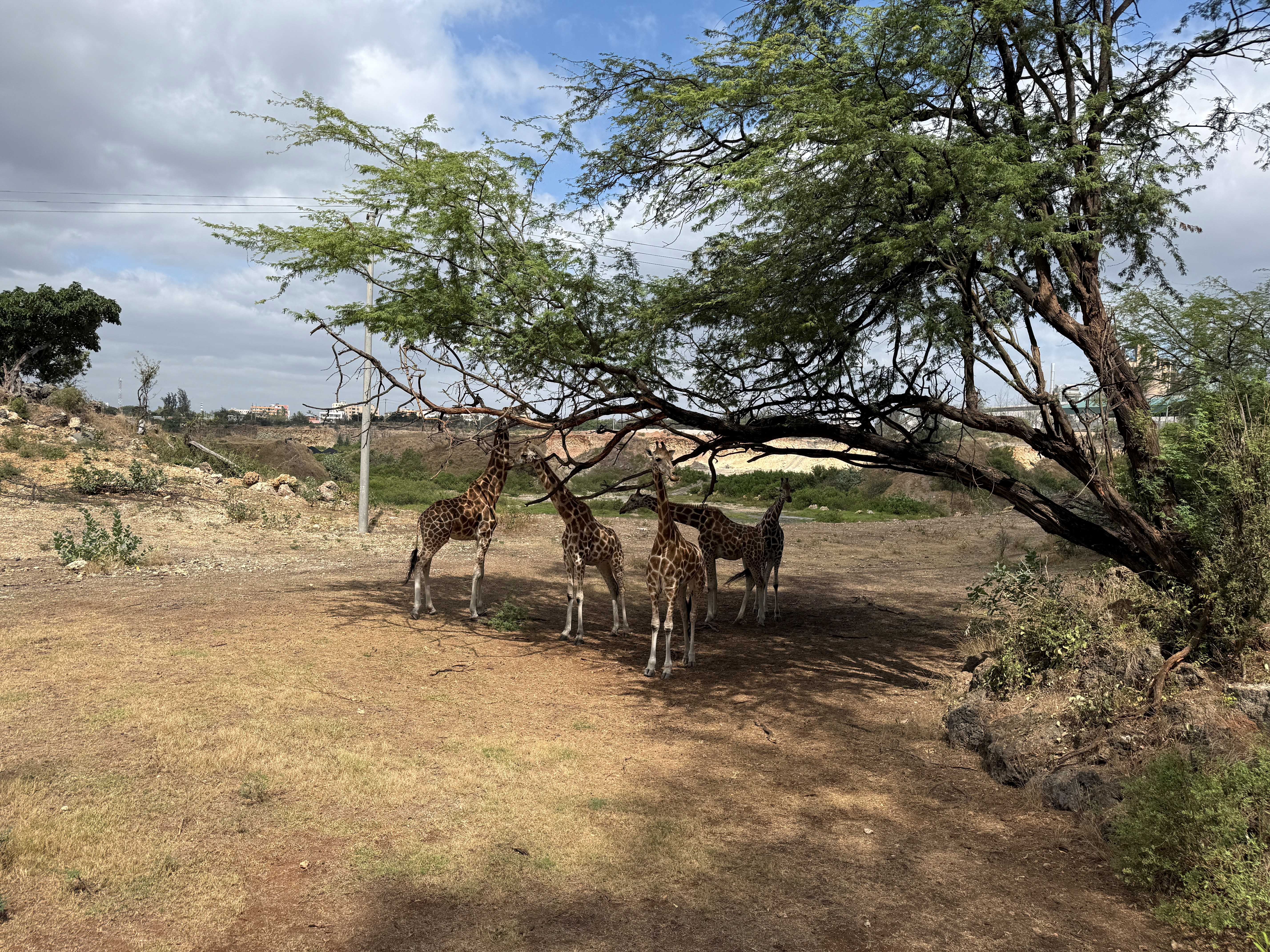
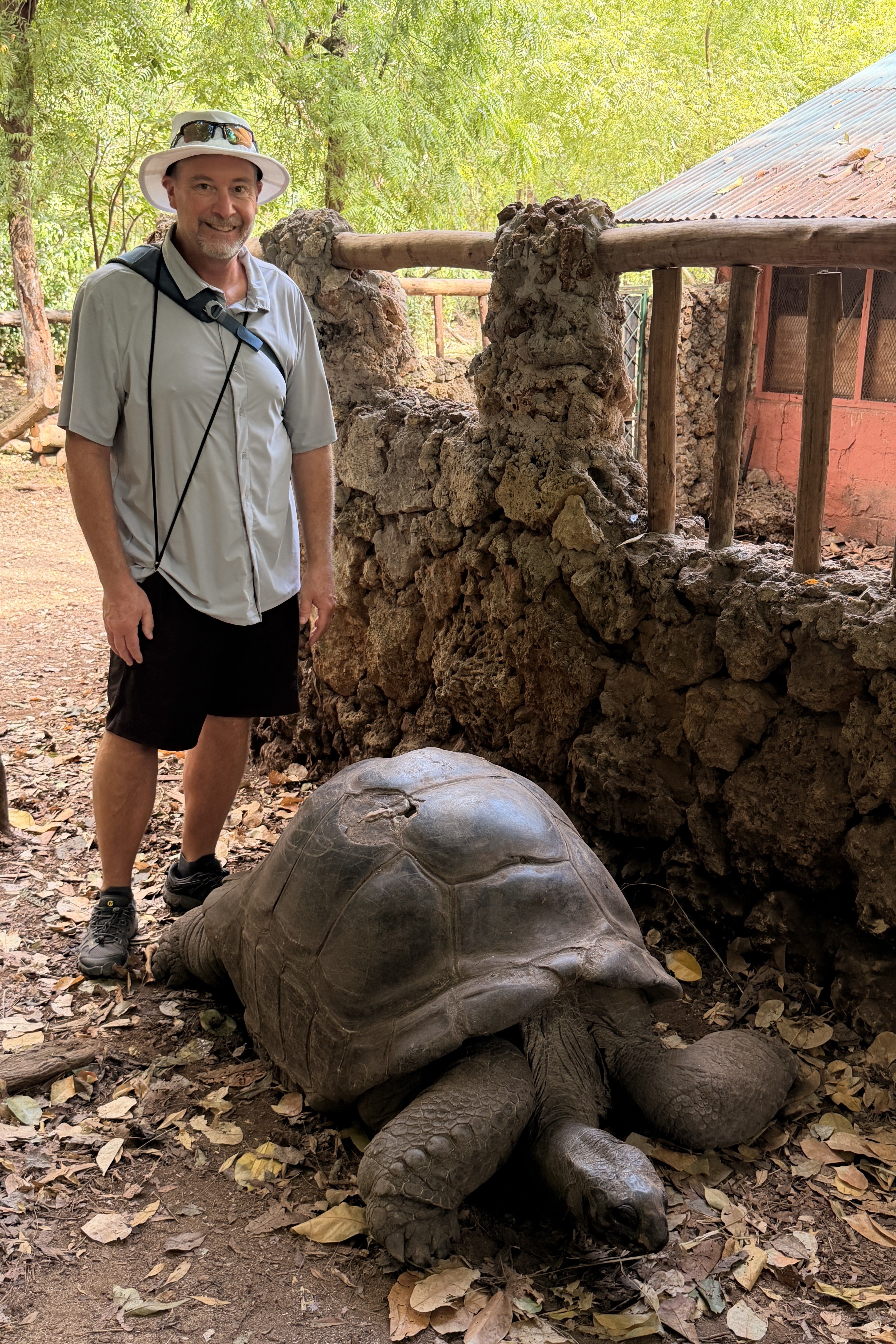
We spent a fascinating afternoon wandering through the diverse zones of the park. We marveled at the Giant Aldabra Tortoises (some over 100 years old!), walked through the delicate, colorful butterfly farm, and watched the massive crocodiles during their feeding time. However, the absolute highlight for us was the giraffe feeding.
It was our first intimate encounter with these giants, specifically the Rothschild’s Giraffe (also known as the Baringo giraffe). They are quite different from the Reticulated giraffes we would see later in our safari parks up north. While the Reticulated giraffe has a very sharp, net-like pattern, the Rothschild’s has paler, more "blurry" spots. Most noticeably, the Rothschild’s giraffe looks like it is wearing "white stockings"—the markings stop at the knees, leaving their lower legs completely white. There was one that key eyeing us up and would follow us as we walked along the viewing platform. He obviously picked us out to feed him! Standing eye-to-eye with them as they gently took pellets from our hands was a moment of connection we won't soon forget.
Our Home Base: Nyali Gated Apartments
Our apartment was a lifesaver. Because we spent so much time working and avoiding the midday heat, having a massive, three-bedroom space with high ceilings, two small terraces and abundant sunshine made a huge difference.
- The "Slowmad" Lifestyle: Many of our favorite hours were spent inside, escaping the sun while playing Wingspan, listening to good music, and enjoying a bottle of wine.
- The Experience: We learned to follow cultural norms including:
- How to manage "energy credits"—pre-paying for power to keep the AC running- which we ran at night. And how to manage the multiple times the electricity goes off in Kenya.
- Opening all the doors and windows to take advantage of the Kaskazi winds to cool down the apartment and save on energy during the day.
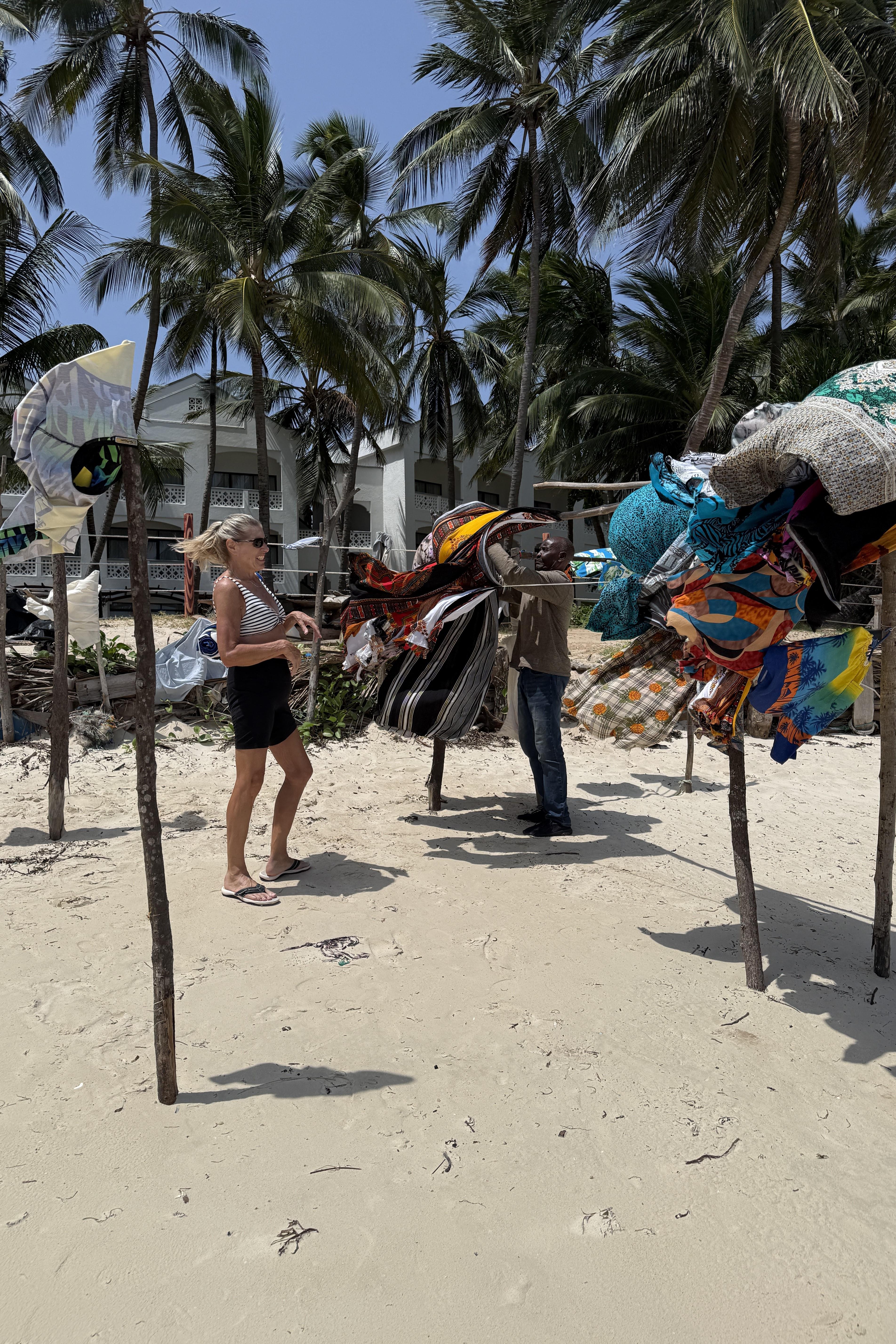
- Hanging our laundry on the communal lines set upon the roof of the buildings.
- Refilling our 5-gallon water container at the local fill station that luckily was right outside our apartment complex.
- Going through a security check every time you went to the grocery store where they checked your bags and wanded your body before you could enter.
- Hospitality: Our landlord, Ian, became a highlight of our trip. What started as a conversation about a broken washing machine turned into a three-bottle wine session where we discussed everything from Kenyan politics to the secret to a successful partnership.
- Logistics: There is no lift, so we happily paid local helpers a few dollars to carry our heavy bags up four flights—a perfect example of embracing the local economy.
The Wine Scene: "Caves," Monkeys, and South African Gems
Finding a good bottle in Kenya required a bit of a strategic hunt, as wine culture isn't as prevalent as in the European hubs we've visited. We explored everything from small neighborhood shops to the specialized "caves" found inside major grocery stores.
- The South African Standout: Our clear favorite was the "Wild Winds" Sauvignon Blanc by Vergelegen (Stellenbosch). It was incredibly crisp with a high minerality that held up perfectly against the Kenyan heat.
- The Monkey Factor: We also met Arturo at Monsoon restaurant, an Italian expat whose attempt at a Kenyan vineyard resulted in a hilarious battle with local monkeys and a unique "wine vinegar" we won't soon forget.
[Touchpoint Wine Spotlight: For my fellow wine professionals and enthusiasts, I’ve written a deeper dive into the Kenyan wine scene, including a WSET 3 perspective on local logistics, sourcing, and more on that Vergelegen find. Read it here.]
Culinary Discoveries: The Calamari Crown
Kenya unexpectedly took the title for the best calamari we’ve ever had—meaty, flavorful, and perfectly prepared.
- Tamarind (The Highlight):This was our standout dining experience. It was so tranquil and beautiful that we wished we had discovered it earlier in our stay. Tom had a crab dish served in a spicy broth that was so addictive we brought the leftovers home to use as a sauce for chicken and vegetables the next day.
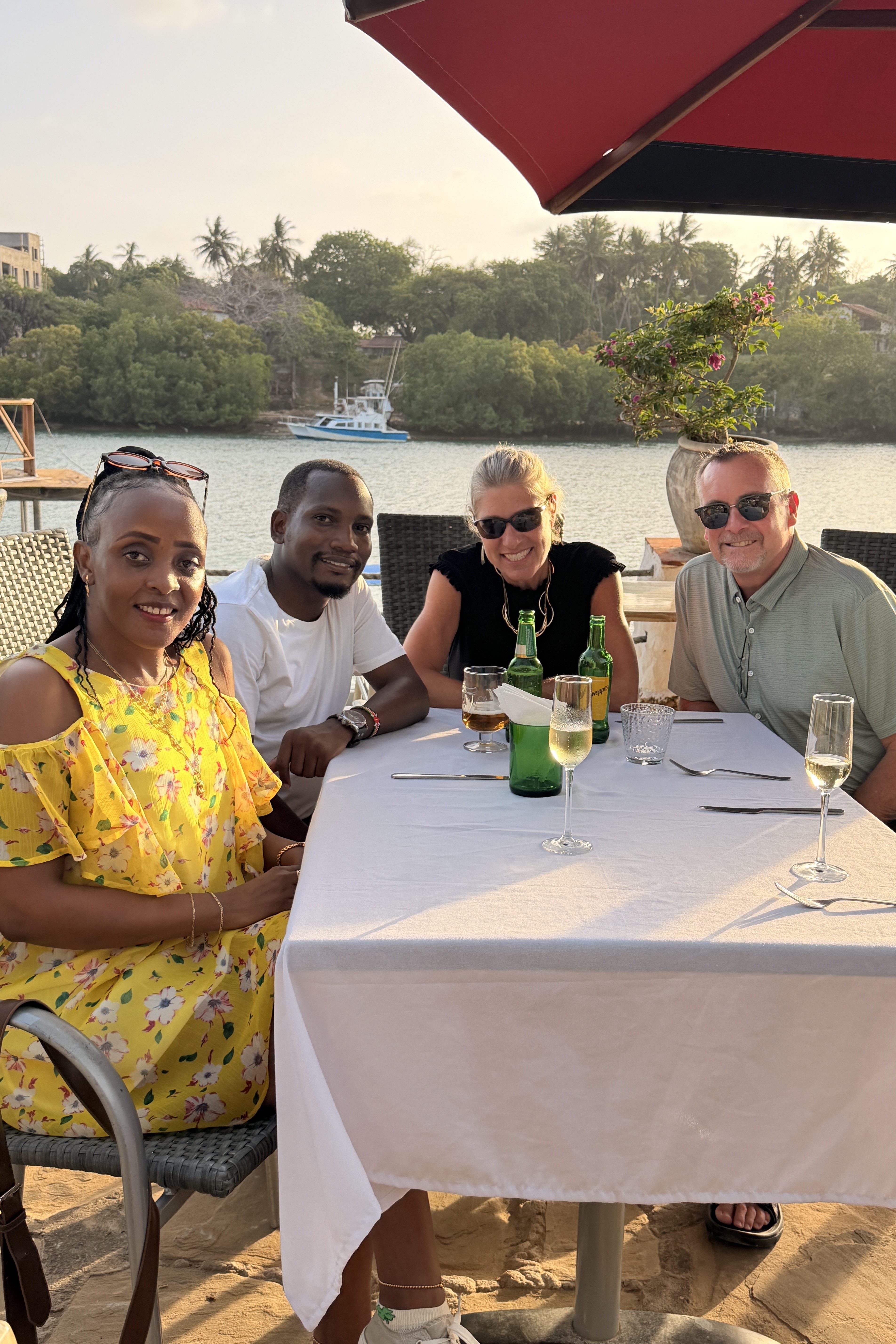
- La Marina: Located in Mtwapa, this patio sits right on a "creek" (which felt like a river to us). We shared champagne here with Ian and his mother, Jessica, while watching boats dock at sunset; listened to a wonderful singer and met some of the expats that are Jessica’s good friends.
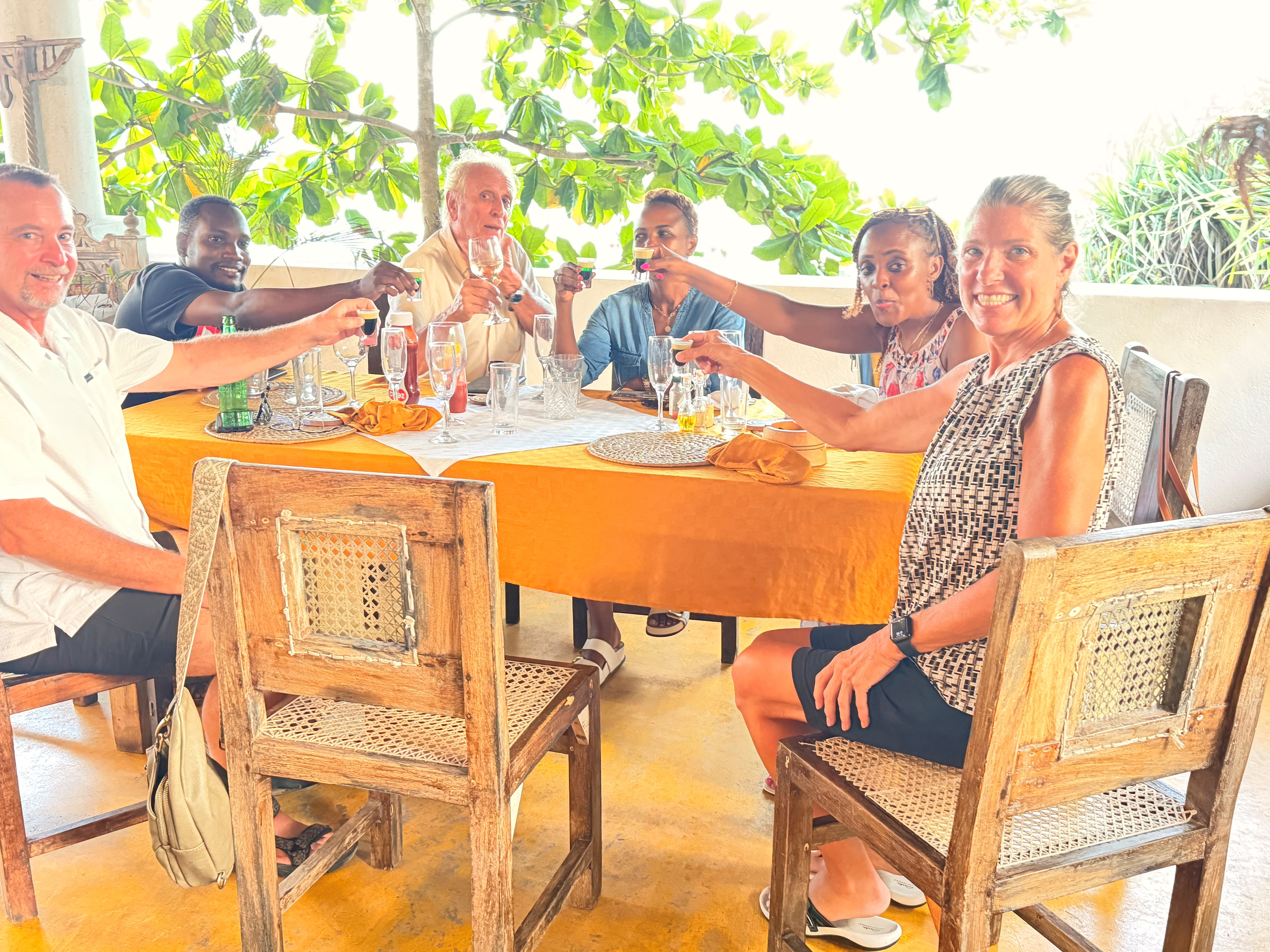
- Monsoon: An Italian-Kenyan fusion spot built on old ruins. The ambiance was magical, and Arturo (the owner) kept the table laughing all night—even if he did insist on calling me "Marie" for the entire evening. The laughter continued on the ride back and the pure comedy of listening to Jessica refuse to set Ian up with her friend’s daughter, because she didn’t want him to do something to mess up her friendship; while he whined in the back seat, "Why? I'm a nice guy! Why would I be the one to mess things up?"
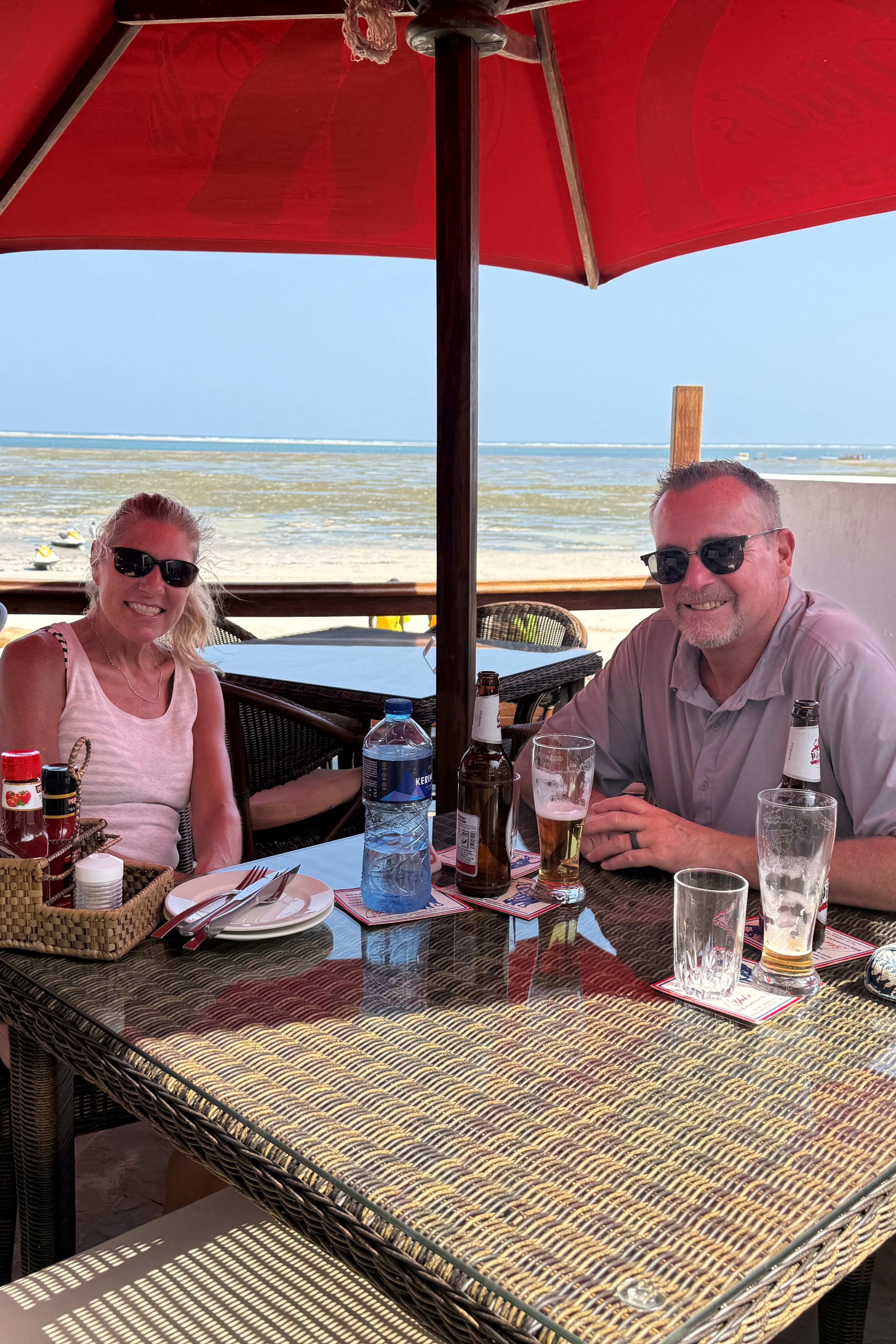
- Moonshine Bar: Our go-to for a casual beer and more of those incredible calamari right on the edge of the Indian Ocean.
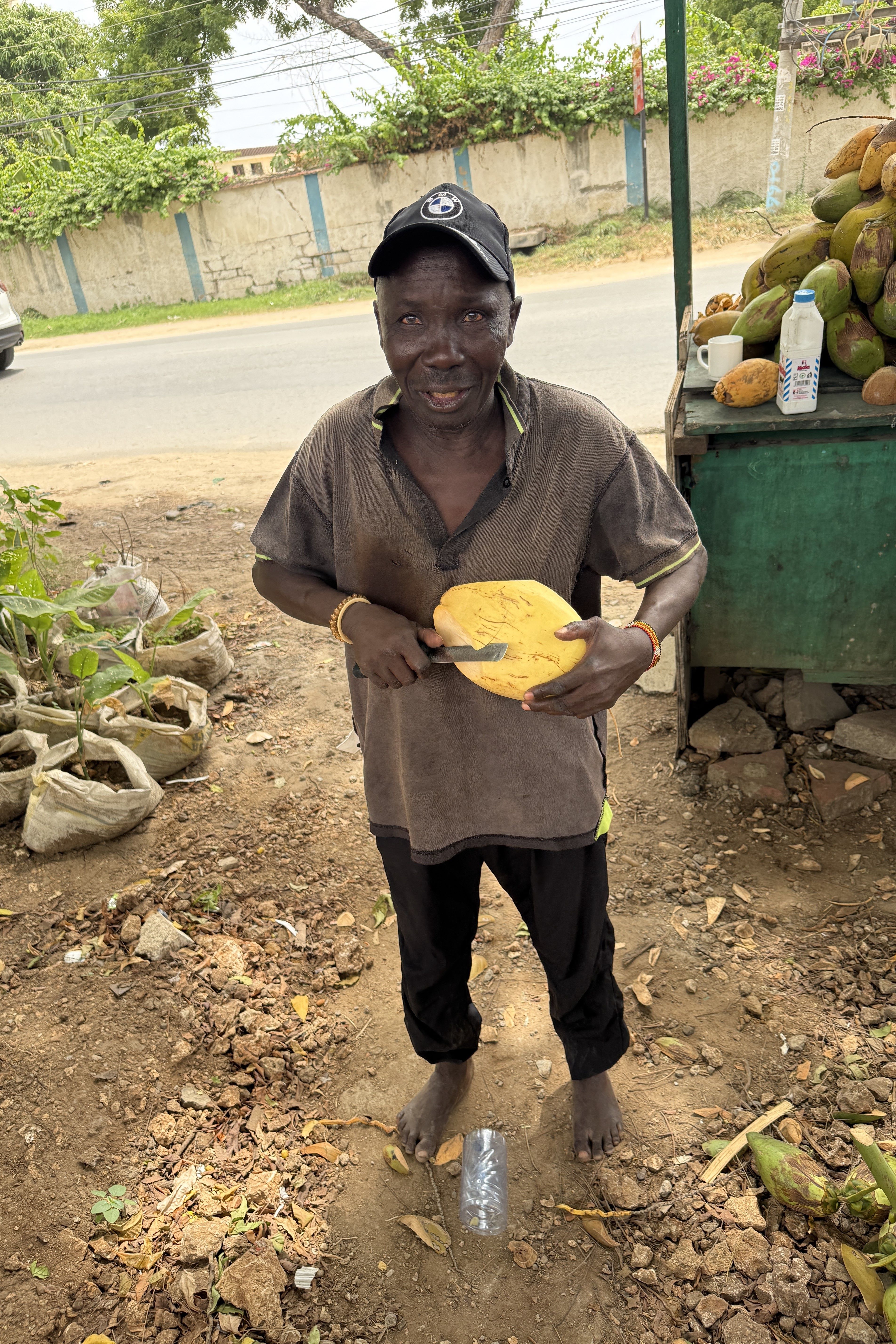
- The Coconut Stand: We tried fresh coconut milk from a roadside stand. While the warm coconut water wasn't our favorite, the experience of watching the vendor skillfully use a machete while we chatted with locals was pure "slow travel" gold.
Nairobi Transition: The Gateway to Safari
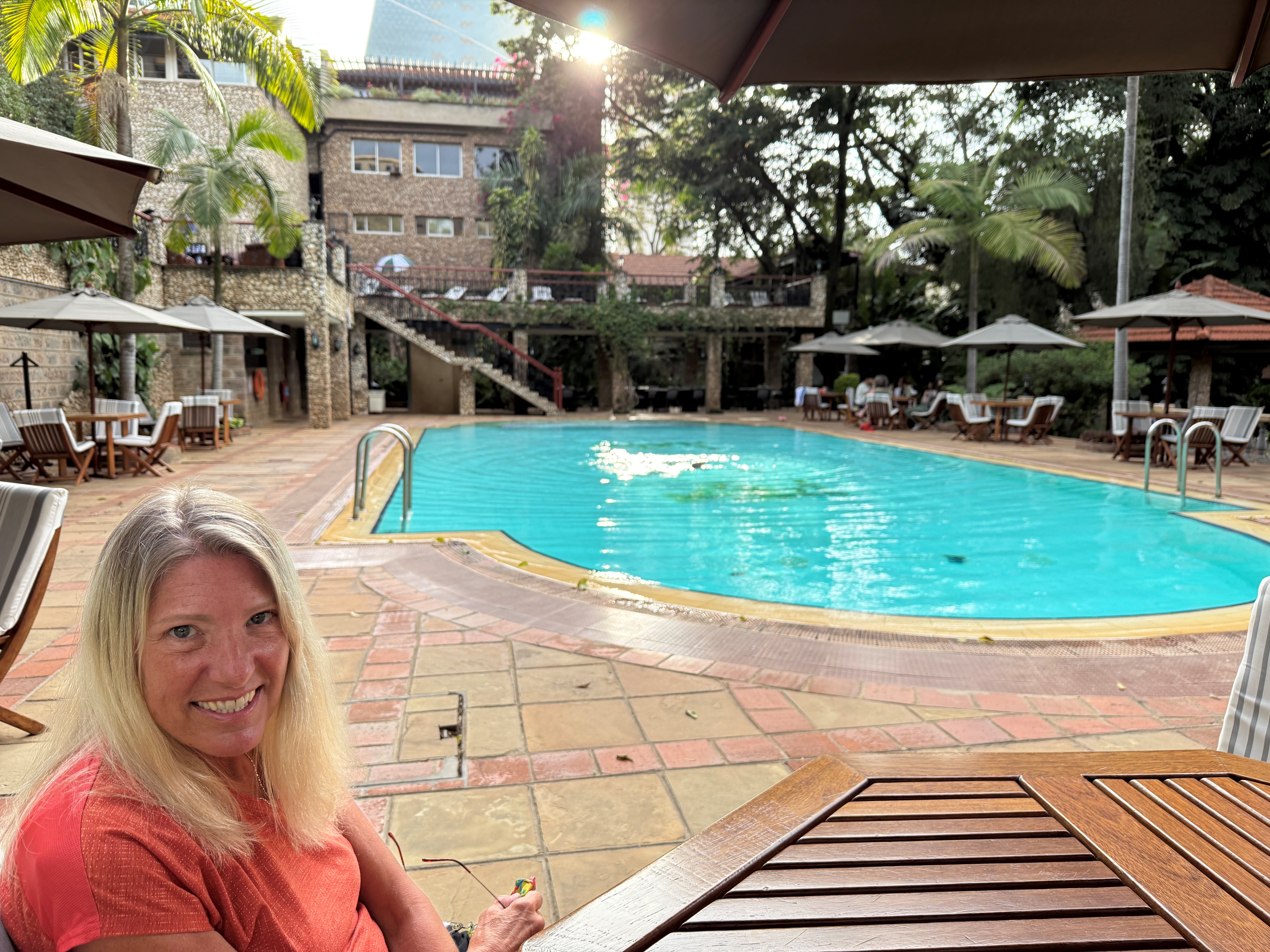
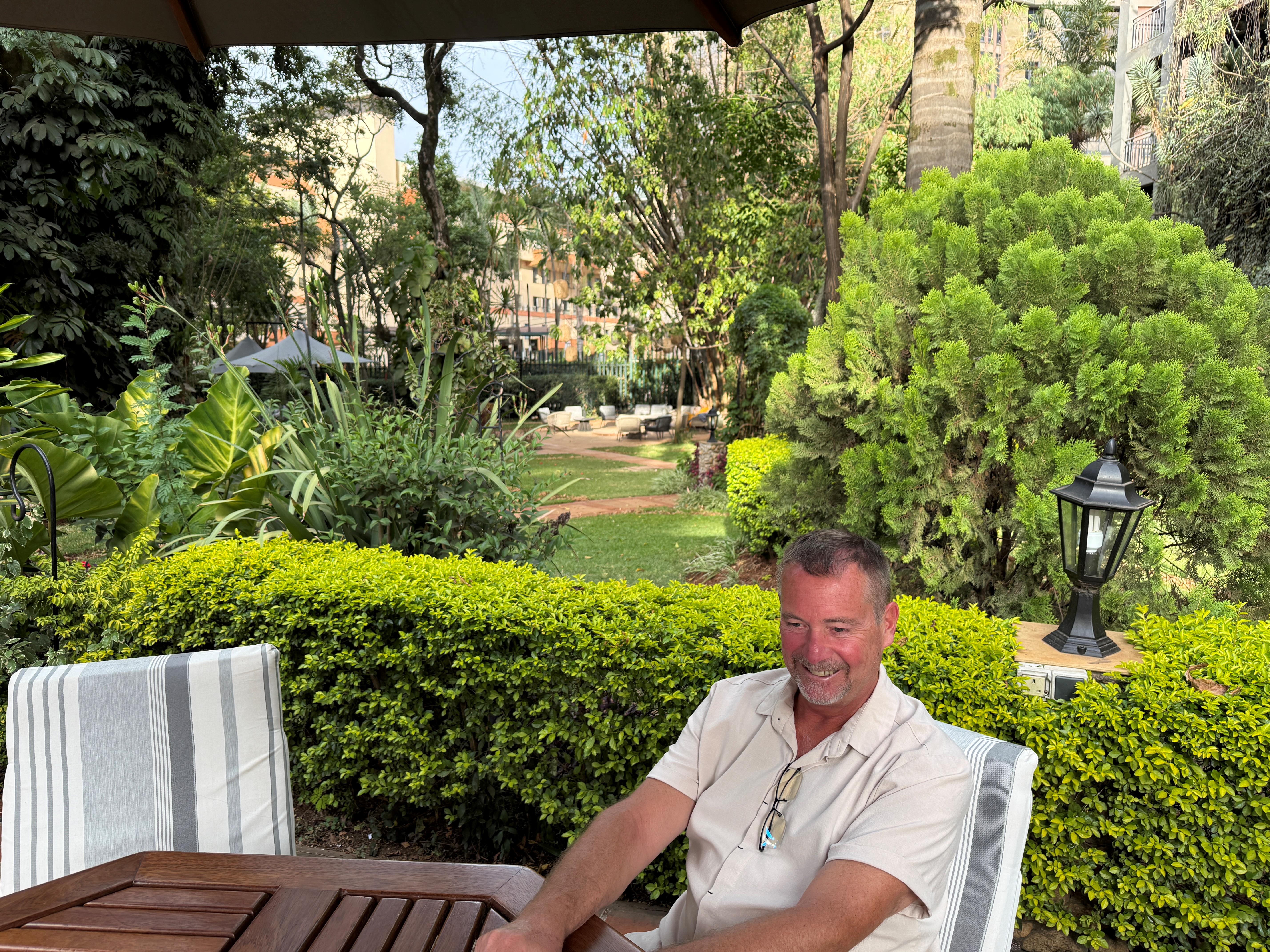
After nearly a month of coastal life, we traded the "sand-blasting" of Nyali for the bustling energy of Nairobi. We spent three nights at the Fairview Hotel, which felt more like a tranquil resort than a city hotel.
- The Pre-Safari Pause: We spent most of our time at the Fairview lounging by the pool, soaking in the greenery, and mentally shifting gears from "coastal slow travel" to "safari mode." It was the perfect place to recharge and finalize our gear.
- The Luggage Strategy: One of the realities of safari travel in Kenya is the strict weight limit (usually 15kg/33lbs) on the small bush planes. The Fairview was a lifesaver, safely storing our "big" bags while we packed our essentials into soft-sided duffels for the flights into the Mara. Knowing our belongings were secure allowed us to head into the wilderness with a lot less stress and a lot less weight!
Reflections: Learning to Drive (and Walk) Defensively
Life in Nyali was a lesson in total vigilance. Driving—and even walking—was a high-stakes sport. I took a video during one ride through Mtwapa that perfectly captured the "insanity" of navigating traffic with no stop signs, where motorbikes and pedestrians weave through the chaos with zero regard for safety.
We also learned the value of curiosity over skepticism. When three local 10th-grade girls asked us to watch their "worldly possessions" (phones and money) while they went for a swim, we were shocked by their trust. Ian later explained that as tourists, we represent a level of inherent trustworthiness to them. It was a beautiful reminder that while we must be vigilant, we must also stay open to the genuine connections that make travel worth the effort.
Links: More Trip Reports |
Up Next: Ol Pejeta Safari Cottages

Welcome to the new Touchpoint Wines
We’re blending our passion for wine with a love for global exploration. Join us as we journey through the world's most captivating destinations, uncovering hidden wine gems and offering unique workshop experiences for your team retreats. Whether you're seeking to enhance team dynamics or discover the art of slow travel, let us be your guide.