As a certified wine professional, exploring a region like coastal Kenya offers a unique challenge. You aren't looking for the next Grand Cru; you’re looking at how wine fits into the local Experience Economy—how it is sourced, stored, and shared in a climate where the sun and logistics are constantly at odds with the grape.
- The Hunt: Supermarket "Caves" and Security Checks: Alcohol isn't as readily available here as in Europe, which makes the procurement process part of the story. Most large grocery stores have dedicated, separate sections—often referred to as "caves"—for wine and spirits. Because of the local security climate, getting to the wine involves a full security check, including bag searches and body wanding, before you even enter the store. It’s a stark reminder that in Kenya, a bottle of wine is a luxury item that comes with a high level of vigilance. We tended to look for vintages that were more recent. With the hot weather, and the fact the wines are kept on open shelves, we were concerned with getting a wine that might be “baked".
- The Standout: South African Dominance: Because of the proximity and established trade routes, South African wines are the clear champions of the Kenyan market. We explored several small wine shops and the "caves," and found that for quality and consistency, Stellenbosch and Paarl producers are the safest bets.
- The Anatomy of a Cape Blend: For the uninitiated, a Cape Blend is South Africa’s unique answer to the classic red blend, and from a WSET 3 perspective, it is a fascinating study in regional identity. To technically qualify as a Cape Blend, the wine must contain between 30% and 70% Pinotage. This homegrown varietal (a cross between Pinot Noir and Cinsault) provides a signature profile of bold red and black fruits—think ripe plum and mulberry—often accented by earthy notes of rooibos, tobacco, or a hint of smoke. Winemakers typically round out the structure with "international" grapes like Cabernet Sauvignon or Shiraz, creating a wine that is full-bodied and well-structured with firm tannins and a lively acidity. In the humid Kenyan air, a well-chilled, slightly lighter Cape Blend can be a surprisingly refreshing red option that offers much more complexity than a standard single-varietal Merlot
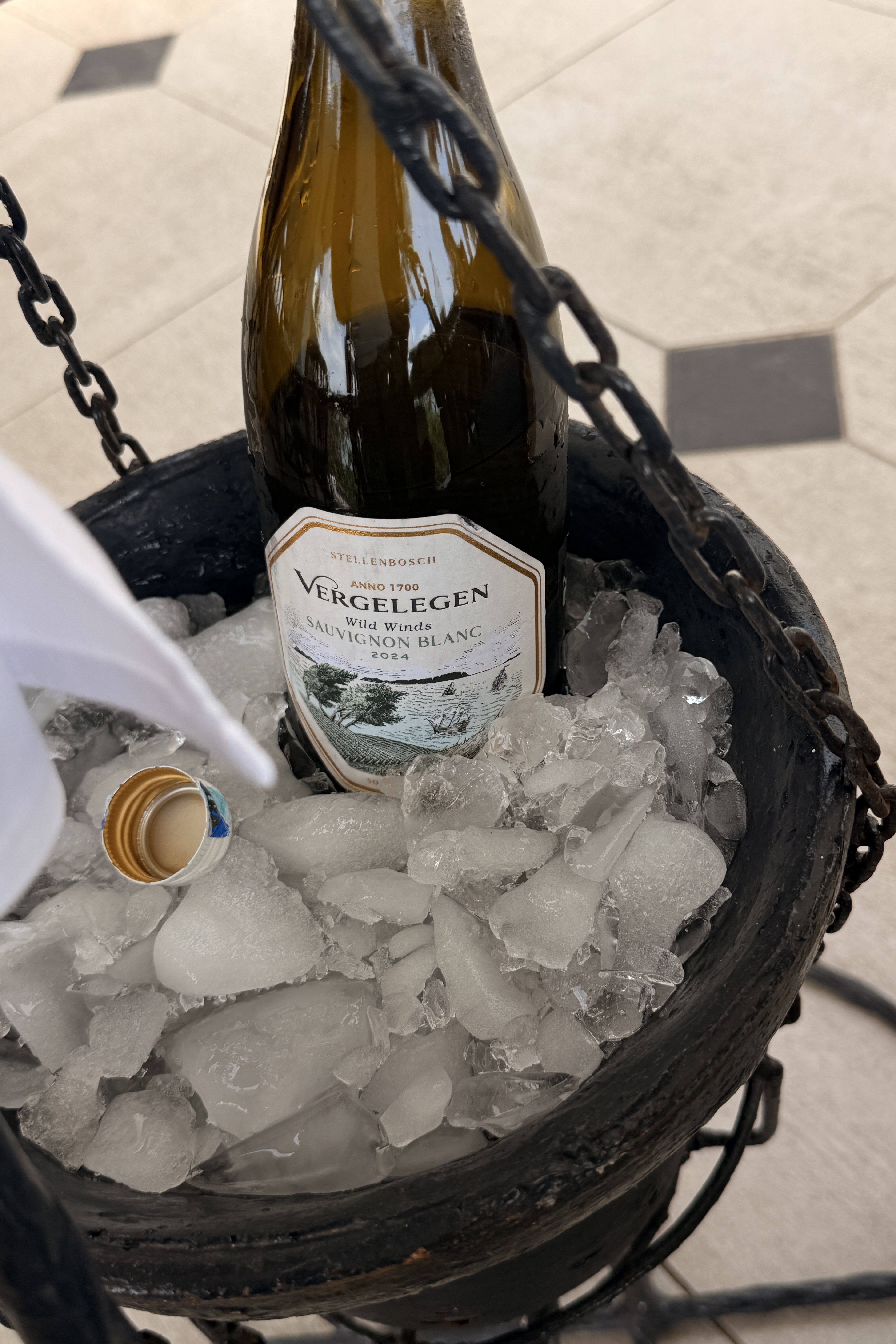
- The Winner: Our absolute standout was the Vergelegen "Wild Winds" Sauvignon Blanc from Stellenbosch. It was a revelation for the climate—exceptionally crisp with a high minerality and a citrus backbone that stood up beautifully to the 95°F heat. It lacked the over-ripe fruitiness sometimes found in warm-climate Sauvignon Blancs, making it the perfect technical match for a humid Mombasa afternoon.
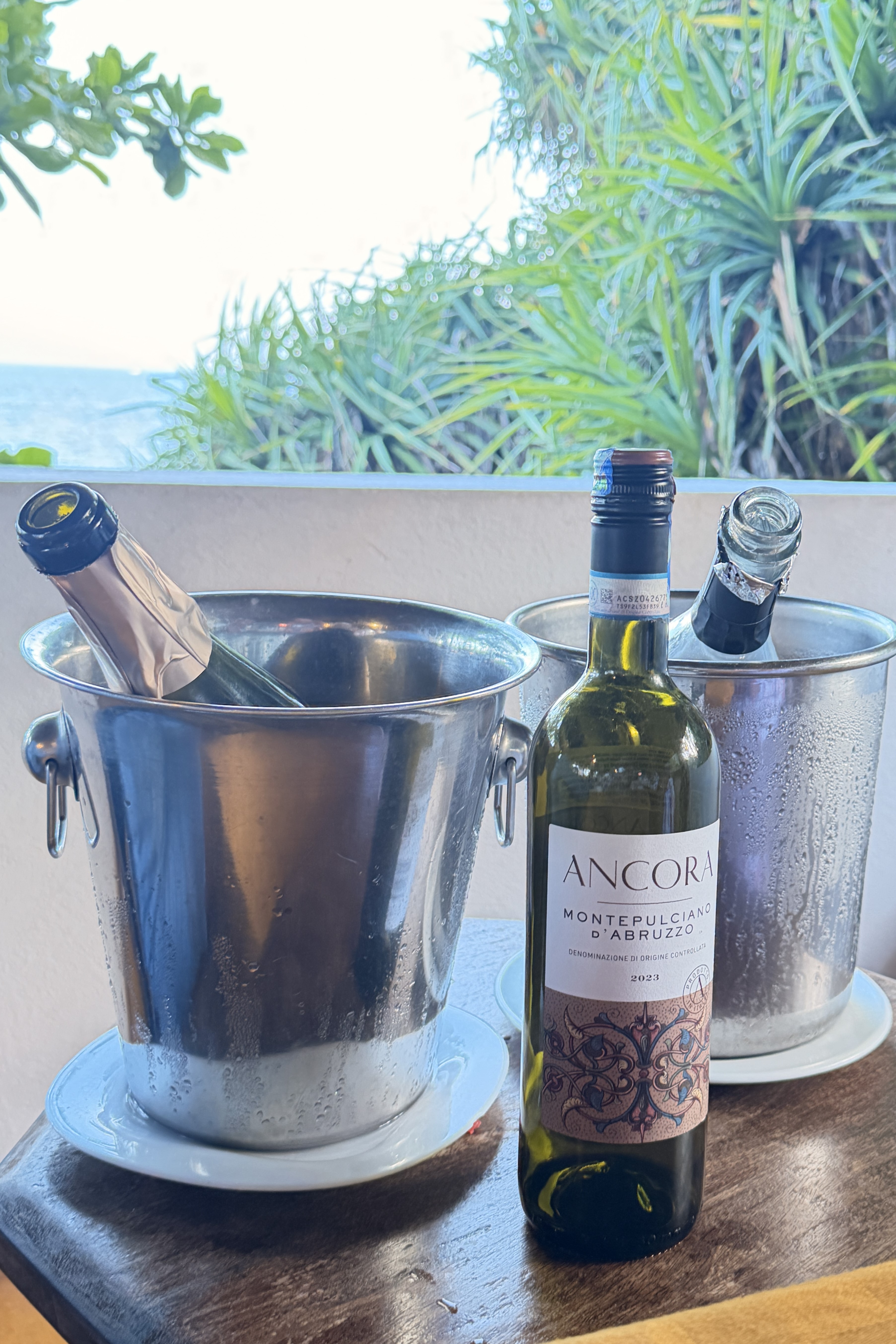
- The Economics of the Kenyan Wine "Cave": If you found the prices in Kenya higher than expected, you aren't imagining it; a bottle here can often cost five to six times more than it would at the cellar door in Stellenbosch. This is driven by a heavy-handed tax structure designed to favor local beer and spirits over imported luxuries. Kenya currently imposes a 30% import duty, a 16% VAT, and a recently updated excise tax that is calculated based on the centiliters of pure alcohol in the bottle. While there are ongoing discussions within the African Continental Free Trade Area (AFCFTA) to ease these barriers, South African wines do not yet enjoy a significantly lower tax rate than French or Italian bottles. However, South Africa dominates the market by sheer proximity and volume, accounting for over 50% of Kenya’s wine imports (roughly $10.9M annually). You’ll see French ($2.6M) and Italian ($2.3M) labels as the runners-up, followed by Spain and Chile. If you are looking for German or Spanish bottles, you’ll find the selection much thinner and usually confined to high-end boutiques or specialized "caves" in Nairobi. For the best value-to-quality ratio, the dominance of South African producers means they remain your most reliable "safe bet" for a quality pour.
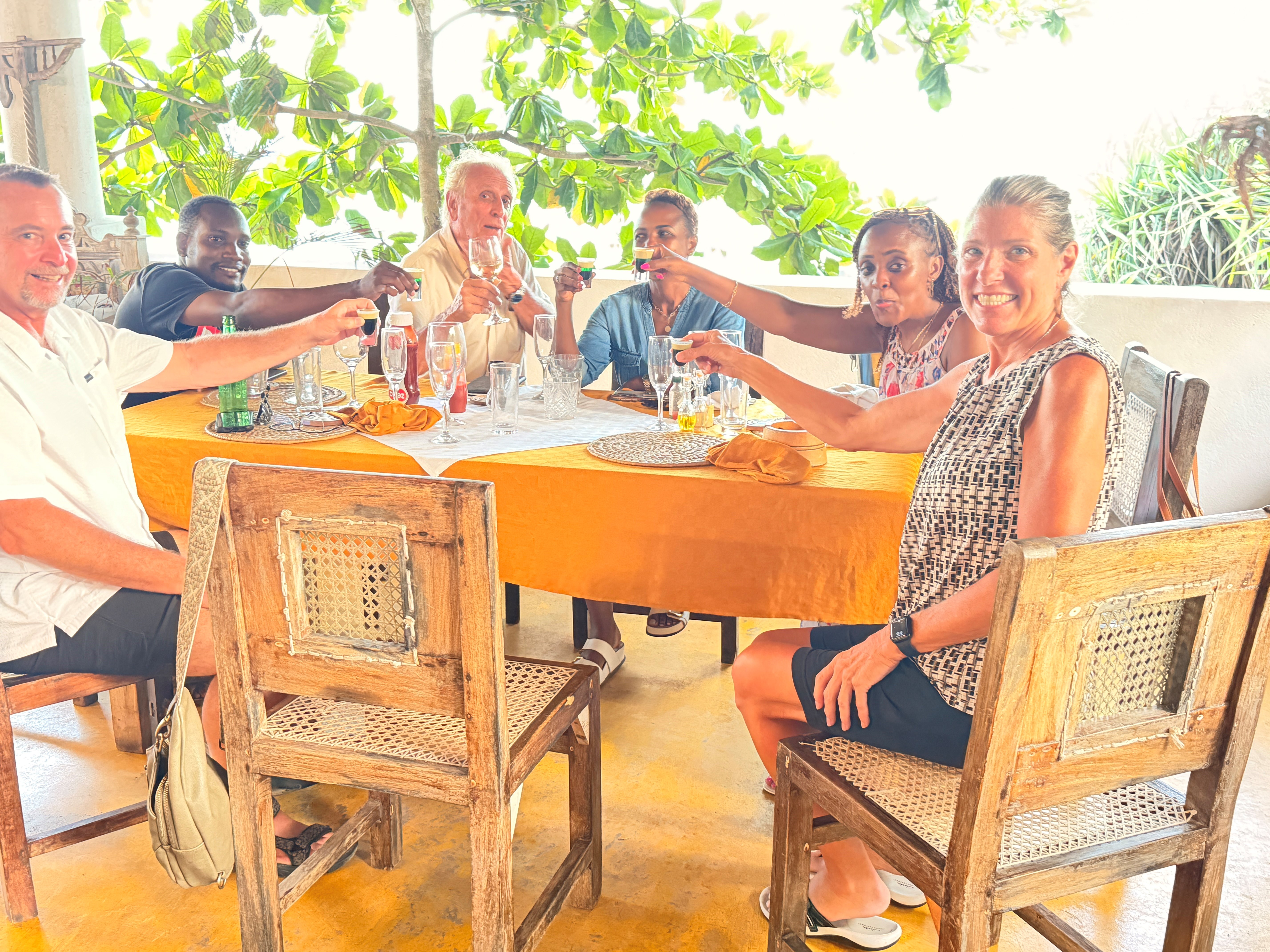
- The Artisan Effort, Monkeys and Vinegar: We had the pleasure of meeting Arturo at Monsoon Restaurant. As an Italian expat, he is attempting the near-impossible: growing Italian varietals in the Kenyan coastal soil. From a strategy and design perspective, his "vineyard" is a fascinating case study in adaptation. He lost his first crop to a troop of monkeys and his second to the local climate, which effectively turned his harvest into "authentic Kenyan wine vinegar." Tasting his experiment was a reminder that wine isn't just about the final product; it’s about the grit and passion of the people trying to make it happen in unlikely places.
- Logistics & "Safe" Sips: A key takeaway for any traveler here is the rule of the "closed bottle." Whether you are ordering a Tusker beer or a bottle of wine, the local custom is to ensure the bottle is brought to the table closed and opened in your presence. We stayed away from mixed drinks in all but the most reputable spots like Tamarind, opting instead for the reliability of a sealed bottle of South African Syrah or a Cape Blend to enjoy back at our apartment during our Wingspan marathons.
Link:
More Trip Reports | Nyali Beach: Monsoons, Calamari, and the Rhythm of Mombasa Time

Welcome to the new Touchpoint Wines
We’re blending our passion for wine with a love for global exploration. Join us as we journey through the world's most captivating destinations, uncovering hidden wine gems and offering unique workshop experiences for your team retreats. Whether you're seeking to enhance team dynamics or discover the art of slow travel, let us be your guide.