If our [180-Day Strategy] is the map for our journey, then our digital toolkit is the engine. We are constantly asked, "How do you manage your entire life from a phone?" The truth is that a nomadic life is only as smooth as your home screen. From tracking every penny in a Moroccan market to staying connected in the Kenyan bush, we’ve spent years refining a suite of apps and financial habits that keep the gears turning. This guide breaks down the essential tech and the specific "Nomadic Wallet" strategies that fund our slow travel lifestyle.
The Digital Toolkit: Apps We Can't Live Without
A nomadic life is only as smooth as your home screen. These are the tools that handle our logistics, budget, and daily navigation.
- Logistics & Coordination: Tripit is our master itinerary, while WhatsApp is essential for communicating with landlords and local guides.
- The Travel Hub: Apple Wallet keeps our boarding passes, credit cards, and digital keys in one place.
- Discovery & Transit: Skyscanner for flight research, Google Maps for navigation, and Google Translate for everything from menus to train station signs.
- Transit: Uber and Bolt are our go-to apps for reliable rides when we aren't using public transit and regional apps like Trainline (UK), SNCF (France), or Omio for cross broader European rail and bus digital tickets.
- Apple Air Tags and FindMy: Every piece of luggage: checked bags, backpacks, and each other are tracked using FindMy and Apple Air Tags. We have also allowed family members to track our phones, so they always know where we are at all times.

Connectivity: The eSim Shift
Reliable data is the backbone of slow travel. We initially started with Airalo, but after significant connectivity hurdles, we shifted our strategy:
The Nomadic Wallet: Cash, ATMs, and Tipping
Money management is where we’ve had our most expensive lessons.
- The Bottom Line: We use TravelSpend for real-time budget tracking and helping us to see how our budget fluctuates between regions, and XE for instant currency conversions.
- The Rule of Redundancy: If there is one thing we’ve learned, it’s that you never carry just one "flavor" of plastic. We travel with a trio of redundant cards: our Chase Business, Capital One, and our USAA bank and credit cards. In more remote areas, you’ll occasionally find a merchant who strictly accepts Mastercard but scoffs at a Visa (or vice versa). More often, we face the great "Digital Nomad Mystery": one card is inexplicably declined while the other works perfectly, even though both banks swear nothing is wrong. Having these backups isn't just a strategy; it’s the only way to ensure you aren't left standing at a beautiful dinner table in rural France or a market in Kenya with no way to pay.
- The USAA Advantage: For cash, we exclusively use our USAA banking account. Because they serve military members globally, they reimburse ATM fees, which is a game-changer. We once tried a different bank card for a 30,000 KES ($232) withdrawal and were hit with $50 in fees—a mistake we won't repeat.
- The Tipping Nuance: We follow local customs but remain "American" at heart. In places like Morocco, where tipping isn't standard in restaurants, we may skip it for basic service, but do tip for great service. Also, as an example, if a server or guide spends time educating us on local wines and the wine scene, or makes sure we know about great restaurants or experiences we won’t want to miss, we always leave a cash tip. We research the "local rule of thumb" for guides and taxis before we even cross the border.
How we leverage status and strategy to fund a lifestyle
In a life of near-constant movement, loyalty is far more than just a membership—it is a strategic currency that provides comfort, upgrades, and occasional "free" bucket-list experiences. While our primary focus is always on the authentic "slow travel" experience, we have built a robust "Rewards Ecosystem" that supports our journey behind the scenes. This guide explores how we balance the independence of apartment living with the perks of elite hotel status to fund our nomadic lifestyle.
Planning Tip: Strategic points-burning is key for high-value activities. We utilized our rewards strategy to offset the logistical costs of our [Munich and Nuremberg Christmas Market Stays], allowing us to focus our liquid budget on world-class Safari experiences.
The Hotel vs. Apartment Rule
We have a simple metric for choosing where to sleep.
- 5 Nights or Less: We stick to hotels. This is also our default in countries where safety concerns or language barriers make a 24/7 concierge a valuable asset for navigation.
- Over 5 Nights: We move into apartments or apart-hotels. Having a kitchen and laundry is essential for maintaining a sense of normalcy and health during an extended stay.
The Loyalty Stack
We focus our loyalty where the benefits are most tangible. I maintain Gold status with IHG and Lifetime Gold with Marriott, while our Unlimited Vacation Club membership keeps our Hyatt points healthy.
Unlike our previous life where we ignored the "marketing noise," we now pay close attention to targeted promotions. We actively plan stays around double-point windows or specific brand bonuses. In a 180-day travel block, those accelerated points can often fund an entire week of luxury hotel stays during our transit periods.
Budgeting and tech keep the day-to-day logistics moving, but even the best apps can’t solve for the "real world" challenges of life on the road. From managing health insurance across continents to what happens when you actually lose your phone in a foreign country, our final foundational guide covers the invisible infrastructure that keeps us safe. Continue the series here: [Navigating Life on the Road: Health, Security, and Red Tape].
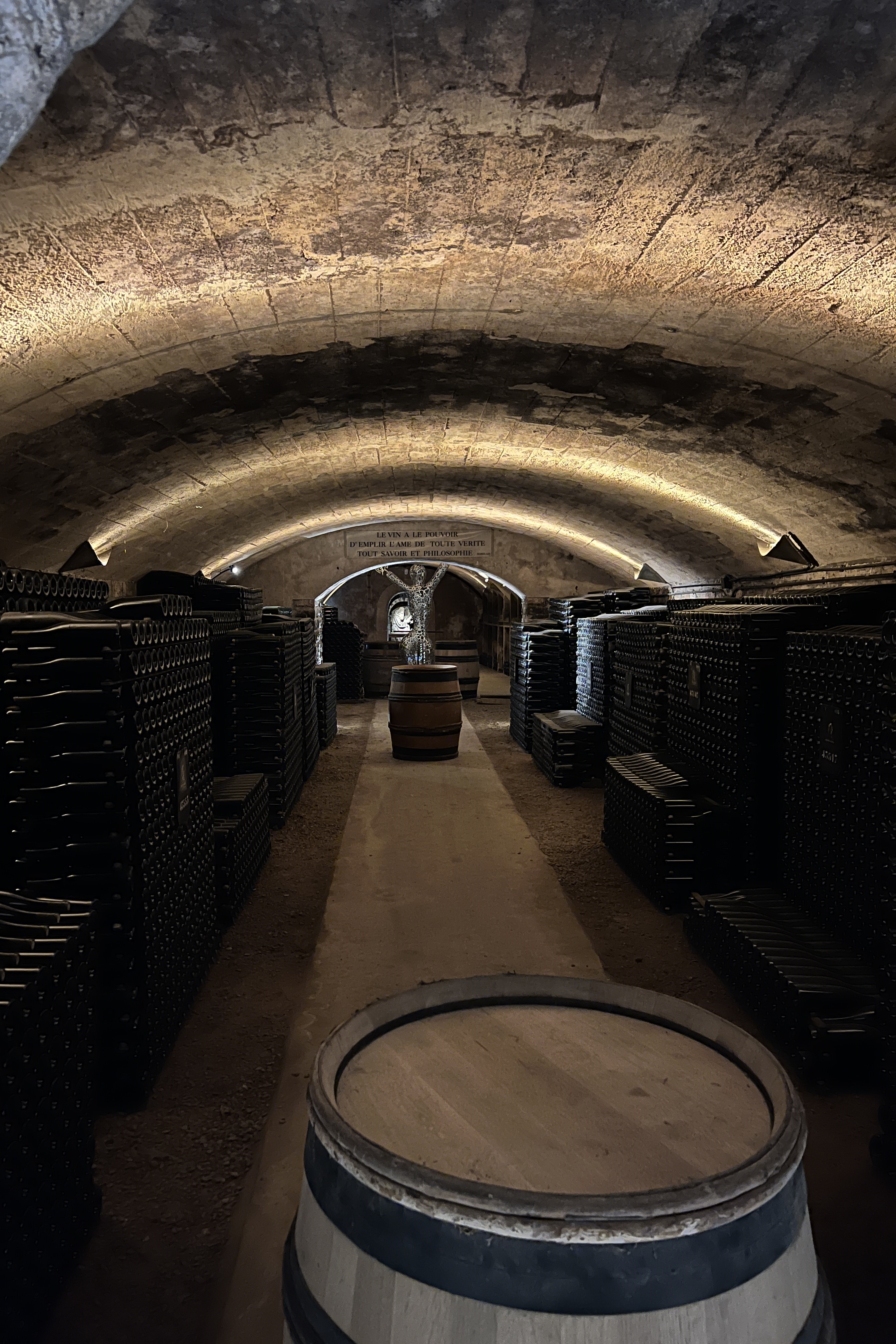
Welcome to the new Touchpoint Wines
We’re blending our passion for wine with a love for global exploration. Join us as we journey through the world's most captivating destinations, uncovering hidden wine gems and offering unique workshop experiences for your team retreats. Whether you're seeking to enhance team dynamics or discover the art of slow travel, let us be your guide.