At a Glance
- Duration: 4 Weeks (May – June 2026).
- Home Base: A wonderfully equipped apartment in a quiet residential neighborhood near the Faro hospital and football stadium, just a 15-minute walk to the historic Old Town.
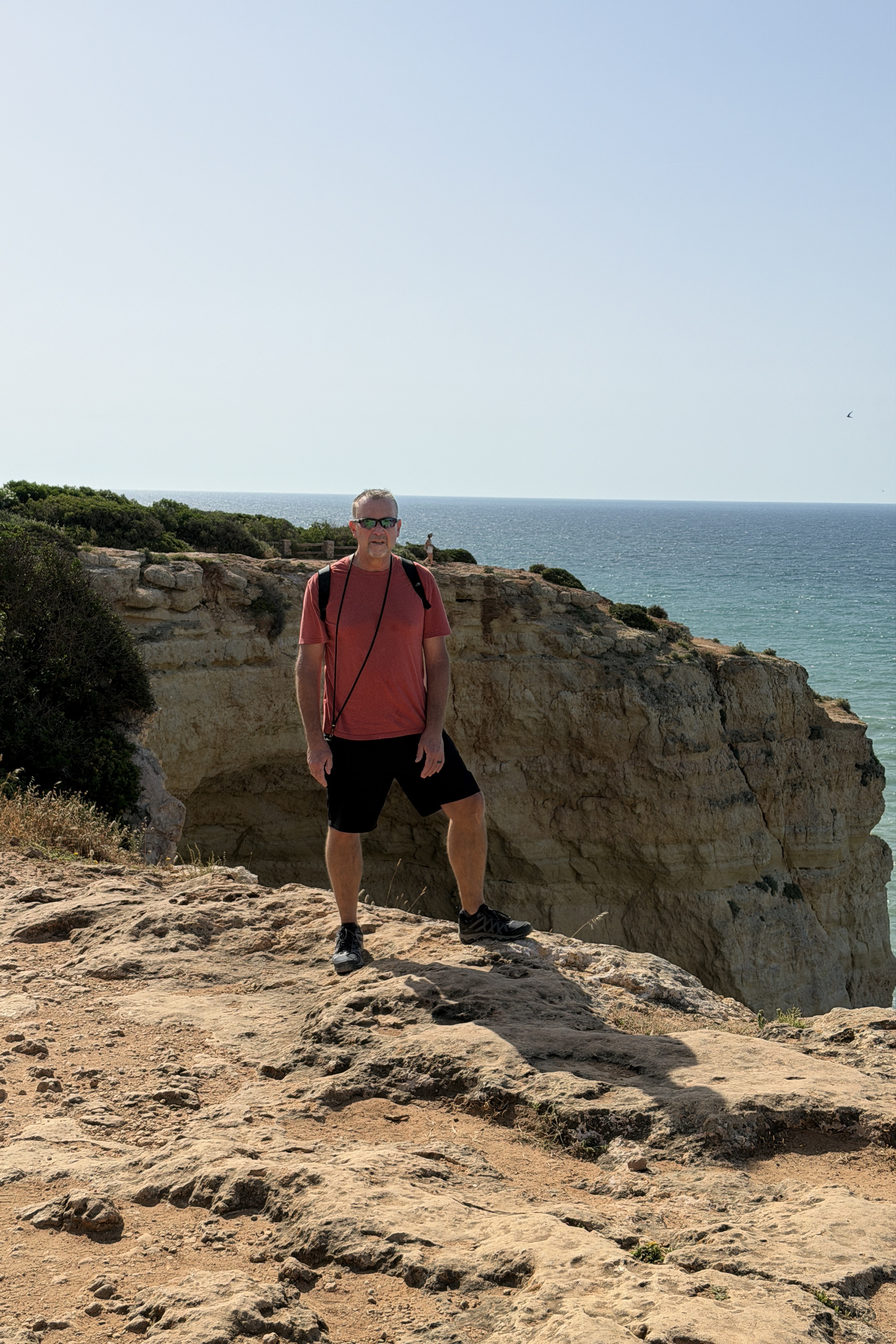
- Top Day Trip: Lagos and the Seven Hanging Valleys Hike—a dramatically beautiful, moderate trek requiring some rock scrambling that offered continuous, jaw-dropping views of sea caves and sinkholes.
- Memorable Moment: Finding "The Baria" exactly when we needed it—a local bar situated right on the edge of the wetlands where we watched kids play soccer while we ate incredible Portuguese pork sandwiches and drank cold beer as the sun set over the Ria Formosa.
- Overall Vibe: Authentic, breezy, and highly navigable. Unlike the heavily crowded resort towns of the western Algarve, Faro maintains a relaxed, local rhythm intertwined with the tidal beauty of a massive natural park.
This Town is Special Because... (Introduction& Our Why)
Faro is often overlooked by tourists who merely use its airport to bolt toward the heavy resort towns, but choosing it as our four-week hub was a great decision for our slow-travel rhythm. While the city lacks sweeping architectural grandeur—largely due to a devastating 1755 earthquake and subsequent tsunami that decimated the coast—it makes up for it with genuine local charm and unparalleled access to the Ria Formosa.
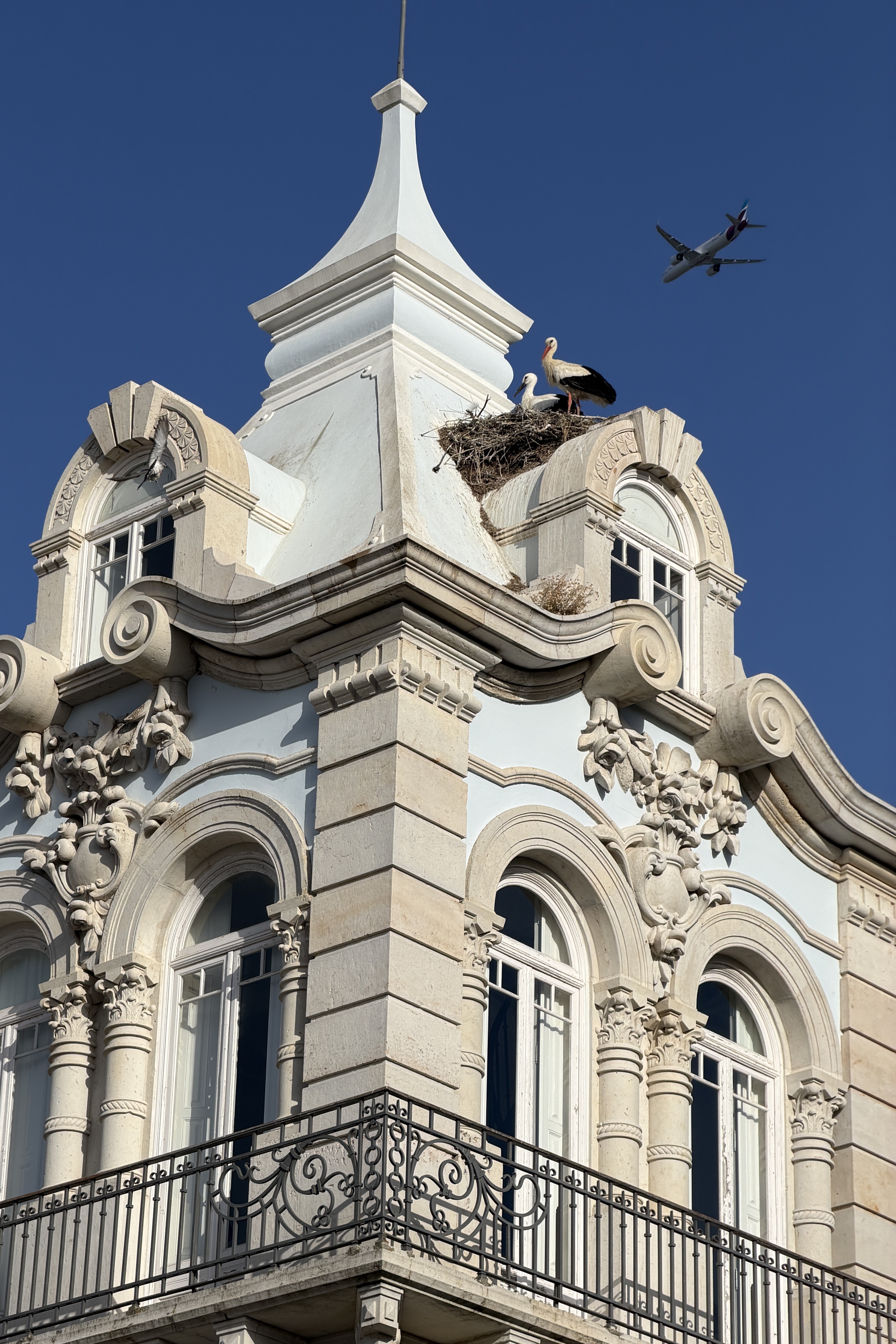
This massive natural park of tidal wetlands dictates the pulse of the city. We loved taking the local ferry to the beach across the changing tides, watching residents dig for clams and pull up crab traps while planes drifted overhead toward the runway. Because the tourist density is significantly lower here than in places like Lagos or Tavira, we were able to seamlessly slip into a local cadence, enjoying the city's cobblestone squares, street art, and quiet waterfront pathways. .
Our Home Base: The Hospital District
We chose a residential neighborhood anchored by the local hospital and football stadium. It was exceptionally quiet and positioned just a 15-minute walk from the Old Town and a few minutes more to the beach ferry docks.
Our host was extraordinary, outfitting the apartment with absolutely everything a slow traveler could need—from laundry supplies and beach umbrellas to shaving cream. Because the kitchen was large and incredibly well-equipped, we balanced our budget by cooking many of our meals at home, utilizing fresh ingredients from the stalls at the Mercado Municipal. We frequented the market for marinated pork, fresh vegetables, and spicy local sausages, pairing local tomatoes with Italian pesto we picked up on a day trip to create our favorite burrata salads. Saving money by dining in allowed us to reallocate our budget toward premium golf and wine experiences.
Our Faro Experience: The Day-to-Day
The Beach and The Fair
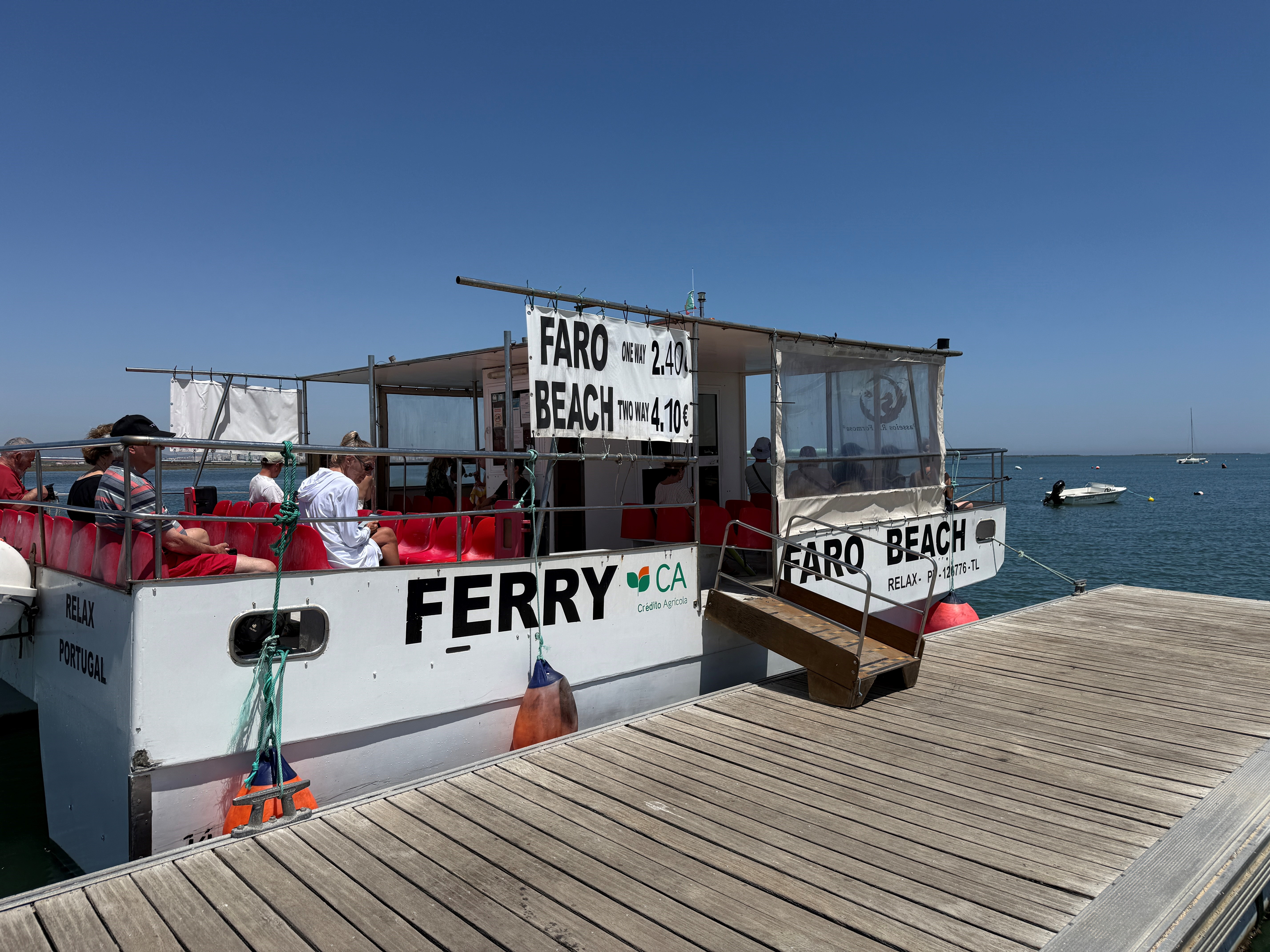
Our daily rhythm heavily featured the ferry ride out to Faro Beach. The 30-to-40-minute boat ride through the wetlands was a beautiful daily commute, offering views of vibrant purple spring flowers before the intense summer heat turns the landscape brown. We usually set up our towels right in front of the local surf club, providing us with endless entertainment as we watched beginners and advanced surfers navigate the meter-high waves.
We were also lucky enough to be in town during the highly specific, month-long local snail harvesting season. We walked 50 minutes to the fairgrounds on the final night of the local snail festival to partake in the tradition. Sitting at picnic tables near a live music stage, we used toothpicks to pluck the tiny snails from a delicious garlic and lemon broth—a wonderful, highly localized cultural moment.
Vale do Lobo: Algarve Golf Logistics
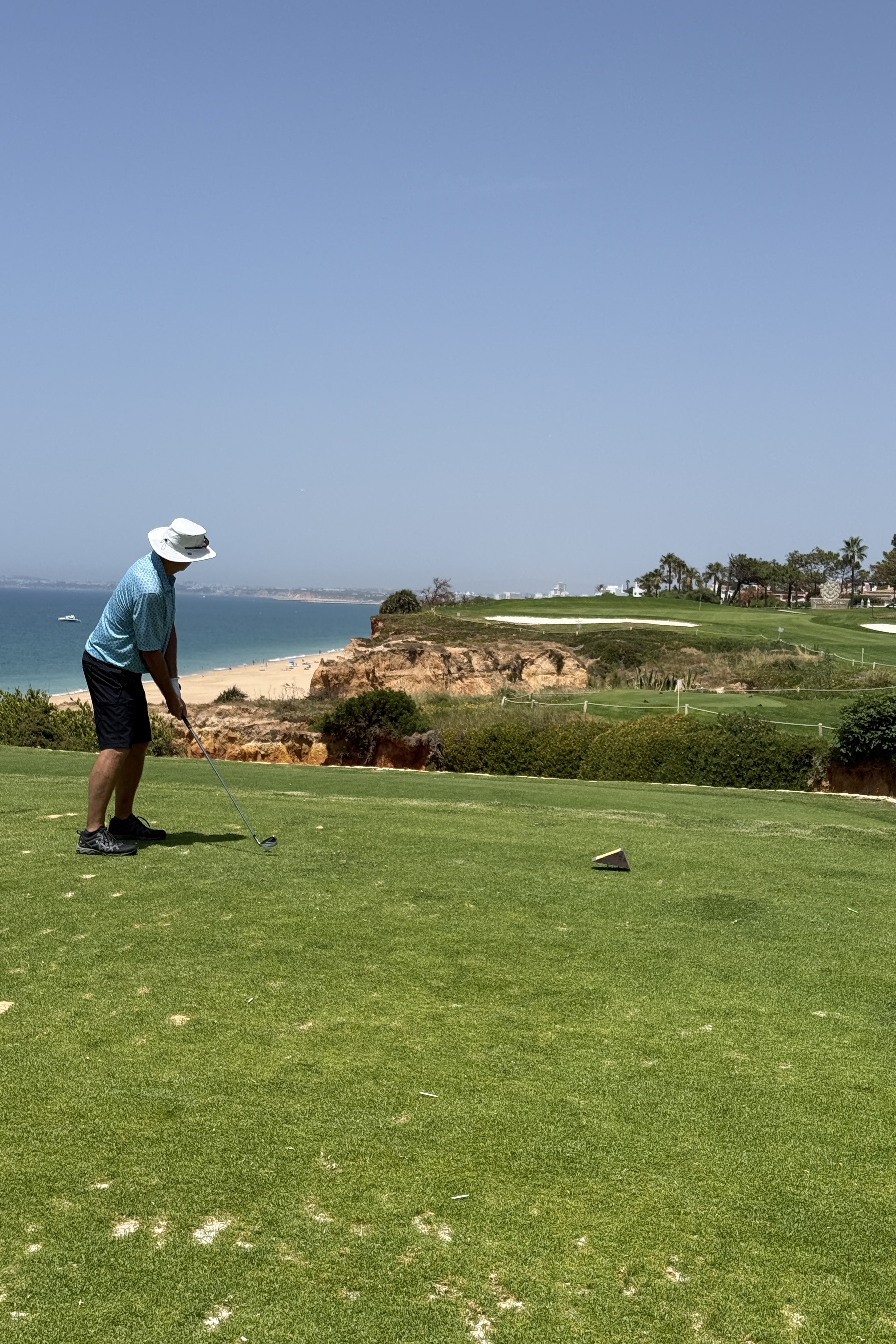
We dedicated a week to playing three rounds at the beautiful Vale do Lobo golf resort.
- The Booking: We utilized teetimes.com to secure a three-round package for the two of us, totaling approximately $980.
- The Gear: We rented our clubs through "18 holes" (a subcontractor) for €80 for the week. The quality was exceptional—Tom received two-year-old Taylor Made Stealth’s, and my Taylor Made SIM’s featured brand-new grips and excellent groove structure. They delivered and picked up the clubs directly at the clubhouse.
- The Play: We played the Royal course twice and the Ocean course once. While we usually prefer walking, the considerable distance between holes made upgrading to a buggy (golf cart) for just €10 more than push carts an easy and necessary decision. We simply took Ubers (about €35 per day) back and forth from our apartment.

Day Trips: Escapes from the Hub
Sagres and Lagos: The Edge of the World
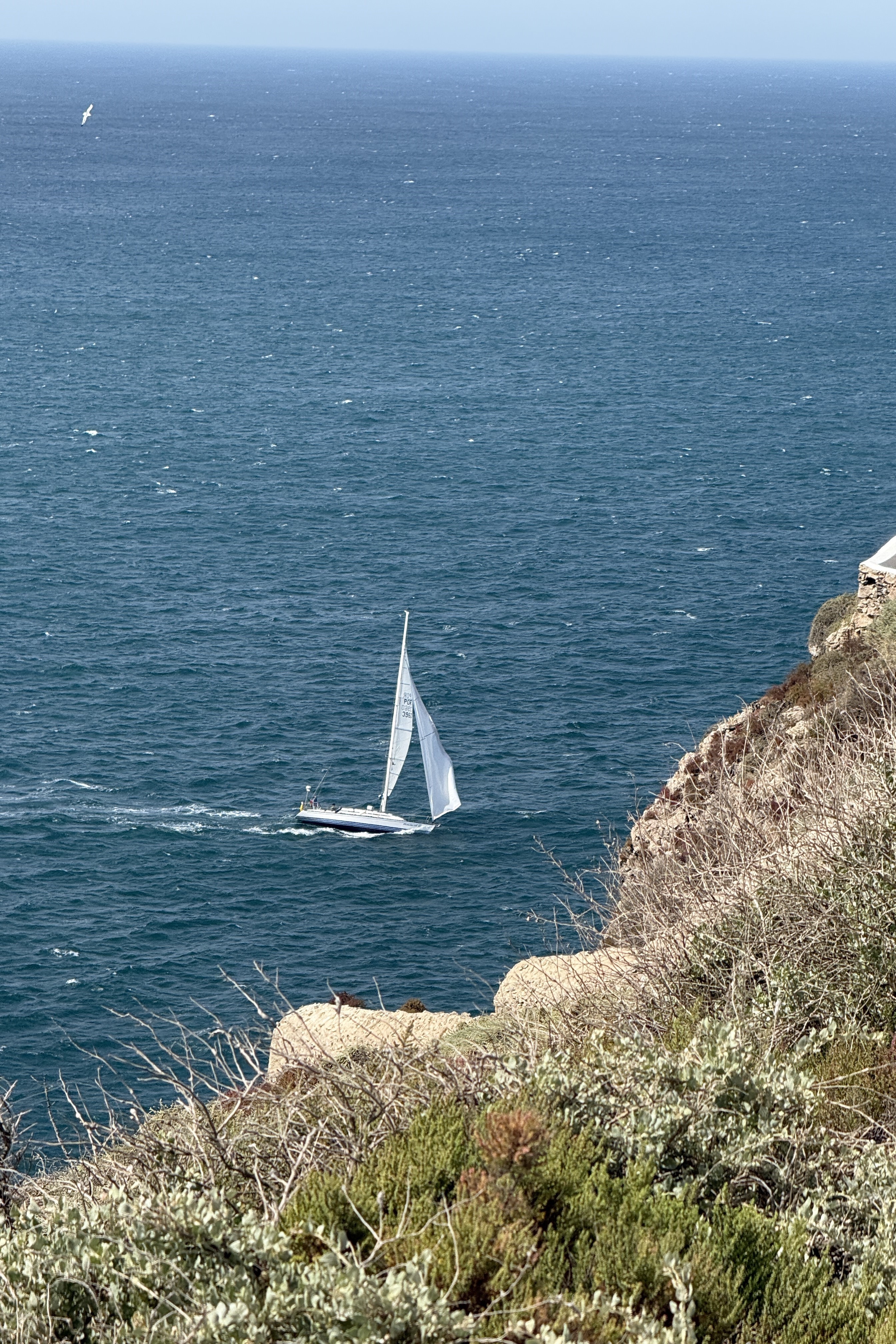
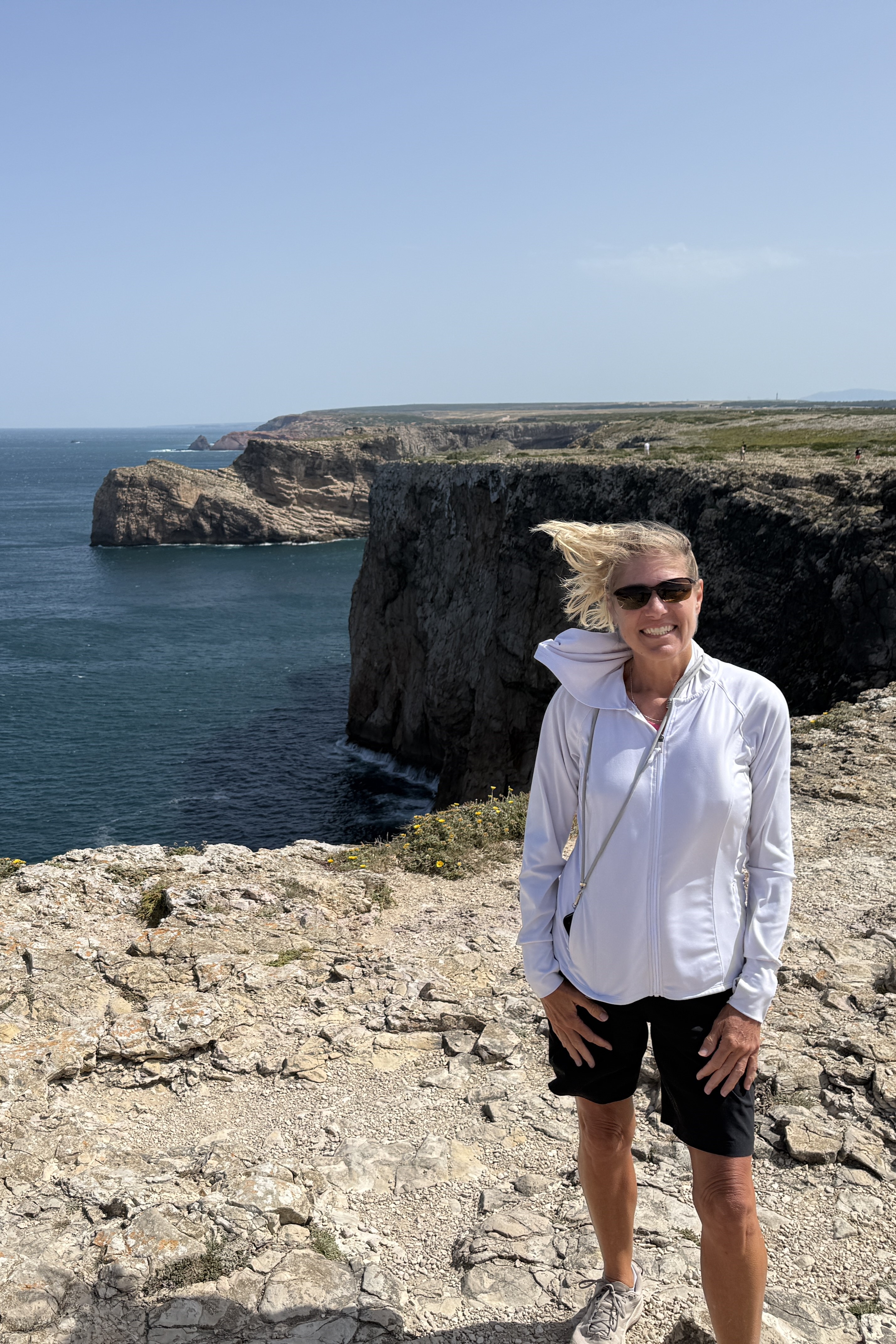
We rented a car to drive to the westernmost point of continental Europe: Sagres and St. Vincent Point. The sheer, dramatic cliffs dropping into the Atlantic were breathtaking, but it was the ferocious wind that we will never forget—it was so powerful it nearly knocked us over while trying to take photos and video. We visited the Fortress of Sagres, exploring the fascinating history of Prince Henry the Navigator and the sobering realities of Portugal's role in the early global slave trade.
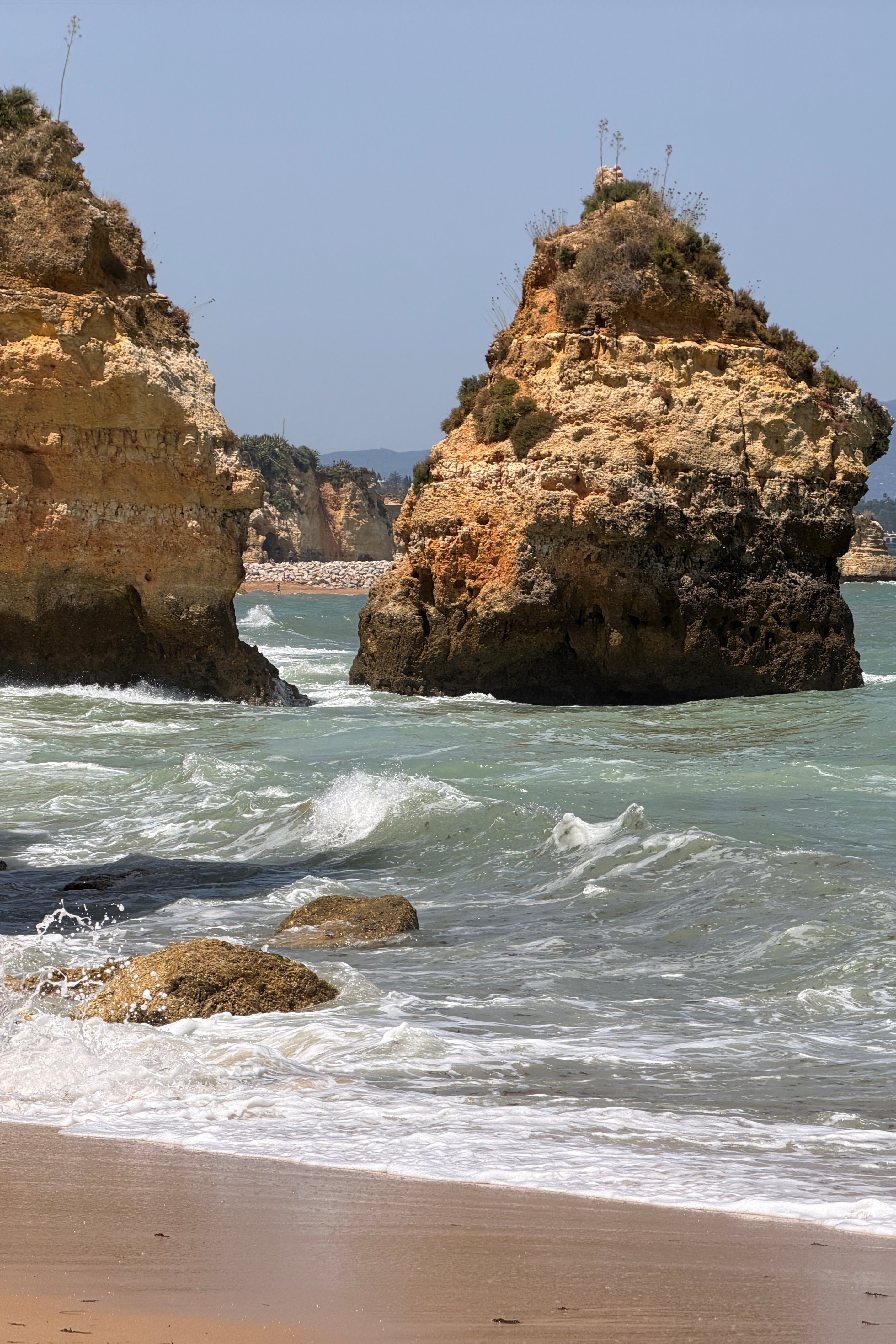
We continued to Lagos, descending the 200 wooden steps to the stunning, cove-hidden beaches of Praia do Camilo. We spent time lounging on the beach and watching folks navigate the natural caves to get from one beach to another through the rocks.
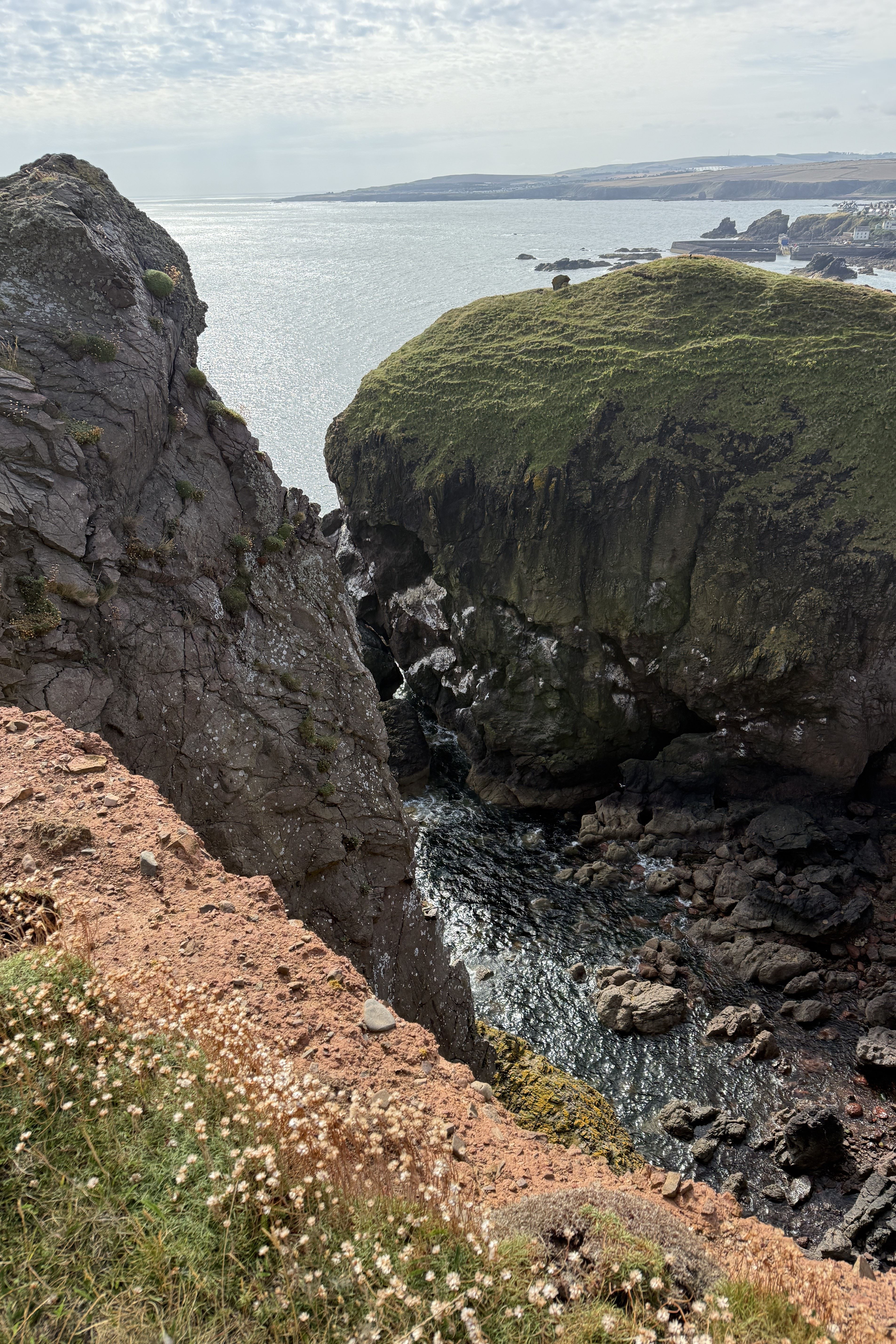
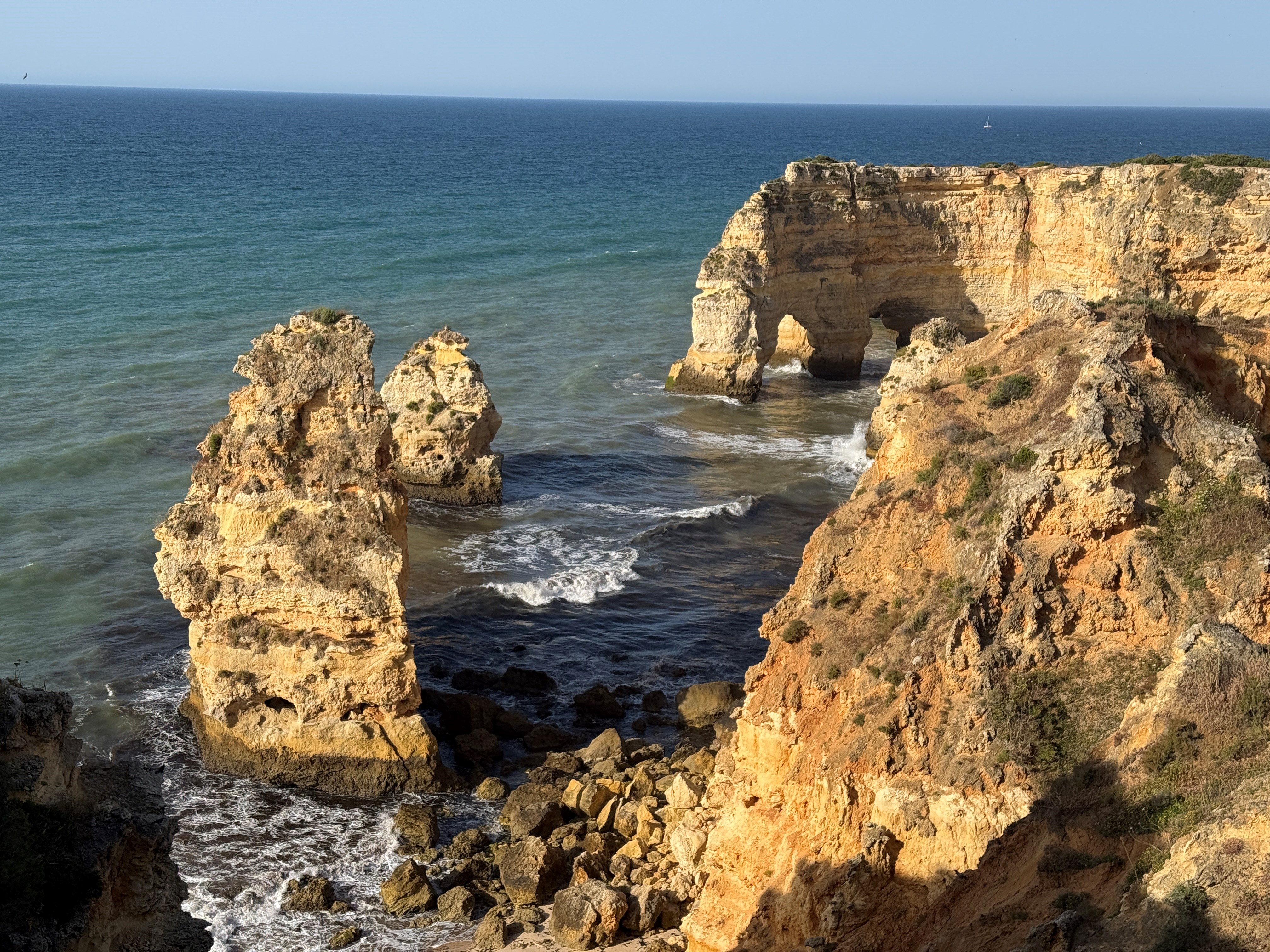
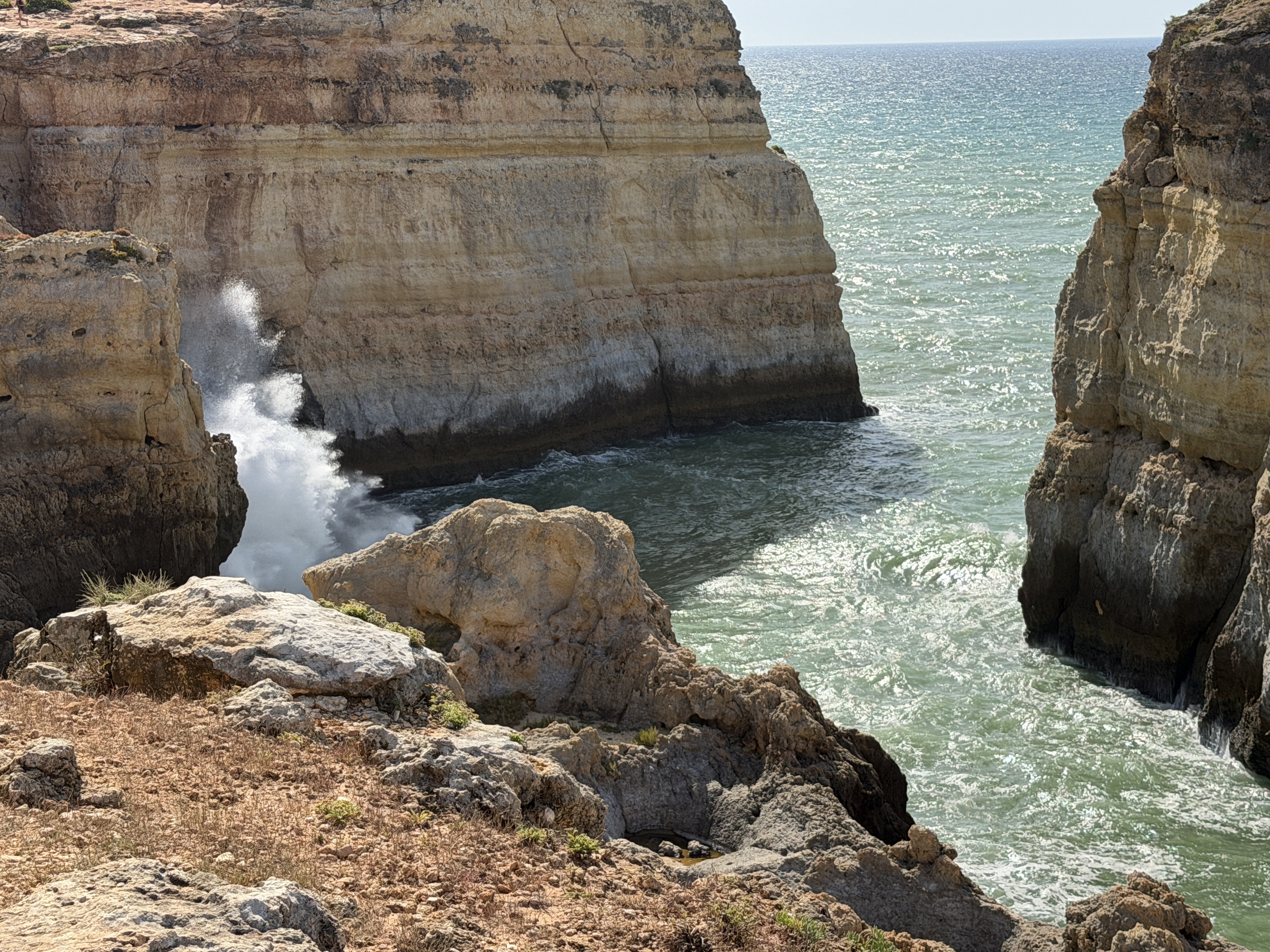
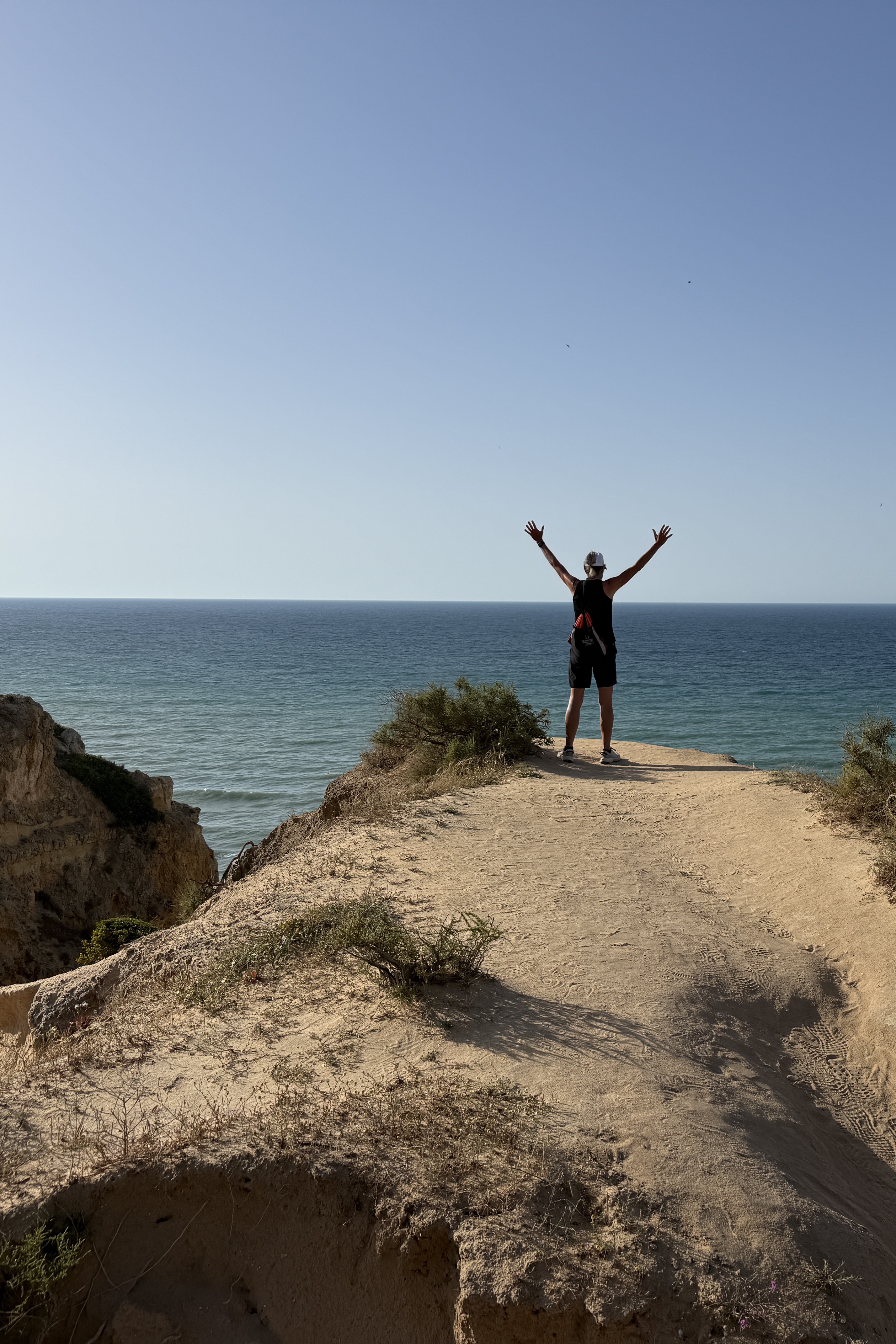
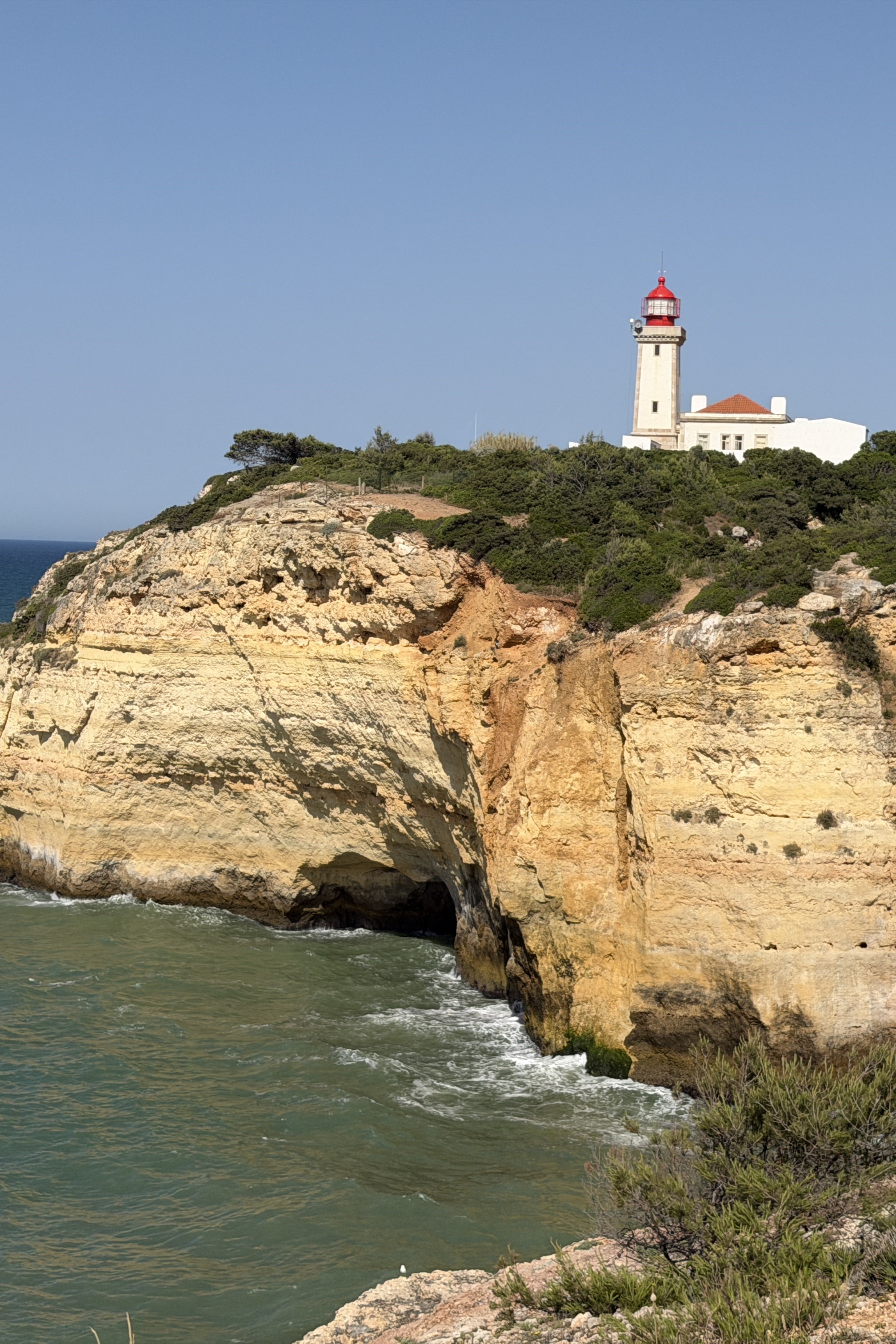
Later, we executed one of our favorite hikes of all time: the Seven Hanging Valleys. Arriving at the Praia da Marinh a trailhead early (8:15 AM) is critical to secure parking before the tour buses arrive. The linear trail is a moderate, stunning 6 km route requiring rock scrambling and offering cliff-top views down of dramatic cliffs and pounding surf as well as into massive sinkholes and the famous Benagil Cave. We hiked out to the lighthouse and back, taking just under four hours.
Quarteira and Vilamoura: The Beach Party
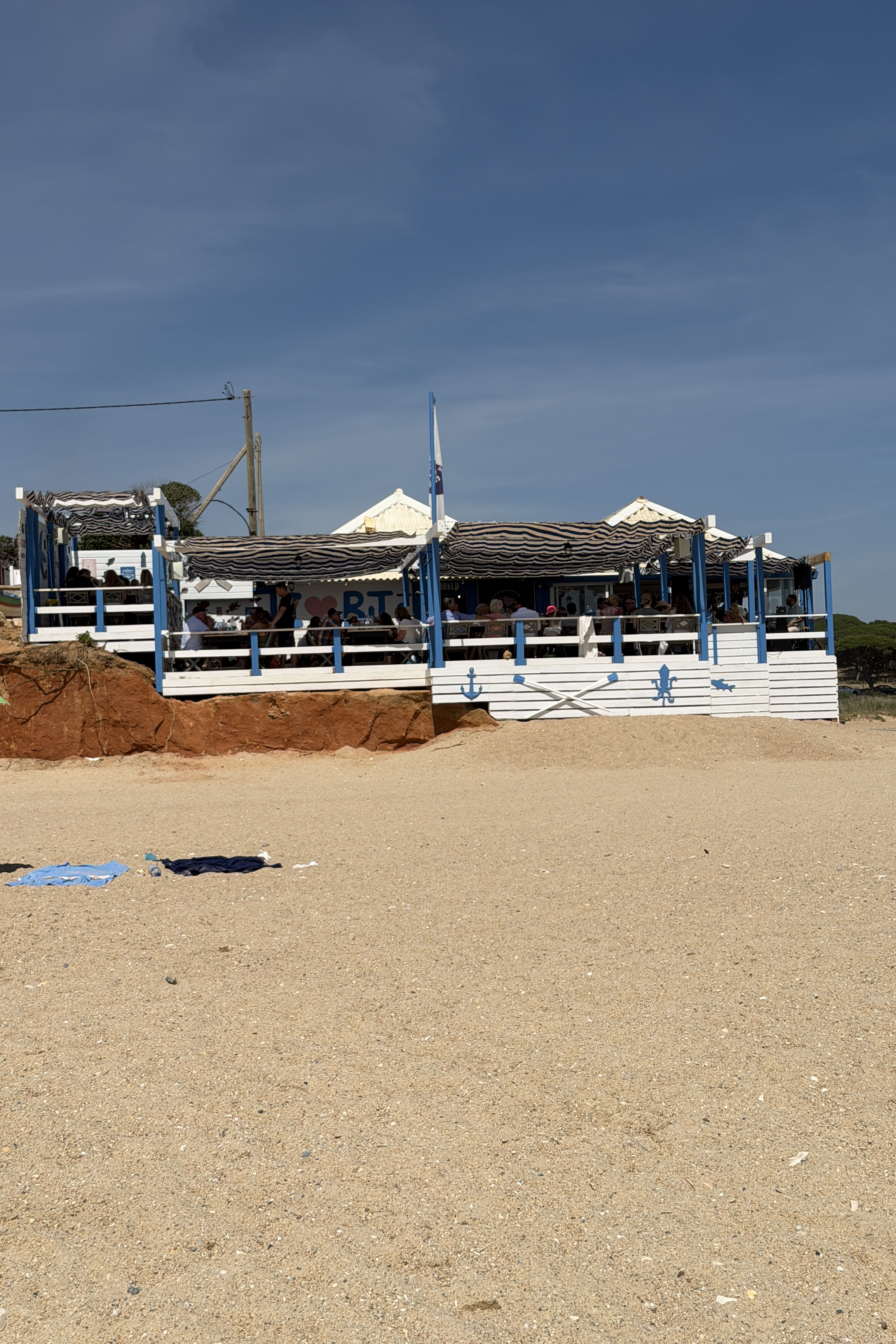
We took an Uber to the expansive beaches of Quarteira and Vilamoura. While the sand is rougher than Faro Beach with more of a larger grained sand mixed with shells. The beach culture is entirely different. Faro is quieter while Vilamoura offers a highly structured, tourist-heavy resort vibe with manicured beach clubs. We highly recommend making advance lunch reservations at BJ’s Oceanside, located at the far eastern end of Quarteira beach. We ate fantastic seafood, drank wine, and ended up dancing at our tables to a brilliant live guitar and drum duo—an incredibly fun, high-energy afternoon party that was a true highlight of our stay.
Tavira: The Art of the Pivot
We attempted a day trip to Tavira for the Corpus Christi holiday, hoping to see their famous floral street mosaics. A sudden train strike forced a quick pivot to the local bus network, but thanks to the quiet kindness of a local woman who pointed us to the correct street-side stop, we made it to the town. It is a lovely village featuring a beautiful waterfront promenade, a vibrant central plaza, and a wonderful collection of local shops, cafés, and restaurants. As we walked around, we easily envisioned it as a potential base for a future long-term stay.
Unfortunately, conflicting schedule information meant we missed the floral procession entirely. Rather than letting it ruin our afternoon, we leaned into the slow-travel mindset, sitting in the central square to listen to a remarkably talented vocal street performer before heading over to our lunch reservation. We ultimately took an Uber back to Faro; because it was a public holiday, the ticket windows at the bus station were completely closed, leaving us uncertain about the sparse transit schedules. While it wasn’t the exact itinerary we had hoped for, it was a beautiful reminder that plans sometimes have to be reworked on the fly, and we still walked away with a thoroughly enjoyable day in Tavira.
The Algarve Wine Spoke: Terroir and Textures
To truly understand the regional "quality renaissance" occurring on the southern coast, we set aside a dedicated day to rent a car and head out toward Lagos and the rolling hills of the Arade River basin. Driving here is beautifully seamless—marked by quiet traffic and an abundance of roundabouts. It allowed us the perfect flexibility to drop into three remote estates that are passionately redefining what Algarve wine can be.
Our first stop was Quinta do Francês, a stunning estate that utilizes classic Old-World methodologies. Sitting on their fabulous outdoor tasting terrace, we sampled a comprehensive lineup of seven wines. The knockout was their IANTHIS Cabernet Sauvignon 2021. Aged for 18 months in new oak, it was beautifully concentrated with rich ruby color, notes of dark fruit, pepper, thyme, and vanilla, and an extraordinarily long finish. It was easily one of the best wines I have enjoyed all year, prompting us to track down extra bottles at a specialized wine retailer back in Faro to pack for our upcoming UK leg.
From there, we drove to Arvad Wine, a "New Wave" estate sitting directly on the riverbanks. They balance sustainable hand-harvesting with modern, experimental techniques—including fermenting certain wines exclusively in clay amphorae (talhas) to capture a distinctive riverfront salinity and minerality without any oak interference. We picked up their crisp White Wine 2024 (a beautiful blend of Arinto, Alvarinho, and Sauvignon Blanc) and their highly complex Reserve Red 2022, which harmoniously balances cassis, ripe raspberry, and tobacco.
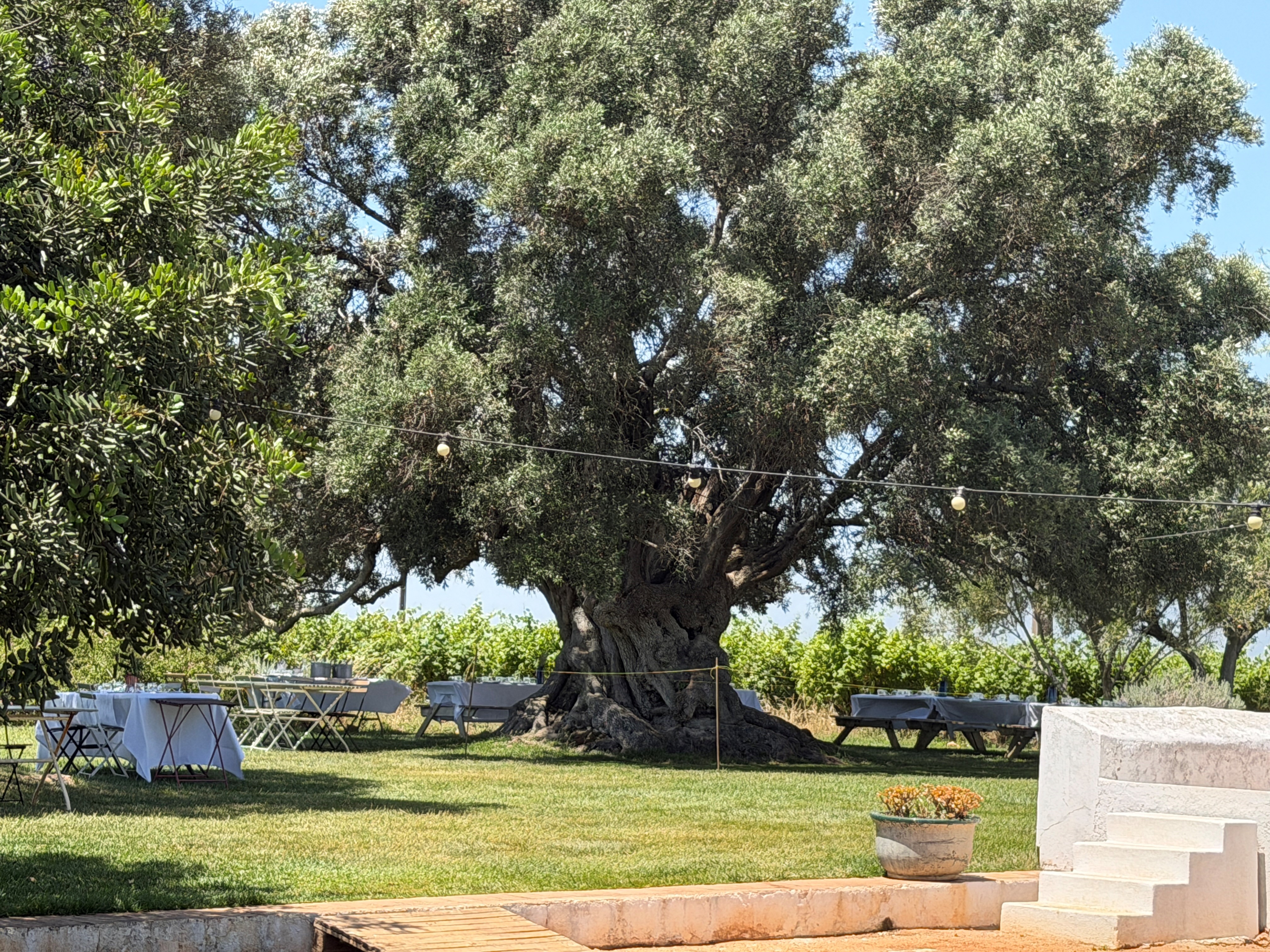
We capped off our viticultural excursion by heading to Morgado do Quintão for their famous "Farmer's Table" Lunch, which we booked in advance. As the area's first certified organic producer, they focus strictly on heritage varieties grown on40-year-old low-yielding bush vines. We sat at a long communal table under a breathtaking olive tree that is over 2,300 years old, enjoying a three-course menu of slow-cooked local recipes paired with estate wines. While we loved their aromatic, high-mineral white, we were deeply intrigued by their Tinto De Ânfora 2024—a light-bodied, highly fresh red crafted in 150-year-old clay pots using methods that date back to 2000 BC.
Want the full technical deep dive? For the exact tasting notes, operational cellar profiles, and the fascinating step-by-step science behind how Algarve winemakers are using the native Negra Mole grape to craft bone-dry white wines, check out our comprehensive Touchpoint Wines Guide to the Algarve below!
Culinary Discoveries and Faro’s Wine Scene
While we cooked often, Faro and its neighboring towns provided some exceptional dining, retail, and wine bar experiences:
- Resturant Ceu (Faro): A phenomenal South American/Asian fusion restaurant owned by a Norwegian chef and his partner. Their signature Arepas (traditional corn delicacies filled with cheese, meat, and pickled red onions) were outstanding. The chili chicken and the pork were incredible, but Tom's beef Arepa took the crown. Do not skip their Asian cucumber salad mixed with sesame oil, vinegar, and chili garlic paste.
- A do Pinto (Faro):Our absolute favorite wine bar. The staff is WSET-trained, incredibly passionate, and highly conversational. They utilize a massive inventory, taking the time to ask about your palate and mood before selecting a bottle to pour by the glass. We loved their recommendation of the Monte do Zambujeiro 2022 (a blend of Aragonez, Alicante Bouschet, Touriga Nacional, and Syrah) so much that we bought a bottle for the apartment.
- Pomo' La Pasta (Lagos):A famous, no-reservations Italian spot where all pasta is homemade. The pasta with meatballs was amazing, and their house Pinot Grigio by the glass was exceptional.
- The Baria (Faro): A local gem situated right on the edge of the Ria Formosa wetlands. A perfect spot to watch the sunset while eating fresh Portuguese pork sandwiches made on pizza-dough-like bread.
- Tasca do Ricky (Faro): Run by "the two Ricky's," this cozy spot is highly recommended for its interesting, rotating menu. The atmosphere is incredibly warm—expect to quickly get on a first-name basis with the owners, who love chatting with guests over traditional seafood rice and seasoned pork.
- Restaurante Cidade Velha (Faro): Tucked inside the walled Old Town, this is our top recommendation if you are looking to try an authentic Portuguese Cataplana—the iconic Algarve seafood stew slow-steamed inside a traditional domed copper clam shell.
- Epicur (Faro): A beautifully designed space with a well-thought-out table layout and decor. Though the premium glass pours can lean a bit pricey, the knowledgeable staff and intimate setting make it a fantastic choice for a great date night wine bar.
- Columbus (Faro): Located right on the vibrant promenade near the old town and the marina, this is one of the absolute best atmospheres in the city to sit outside and people-watch. It is a fantastic spot to sip a glass of crisp Vinho Verde while sharing a bite of barbecue chicken and fries.
Elevated Dining & Wine Pairing:
For those evenings when you want to step away from casual taverns and indulge in a premium, higher-end gastronomic experience, make a reservation at Checkin Restaurant or explore the refined pairings at by-Opus Wine House and Food.
Navigating the Local Bottle Shops
Faro is an absolute goldmine for wine and liquor retailers. You will find an abundance of specialized wine shops staffed by highly knowledgeable proprietors who genuinely love guiding you to the right bottle. While you should absolutely prioritize the native Algarve varieties like Negra Mole, these shops also boast phenomenal representation from Portugal’s other heavyweight wine regions. When browsing the shelves, don’t miss out on exploring benchmark bottles from Douro Valley, Alentejo, Dão,and Borba.
Slow Traveler Pro-Tip: Sunshine Sips: One of the greatest simple pleasures of slow retirement in Portugal is that public consumption of alcohol is generally legal and deeply woven into the relaxed lifestyle. You can absolutely pack a cold beer or a bottle of wine down to the sands of Faro Beach or into the local parks to enjoy a sunset picnic. For the ultimate hot-day refresher, make sure to pick up a bottle of Vinho Verde (Green Wine). Celebrated for its high mineral profile, bright citrus notes, and signature, delicate effervescent prickle, it is an absolute must if you want crisp refreshment when the temperature climbs.
Reflections on the Journey
- The things we loved the most: The seamless blend of high-end excursions (golf and wine tastings) with incredibly affordable, high-quality local living. Getting a great haircut for €30 and handling dental cleanings for €50 showcased the excellent local infrastructure.
- The things we didn’t: Unreliable public transportation schedules. Experiencing sudden train strikes and encountering sold-out or non-existent Sunday bus routes required us to rely heavily on Ubers (which, thankfully, were very affordable).
- What we learned: The Floral Warning System: During our vineyard tours, we learned a brilliant piece of historic, organic viticultural engineering. Winemakers plant specific blooming flowers and rosebushes at the end of the vine rows. Because these flowers have delicate root structures, they act as an early warning system; if a disease or pest enters the soil, it will visibly affect the flowers first, giving the vineyard manager critical time to protect the older, deeper-rooted grape vines.
Links: Faro Trip Report | More Trip Reports | Algarve Wine Guide
Up Next: London Trip Report
Welcome to the new Touchpoint Wines
We’re blending our passion for wine with a love for global exploration. Join us as we journey through the world's most captivating destinations, uncovering hidden wine gems and offering unique workshop experiences for your team retreats. Whether you're seeking to enhance team dynamics or discover the art of slow travel, let us be your guide.