For many wine certification students, Portugal's southern coast is historically dismissed as a vacation paradise producing high-alcohol, low-acid bulk blends. But an immersive slow travel look into the region reveals a dramatic, modern "quality renaissance". Tucked between protective mountain barriers and the chilling, volatile currents of the Atlantic Ocean, a crop of boutique producers is completely rewriting the rules. By championing resilient native varietals and reviving ancient, low-intervention techniques, they are pulling incredible structural tension out of a sun-drenched terroir.
When Tom and I established our long-term home base in a spacious apartment in the coastal city of Faro, (Faro Trip report) we spent weeks exploring the region's geographical "spokes". This guide bridges our field studies across the estate properties with hands-on food pairings and structured tastings back in our Faro hub.
The Logistics Playbook: Faro Hub to the Western Spoke
Using the historic city of Faro as our hub offered a deeply authentic look into local Portuguese lifestyle with far lower tourist density than towns further west like Lagos or Tavira. However, the Algarve's best wine developments are highly remote, meaning navigating the vineyard spokes requires tactical coordination.
- The Rental Car Conundrum: Driving across the Algarve is incredibly straightforward, featuring low traffic density and a heavy abundance of well-paved roundabouts. Transit relies on two main arteries: a slower coastal road running through the local villages and a swift, two-lane highway connecting the major municipal hubs. While booking public transit or rideshares is highly economical for basic beach commutes, securing a rental car is essential for vineyard visits.
- The Chronological Routine: To optimize your driving route, stack your vineyard appointments geographically. We spent a few nights in Lagos and set up our winery visits to start closer to Lagos and end closest to Faro. It takes roughly 40 minutes to reach Quinta do Francês in the northern hills. From there, you can cut back south toward the coast, driving 30 minutes to reach Arvad along the river basin, before executing a quick 10-minutesprint to Morgado do Quintão for their Farmers Lunch or wine tasting appointment.
- The Airport Packing Protocol: Because local boutique estates focus heavily on limited-run or un-stabilized small batches, many of the region's absolute best bottles are entirely unavailable in export markets. Do not rely on overseas shipping; invest in a protective travel suitcase or heavy-duty Styrofoam shippers. We used specialized wine packaging for our flight from Faro to the UK specifically to transport our liquid library.
💡 Pro Tip: If you book your rental car online, verify the exact terms regarding your primary operator. When we picked up our vehicle at Faro Airport, because I had booked it under my name, a rigid policy forced us to pay an unexpected second-driver fee just to get Tom behind the wheel.
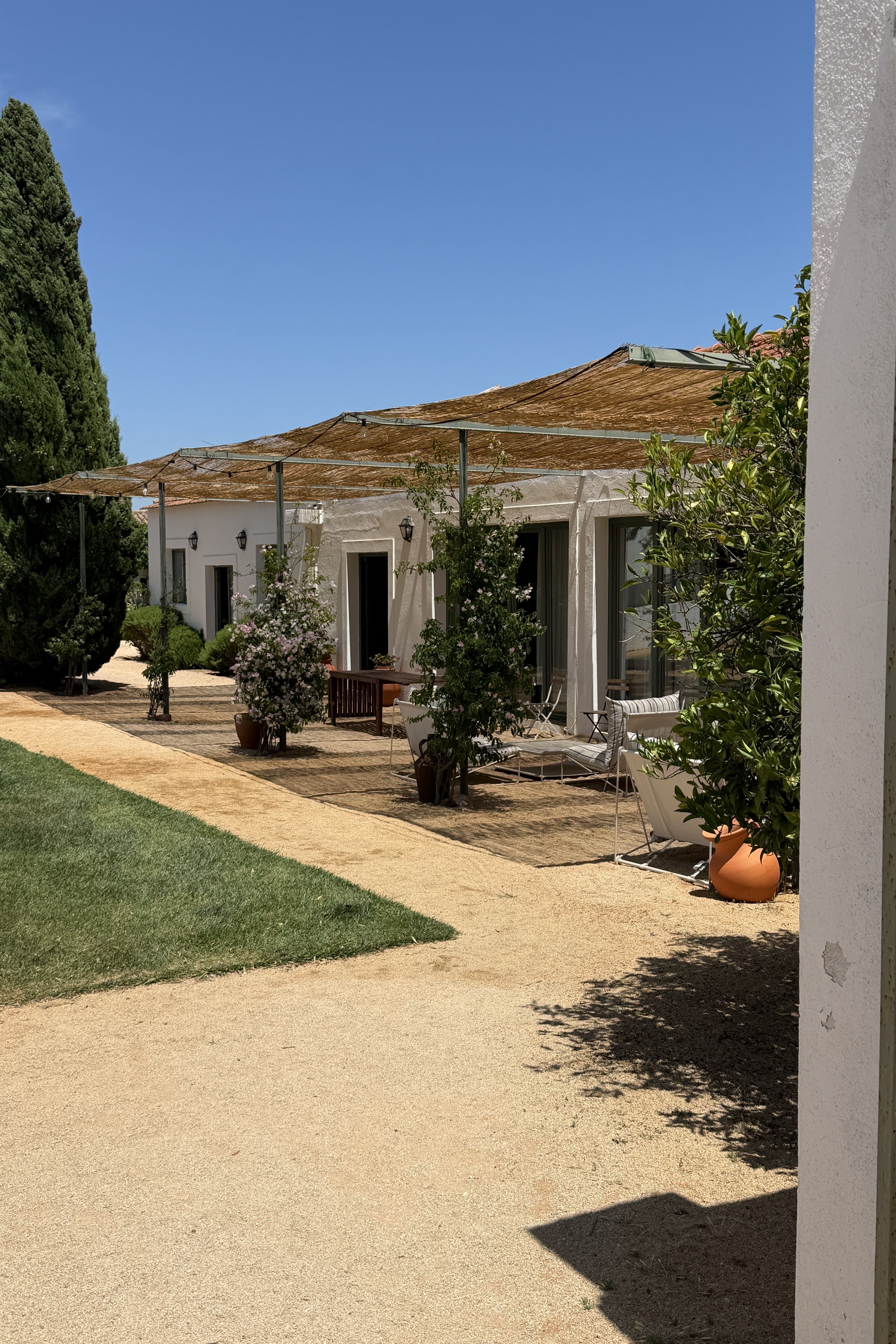
The Spoke Report: Coastal Sands, Limestone Barrocal, and Shifting Terroirs
To pass a certification exam on the Algarve, you must instantly map out its geographic soil matrix. The entire region is classified broadly as a Vinho Regional (VR) Algarve, but it houses four micro-appellations: Lagos, Portimão, Lagoa, and Tavira.
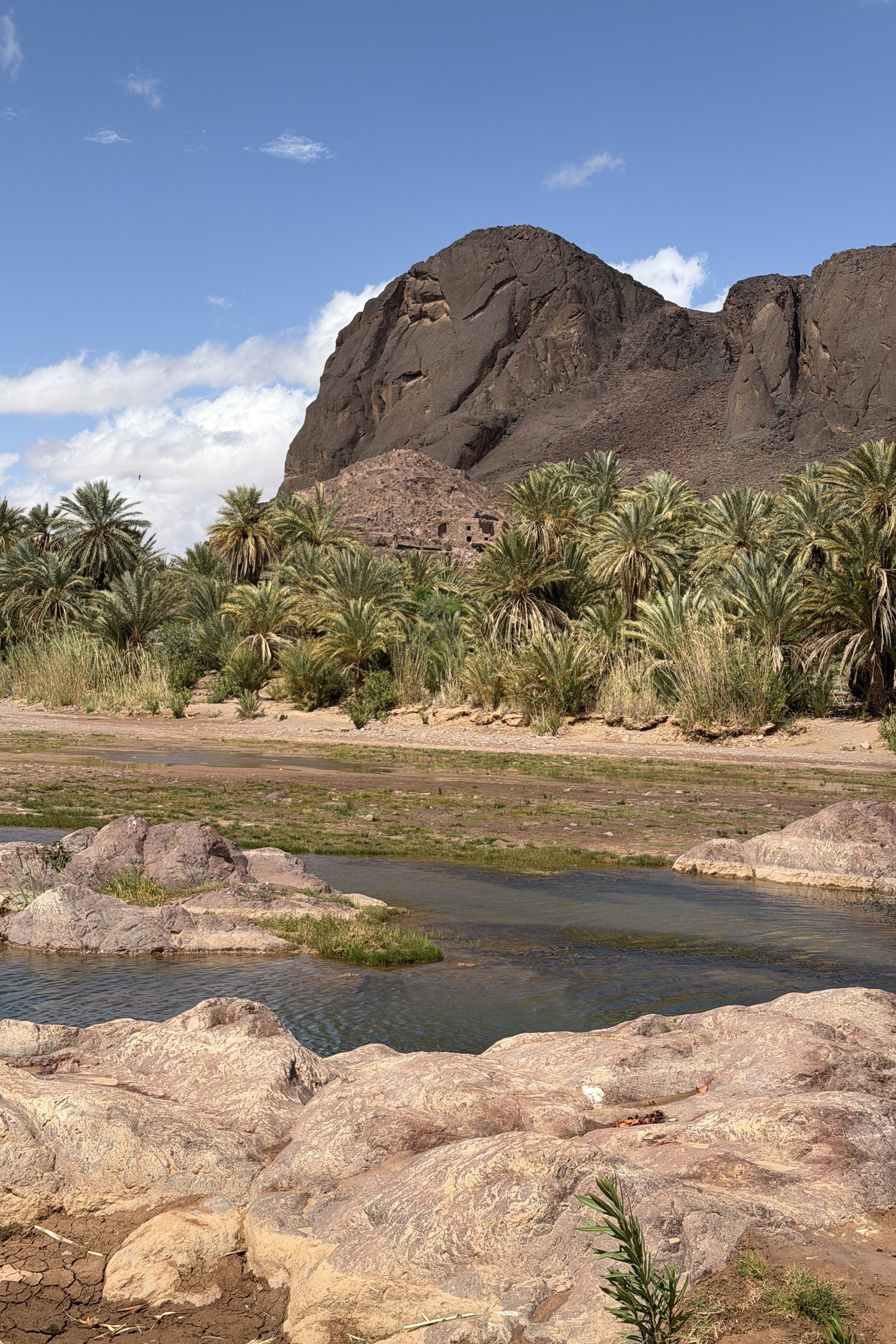
The entire growing zone is protected from freezing northern continental winds by the towering Serrade Monchique and Serra do Caldeirão mountain ranges. The soils split into three distinct bands running parallel to the Atlantic:
- The Coast: Dominated by deep sandy soils where the phylloxera aphid cannot survive, allowing for a rare concentration of historical, un-grafted vines.
- The Barrocal: A central limestone and clay heartland where low-nutrient soils force roots deep, housing the region's elite estates.
- The Mountains: Steep, rocky ridges of schist and alluvial debris that naturally restrict vine vigor and push incredible mineral tension into the fruit.
The Producer Field Studies & Cellar Philosophy
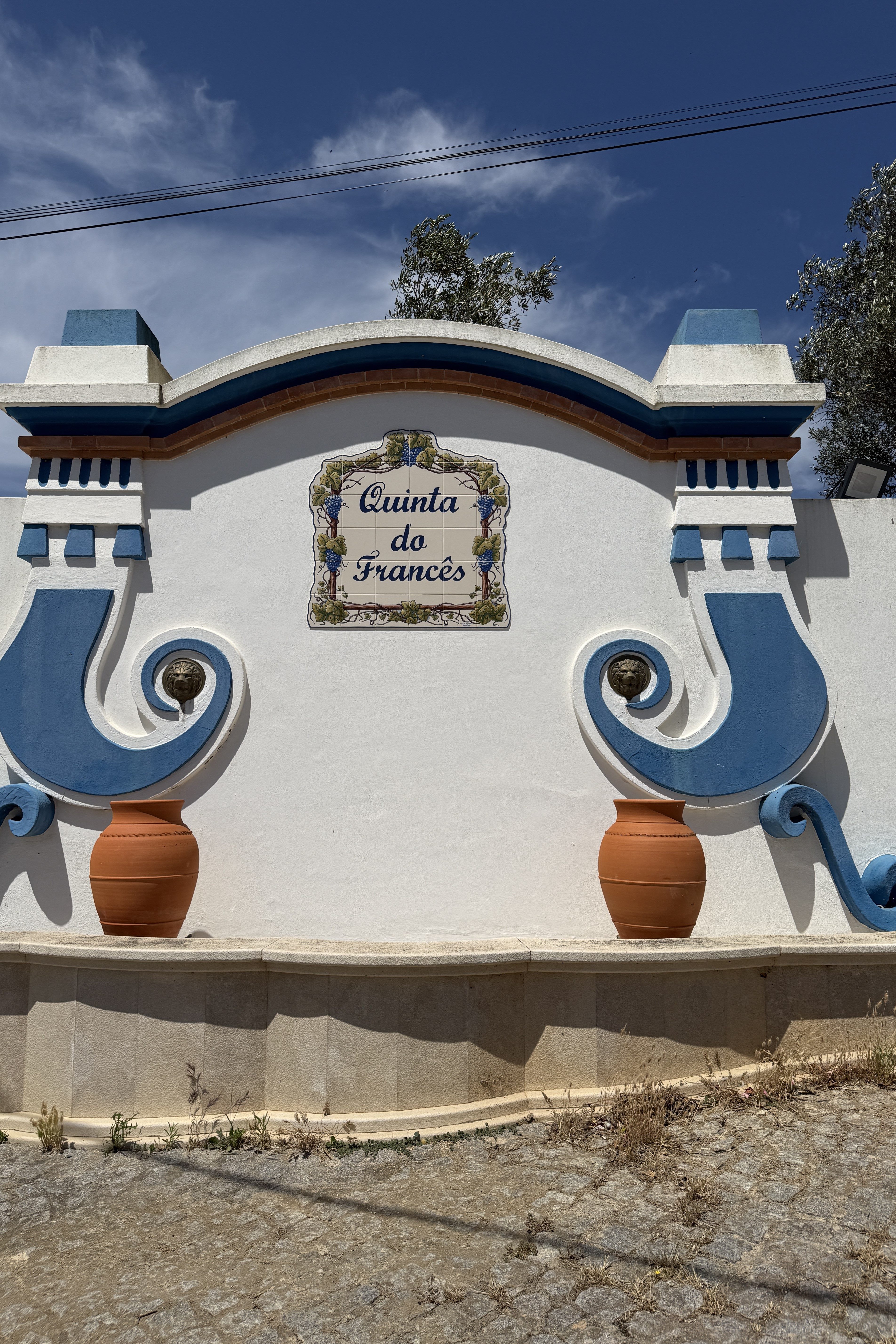
- The Bordeaux Visionary — Quinta do Francês: Tucked into the steep valleys of the Omodos/Odelouca River area, this French-owned estate beautifully layers Old World French oak discipline over Portuguese terroir. Their focus leans toward long barrel-aging regimens, crafting high-structured blends that seamlessly marry classic French improvers (like Cabernet Sauvignon and Syrah) with indigenous staples. Their hillside terraces are carved into pure schist soils, which retain intense day-time heat and naturally regulate vine yields.
- We did a full lineup tasting of their 7 available wines.
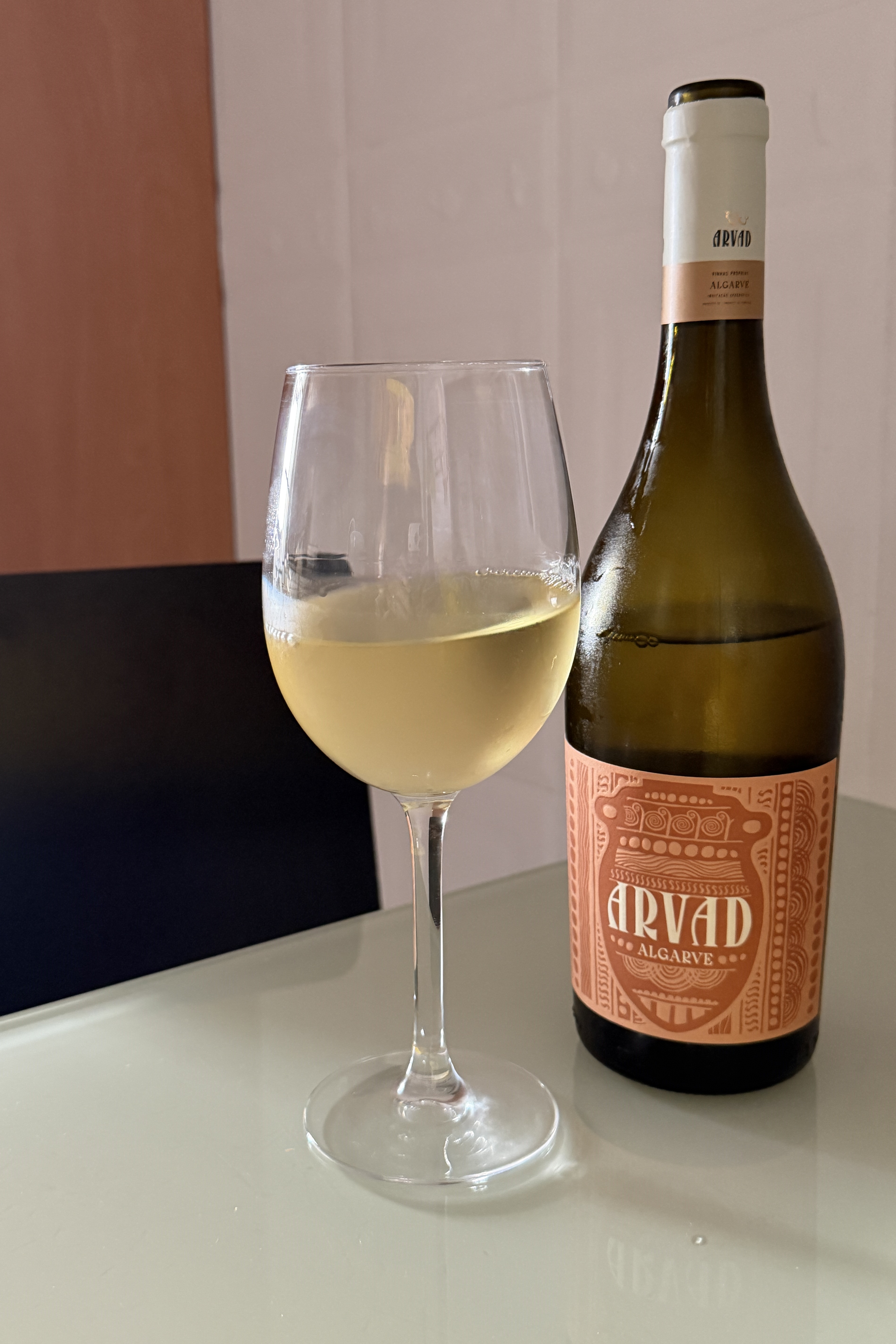
- The New Wave Amphora Pioneer — Arvad Wine: Positioned directly on the banks of the Arade River, this stunning estate captures the cutting edge of the "New Wave" movement. They use the river's immediate cooling maritime breeze to counteract the blistering heat, allowing them to balance late-harvest richness with rare salinity. In the cellar, they balance modern stainless steel with a heavy, historic commitment to talhas (traditional terracotta clay amphorae) to age select batches without any oak influence.
- We didn’t have time for a tasting here, due to the tasting hours at Quinta do Frances and the Farmers Lunch at Mogadfo do Quintao, so we opted to stop in, chat with the reception and purchase a few bottles to do our own tasting in our apartment.
- The Heritage Guardian — Morgado do Quintão: Operating as one of the oldest and first organically certified wine producers on the coast, this historic property is the intellectual epicenter of the region's native grape revival. Rather than planting international varieties, they exclusively cultivate historical, low-yielding, 40-year-old gnarly bush vines. Their cellar practices embrace ultra-traditional, minimal-intervention techniques—including foot-treading—to preserve the raw, unadulterated typicity of old-school southern Portugal.
- We booked two months in advance for their Farmers Lunch, that pairs three of their wines with a fabulous lunch outside in the garden followed by a quick vineyard tour.
The Regional Style & SAT Tasting Notes
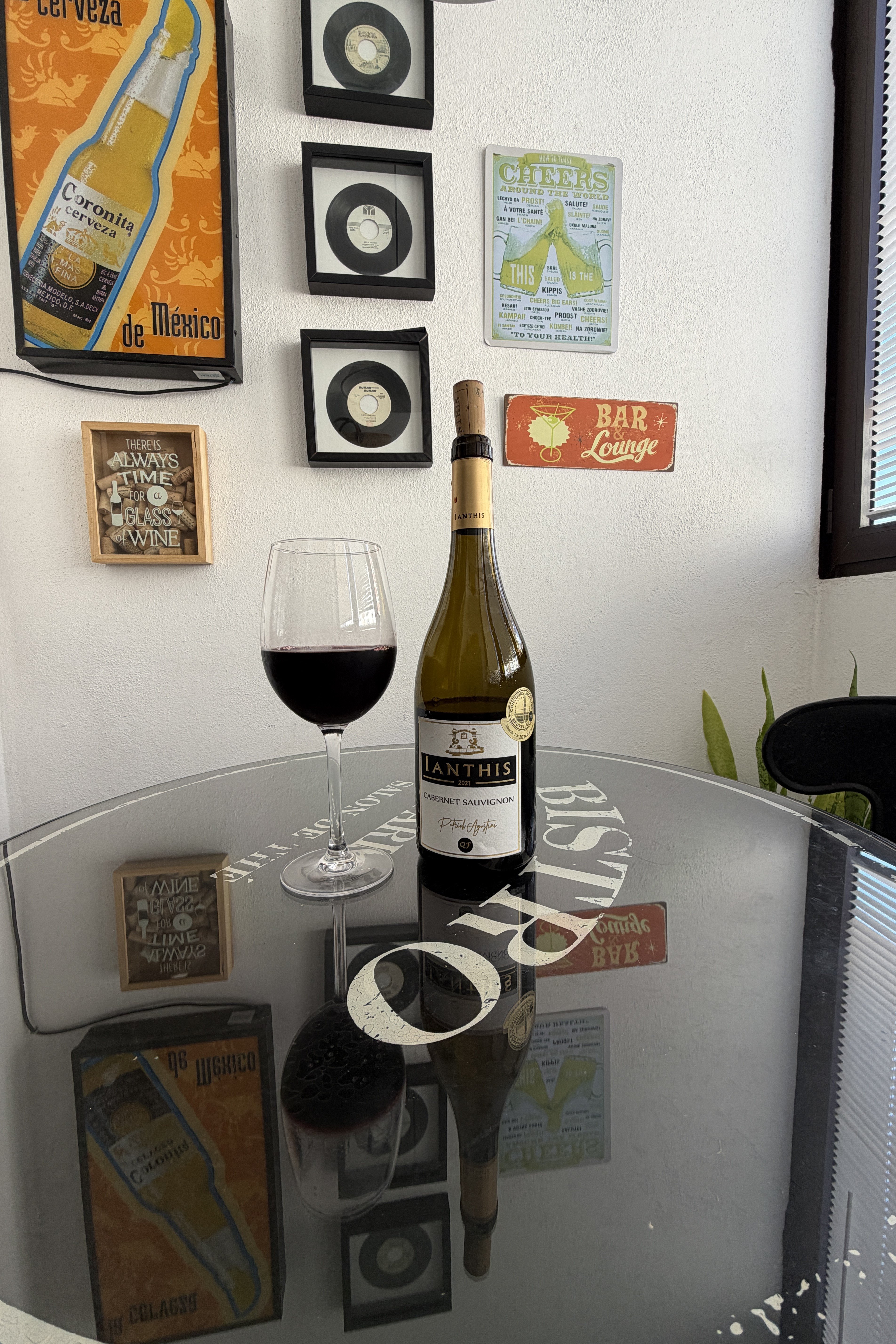
- Quintado Francês, "Ianthis" Cabernet Sauvignon 2021
- Appearance: Clear, deep ruby with an intensely concentrated, brilliant core.
- Nose: Clean, pronounced intensity, exploding with an exceptional, layered bouquet. Aromas of ripe blackcurrant, dark plum, and red bell pepper are integrated with fresh wild thyme, black pepper, sweet vanilla bean, and toasted cedar wood
- Palate: Dry, full-bodied, showing immense structural concentration and structural balance. Medium-plus, mouth-watering acidity slices through a muscular architecture of medium-plus, fine-grained tannins. The mid-palate delivers deep waves of black cherry, dark chocolate, and dried herbs leading into an exceptionally long, balanced finish.
- Conclusion: Outstanding quality. The Why: This was hands down one of the absolute best wines evaluated in 2026. Reached after a short drive from the Lagos marina, this 100% single-varietal Cabernet Sauvignon spends 18 months maturing in new French oak barrels. The poor schist soils of the Odelouca valley naturally concentrate the fruit, allowing the grape to express its signature savory pepper and thyme character while achieving perfect phenolic ripeness.
- Arvad Wine, Red Reserve 2022
- Appearance: Clear, deep ruby-purple with thick, slow-moving legs.
- Nose: Clean, medium-plus intensity, showing an elegant harmony of primary dark fruit and complex secondary oak integration. Aromas of ripe cassis, wild black raspberry, and sweet balsamic glaze are framed by sophisticated notes of dried tobacco leaf, sweet vanilla, and warming baking spice.
- Palate: Dry, full-bodied, with a broad, voluminous mouthfeel. Structurally sound with a medium acidity (5.2 g/L) and a well-calibrated pH of 3.6. The tannins are medium-plus and granular, supporting a deep layer of black jammy fruits and smoky cedar. The finish is long, complex, and highly persistent.
- Conclusion: Very good to Outstanding quality. The Why: A meticulous blend of Cabernet Sauvignon, Alicante Bouschet, and Touriga Nacional. Grapes are hand-harvested into small 15 kg boxes, sorted, and given a long two-week maceration before spending 13 months maturing in select French oak. The Alicante Bouschet provides an intense, ink-dark structural spine, while the proximity to the cooling Arade river balances the dense fruit concentration with a fresh, elegant lift.
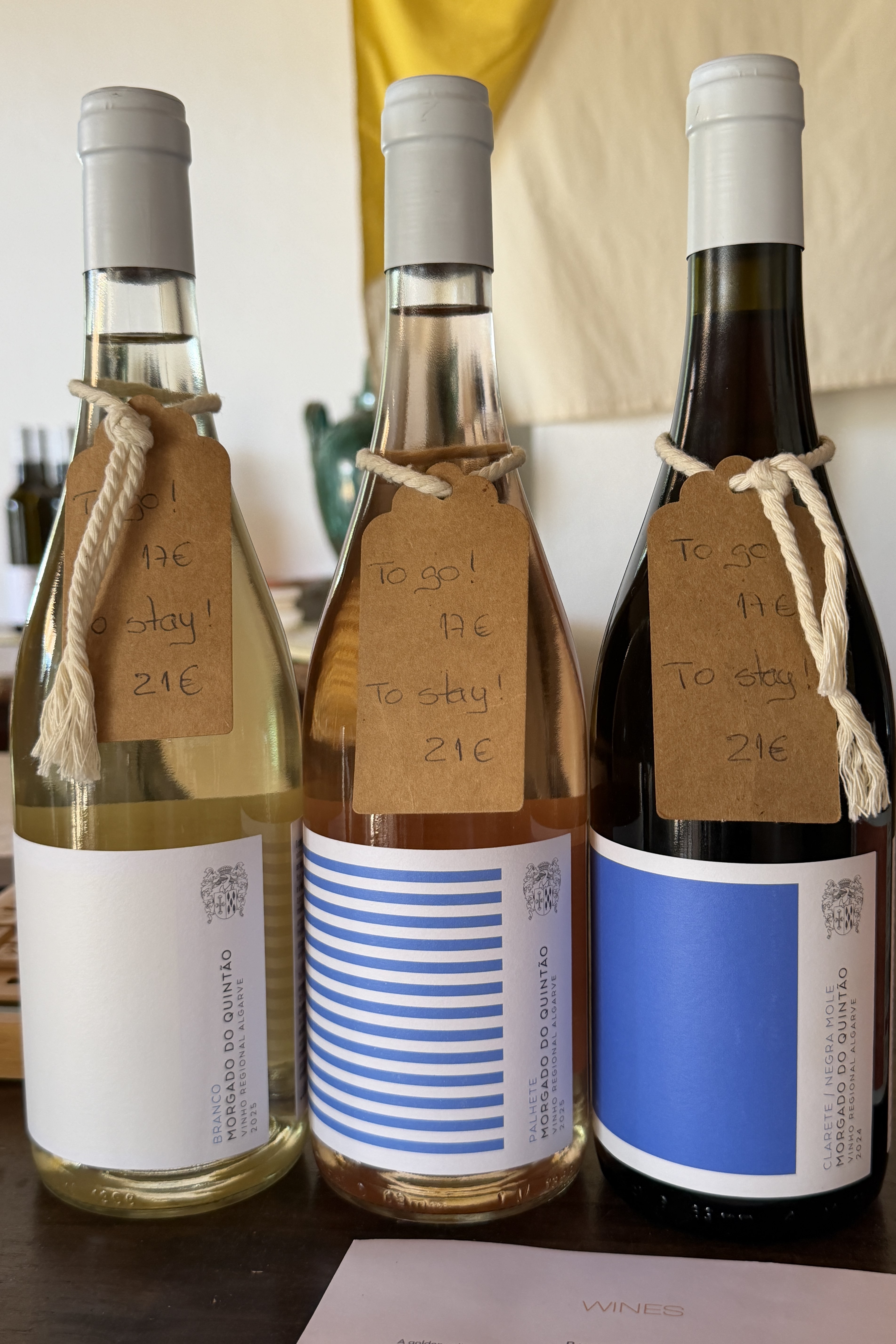
- Morgado do Quintão, Branco (Organic) 2024
- Appearance: Clear, pale lemon-yellow with bright, watery highlights along the rim.
- Nose: Clean, medium intensity, revealing a subtle, fine, and youthful fruit profile. Delicate aromas of green apple, white peach, and fresh lemon zest are underscored by a high-toned streak of wild white flowers and a subtle hint of wet stone minerality.
- Palate: Dry, medium-bodied, with a beautifully fresh and vibrant attack on the palate. Backed by a perfectly integrated 12.6% ABV, the structure is defined by a crisp, medium-plus total acidity (6.39 g/L) that carries delicate hints of the sea and high mineral tension. The mid-palate shows excellent volume from the full lees aging, leading into a clean, precise, and persistent finish.
- Conclusion: Good quality. The Why: While this wasn't our absolute favorite white wine of our entire time in Portugal, it was easily our standout favorite among all the wines we tasted at this producer, prompting us to buy a few bottles to take with us. Crafted by winemaker Joana Maçanita from 100% native Crato Branco, the fruit is entirely hand-harvested and subjected to a gentle direct press with zero skin contact and zero added sulfur until fermentation concludes. Spontaneous fermentation in cool stainless steel followed by extensive sur lie (full lees) aging gives this wine a gorgeously textured, creamy mid-palate weight, while beautifully preserving the pristine coastal salinity and high natural acidity needed to slice through our first course of the Farmers lunch of fresh salads and croquettes.
The Ultimate Culinary Immersion: The Farmer’s Table Lunch at Morgado do Quintão
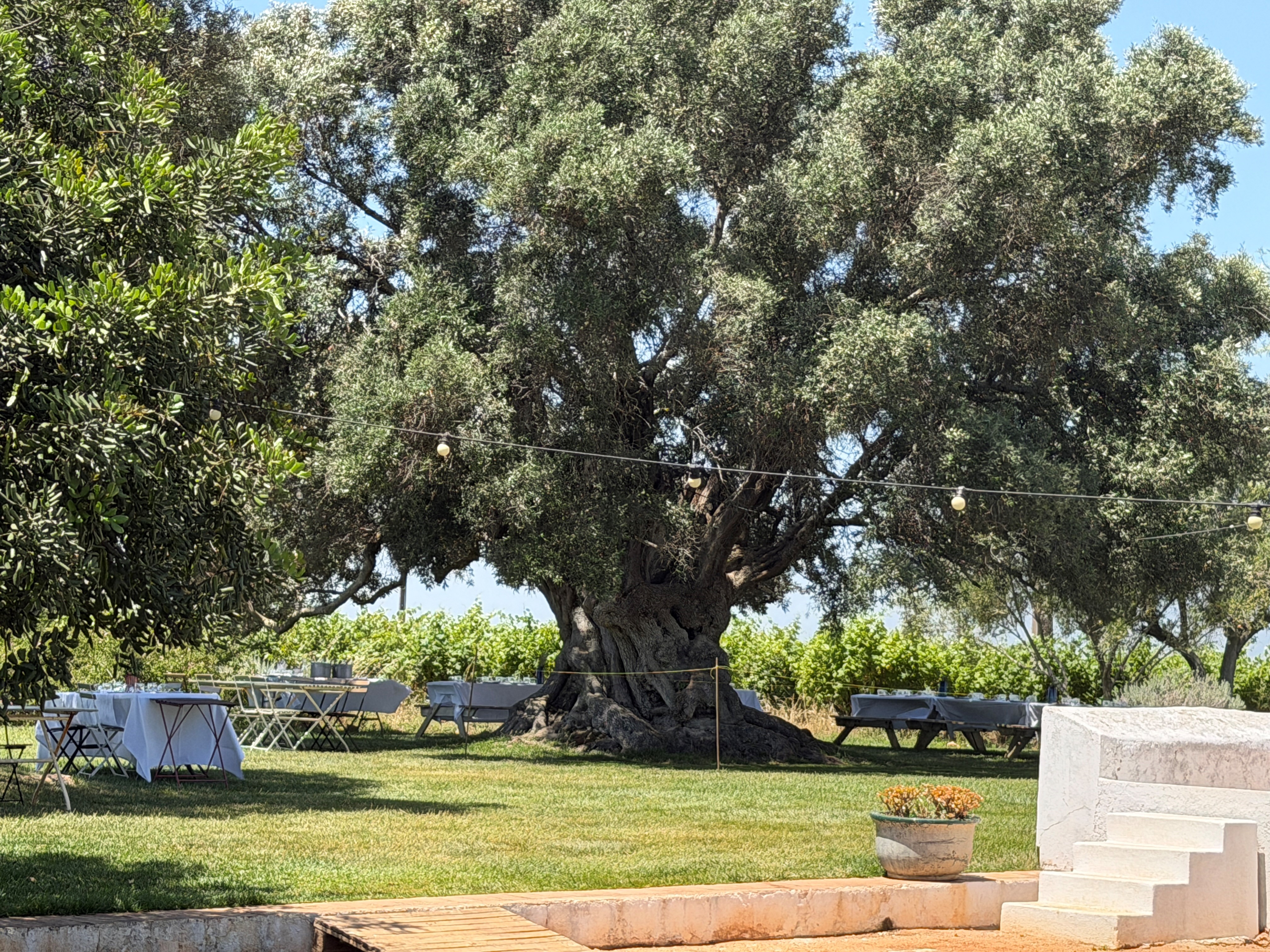
Our absolute pinnacle food and wine experience didn't happen behind an urban counter or inside a restaurant enclosure, but out in the open air at the communal table of Morgado do Quintão. Rather than a standard, rapid-fire tasting room pour, this is a highly intentional, carefully curated event designed specifically for those who approach food and wine with passion.
The experience lasts around two hours where you are seated outdoors on the grass under the sweeping shadow of a monumental, 2,300-year-old olive tree overlooking rows of heritage Negra Mole vines. Rumored in local lore to be a spot where historic figures might have paused, the ancient energy of the tree sets a profound stage for the meal.
The lunch is a multi-course "slow food" tasting featuring traditional, generations-old Algarvian family recipes. Platters of slow-cooked marinated pork, seasonal vegetables picked straight from the estate garden, olives, croquets and a wonderful citrus and beet salad are passed family-style down the table, with each course specifically calibrated to pair with a pristine estate pour—including their 100% Crato Branco white, their skin-contact Branco Curtimenta, and their traditional, chilled light-red Claret.
What elevates this experience into something truly unforgettable for anyone with a passion for wine is the group dynamic. Because this lunch acts as a magnet for dedicated epicureans, you spend hours engaging in deep, technical dialogue with global travelers and wine enthusiasts who share your exact level of passion. Swapping notes, sharing stories of other wine experiences, and analyzing personal preferences in the structures of wine, under that ancient canopy, perfectly captures the true soul of the Algarve renaissance—where ancient agricultural roots are being reinvented with technical precision.
The Hub Scene: Urban Laboratories, Wine Dinners, and Passionate Sellers
When you step away from the active vineyards and estates, back into the historic stone alleys of Faro, your wine study seamlessly translates into an incredible, localized bar and culinary culture. Faro is an exceptional urban center, defined by its defensive walls, tiled squares, and immediate proximity to the spectacular Ria Formosa natural wetland park.
To source local benchmarks for private apartment analysis, bypass the basic tourist traps and step inside Supermercado Garrafeira Rui. Do not let the humble supermarket name deceive you; this retail cave houses a massive archive of rare domestic allocations. The passionate proprietor loves guiding certification candidates and wine seekers alike. It was here that we successfully tracked down allocation restocks of our favorite Quinta do Frances Ianthis, the award-winning Cabernet Sauvignon, alongside rare small-batch releases like the 2019 Paxa Special (a powerful, unfiltered blend of Alicante Bouschet and Syrah aged for 28 months in two 500-liter French oak barrels that yield less than 1,000 bottles per vintage).
To build your own evening wine laboratory flights, prioritize these stellar venues that highlight the Faro wine bar culture:
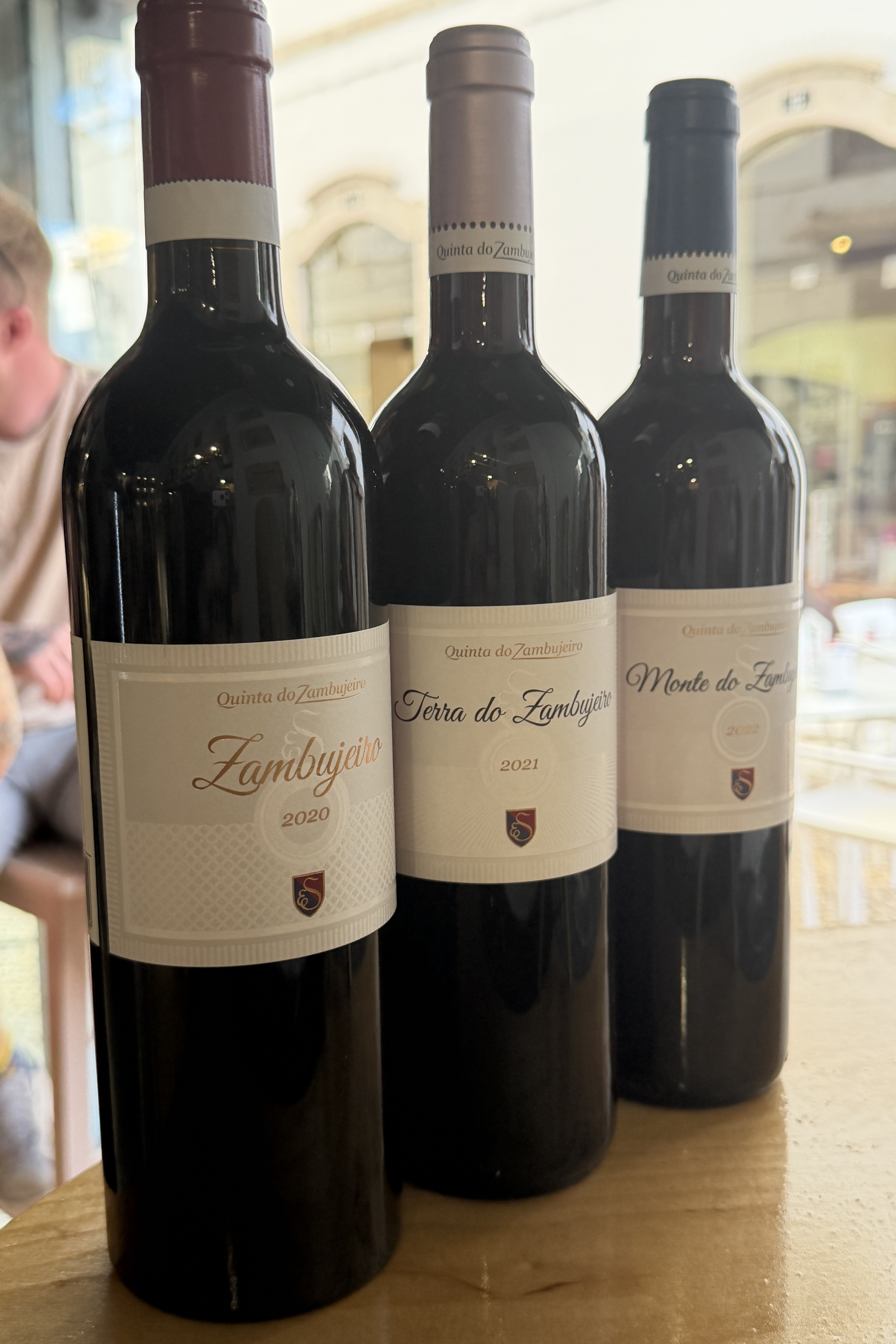
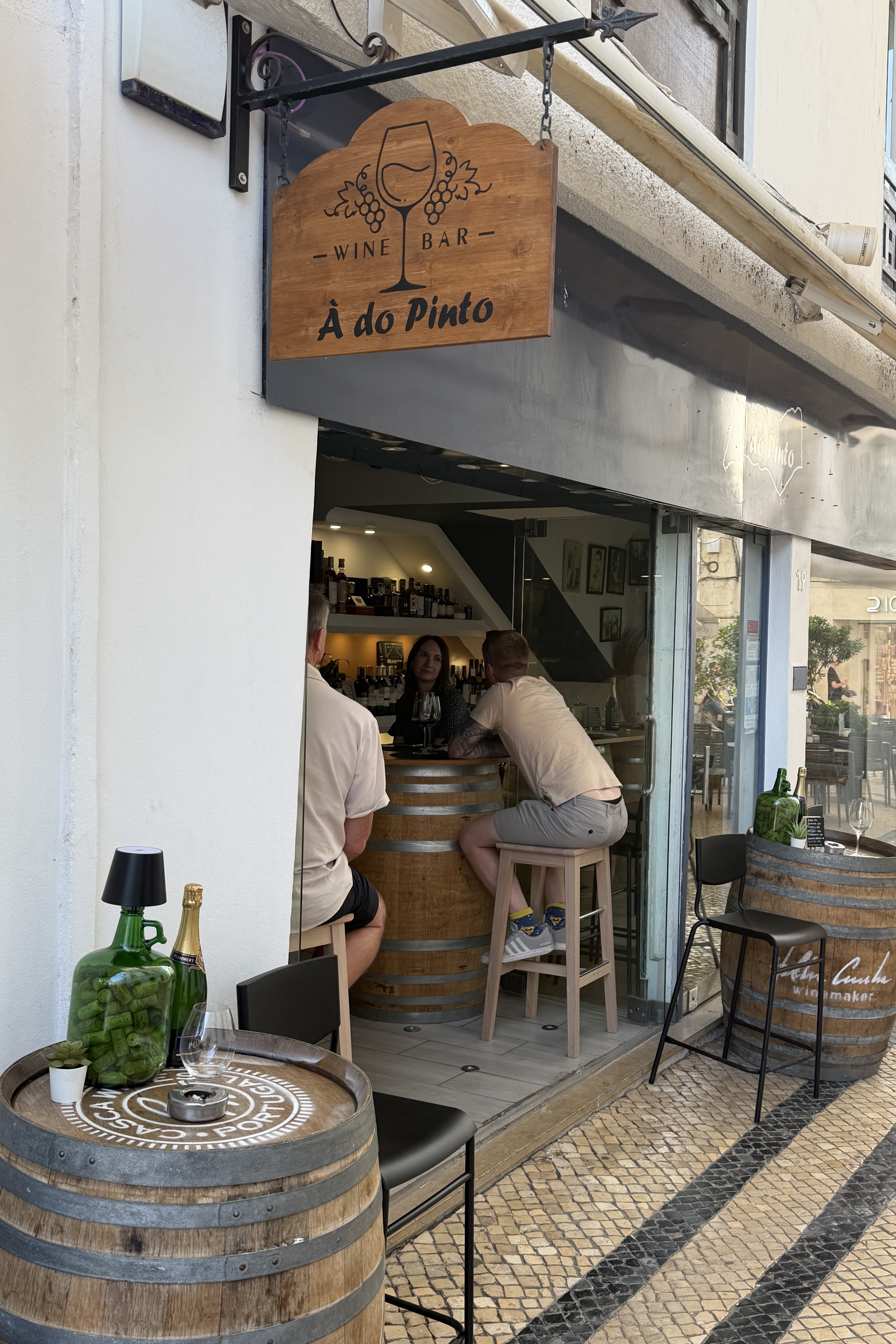
- The Educational Elite — A do Pinto: Hands down our absolute favorite wine bar on the southern coast. The architectural layout seamlessly melds a cozy indoor stone interior with an active outdoor street patio. Rather than operating froma fixed, rigid menu, the servers utilize the massive retail bottle inventory lining the walls to pour dynamically by the glass. Many of the staff members have undergone rigorous WSET training and spend substantial time interviewing you about your structural preferences, your food pairings, and your exact mood before huddling together to select your pour. Of the wines we tried during our visits, our favorite was from Quinta do Zambujeiro. Their entry-level Monte do Zambujeiro red allowed us to have a nice conversation with the sommelier and evaluate how schist soils and French oak integration behave inside the nearby Borba region.
- The Dynamic Lounge — Bago: Located near the historic core, this vibrant enclave focuses squarely on the trinity of elite wine, seasonal small plates, and great music. Their by-the-glass selection rotates constantly, making it an excellent stop to track down legendary, complex mainland benchmarks like Maçanita's Letra F from the Douro Valley.
- The Great Date Night — Epicure: A great place to spend time with a special someone or group. The wines are exceptional, but they are growing in popularity for their food as well. Highly knowledgeable staff and a great atmosphere make this a place to visit.
The Experiential Wine Dinners: Sophisticated Pairings & Local Gems
Most restaurants across Faro do a magnificent job of thinking of food and wine as a singular, harmonious unit rather than isolated components. For a great dinner where wine lists and culinary architecture take center stage, integrate these restaurants into your planning.
- The Sophisticated Masterclass — CHECKin Faro: For a truly elevated, theatrical dining experience guided by Michelin-accredited acclaim, check in to this beautifully remodeled historic cereal and wine storehouse in the city center. Spearheaded by Chef Leonel Pereira, this venue delivers creative, visually stunning small plates and innovative twists on traditional Algarve fare. What makes it a mandatory stop for a student is its extensive, deeply curated, and incredibly reasonably priced wine list that meticulously maps out Portugal’s diverse wine-growing regions, making it the ultimate local venue for a high-end food and wine pairing.
- The Traditional Sommelier Hideaway — by OPUS (Wine House & Food): This highly rated, refined restaurant offers an exceptional journey through authentic Portuguese tradition. Run directly by a passionately involved husband-and-wife team—featuring a sommelier husband guiding the cellar list and a chef wife at the helm of the kitchen—it is built entirely around comfort food paired with liquid education. The recommended wines are expertly explained by the glass or bottle, creating tailored pairings that complement their rich dishes.
- The Fusion Revelation — CEU: This South American and Asian fusion destination provides an incredible playground for testing structural food and wine pairings. Run by a co-owning chef and manager team with roots in Michelin-caliber dining, their absolute signature, award-nominated dish is their handmade Arepas—traditional corn delicacies loaded with fillings like chili chicken or signature slow-cooked pork. We paired these phenomenal, flavor-packed pockets alongside an Asian cucumber salad (dressed in sesame oil, vinegar, and spicy garlic chili sauce) and a great bottle of French wine. The vibrant acidity of the wine sliced perfectly through the rich pork fats and tamed the clean heat of the chili paste, providing a nice balance for balancing bold fusion spice.
The Representative Vibe: Marina Appreciations at Columbus
To experience the relaxed, open-air spirit of Algarvian wine appreciation, secure an outdoor table along the promenade at Columbus. The food menu features simple crowd-pleasers like pork sandwiches with specialized sauces, crispy french fries, and barbecue chicken. However, the true draw here is the atmosphere and the local wine list. We loved ordering a cold, refreshing glass of Vinho Verde to sit outside before dinner. The prickly, high-acid "green wine" is the ultimate coastal aperitif—perfect for sipping in the bright sunshine while watching the dynamic foot traffic and maritime action unfold around the historic marina square.
The WSET Study Corner
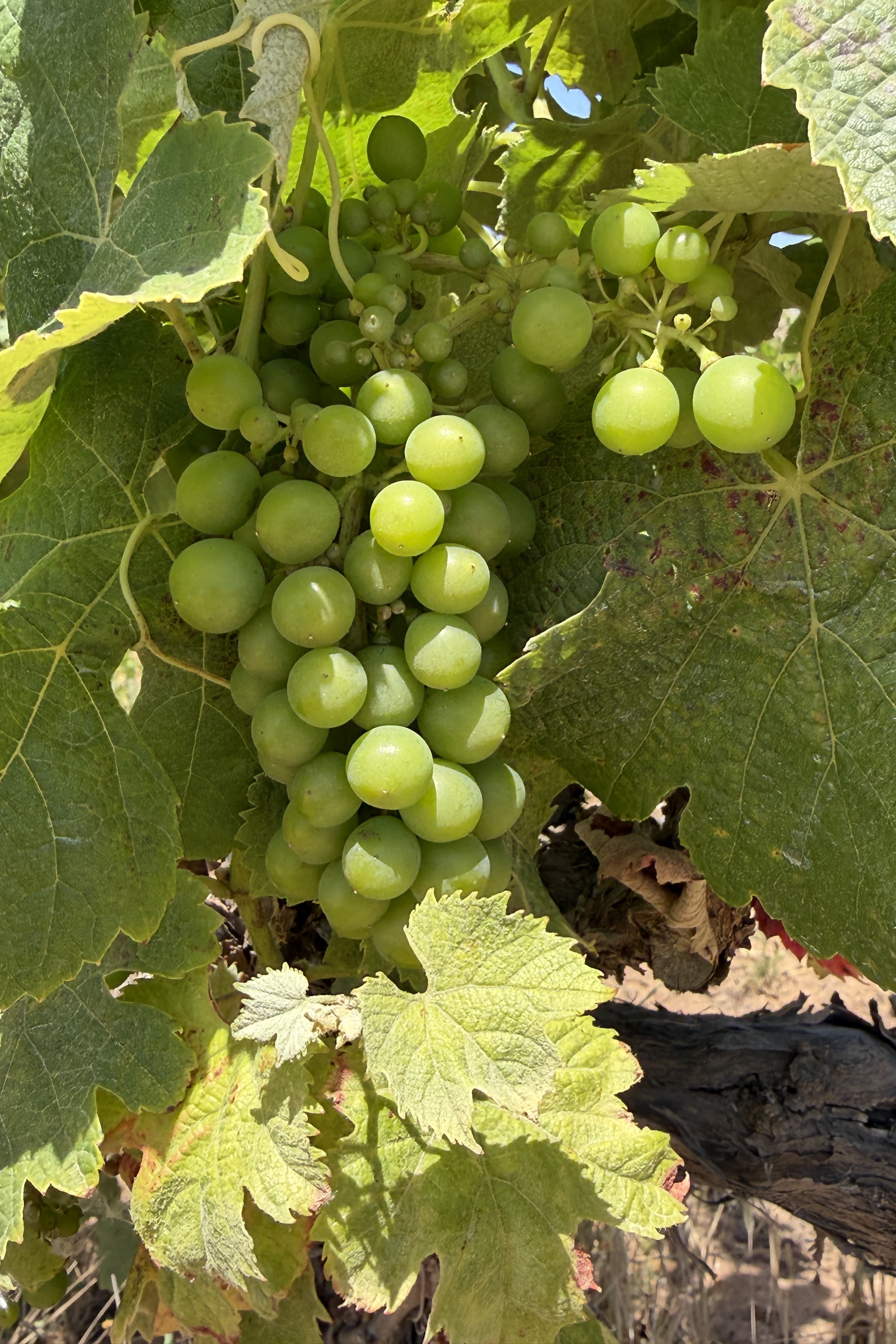
- The Genetic Anomaly of Negra Mole: For a wine student, Negra Mole is a magnificent, mind-bending study asset. It is the second oldest variety in all of Portugal and is completely unique to the Algarve. The grape possesses a radical natural genetic instability called berry color variation. A single, individual vine—or even a single bunch—can simultaneously produce berries that are greenish-yellow, pale pink, and deep dark purple. This allows winemakers to split the harvest: gently direct-pressing the lighter fruit away from the skins immediately to yield crisp whites, or co-fermenting the darker skins to output light, pale ruby reds traditionally classified as Claret.
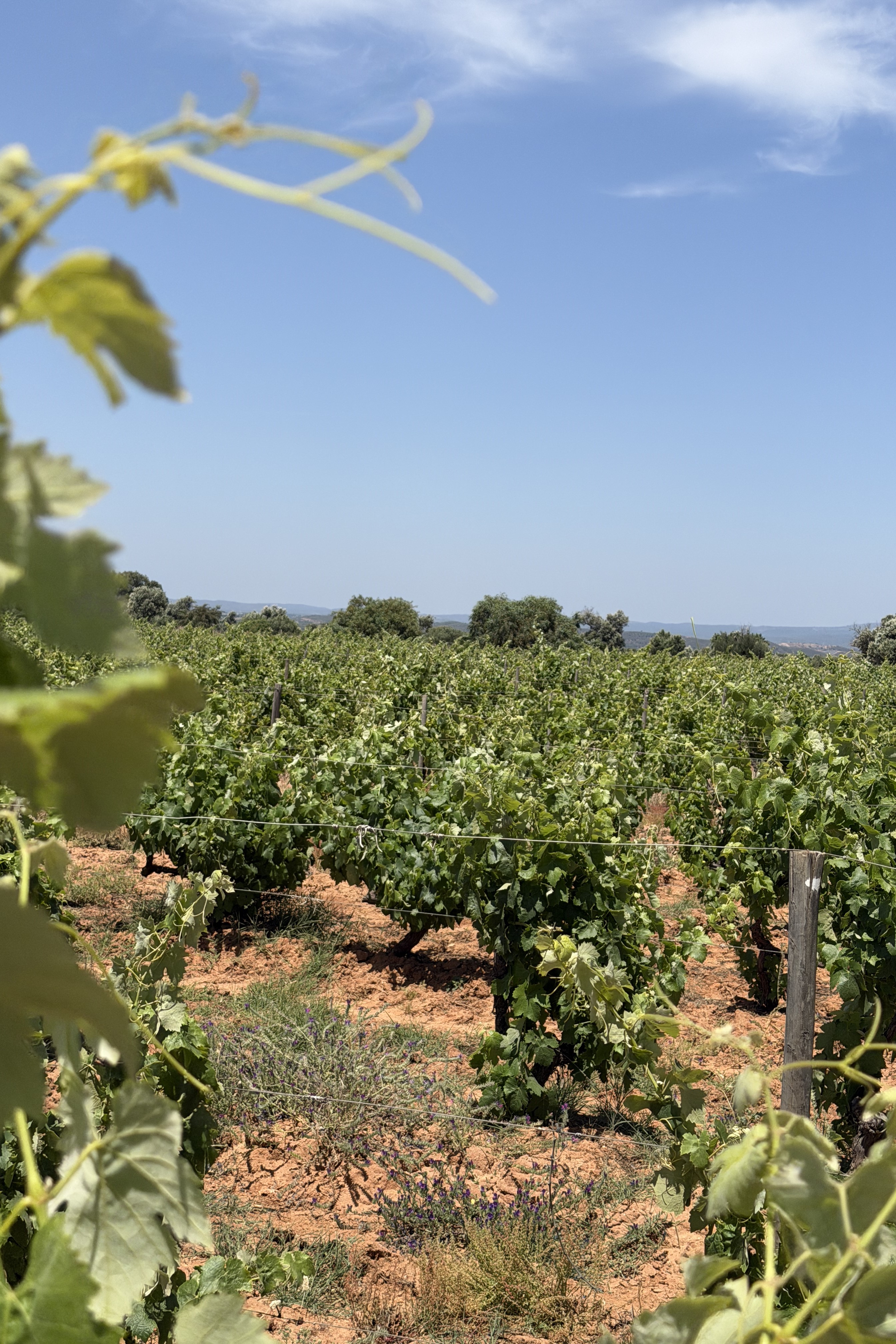
- The Vineyard Sentinel Protocol: During our field studies, we observed how organic estates leverage regional biodiversity for disease management. Because the Algarve's intense maritime humidity can invite fungal pressures, viticulturists intentionally cultivate sensitive flowering bushes and cover plants directly at the heads of the vine rows. Because these delicate flowers have highly sensitive root networks, any oncoming vine disease or mildew pressure will manifest in the flowers days before it hits the crops, acting as a natural, early-warning diagnostic system for the vineyard crew.
- Flashcard Moment — The Secret of the Flesh: Why is Negra Mole physically flawless for the production of bone-dry Blanc de Noirs (white wine from red grapes)? Answer: Its name translates directly to "Black Soft," referencing its exceptionally soft, fleshy pulp and paper-thin skins. Because it naturally contains a remarkably low concentration of anthocyanins (color pigments) and exceptionally soft, low-astringency tannins in its seeds and skins, winemakers can direct-press the whole bunches gently to extract clear juice with zero risk of bleeding bitter compounds or red color into the white wine.
Summary Wrap-up
The ultimate takeaway for a wine traveler navigating the Algarve is to trust the local variants. Bypassing international standards to focus heavily on Crato Branco, Arinto, and the stylistic range of Negra Mole reveals a brilliant wine-growing environment that honors ancient techniques while pushing modern quality forward. We hope this helps you plan your wine adventures in the Algarve.
The Exam Cheat Sheet
- Climate: Warm Mediterranean heavily influenced and cooled by the Atlantic Ocean; features massive summer diurnal swings where daytime highs of 35°C snap down to 15°C at night to lock in natural acidity.
- Soils: A distinct tripartite structure consisting of a deep sandy coastal strip, a central clay-limestone Barrocal belt, and interior mountain blocks of pure volcanic schist.
- Key Varieties: Negra Mole (the flagship chameleon), Crato Branco (Síria), Arinto, Touriga Nacional, and Castelão.
If you are interested in learning more about the WSET Certification in Wine. I received my Level 2 from Johnson & Whales University in Charlotte, NC and my Level 3 from the Napa Valley Wine Academy in Napa Valley, CA.
Links: Faro Trip Report | More Trip Reports | More Wine Guide
Next Up: UK Wine Guide
Welcome to the new Touchpoint Wines
We’re blending our passion for wine with a love for global exploration. Join us as we journey through the world's most captivating destinations, uncovering hidden wine gems and offering unique workshop experiences for your team retreats. Whether you're seeking to enhance team dynamics or discover the art of slow travel, let us be your guide.