At a Glance
- Duration: 2-Day / 1-Night Overnight Spoke from Malaga (April 2026).
- Home Base: A local stay in Ronda, positioned perfectly to explore the town split by the plunging river gorge.
- Top Wine Experience: Bodega Doña Felisa—where an extensive tour of the high-altitude fields and winery gave us a profound understanding of how this young wine region is actively learning to harness the best of its unique land, grapes, and winemaking techniques.
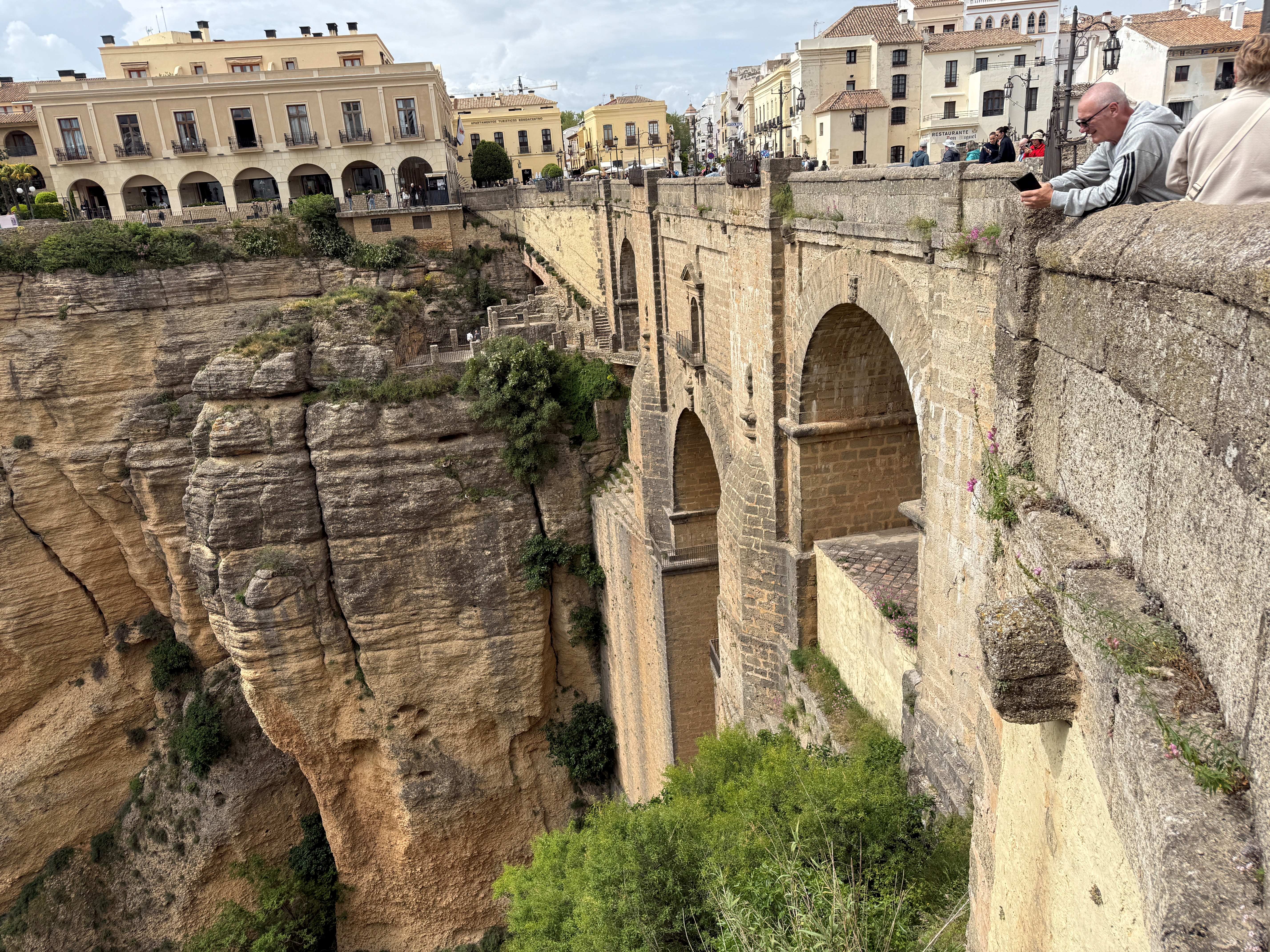
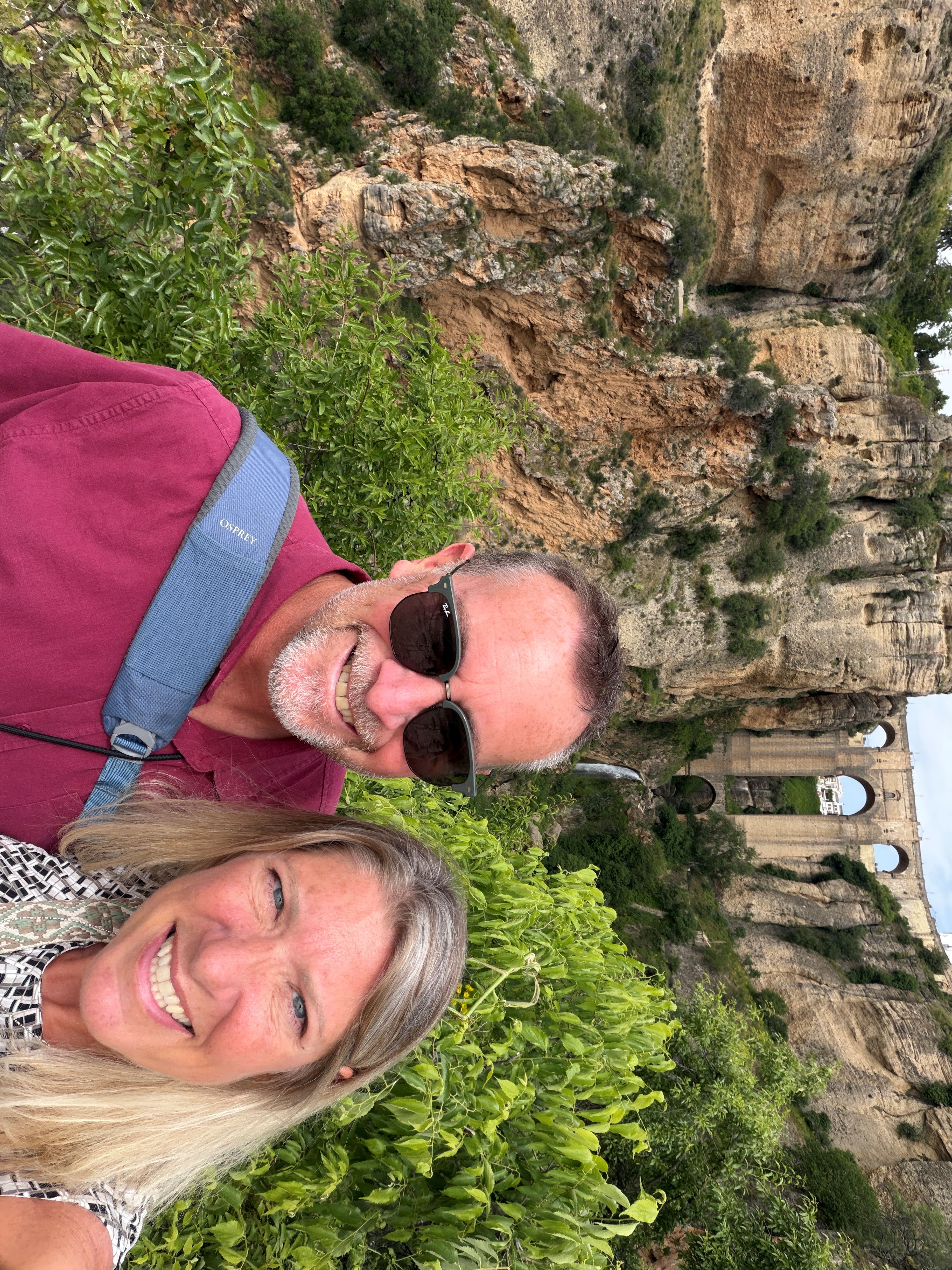
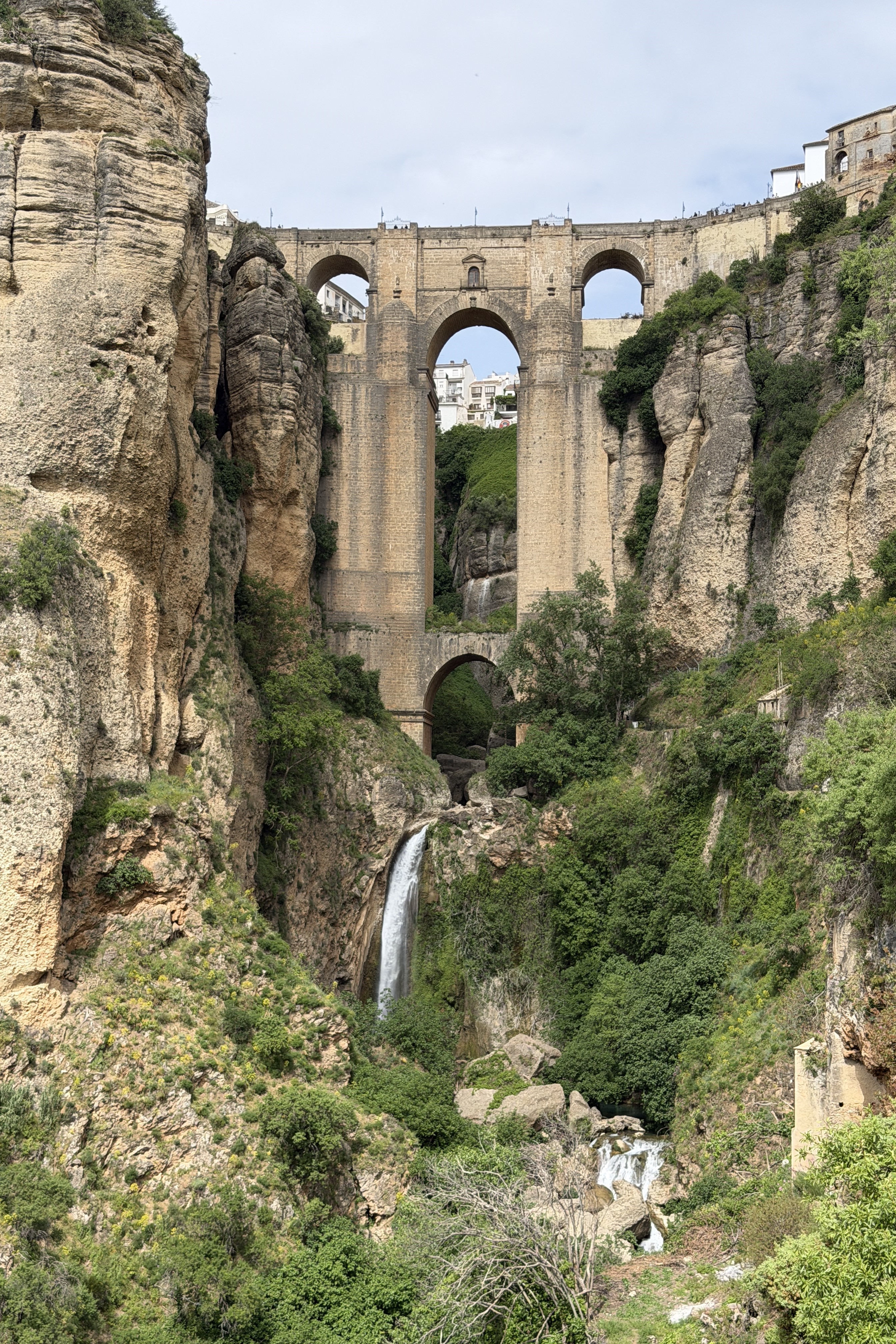
- Memorable Moment: Standing at the edge of the breathtaking Puente Nuevo, watching the sunset illuminate the sheer, 400-foot stone cliffs of the El Tajo gorge.
- Overall Vibe: Historically imposing, dramatically vertical, and deeply romantic. Ronda beautifully transforms from a busy daytime tourist destination into a quiet, misty mountain sanctuary once the day-trippers depart.
This Town is Special Because... (Introduction & Our Why)
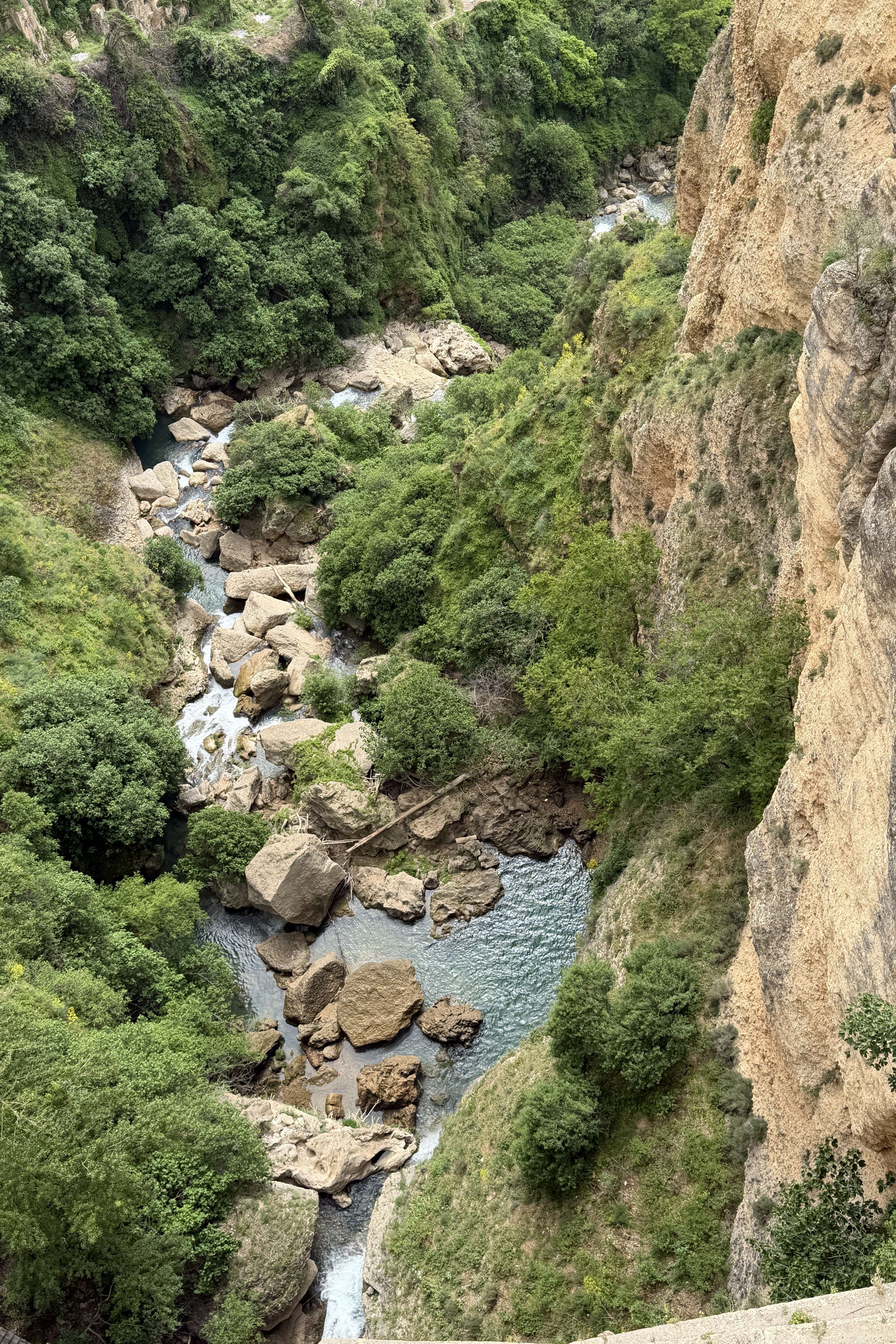
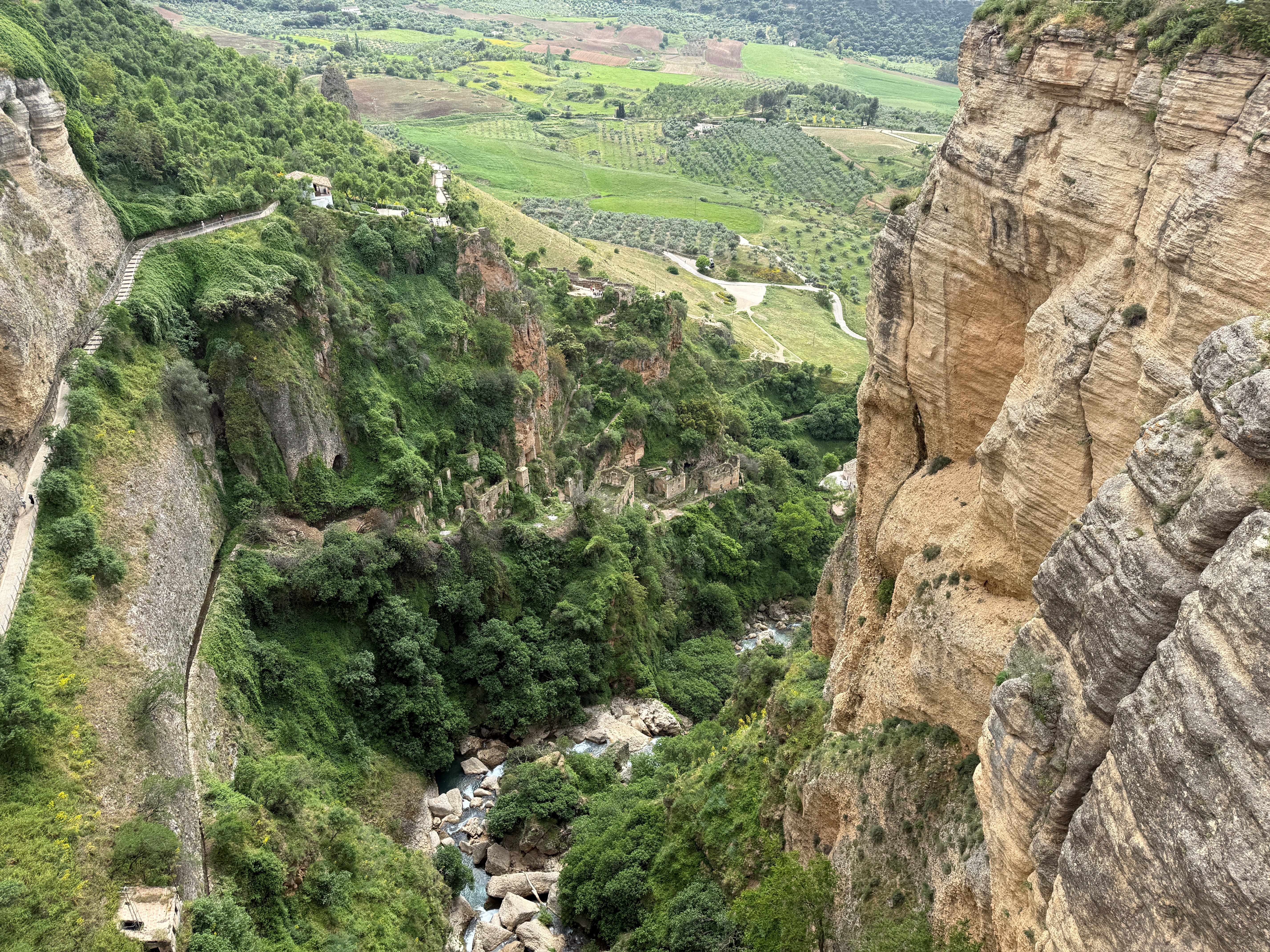
Perched precariously on a massive limestone plateau in the Serranía de Ronda mountains, the ancient town of Ronda is an absolute masterpiece of natural defense and human engineering. The city is famously cleft in two by the El Tajo gorge, a plunging 120-meter drop carved over millennia by the Guadalevín River, separating the historic Moorish oldtown from the 15th-century Christian quarter.
While many travelers only experience Ronda as a rushed afternoon excursion from the coast, we chose to design a dedicated two-day, one-night overnight stay here. As slow travelers, we wanted to experience the true rhythm of the town after the tour buses left, but our primary mission was deeply epicurean. Ronda serves as the thriving heart of the Sierras de Málaga DO, an exciting wine region utilizing high mountain altitudes and calciferous soils to craft intense, high-powered dry red wines that are completely redefining Andalusian viticulture.
Our Ronda Experience: The Day-to-Day
Gorges, Guitars, and Grids
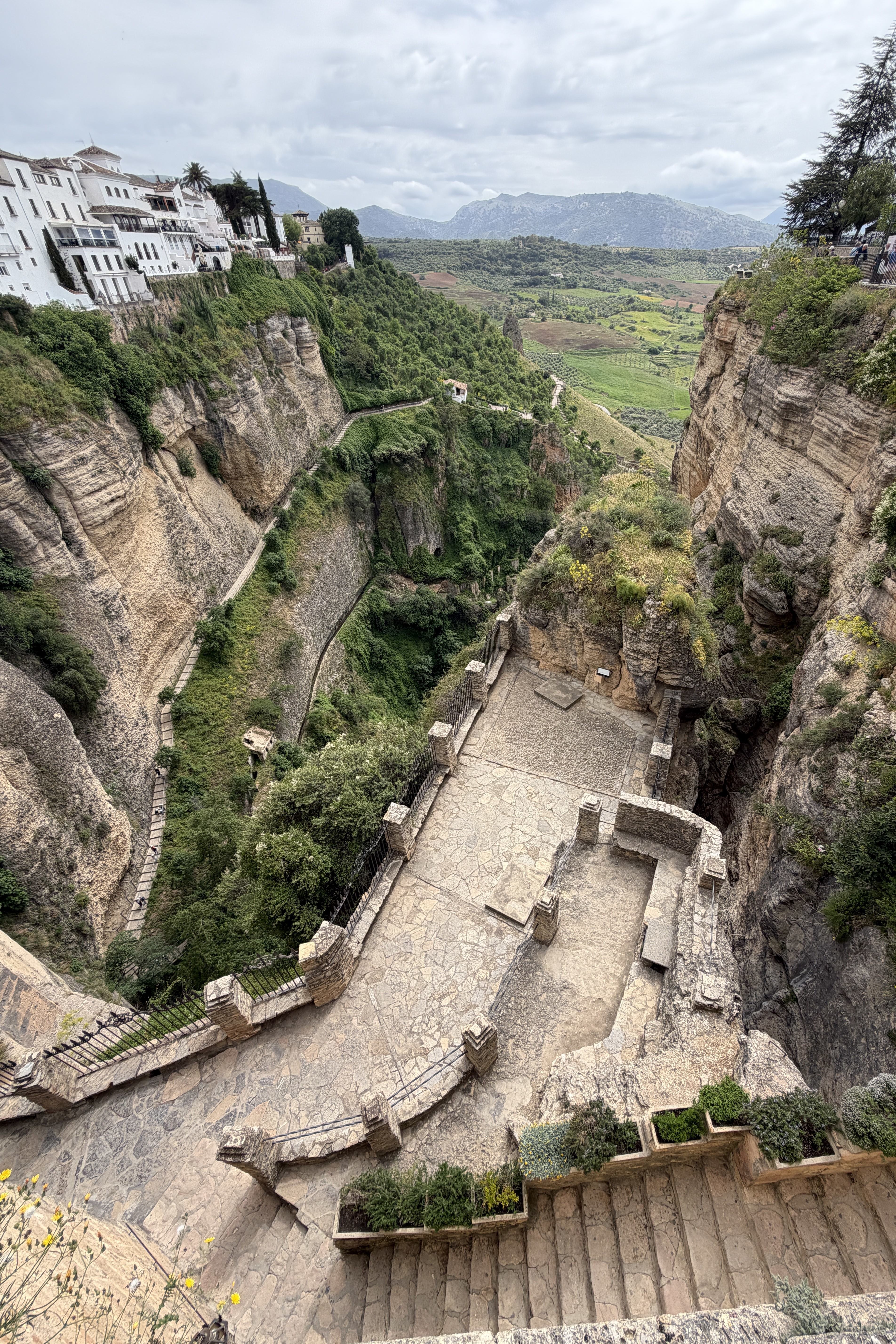
Our slow exploration of Ronda began by navigating the literal seams of the city. We spent our afternoon exploring the architectural marvel of the Puente Nuevo (New Bridge). Completed in 1793 after decades of construction, this towering stone bridge spans the canyon, connecting the two halves of the town with majestic arches that look as though they were carved directly out of the mountain face itself. We undertook a fantastic, steep hike down the historic stone pathways along the side of the gorge, dropping below the cliff-line to look back up at the sheer scale of the bridge—a perspective that leaves you feeling incredibly small against the gravity of history.
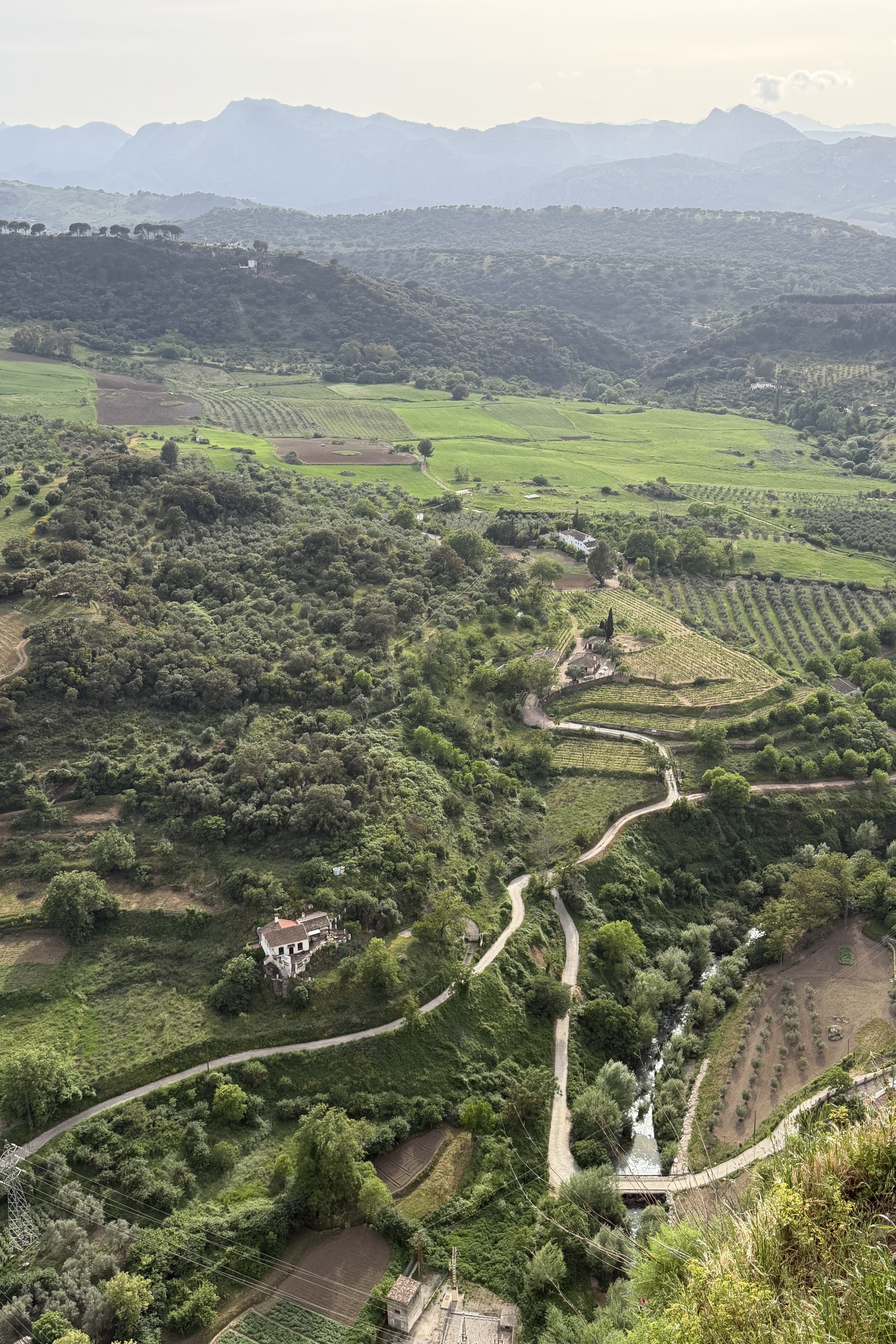
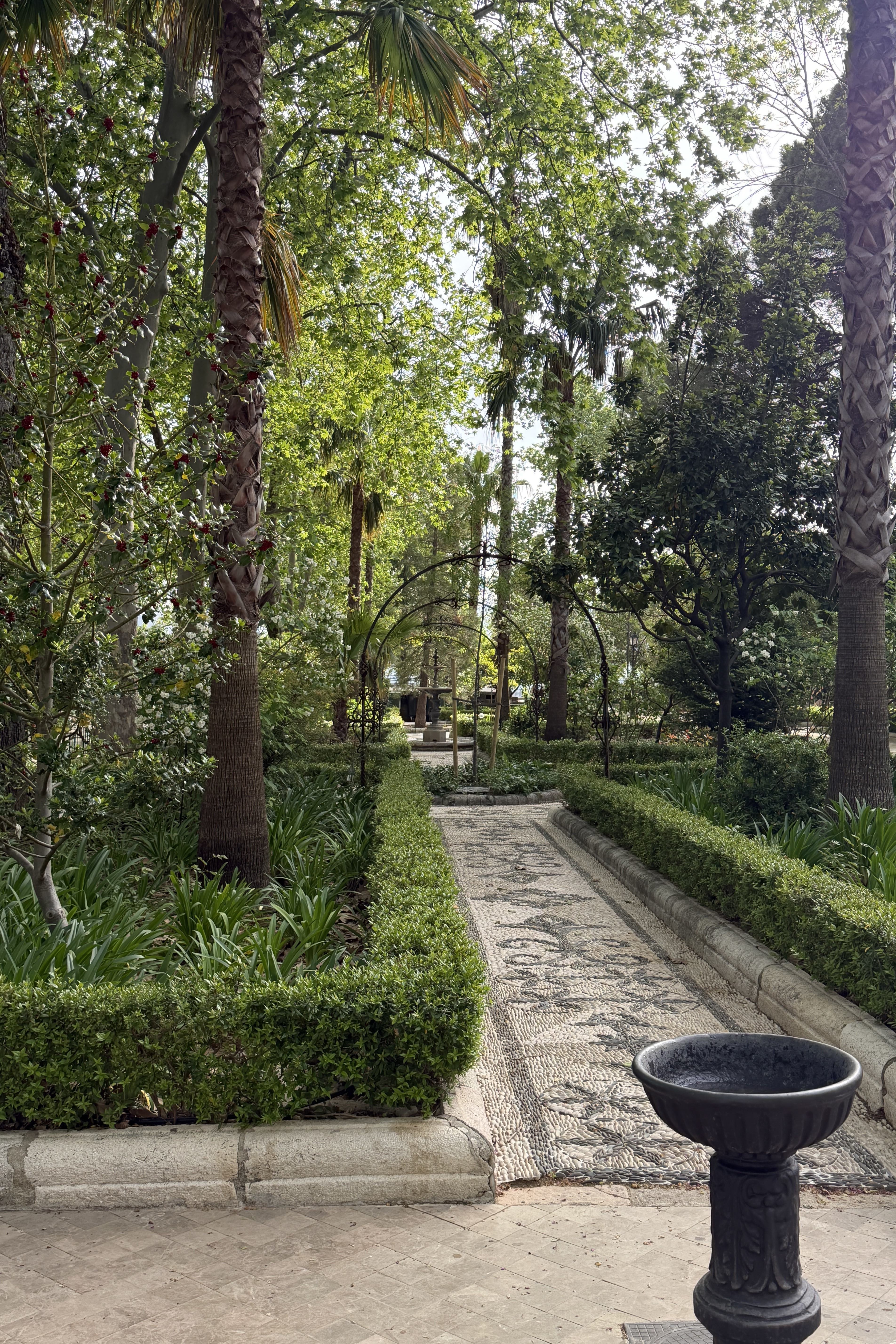
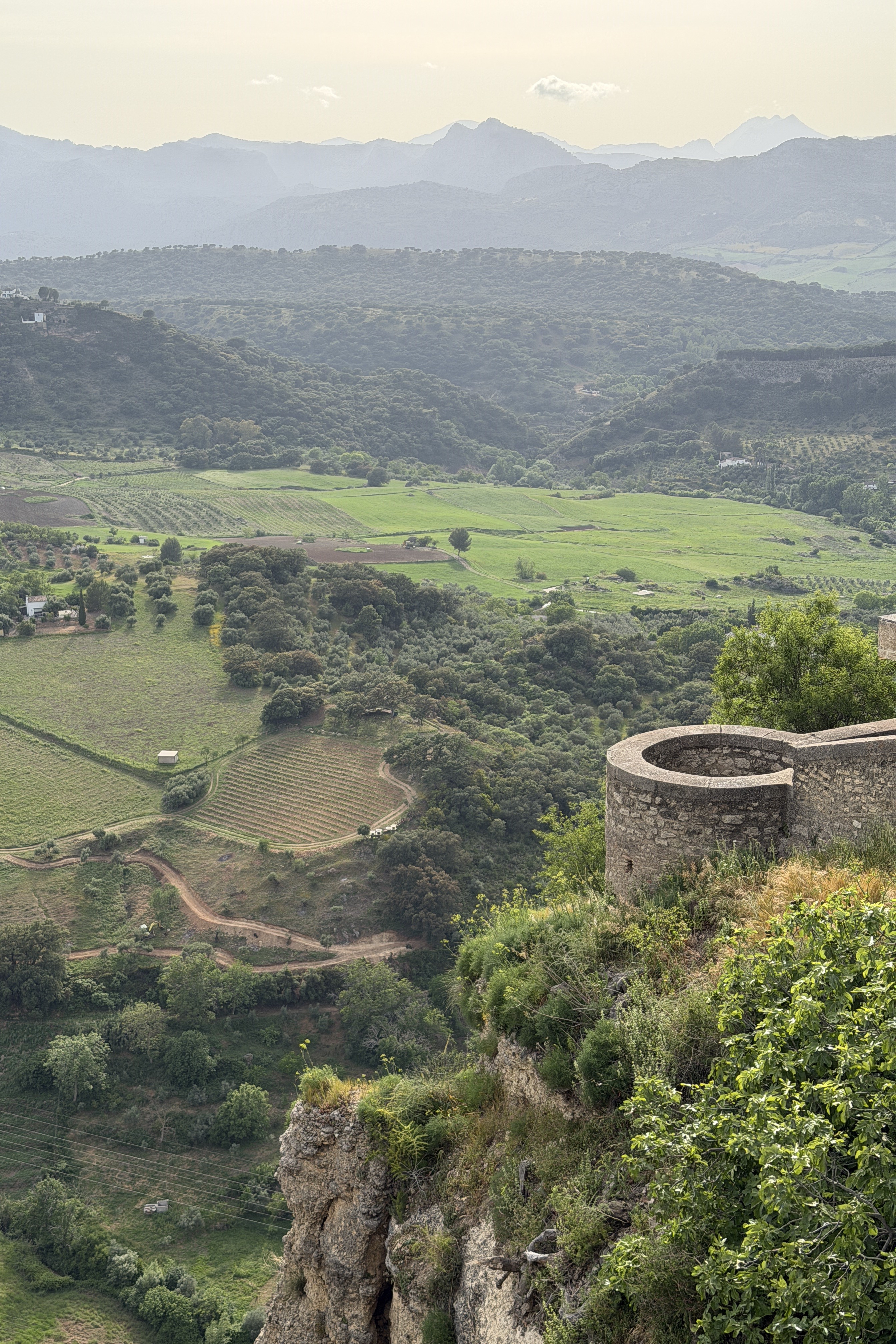
Returning to the plateau, our walk took us to the bullfighting ring, and then through a magnificent, lush public park that hugs the very edge of the cliffs. Walking beneath the towering trees, the path opens up to dramatic balconies hanging directly over the rolling green valleys far below. It is a stunning community space where we could hear the faint echo of a Spanish guitar drifting from a nearby plaza, creating a picture-perfect setting to watch local residents enjoy their afternoon strolls.
From the park, we meandered onto Ronda’s primary shopping street, Calle Espinel. We were immediately struck by its design; the street functions like a hyper-modern Medina. It features a long, bustling pedestrian corridor lined with boutique shops and cafés, but the brilliant touch is a massive, modern fabric canopy suspended high above the entire length of the street. This canvas ceiling shields shoppers from the intense Andalusian sun, trapping a cool mountain breeze and allowing us to explore the local shops in perfect, breezy comfort.
The Sierras de Málaga Wine Spoke: Day One
While the Ronda sub-region wasn't specifically highlighted during my WSET Level 3 certification, it features prominently in the advanced WSET Level 4 Diploma, making it an essential stop for our ongoing viticulture education. We designed this overnight excursion to dive deep into how this young, dynamic region has carved out a reputation for premium, high-altitude red wine production and innovative viticulture practices, while also evaluating local estates as potential venues for facilitating future company retreats.
After a scenic bus ride from our Malaga hub up into the mountains, we secured a rental car from a local agency to seamlessly manage our packed schedule of appointments over the two days. Our first day took us 25 minutes deep into the countryside, navigating narrow, winding vineyard lanes beautifully flanked by sun-bleached olive groves as we made our way toward our first two estates:
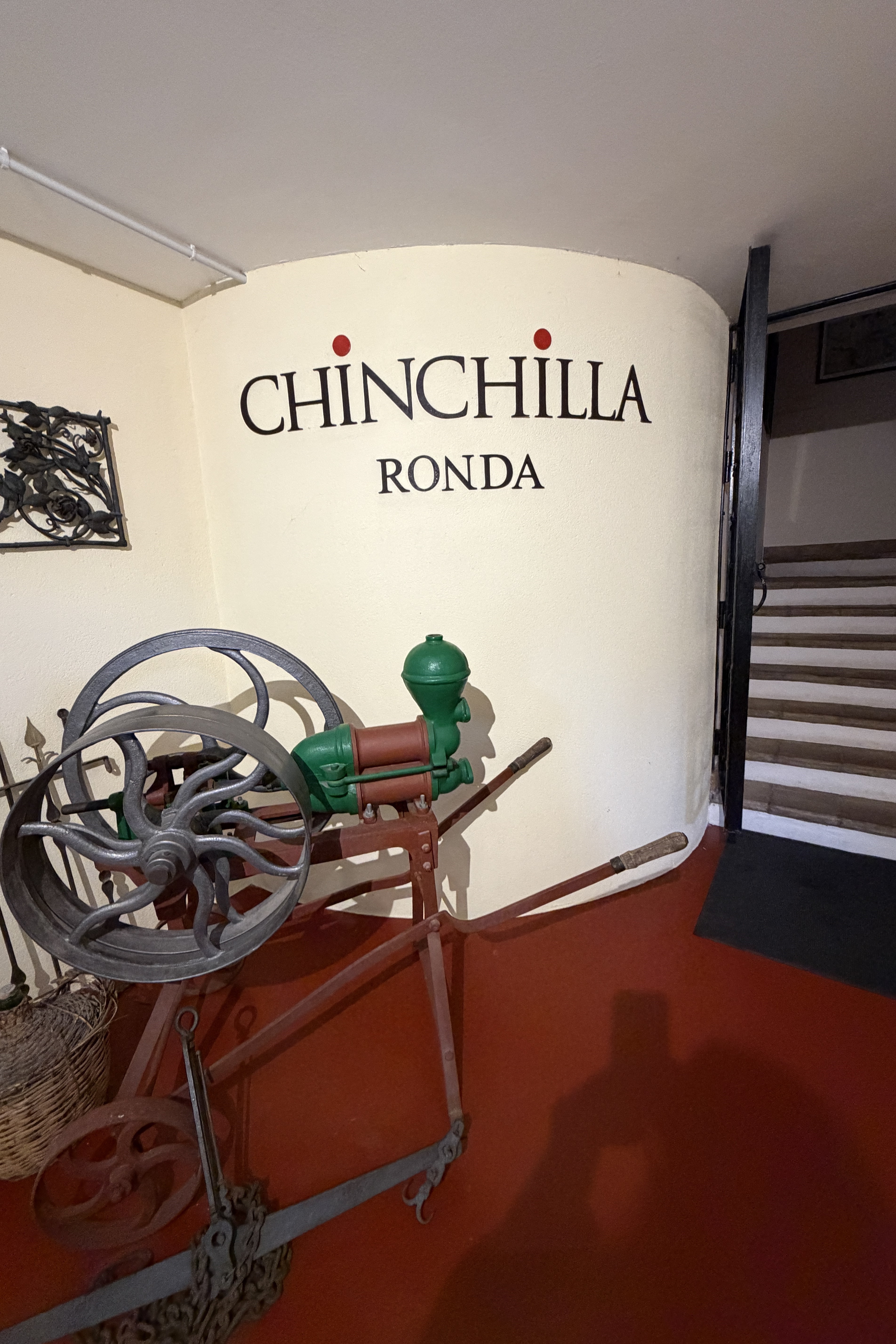
Bodega Doña Felisa (Finca Chinchilla)
Our first stop was a world-class estate where ancient history and modern viticulture literally collide, featuring Roman ruins scattered right through the rolling vineyards. The operational philosophy here is exceptional: they harvest entirely by hand at night to preserve the crisp acidity of the grapes, and practice an organic weight-press method that eschews harsh machinery. Our tasting was beautifully structured, pairing four distinct flights with custom small bites. While their flagship red—a tight, powerful blend of Cabernet Sauvignon and Petit Verdot—boasted an incredible mineral framework, it was a bit too young for immediate drinking. Instead, we walked away with a beautifully crisp, aged Chardonnay and a few bottles of their mature 2019Double 12 to enjoy back at our apartment.
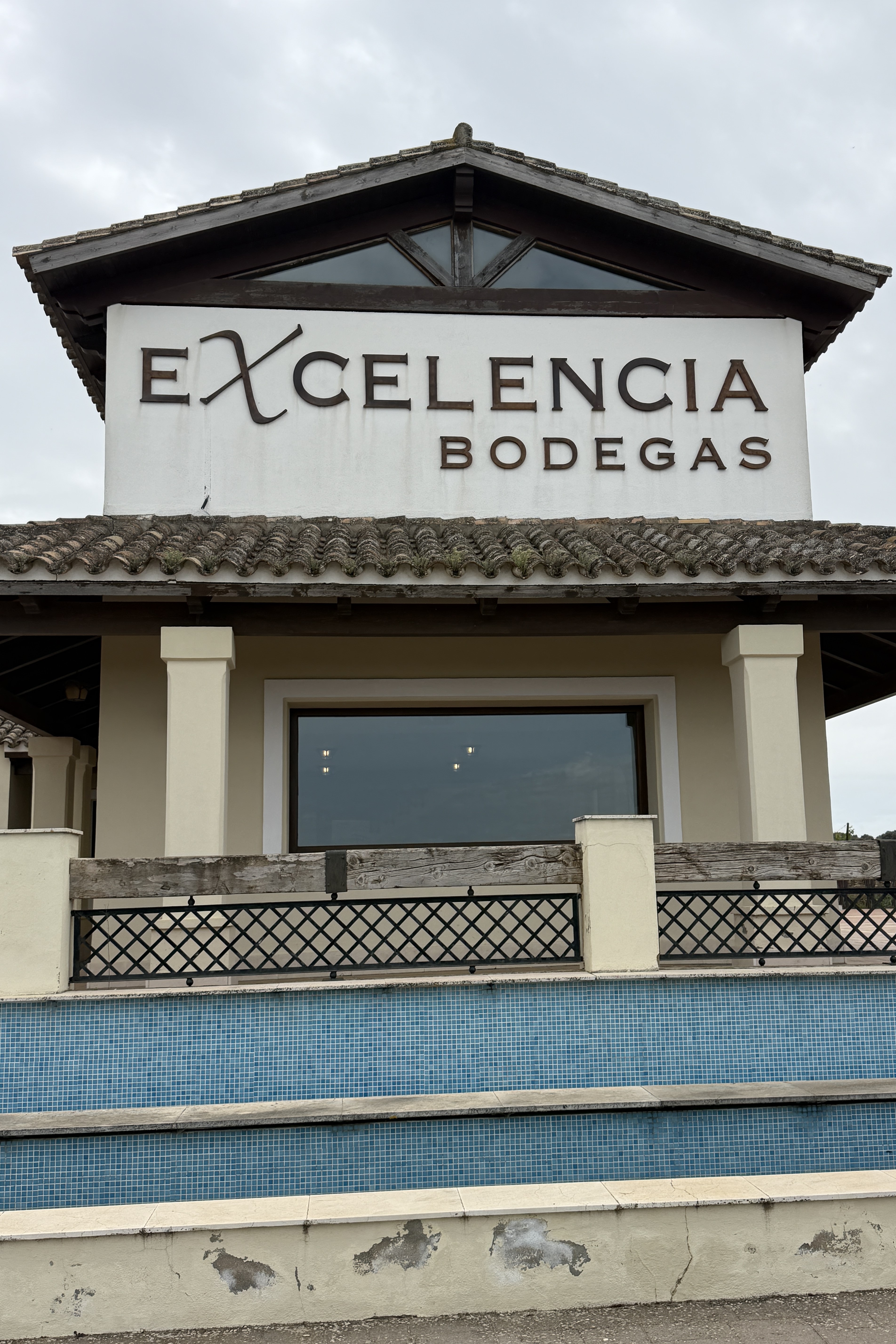
Bodega Excelencia
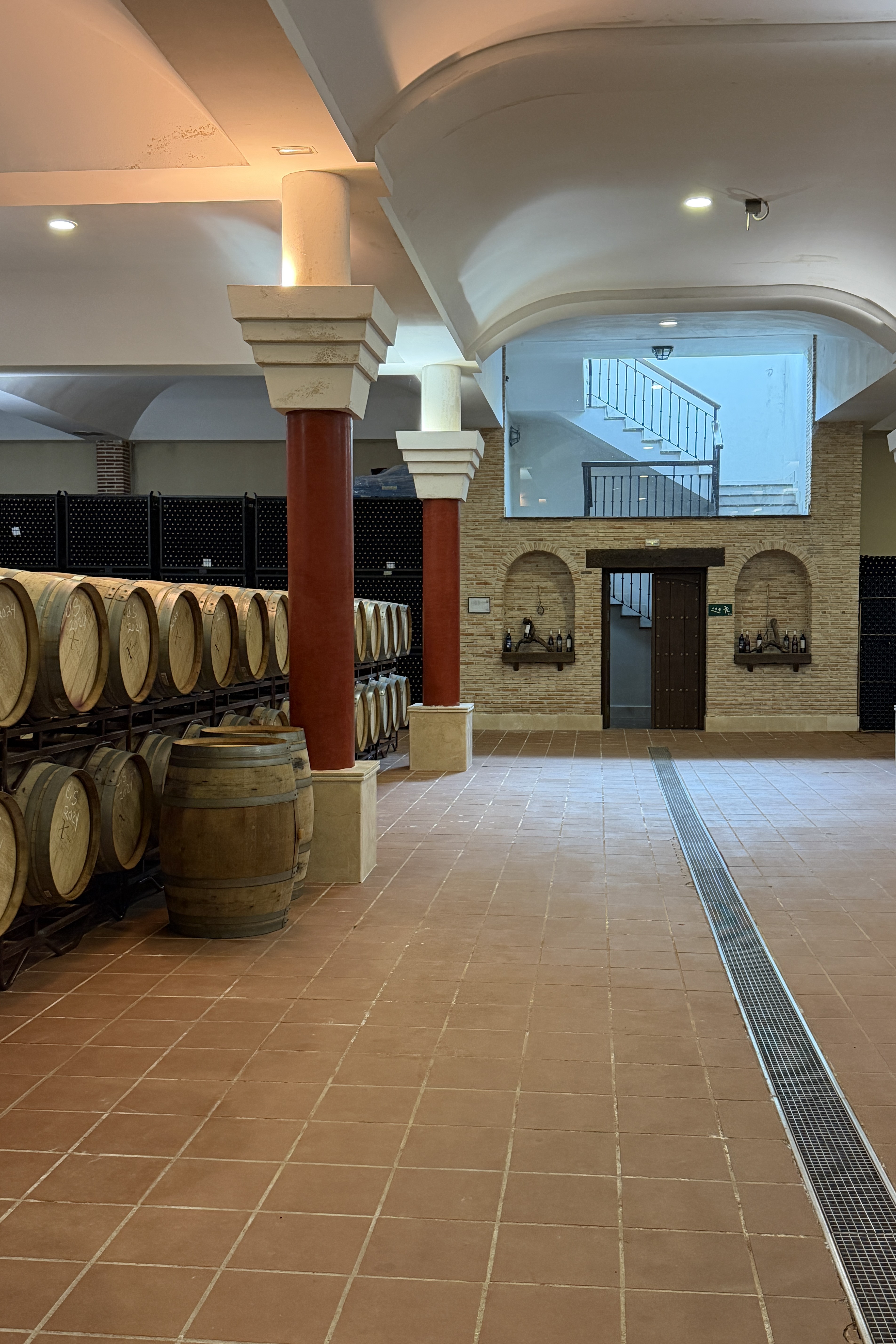
Continuing our valley route, we arrived at Bodega Excelencia for our private tour and tasting. Because our host spoke limited English, we spent a wonderful two hours working back-and-forth with Google Translate over the tasting table, laughing, swapping stories, and sharing pure wine knowledge.
He showed us fields where the topsoil is rich with iron deposits, and explained their unique technique of fractional blending (also called stepped blending or sequential barrel integration). They use this multi-stage assembly specifically for their high-end red blends, combining Tempranillo and Merlot together first to marry their fruit profiles before later introducing heavy structural components like Cabernet Sauvignon or Syrah to execute the final, balanced blend. After an incredible vertical tasting, we happily purchased three bottles of their spectacular 2022 Cabernet Franc, which showed magnificent varietal balance.
The Sierras de Málaga Wine Spoke: Day Two
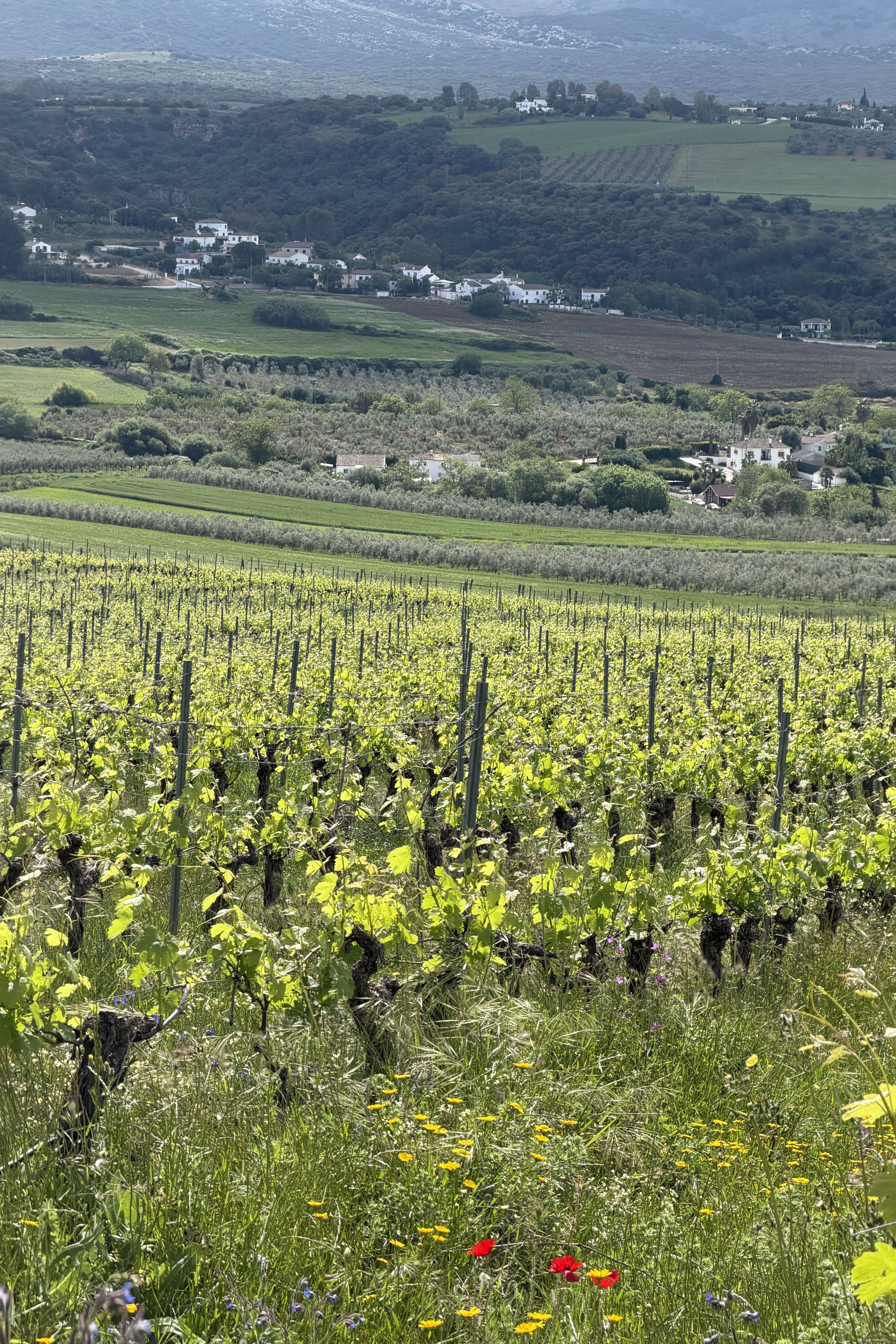
Our second morning took us to a stunning property positioned on 15 hectares of high-altitude calciferous soil. This estate yielded what we considered the most superior wines of our entire Andalusian stay. We pre-purchased a split tasting where Tom tried their mainstream, fruit-forward reds, while I tackled their elite lineup, including a beautifully complex 2020 Tintilla de Rota aged for 14 months in oak.
Tintilla de Rota is an ancient native grape of Andalusia absolutely worth hunting down across the region's different tasting rooms, as it offers a compelling look at how contemporary winemakers are passionately working to revive, adapt, and master this exceptional indigenous treasure. Boasting a striking dark-fruit and spice profile backed by a vibrant, high acidity, it is capable of producing beautifully structured, medium-to-full-bodied dry red wines, while historically being famous for crafting intensely sweet, fortified dessert wines. Fascinatingly, it is genetically identical to Graciano—the deeply pigmented, aromatic variety native to Rioja.
We had a brilliant, deep conversation with our host, Benjamin, regarding the unique terroir of the region. He explained how Ronda has successfully pioneered Petit Verdot as a single, standalone varietal in Spain—a rarity, as it is traditionally used only as a minor blending grape in Bordeaux. The secret is the mountain geography; the crisp, high-altitude night air cools the intense Andalusian sun, allowing the notoriously late-ripening Petit Verdot grape to achieve a slow, flawless phenolic ripeness without losing its vibrant acidity.
We were so enamored by the depth of these selections that we bought six bottles of what Benjamin poetically termed "talk-talk wines"—complex, deeply structured bottles that demand to be opened slowly and shared over deep, meaningful conversations with good friends.
Reflections on the Journey
- The things we loved the most: The romance of the mountain silence. Once the heavy waves of coastal day-trippers head back down the mountain around 5:00 PM, Ronda sheds its tourist skin. Walking across the open spans of the illuminated Puente Nuevo in the quiet evening air, listening to the rushing river below, is an experience that stays with you forever.
- The things we didn’t: Navigating the tight, steep mountain switchbacks of the Serranía de Ronda in a rental car can be a bit of a nail-biting experience, especially when competing for space with local agricultural trucks. It requires an alert eye and a very steady hand on the wheel.
- What we learned: The Architecture of Romanticism: We came to understand exactly why Ronda transformed from a rugged mountain citadel into Spain's ultimate romantic escape for 19th-century poets, and is still called one of the most romantic Spanish towns today. Its beauty is rooted in a history of pure defiance. The dizzying, grid-like pedestrian streets were actually engineered as a strategic fortress layout, built to shield and mask ancient defenders on the plateau. Meanwhile, the towering Puente Nuevo stands as a testament to physical resilience, taking over three decades to span the deep chasm between Moorish and Christian history. Experiencing it today provides breathtaking views, romantic whitewashed houses on twisty, hilly streets and lovely gardens and parks.
Links: Spain Planning Guide | More Trip Reports | Andalusia Wine Guide
Up Next: Seville Trip Report | Malaga Trip Report
Welcome to the new Touchpoint Wines
We’re blending our passion for wine with a love for global exploration. Join us as we journey through the world's most captivating destinations, uncovering hidden wine gems and offering unique workshop experiences for your team retreats. Whether you're seeking to enhance team dynamics or discover the art of slow travel, let us be your guide.