A Note on the Moving Parts of Travel: This planning guide reflects our personal operational data and experiences. While we make every effort to provide accurate, high-utility planning frameworks, and detailed logistics (including prices, transport availability, and local banking rules); these things can change without notice. Please cross-reference live schedules and local resources when locking in your own itinerary.
At a Glance
- Main Hub: Nyali Beach (Mombasa), Kenya.
- Duration: 29 Nights in Nyali + 10 days of Safari and Nairobi logistics.
- Travel Style: Residential Immersion & "Conservancy" Safari.
- When we traveled: January into February, navigating the humid "Kaskazi" monsoon season.
- Weather: In Nyali, expect a constant 90°F – 95°F (32°C – 35°C) with heavy humidity.
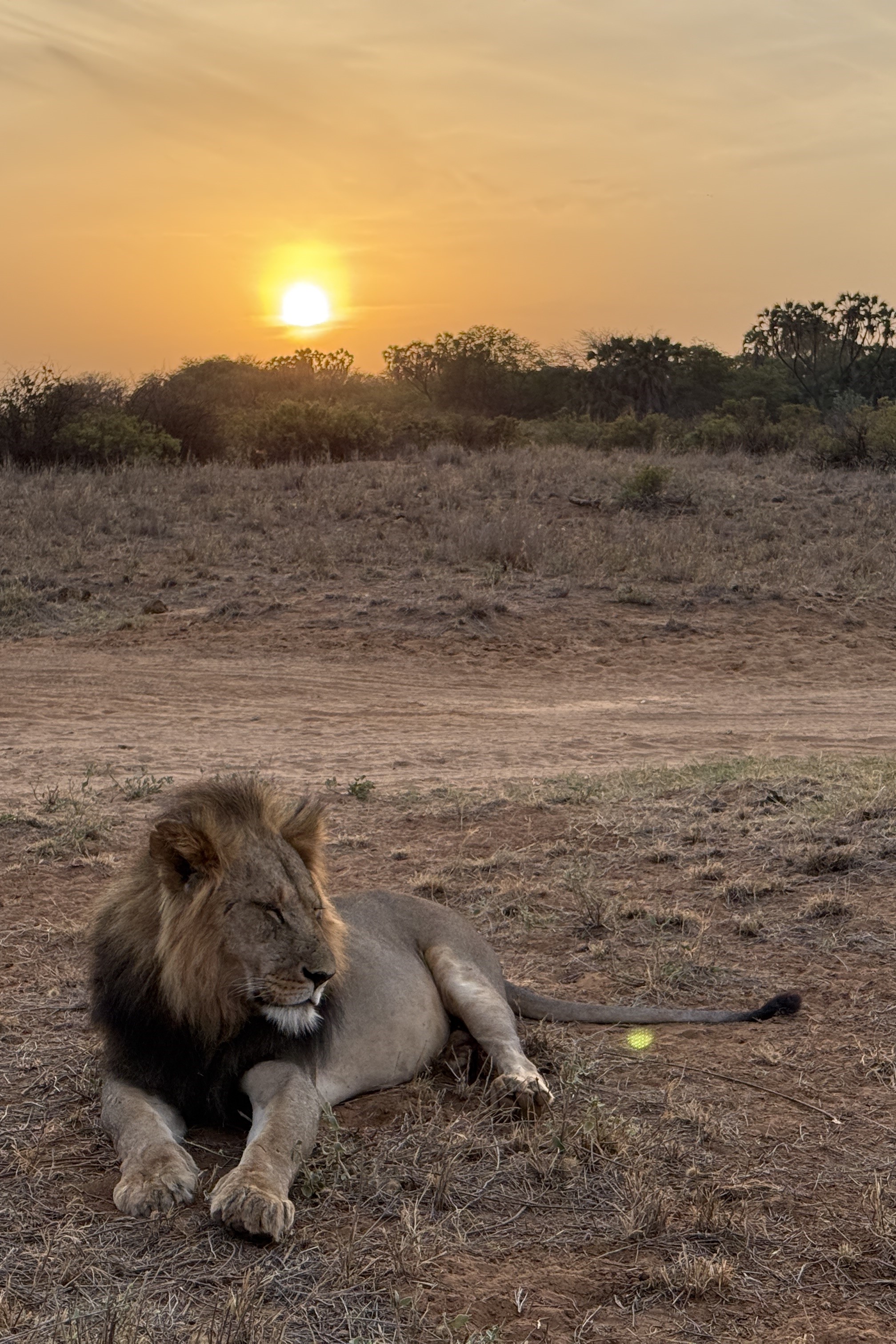
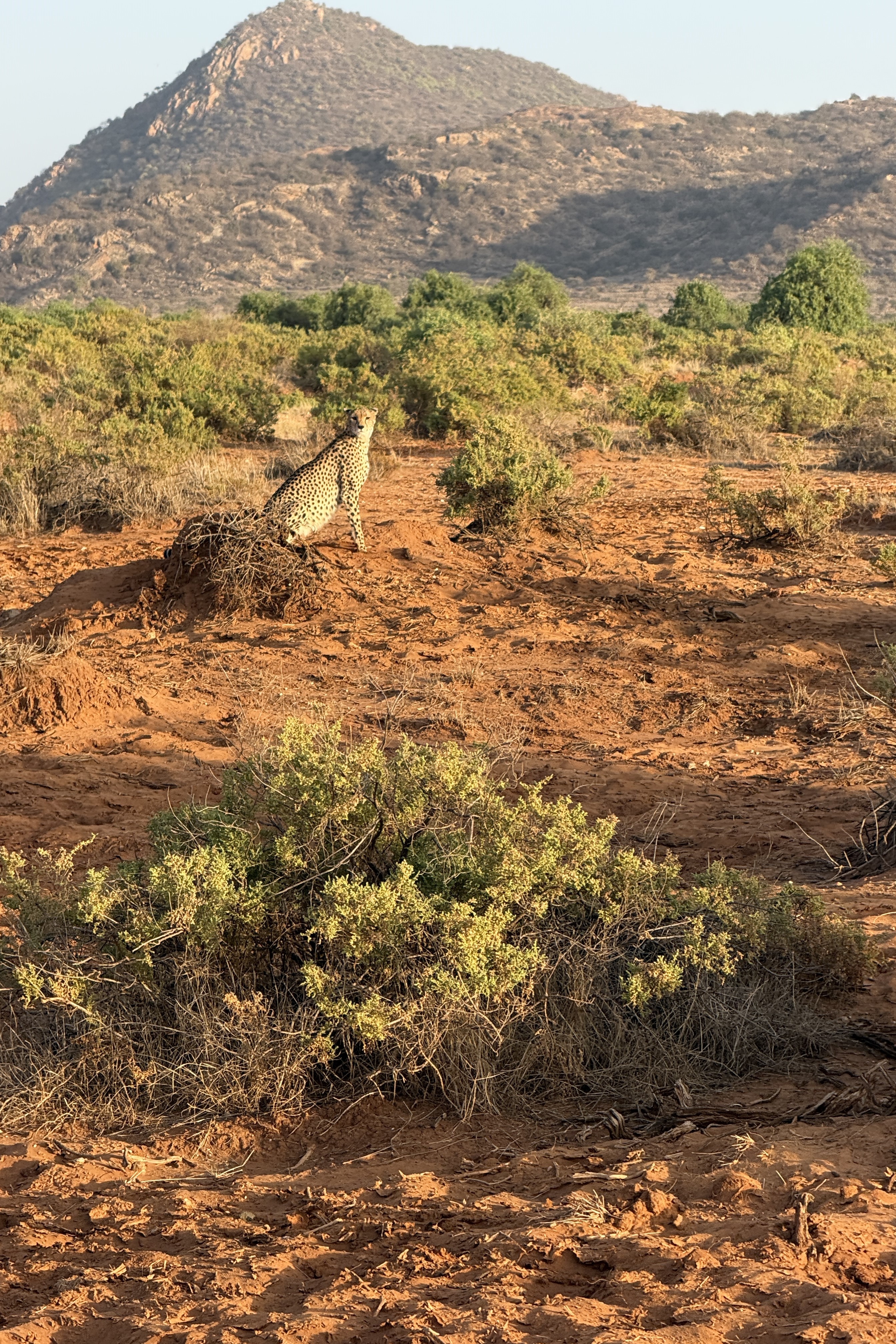
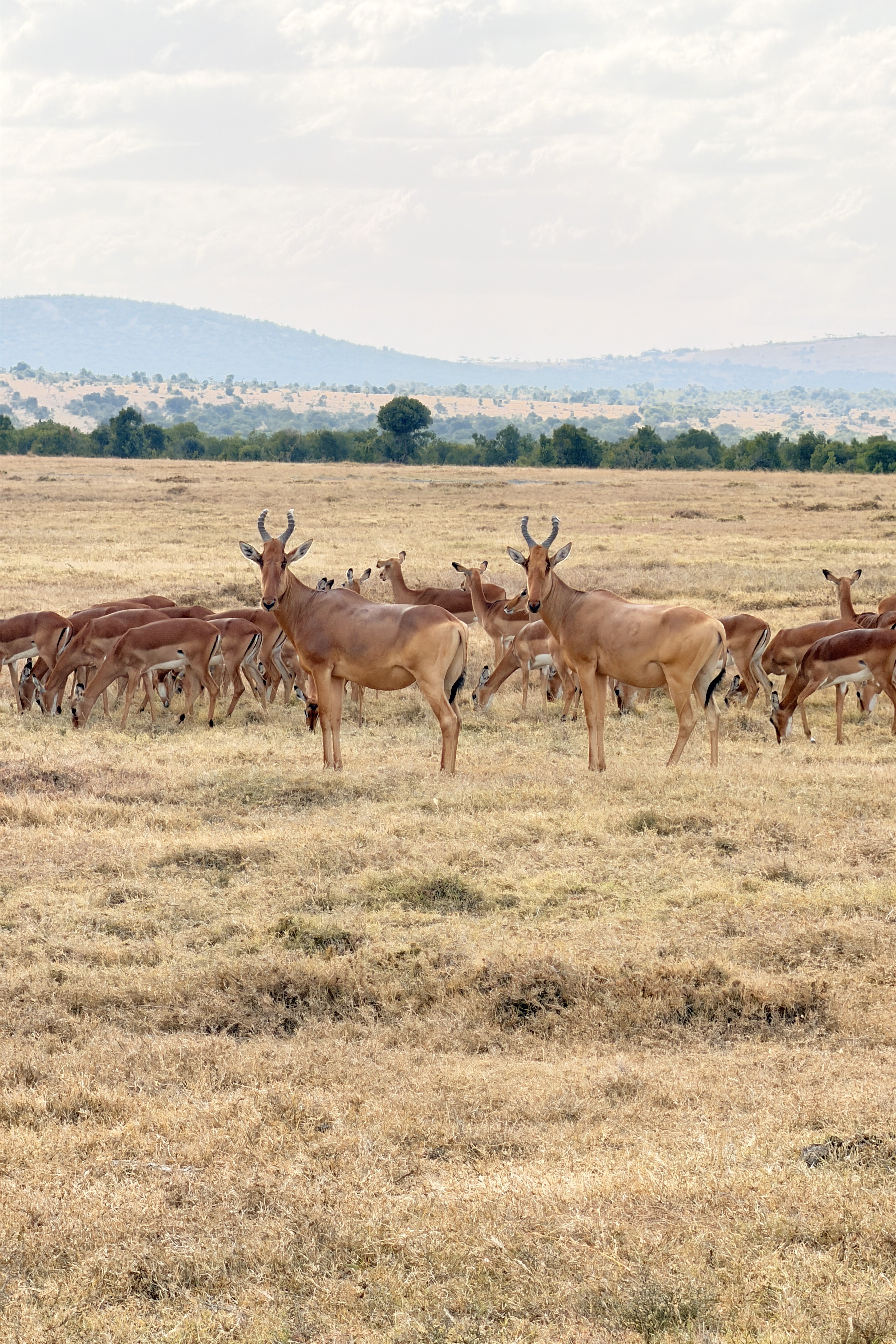
- Top Experiences: Hand-feeding giraffes at Haller Park, encountering the "Special Five " in Samburu at Elephant Bedroom Camp, and high luxury and personalization at Ol Pejeta Safari Cottages.
The Hook
After the crisp air and festive crowds of the European Christmas Markets in Munich, Nuremberg, and Strasbourg, we sought a drastic pivot. Kenya served as a sun-drenched anchor for our 90-day "Schengen Reset," allowing us to test the "Temporary Local" philosophy in a land of beautiful extremes. By trading the secluded resort bubbles of Diani for the residential rhythm of Nyali, we found that the most rewarding part of the journey wasn’t just the "Big Five"—it was finding the daily rhythm of life in the humid Indian Ocean breeze.
The Master Plan: Logistics & Pacing
The Coastal Pivot: Booking Early for Choice
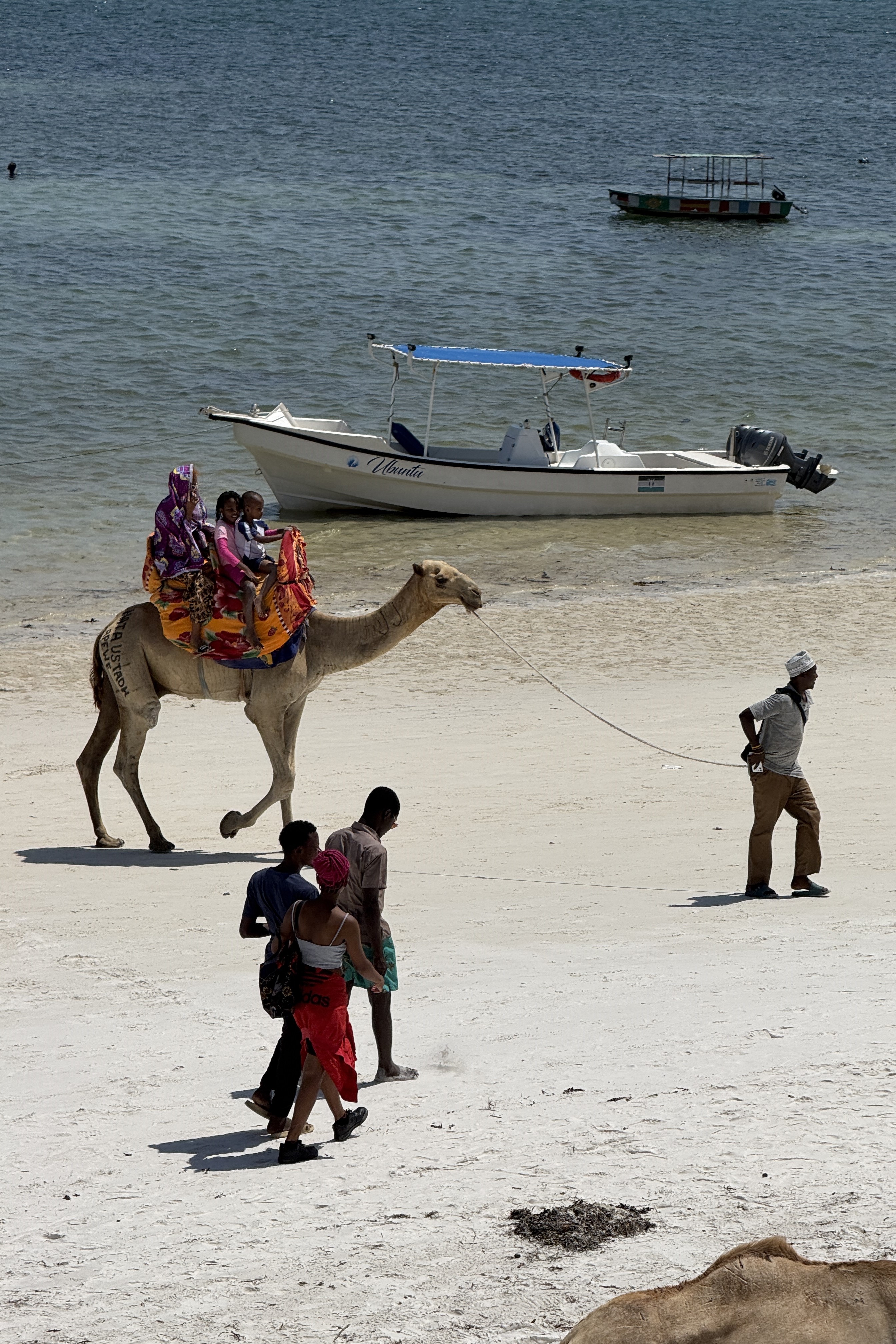
While Diani Beach is the world-famous "resort" choice, our journey included a critical planning lesson: choice is a luxury bought with time. After an issue with our initial lodging in Diani, we found that limited availability for 30-day stays forced us to widen our search to Nyali and Malindi. Diani is a secluded paradise, but Nyali is a residential heartbeat. Choosing Nyali allowed us to audit a "real" neighborhood where we shared the beach with local families. In January, the "Kaskazi" monsoon winds were a tactical blessing; they might sandblast your morning coffee and challenge your sunbathing, but they provide the essential cooling needed to survive the 90-degree midday heat.
Arrival and the "Adventure" of Nyali Logistics
Landing in Nairobi is only the first step. To reach Mombasa, you must clear customs, exit the international terminal, and take a quick five-minute walk outside to the domestic terminal for your connection. To avoid the immediate stress of airport money conversion, we pre-arranged a car through Booking.com. This allowed us to pay the driver via the app, only worrying about a small tip in US dollars upon arrival. Once settled in Nyali, walking became our primary mode of "Experience Auditing". While main routes have decent sidewalks, be aware that tuk-tuks, motorbikes, and cars firmly hold the right of way—crossing the street is a high-stakes adventure.
The SGR Pivot: Why We Flew
We originally planned to take the Standard Gauge Railway (SGR) from Mombasa to Nairobi for the three-night "reset" before our safari. We envisioned a scenic train ride to see the countryside, but nomadic life requires the successful pivot. A few days before departure, we realized the SGR’s security—notoriously strict regarding "sharp objects"—would likely lead to the confiscation of Tom’s Swiss Army knife and my essential prescription medical needles. Rather than fight a rigid system, we booked a flight, preserving both our gear and our sanity.
The Safari Strategy: DIY vs. Operator
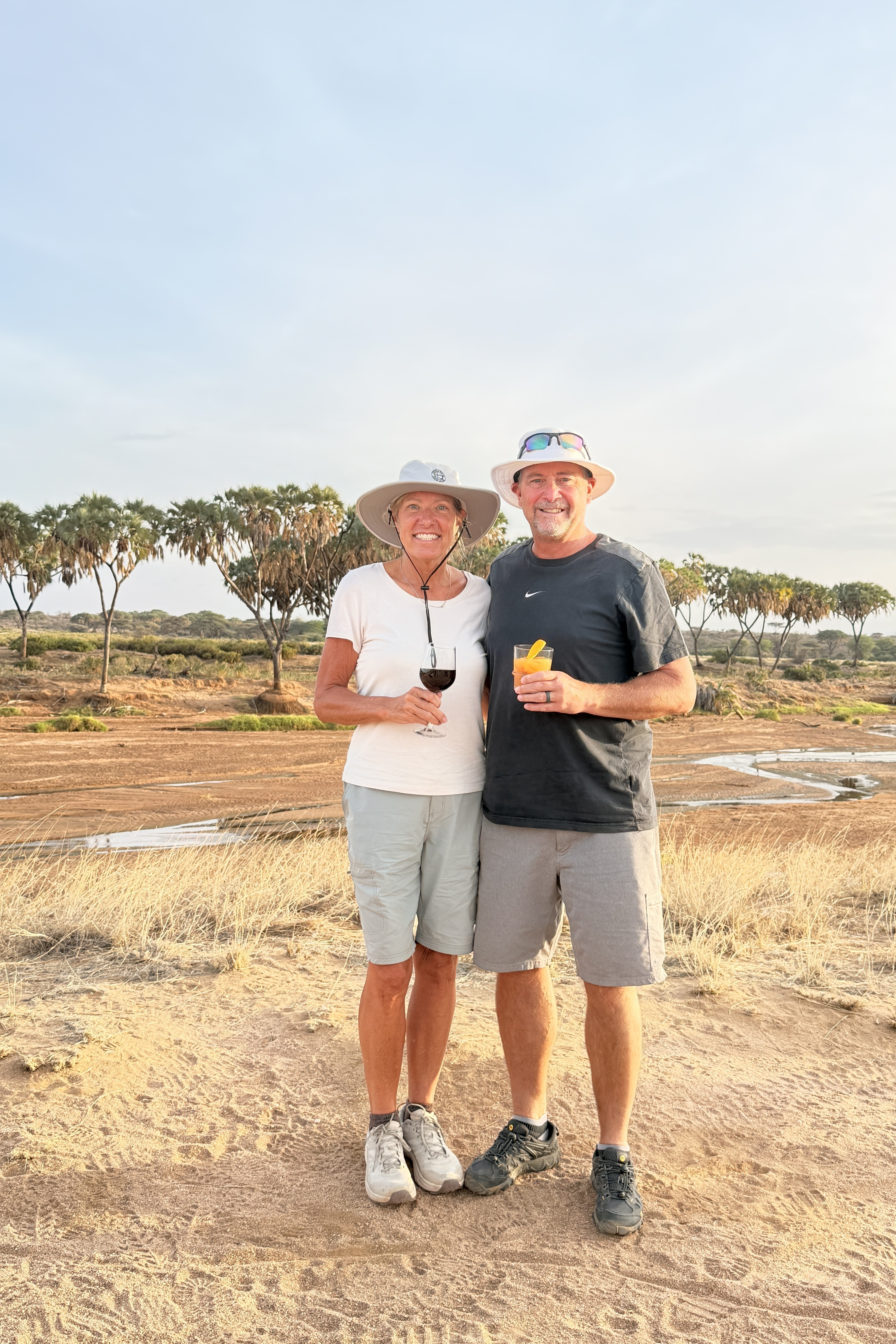
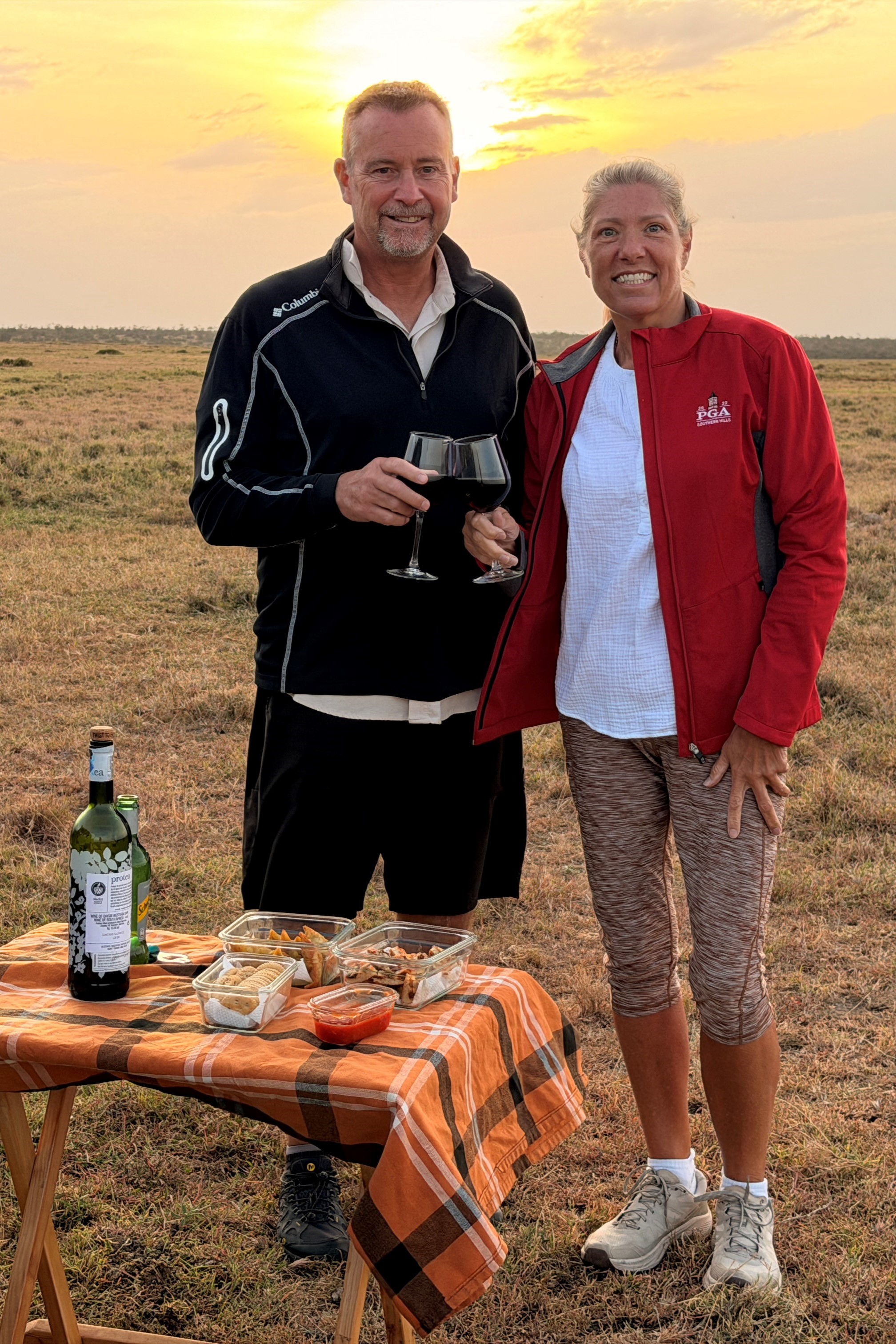
Safari planning is a professional-grade research project that should begin a full year in advance. While many travelers hire an operator to "handle" the logistics—from airport pickups to game drive and lodging bookings—we took a DIY approach to ensure a tailored experience. When asked by a lodge what my "dream safari" looked like, my answer was clear: depth over breadth. I wanted to stay in one place for several days to truly know the park and its animals, returning to our deck after a morning game drive to watch the wildlife with a glass of wine.
This vision led us to the Conservancy model, which differs significantly from National Parks. Conservancies like Ol Pejeta offer a more intimate experience with fewer vehicles and the ability for drivers to go off-road, though they can be more expensive and have less choice in lodging. We chose to experience both: the exclusive Ol Pejeta and the National Park of Samburu. Early research was non-negotiable; it was the only way to secure a spot at the Ol Pejeta Safari Cottages (which only has five cottages) and Elephant Bedroom Camp (which has twelve tents and high repeat bookings).
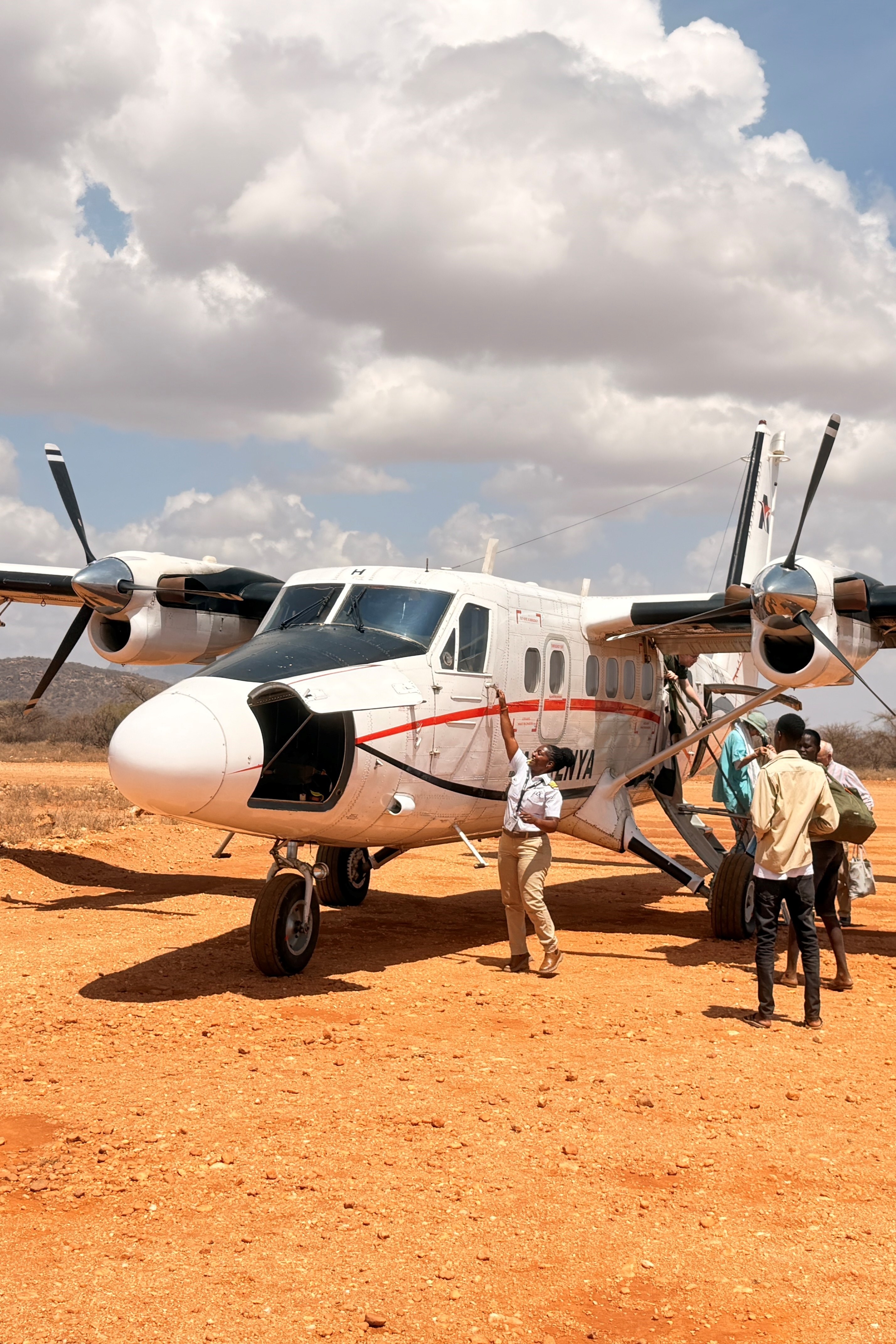
To manage these transitions, we used a mix of private door-to-door drivers and a bush plane. I booked a private transfer to pick us up from the Fairview Hotel in Nairobi and take us to Ol Pejeta Safari Cottages, and from the cottages to Elephant Bedroom Camp in Samburu. Both trips were just under 3 hours and allowed us to see much more of the Kenya landscape and agriculture. The team at Ol Pejeta requested the name of our drivers and took over arranging where to meet and the timing. To get back to Nairobi’s Wilson Airport, we booked with Safari link. Our game driver at Elephant Bedroom took us to the airfield and stayed with us until the flight took off.
The Nairobi Security Dance
Departing through Nairobi Airport requires at least three hours of lead time. Security here is a multi-layered gauntlet. Before even entering the airport proper, you must exit your taxi for a personal screening while the vehicle is searched. At the Crowne Plaza, where we stayed the night before our flight to help ease the stress of long travel days, mirrors were used to check under our car, and sniffer dogs examined our bags before we could enter the lobby. The morning of departure, we had to line our bags up on the terminal sidewalk for a final K9 audit before proceeding to another security check and then the ticketing gates and immigration.
Accommodations: The "Livable Score"
The 30-Day Coastal Reality
In Nyali, we prioritized a high-security modern apartment with a "separation of space" (3 bedrooms) to manage our tax-season preparations and life-admin, including research for the next travel destination. (read about how we plan our trips with “The Art of the Hub” planning guide) Location was vital; we needed to be within walking distance of the beach, a shopping center, and a wine store. Living as a temporary resident meant learning the local rhythm: keeping devices charged during frequent power outages, Negotiating prepaid electricity credits with our landlord, and participating in the community ritual of hanging laundry on the roof. These small routines are what transform a stay from a "trip" into temporarily living like a local.
The Safari Camps
While our coastal stay was defined by the independence of being a 'temporary local,' our time in the bush was designed for deep, expert-led education. We pivoted from managing our own daily logistics to experiencing two distinct properties that serve to deliver on our bucket list dream of safari.
- Ol Pejeta Safari Cottages: A masterclass in the Experience Economy, providing a private steward, chef, and guide for a deep education on rhino conservation.
- Elephant Bedroom Camp (Samburu): Luxury tents with river views and experienced drivers that allow you to connect with other global travelers in a shared social setting.
Budgeting: The "High-Low" Transparency
Our Kenyan budget was a strategic mix: using low-cost residential life in Nyali to offset the safari "splurge".
- Housing: 29 nights in Nyali provided a stable, lower-cost anchor. We paid approximately $165 per day, which includes our logistics to and from Kenya.
- Safari Splurge: We paid between $650–$780 per couple / night for inclusive high-tier camps, which included a 10% shoulder season discount.
- Our private transfers and the one-way bush plane ride from Samburu to Nairobi, was approximately $1150.
- The Nairobi Short Stay: For our three nights at the Fairview before the safari and the night after safari for an approximate cost of $1050 including taxis and meals.
- The Travel Value: We found value in spending 3+ nights at a single lodge to get into the rhythm of the wild. There is a unique thrill in finding the same pride of lions in Ol Pejeta each day or returning to a specific riverbank to find a leopard again in Samburu.
Planning Around Money
Kenya is a cash-based society where MPesa is the dominant currency app—used by everyone from high-end shops to tuk-tuk drivers. However, we hit the "eSIM Trap": MPesa requires a local phone number to register, which our data-only eSIMs did not provide. We relied on ATMs in secure shopping plazas. Note that security is tight; guards are posted at plaza entrances and outside bank doors. Most ATMs have a withdrawal limit of 30,000 shillings (approx. $230 USD), though some are as low as 20,000, so you may need multiple transactions or cards.
Essential Preparations: The "Nomad Admin"
- The eTA: US citizens must apply at etakenya.go.ke. While ours arrived in two hours, the official window is three to five days. Print a physical copy and carry it with you at all times.
- The Health Gauntlet: Transitioning to East Africa requires a "Yellow Book" (International Certificate of Vaccination). If you follow our "Egypt Bridge" strategy, the Yellow Fever stamp is non-negotiable; Egyptian immigration will demand it before you even enter the country.
- Vaccinations: Beyond Yellow Fever, we secured a suite of protections including Hep A & B, Typhoid, Polio, and Tdap, along with malaria pills. Use a travel clinic like Passport Health if your primary doctor can’t provide them, but start early—many require multiple doses with weeks in between.
- The 15kg Rule: Bush planes are ruthless about weight. We used the Fairview Hotel in Nairobi as our base, booking stays on both ends of our safari so they could store our heavy Away suitcases while we headed into the bush with only soft-sided bags.
Key Experiences & Cultural Nuance
Transportation: Beyond the Bolt
While Bolt is the dominant rideshare in Nyali,the tuk-tuk is the "heart beat" of Mombasa. It’s a breezy, affordable way to reach the beach for under $3. For a truly iconic Kenyan experience, look for the Matatus—vibrant, artistically "pimped out" minibuses. While motorbikes are popular for locals, we weren't quite comfortable enough to try them. Our "Bernard Strategy" remained our best security move. We pre-booked transportation from the airport to the apartment. Bernard was our driver. We got his WhatsApp information and we had a trusted, pre-negotiated ride for late-night dinners with a great driver; Bernard.
Experience Audit: The Beaches
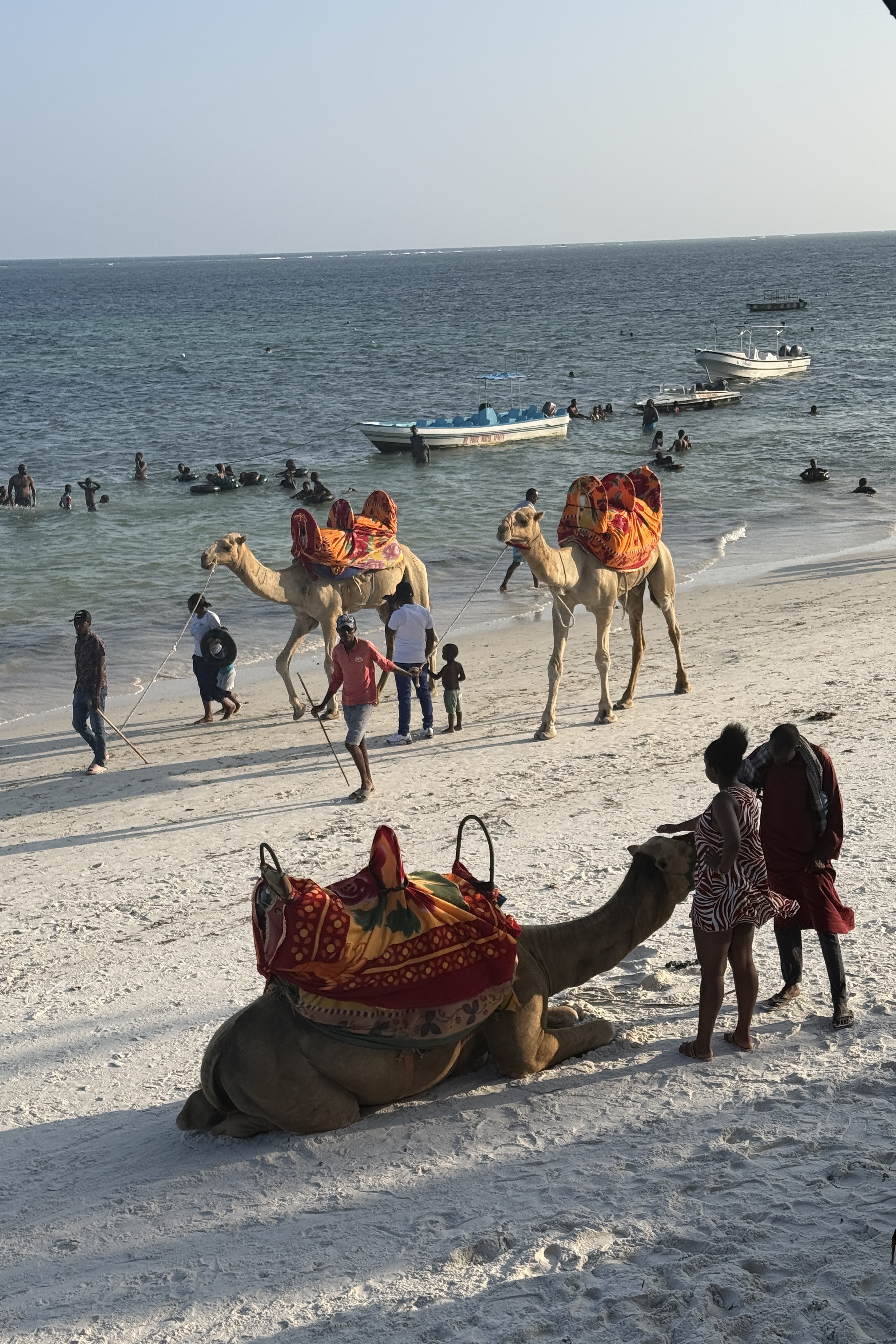
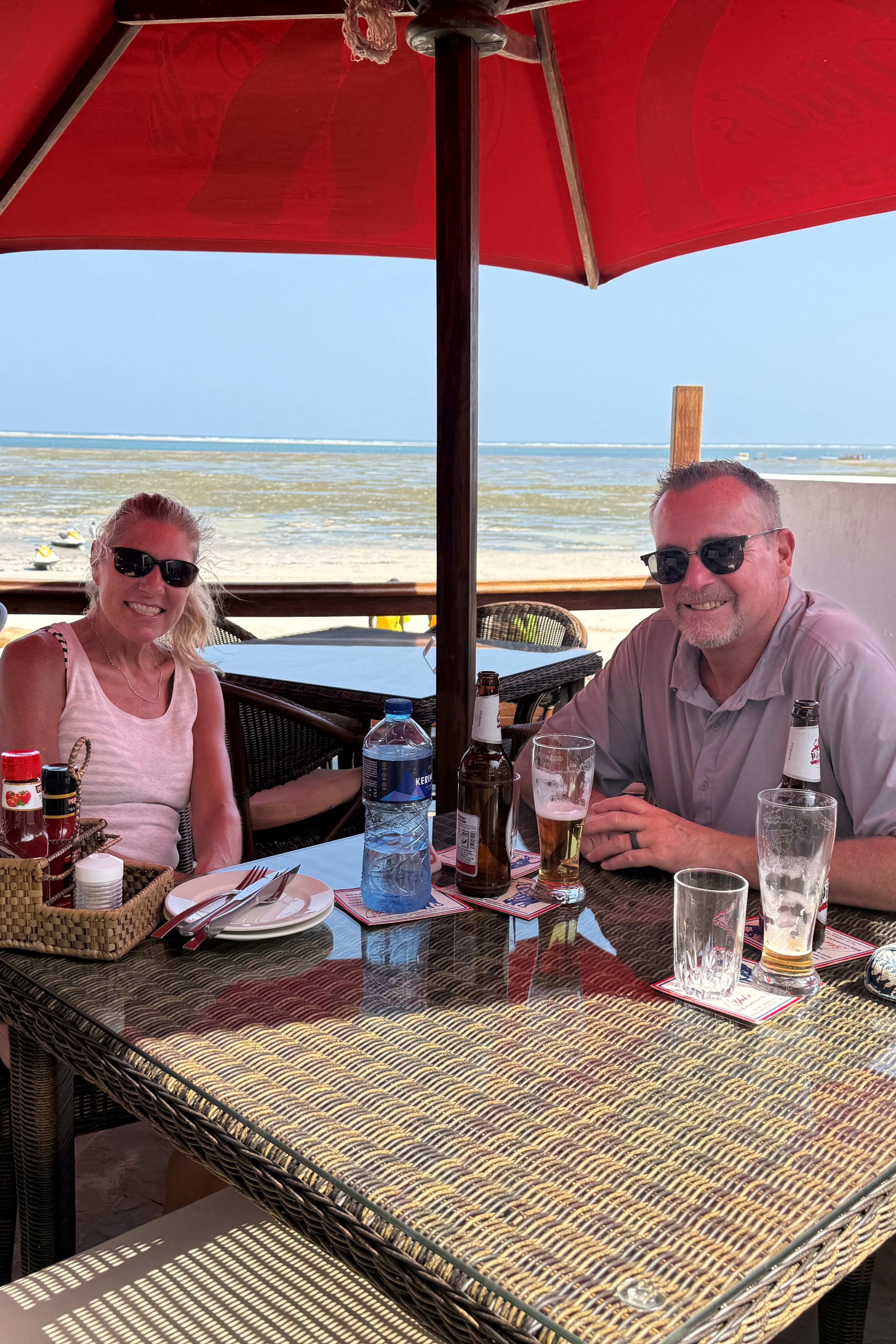
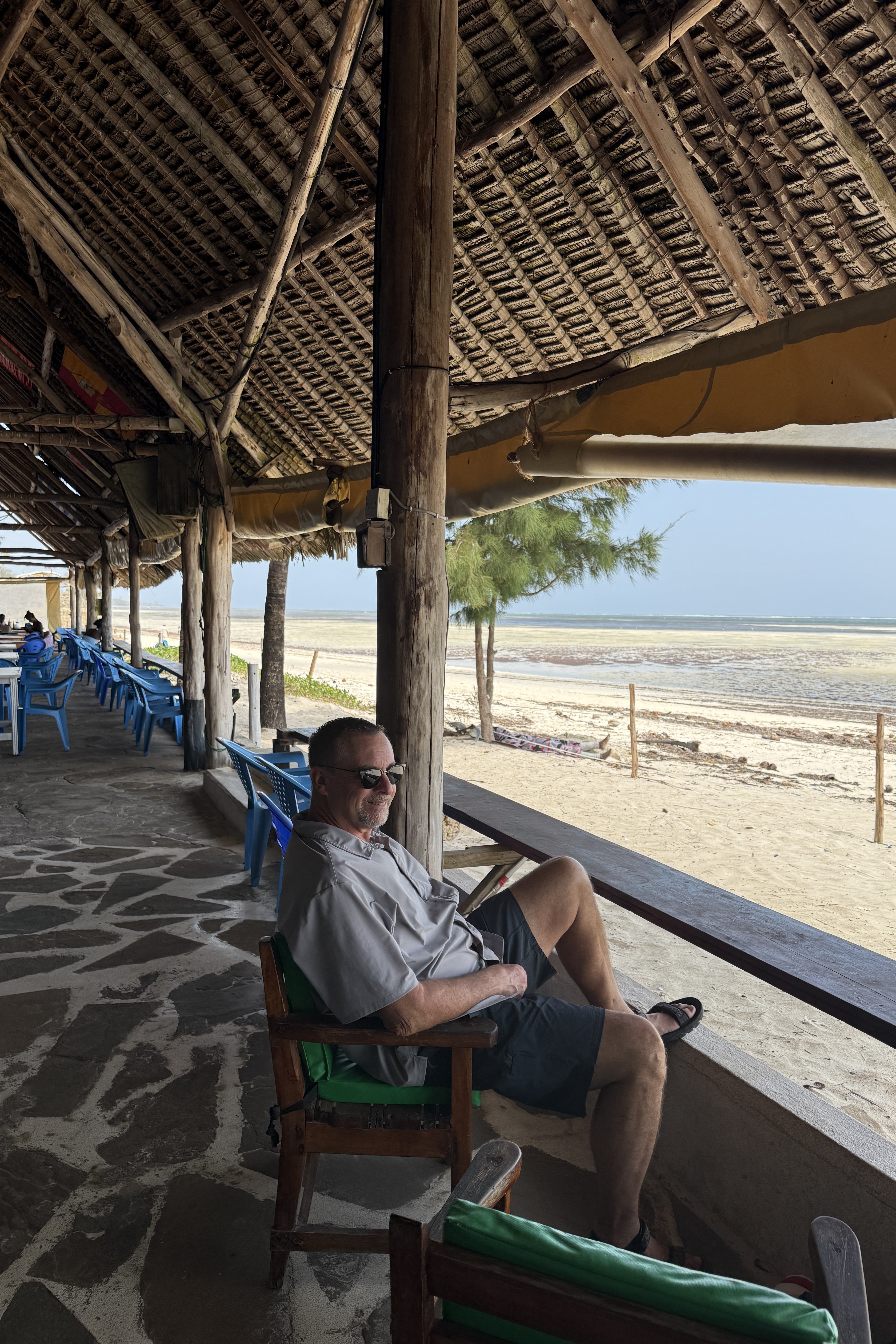
- Mombasa Beach: The closest and most walkable local beach. After a few days, the vendors knew us and would stop by just to say "hi" rather than to haggle. There are restaurants right off the beach that will allow you access to walk from the main road to the beach, like Moonshine Beach bar or Massai Beach bar, just tell the security that you are going there for a coffee, drink or meal.
- Nyali Beach: Also, walkable but slightly further; taking a tuk-tuk is a valid option here to navigate traffic.
- Bamburi Beach: The most developed and beautiful beach in the area, popular with expats from Germany, Britain, and Russia.
Trip Recap: "The Honest Truth"
- What Worked: Finding a spacious, high-security apartment that allowed us to feel like we had a "temporary home" for our longer stay, complete with a great landlord and top-notch concierge
- What We’d Do Differently: While we loved the residential feel, Nyali can be very quiet. If we returned, we might choose Diani or Malindi for a bit more social variety during the off-season.
- The Learning: We read a lot about "beach boy" harassment before arriving. In reality, if you let them give their pitch and then simply say "no," they generally don't persist. Most were simply curious about where we were from.
The Journey Continues: Don’t end a Kenyan trip without crossing the Equator on the ground—it’s the moment the "Chasing the Sun" philosophy becomes literal.
Links: Learn More
- The Safari Deep Dive: For a granular look at the bush, read our trip report Ol Pejeta Safari Cottages: A Raw and Wild Introduction to the Bush or Elephant Bedroom Camp: Leopards, Legends, and the Samburu “Special Five".
- The Wine Audit: See my blog on The Wine Scene: A WSET 3 Perspective in a Non-Traditional Region
-
Welcome to the new Touchpoint Wines
We’re blending our passion for wine with a love for global exploration. Join us as we journey through the world's most captivating destinations, uncovering hidden wine gems and offering unique workshop experiences for your team retreats. Whether you're seeking to enhance team dynamics or discover the art of slow travel, let us be your guide.