For anyone preparing for a wine certification, the southern Spanish territory of Andalusia is heavily associated with the historic, low-altitude chalk plains of the Sherry Triangle. But for a wine lover or student, the area reveals a broader viticultural universe. Nestled deep inside the Sierras de Málaga D.O. lies its most prized, high-altitude sub-zone: the Serraníade Ronda. Surrounded by steep gorges and sheer cliffs, this mountain terroir is quietly turning out some of the most concentrated, structurally powerful, and texturally rich red and single-varietal wines in Europe.
When Tom and I mapped out our three-week slow travel immersion in Malaga, one priority was to head inland early to establish Ronda as our number-one source for understanding and provisioning our apartment with outstanding wines. Our journey covers not only the high-altitude mountain town of Ronda, but also the wine scene of Malaga as our urban coastal hub.
The Logistics Playbook: Malaga Hub to the Serranía de Ronda Spoke
Using Malaga as your cosmopolitan coastal base gives you excellent transit connections, but accessing the boutique, family-run estates of the Serranía de Ronda required some balancing of schedules to meet our scheduled timeline.
We opted for a public-transit-to-rental-car hybrid model to navigate the Ronda day trip spoke. We pre-booked our bus tickets through Trainline, walking 30 minutes from our apartment to the main Malaga bus station, which sits conveniently right next to the train station.
Our ultimate "Pro Move" for the Malaga-to-Ronda bus line: Scrutinize your ticket's operator details immediately. Multiple operators service the terminal and there were many buses headed to Ronda. You must check your digital ticket to know exactly which operator and time to find the right parking slot to stand.
Furthermore, account for major variable travel times. Our outbound bus took a winding route with multiple milk-run stops, clocking in at 2.5 hours. Conversely, our return leg on an alternative, more direct line shaved the journey down to an hour and 45 minutes.
Because regional buses routinely run up to 25 minutes late, executing a seamless winery itinerary means building a generous safety buffer into your car rental collection. Once we arrived at the Ronda station, we walked 20 minutes to pick up our pre-arranged vehicle (make sure you have both your original driver's license and your physical passport on hand).
The wineries themselves are highly boutique and uniquely distributed across the mountain landscape, meaning you should map your itinerary around distinct driving lines rather than trying to cross over between valleys in a single afternoon. To get the most out of your field studies, plan to launch fresh from Ronda town each morning:
- Day 1: The Northwestern Acinipo Line (The MA-7402 Cluster) Our first day of exploration focused on a tightly packed cluster of estates—including Bodega Doña Felisa and Bodega Excelencia—sitting lined up along the MA-7402 road. These cellars are just 10 to 15 minutes apart from one another and roughly 25 minutes northwest of Ronda town, making them an incredibly smooth, low-stress sequence to navigate. Reach out three to four weeks in advance to secure hard bookings, and always allow a minimum of two hours per tasting session so you don't find yourself racing down narrow mountain lanes to your next appointment.
- Day 2: The Northeastern Arriate–Setenil Spoke (The La Cimada Route) On our second day; after exploring Ronda and the famous bridge the night before, we launched outward from Ronda town along a completely separate route heading northeast towards the village of Arriate. It is typically a straightforward route taking about 25 minutes. However, we encountered road construction that took us down unpaved dirt tracks and the narrow, one-lane alleys of the La Cimada valley to reach the stunning, high-altitude vineyards of Bodegas Morosanto. It provides a fascinating, distinct look at the region’s diverse terroirs but requires its own dedicated day of driving.
The Spoke Report: High-Altitude Radicals and Limestone Erosion
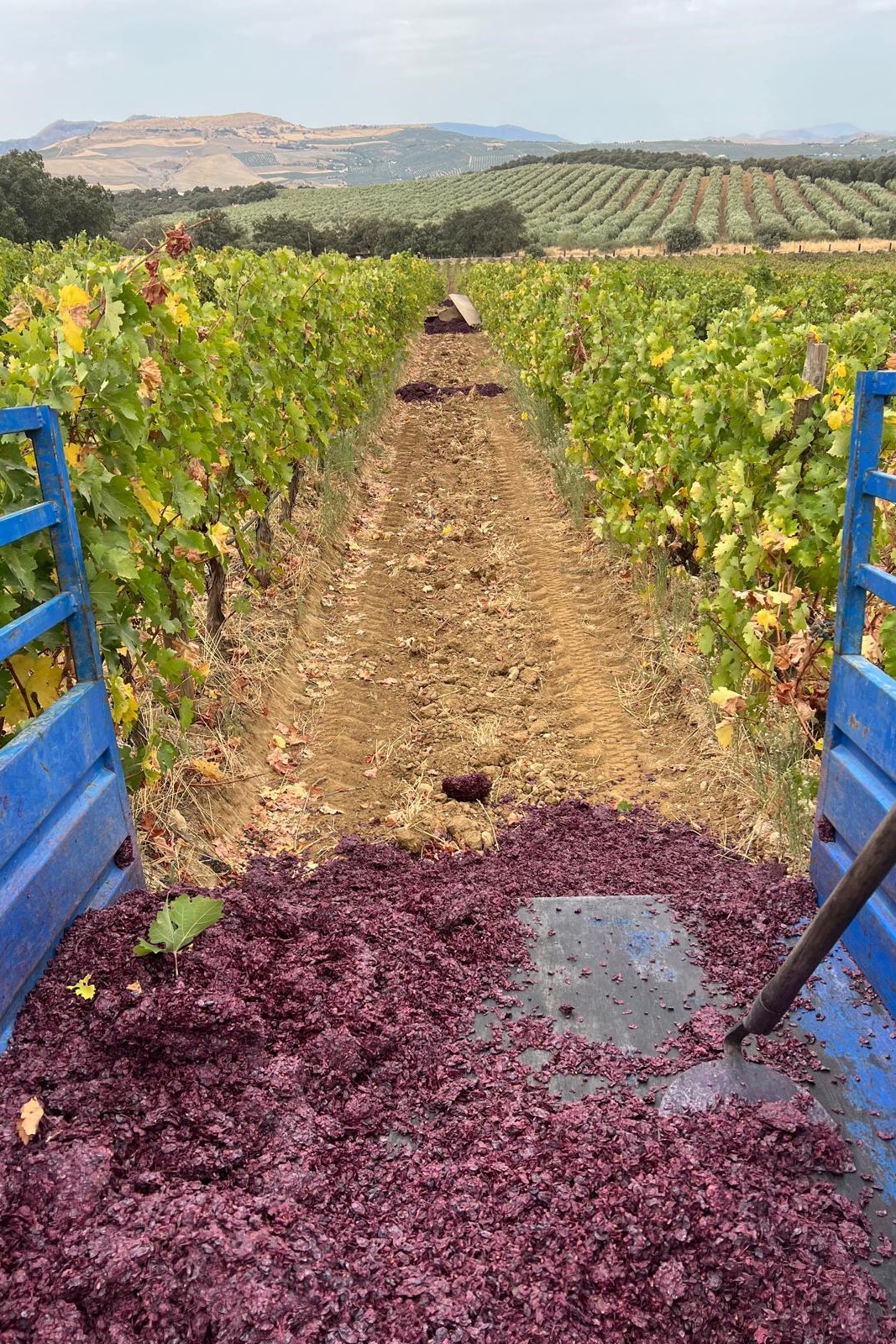
To master the Serranía de Ronda for an exam, a student must focus entirely on altitude and sun interception. While Andalusia is synonymous with blistering daytime heat, Ronda’s vineyards sit at an extreme elevation of over800 meters above sea level. This geography delivers a massive 20-degree diurnal temperature shift. The freezing night air rolling off the mountains preserves vital, mouth-watering natural acidity, allowing thick-skinned red grapes to achieve structural balance despite the heavy natural alcohol generated by the intense daytime sun.
The soil beneath your feet is calcium-rich limestone. This high-pH calcareous soil acts as a mirror, reflecting intense sunlight back up into the canopy while offering exceptional drainage. However, this loose terrain presents a constant threat of erosion. To defend the land, progressive estates consciously preserve natural weeds and ground cover crops between the vine rows to anchor the topsoil and retain critical organic matter.
The Producer Field Studies & Cellar Style
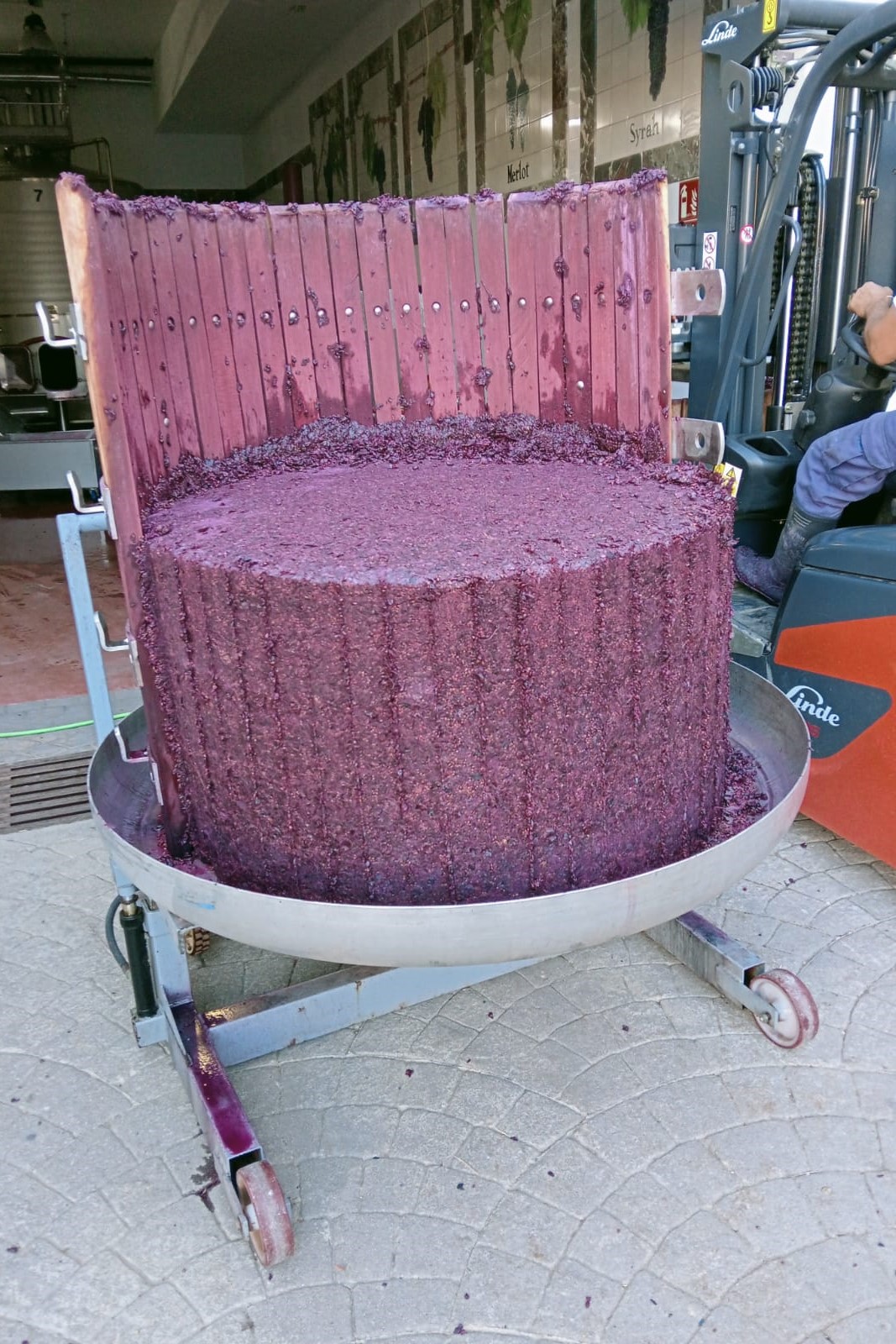
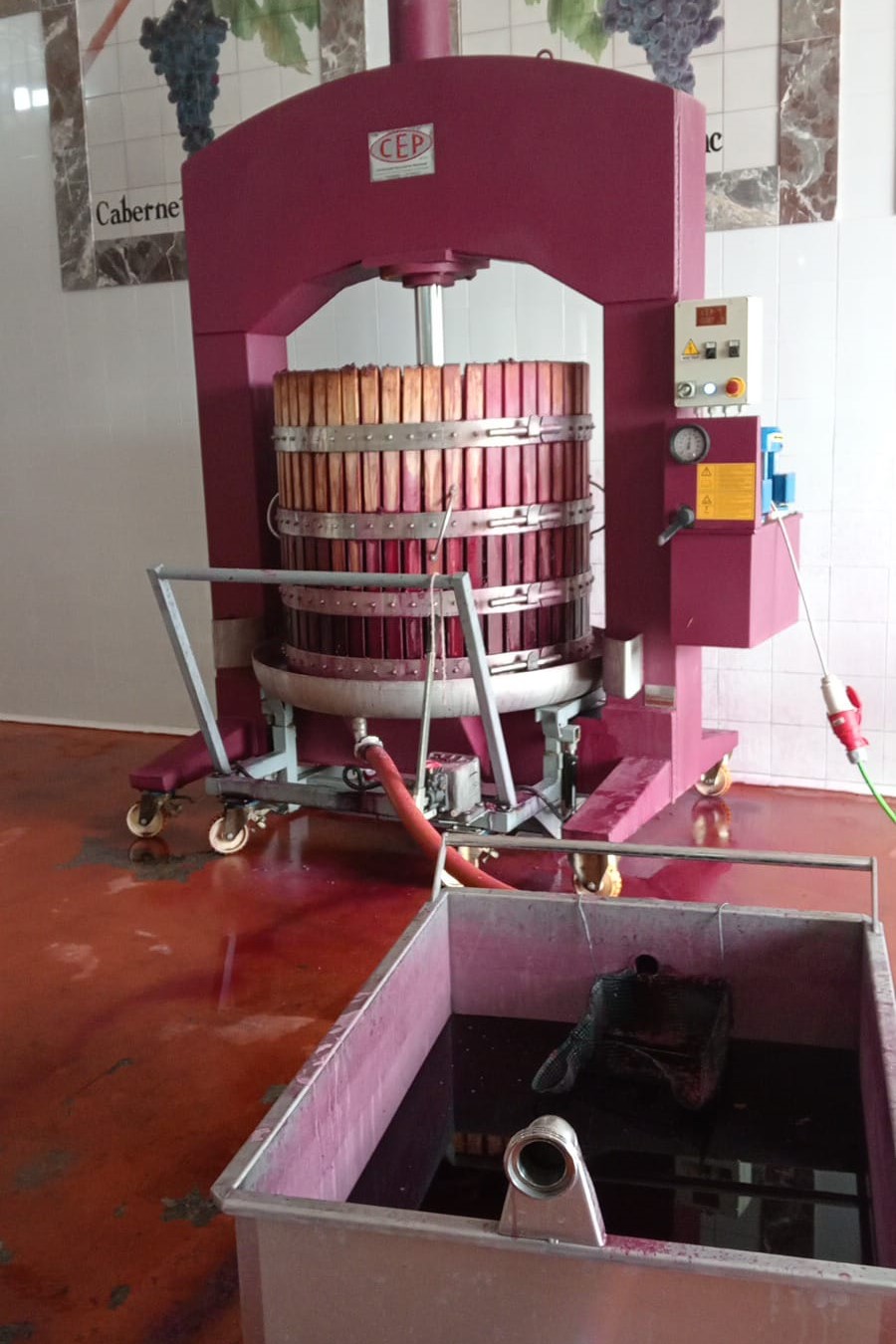
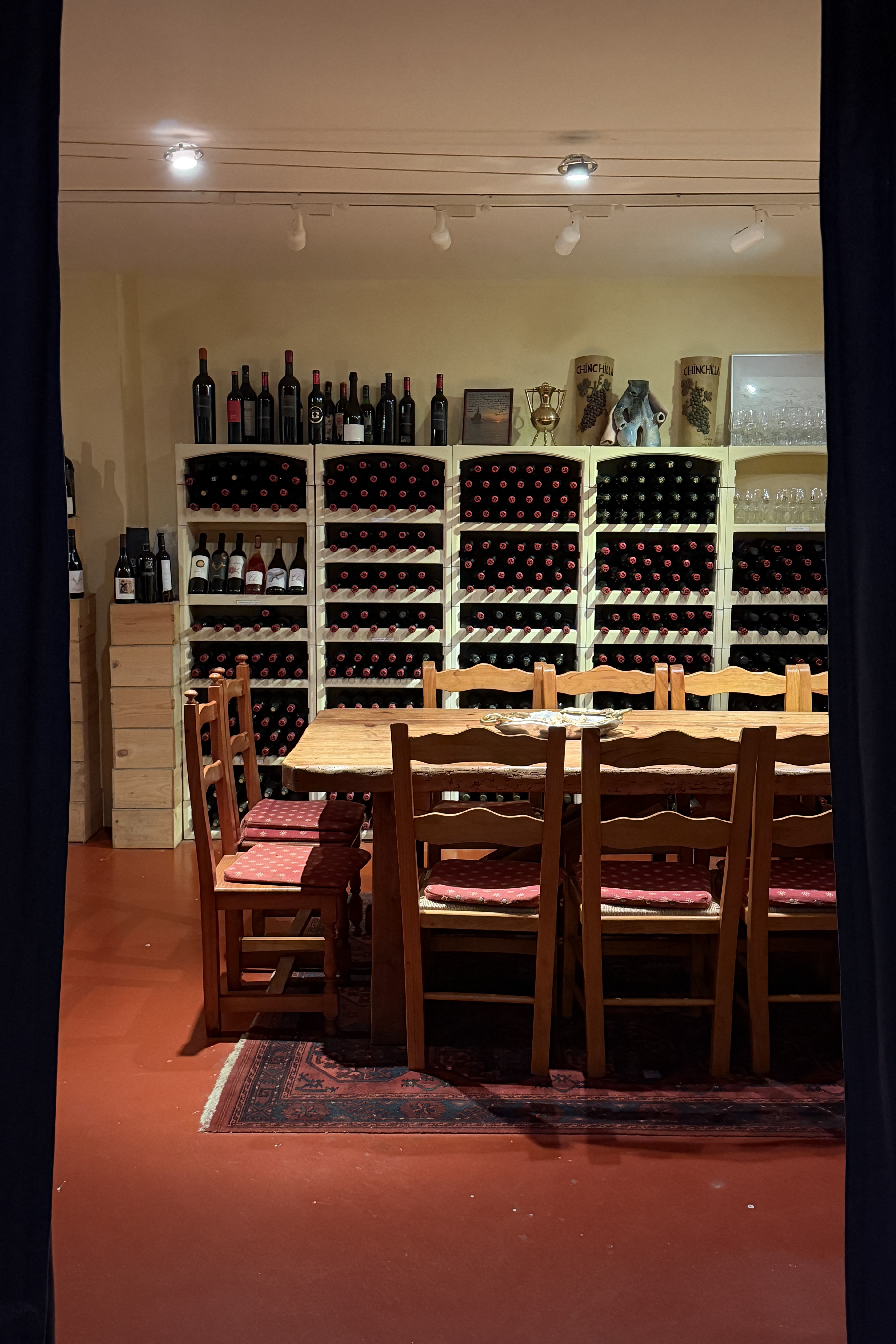
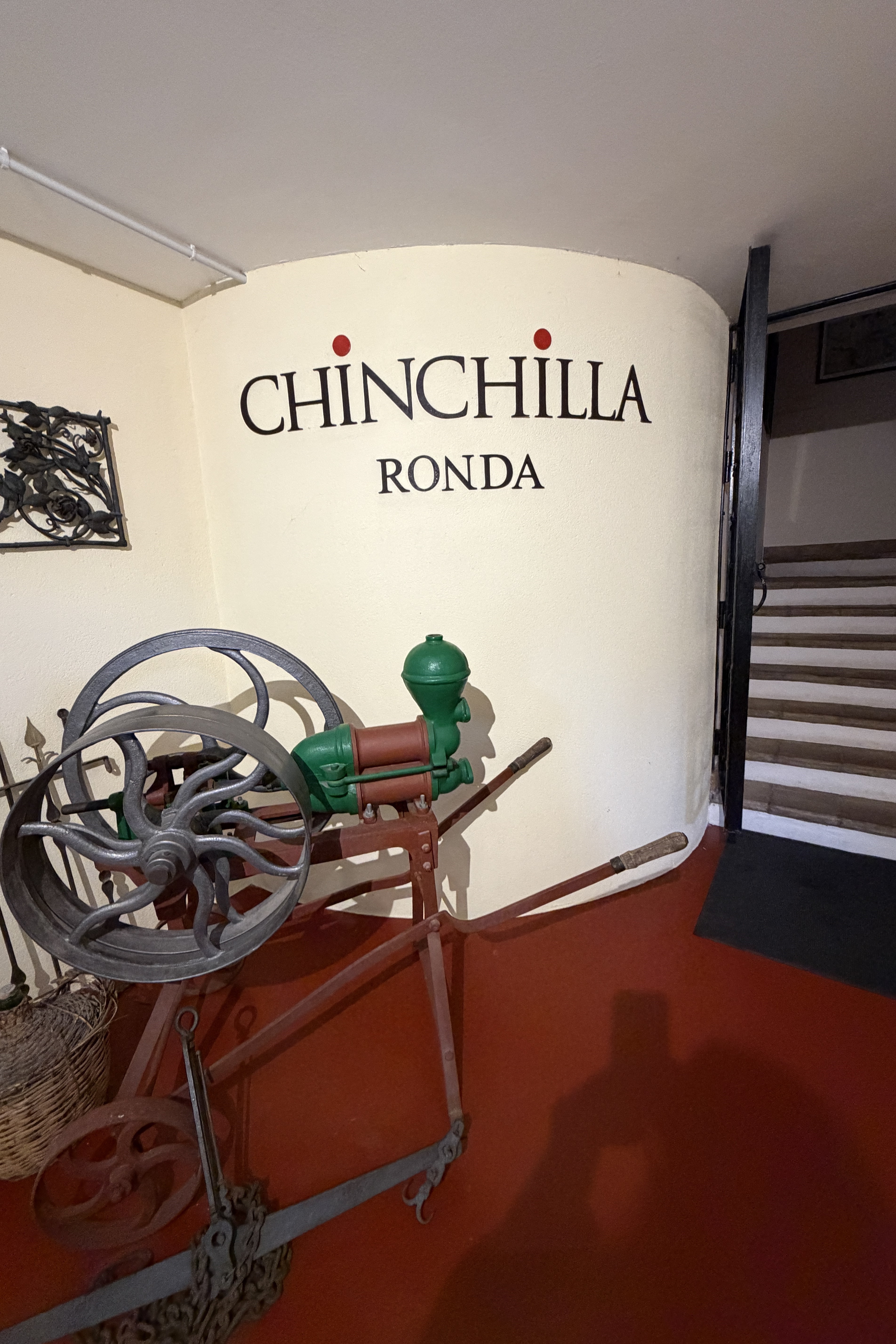
- The Roman Historian — Bodega Doña Felisa (Finca Chinchilla): This estate is a goldmine for understanding regional typology. Located adjacent to ancient Roman ruins, their atmospheric barrel cellars feature an exhibition of excavated Roman coins, belt buckles, and artifacts uncovered while working the clay-limestone soils. The viticulture here is strictly natural and organic: 100% of the fruit is harvested entirely by hand into small protective crates, chilled down in temperature-controlled cells, and undergoes a gentle, chemical-free natural weight press purely from the gravity of the grapes themselves. In the cellar, oenologist-led ferments rely entirely on ambient natural yeasts, followed by secondary malolactic fermentation in stainless steel over the winter months before moving the premium juice into fine French oak barrels.
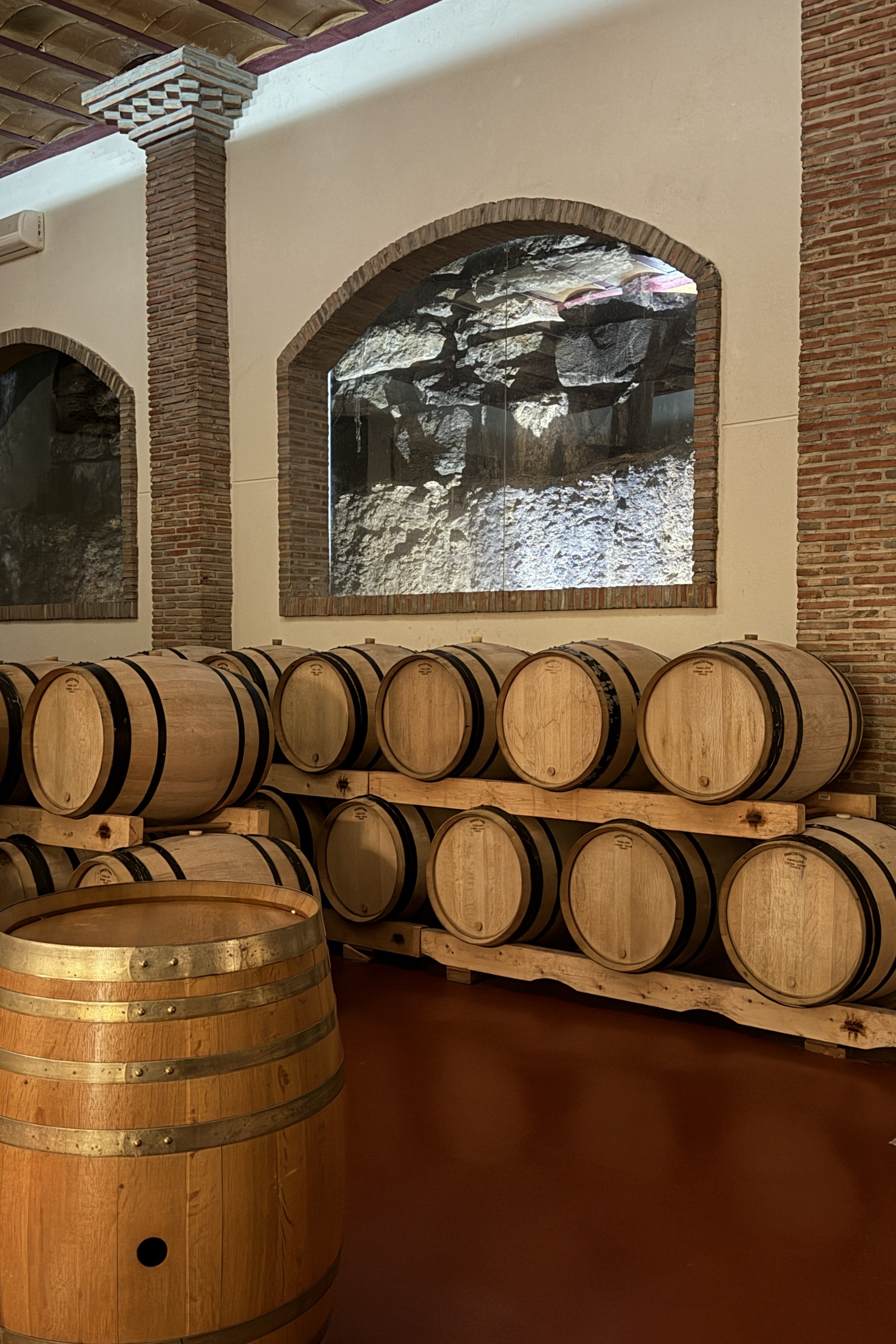
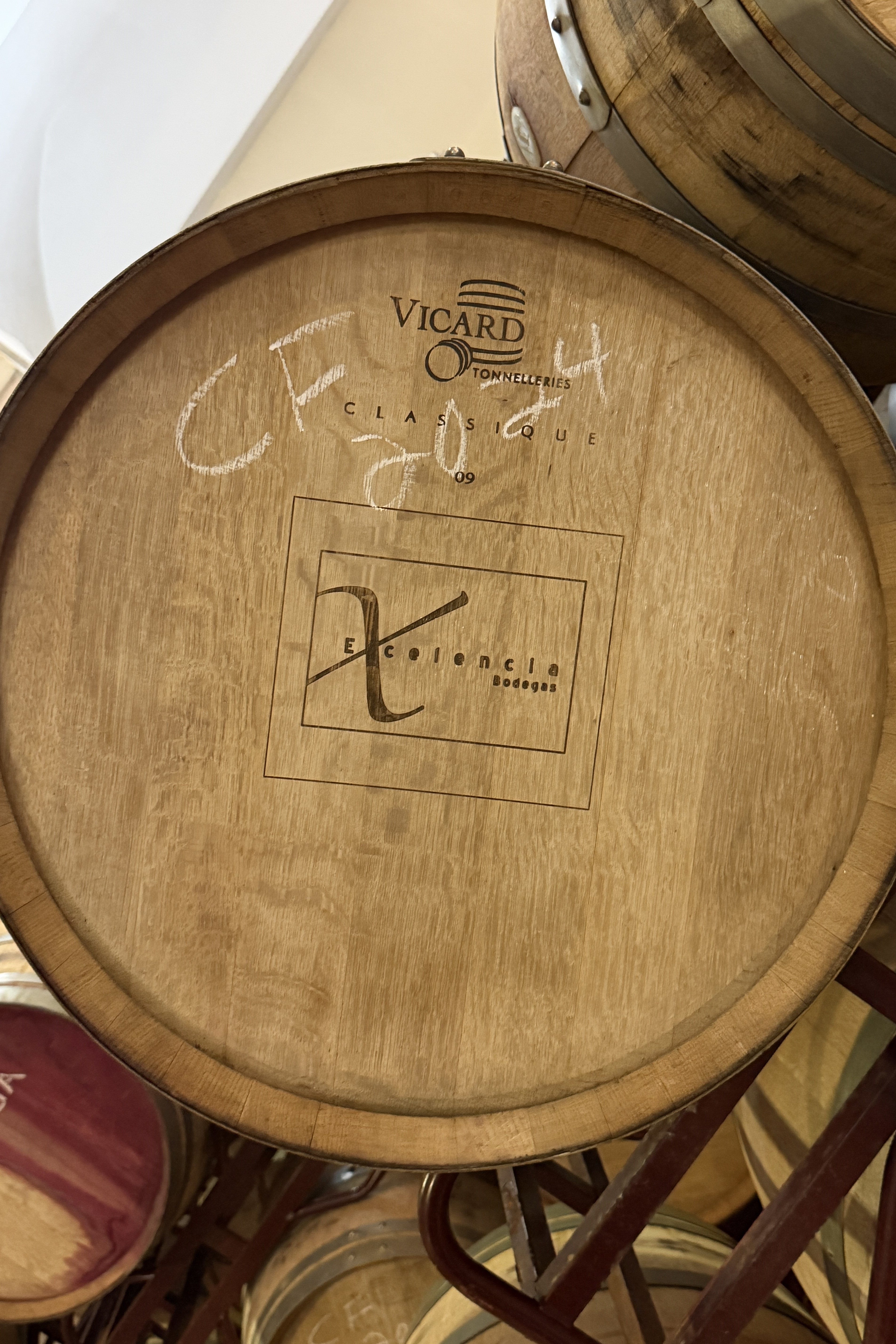
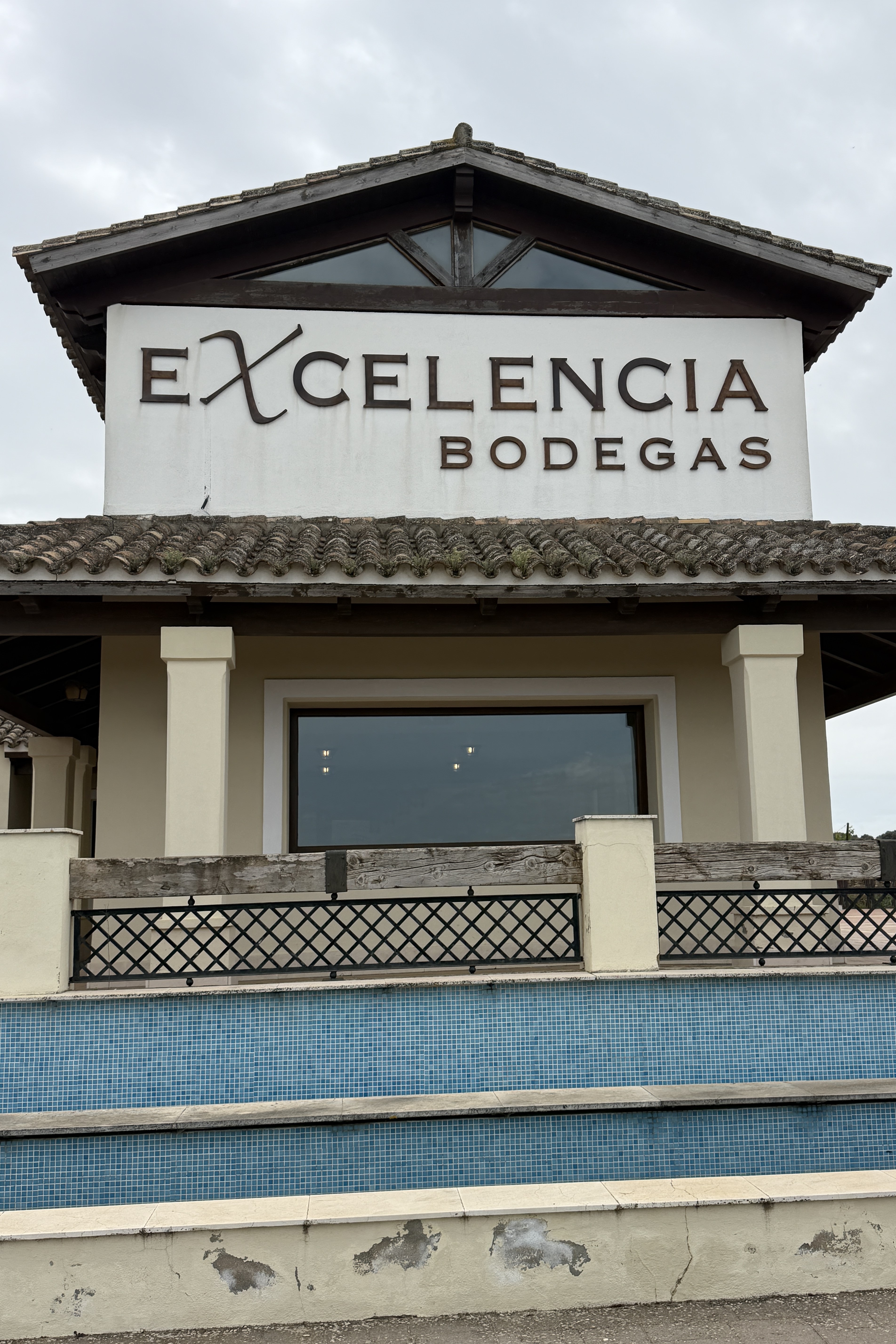
- The Master of Marriage — Bodega Excelencia: Tucked just minutes away from Doña Felisa, a field study here reveals the meticulous science behind high-end blending. Walking the plots of Cabernet Sauvignon, Tempranillo, Cabernet Franc, and Merlot, the host demonstrated that deep layers of the soil are packed with highly concentrated iron deposits.
- For WSET students, the true marvel of Excelencia is their highly specialized fractional blending protocol used for premium releases like Los Frontones. Instead of vinifying and aging all varieties separately until the final bottling, they perform a multi-stage stepped integration. They purposefully blend their Tempranillo and Merlot together first, aging this dual-varietal core inside their 7-meter-deepunderground barrel cave for months before introducing structural powerhouses like Cabernet Sauvignon or Syrah.
- Why? The high-altitude day-night temperature swings can make Tempranillo's natural tannins rustic and aggressive. Merlot brings soft fruit and velvety weight. Putting them together early allows the contrasting tannins to polymerize and "marry" harmoniously inside the wood, ensuring the delicate red-fruit nuances aren't completely overwhelmed by late-ripening, powerful varietals like Cabernet Sauvignon that are part of the final blend
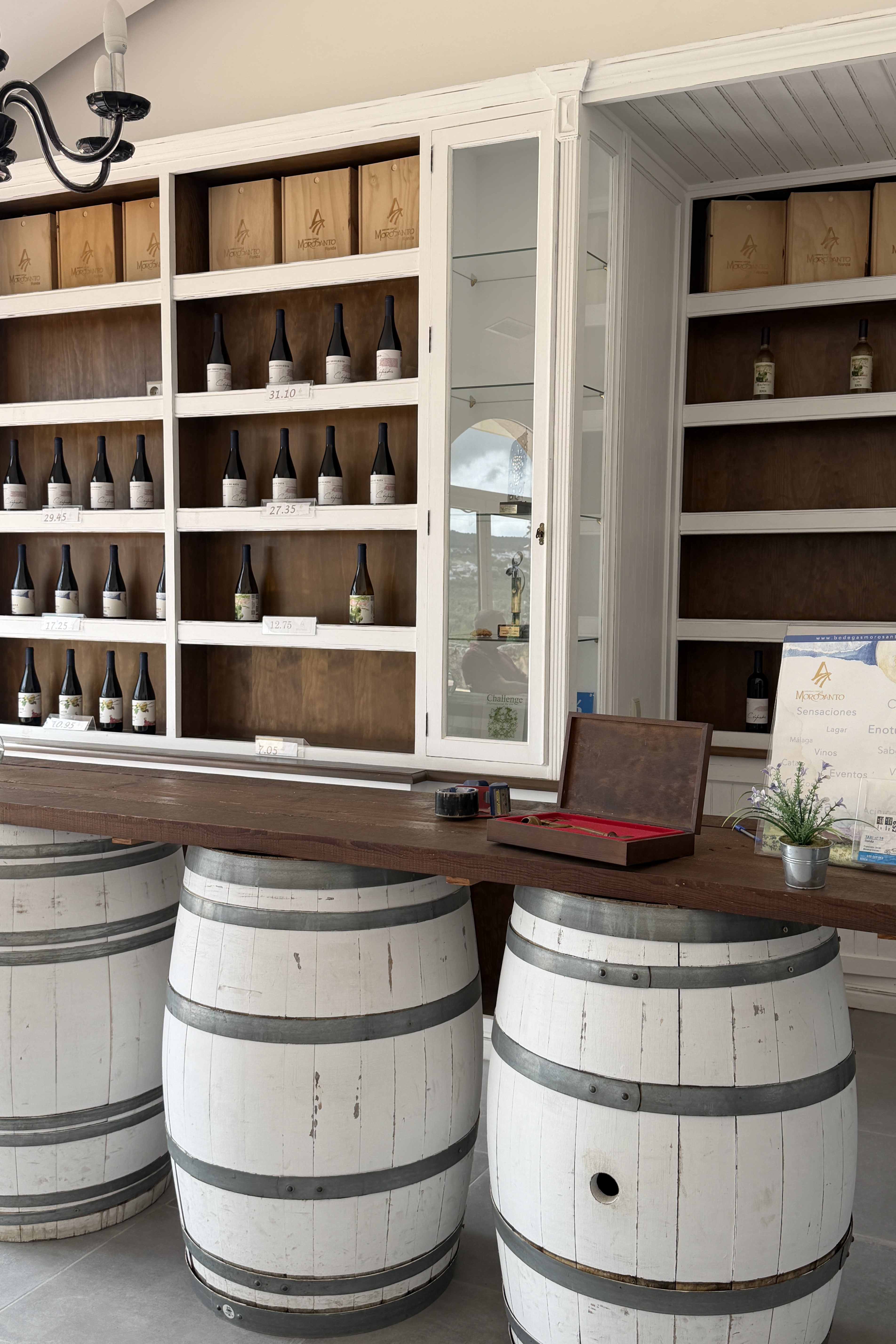
- The Structural Sovereign — Bodegas Morosanto: This spectacular 15-hectare estate operates under a deeply philosophical approach to viticulture, turning out what our host Benjamin proudly calls "talk wines"—highly complex, thought-provoking bottles designed to be unraveled slowly over great conversation and food. Morosanto’s wines are arguably the most superior, award-winning, and structurally deep expressions of the entire spoke.
- We loved learning about Morosanto's single-varietal work with Petit Verdot. While the vast majority of global wine regions legally restrict this thick-skinned, late-ripening grape to a tiny 1% to 5% blending agent used strictly for adding color and tannin, Morosanto treats it as a sovereign standalone variety. Because the estate's high-altitude plots achieve exceptional diurnal temperature swings, the fruit is granted a massively long hang-time on the vine. This allows the notoriously aggressive, muscular tannins of Petit Verdot to fully polymerize and soften naturally, while the cooling mountain night air locks in a high structural acidity. The result is a highly decorated, age-worthy powerhouse that beautifully marries dark-fruit concentration with a stark, iron-rich mineral spine—proving that Ronda's microclimates can completely reinvent a classic textbook blending grape into a standalone masterpiece.
The Regional Style & SAT Tasting Notes
A Young Region in Evolution
Tasting along the Ronda Wine Route offers an exciting, front-row seat to a wine region in its dynamic youth. Because the modern quality renaissance here only kicked off at the turn of the 21st century, you won’t find a uniform approach to the tasting room, the cellar floor, or even the grape varieties. Instead, you are witnessing an experimental frontier where a passionate community of winemakers is actively doing the groundwork to understand their land. They are constantly testing how different varieties adapt to the high-altitude mountain climate, mapping the limestone soils, and figuring out how to tame the intense southern sun.
Whether you encounter a hyper-focused comparative flight or a relaxed host pairing labels with plates of local Manchego cheese, the true masterclass here is the dialogue. It is a completely unpretentious landscape where independent producers are eager to share exactly what they are learning about the terroir with every passing vintage.
- Bodega Excelencia, Cabernet Franc 2022
- Appearance: Clear, deep ruby with an intensely concentrated magenta rim.
- Nose: Clean, pronounced intensity, flashing textbook varietal typicity. High-toned aromas of fresh redcurrant, graphite, and black raspberry are underscored by an elegant, complex streak of roasted red bell pepper, dried oregano, and crushed slate minerality.
- Palate: Dry, medium-bodied, with high, mouth-watering acidity and fine-grained, chalky, medium-plus tannins. The palate is beautifully balanced and pristine, driving forward with dark fruits and savory, herbaceous notes.
- Conclusion: Outstanding quality. The Why: This 2022 vintage is a flawless representation of what high-altitude calciferous soil can achieve with Cabernet Franc. The mountain elevation protects the grape's signature refreshing acidity, while the intense Andalusian sun fully ripens the pyrazines, turning what could be green or herbaceous into an integrated, elegant savory masterpiece. Of the vertical tasting we did for this wine, the 2022 was the absolute standout.
- Bodegas Morosanto, Petit Verdot 2019
- Appearance: Clear, opaque deep purple-ruby with thick, slow-moving legs.
- Nose: Clean, pronounced intensity, showing highly concentrated and exotic dark fruit profiles. Aromas of blueberry jam, black cherry, and violet petals are layered with dark chocolate, espresso bean, and a stony, mineral undertone.
- Palate: Dry, full-bodied, and intensely powerful, backed by a massive, muscular structure of medium-plus tannins and high, structural acidity. The palate is dense and mouth-filling, showing rich layers of dark plums, licorice, and sweet oak spices. The finish is remarkably long, structured, and warming.
- Conclusion: Very good quality. The Why: Ronda is legendary in Spain as the first region to successfully introduce Petit Verdot as a standalone, single-varietal wine. In lower, flatter regions, this late-ripening grape struggles to balance sugar and acid, but Ronda's high elevation and intense solar radiation allow it to achieve flawless phenolic maturity and smooth out its muscular tannins, creating a balanced, age-worthy powerhouse. The 2019 needed just a little more time in the bottle to achieve perfect structural harmony.
- Bodega Doña Felisa, Chinchilla "Doble Doce" (Double 12) 2019
- Appearance: Clear, deep ruby-purple with an intensely opaque core and thick, slow-moving legs.
- Nose: Clean, pronounced intensity, displaying a highly expressive, wood-forward profile. Concentrated aromas of black cherry, dark plum jam, and baked blackberry are layered with secondary notes of sweet vanilla bean, toasted cedar, cocoa powder, and a hint of wild bramble.
- Palate: Dry, full-bodied, and highly structured, carrying a robust 15% ABV. The palate features a powerful architecture of medium-plus, muscular tannins balanced by a crisp, medium-plus acidity. Rich, dense flavors of dark bramble fruits, baking spices, and licorice dominate, though the mid-palate leans heavily into the alcohol and oak extraction. The finish is warm, intensely drying, and medium in length.
- Conclusion: Very good quality. The Why: Doble Doce is a certified icon of the Sierras de Málaga D.O., and we loved it so much we proudly purchased three bottles of this 2019 vintage to take with us. The name translates to "Double 12," representing the symmetrical blending of Cabernet Sauvignon and Merlot that have both been aged for 12 months in select French oak barrels. Sourced from the estate's high-altitude Chinchilla vineyards, the intense mountain diurnal shift protects the acidity needed to keep this massive red fresh. However, while it is an incredibly well-made and complex wine, it falls just short of outstanding; the high natural sugars and powerful wood integration push the 15% alcohol slightly out of perfect balance, leading to a finish that lacks the seamless harmony and lingering fruit persistence of a truly top-tier vintage.

The Hub Scene: Urban Labs, Tapas Crawls, and Chalk-Written Bills
When you return from the steep mountain terraces back down to the historic seaside of Malaga, the wine education seamlessly translates from primary vineyard science to an ancient urban bar culture. Malaga is a spectacular slow travel hub. Turn the city into your personal urban laboratory by seeking out its highly specialized enclaves:
The Representative Vibe: Vinoteca Bouquet (Malaga)
For an absolute pinnacle wine study session in the city center, bypass the basic tourist traps and secure a table inside Vinoteca Bouquet. Owned and operated by two elite sommeliers, this compact, high-vibe spot is a certified haven for wine students. One entire wall is completely lined with rare retail allocations from across Spain, while their extensive by-the-glass flight selections are kept in specialized professional chillers. This can be a rarity in the city, so it’s a welcome find, ensuring your reds and whites are served at pristine, mathematically correct temperatures.
We booked a structured tasting flight here, pairing an array of exquisite local and regional labels against small tapas of rich oxtail croquettes and mature Manchego cheese. Our host spoke flawless English and walked us through a fascinating local methodology focused on assessing alcohol levels. He demonstrated how to look at the viscosity and tears coating the glass, execute deep inhalations to test for any heat or burn in the back of the nose, and trace the finish through the palate. In a scorching territory like Spain, this technical focus on alcohol balance is an essential tool for any certification candidate.
Among the curated flights we analyzed at Vinoteca Bouquet, three specific bottles completely stole the show:
- Bodega Tesalia "Iceni" 2020 (Vino dela Tierra de Cádiz): An incredibly expressive, forward-thinking Andalusian red blend of Syrah and Tintilla de Rota. It shows a striking balance of juicy black fruit, plush tannins, and a remarkably fresh acidity driven by the cooling Atlantic breezes that sweep through their low-lying, chalky vines.
- Bodega El Grifo "Ariana" 2023 (Lanzarote, Canary Islands): An absolute goldmine for students studying extreme viticulture. This unique blend of native Listán Negro and Syrah is grown in the black volcanic ash pits of Lanzarote. It throws a fiercely complex profile of wild red berries, intense volcanic ash, and an edgy, cracked-pepper smokiness framed by a surprisingly light-to-medium body.
- Bodega Fariña, Toro Crianza 2019 (D.O. Toro): A massive, muscular masterclass in old-school Spanish power. Crafted from 100% Tinta de Toro (the hyper-localized variant of Tempranillo), this Crianza spends a year in toasted oak, yielding deep blackberry jam, leather, and dense, rustic tannins that finish with a powerful, warming length.
To further track down regional bench marks, prioritize these iconic city stops:
- The City Center Institution — Bodegas El Pimpi: Housed inside a magnificent 1600s building that historically operated as a brothel, this massive cellaring complex became a world-famous wine cellar in 1971. Co-owned by local icon Antonio Banderas, it is the premier urban destination to sample legendary labels like Emilio Moro by the glass.
- The Chalk-Written Archive — Antigua Casa de Guardia: Located adjacent to the central market, stepping into this historic institution is like stepping back into the 19th century. Here, bartenders proudly pour Malaga’s historic sweet wines straight out of massive wooden barrels lining the wall, writing your running bill in wet white chalk directly onto the wooden counter in front of you. It is the perfect venue to study old-school sweet wine styles crafted from Pedro Ximénez (PX) and Muscat grapes.
A Wine Fridge Protocol Note from Benjamin
During our technical discussions at Morosanto, Benjamin shared their strict, four-tier temperature protocol (in Celsius) for managing Spanish fruit, which makes an exceptional blueprint for a student's home cellar:
- Top Shelf (16°C – 18°C): Complex, heavy, structured red wines (like single-varietal Petit Verdot).
- Second Tier (13°C – 15°C): Youthful, fruit-forward, and less complex red wines.
- Third Tier (9°C – 12°C): Dry, aromatic white wines (like native Moscatel or Chardonnay.
- Bottom Shelf (5°C – 7°C): Open bottles and traditional-method sparkling wines.
The WSET Study Corner
- Label Anatomy (The D.O. Split):When analyzing an Andalusian wine label, note that Málaga D.O. is legally reserved strictly for the region's historic sweet fortified and unfortified dessert wines. If you are looking at a modern, bone-dry table white or a high-powered, robust mountain red, it will legally carry the Sierras de Málaga D.O. designation, often accompanied by the official Serranía de Ronda sub-zone status.
- The Unique Identity of Tintilla de Rota: While international "improvers" like Cabernet and Syrah dominate the high-end market, Ronda's unique native red variety is Tintilla de Rota. This thick-skinned variety is genetically similar to Grenache but possesses a remarkable, specialized evolutionary adaptation to the high salt and alkaline levels of southern Spain's soils, delivering high natural acidity and intense dark-fruit concentration.
- Flashcard Moment — The Architecture of Climate: What historic city design connection binds Malaga's old-world streets to its modern wine service? Answer: Malaga's old-town buildings were intentionally built with curved stone facades and incredibly narrow, non-linear tracks to naturally channel the sea breeze through the city and evaporate water. Today, that same coastal breeze and calciferous soil mirror protect the high-altitude vineyards from over-ripening.
We loved this native grape so much that we purchased two bottles of it from Bodegas Morosanto under their specialized label. Here is our formal profile of that wine.
- Bodegas Morosanto, "Céspedes" Tintilla de Rota 2020.
- Appearance: Clear, deep ruby-purple with a highly concentrated, opaque core and vibrant violet highlights along the rim.
- Nose: Clean, pronounced intensity, offering a highly unique, dark-toned aromatic profile. Pronounced, youthful aromas of black cherry, wild blackberry, and crushed dark plums are tightly layered with secondary and tertiary complexities of black pepper, dried Mediterranean scrub (garrigue), wild lavender, licorice, and a distinct, iron-rich wet stone minerality.
- Palate: Dry, medium-to-full bodied, backed by a perfectly integrated 14% ABV. The structure is defined by a powerful combination of medium-plus, granular tannins and a remarkably high, mouth-watering acidity. The palate mirrors the nose with concentrated flavors of dark bramble fruits, bitter chocolate, and herbal spice, all suspended over a rigid, chalky mineral spine. The finish is long, complex, and intensely savory.
- Conclusion: Very good to Outstanding quality. The Why: Sourced from Morosanto's high-altitude vineyards planted at 700 meters above sea level, this 2020 Céspedes is a stellar educational benchmark for studying Tintilla de Rota as a standalone variety. While the intense southern Spanish sun fully ripens the grape's thick skins—yielding deep color, muscular tannins, and a robust 14% ABV—the extreme mountain altitude provides the critical night-time cooling needed to preserve an incredibly high, electric natural acidity. This structural acidity perfectly cuts through the dense fruit extraction, preventing the wine from feeling heavy and giving it a balanced, savory freshness that leads into a beautifully persistent, mineral-driven finish.
The Exam Cheat Sheet
- Climate: Maritime-Mediterranean along the coast; sharply continental inland in Ronda, heavily mitigated by steep mountain ridges and massive diurnal swings.
- Soils: Stark calcareous limestone and chalk variants, heavily packed with iron-rich subsurface deposits north of Ronda town.
- Primary Varieties: Petit Verdot, Cabernet Sauvignon, Tempranillo, Tintilla de Rota (Reds); Moscatel, Chardonnay, Doradilla (Whites).
If you are interested in learning more about the WSET Certification in Wine. I received my Level 2 from Johnson & Whales University in Charlotte, NC and my Level 3 from the Napa Valley Wine Academy in Napa Valley, CA.
Links: Malaga Trip Report | Ronda Trip Report | Wine Guides
Up Next: Algarve Wine Guide
Welcome to the new Touchpoint Wines
We’re blending our passion for wine with a love for global exploration. Join us as we journey through the world's most captivating destinations, uncovering hidden wine gems and offering unique workshop experiences for your team retreats. Whether you're seeking to enhance team dynamics or discover the art of slow travel, let us be your guide.