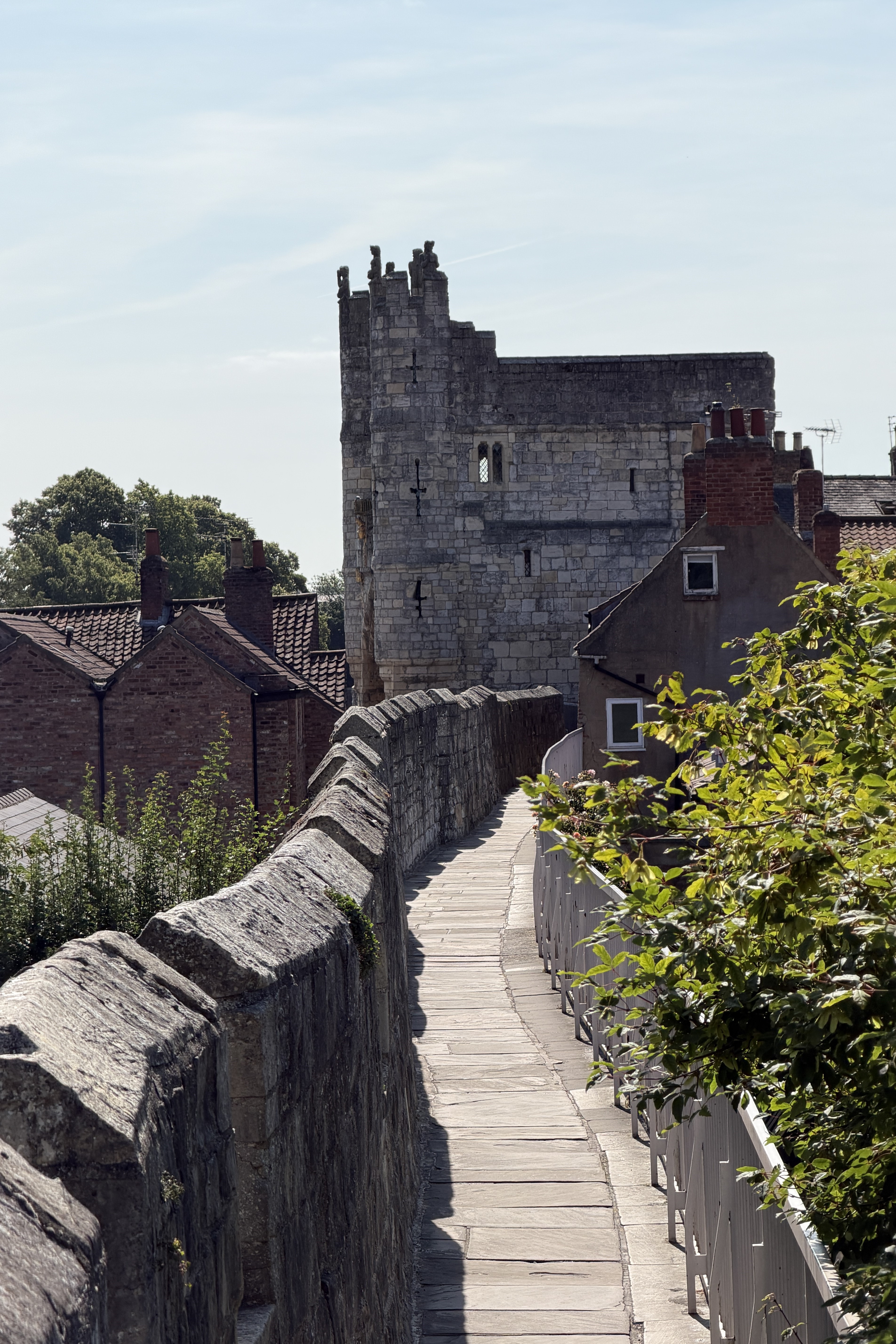
At a Glance
- Duration: 5 Days (Late August - 2026)
- Home Base: Hillside studio apartment perched high above the Old Town and the shimmering Adriatic.
- Top Day Trip / Excursion: Fort Lovrijenac & Outer Ramparts (as our hub-and-spoke model shifted toward sequential island hubs—Korčula, Hvar, and Split—our "spoke" was exploring the dramatic standalone fortress just beyond the western moat).
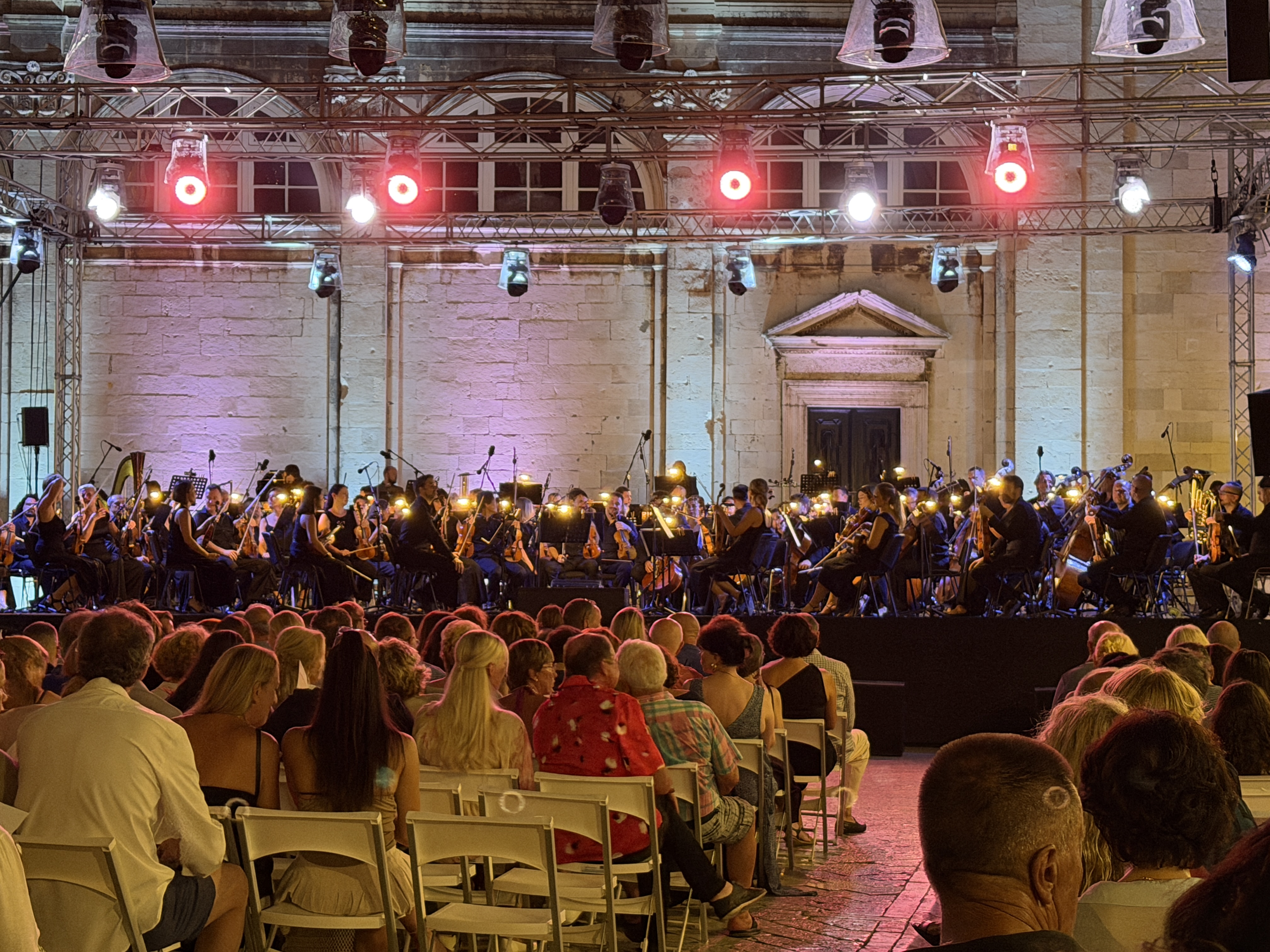
- Memorable Moment: Sitting in the open square beneath the illuminated facade of Dubrovnik Cathedral on an 85-degree evening, listening to the Zagreb Philharmonic Orchestra echo off ancient limestone while crowds listened thirty-deep along the perimeter gates.
- Overall Vibe: Ancient, sun-drenched, maritime, and intensely vertical; the old town was filled with tourists and friendly shopkeepers; a very welcoming and energetic city.
This City is Special Because... (Introduction & Our Why)
Dubrovnik reveals itself all at once, opening up like an immense, sun-bleached limestone amphitheater that plunges straight into the electric turquoise of the Adriatic. Coming off weeks of dramatic coastal hiking in Eyemouth and the cultural buzz of Edinburgh’s Fringe and Tattoo festivals, we arrived in southern Dalmatia ready to slow down, seek out the warmth, and settle into a thoughtful seaside rhythm. We deliberately targeted late August, harboring a quiet hope that the end of European school holidays might thin the relentless summer rush. The heat, holding stubbornly in the upper eighties and nineties, and the energetic midday crowds quickly dispelled that illusion, but Dubrovnik’s sheer visual grandeur disarmed us completely.
The moment our taxi dropped us along the high upper road, we had to grip our rolling bags tightly as we switch-backed down the steep hillside path toward our flat so our luggage didn't roll away down the grade. But as soon as we looked up, any trace of travel fatigue vanished. The view over the red terracotta rooftops glowing under the southern sun, the water glistening off the Adriatic, and Lokrum Island resting in the distance made for a stunning panoramic welcome.
Entering the Old Town was nothing short of enchanting. In few historic centers we have explored have we felt so palpably like we had walked directly into history. We loved the dramatic layout of the city with its polished white limestone streets mirroring the sky, fully intact outer walls, and distinctive lanterns hung above alleyways, serving as both ambient illumination and traditional signage for local establishments. Everywhere you looked were flower-filled alleyways with stone steps pointing toward mysterious corners, just begging you to explore.
We decided to explore Croatia differently than our typical hub-and-spoke model. Instead of treating Dubrovnik as a hurried port-of-call, we anchored here for five days to absorb its heavy, layered history before transitioning along our broader island journey north toward Korčula, Hvar, and Split. It served as our visual and historical crash course and remains a true gem of our travels so far.
Our Home Base: The Upper Terraces Above Old Town
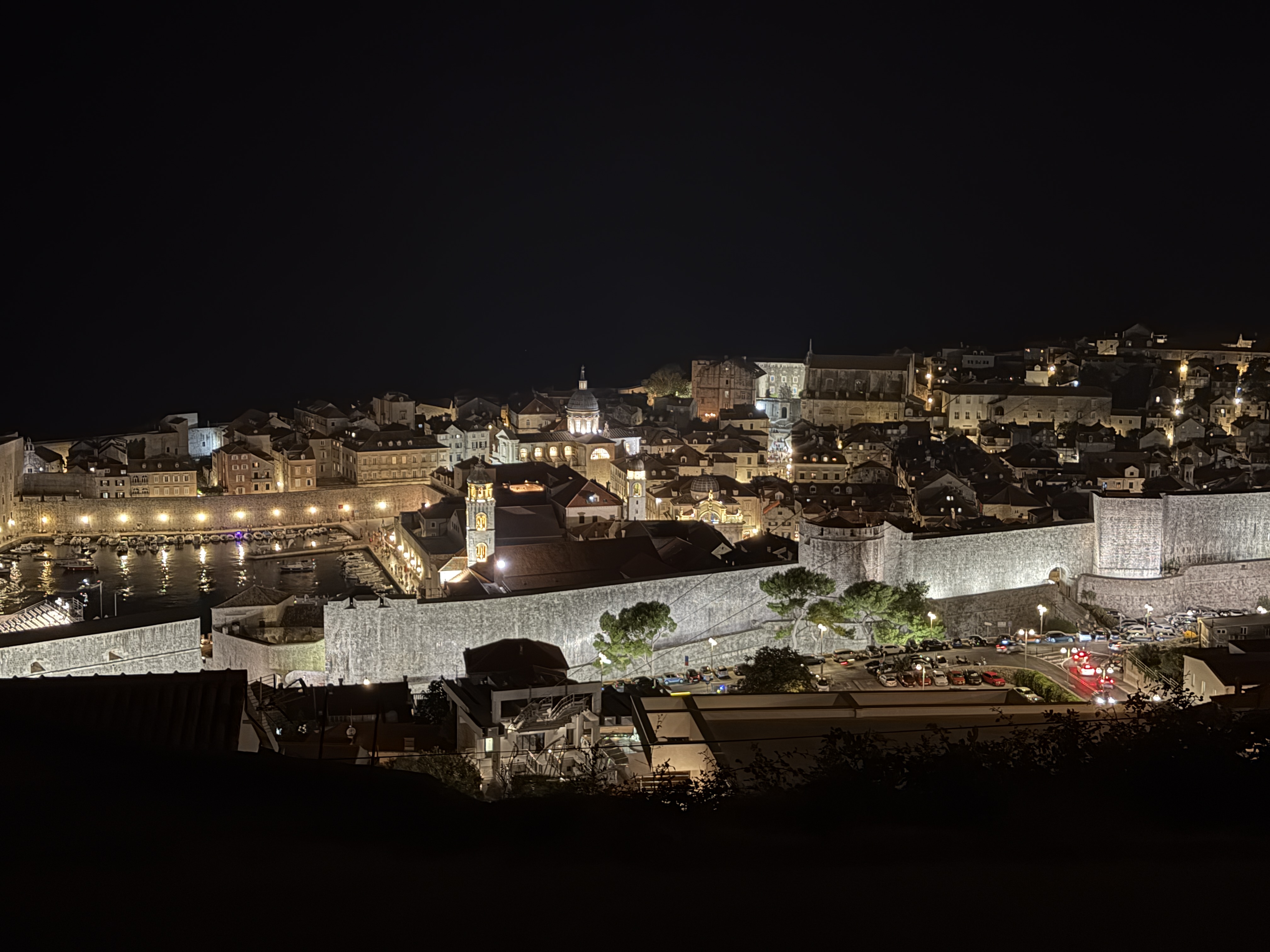
Choosing where to lay your head in Dubrovnik comes down to a fundamental trade-off: do you stay flat within the pedestrian walls amidst the clatter of late-night diners, or do you head up into the cliffs for silence and breathtaking vistas? We opted for the heights, booking a self-catered studio flat on Booking.com that featured a nostalgic beaded curtain between the kitchenette and living quarters and opened onto an intimate private terrace. From that vantage point, our terrace became our private box seat.We could sip our morning coffee while watching the first determined walkers trace the crest of the city walls far below, watch boats and kayakers navigate the beautiful waterways, or unwind at dusk as the lights of the city and illuminated ramparts created a dramatic evening panorama.
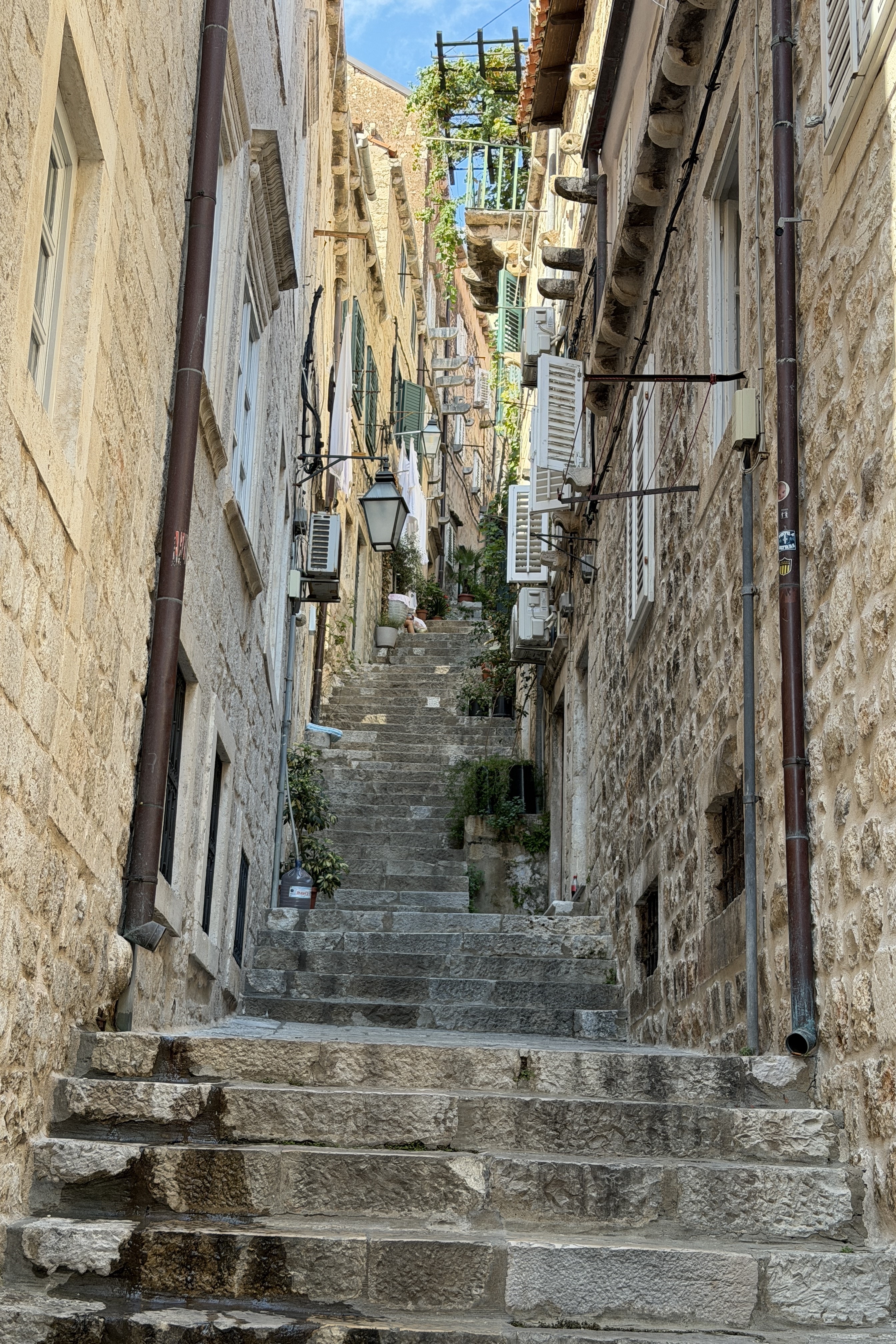
The price of that view, however, is measured in steps. Dubrovnik is a town of unyielding verticality where every outing becomes an intense leg workout. On our first afternoon, the midsummer heat bouncing off white stone made the prospect of popping back and forth between our flat and the old town feel like a serious mountaineering expedition. If you blindly trust Google Maps, it will guide you straight up the most direct, soul-crushing flight of hundreds of uninterrupted stone stairs.
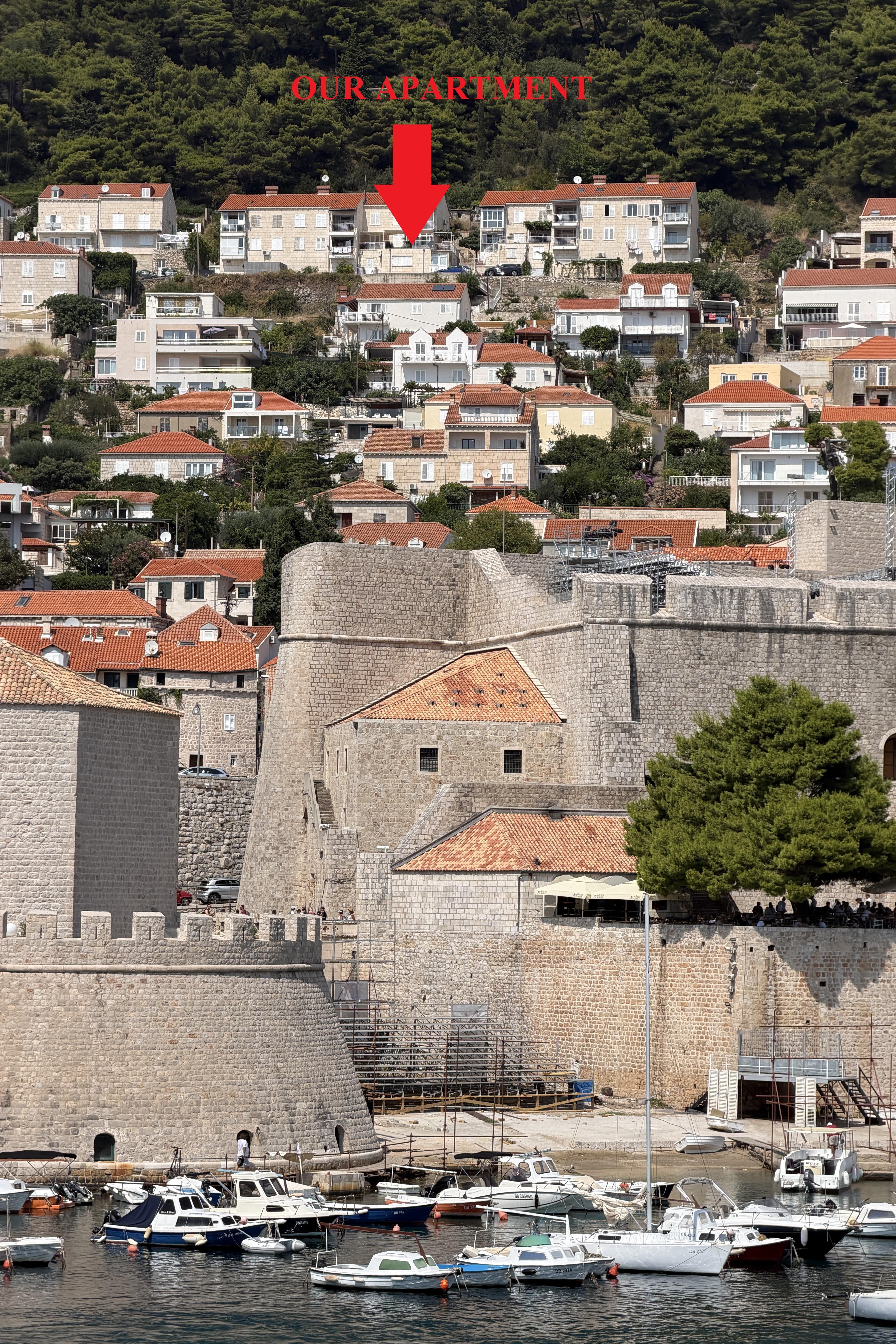
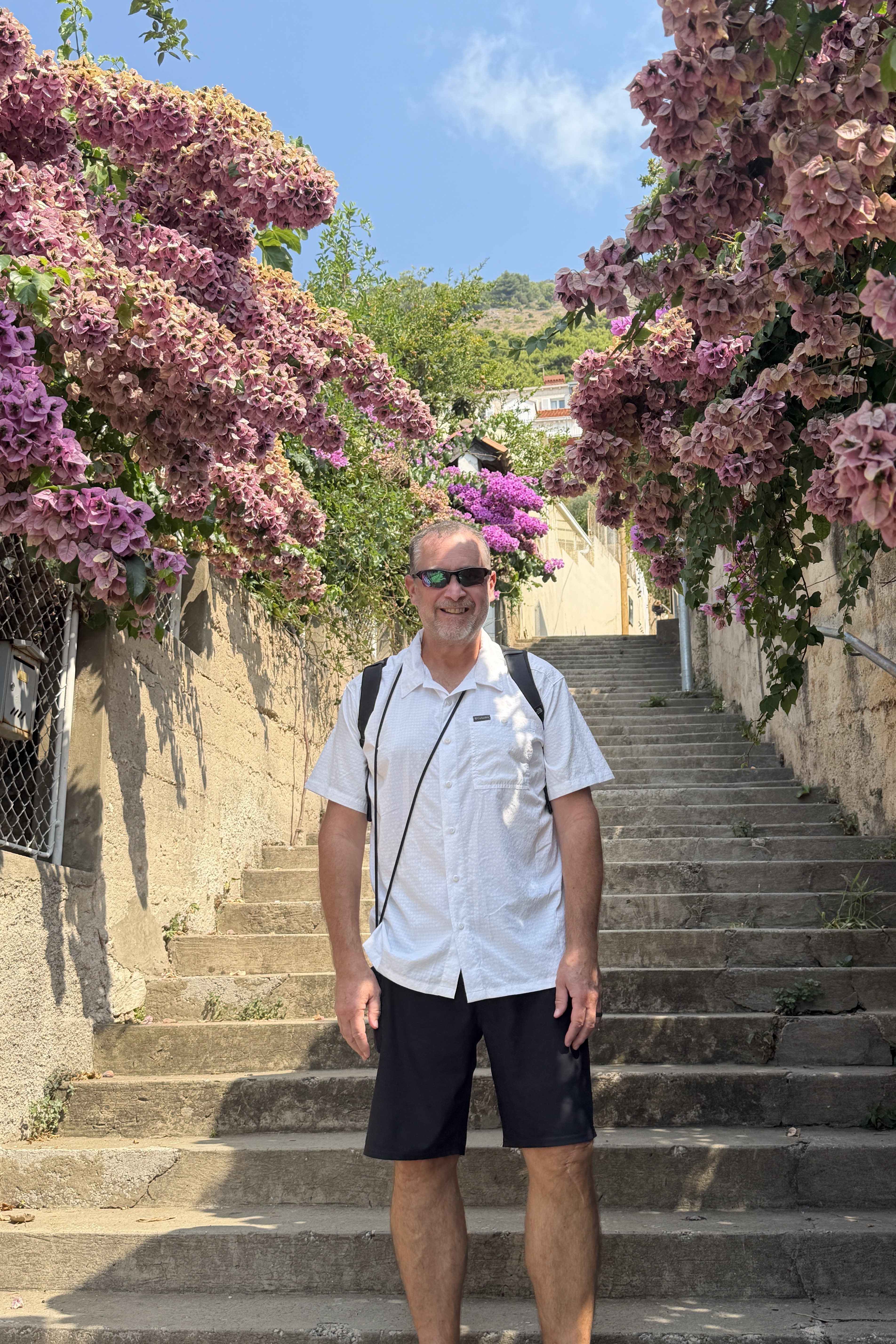
Fortunately, our local hostess gave us the ultimate neighborhood gift: she mapped out a hidden pedestrian switchback route that traded the vertical stairways for gentle, inclined stone ramps. That subtle deviation transformed the walk into an enjoyable, brisk climb rather than a sweat-drenching ordeal you had to steel yourself to endure. All week long, as we descended toward the gates, we found ourselves playing trail angels, pointing flushed, out-of-breath travelers toward our host’s secret ramps while they stood panting over Google’s merciless route.
Living up on the terraces also offered a sharp financial reality check. Croatia in late summer proved far pricier than our recent haunts in Spain or France. Down inside the Stradun, tourist markups are steep and casual café tabs add up fast. By staying above the fray, we balanced our budget by picking up basic groceries and breakfast supplies at neighborhood markets along the upper rim, keeping our midday routines relaxed before descending into the town’s dining scene.
Our Dubrovnik Experience: The Day-to-Day
The Active Routine & The Vertical Rhythm
With daytime temperatures frequently kissing 90 degrees, living well in Dubrovnik meant adapting our daily schedule to the sun. Our standard routine had us dividing our mornings: I tackled a new project and client calls from our shaded terrace, while Tom laced up his trail shoes to take on the rugged hillside.
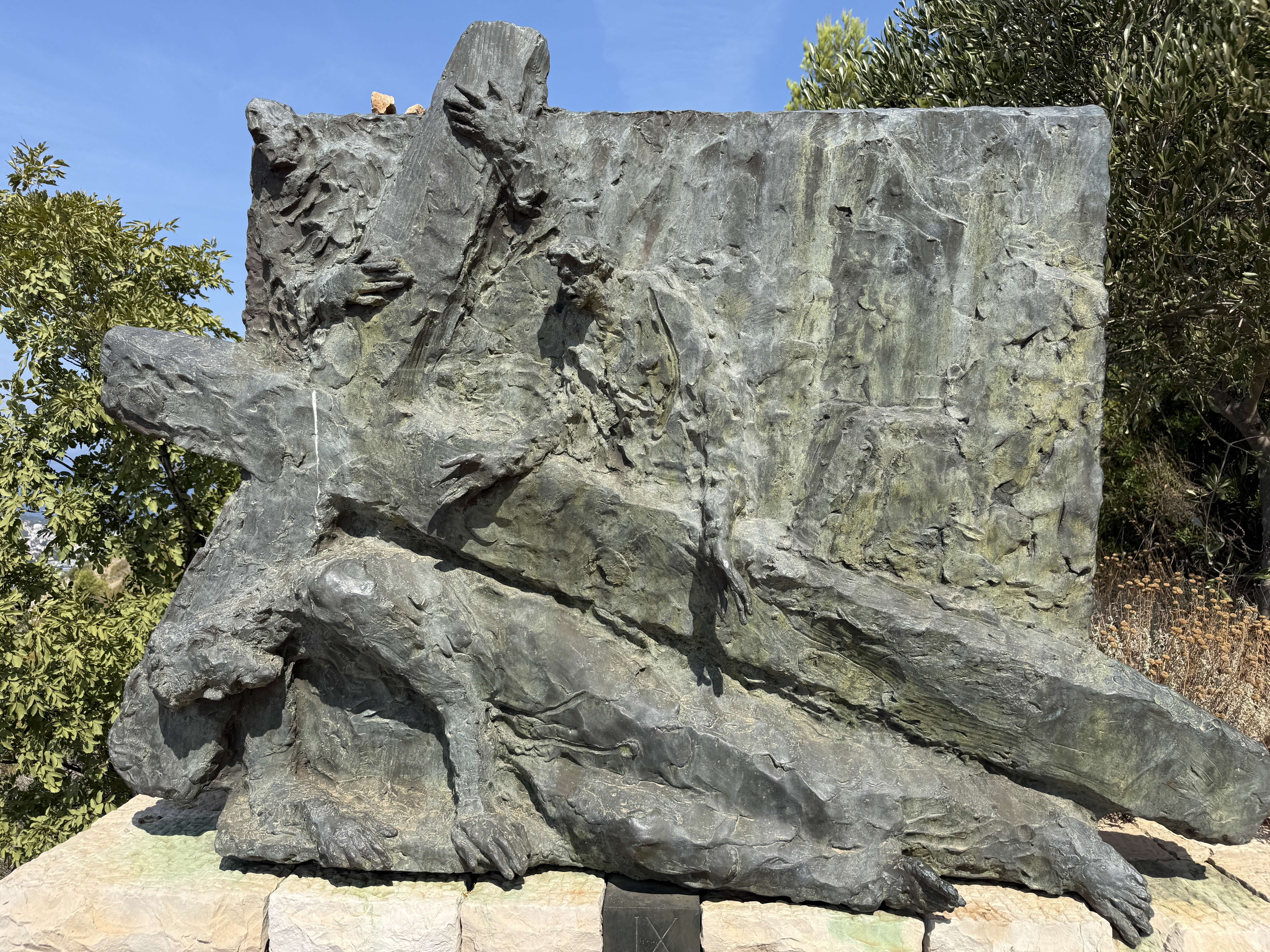
Tom’s primary athletic mission was summiting Mount Srđ directly along the footpath carved into the mountainside beneath the cable car line. The trek is a continuous serpentine ascent over rough limestone, distinguished by remarkable sculptural Stations of the Cross anchoring each turn of the switchback. His initial early-morning push took roughly two hours round-trip, bringing him to the crest just as the morning light caught the entire Dalmatian coastline, making for some lovely photos. At the top, there is a paid historical museum and two separate viewing perches—one free overlook offering a partial vantage, and an upper platform with a modest access fee that frames the complete, uninterrupted footprint of the fortified city below.
The lesson of Mount Srđ, however, is all about timing. When Tom attempted to repeat the ascent, the following morning starting around 10:30 AM, the radiant limestone heat turned the hillside into an oven, forcing an early retreat. For active hikers, setting out by 8:00 or 8:30 AM with ample water is non-negotiable.
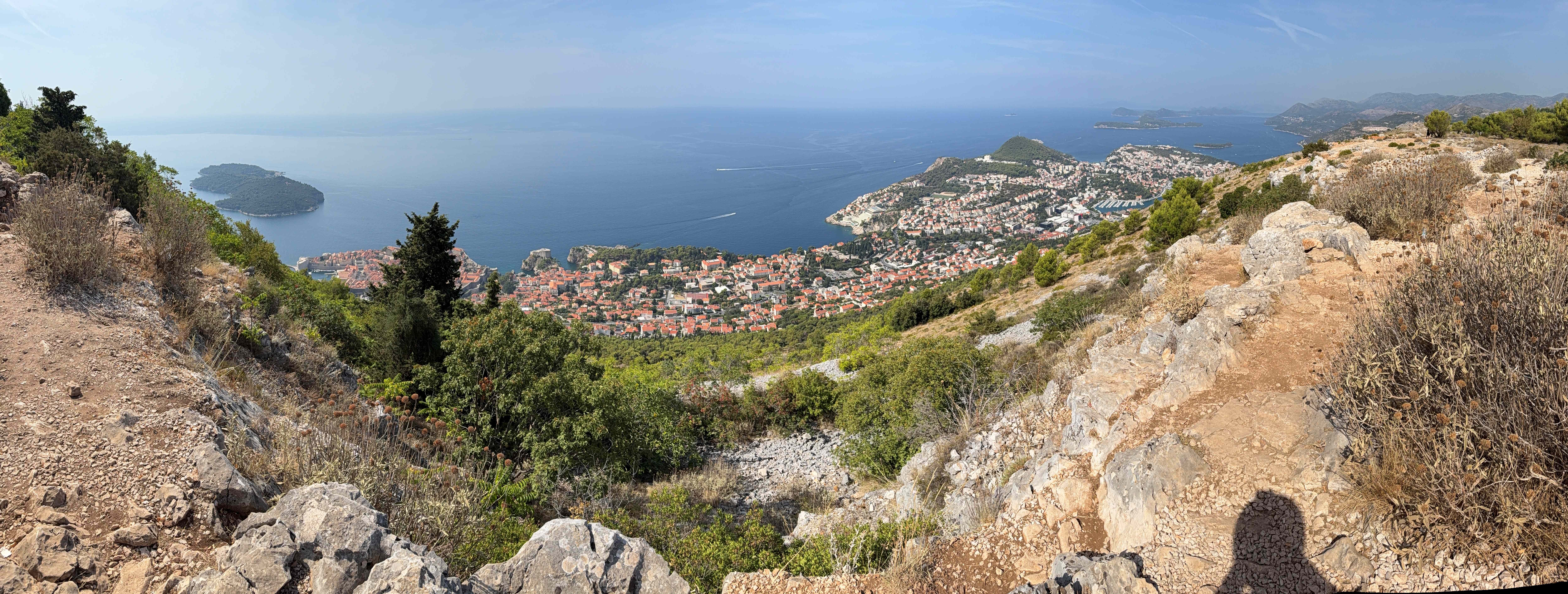
One thing we won’t ever forget is how inviting the crystal-clear Adriatic is when midday temperatures peak. We spent time at Banje Beach, an easy thirteen-minute walk from our base. Arriving around 10:30 AM proved ideal for claiming a prime spot on the shore before the mid-morning crowds surged. The Adriatic here is legendary—pristine, buoyant, and shimmering with shades of aquamarine. While the shoreline is pebbly, we found that smooth, semi-sandy patches made walking into the water perfectly comfortable without requiring specialized water shoes. Floating in the cool, clear sea with views of Lokrum Island and the ancient fortress ramparts rising behind the cove is the ultimate antidote to Dubrovnik's summer heat.
Fortress Ramparts & Cliffside Perches
Walking Dubrovnik's celebrated City Walls is the defining experience of the city, but navigating it comfortably requires operational savvy. Entry tickets currently sit at €40 per person (or are included via the Dubrovnik Pass), and having them pre-booked on our phones allowed us to walk straight past the queueing crowds at the kiosks.
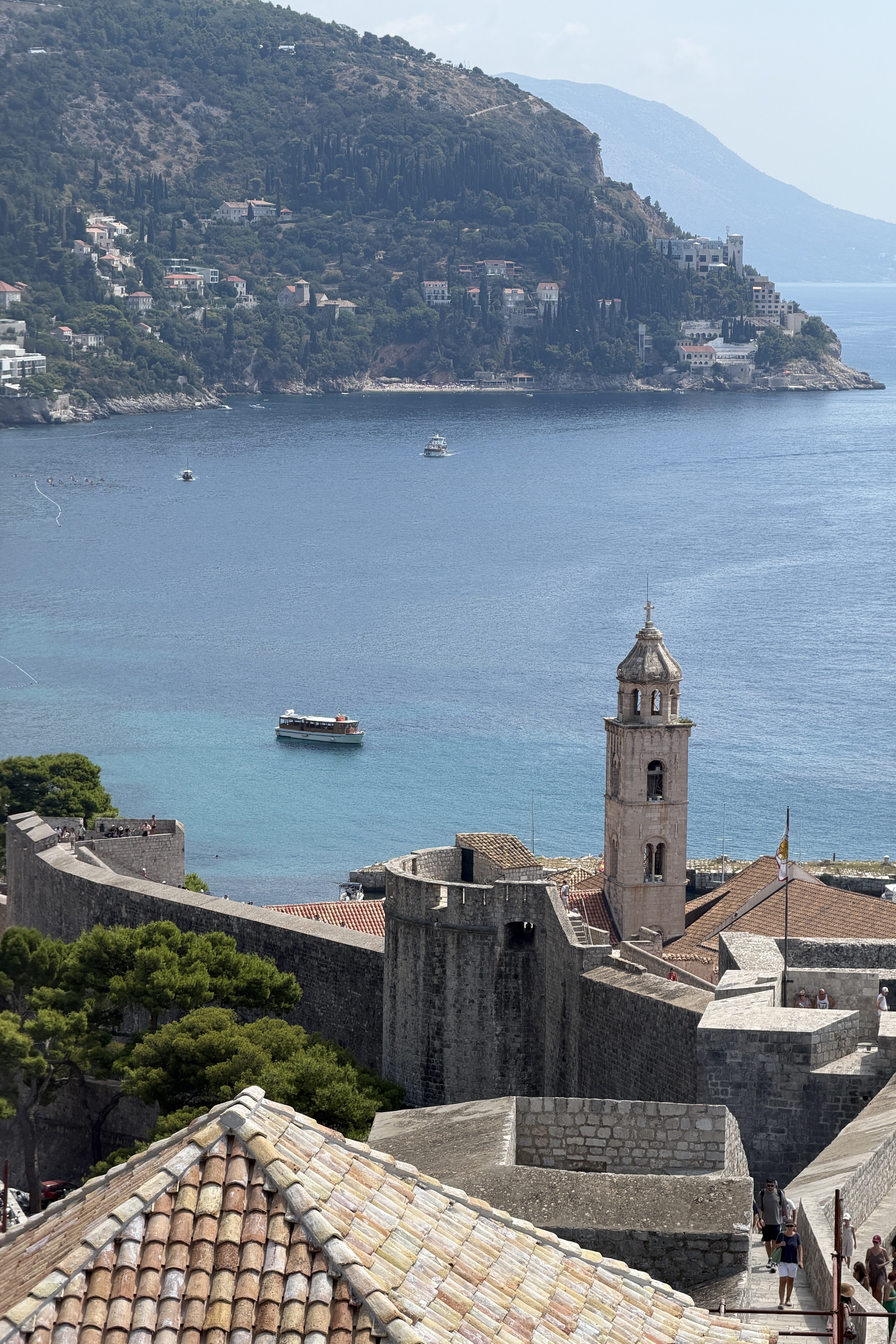
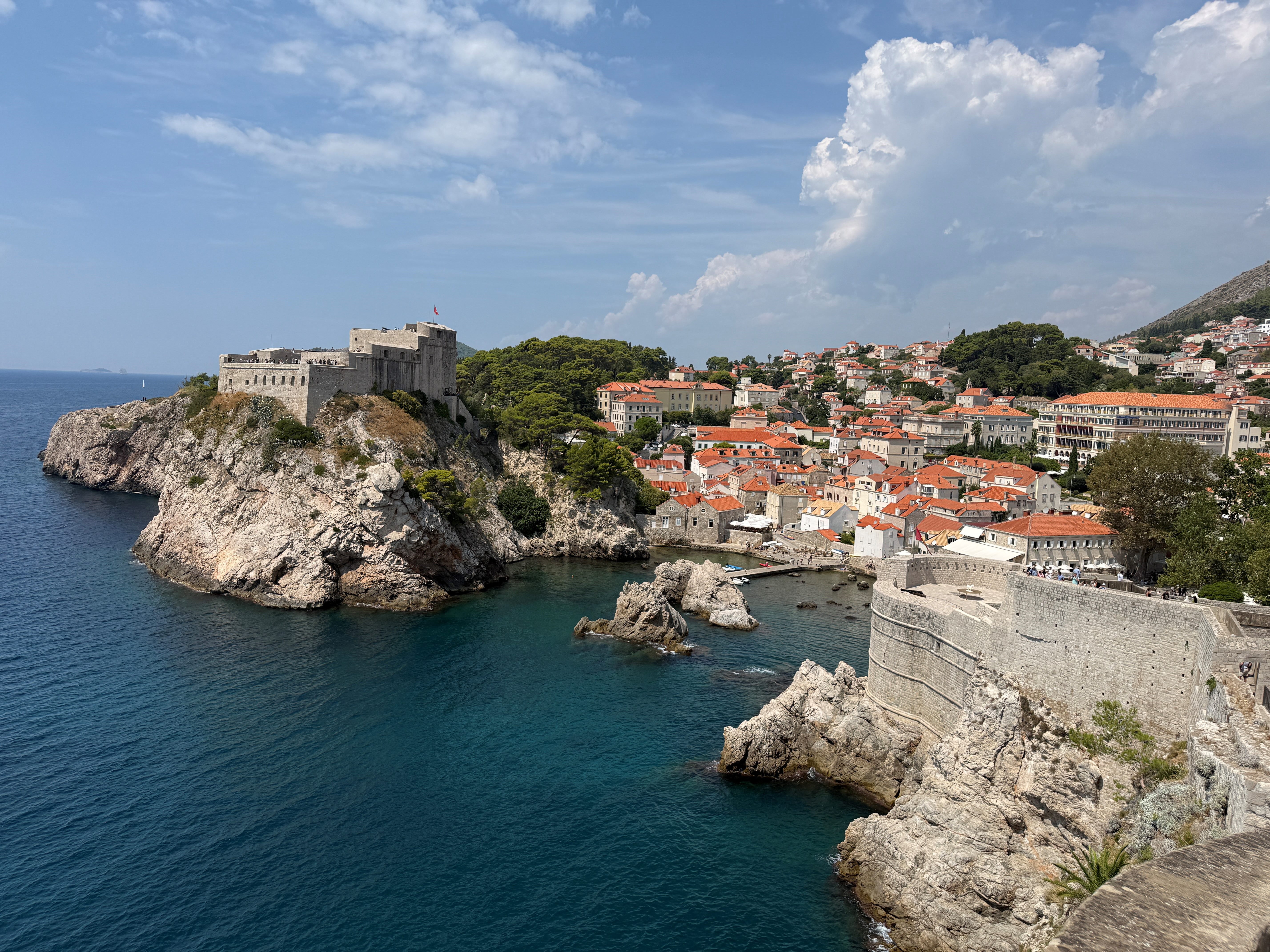
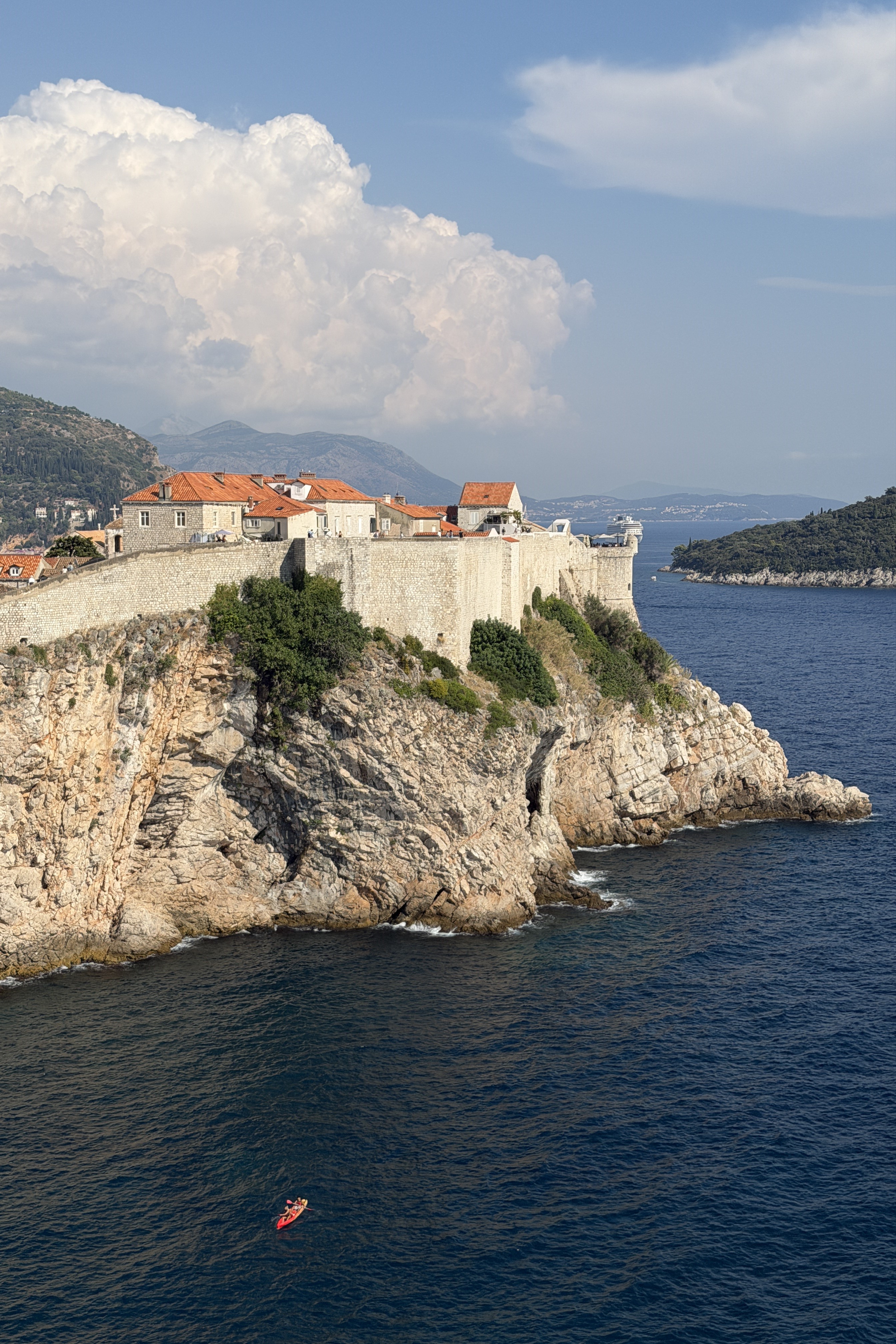
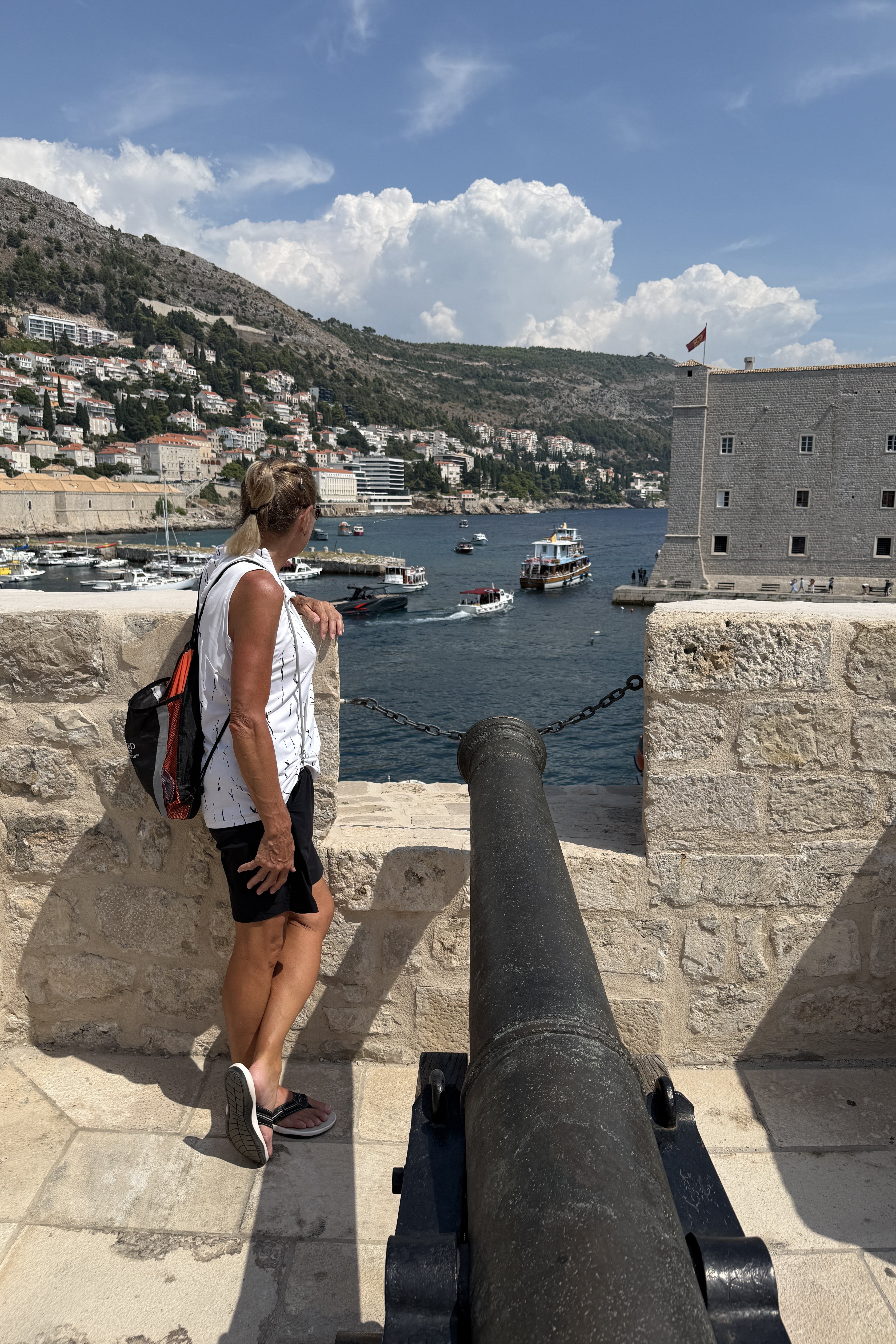
While standard tour itineraries funnel throngs through the busy Pile Gate entrance, we recommend entering via the turnstiles at Ploče Gate. Not only are the boarding queues substantially shorter, but Ploče also offers the gentlest initial stair ascent up to the ramparts. Traffic around the 2-kilometer circuit moves in a strict counter-clockwise direction. From our high perch, we had panoramic views looking down across the terracotta roofs and out toward the azure expanse of the open sea.
Along the exposed southern sea rampart, a small tower bar is built directly into the historic masonry. We ducked into its shade, caught the sea breeze, and lingered over a cold beer, watching fleets of sea kayakers and cliff jumpers dot the waters far below.
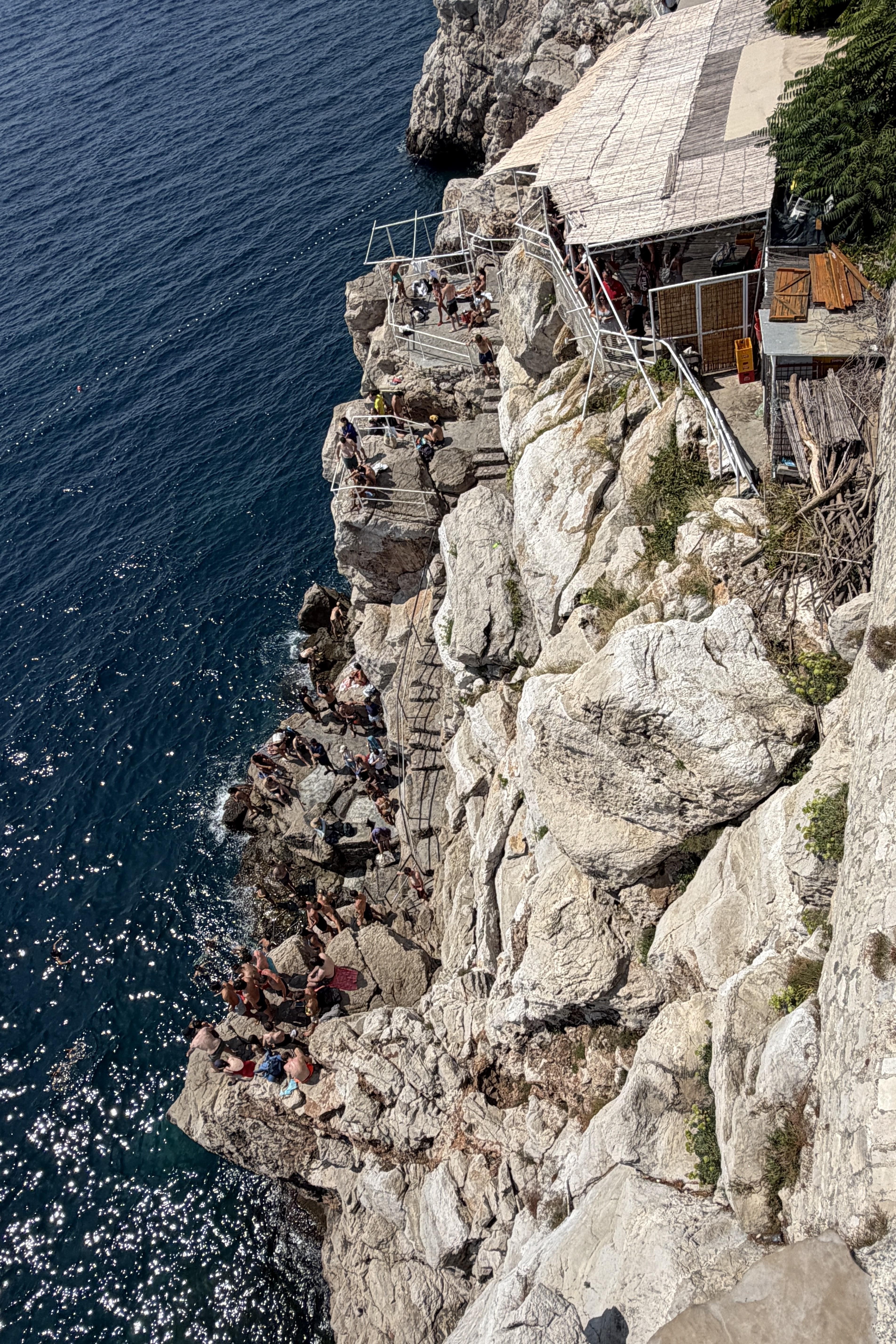
That cliff-edge energy carried over naturally to an afternoon stop at Buža Bar.Accessing Buža feels like entering a secret clubhouse: you duck through a literal hole knocked through the thick southern stone ramparts and suddenly emerge onto open, tiered concrete platforms clinging to the sheer rock face.There is no running water—only electricity and cooler chests stocking soda, water, cold beers, and canned wines—but what it lacks in amenities, it delivers in raw coastal charm. We grabbed a semi-shaded spot and enjoyed a lovely conversation with a family visiting from Australia while we all settled in to watch daring swimmers leap from jagged ledges into the deep blue surf.
A Local Culinary Exploration
Dubrovnik’s restaurant landscape requires careful discernment; between tourist traps lining the central thoroughfares and high-end fine dining, finding great value takes a little digging.
Our most memorable midday meal unfolded on the open-air terrace at Gradska Kavana Arsenal, tucked right against the ancient harbor wall overlooking the Old Port. Sitting directly beside the pedestrian promenade, we spent a languid afternoon watching excursion boats and sleek tenders cruise into the marina. The cooking was top-tier: an impeccably seared sea bass accompanied by a bright, piquant caper reduction that elevated the delicate white fish, balanced by a deeply earthy, rich mushroom and truffle fettuccine. It was an effortless, lingering slow-travel lunch, and an undisputed contender for our personal Touchpoint Tally Awards.
For casual evenings, we tried a few alley way pizzerias. While Storia came with high public ratings and served a respectable wood-fired pie and a nicely dressed Greek salad, it was outshone by a restaurant we randomly picked our first night called Mea Culpa. Tucked into a narrow Old Town alleyway, Mea Culpa served a ham-and-mushroom pizza featuring a Neapolitan-style blistered crust with generous toppings, paired with Caprese and Greek salads highlighted by remarkably rich local feta.
To ensure we tried traditional Dalmatian fare, we headed outside the city walls to visit Konoba Konova and the highly rated Konoba Pjatanca. These are more rustic taverns specializing in local recipes like pašticada (a slow-cooked sweet-and-sour beef), homemade gnocchi, and rich seafood stews.
We were also amazed by the city’s unbridled gelato obsession. Every evening, lines snaked down the alleys outside artisan scoop shops, with locals debating the finest pistachio recipe on the coast. We decided to try it one evening and immediately saw the allure; grabbing a late gelato and strolling the polished, lantern-lit paving stones of the Stradun quickly became a favorite daily habit.
A Connoisseur's Notebook: Coastal Dalmatian Viticulture
Our time in Croatia was designed not only around exploring vibrant cities and natural wonders, but around learning more about local wines, making connections with producers, and evaluating prospective sites for future corporate retreats. In Dubrovnik, I had pre-booked a dedicated tasting excursion—the "Wine Lovers Tour of Pelješac Peninsula"—which was unfortunately canceled due to low signups. That shift prompted me to seek out knowledgeable local shop owners and educated servers to begin my Croatian wine education in earnest.
Navigating Croatian wine in a bustling tourist hub is an exercise in extremes. Picking up random entry-level supermarket bottles confirmed that bulk table reds here can be flat, high in alcohol, and unpleasantly stewed—the natural consequence of baking Mediterranean sun without careful canopy or yield management. However, stepping into curated bottle shops tells a completely different story.
Dalmatia is a region of dramatic terroir. The vineyards cling to razor-sharp karst limestone slopes plunging steeply into the sea, where intense sunlight is tempered by coastal Adriatic breezes and vines must dig deep into subterranean rock fissures to seek hydration. This creates intensely concentrated, characterful fruit rooted in native varieties.
Near Ploče Gate you will find Life According to Kawa, a beautifully curated concept shop highlighting regional artisan producers. We had a wonderful conversation with the shopkeepers to learn about local production and picked up a bottle of Babić from the celebrated "The Dalmatian Dog" series, produced by Testament Winery near Šibenik. Sporting its minimalist sketch of a Dalmatian on the label, this wine is one to seek out to understand the true potential of indigenous grapes:
- Grape: 100% Babić.
- Tasting Profile: A vibrant, medium-bodied red bursting with bright sour red cherries, bramble, dried Mediterranean scrub herbs (garrigue), and cracked black pepper. Unlike the heavier, tannic Plavac Mali bottles that dominate Pelješac to the north, this Babić retained an energetic, food-friendly acidity that cut right through the midsummer heat and cleansed the palate after dinner. (We even tracked it down again in Hvar at a restaurant celebrated for its curated wine list.
Understanding Dalmatia’s varietal landscape adds immense depth to any dinner table here. The heavyweight red of the south is Plavac Mali (the genetic off spring of Tribidrag / Crljenak Kaštelanski, the original ancestor of Zinfandel), which yields powerhouse, full-bodied reds laden with dark fig and blackberry. On the white side, Pošip—indigenous to the nearby island of Korčula—supplies structured, saline, and citrus-driven whites that pair naturally with local grilled seafood. I highly recommend skipping generic house carafes in favor of these authentic indigenous bottlings to see how Croatian wines can deliver a profound taste of place.
Cultivating Connections: The Purposeful and the Unexpected
The true pulse of Dubrovnik revealed itself through the people we met along the way. We booked a morning walking tour through GuruWalk led by Paula, a born-and-raised local whose humor and candor made it one of our favorite guided tours to date. Paula had worked as an extra during the filming of Game of Thrones Season 5 and shared hilarious behind-the-scenes production stories—like how the production team had to dress an eight-year-old local boy in furs to double for Jon Snow in tight cave scenes where the adult actor couldn't squeeze through.
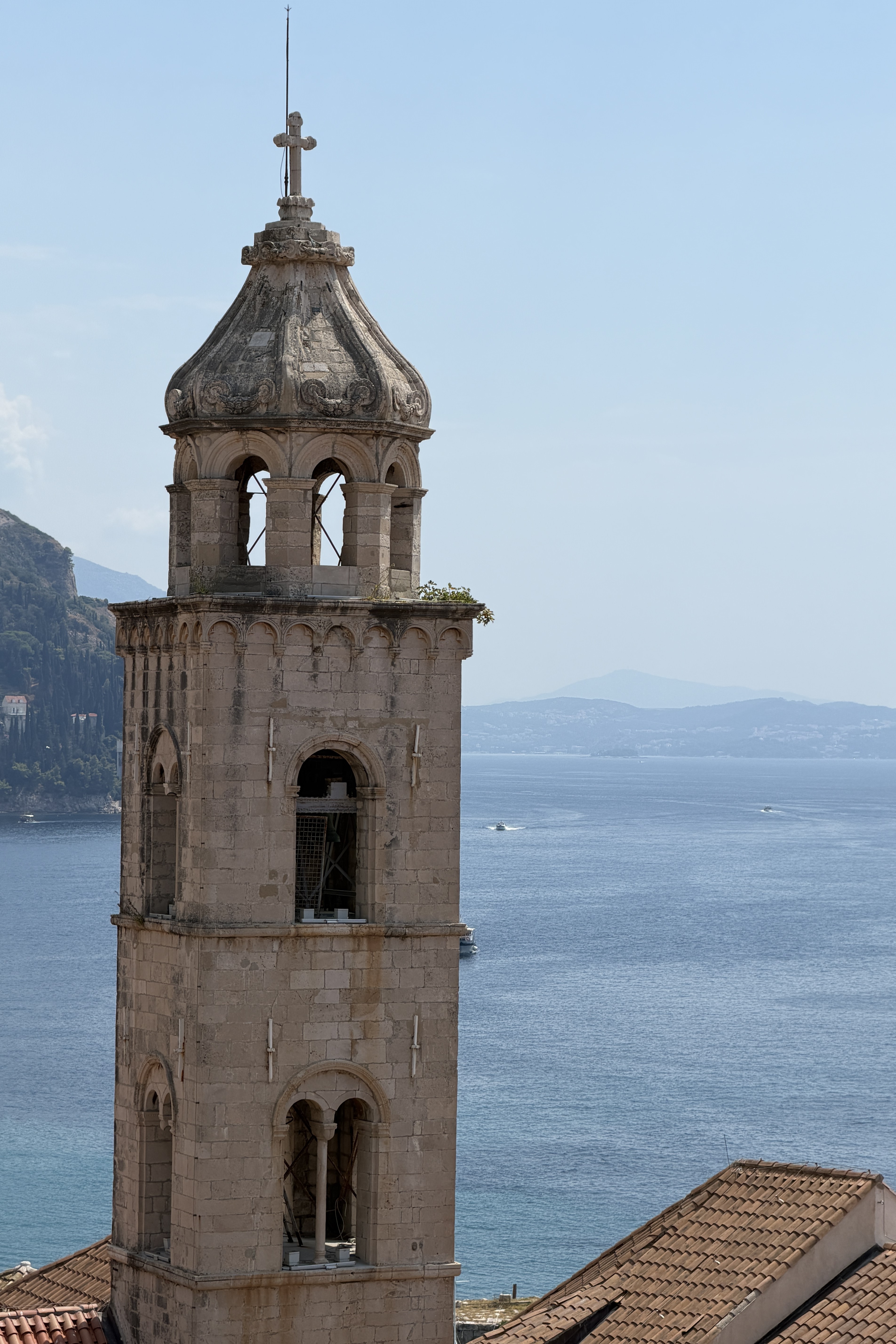
Beyond film trivia, Paula anchored us in the visceral, living history of modern Croatia. She walked us past stone facades still bearing scars from the 1991 Homeland War, recounting her childhood memories of sheltering in dark basements, surviving on canned tomato soup during the siege of Dubrovnik, and navigating life in the wake of the former Yugoslavia. Pointing out the Latin inscription carved above the gates—Non bene pro toto libertas venditur auro ("Freedom is not sold for all the gold in the world")—she illuminated how fiercely independence is woven into the Dalmatian identity.
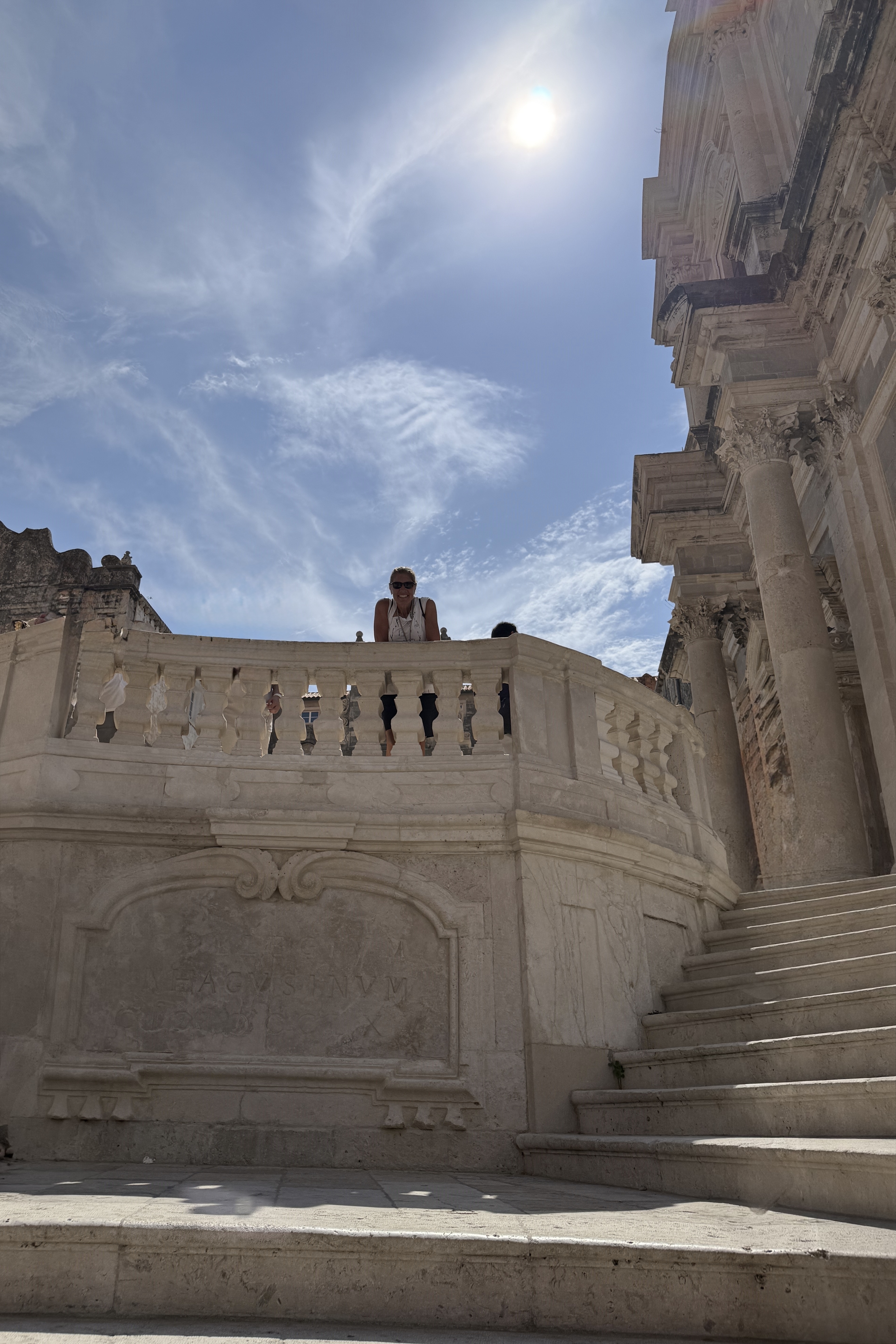
She also offered intimate glimpses into modern city life, explaining that only about 1,100 multi-generational families still reside within the Old Town walls. Paula and her husband eventually moved outside the fortifications simply to find their own space. Along the stone ramp outside the Dominican monastery, she pointed out a peculiar patch of masonry added to the historic balustrade: centuries ago, local priests had a raised wall installed after catching young neighborhood men routinely loitering on the steps solely to catch scandalous glimpses of women's ankles as they lifted their long skirts to climb to mass.
Paula also demystified the local food culture, explaining why scratch cooking remains an article of faith: Dalmatian home cooks take such deep pride in traditional, high-standard family recipes that they rarely dine out. When locals do spend their hard-earned money at a konoba, their culinary expectations are exacting, forcing authentic kitchens to maintain rigorous, scratch-made standards to survive.
That sense of warmth extended to fellow travelers. While resting at Buža Bar, we fell into an easy, laughter-filled conversation with a father and daughter originally from Manchester, now living in Perth, who were visiting to celebrate a 60th birthday. Days later, sitting outside Bon Appétit at the Gruž ferry port over morning cappuccinos and fresh smoothies, we bonded with a couple from Sydney, swapping tips on upcoming routes through the Dalmatian islands and across toTurkey.
The pinnacle of our stay, however, was an intentional cultural booking: the Dubrovnik Summer Festival. Months prior, I had secured tickets to see the Zagreb Philharmonic Orchestra perform in the open-air courtyard in front of Dubrovnik Cathedral. Walking into the square under an 85-degree evening sky, we found the entire historic district humming with life. The performance was exceptional—one of the best symphony concerts we have ever experienced—with classical and upbeat melodies echoing off centuries-old baroque arches. Beyond our ticketed seating area, an enthusiastic crowd stood thirty people deep along the iron perimeter fences just to listen. It was an unforgettable union of architecture, history, and musical mastery.
Day Trips & Excursions: Exploring Beyond the Walls
Because our slow-travel model was designed around shifting our entire base northward to Korčula, Hvar, and Split for extended stays rather than taking fleeting boat day trips, our primary excursion in Dubrovnik was tackling the mighty bastion sitting just outside the western fortifications:
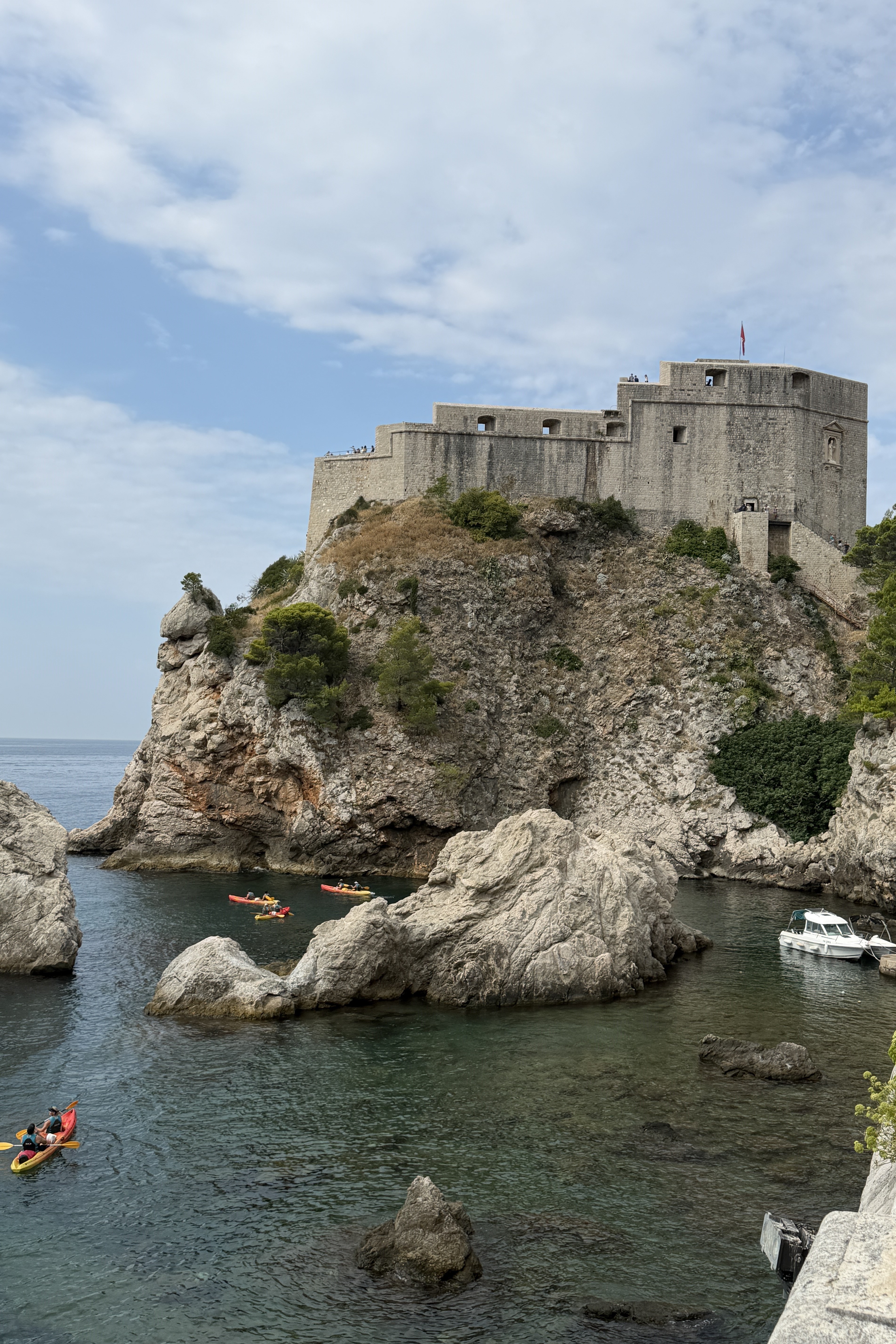
Fort Lovrijenac (St. Lawrence Fortress): The Guardian of the West
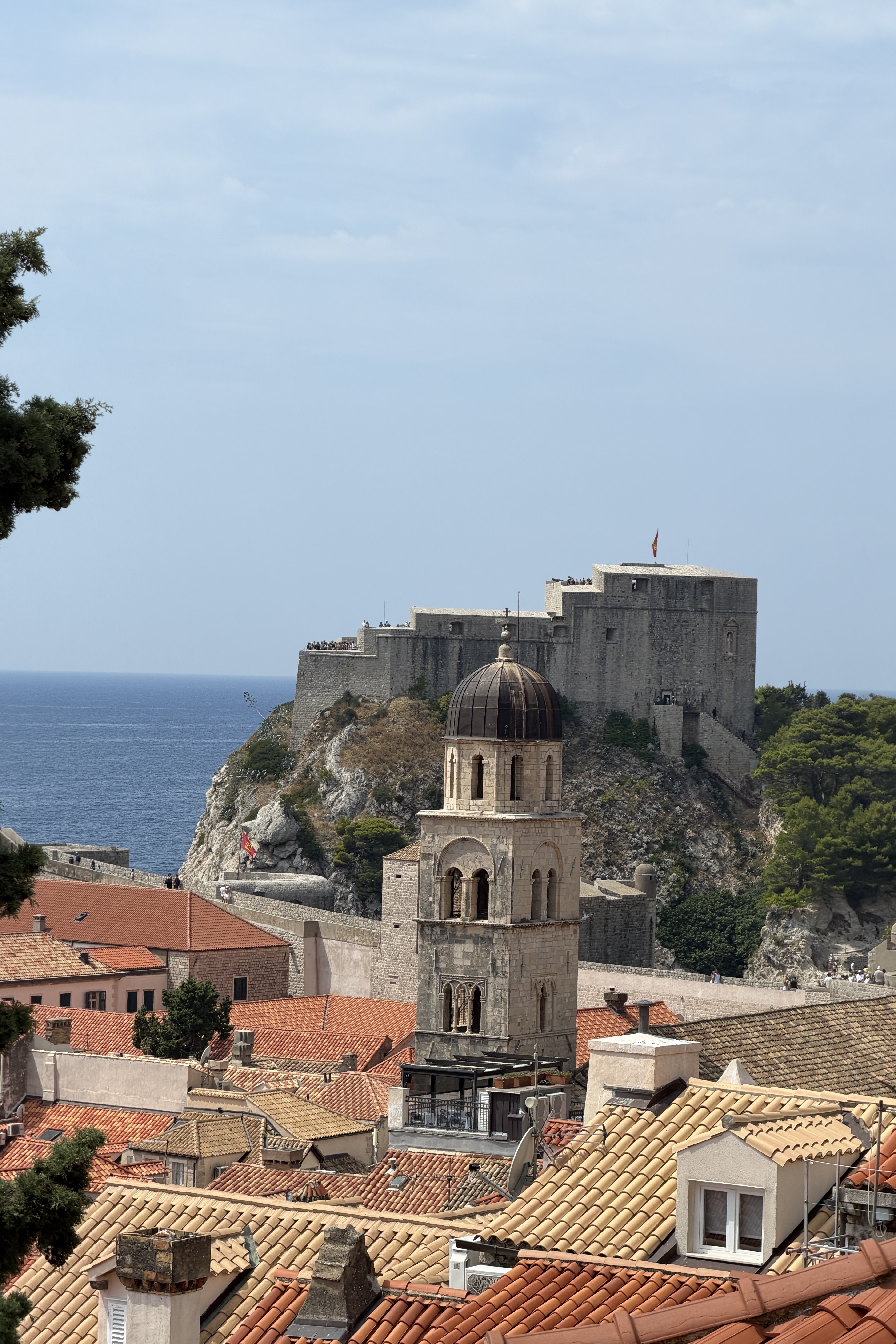
- The Journey & Logistics: Reached via a gentle ten-minute walk west from the Pile Gate, following an outer coastal path around the cove before facing an ascent of roughly 175 to 200 steep stone steps cut into the rock face. Entry is completely covered by the standard City Walls ticket (which remains valid for three days), meaning there is no need to buy an additional voucher.
- The Experience & Architectural Genius: Perched on an imposing 37-meter-high sea cliff, Fort Lovrijenac was historically christened "Dubrovnik’s Gibraltar". Built in haste to preempt Venetian forces from establishing a fortress on the same promontory, its architecture is a masterpiece of defensive pragmatism. The outer seaward walls are engineered up to 12 meters thick to withstand offshore naval bombardment; conversely, the inner wall facing the city of Dubrovnik measures a mere 60 centimeters. If an invading army ever captured the fortress, the city’s heavy cannons mounted on the main walls could easily blast the interior facade to rubble. Exploring the three-tiered courtyards—famed today as the Red Keep from Game of Thrones and used as the dramatic open-air stage for Shakespeare’s Hamlet during the Summer Festival—offers stunning vantage points looking back at the fortified Old Town.
- The Verdict: Plan for a focused 30 to 45-minute visit. While the stairs demand strong legs, the historical context and framing of the city walls across the water make it well worth the climb. Pro planning tip: Do not attempt to tackle Fort Lovrijenac immediately after walking the main 2-kilometer City Walls in the summer heat. Use the 3-day ticket validity to visit the following morning or late in the afternoon when your legs and internal thermostat have had time to reset.
Reflections on the Journey
What We Loved Most
It is hard to pick just one standout memory. We still talk about listening to the Zagreb Philharmonic Orchestra performing under the night sky in front of the cathedral—pure magic and an extraordinary cultural highlight that captured the elegance of Dubrovnik. We also fell in love with the unhurried afternoon moments: sitting on the Arsenal harbor terrace watching wooden boats return to port; the drama of looking out to sea and down across the Old Town from the walls; escaping the mid-afternoon heat at Buža Bar with sea breezes cooling the cliffs; and the genuine kindness of the local residents who shared their living history with open hearts.
What Chafed / The Honest Truth
The verticality is relentless. When the midday sun beats down on the stone corridors, navigating endless flights of stairs up to a hillside flat can turn a relaxed afternoon into a grueling endurance test. If your knees are vulnerable, you must be disciplined about using local switchback paths or consider staying closer to the flat pedestrian floor of the city. Additionally, the peak-season pricing across food, wine, and admissions came as a genuine surprise; Dubrovnik in late August demands a significantly higher operational budget than comparable coastal hubs in Spain or Portugal.
Tom vs. Danielle: A Tale of Two Perspectives
- Tom’s Take: "Dubrovnik is an incredible visual spectacle, and one of the best old towns I have ever walked, but you have to earn it physically every single morning. Summiting Mount Srđ up the rocky switchbacks before the sun peaked over the ridge was one of my favorite challenges of the summer, and walking the crest of those massive limestone walls makes you appreciate the engineering marvel of this place. That said, after five days of tackling vertical stone staircases in 90-degree heat, I was ready to trade the climbs for the flatter island promenades of Korčula."
- Danielle’s Take:"For me, Dubrovnik was all about the atmosphere and cultural layers. The contrast between heavy stone fortifications and the refined beauty of a classical orchestra playing in the square under the stars took my breath away. From a wine standpoint, diving into authentic Babić and learning about indigenous coastal viticulture gave me a deep appreciation for Dalmatian terroir. While I wouldn't rush back during the high-summer heatwaves, visiting again in late September or October—when the crowds dissipate and the stone streets breathe—would be an absolute dream.
Links: The Slow Traveler’s Dalmatian Coast Planning Guide | Croatia Wine Guide | More Trip Reports
Next Up: Korčula Trip Report
Welcome to the new Touchpoint Wines
We’re blending our passion for wine with a love for global exploration. Join us as we journey through the world's most captivating destinations, uncovering hidden wine gems and offering unique workshop experiences for your team retreats. Whether you're seeking to enhance team dynamics or discover the art of slow travel, let us be your guide.