There is a distinct moment on the WSET journey where the conceptual map of Burgundy's Climats finally clicks into place. In the classroom, students exhaustively memorize the hierarchical ladder of Bourgogne, Commune, Premier Cru, and Grand Cru. But it isn't until you are physically standing at the base of the Côte d’Or fault line—watching the morning fog lift from a patchwork of stone-walled vines—that you truly grasp why two plots separated by a mere dirt path can produce entirely different liquid architectures.
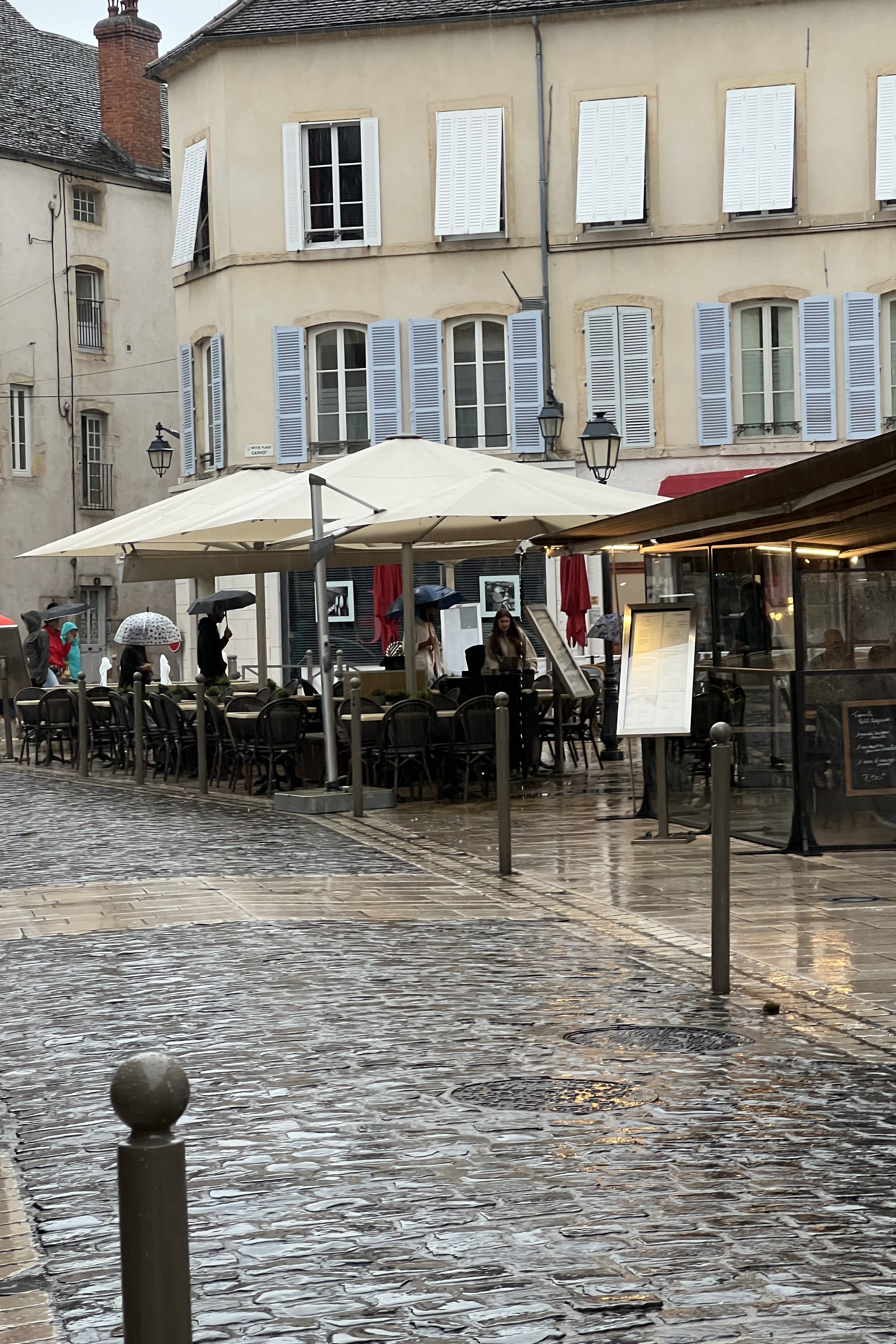
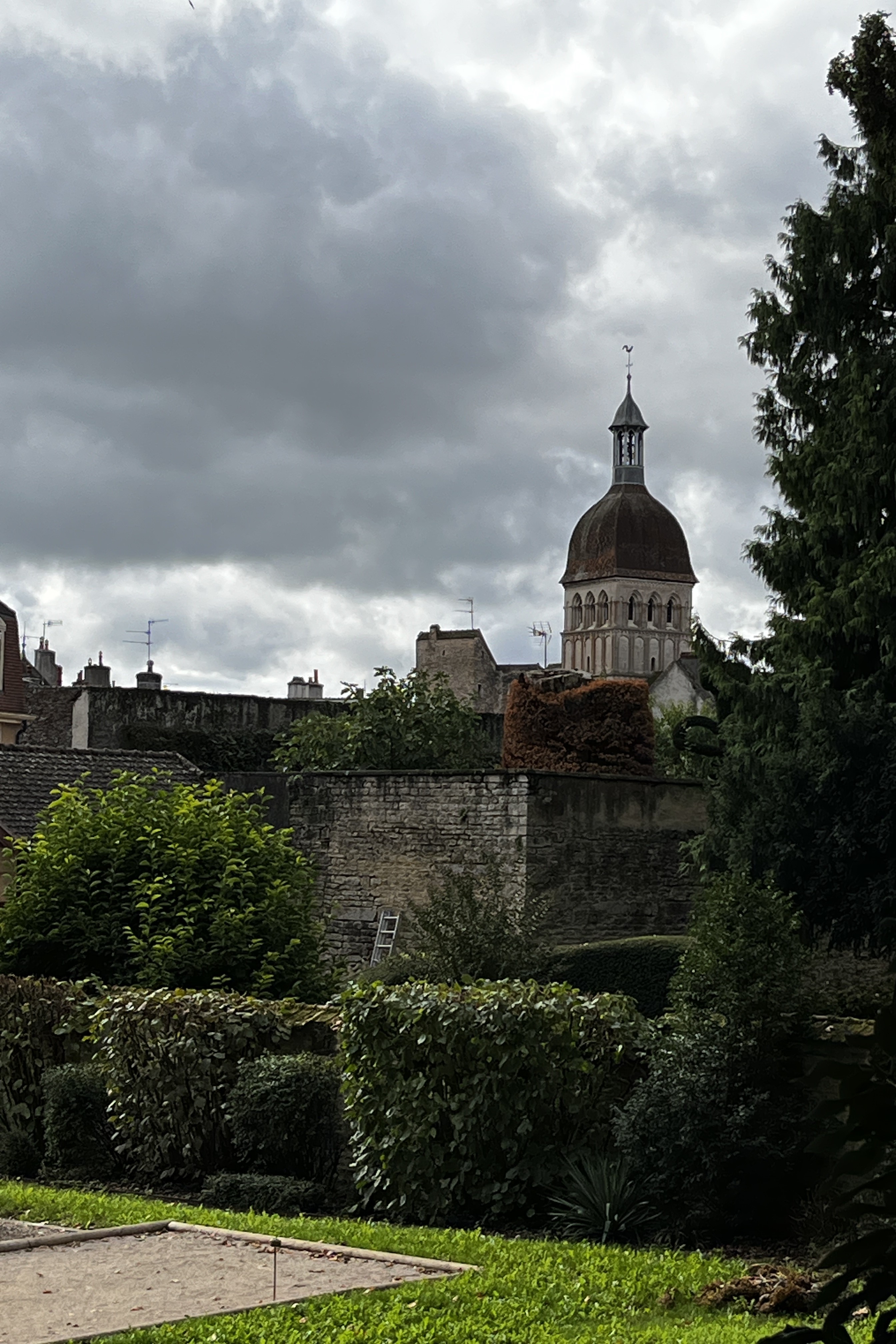
When Tom and I established our five-day autumn home base in the ancient walled city of Beaune, we stepped directly into the heartbeat of the Côte de Beaune. Weathering a dramatic seasonal temperature drop and the unpredictable rains of a late harvest, we used our slow travel perspective to trace the legendary spine of the Route des Grands Crus.
The Logistics Playbook: Beaune to the Hallowed Slopes
Choosing the urban core of Beaune as a master hub is a non-negotiable strategy for any serious wine traveler. It offers an incredible density of elite merchant boutiques, specialized cheese caves, and historic cellars right at your doorstep. However, navigating the linear "spokes" of the Côte de Beaune requires strict forward planning and strategic execution.
Our ultimate logistical triumph came when we scored a single, precious afternoon of flawless sunshine amidst an otherwise relentless autumn deluge. We immediately rented bicycles and hit the dedicated country roads that cut directly through the hallowed vineyards. This half-day spoke journey took us south from the gates of Beaune on a stunningly fluid route through the legendary communes of Pommard, Volnay, Meursault, Puligny-Montrachet, and Chassagne-Montrachet.
To ensure your appointments run smoothly, you must conquer two major regional logistics hurdles.
- The Restaurant Bottleneck: Beaune is a certified foodie destination, which means its top-tier dining spots are heavily coveted. It can be incredibly hard to get into them spontaneously. Do your research early, decide which establishments you want to try, and book your reservations well in advance.
- The Taxi Scarcity: Unlike major cosmopolitan hubs, there are only a handful of taxi companies operating around Beaune. If you are visiting a winery that is too far to walk or bike to, you absolute must plan ahead. For our field studies, we easily managed to walk straight from our downtown apartment to Domaine Baptiste Guyot, but for our high-end booking at Château de Pommard, we had to secure a single taxi well in advance for both legs of the journey—otherwise, we would have heavily risked missing our hard appointment slot or being stranded out in the driving rain.
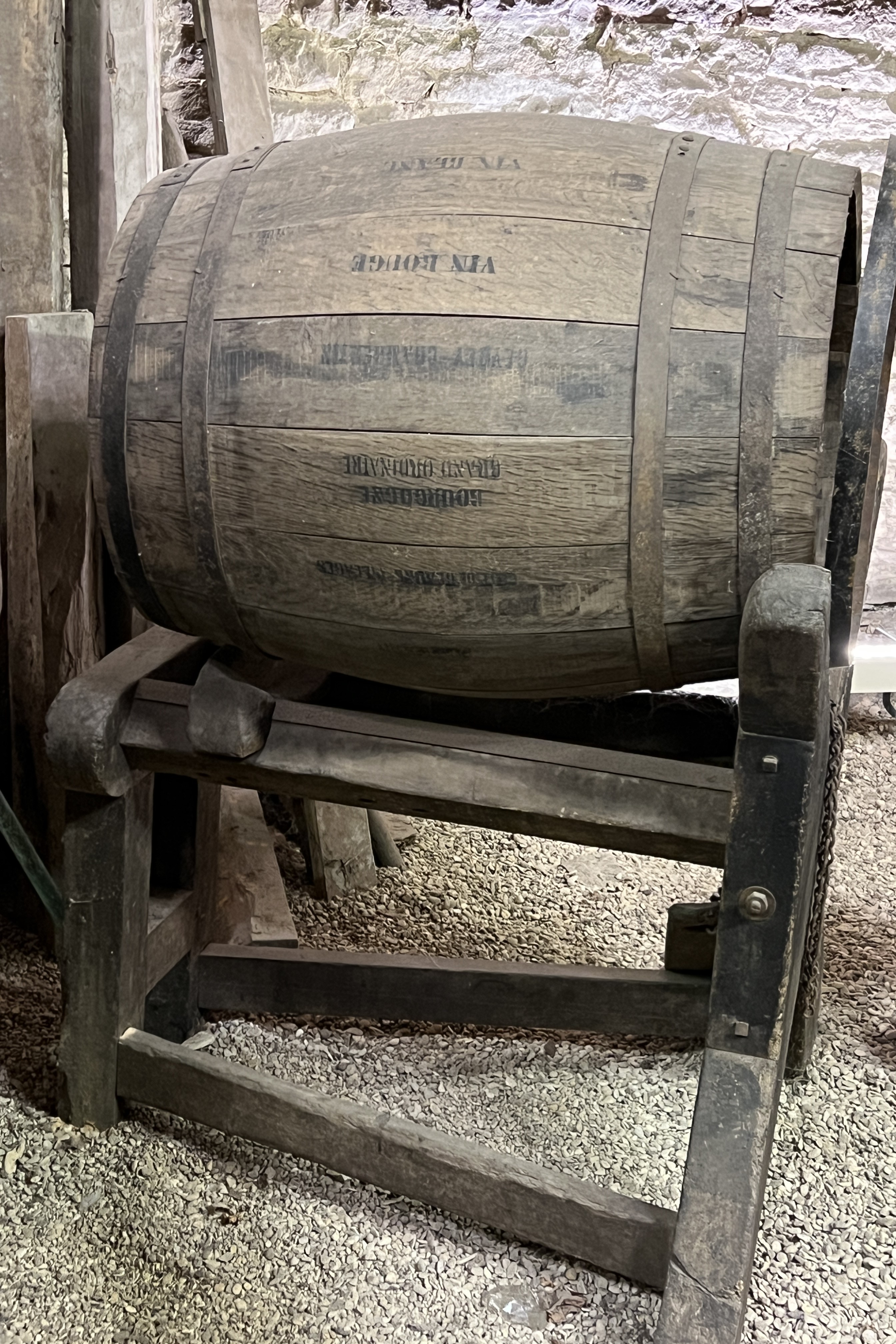
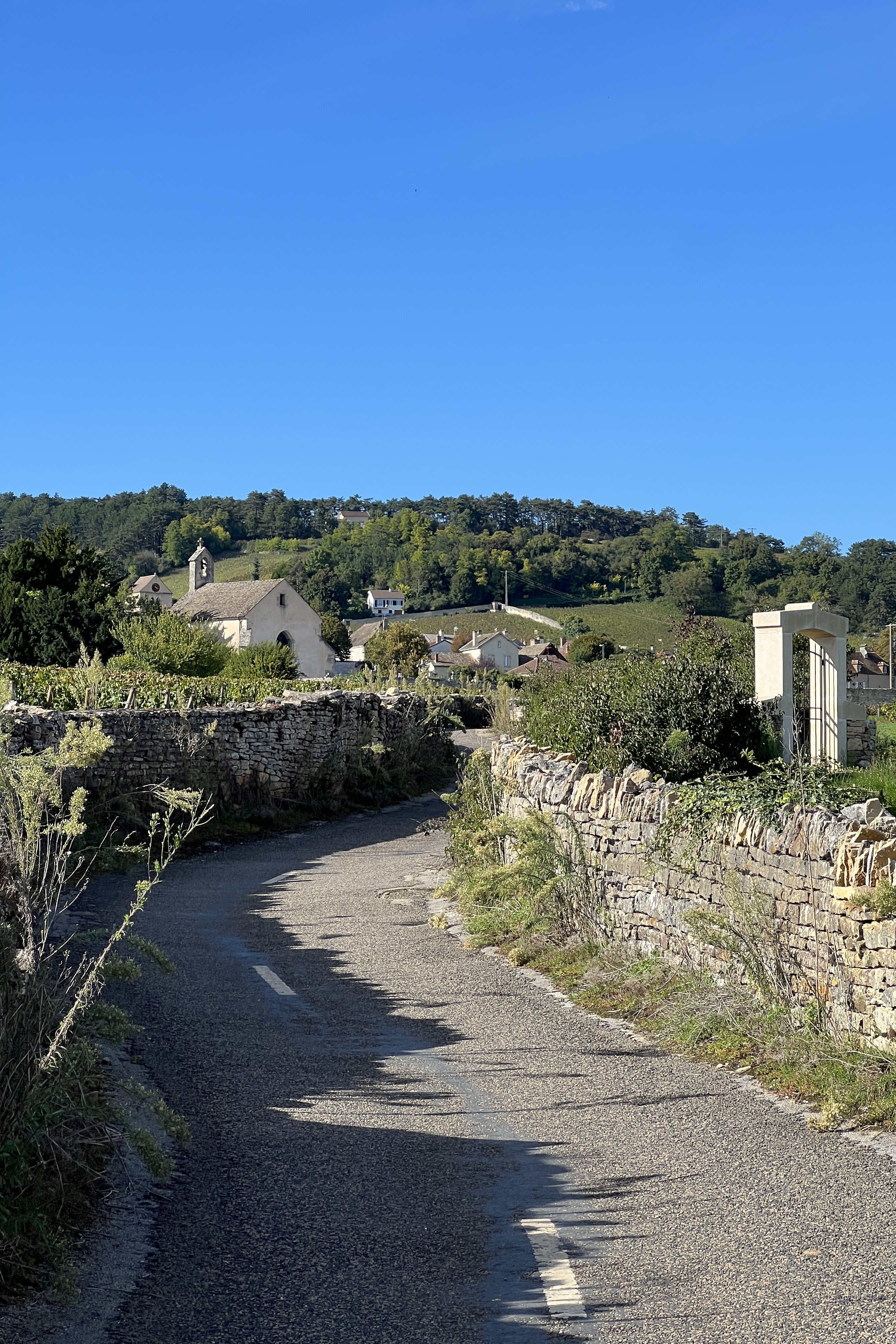
The Spoke Report: Unlocking the Limestone Matrix of the Côte de Beaune
To master Burgundy for a WSET exam, a student must look directly at the slope's gradient and the Jurassic limestone beneath it. The Côte de Beaune is geologically defined by an easterly-facing fault line escarpment that protects the vines from damp western winds while capturing the vital morning sun.
Standing on the vineyard tracks between Pommard and Meursault, the visual lesson is clear: The middle of the slope is where the Grand Crus live. The flat plains at the bottom contain deep, fertile alluvial soils that yield generic Bourgogne AOC entry-level wines. The top of the ridge is too cold, windswept, and stripped of topsoil. But the sweet spot on the mid-slope contains the perfect marriage of crumbly marl, calcareous limestone, and perfect drainage—forcing the roots deep and giving Chardonnay and Pinot Noir their legendary structural tension.
The Producer Field Studies & Viticultural Trellising
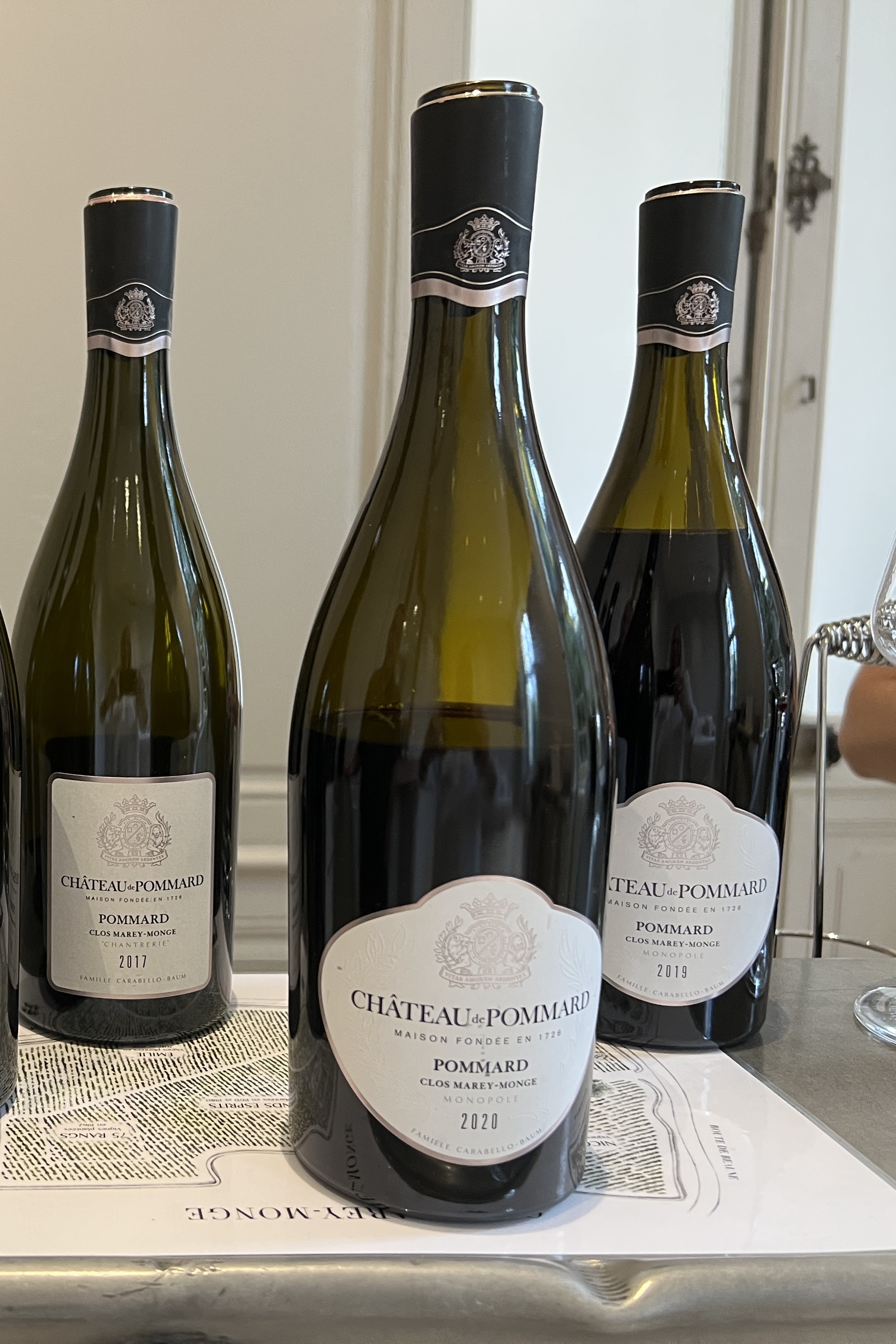
- The Biodynamic Benchmark — Château de Pommard: Reached via our pre-booked taxi amidst a driving rain, this historic estate offers an exceptional, high-end educational format. We engaged in a rigorous vertical tasting as well as the vineyard differences of a single vintage. For a WSET student, Château de Pommard provides a great illustration of canopy management. The estate operates entirely under strict organic and biodynamic principles, meaning they completely avoid synthetic chemical sprays. To maintain vine balance without chemicals, the vineyard team strategically chooses between Single and Double Guyot trellising to manage vine energy, control yields, and adapt to the unique microclimates (terroirs) within the different vineyards.
- Managing Vine Vigor and Age: Younger, weaker vines with lower energy reserves are pruned to Single Guyot. Focusing all the vine's growth energy into just one cane prevents the young plant from overworking itself. Conversely, in plots with highly fertile soil where Pinot Noir can become overly vigorous—growing excessive leaves instead of focusing on fruit—they employ Double Guyot. Giving the vine two distinct canes distributes that high energy across more buds, naturally balancing the plant's growth vegetative cycle.
- Strict Yield Control for Quality: Burgundy appellation laws strictly limit how many hectoliters of wine can be produced per hectare. While Single Guyot naturally restricts the number of grape bunches per vine to ensure highly concentrated flavors, Double Guyot requires the team to meticulously perform a summer "green harvest" (cutting away excess grape bunches) so the double cane system doesn't overproduce and dilute the wine's quality.
- Disease Prevention and Airflow: Without chemical intervention, trapping humidity is a death sentence. Single Guyot inherently creates a less dense canopy, allowing maximum wind flow and sunlight penetration to dry out moisture and prevent rot. When Double Guyot is utilized, the estate team must execute relentless manual de-budding and leaf-plucking to ensure the dense foliage does not trap humidity and invite devastating fungal diseases like mildew.
- The Entrepreneurial Grinder — Domaine Baptiste Guyot: Located within walking distance of the town walls, this tasting room offers a deeply inspiring story of modern Burgundian ambition. The founders started with a mere two hectares of land and dynamically operated a bicycle rental business just to generate the critical cash flow needed to fund their cellar equipment. It is a stark, grounding reminder that behind Burgundy’s high-priced prestige are small, independent families fighting for every vine.
The Regional Style & SAT Tasting Notes
Our Burgundy self-study strategy relied on a combination of rigorous estate evaluations and private bottle sessions back a tour apartment, paired with a quiet evening of playing Wingspan, and watching the Ryder cup while the autumn storms rolled through. This first wine was one we set out to purposely find in Beaune, visiting many retailers. We had given up, so when we happened to see the iconic purple label in the window of a remote wine retailer, we were thrilled. I have been an admirer of Sylvain Pataille for years which I can source in Chicago but have not been able to find in North Carolina.
- Domaine Sylvain Pataille, Marsannay Pinot Noir
- Appearance: Clear, pale ruby-purple with a bright violet rim.
- Nose: Clean, medium-plus intensity, bursting with youthful, energetic old-world red fruits. Aromas of crunchy red cherry, wild raspberry, and pomegranate are tightly framed by complex notes of blood orange zest, damp earth, and a faint hint of white pepper.
- Palate: Dry, light-to-medium bodied, with high, mouth-watering acidity and tightly wound, chalky, medium-minus tannins. The palate is structurally linear and pristine, driving forward with high-toned redcurrants, sour cherry, and a beautiful mineral, saline tension.
- Conclusion: Very good quality. The Why: Sourced after spotting that iconic purple label in a small downtown window, tracking down Pataille's red allocation was a personal triumph. Sourced from the cooler, limestone-heavy northern limits of the Côte de Nuits, his minimalist approach and old-vine handling tease immense structural purity out of Pinot Noir, bypassing heavy oak to let the mineral acidity take center stage.
- Château de Pommard, Clos Marey-Monge Monopole2020.
- Appearance: Clear, deep ruby with an intensely extracted core.
- Nose: Clean, pronounced intensity, displaying an exceptionally complex, youthful bouquet. Layered aromas of dark plum, black cherry, and bramble fruit are seamlessly integrated with sweet tobacco leaf, underbrush, crushed iron, and a sophisticated framing of high-quality French baking spice.
- Palate: Dry, full-bodied, with medium-plus, muscular, yet remarkably fine-grained tannins and balanced, medium-plus acidity. The palate shows immense concentration and power, driven by dense layers of black fruit jam, dark chocolate, and licorice, all anchored by a striking mineral depth. The finish is exceptionally long, ripe, and structured.
- Conclusion: Outstanding quality. The Why: Purchased directly from the estate for €156, this iconic monopoles its on an intricate clay-heavy limestone matrix within the Clos Marey-Monge. The combination of the hot 2020 vintage and meticulous biodynamic yield controls allowed the fruit to achieve flawless phenolic maturity and muscular, concentrated tannins, while the underlying deep clay soils provided the essential water retention to keep the palate beautifully fresh, focused, and balanced.
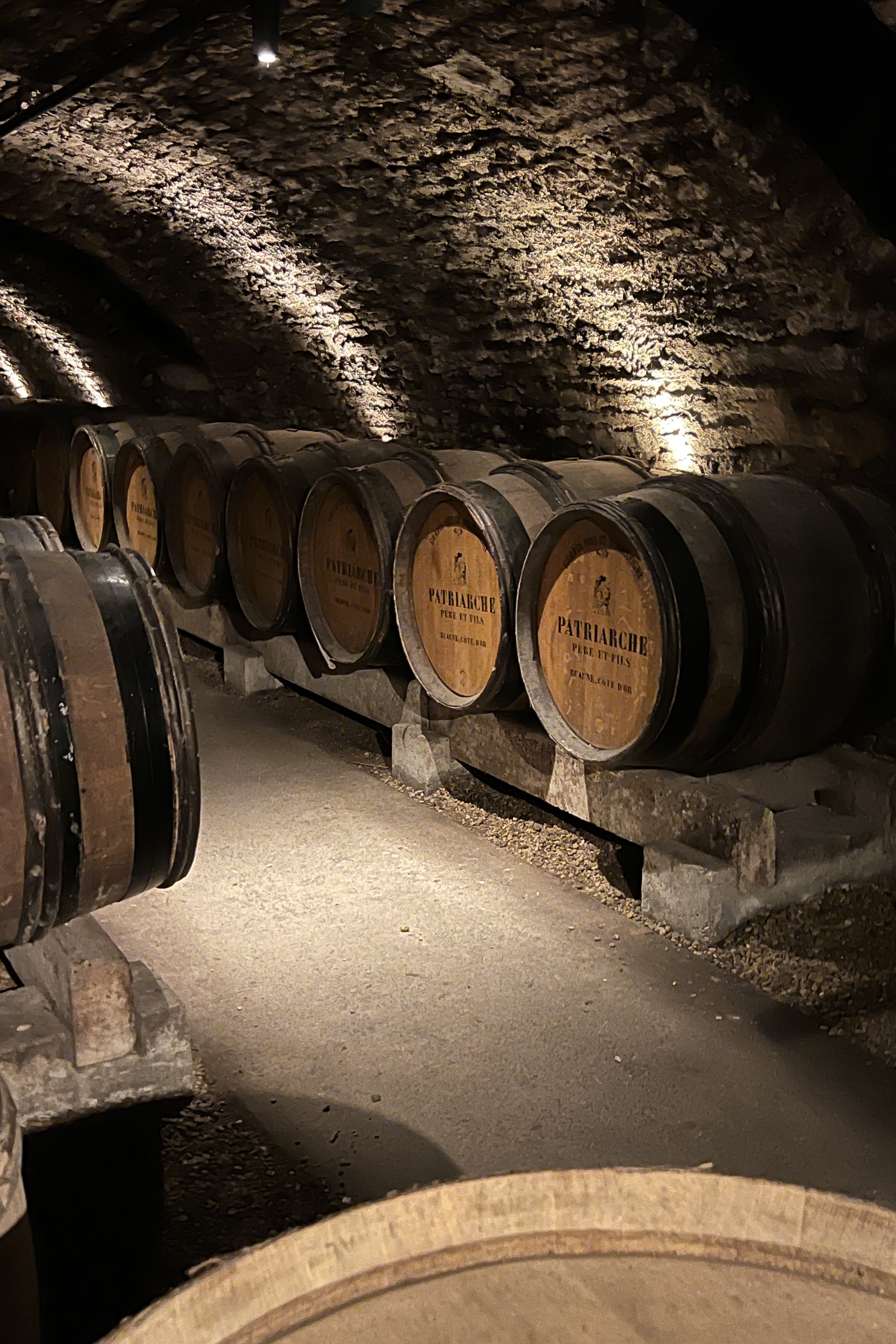
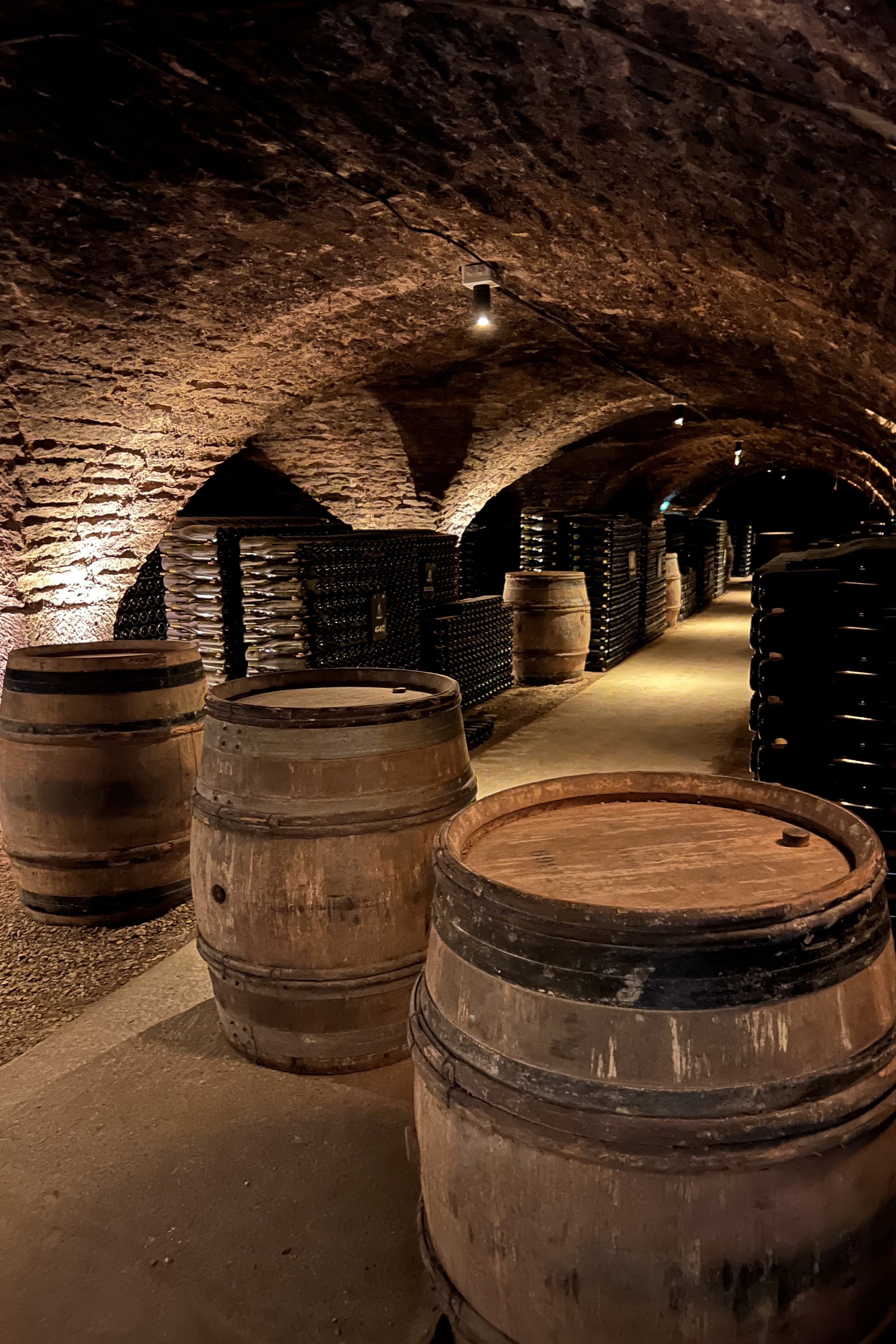
The Hub Scene: Walled Enclaves, Urban Classrooms, and Specialized Cellars
When you retreat from the open vineyards back inside the ancient stone walls of Beaune, your wine study shifts into an incredibly rich urban landscape. To master Burgundy's complex tapestry, you must separate your time between dedicated historical learning and hands-on retail discovery.
The Urban Classrooms: Two Pillars of Wine Education
To truly understand how history, charity, and religion built the modern wine classifications of Burgundy, a WSET student must prioritize these two central institutions.
- The Historical Monolith — Hospices de Beaune (Hôtel-Dieu): Founded in 1443 to provide free medical care for the poor, this jaw-dropping visual masterpiece easily earned its spot as atop award nominee in our Touchpoint Tally. Its famous roof is covered in vibrant geometric patterns of glazed Burgundy tiles. For a wine student, the audio tour is a profound lesson in economic history. Historically, wealthy patrons donated prized vineyard plots to the hospital; today, the annual Hospices de Beaune wine auction sets the global pricing index and economic baseline for the entire Burgundy vintage.
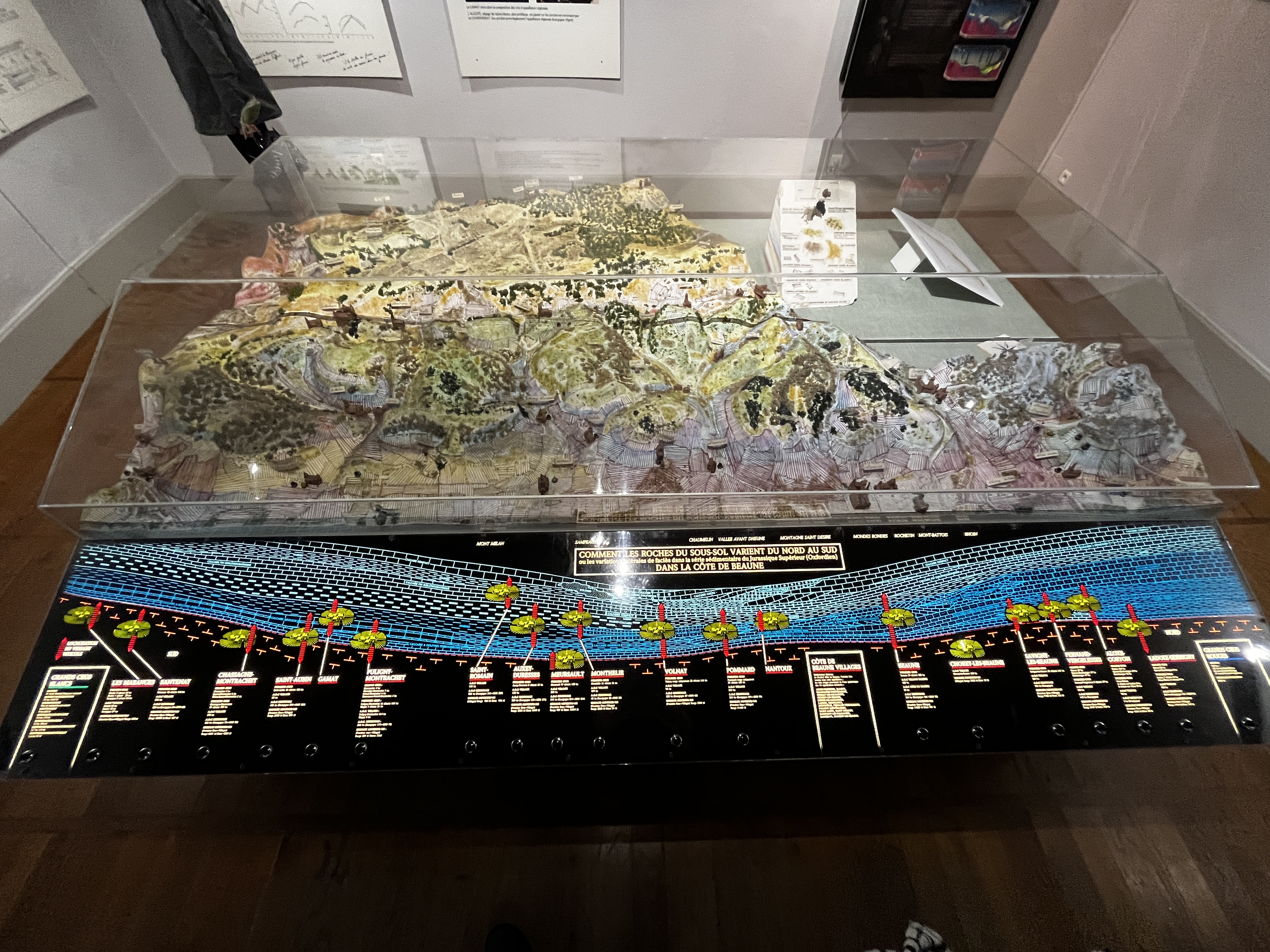
- The Cartographic Masterclass — The Burgundy Wine Museum (Musée du Vin): We were lucky enough to gain free access to this spectacular collection during the European Heritage Days (Journées du Patrimoine) in September. Their centerpiece exhibition features an incredible, massive 3D cartographic mapping of the region, where every single historical vineyard plot is meticulously marked out and cross-connected with different colored threads to showcase red vs. white varieties and precise Cru classifications. Seeing the topography laid out like an architectural schematic makes the complex web of Burgundian classifications instantly readable.
The Acquisition Outposts: Four Spots for Curated Sourcing
To further expand your education through your own blind tastings, or to track down that elusive, highly allocated bottle, the city center offers some exceptional outposts
The City-Center Producers
Unlike the standard domains that require a long haul out into the country lanes, these two historic producers allow you to conduct deep cellar research directly within the town walls.
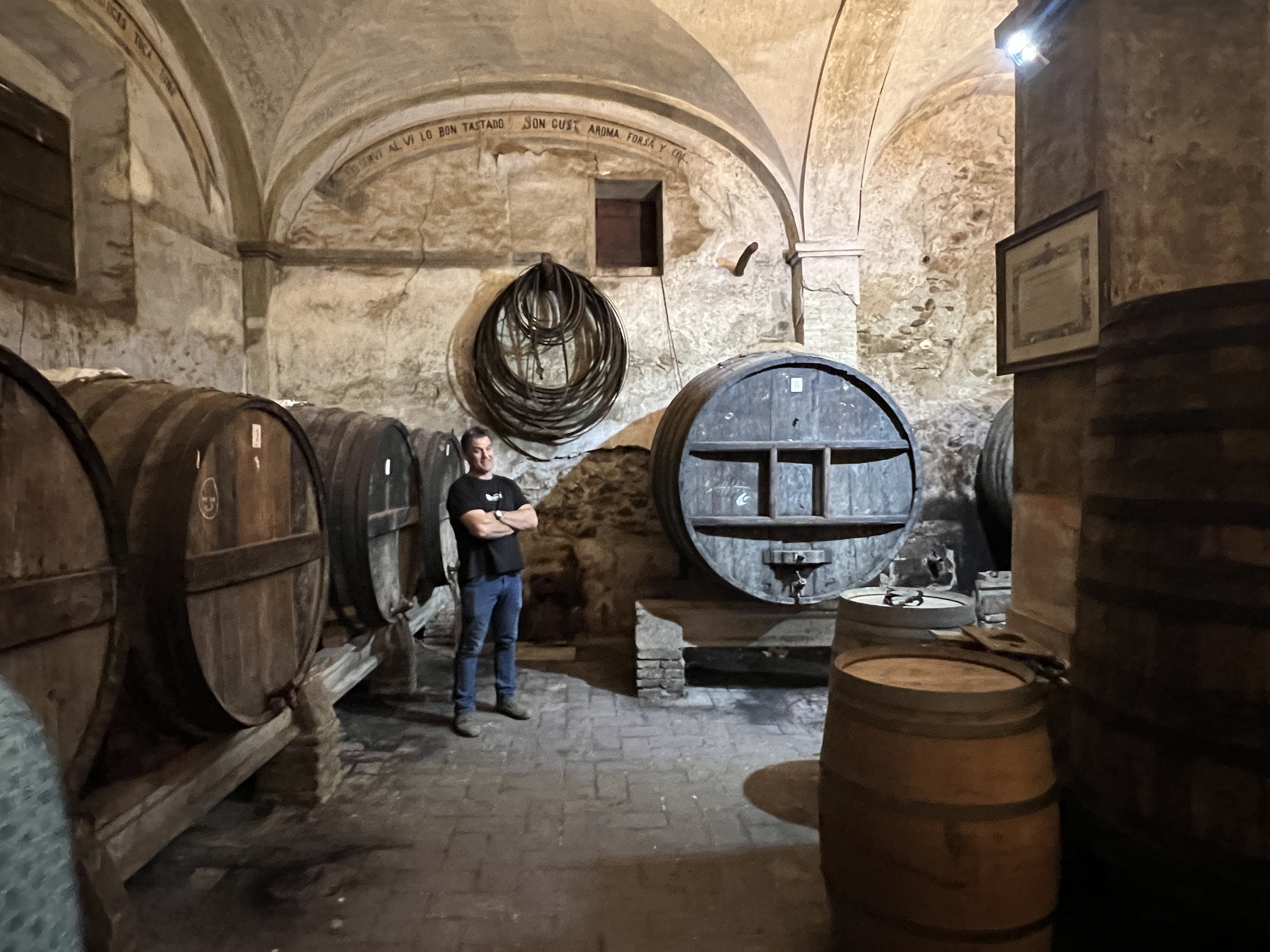
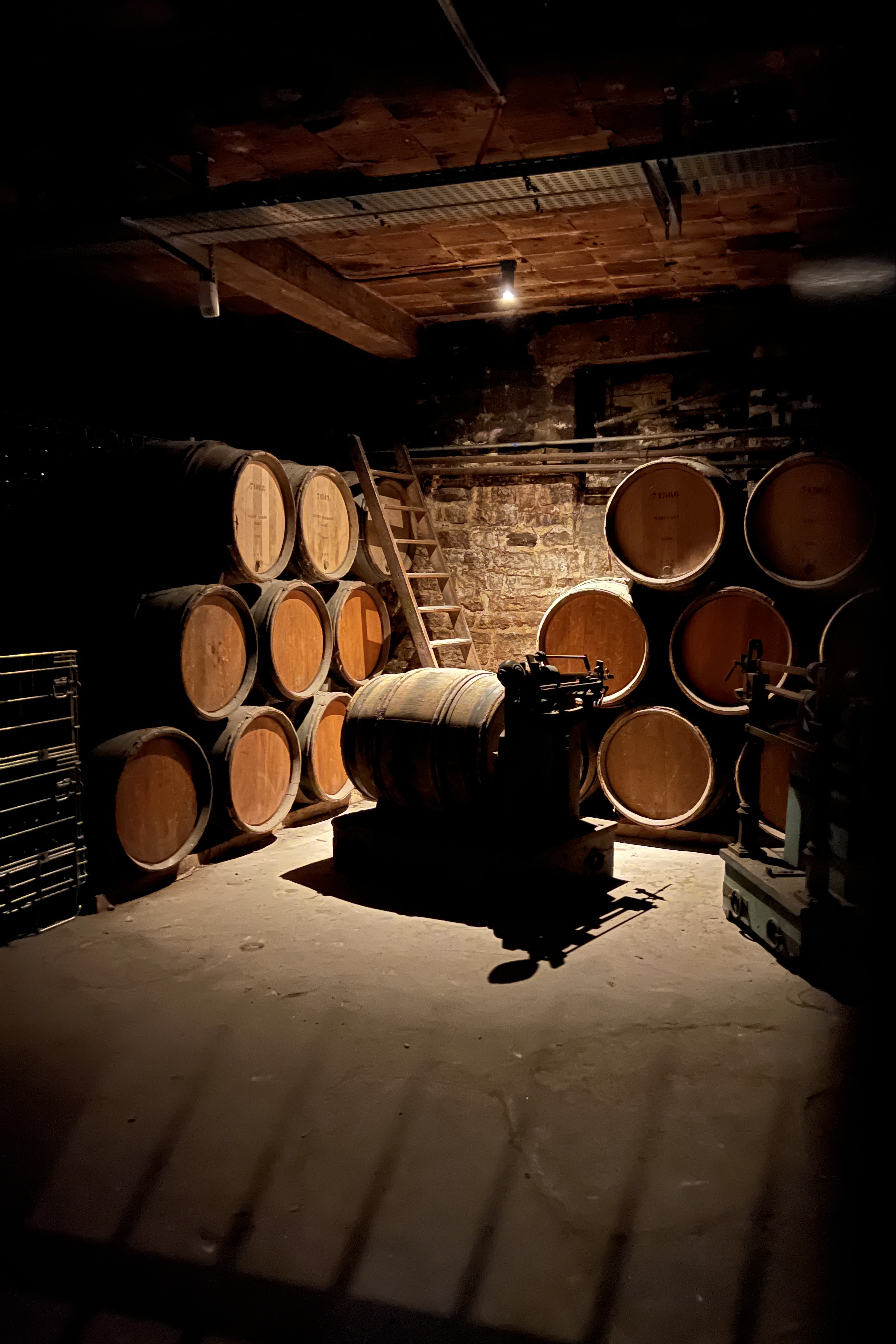
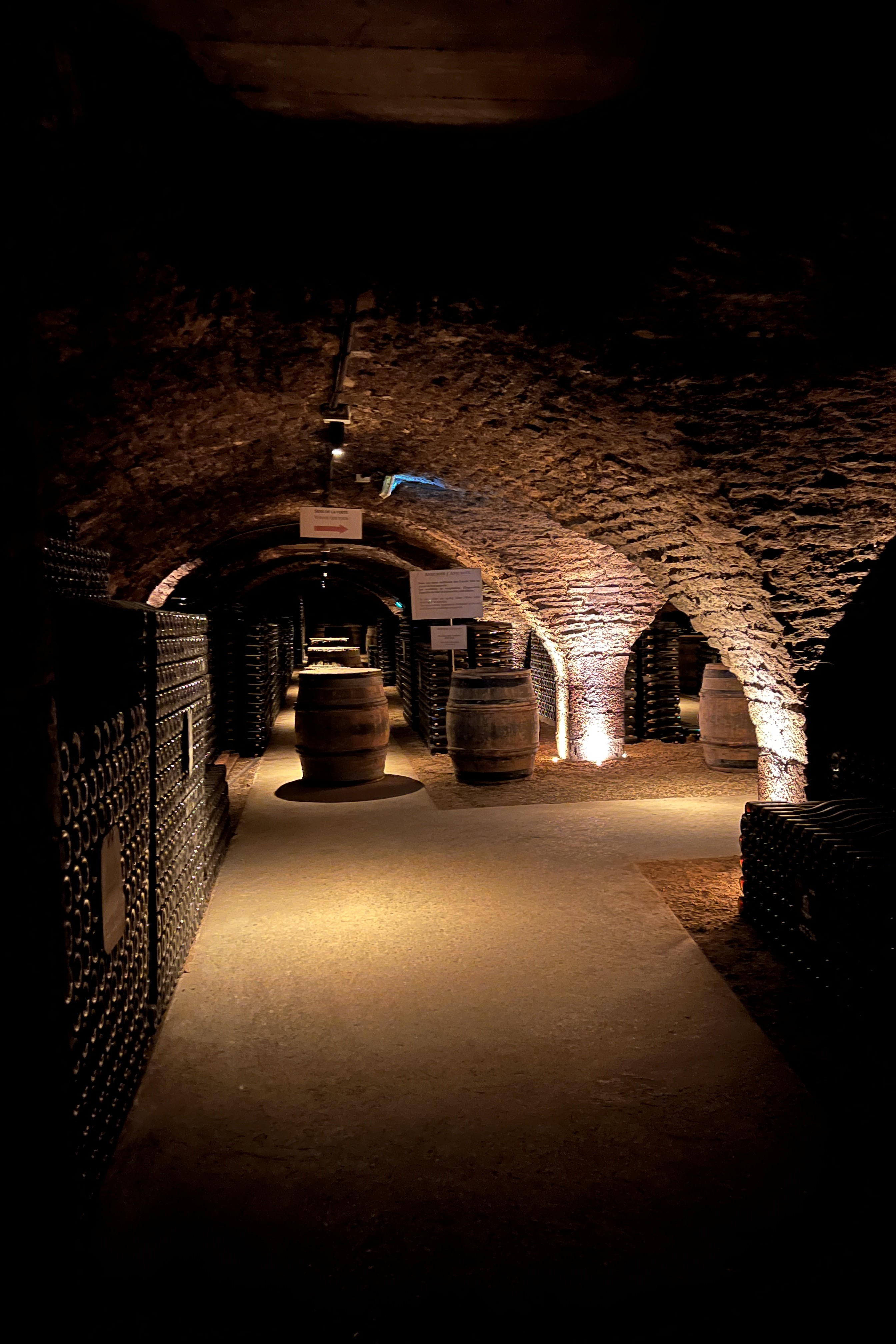
- The Subterranean Labyrinth — Patriarche Père & Fils: Established in 1780, this producer is legendary for possessing the largest wine cellars in all of Burgundy. Their immersive, self-guided tour takes you through an impressive 5 kilometers of vaulted underground galleries that house over 2 million aging bottles—offering an unparalleled look at deep-aging logistics and a stunning setting for photography.
- The Merchant Elite — Maison Joseph Drouhin: Conveniently located right around the corner from our apartment, Drouhin operates a premium tasting room and sales office right in the heart of downtown Beaune. This gives you an unparalleled, city-center opportunity to sample and purchase rare, exclusive estate bottlings and highly sought-after labels that are entirely unavailable in the standard US market.
The Epicurean Retailers
If you want to step away from formal estate flights to source your own favorite bottles, try different Crus, or test structural food pairings, these two specialty gems are the places we would recommend:
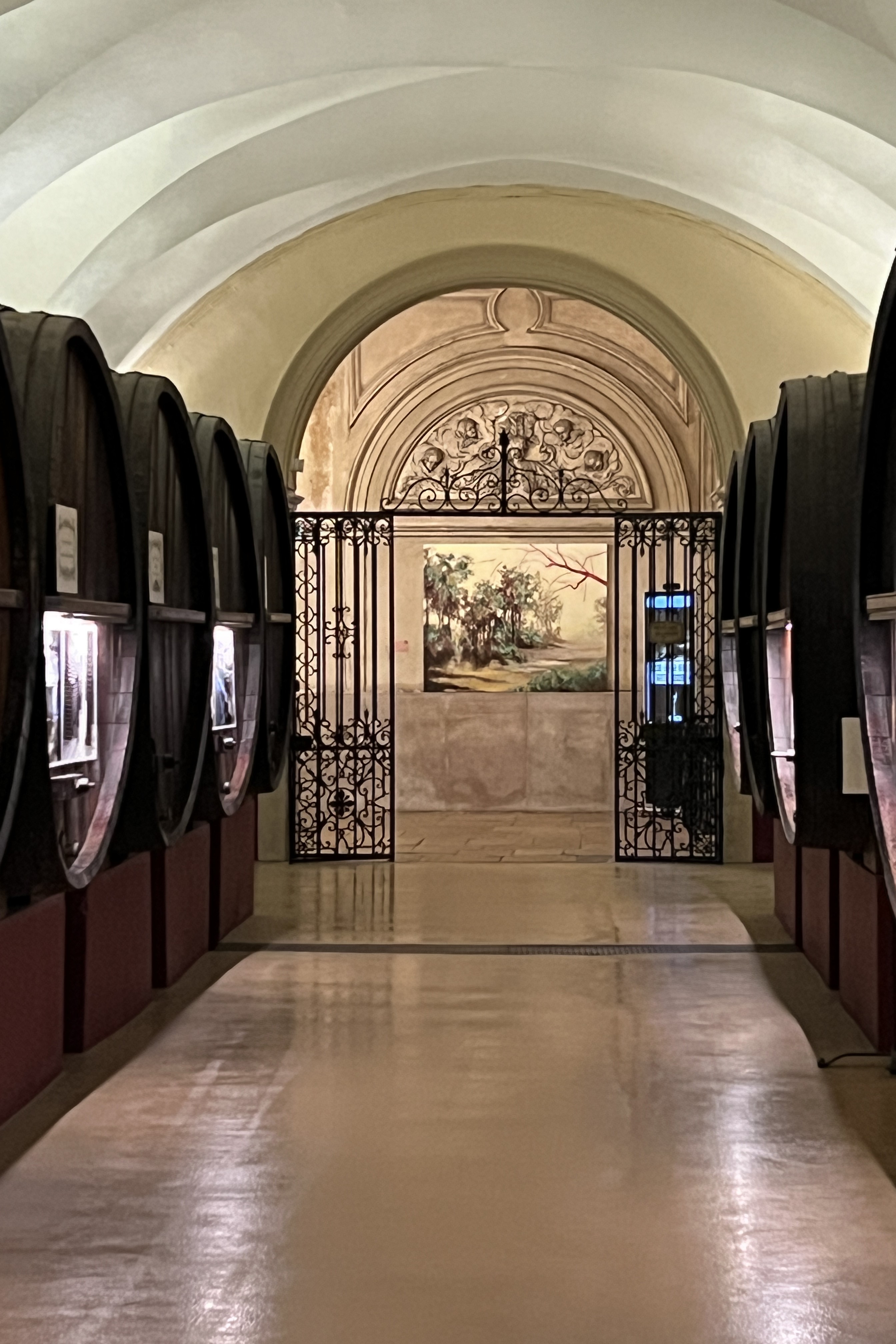
- The Appellation Archive — La Vinothèque: Located right in the historical core, this exceptional retailer is an absolute must-visit for any WSET student focused on self-discovery. Their magnificent 17th-century cellars house over 350 rigorously selected references, purposefully balancing Burgundy's most legendary, historic domains with the region's rising stars. The collection explicitly spans the entirety of the Côte de Beaune and the Côte de Nuits, offering a physical timeline of rare jewel sand little-known village appellations. It is the ultimate classroom for studying label classifications and finding unique, site-specific Crus to lineup for comparative study.
- The Subterranean Giant — Alain Hess: This deceptively large downtown cheese and wine store is a dream for anyone building a private apartment charcuterie board. Upstairs is packed with artisanal local cheeses, while the downstairs cellar houses a vast, elite collection of regional wines, making it a prime hunting ground for rare independent grower allocations.
The Representative Vibe: La Table Du Square
For an absolute pinnacle culinary and wine-pairing experience in the hub, look past the generic tourist menus and secure a table at La Table Du Square. While it doesn't hold a formal star, it is a highly decorated highlight proudly featured within the prestigious Michelin Guide. The menu features entries packed with bold, intense, and imaginative flavor profiles, making the process of wine pairing a highly intellectual exercise. What elevates this spot into a living wine lab is the staff's intimate, deep knowledge of both the menu's ingredients and their extensive, colossal wine list. We engaged in a detailed conversation with our server about flavor weights and ingredient influences, allowing us to collaboratively select a pristine bottle that paired symmetrically with our dishes. It is the ultimate expression of Burgundian gastronomy—where the service team possesses the exact technical rigor needed to guide a student to the perfect pour.
The Apartment Tasting Log: Pushing into the Premier Crus
To round out our study of the Côte de Beaune's elite slope classifications, we conducted a private apartment evaluation of a bottle we acquired during our walking trek to Domaine Baptiste Guyot. While we didn’t taste this specific bottle during our initial cellar visit, we explicitly wanted to evaluate an elite, single-vineyard Premier Cru from the commune of Beaune itself, so we brought it back to our stone-walled dining room to evaluate it under focused conditions.
- Domaine Baptiste Guyot, Beaune 1er Cru "Les Grèves" 2019
- Appearance: Clear, medium ruby with a slight brick-red transition at the rim.
- Nose: Clean, pronounced intensity, displaying beautiful tertiary development from the exceptional 2019 vintage. Elegant aromas of macerated red cherries, dried cranberries, and baked plums are heavily underscored by classic Burgundian Forest floor, dried leaves, gamey meat, and a beautiful, smoky iron-rich minerality.
- Palate: Dry, medium-bodied, with high, mouth-watering alpine acidity and fine, tightly woven, medium-plus structural tannins. The palate shows magnificent evolution and depth—bursting with savory wild berries, truffle, and warm baking spices. The finish is remarkably long, mineral, and dry.
- Conclusion: Outstanding quality. The Why: Les Grèves is widely considered one of the absolute finest Premier Cru plots in the entire Beaune commune, famous for its high concentration of small, gravelly limestone pebbles (grèves) and light sandy soils. This unique soil structure warms up incredibly fast during the day, allowing the fruit in 2019 to achieve deep phenolic ripeness and powerful fruit concentration, while the limestone bedrock preserved the high, piercing acidity needed to carry these complex tertiary flavors through a long, rewarding lifecycle.
The WSET Study Corner
- Label Anatomy: When deciphering a Burgundy label, remember that geography reigns supreme. A bottle labeled Bourgogne Rouge can source grapes from anywhere across the entire region. However, as the legal zone shrinks, prestige increases: Commune wines (e.g., Pommard) denote a specific village profile; Premier Cru denotes an elite single vineyard plot within that village (like Les Grèves); and Grand Cru strips the village name off the label entirely, showcasing only the name of that singular, legendary plot of earth.
- The Power of the Foudre: Premium Burgundian producers protect the delicate fruit profile of Pinot Noir and Chardonnay by utilizing older, neutral French oak barrels or massive wooden vats called foudres. The goal is slow, micro-oxygenation to soften the structural tannins, not to mask the terroir with vanilla or coconut flavors.
- Flashcard Moment — The Color of the Roofs: What historic connection binds the architecture of Beaune to its wine wealth? Answer: The iconic geometric roofs of landmarks like the Hospices de Beaune were glazed using local iron and mineral-rich clays—the exact same complex geological formations that define the unique drainage and terroir profiles of the surrounding Côte d'Or slopes.
The Exam Cheat Sheet
- Climate: Cool continental, prone to severe spring frosts, autumn rains, and localized hail storms that can completely devastate crop yields.
- Soils: A complex, calcareous matrix of limestone and marl (limestone mixed with clay). Chardonnay dominates the marl-heavy soils of the Côte de Beaune; Pinot Noir thrives on the iron-rich limestone of the Côte de Nuits.
- The Primary Varieties: Chardonnay and Pinot Noir (the undisputed monarchs); Aligoté (white) and Gamay (red) are permitted under secondary regional tiers.
If you are interested in learning more about the WSET Certification in Wine. I received my Level 2 from Johnson & Whales University in Charlotte, NC and my Level 3 from the Napa Valley Wine Academy in Napa Valley, CA.
Links:
Beaune Trip Report | Wine Guides | Next Up: Andalucia Wine Guide
Welcome to the new Touchpoint Wines
We’re blending our passion for wine with a love for global exploration. Join us as we journey through the world's most captivating destinations, uncovering hidden wine gems and offering unique workshop experiences for your team retreats. Whether you're seeking to enhance team dynamics or discover the art of slow travel, let us be your guide.