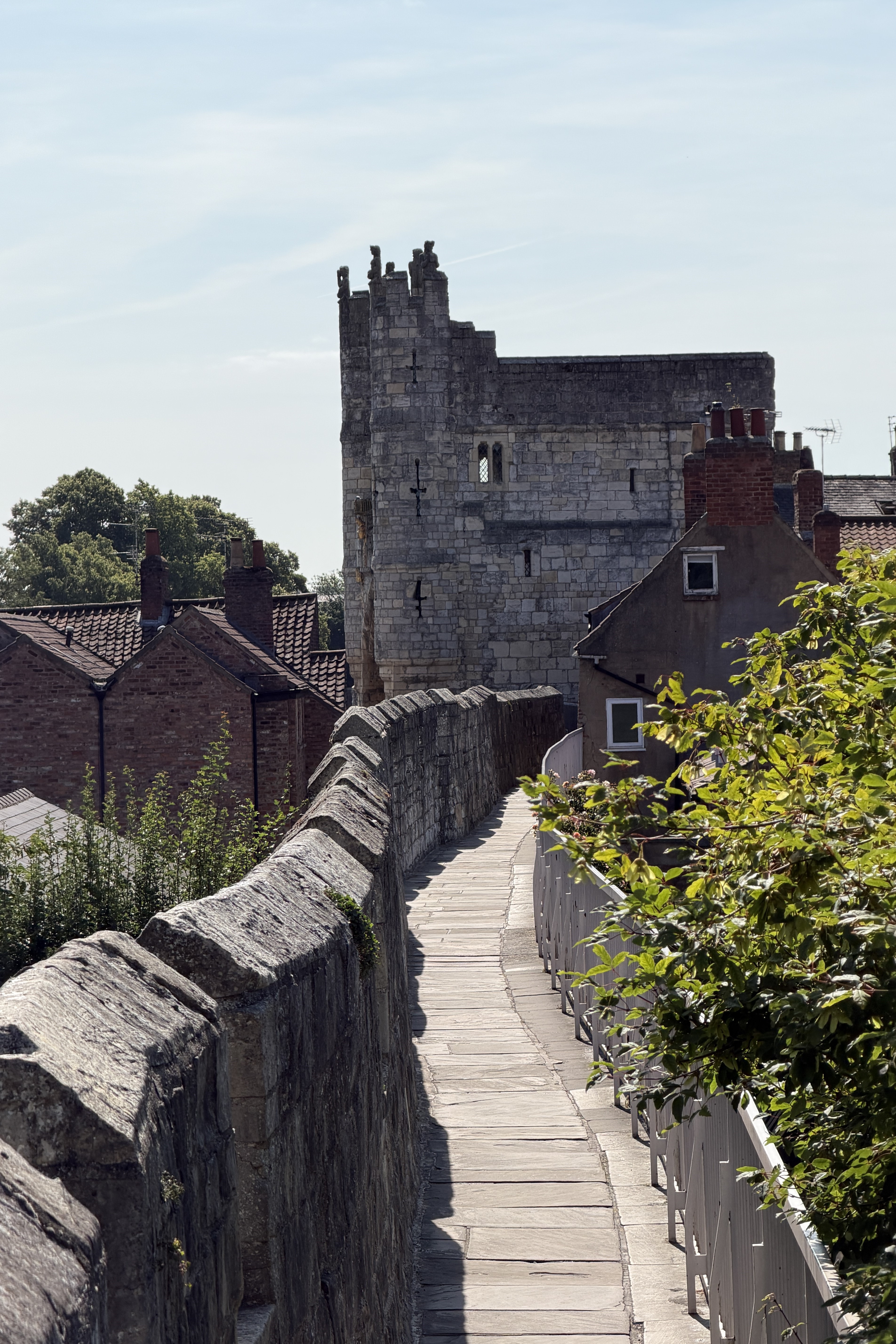
At a Glance
- Duration: 29-night stay.
- Home Base: Paphos, near the beach and the Archaeological Site.
- Top Day Trip: Akamas National Park and the hike through Avakas Gorge.
- Memorable Moment: The utter cultural exchange and hospitality of trying "fire water"(homemade moonshine) with the waitress at Agora Tavern.
- Overall Vibe: Historically immense and quiet (due to the late season), defined by a relaxed, leisurely pace. The atmosphere was a mix of locals and British expats/second-home owners enjoying the outdoor life along the beautiful promenade, making it easy for us to settle into a long-term routine.
This Town is Special Because...
Paphos is a world history lesson wrapped in a sunny, coastal package. Its sheer density of archaeological sites is staggering, making the area a UNESCO World Heritage treasure. We were living right in the backyard of the Roman ruins, an area famous for its intricate, well-preserved mosaics. The city offers this incredible contrast between the ancient world (from mythology depicted in the mosaics to the vast Tomb of the Kings complex) and the modern world, all framed by the beautiful sea.

Our Home Base: Paphos
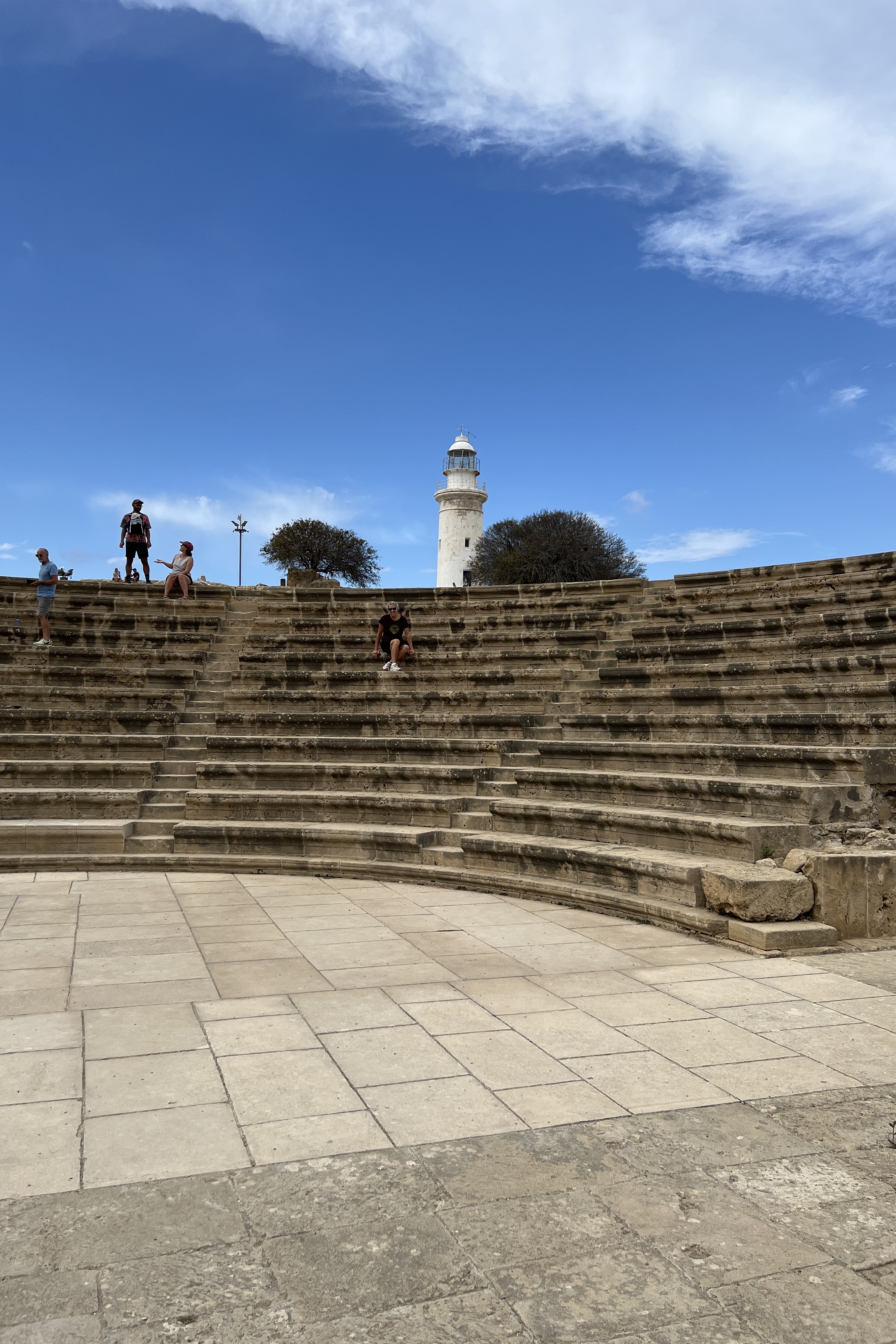
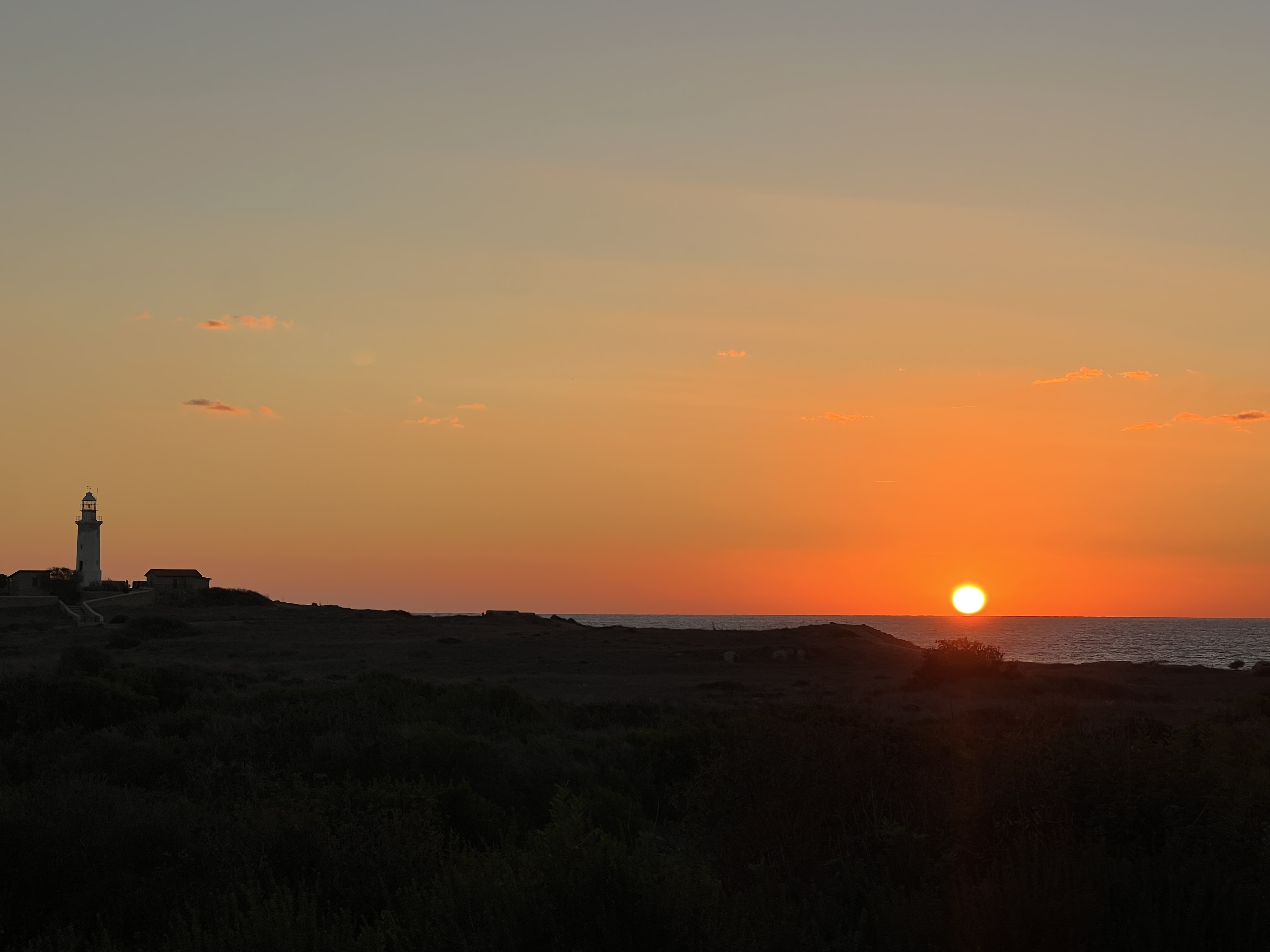
We secured a two-bedroom, one-bath apartment that was plenty big enough, and its best quality was the amazing balcony that looked toward the lighthouse and the sea, where we could enjoy coffee in the mornings and watch the sun go down. The location was excellent: three minutes from the beach and right in the backyard of the archaeological ruins.
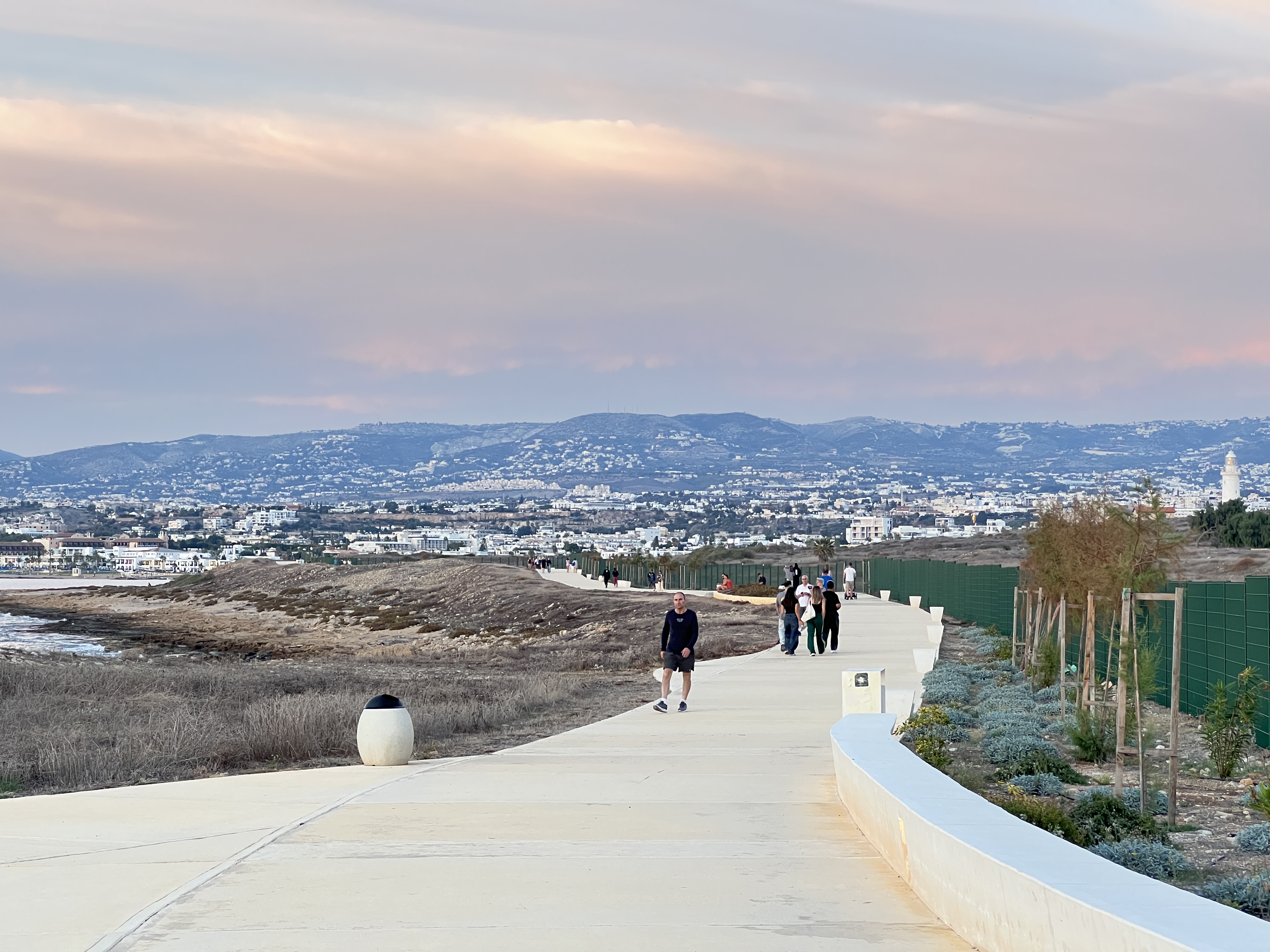
The promenade was a central feature of our time here, stretching for miles, and we were only three minutes from our access point. This access was great: we walked it in the mornings for exercise, and used it during the day to get to the harbor, the Tomb of the Kings, or one of the many beaches.
The Trade-Offs of the Long Stay
Staying in one spot for 29 nights offered a nice break from the more action-packed start of our adventure. Tom felt the long stay was perfect for catching up on website work and planning, and getting into a nice exercise routine. However, after about 23 days, I personally felt it was maybe 5–7 days too long and I was a bit bored.
We quickly realized the ease of wandering in Limassol was missing here. Paphos is more spread out, and going out after dark was a bit more difficult:
- Darkness: The sun goes down before 5:00 PM in the late season.
- Distance: Our location meant a longer walk to get to restaurants or bars located at the harbor or the Old Town. The restaurants right near us and the King's Mall were not places we wanted for dinner, but that was an acceptable trade-off for being so close to the sea and the ruins.
We also learned that Paphos's Old Town has been rebuilt after a fire, so while it was nice to walk around and we preferred the restaurants there, it doesn't have the charm of the old towns in Limassol or Larnaca. It's also 35 minutes from the water, unlike the Old Town in Limassol, which was connected to the port.
Another advantage to our long stay in Cyprus meant we could take care of some health and wellness needs. We could leisurely schedule hair appointments. Tom visited a dentist for cleaning, and we found a British-run clinic that made it easy for prescription refills, securing six-month supplies.
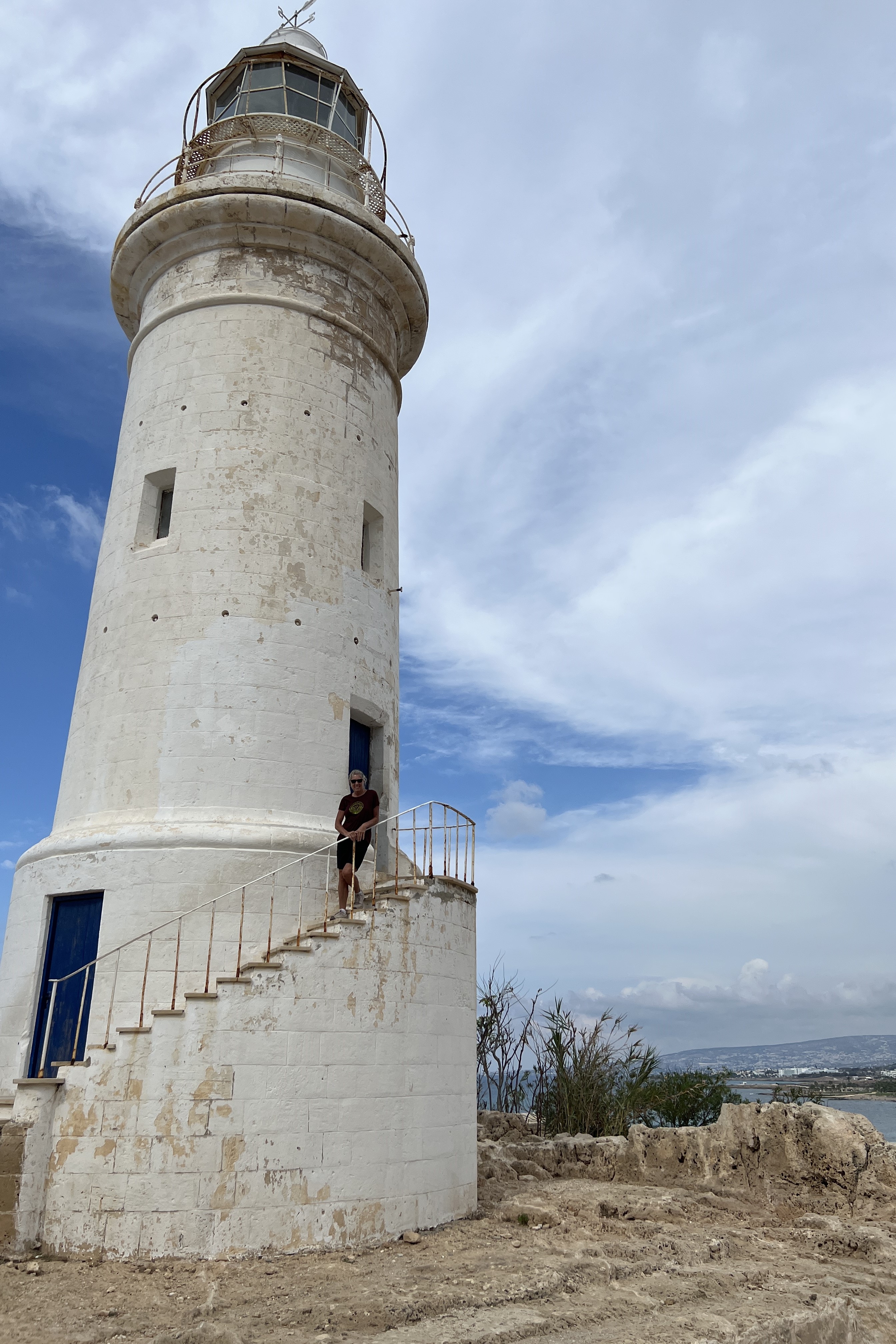
Our Paphos Experience: The Day-to-Day
Appreciating Mother Nature
We felt incredibly lucky to catch the tail end of the warm season in Cyprus. When we planned the trip, we thought the weather would be in the high 60s, but it was in the 80s when we arrived and in the mid-to-high 70s by the time we left. We were told the climate is staying warmer longer now, and we loved that we could be in the sunshine every day, watching the calm (or sometimes rough) seas. This unexpected warmth meant we could spend the majority of our time outside and enjoying the beach.
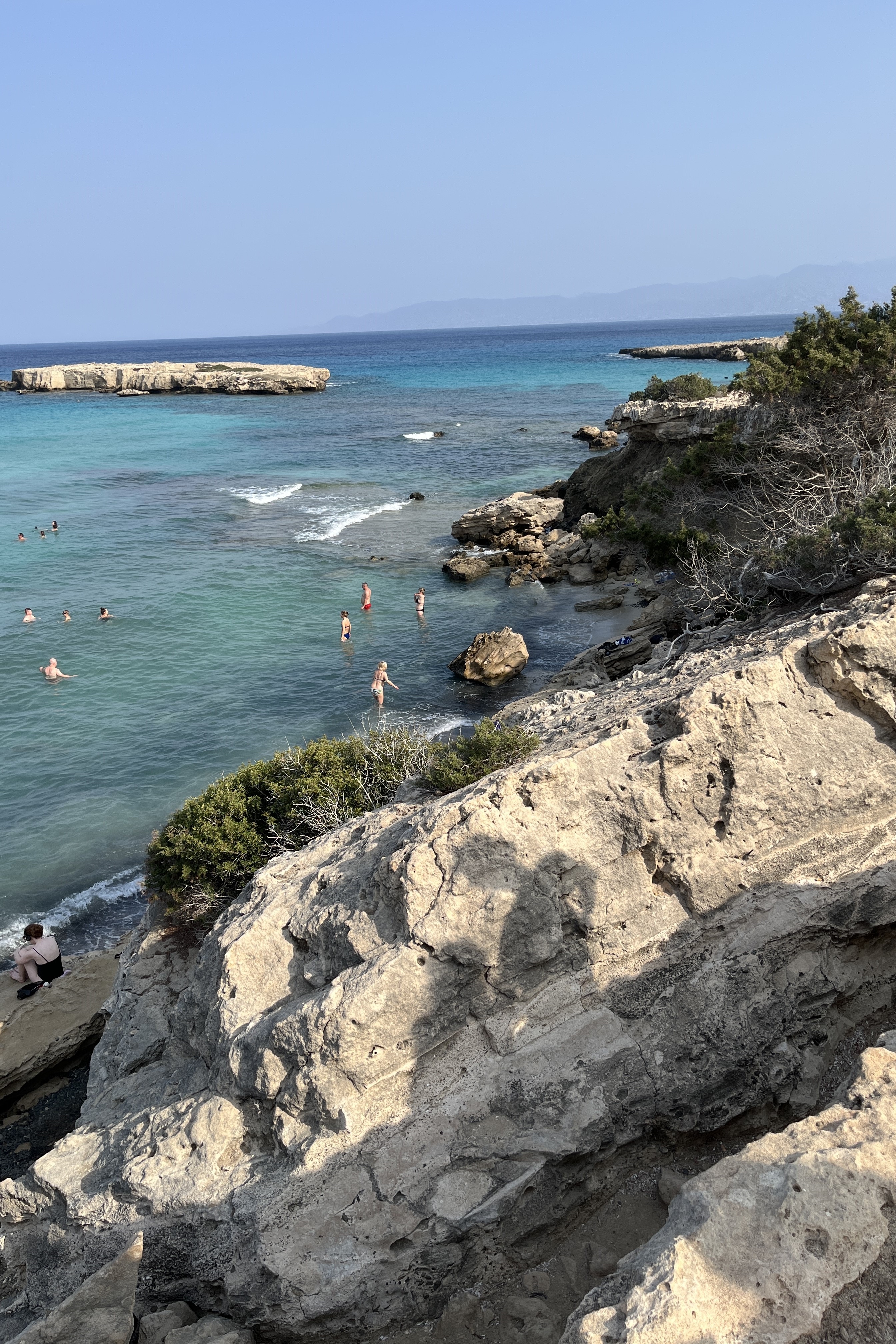
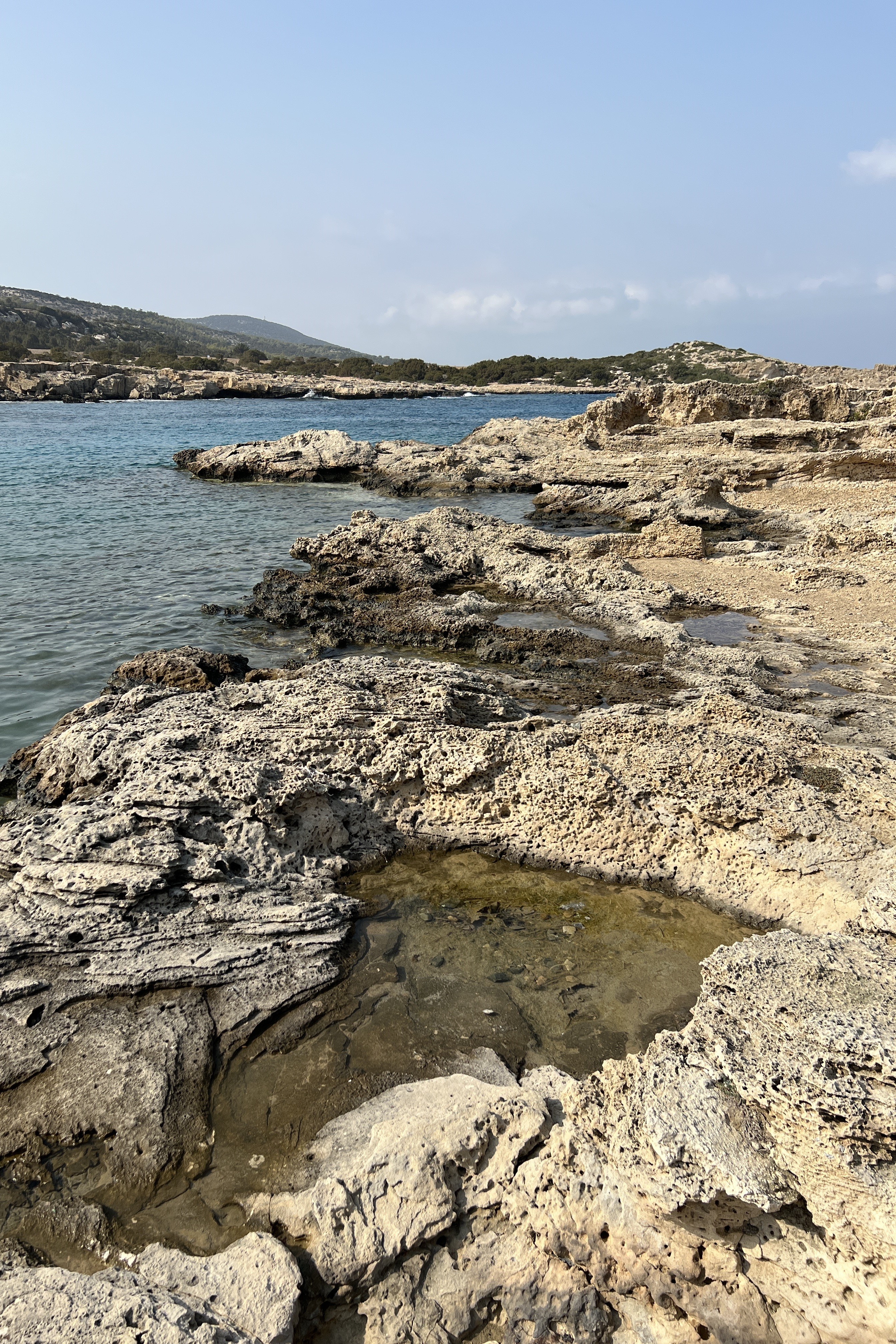
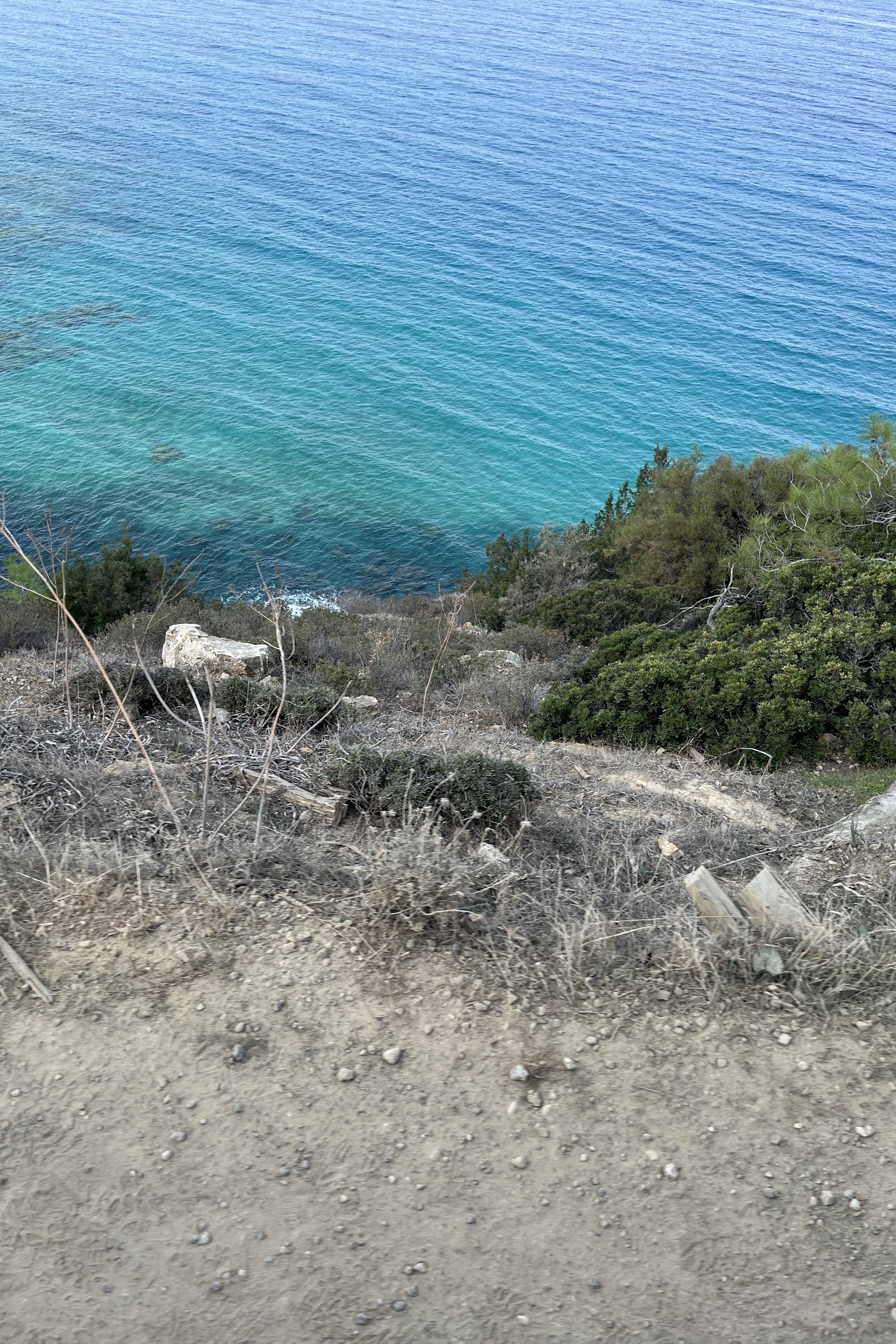
We were also amazed by the powerful beauty of the coastline. On our daytrip to Akamas National Park, we saw the Sea Caves and the Blue Lagoon area, where Mother Nature had carved out these awe-inspiring formations that we could just sit and admire—very Zen moments!
Finally, we had an alarming reminder that the earth is constantly active beneath our feet. We experienced two significant earthquakes—a 5.2 and a 4.7 the next day while we were in the mall getting a SIM card —which was certainly an alarming way to be reminded that the earth is alive beneath your feet.
Archaeological Deep Dive: From Myth to Medieval
Paphos is a world history lesson wrapped in a sunny, coastal package. Its sheer density of archaeological sites are staggering, with its most famous remains dating back to the Hellenistic and Roman periods (around the 3rd and 4th centuries BC).
- Paphos Archaeological Site (The Mosaics):This huge site is famous for its extensive and beautiful Roman floor mosaics. Tom and I visited it twice! The first time, we toured the site by ourselves and used the QR codes available at the site to listen to the history and fascinating stories behind the Greek Gods depicted in the mosaics. While many of the mosaics in the open ruin area were covered for protection, the visit was totally worth the 5€ entrance fee. We later brought my mom and her partner, Tony, there so they could experience it. It was during that visit that my mother's earbud popped out as she was leaning over a mosaic and listening to the story, and I had to clamber over the railing to retrieve it!
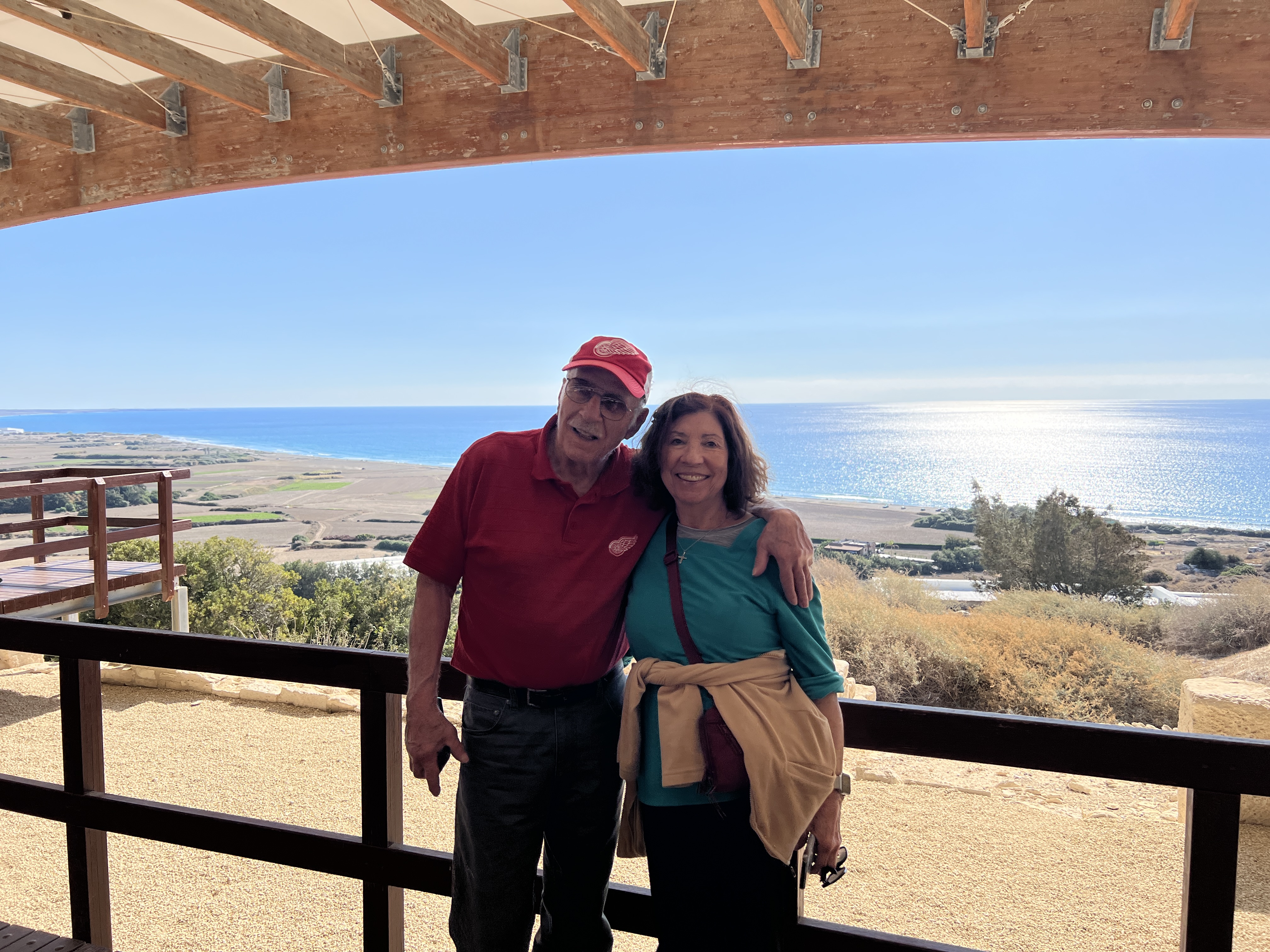

- Paphos Harbour Castle (Medieval Fort): Standing grandly at the harbor's edge, this structure is a striking symbol of Paphos's history. It was originally built as a Byzantine fort to protect the harbor, then rebuilt by the Lusignans in the 13th century. After the Venetians dismantled it to prevent its use by enemies, the Ottomans rebuilt it in 1592. Today, you can explore the preserved Ottoman square tower, and it is frequently used as a backdrop for the annual Paphos Aphrodite Festival opera. We visited the castle with Mom and Tony, but it could be easily missed if you are short on time.
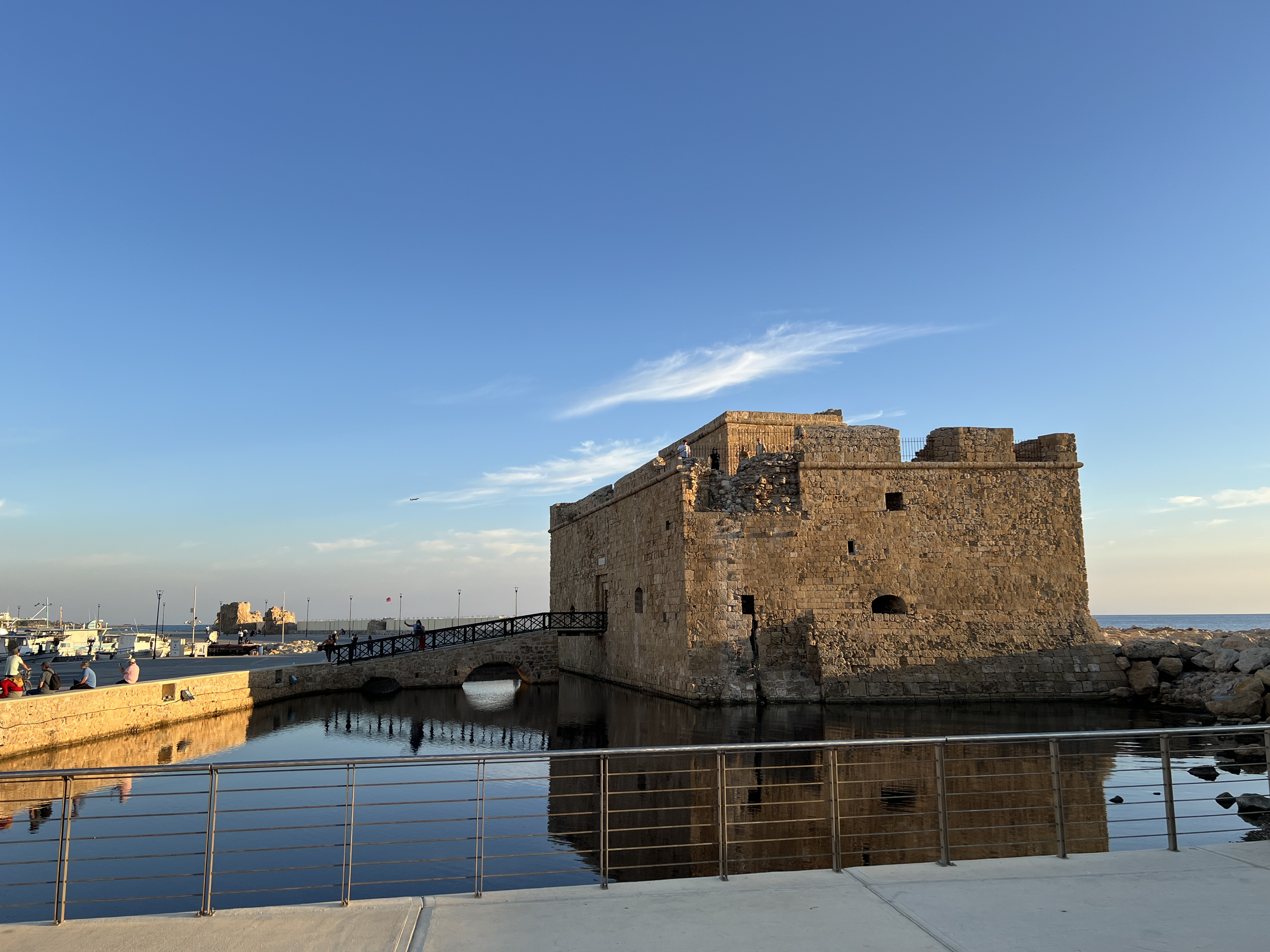
- The Tomb of the Kings: This UNESCO World Heritage site is a large complex located about 30 minutes' walk up the street from the promenade. We spent a few hours doing a self-guided tour of the different tombs and climbing down into them to peer inside and get a sense of the scale of the construction. Despite the name, no kings were actually buried here; rather, it was a burial ground for local aristocracy and officials dating back to the 4th century BC. The entrance fee was only 5€ per person.
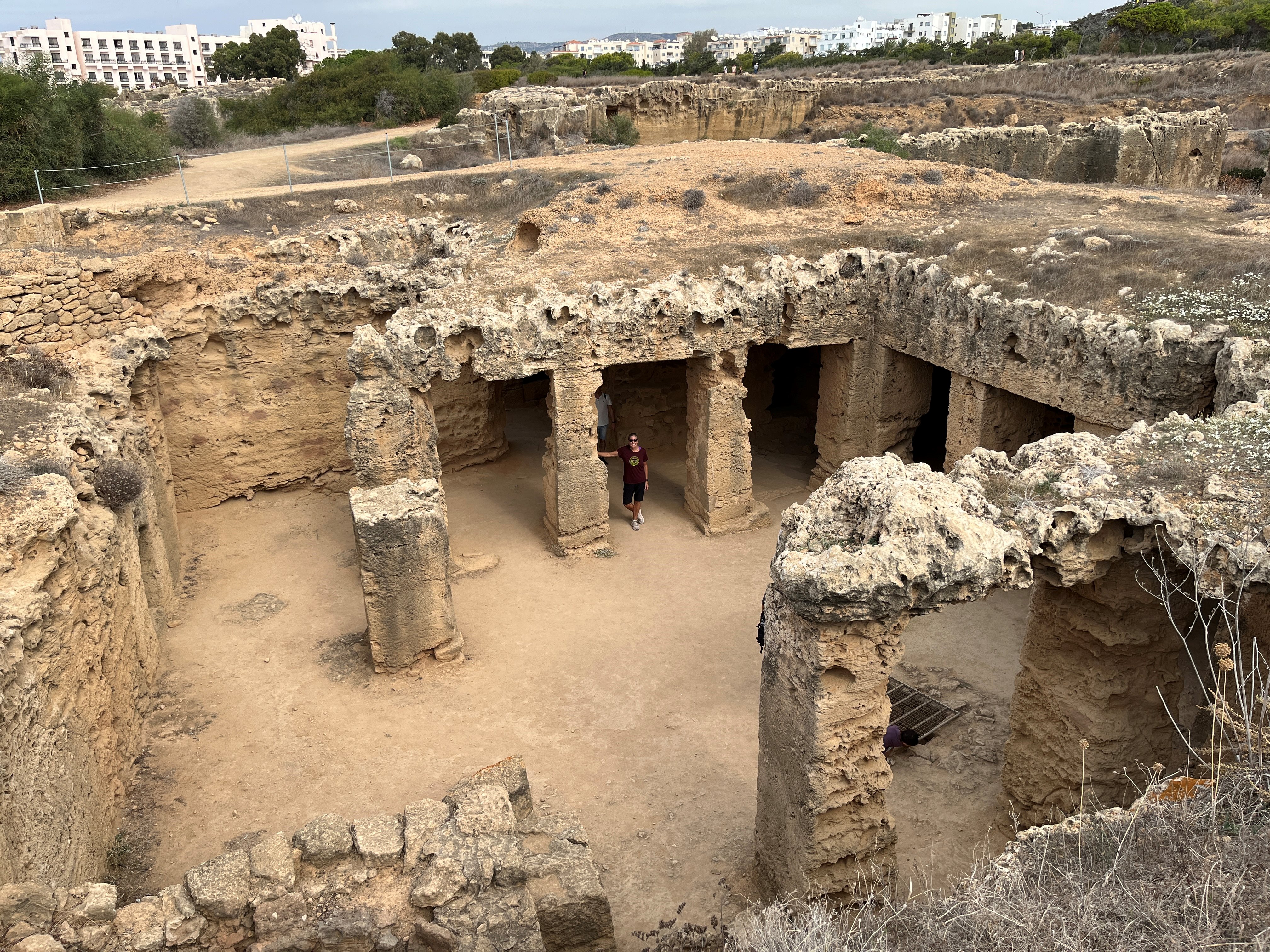
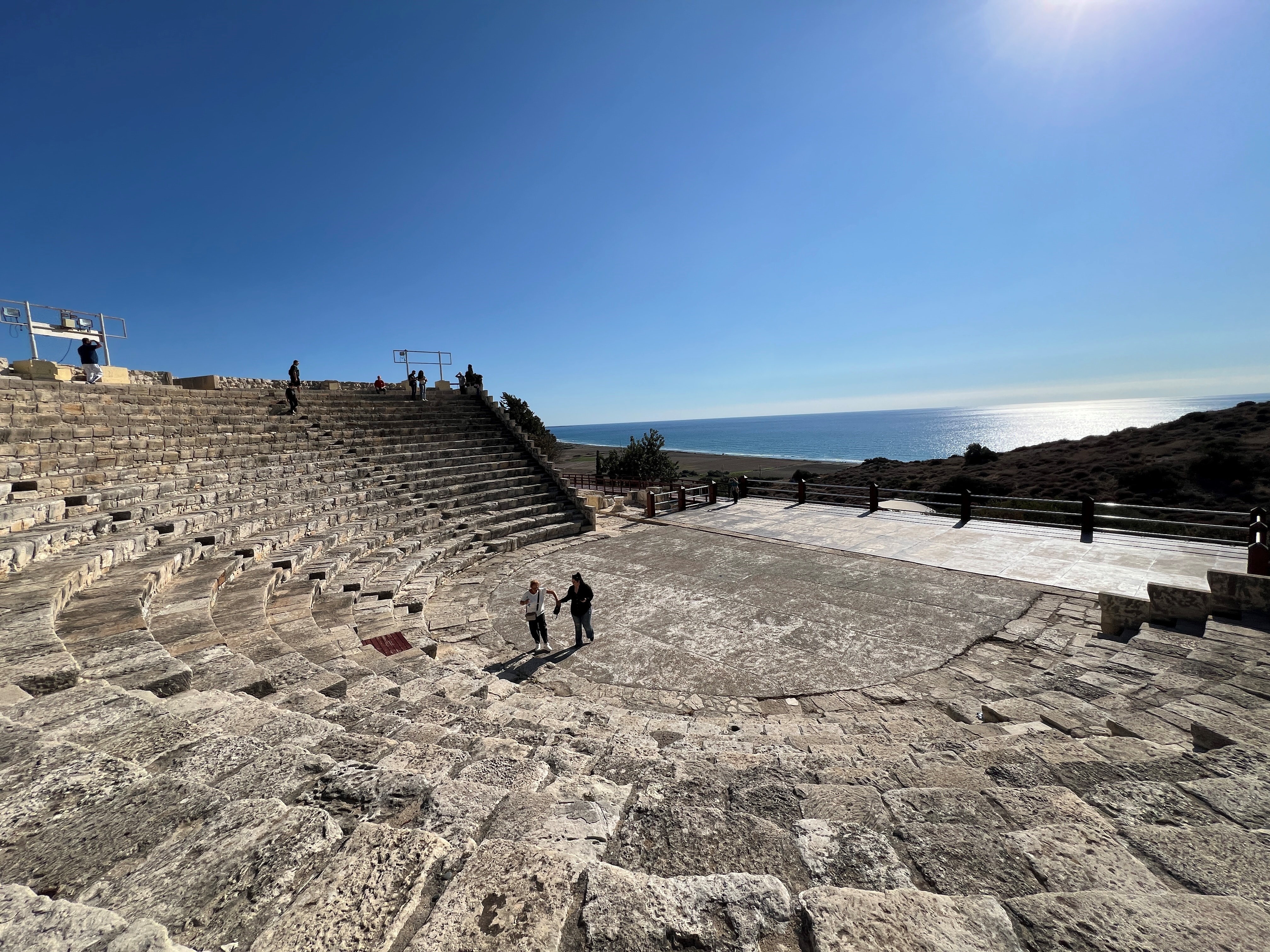
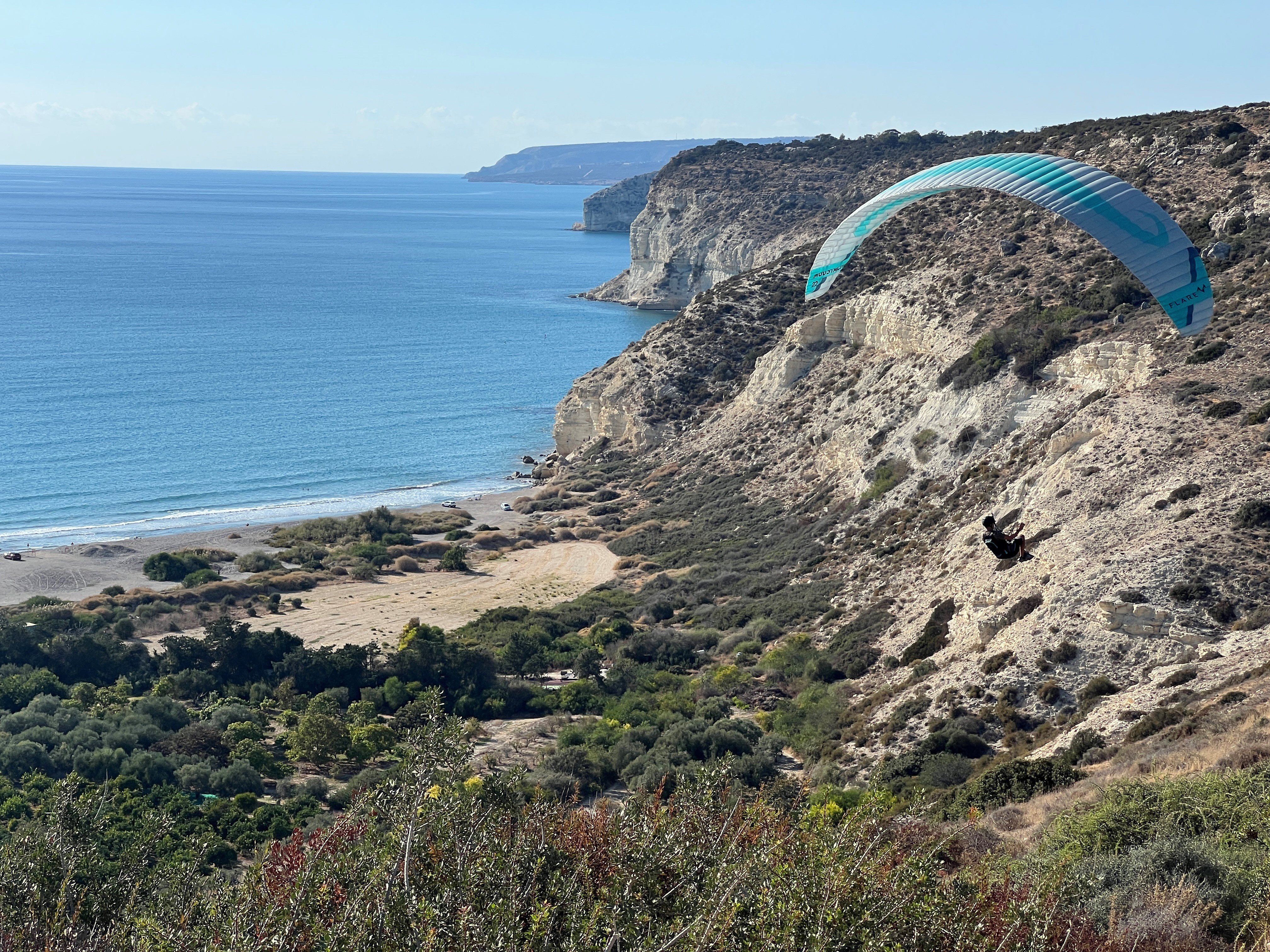
- Kourion Archaeological Site (The Cliffside Theatre): Located about a 40-minute drive from Paphos, Kourion was one of the island's most important ancient city-kingdoms. It boasts a spectacular setting high on a bluff overlooking the sea. We visited with Mom and Tony, exploring the remains of the House of Eustolios (famous for its mosaics) and the magnificent Greco-Roman Theatre. While there, we took fun pictures and enjoyed watching the paragliders soaring over the cliffs.
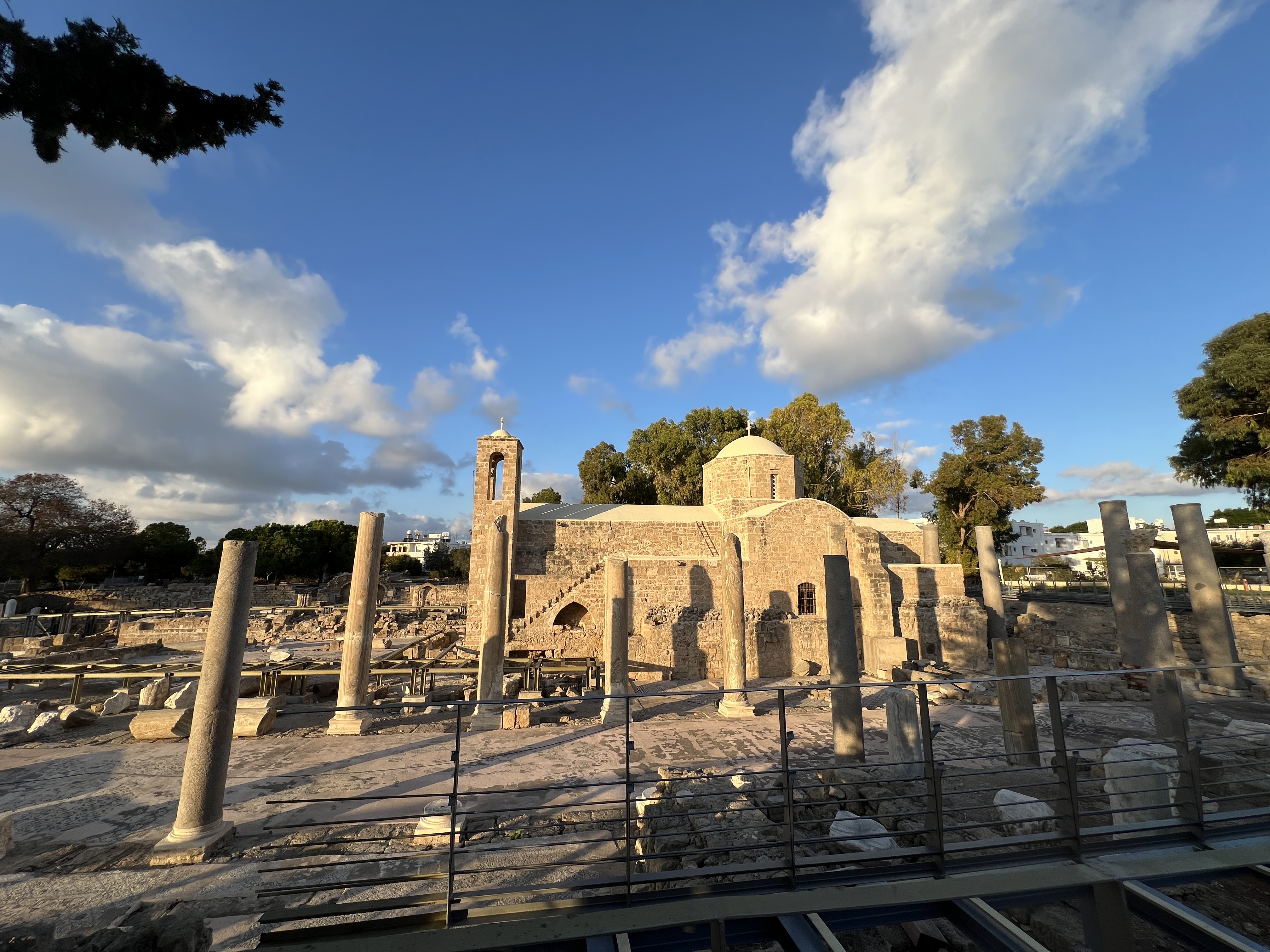
- St. Paul's Pillar: We also made sure to visit other significant works around Paphos, including St. Paul’s Pillar at the grounds of the Panagia Chrysopolitissa Church. Tradition holds that the Apostle Paul was bound to a pillar and flogged here for preaching Christianity during the 1st century AD. There are many pillars and it isn’t known exactly which one he was bound to, but we walked all around it and tried to logic out which it might be. The church complex is a stunning combination of ruins, with visible mosaics and structures representing different phases of the island's religious history.
Day Trips and Excursions: From Canyons to the Capital
To break up the long stay and immerse our selves in Cypriot culture, we undertook several excursions, ranging from self-guided bus trips to organized 4x4 tours.
Nicosia: The Last Divided Capital
We took the Intercity Bus from Paphos, which took around two hours, making for a smooth start to this fascinating day trip. We highly recommend starting on the Cyprus side at the Shacolas Tower Museum and Observatory (costing 2,50€ per person). It offers a 360-degree view, complete with maps and a video detailing the history of Cyprus—including the Ottoman, British, and division in '74—which is a great way to ground yourself before heading into the historic center.
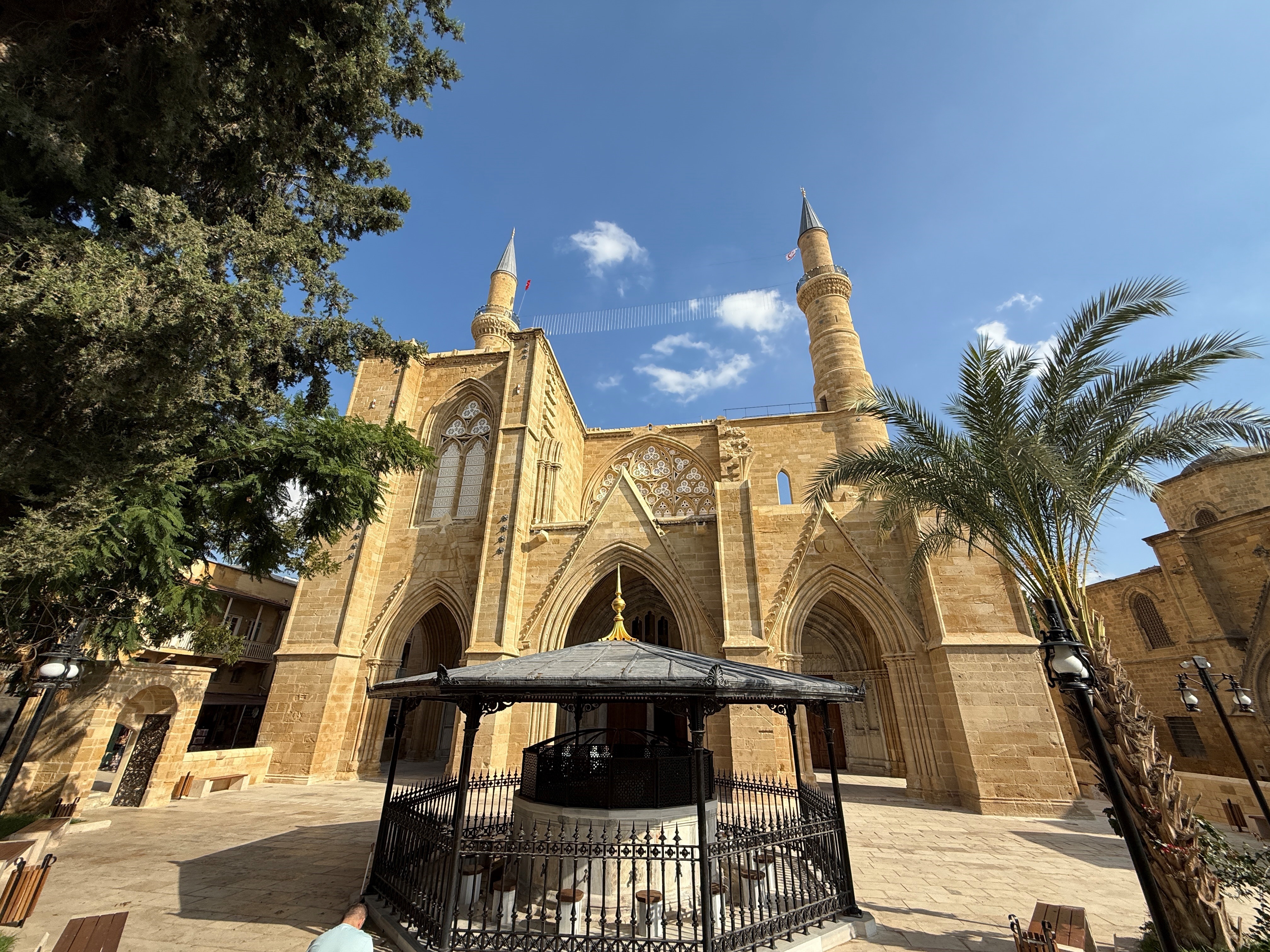
From the Observatory, we walked up the main street, Ledra Street, which is pedestrian-friendly with many shops and leads directly to the border crossing. The crossing, where you show your passport once to leave the Cypriot side and once to enter the Turkish-occupied side, took us less than five minutes. The Turkish side is full of markets and open shopping, feeling very much like a Medina. We saw the main mosque and an old church now used as an artist showcase. We enjoyed a light authentic Turkish lunch, mostly opting for delicious bean soup and salad. Back on the Cypriot side, we walked through Eleftheria Square (Liberty Square). This newly renovated square, designed by Zaha Hadid, acts as an upper bridge connecting the old city with the new. It was designed to open the dry moat around the historic Venetian Walls to create a new orbital park, with the intent of being a catalyst to reunify the divided capital and provide a "green belt" of civic plazas and gardens for the community.
Land Rover Akamas Blue Lagoon Safari
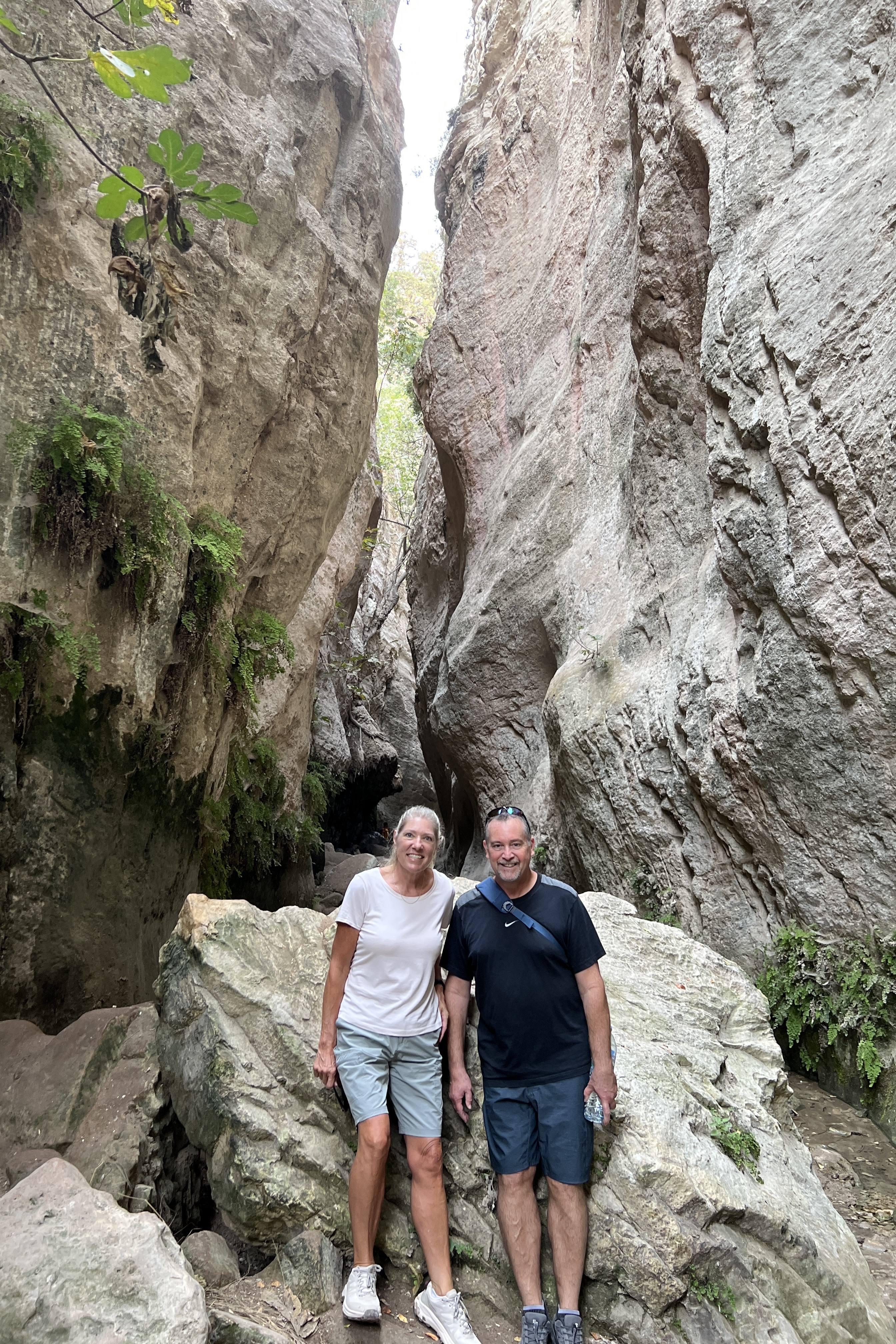
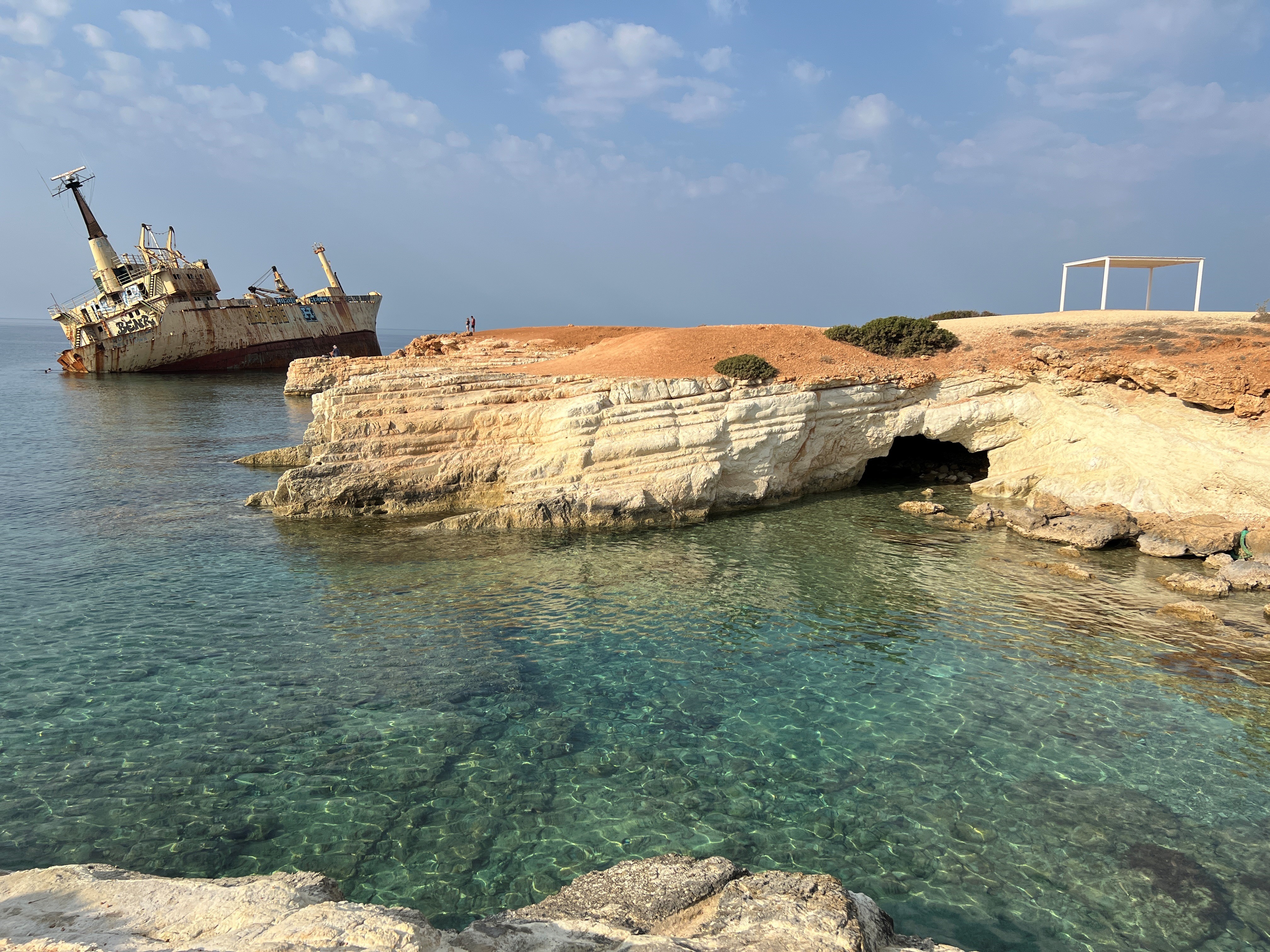
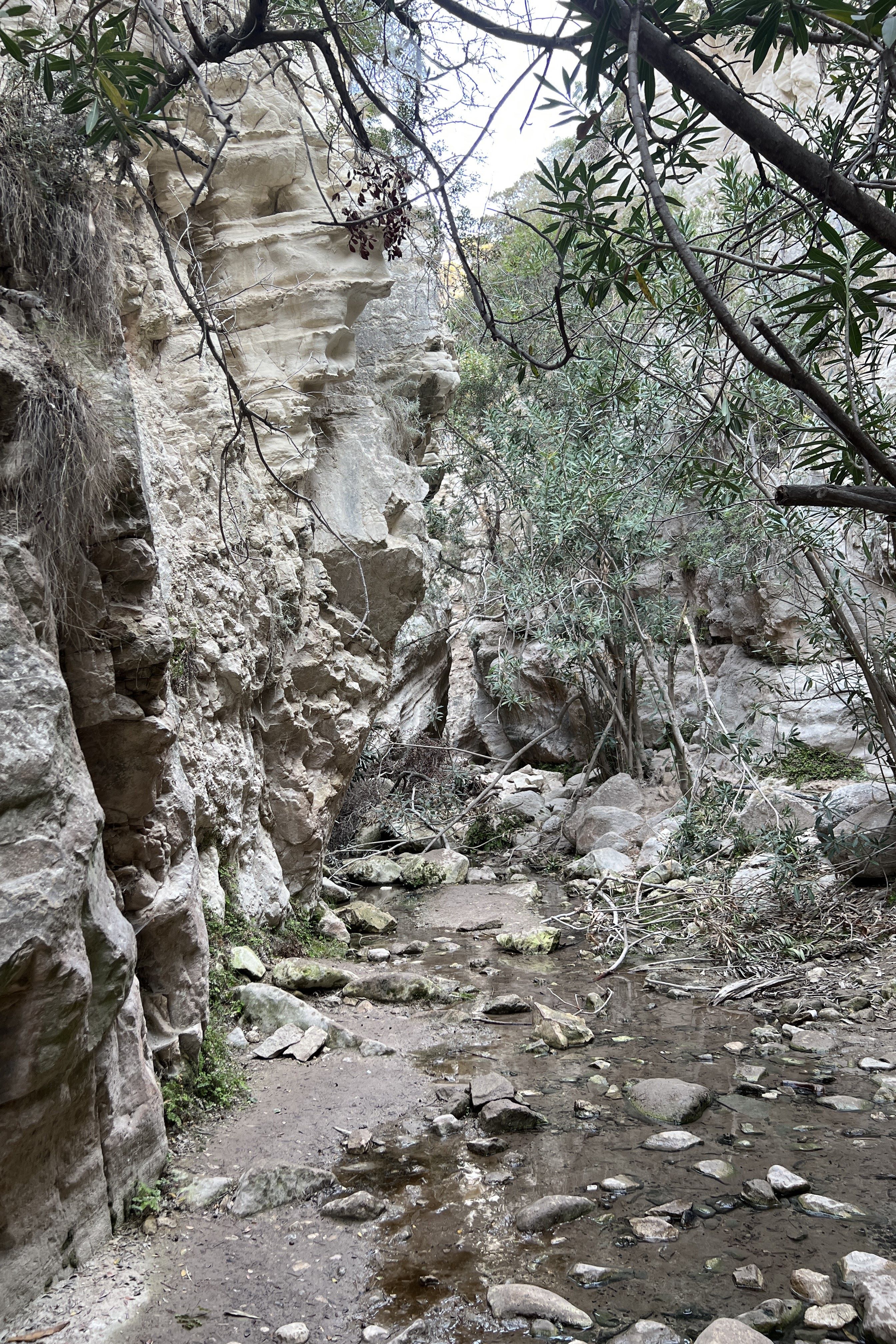
We booked our 7-hour thrill ride through Land Rover Treasure Safari. This was a full-day tour covering a stunning coastal route where we stopped to see the Sea Caves and the Aphrodite Baths. We enjoyed a fun hike through Avakas Gorge before taking photos and swimming at the Blue Lagoon area. We also visited Lara Bay Turtle Conservatory, where we learned that the Green Turtle is the most special because it almost exclusively uses the beaches of Cyprus and Turkey for nesting, laying eggs nowhere else in the Mediterranean. The entire route, which included stopping at a village high up to see the Troodos Mountains in the distance, was stunning, though the driving on these mountain roads was often a "white-knuckle journey."
Troodos Mountain Village Tour
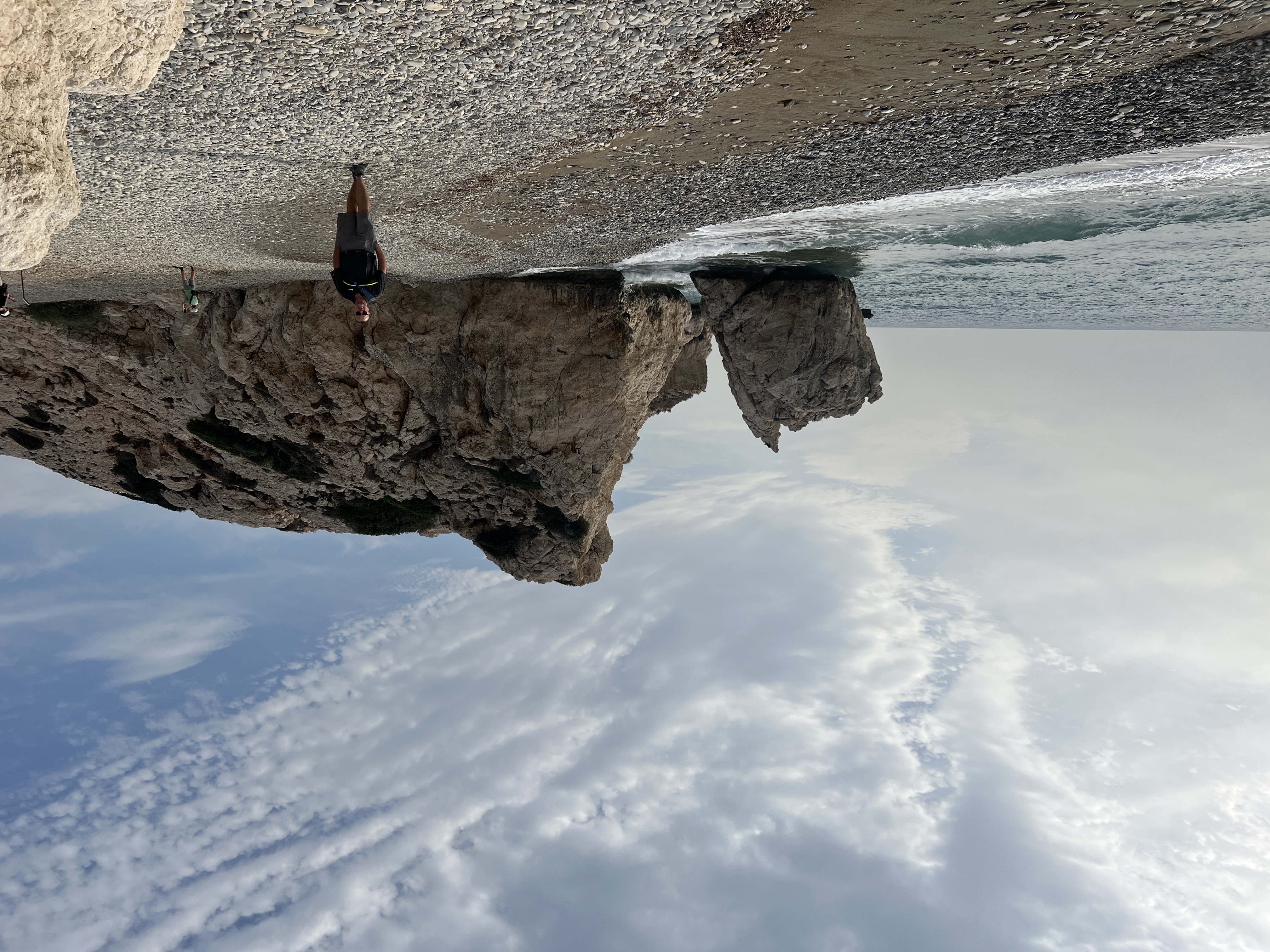
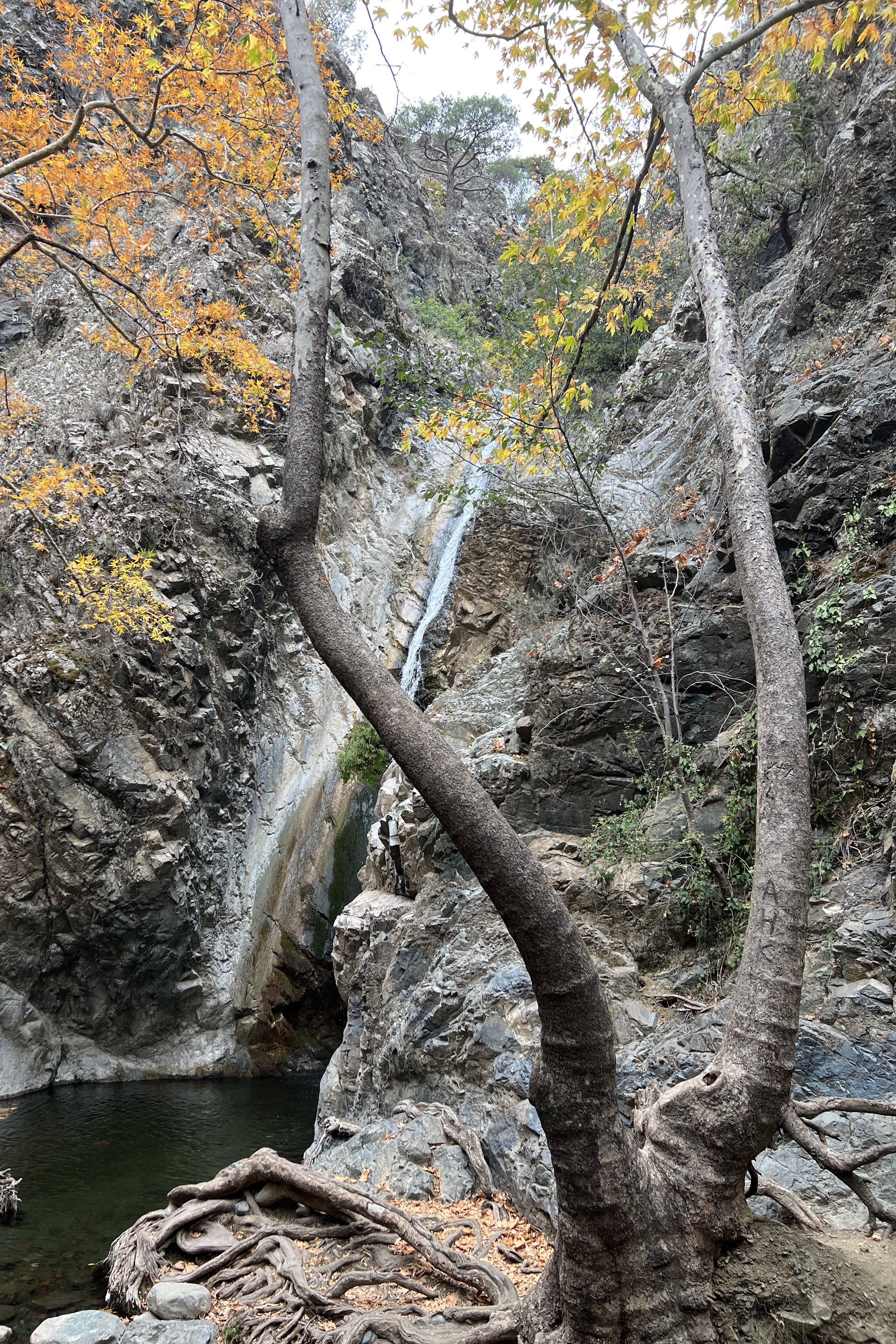
This full-day tour focused on the unique history and villages of the mountainous Troodos region. Our first stop was Aphrodite's Rock, where we got great pictures and made sure to walk all the way down to the beach—a better view than just the road turnoff. Our stop in Lofou was the lowlight; the village felt dead, there was only one coffee shop and besides the tour groups we saw only a handful of other people. No restaurants, bars or shops were open, and the guide was uncaptivating. Fortunately, the rest of the day was engaging: we had lunch and walked around Omodos, visiting the Timios Stavros Monastery (Monastery of the Holy Cross), considered one of the island’s oldest, which holds relics like a piece of the Holy Rope from Christ's crucifixion. We had a quick stop at Millomeris Waterfall, but the most interesting part was the drive through the Troodos Mountain forest, which is the only dense forest on the island. We concluded the tour with a wine tasting at the Lion Spirit Winery, where we tried the famous ancient dessert wine, Commandaria. (more on that below)
Pissouri Village Day Trip (Self-Guided)
For a quiet break, we took the inner-city bus to Pissouri Beach for a self-guided exploration of a smaller village. This allowed for a nice 5-hour day of hanging out at the beach and having lunch. We learned the local buses don't run very frequently, which meant we had to stick to a tight schedule, but it allowed us to explore the quieter, coastal part of this town. We wanted to walk the town itself as well as visit the beach, but they are split and it would have taken us a few hours to hike up via the road to the town from the beach, so we settled for checking it out as the bus drove through. The beach had amazing clear water and wasn’t as cold as Paphos, however, was very rocky, requiring proper footwear. We purchased two sun beds, which are regulated in Cyprus so they all cost the same 2,50€ per bed.
Minthis Golf Course (The Golfer's Diversion)
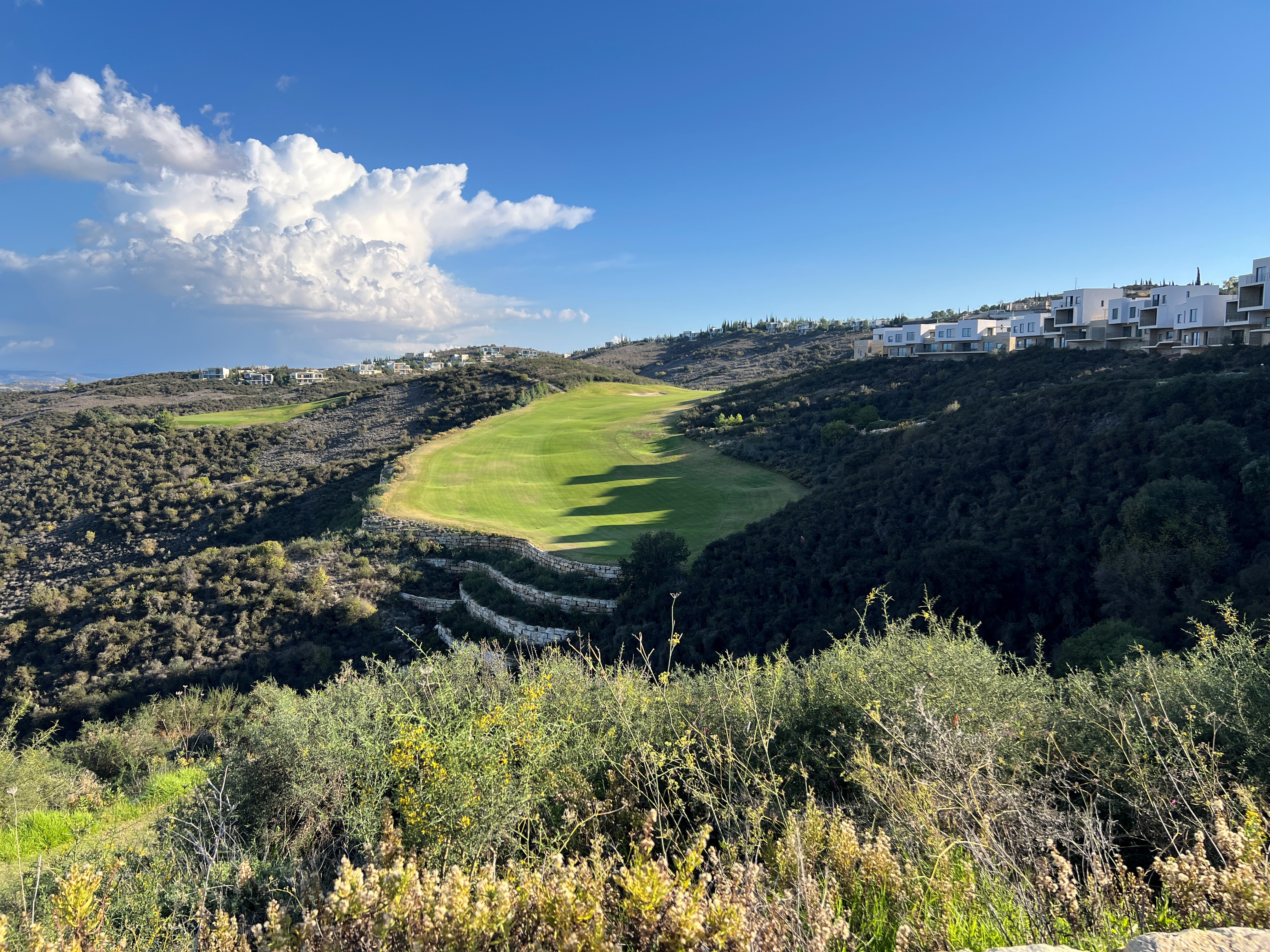
We took a day for Tom to drive out to Minthis Golf Course. We registered for the twilight round with a 12:40 tee time which cost 130€ plus rental clubs and electric cart. The course was in great shape and featured a links style, which was very nice. It has some dramatic holes, like number 10, which goes out over a steep drop-off. We were only able to play 14 holes before dark, so if you book twilight, be aware they don't anticipate people finishing their round.
Culinary Discoveries and Shared Triumphs
The Paphos food scene was defined by incredible hospitality and the traditional Cypriot Meze (small plates), which truly allowed us to taste the local culture.
Traditional and Fine Dining
We had incredible Meze meals at both Hondros Taverna and Agora Tavern for traditional Cypriot food.
- The Agora Tavern Gem: At Agora, the experience was unforgettable. Our waitress, a true gem, recommended a bottle of wine to accompany our mixed Meze plates and chatted with us about Cyprus. The experience culminated in her joining us for a shot of what I deemed "fire water" (Zivania), a local, potent moonshine made from seeds and skins, since we were one of her last tables before closing. This moment was reminiscent of a previous trip to Portugal, where our waiter introduced us to Ginja (a sweet, traditional Portuguese cherry liqueur made from sour cherries, sugar, and alcohol). We reflected on how sharing these cultural foods and drinks is one of the reasons we love to travel!
- Traditional Tastes: We had an amazing experience at Gourmet Tavern where we enjoyed suckling pig with homemade applesauce and halloumi with caramelized onions. Halloumi is a traditional, semi-hard Cypriot cheese, usually made from sheep's and goat's milk, that is famous for its high melting point, making it ideal for grilling and frying.
- Special Occasions: For my mother's birthday, we had an Italian tapas dinner at the elegant NEMA, perfect for a special occasion. Another excellent Italian spot was Vitro Osteria in the old town; their pizza was very nice, and the mushroom risotto was outstanding.
Building Local Habits
A 29-day stay allowed us to develop comfortable local routines:
- Ben's Bar: We made a habit of visiting Ben’s Bar since it was around the corner and on our way to the promenade. It was always a welcoming mix of locals and visitors, with good, cheap beer.
- The Donor Bar: We became regulars at The Donor Bar, where we agreed with their promotion of "the best gyro and burger spot in Paphos". Tom and I would share the Skepasti—two Greek pitas with mixed doner, melted cheese, spicy hot cheese sauce, fresh tomato, onion, and french fries. We might go back to Paphos just to have this sandwich again!
- Café Nero Ritual: Our favorite local habit was to take a power walk and then go to Café Nero to have a latte and croissant on their upstairs deck, watching the open water swimmers and morning activity along the harbor.
- Other Stops: We also tried Cera Pizza for pizza along the boardwalk, Chloe's Chinese for Asian food, and Minith Tavern, which was the most "local" spot we found between our apartment and the harbor.
Wine Scene: The Indigenous Reds and Incredible Value
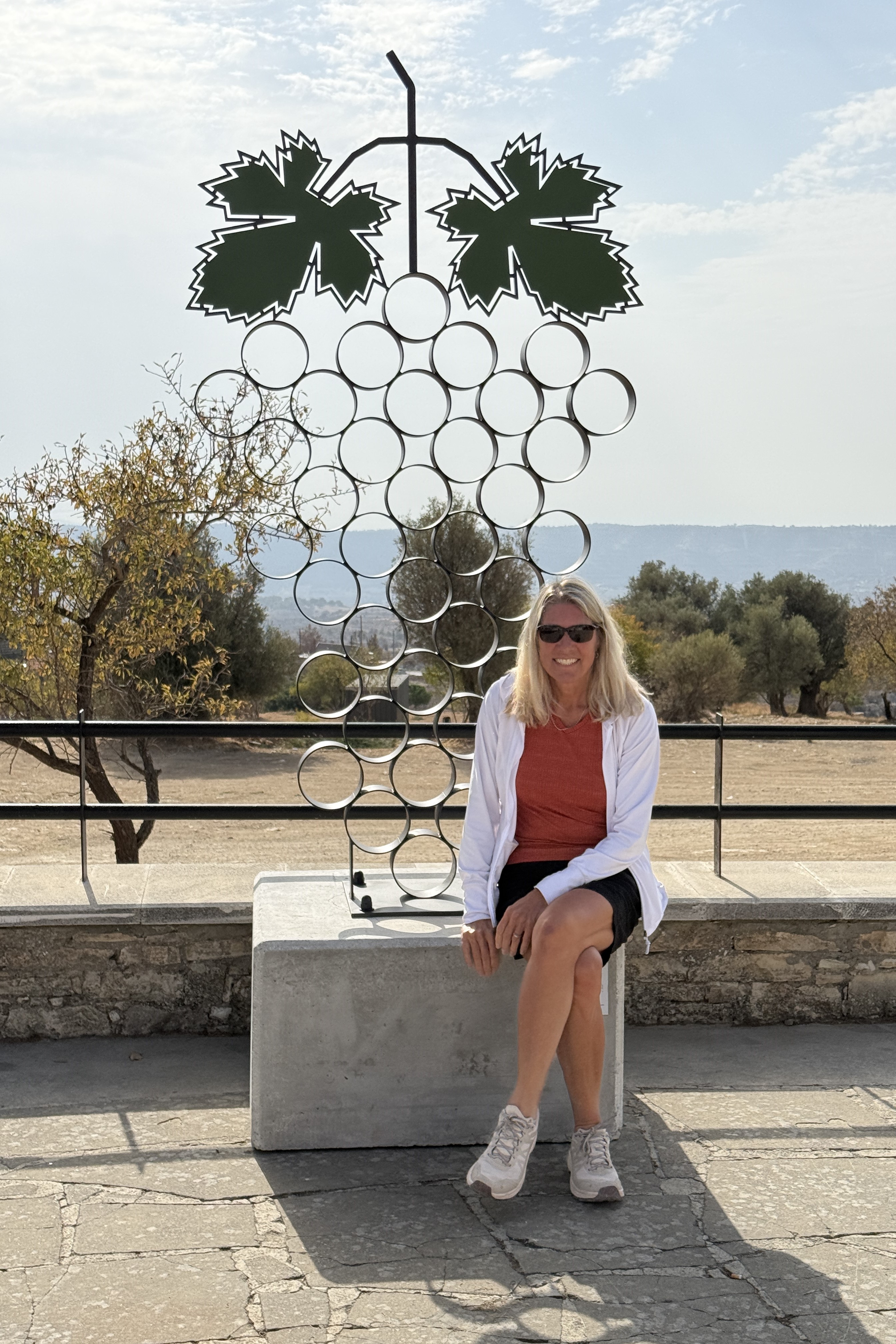
Cyprus has an incredibly long history of wine growing, dating back over 5,500 years. The industry is experiencing a resurgence, with a ton of pride focused on native varieties. We learned on one of our tours that while there are only a few large wineries (three in Limassol and one in Paphos), there are around 60 small wineries. These vineyards are largely found in the mountains away from the cities, particularly in Paphos's own region of Vouni Panagias-Ampelitis and the famous wine village of Omodos. The key indigenous grapes we sought out were the white Xynisteri (the backbone of many wines) and the increasingly popular red Maratheftiko.
Pricing and Purchasing Strategy
One of the best things about the wine scene is the incredible value. We learned that most people in Cyprus will not spend 25€ for a bottle of wine, so prices are low; the most expensive bottle on the wine list at one of the nicer restaurants was only 46€. This lack of huge markup makes it extremely reasonable to order a full bottle instead of just a glass. (you can take home anything you don’t finish)
We developed a strategy of taking pictures of restaurant wine lists to determine which wineries were popular enough to be worth of visiting. Or, due to the fact it was hard for us to get public transportation to visit many wineries for direct tastings, seeking out those producers in a wine shop. We would engage the wine shop owner and ask about those producers and other recommendations to try the most representative of quality.
Near our apartment and the King’s Mall is a local wine shop specializing in French wines called Wine and More. It was great for specific purchases like Sancerre and Burgundian Pinot Noir. We also tried the grocery story inventory and found the selection was not worthwhile and seeking out a wine shop is well worth your time.
The Winery Circuit
We managed to hit three distinct winery experiences at the wineries tasting rooms:
- Fikardo’s Winery: This was a more formal, by-appointment tasting where we purchased a basket for Mom that included the indigenous white Xynisteri and the red Maratheftiko (a 2017 vintage). We also bought some Syrah and their premium red, Giannoudi.
- MAKAROUNAS Vineyards: We selected this winery because it was highly rated by Decanter magazine and featured heavily on a local wine list. We did the 20€ premium tasting and having lunch, which was really nice. We ended up sharing the generous tasting pours, which worked out perfectly.
- Lion Spirit Winery: As part of a tour, we stopped here and tried a flight that included a unique "blue wine" (made by leaving the skins on for a short time) and the famous ancient dessert wine, Commandaria. We bought a smaller bottle of Commandaria to have on Christmas Day.
Fun Fact: The King of Wines
Commandaria is recognized as the oldest named wine in the world still in production, with its history dating back to 800 BC.
The name "Commandaria" came from the Crusades in the 12th century. After King Richard the Lionheart sold Cyprus, the region where this sweet wine was produced became the main feudal estate and military head quarters for the Knights Hospitaller (or Knights Templar).
This headquarters was named "La Grande Commanderie". When the Knights began exporting the wine across Europe, it took the name of their headquarters, becoming known simply as Commandaria.
Legend holds that King Richard the Lionheart loved the wine so much he declared it “the wine of kings and the king of wines” at his wedding in Limassol in 1191.
What We Loved (and Didn't)
We gained valuable insight into long-term travel, confirming that a long stay like this offers low-stress living but needs interesting, accessible daytrips.
What We Loved The highs of Cyprus were spectacular. We absolutely loved the weather and the stunning sunsets. The promenades in all three cities were wonderful for walking and exercise, and the intercity buses made going from one city to another easy and convenient.
What We Didn't Love There were small challenges, but Cyprus doesn’t have a lot to hate when you are looking for along stay with plenty of time to accomplish what you want to do. We quickly became wary of the drivers and didn't like driving here. The narrow roads, fast drivers, and random parking meant you had to be constantly vigilant as a driver or pedestrian. My struggle with heights made the driving along the switchbacks and cliff sparticularly difficult, which in turn made Tom tense.
We relied more on public transportation, but this presented its own difficulties. We struggled with the lack of information on local bus times and pickup locations to easily navigate going to villages on our own. Crucially, the limited number of daily buses meant that missing one bus meant missing the trip, severely restricting the day trips we could take.
Links: More Trip Reports |
Up Next: Larnaca, Cyprus

Welcome to the new Touchpoint Wines
We’re blending our passion for wine with a love for global exploration. Join us as we journey through the world's most captivating destinations, uncovering hidden wine gems and offering unique workshop experiences for your team retreats. Whether you're seeking to enhance team dynamics or discover the art of slow travel, let us be your guide.