There is a moment in wine exploration where the textbook definitions we memorize for certifications collide head-on with geographic reality. For anyone studying for a CMS or WSET exam, Morocco is often a footnote—a surprising data point listed as the largest wine producer and exporter in the Arab world yet hidden behind a cultural curtain where nearly 95% of the local population abstains from alcohol entirely.
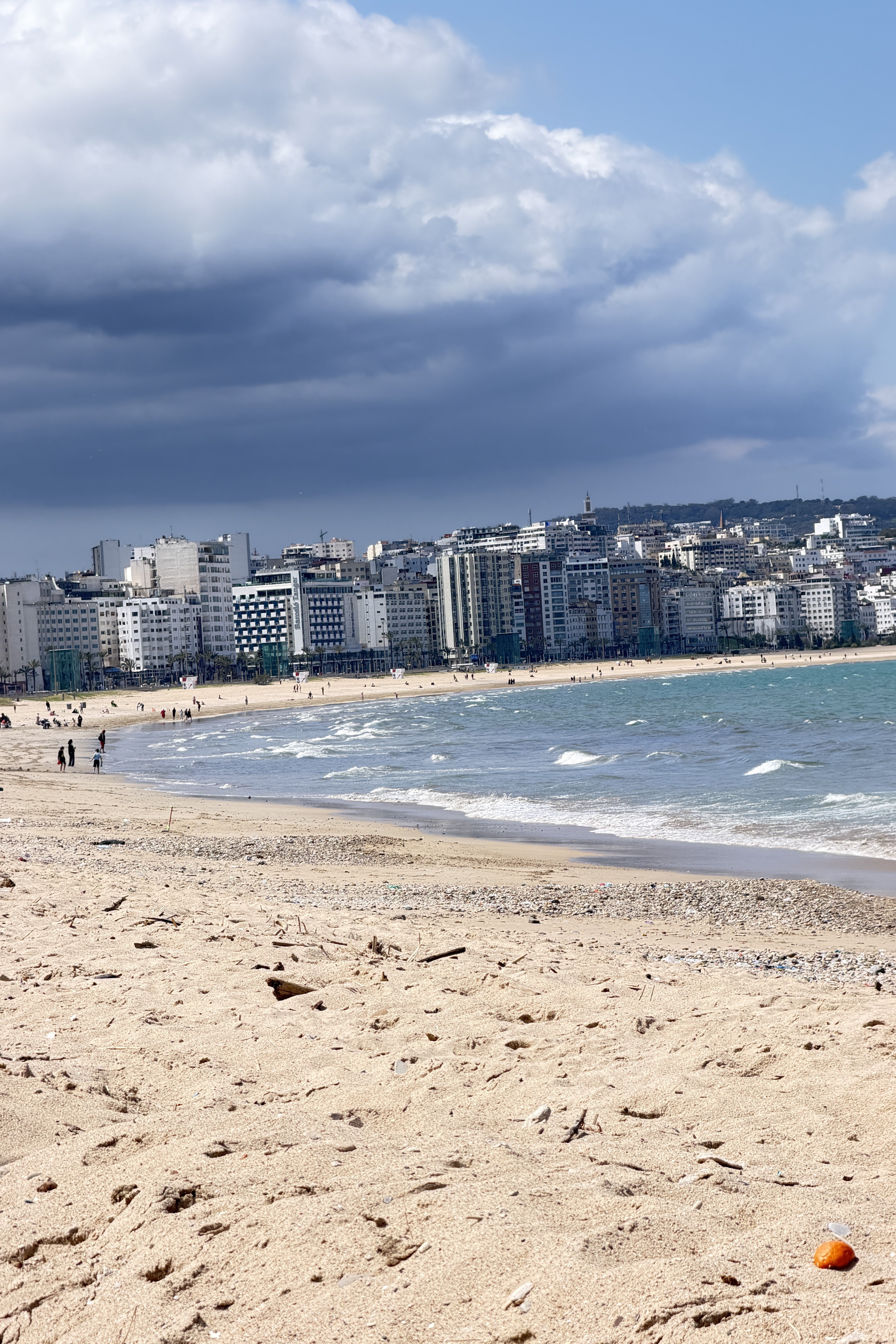
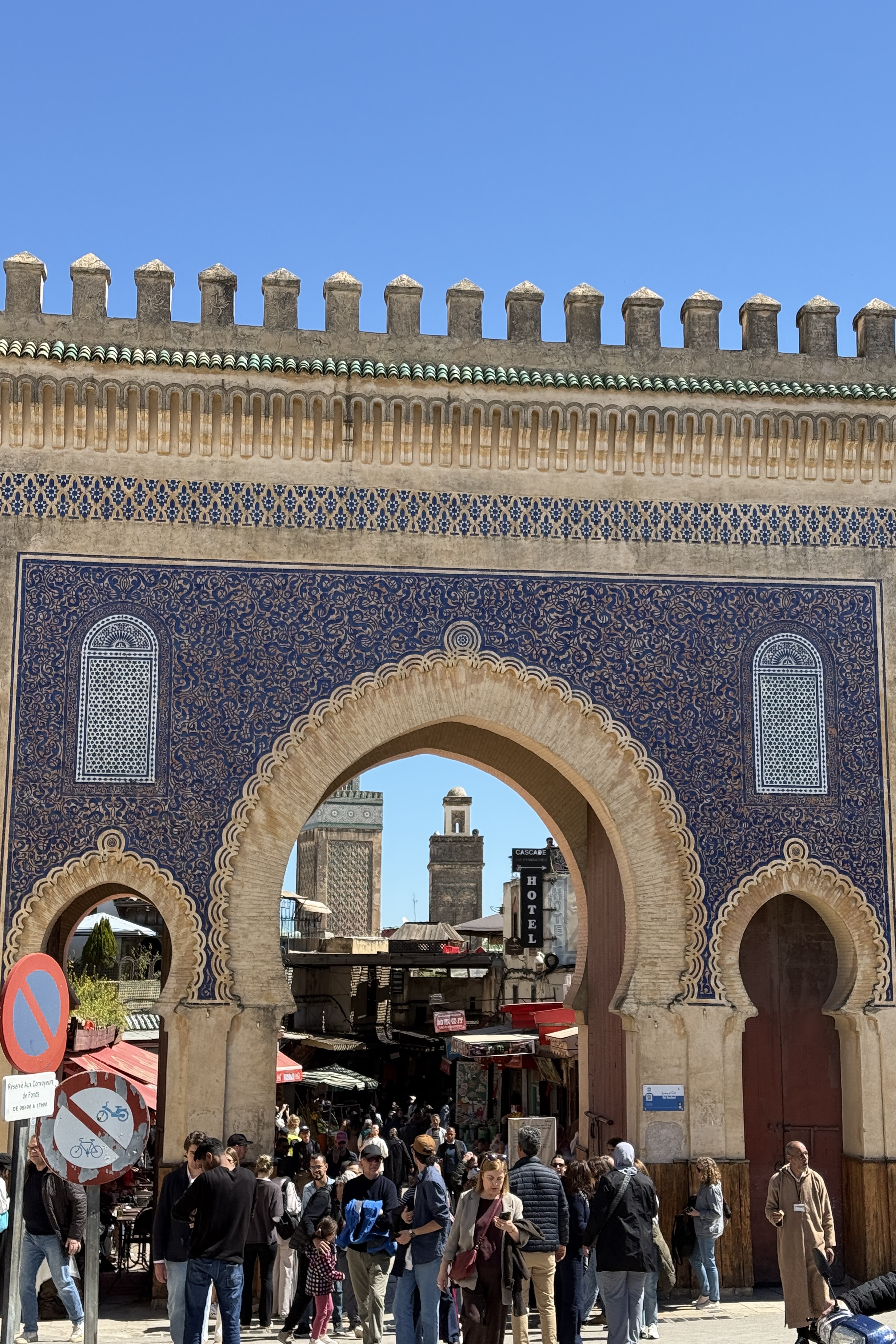
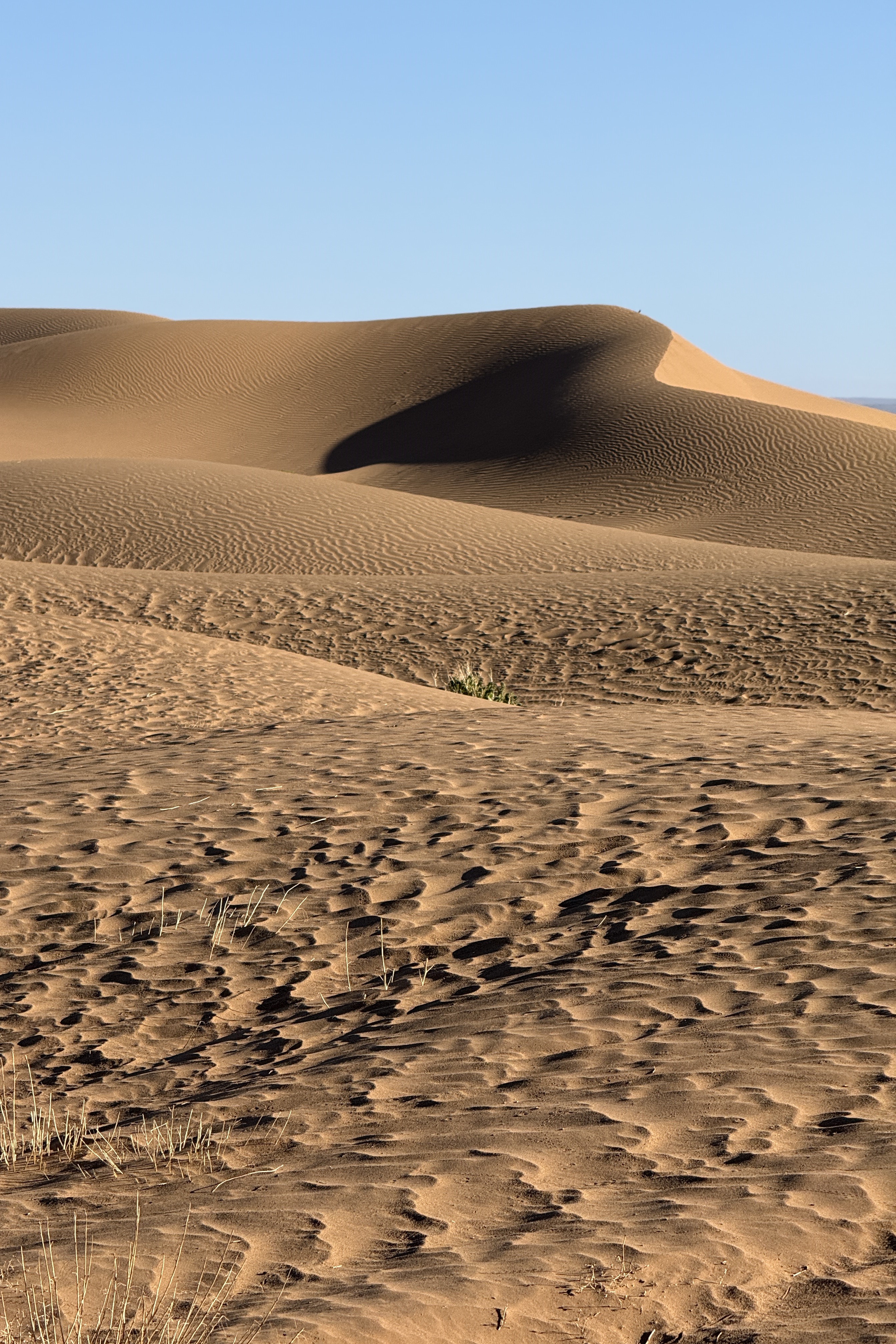
When Tom and I mapped out our multi-city slow travel journey through Morocco, bridging the gap between historical exploration and wine study became our ultimate treasure hunt. From the vibrant rooftops of Marrakech to the quiet, traditional alleys of Fes, and down to the coastal havens of Tangier, navigating the wine culture here requires patience, some walking, and a serious sense of adventure.
The Logistics Playbook: Fes to the Saiss Plateau
If you are using Fes as your cultural hub, the transition to wine country is deceptively close but logistically distinct. The heart of the Moroccan wine industry sits less than two hours away on the Saiss Plateau near Meknès. For a slow traveler, the "how" of getting there is where your planning either succeeds or falters.
We opted for a day-trip model, booking a private excursion via by Food entitled "Full Day Boutique Winery and Wine Tasting Tour from Fez to Meknes" for $366.98. While the day turned out to be lovely, we fell into a frustrating bait-and-switch: the online itinerary explicitly promised a three-winery immersion but delivered exactly one winery visit alongside a stop for lunch. The tour was operated locally by Bekben Travel, and while the execution didn't quite match the booking description, I would still suggest contacting Bekben directly if you want a reliable vehicle and driver to get you out to the vineyards.
Furthermore, do not expect a standard Western tasting room experience where you can casually drop in and buy retail bottles to go. Eager to see more, our driver from Bekben tried to help us make things right. When both we and another couple on the tour expressed our disappointment over the missing stops, he drove us over to La Perla—widely considered a top-tier regional producer—to see if they would let us taste or buy a bottle. We were completely turned away. Their bar, tasting access, and wine sales are strictly reserved for overnight hotel and restaurant guests. If you don't have a lunch reservation there, you aren't getting past the gate, and they reiterated that they simply cannot sell bottles directly to the public.
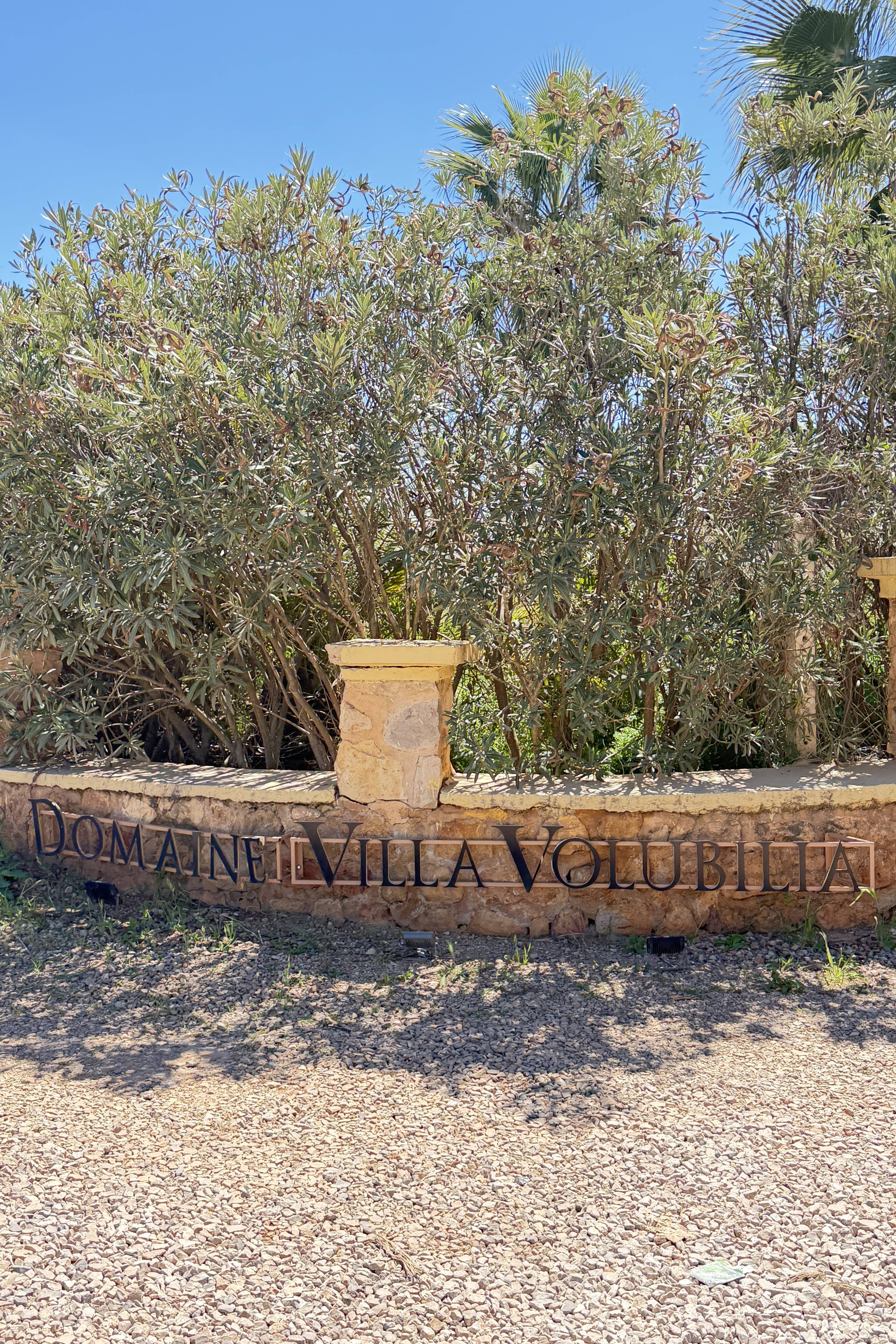
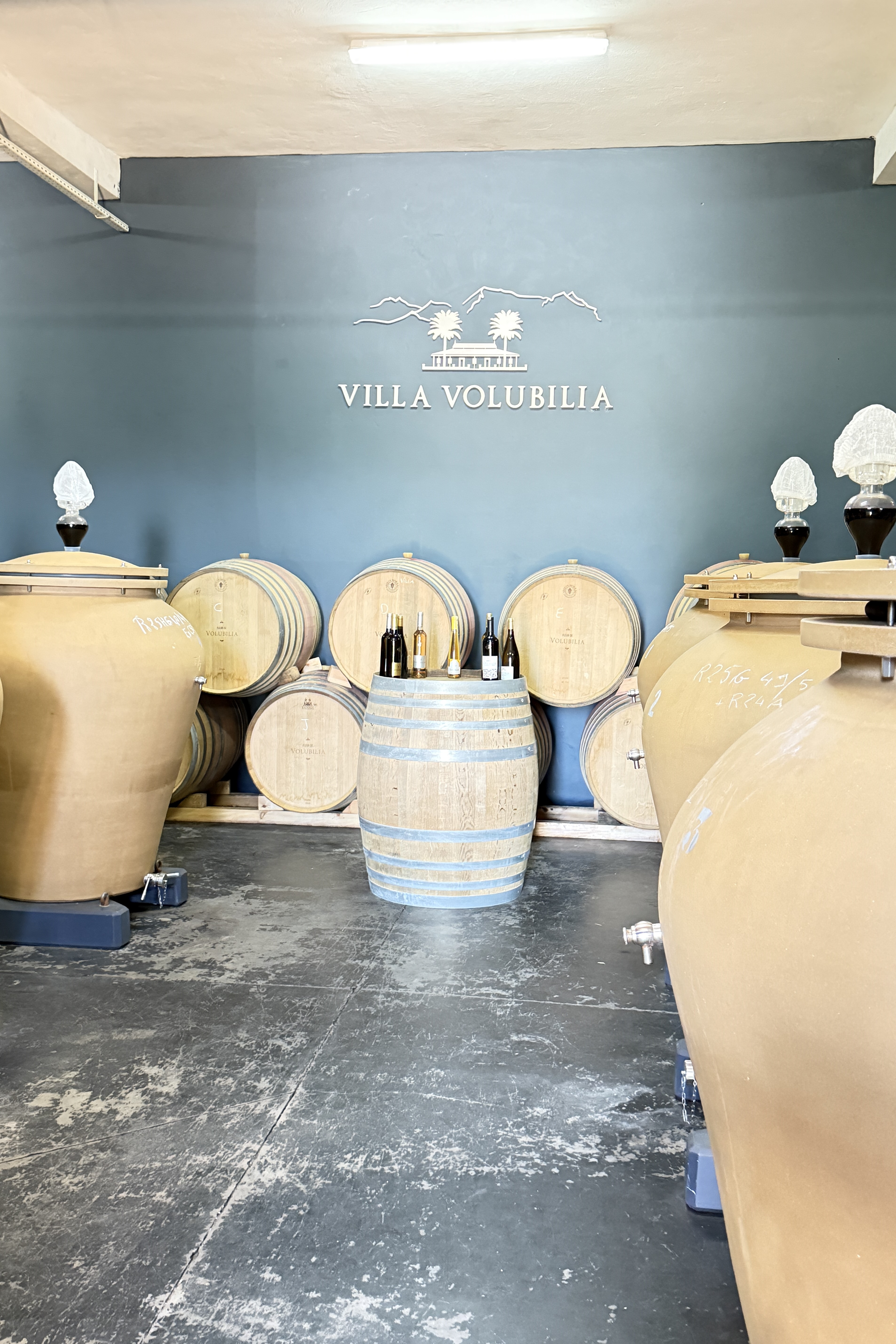
The single winery experience that was included in our tour took us to Villa Volubilia, also known as Domaine de la Zouina. This estate is owned by two prominent French winemaking families from Bordeaux: The Gribelins and the Gervosons. It is an absolutely gorgeous property where you can sit on a sweeping back terrace looking over manicured gardens and rows of vines. They provide a brief tour of their winemaking operations—covering everything from their sorting tables to their fermentation rooms, with a brief look at the vineyards.
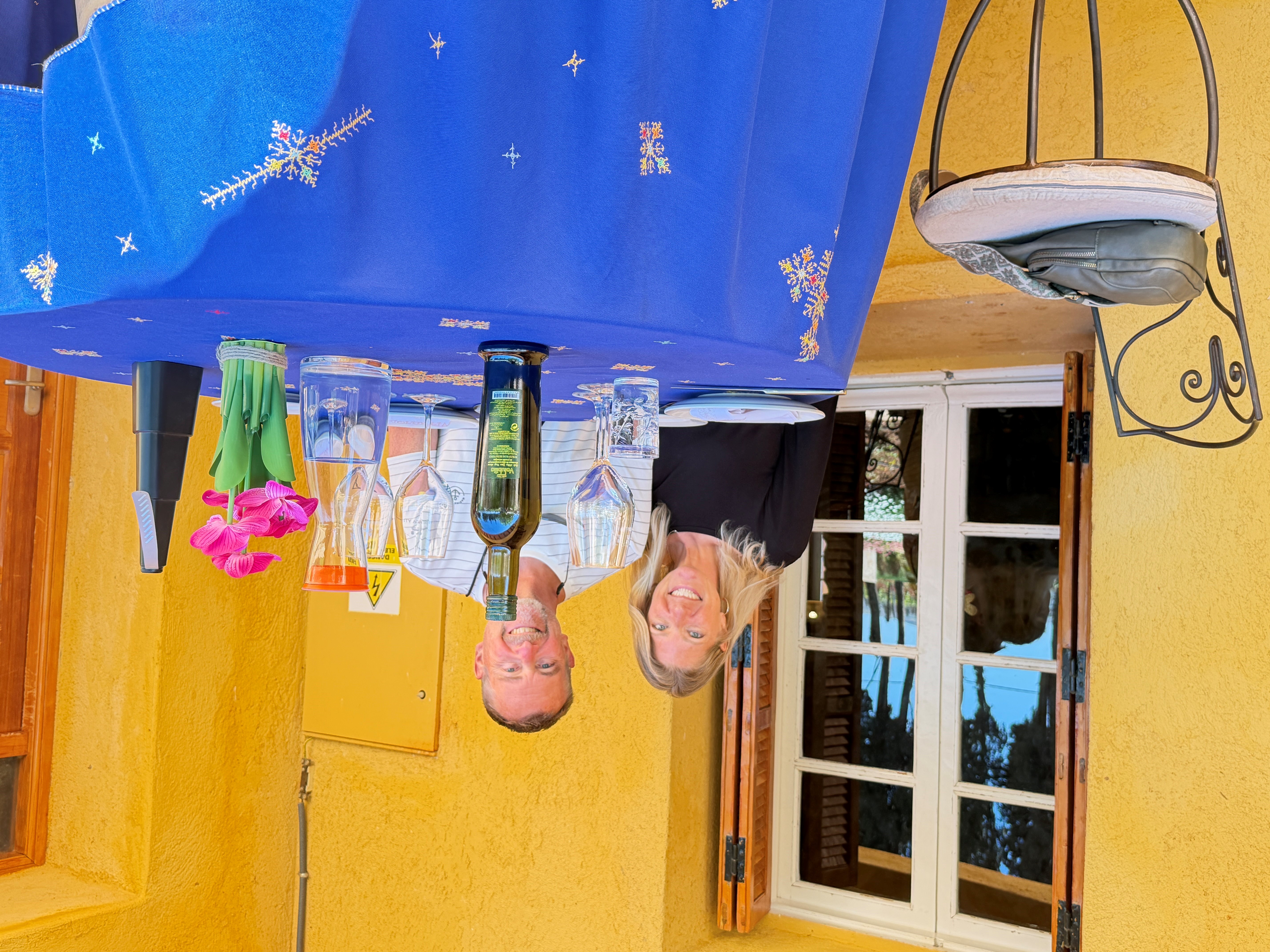
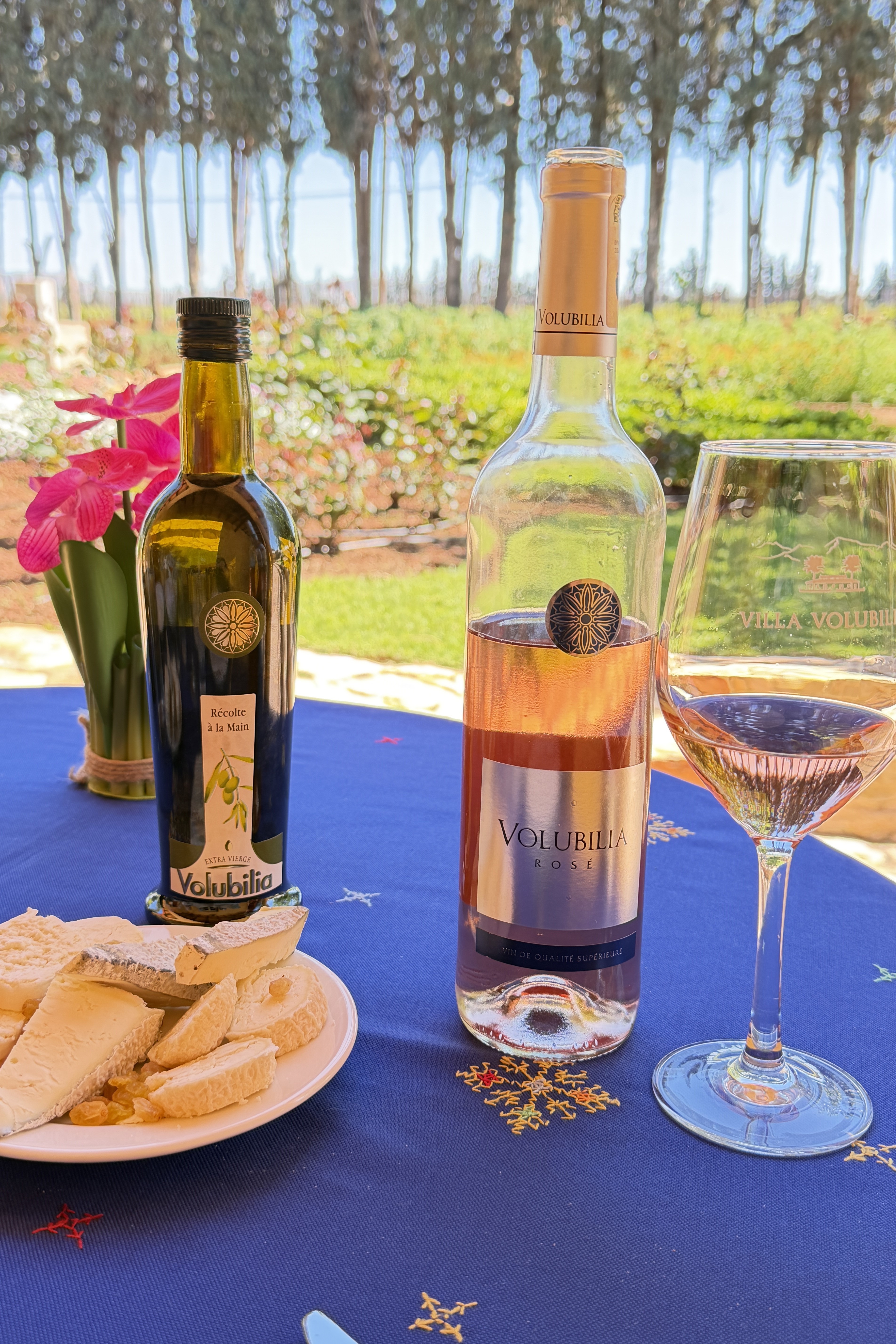
The truly unique thing about tasting in Morocco is the pure generosity of the format. This isn’t a standard flight of tiny two-ounce pours. Instead, they bring out full or nearly full bottles—four of which were included in our experience—one at a time. The host provides a brief overview of each label, answers your questions, and then simply leaves the bottle on the table with you before returning later with the next one. You are invited to sit back, relax, and drink as much as you like, comparing and contrasting the profiles while evaluating the pairings against a beautifully curated local cheese plate.
Over the course of our afternoon on the terrace, we worked our way through the crisp Volubilia Rosé a pale pink, medium acid classic representation of a nice summer rose; the Volubilia Gris (a beautiful, classic expression of Morocco's signature pale and mineral-driven "grey wine"); the Fleur de Volubilia (a premium-tier red within their core estate line); and finally, the muscular Epicuria Cabernet Sauvignon, which undergoes 18 months of careful oak aging. It is a spectacular way to spend an afternoon, and unlike La Perla, Villa Volubilia allows guests to buy retail bottles directly from the cellar door. We happily walked away with a bottle of the Epicuria Cabernet Sauvignon to enjoy back at our apartment.
High-Altitude Viticulture in the Meknès-Fès Region
To understand why wine thrives here, a WSET student must look to the sky and the soil. Sixty percent of Morocco’s wine originates in the Meknès-Fès region, specifically within the Guerrouane and Beni M'tir AOGs.
Standing in the vineyards at Villa Volubilia, the learning objective is immediately clear: this is a masterclass in managing extreme heat through altitude. The estate sits at a lofty 800 meters above sea level. In an era where climate change is rapidly accelerating, this elevation is their lifeblood, and the winemakers are already anticipating the need to plant even higher in the future to preserve balanced ripening.
The climate here is sharply divided into two extreme seasons: winters bring surprisingly low temperatures, followed by a remarkably short spring that gives way to blistering, hot, and dry summers. The soil beneath your feet is a classic clay-and-limestone puzzle. The clay acts as a vital sponge, retaining precious moisture during the parched summer months, while the limestone imparts structural elegance to the vines. To combat the unique agricultural challenges of the region, the estate practices organic farming and heavily utilizes cover crops to protect the soil and manage humidity levels naturally.
Our look at the vineyards showcased their Guyot trellising method- a cane-pruning system that makes perfect viticultural sense given the extreme climate where canopy management is critical. The Guyot system allows the vineyard team to neatly train the young shoots vertically along a wire trellis. This precise vertical positioning gives them total control over the leaf canopy, creating a natural shade umbrella that protects the Cabernet Sauvignon and Syrah clusters from sunburn under the scorching North African sun.
Furthermore, because the estate utilizes cover crops to naturally manage humidity, the open, linear structure of the Guyot system ensures excellent airflow through the vine rows. This ventilation is vital for preventing fungal diseases and rot when brief shifts in humidity occur. By limiting the number of buds per cane, Guyot also naturally restricts yields. In a region where water management is critical, forcing the vine to focus its energy on fewer, high-quality clusters ensures that the resulting grapes achieve full phenolic ripeness and concentrated flavors without draining the soil's limited water reserves.
In the cellars, the winemaking techniques are distinctly French-influenced—a natural legacy of the Bordeaux families who established the modern estate back in 2002. They balance tradition with modern temperature control, utilizing large concrete tanks equipped with internal cooling coils to keep their fermenting Cabernet at a flawless temperature. For their premium reds, they transition the juice to oak barrels for 14-18 months, responsibly retiring the wood after its fifth use to ensure the oak integration remains subtle and supportive rather than overpowering.
The Regional Style & SAT Tasting Notes
Between the bottles left at our disposal on the terrace of Villa Volubilia and the extra provisions we sourced for our apartment, we were able to conduct a rigorous evaluation of the region's benchmarks. These three bottles represent the absolute best of what the region has to offer and are highly recommended for your own collection.
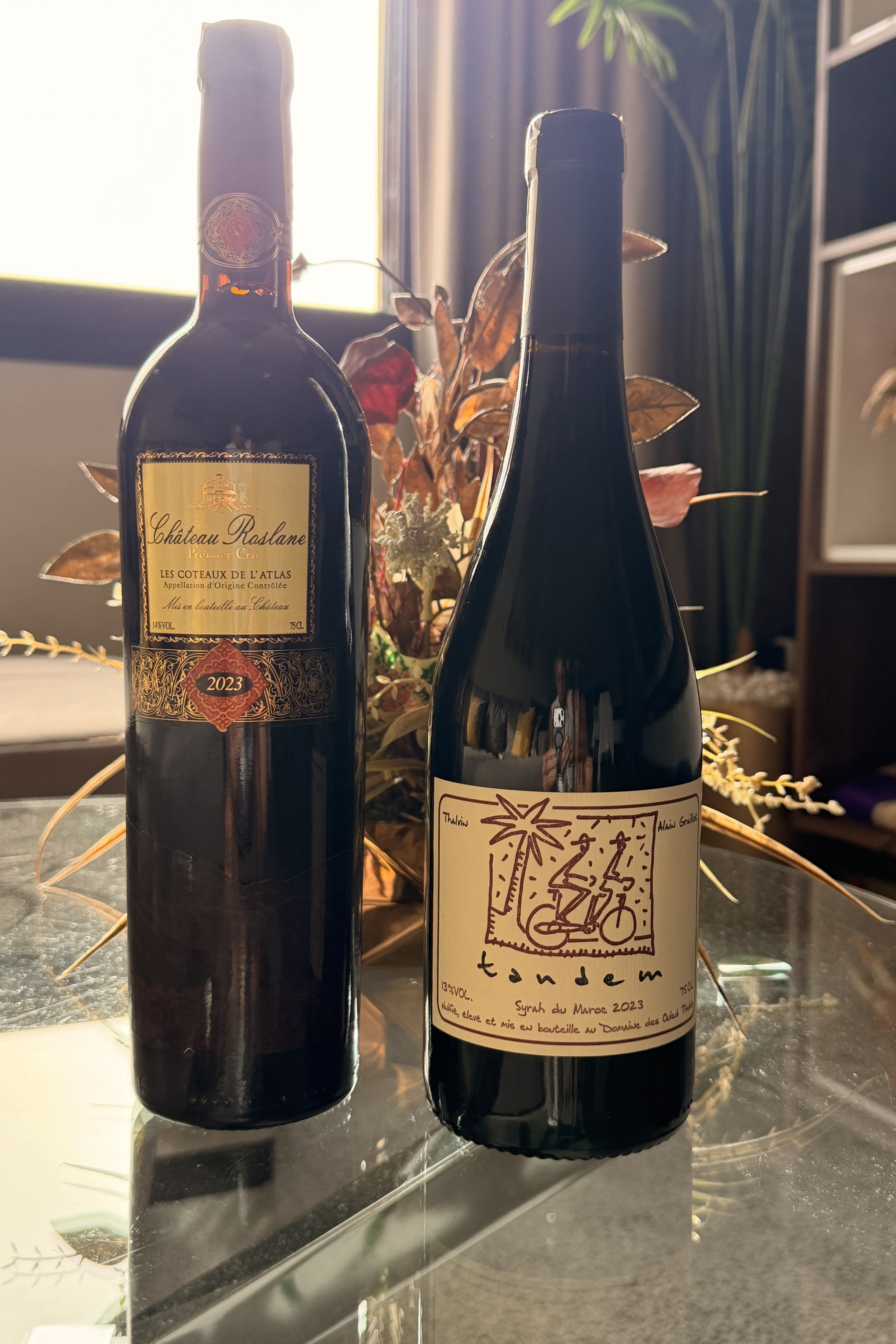
- Tandem Syrah (Domaine des Ouled Thaleb)
- Appearance: Clear, deep ruby-purple with thick, slow-moving tears.
- Nose: Clean, pronounced intensity, displaying youthful and aromas of ripe blackberry, dark plum, and wild blueberry, layered with black pepper, lavender, and a subtle hint of spice.
- Palate: Dry, full-bodied, with medium-plus tannins and perfectly integrated, medium-plus acidity. The palate is mouth-filling and lush, driven by concentrated flavors of dark berries, licorice, and blackberry jam. It is well balanced. The finish is long, ripe, and warming, which speaks to its ABV which is 13.5.
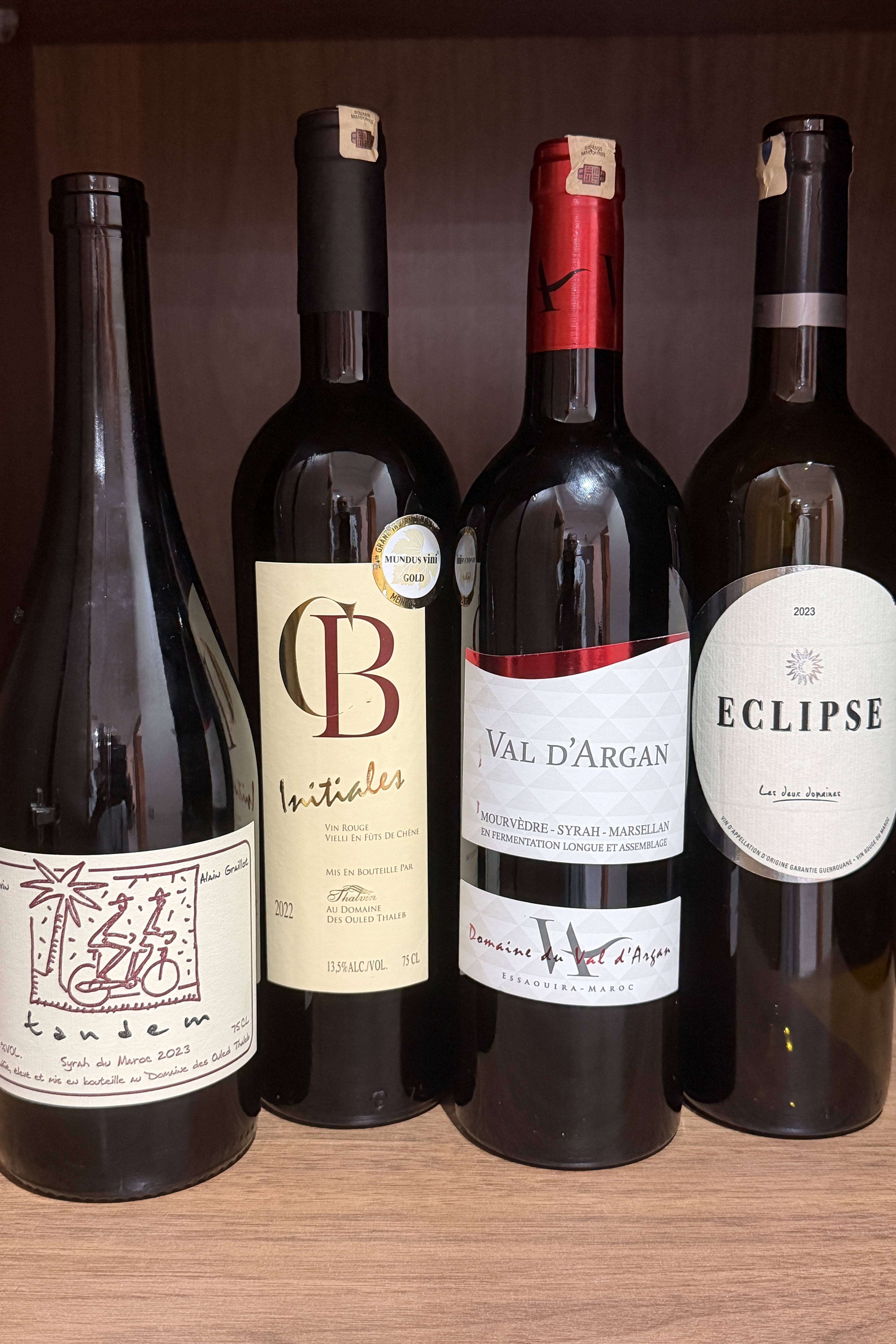
- Conclusion: Outstanding quality. The Why: Tandem is a legendary collaboration between the iconic Rhône winemaker Alain Graillot and Jacques Poulain, the Bordeaux-trained oenologistat Domaine des Ouled Thaleb. Sourced from the Zenata AOG, the proximity to the cooling Atlantic breezes allows this Syrah to achieve massive phenolic ripeness and bold fruit flavor while retaining the elegant, peppery, and high-acid signature of a classic Northern Rhône wine.
- Epicuria Cabernet Sauvignon (Villa Volubilia)
- Appearance: Deep ruby-purple, highly extracted.
- Nose: Pronounced aromas of black currant, dark plum, and blackberry, layered with sweet tobacco, cedar, and a touch of baking spice from French oak.
- Palate: Dry, full-bodied with medium-plus tannins and medium acidity. Rich flavors of blackberry jam and dark chocolate.
- Conclusion: Very good quality. The Why: Unlike the ubiquitous everyday blends, the Epicuria brand focuses strictly on single-varietal expressions. The clay-limestone soils of the Saiss Plateau provide the structural water retention needed for Cabernet to achieve full phenolic ripeness while retaining its distinct varietal identity.
- Eclipse Gris (Les Deux Domaines)
- Appearance: Clear, ultra-pale salmon-pink with a water-white rim.
- Nose: Clean, highly aromatic nose of fresh white peach, wild strawberry, and wet stone minerality.
- Palate: Dry, medium-bodied with a beautiful, round mouthfeel that is instantly balanced by a crisp, mineral-driven acidity, yielding incredibly refreshing flavors of white raspberry and citrus zest. The finish is clean and medium.
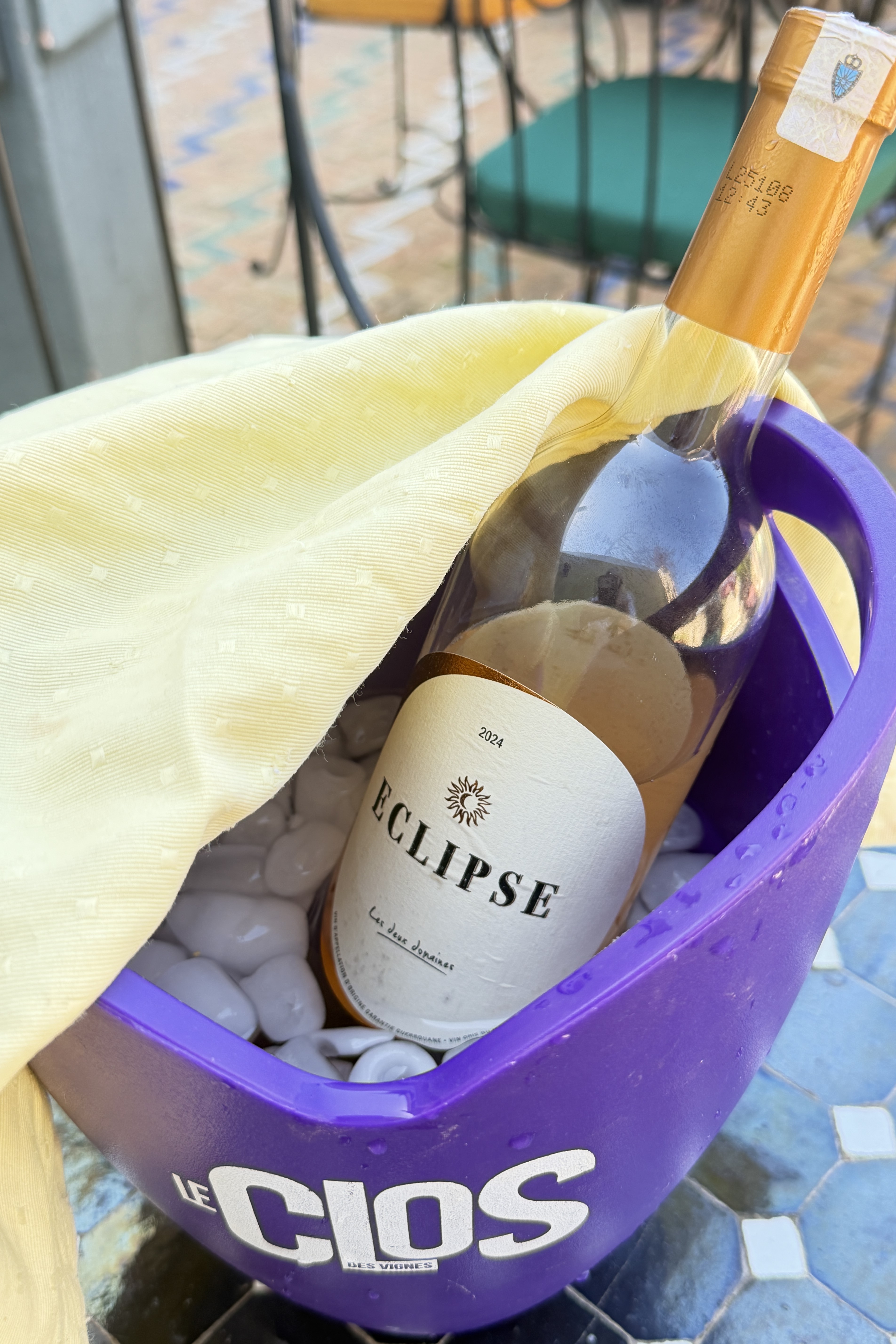
- Conclusion: Good quality. The Why: Sourced from the historic Guerrouane region near Meknès, this wine is a masterclass in Morocco's signature Vin Gris style. It achieves its delicate, pale hue through incredibly gentle pneumatic pressing of Mediterranean red varieties like Syrah, Grenache, and Mourvèdre, with virtually zero skin maceration. It is the ultimate antidote to a hot afternoon and pairs beautifully with spicy local chicken or fish tagines.
The Hub Scene: Navigating the "Cave" in Fes, Tangier, and Marrakech
When you return to your primary hub after a day in the vines, continuing your wine education requires knowing exactly where to look. The access to alcohol varies wildly depending on which city you call home base.
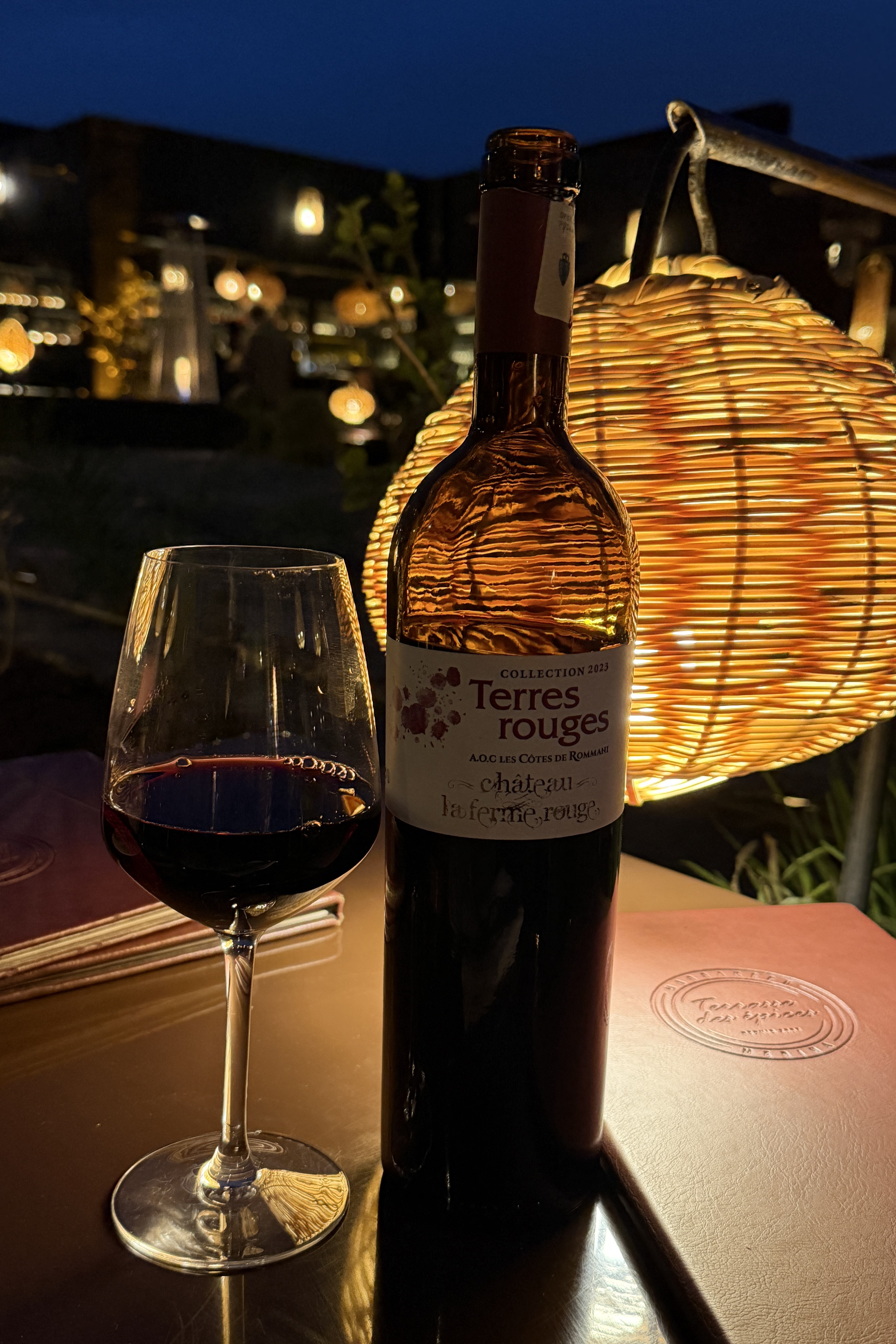
If your hub is Marrakech, you are in the most cosmopolitan wine scene in Morocco. In the modern neighborhood of Gueliz, wine is woven seamlessly into the upscale restaurant culture. For a "Serious Study" vibe, Terrasse des Épices boasts an amazing, extensive wine list featuring robust French selections alongside premium local bottles. It was here that the wine steward introduced us to the local Terres Rouges—a fruity blend of Syrah and Tempranillo made near Casablanca that immediately challenges your perception of North African blends. However, our absolute favorite spot for a casual drink or a dedicated wine dinner was Dar Dar. They serve the popular Eclipse brand as their house pour across red, white, and grey styles, making it a fantastic spot to enjoy a sunset over the city.
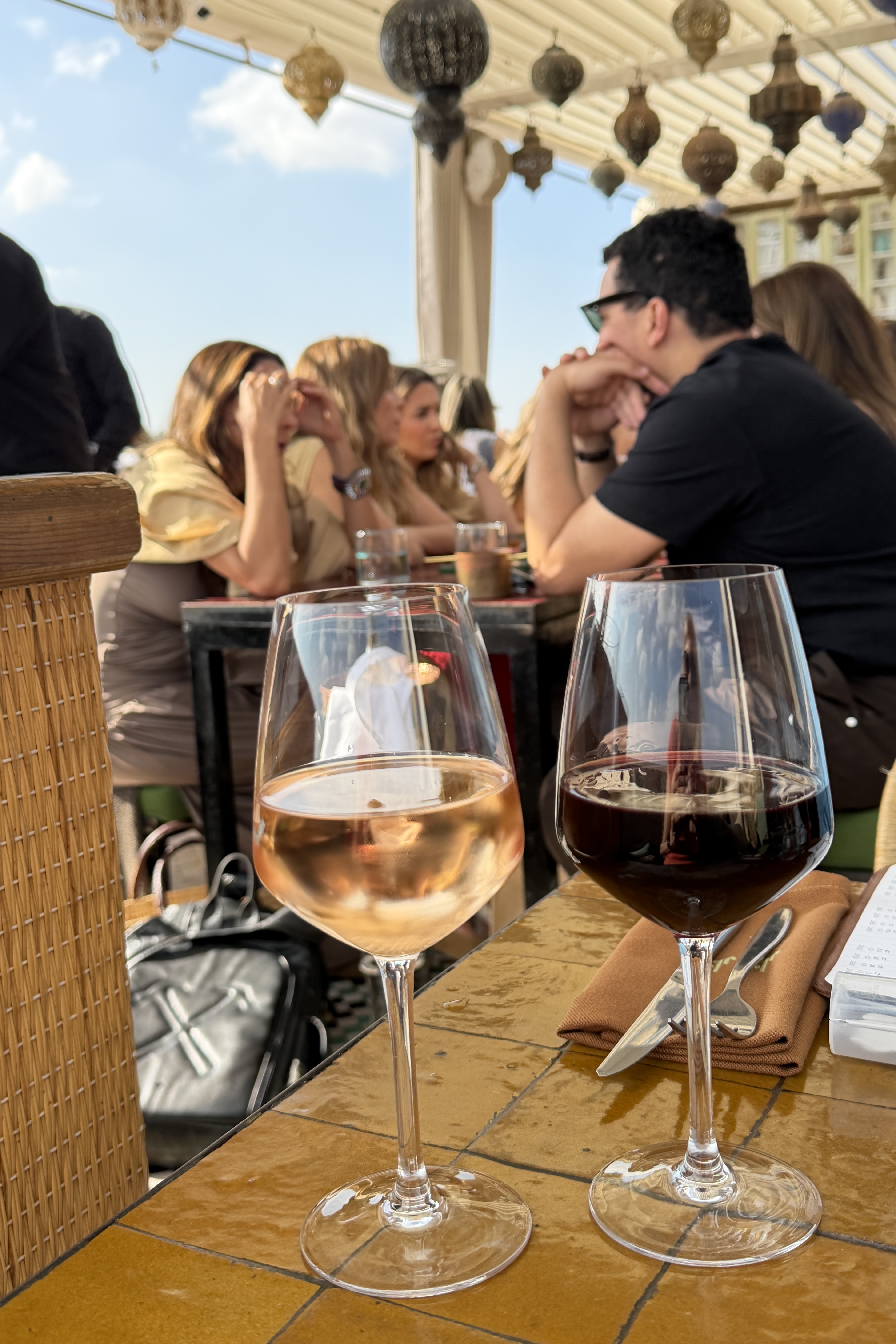
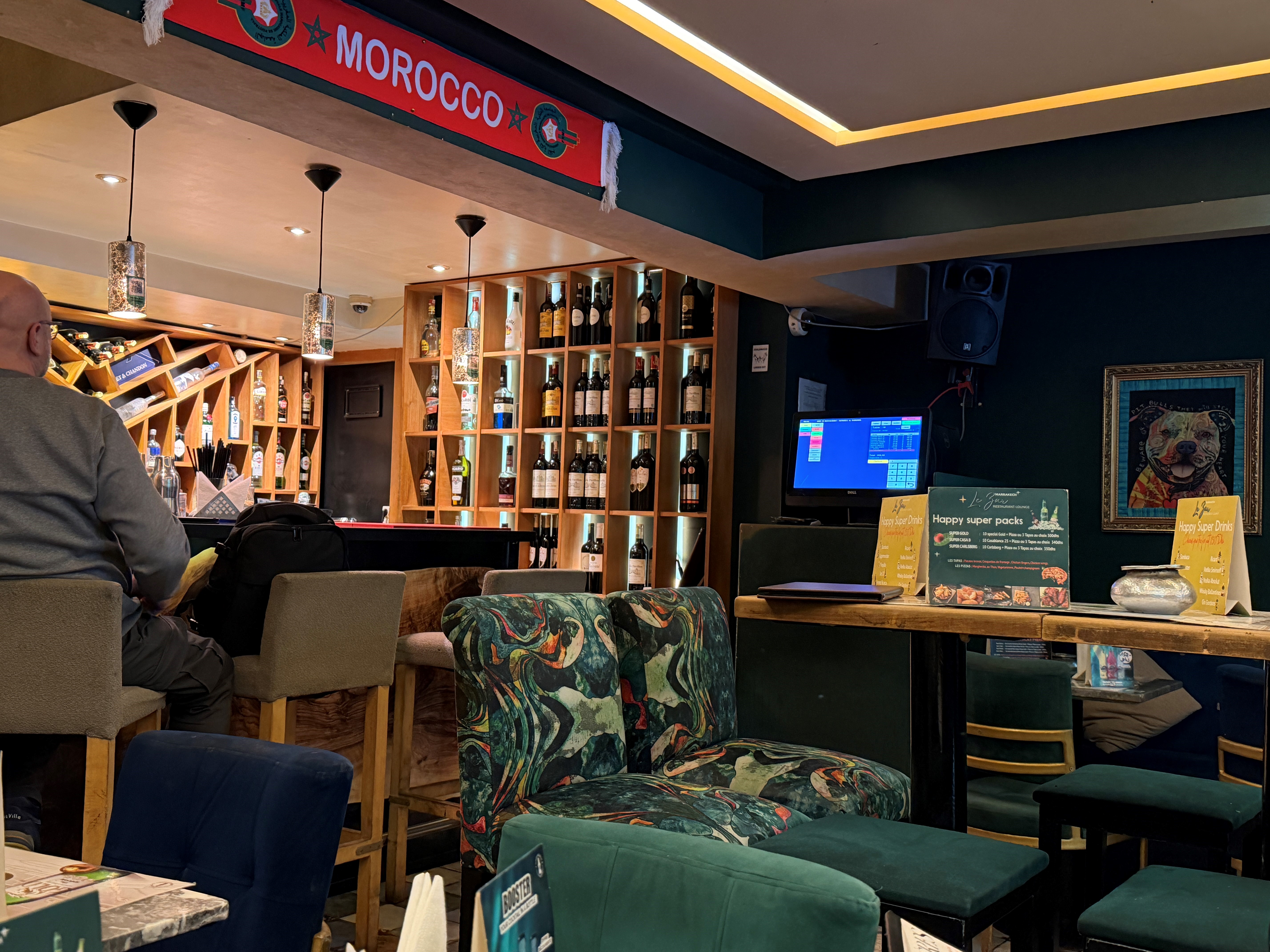
For a more energetic, welcoming vibe, we found ourselves returning to the pub at Le Zar. The expat community and welcoming staff make it an easy spot to unwind with a starter and a glass of wine or a cold beer. Crucially for slow travelers, they also sell their wines retail, making them a incredibly safe bet for sourcing bottles if you happen to be traveling during Ramadan when other outlets close down. If you want to check out independent wine retailers in Marrakech beyond the basic supermarkets, look for Des Vignes aux Vins Marrakech, Victoria Drink Store, and La Maison de Bacchus.
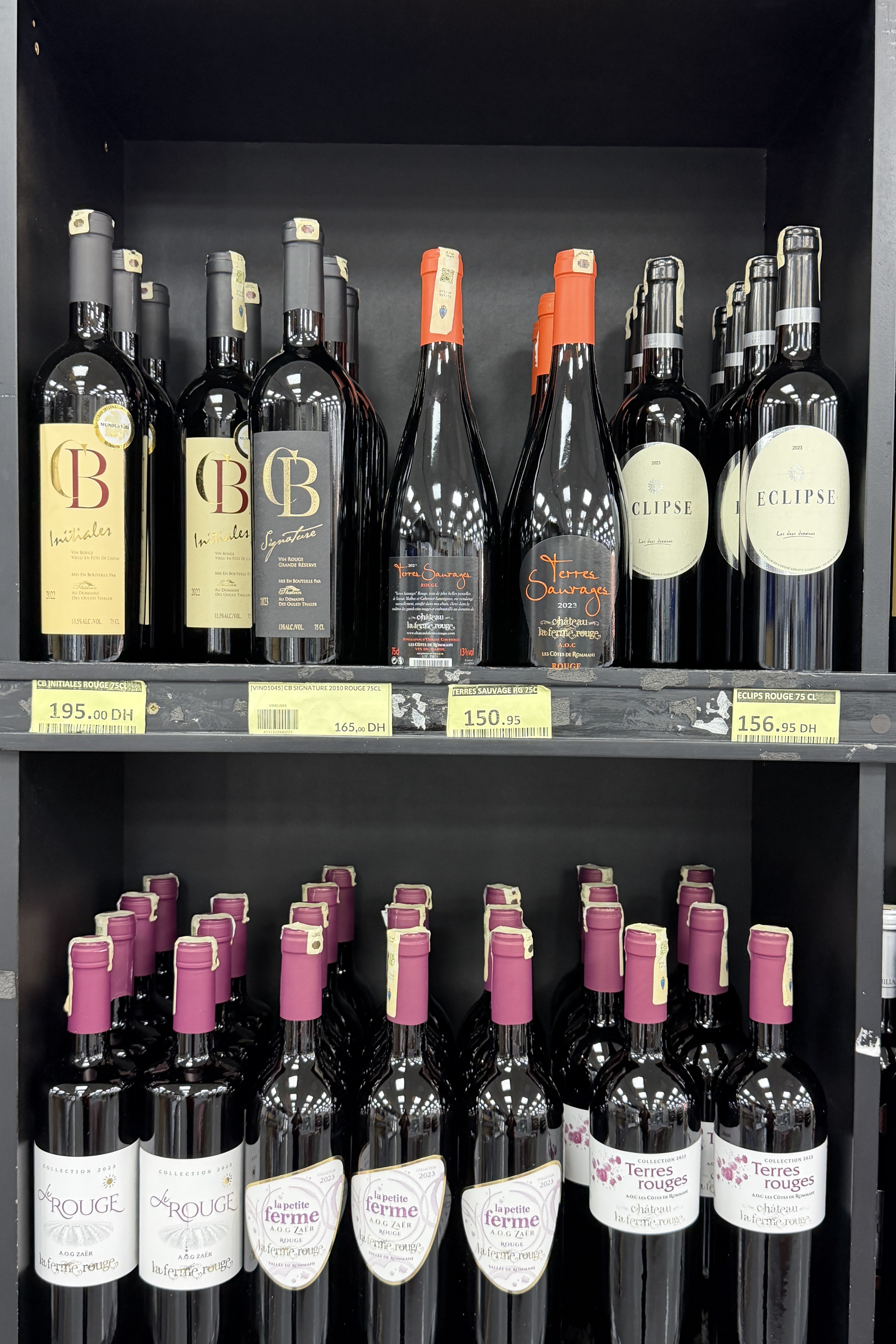
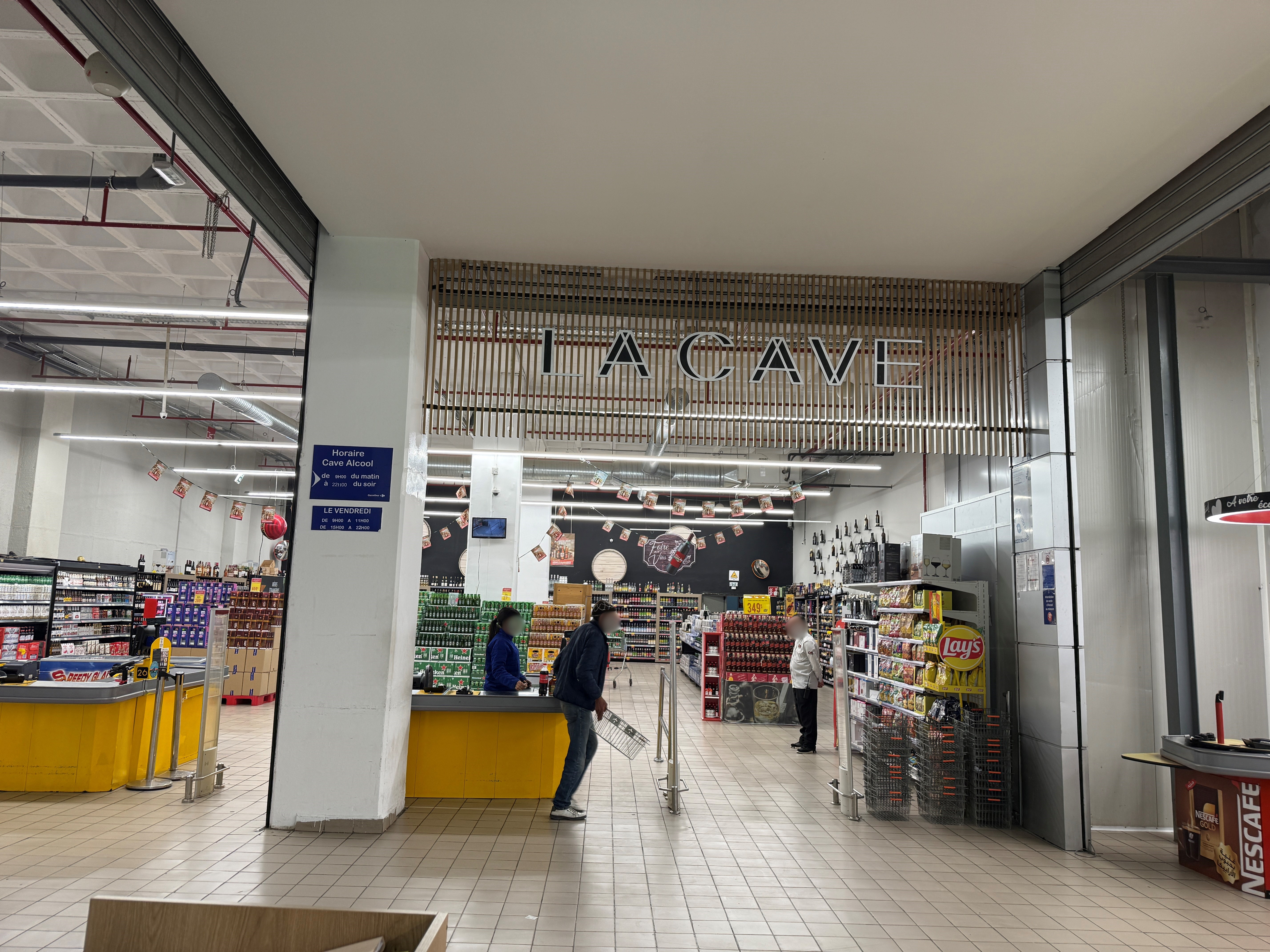
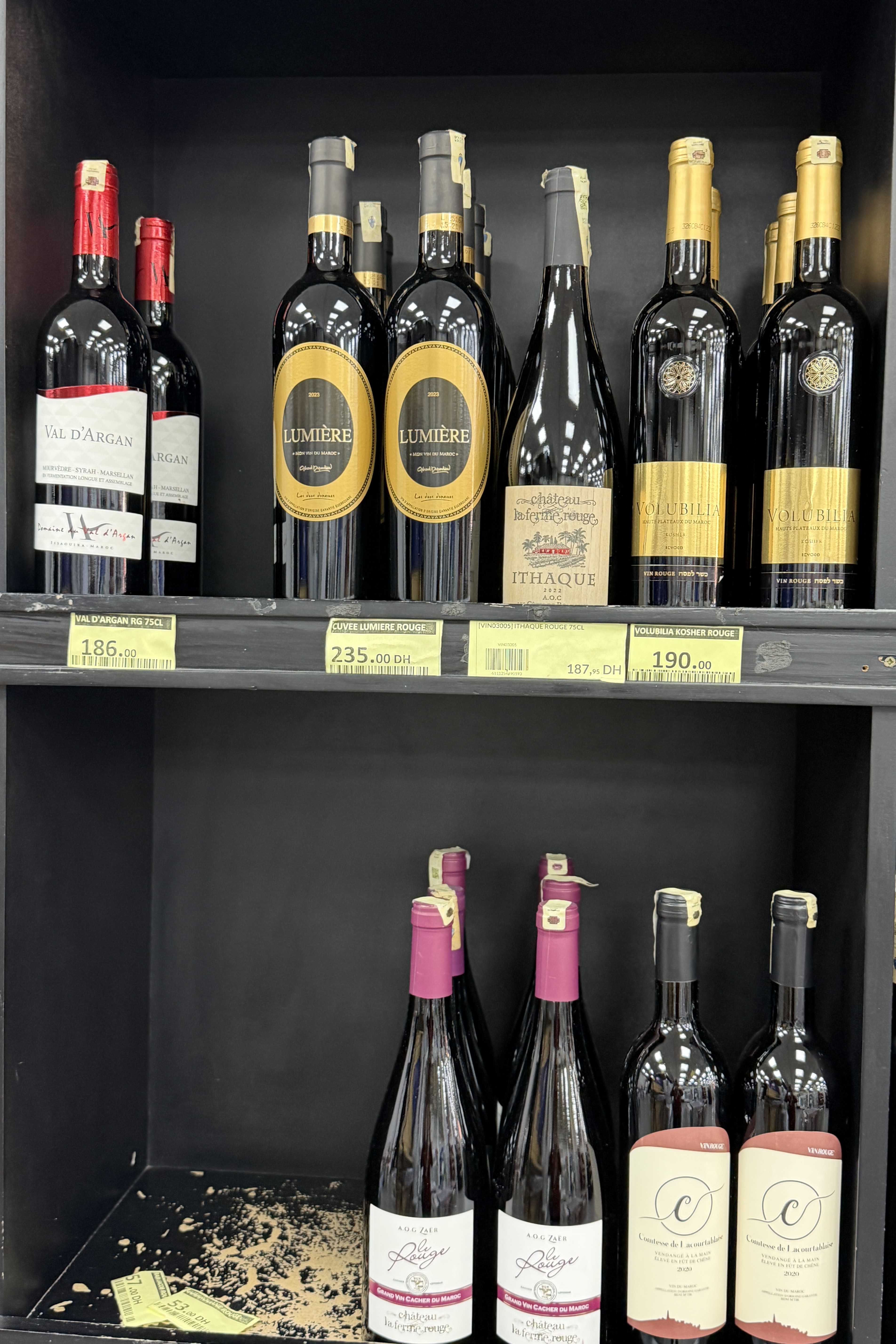
Fes, by comparison, is far more traditional. Finding a restaurant that serves alcohol in Fes is a much greater challenge than in Tangier or Marrakech, and independent wine shops are practically non-existent. To counter this, we utilized the dedicated Carrefour Wine Cave, which surprised us with a tremendous selection of Moroccan estate wines alongside a plethora of classic French labels.
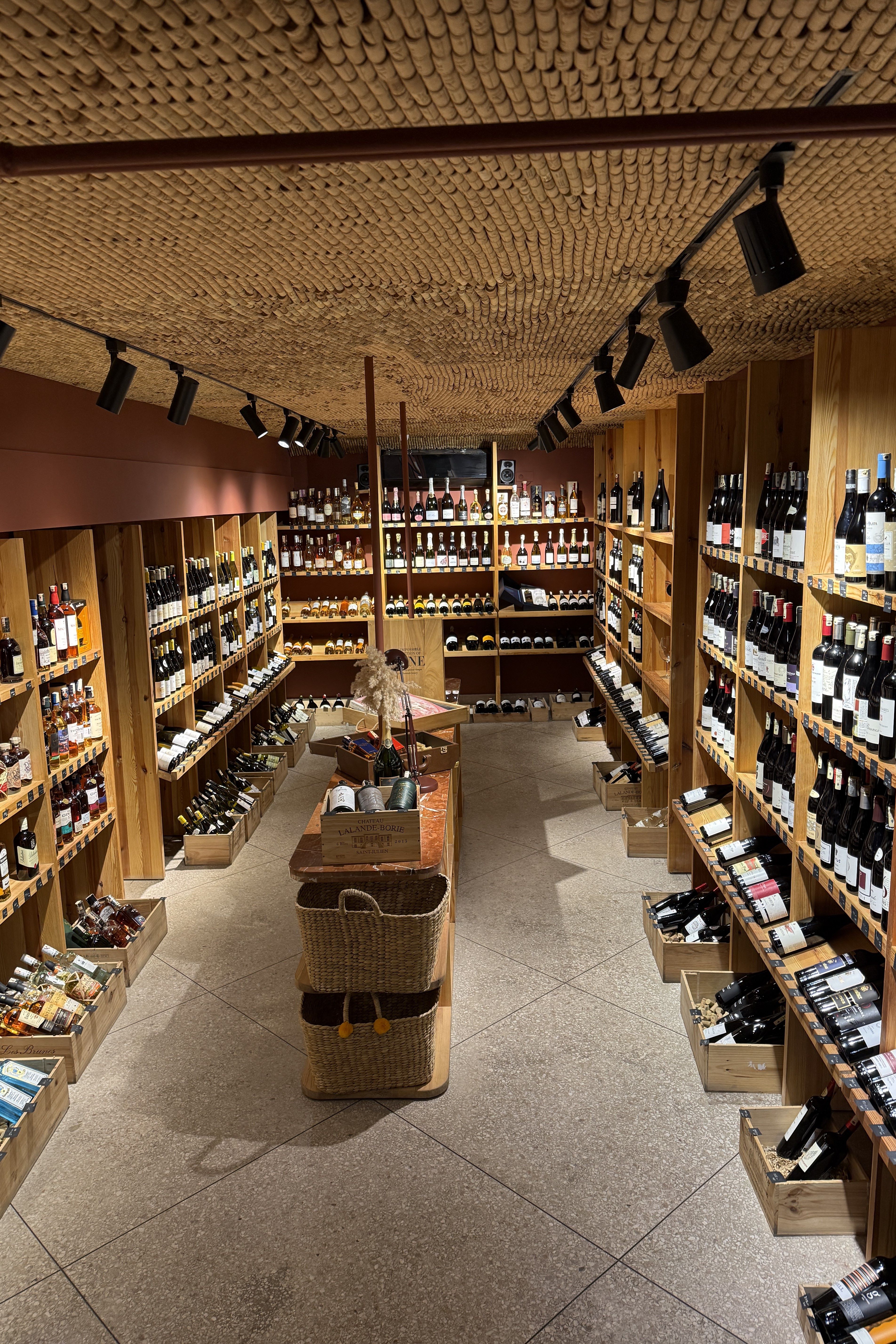
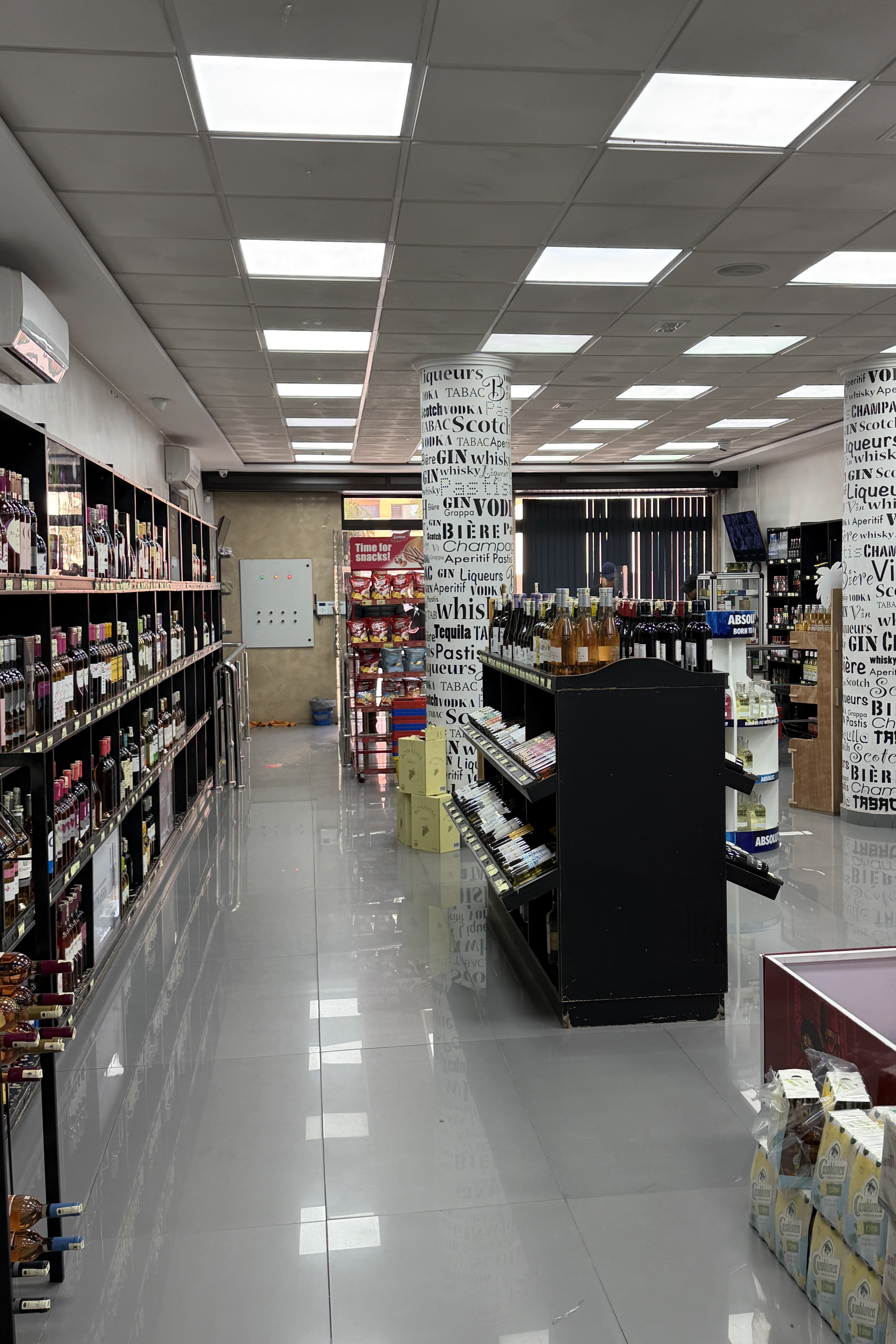
Tangier offers yet another completely different vibe. Because of its unique history as an International Zone, Tangier's independent bottle shops carry a much higher selection of Italian and Spanish producers alongside the standard Moroccan and French inventories. La Patrice Market was our favorite retailer in the city, but we also successfully uncovered hidden gems at Rojito Tanger and Chez Ali when we needed a quick, reliable bottle for an afternoon picnic.
To build your own "City Wine Lab" in any of these three cities, you must master the art of finding the Carrefour Market Cave. Tucked away into separate, dedicated side-rooms with their own discrete entrances next to the main grocery stores, these caves are your primary textbook. Walking into the Fes Carrefour cave after the restrictions of Ramadan lifted felt like unlocking a secret archive. Sourcing bottles from these shelves is the best way to set up a blind comparative tasting right on your apartment dining table.
Our "Quality Index" tip for navigating any Moroccan restaurant menu: always look for the Château Roslane Premier Cru or the Tandem Syrah. If you see these, you know the establishment is sourcing from estates focused on modern, premium grape growing rather than mass industrial production. That said, if you only see Eclipse on the list, don't hesitate—it is the reliable country standard, and we found it to be a consistently solid, enjoyable choice.
The WSET Study Corner
For those prepping for an upcoming exam, pack these realities into your flashcards:
- Label Anatomy: When looking at a Moroccan bottle, look closely for the terms AOG (Appellation d’ Origine Garantie) like Guerrouane, Beni M'tir, or Zenata. Unlike Spain or France, you won't see strict aging classifications like Crianzaor Reserva universally applied, but premium estates will explicitly state "Château" or "Premier Cru" to denote estate-grown, oak-aged selections.
- Variety Deep Dive (The Carignan Legacy): While international "improver" varieties like Syrah and Cabernet Sauvignon are capturing the premium market, Morocco's wine foundation is built on legacy Mediterranean grapes: Carignan, Cinsaut, and Grenache. These grapes thrive in hot, dry conditions, providing the deep color, high alcohol, and intense tannins that defined the historic blending houses of North Africa.
- Flashcard Moment: True or False? Morocco exports the vast majority of its annual wine production. Answer: False. Despite being a massive regional producer, a staggering 85% to 98% of all Moroccan wine is consumed domestically, heavily driven by the booming international tourism sector.
The Exam Cheat Sheet
- Climate: Mediterranean with strong Atlantic oceanic influences on the coast; semi-arid to continental inland, heavily mitigated by altitude in the Atlas foothills.
- Topography: Vineyards are strategically planted at elevations up to 400–900 meters to maximize the diurnal shift and protect acidity.
- Key Varieties: Carignan, Cinsaut, Syrah, Cabernet Sauvignon (Reds/Vin Gris); Chardonnay, Sauvignon Blanc (Whites, produced in tiny volumes).
If you are interested in learning more about the WSET Certification in Wine. I received my Level 2 from Johnson & Whales University in Charlotte, NC and my Level 3 from the Napa Valley Wine Academy in Napa Valley, CA.
Links:
Marrakech Trip Report | Fes Trip Report | Tangier Trip Report | Wine Guides | Next Up: Andalucia Wine Guide
Welcome to the new Touchpoint Wines
We’re blending our passion for wine with a love for global exploration. Join us as we journey through the world's most captivating destinations, uncovering hidden wine gems and offering unique workshop experiences for your team retreats. Whether you're seeking to enhance team dynamics or discover the art of slow travel, let us be your guide.