There is a moment in wine study where history stops being a line on a page and becomes a living liquid in your glass. For anyone preparing for a wine certification, Cyprus is often relegated to a single historical mention regarding Commandaria, the legendary sweet wine of the Crusades. But for a slow traveler with some time to spare, this island reveals a profound viticultural truth: Cyprus is one of the very few places left on earth completely untouched by Phylloxera. Every single vine you see carved into the stark mountain terraces is growing on its own original, un-grafted rootstock—providing a pure, unadulterated expression of terroir that has vanished from continental Europe.
When Tom and I mapped out our 40-day immersive stay on the island, we split our time chronologically: establishing a deep 29-night home base in a coastal apartment in Paphos to tackle the vineyard field studies, before moving eastward to the historic seaside of Larnaca for our urban wrap-up.
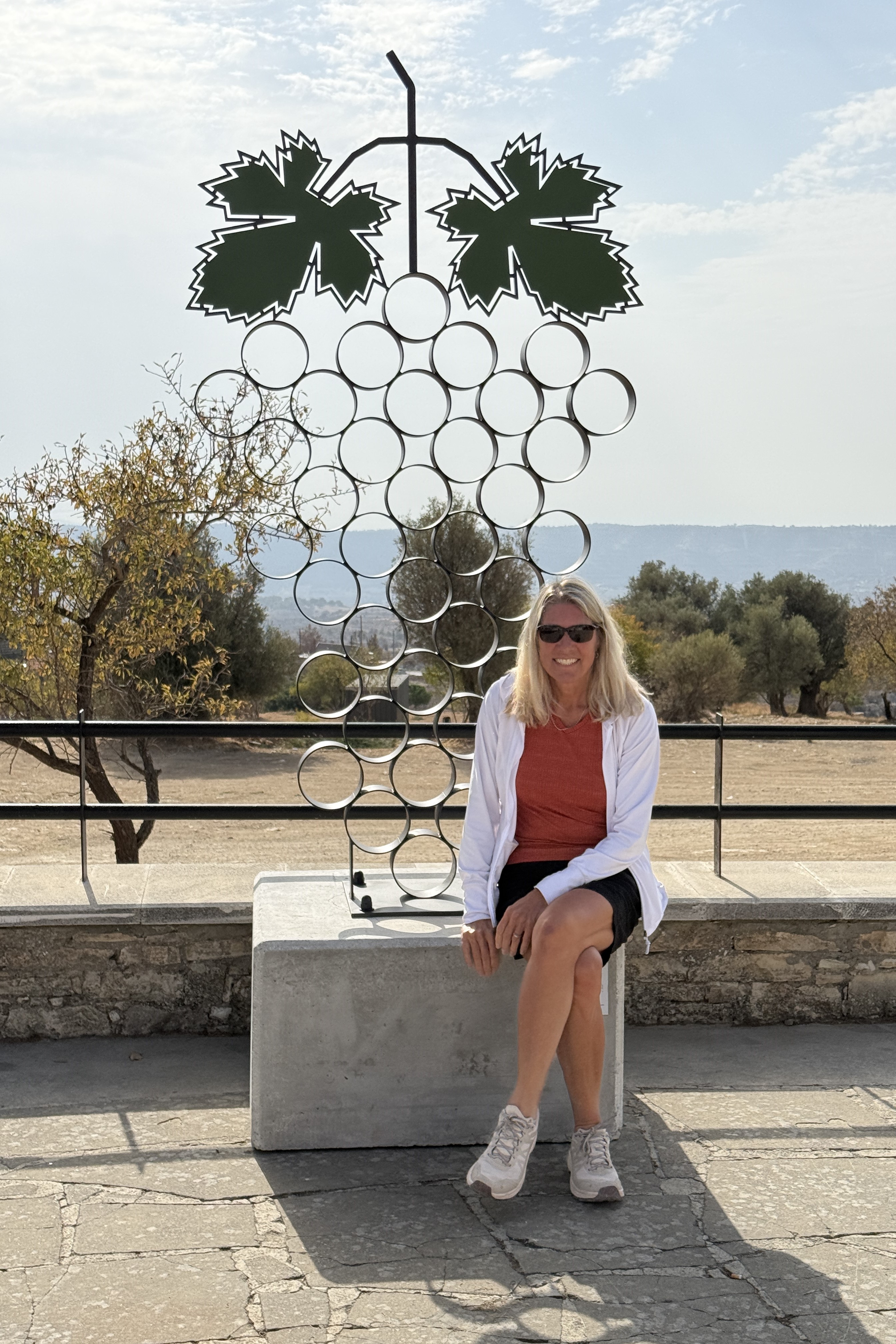
The Logistics Playbook: Coastal Hubs to the High Troodos
Operating without a fixed home base means understanding that island transit requires tactical decision-making. Cyprus is divided into distinct, localized wine routes, and getting from the sea to the vines means climbing thousands of feet into the Troodos Mountains.
For your primary spoke explorations out of Paphos, a rental car or private driver is non-negotiable. The mountain roads leading to wine villages like Letymbou, Omodos, and Kato Platres are astonishingly beautiful but intensely winding, hugging steep cliffs that require a sharp eye and a confident hand on the wheel.
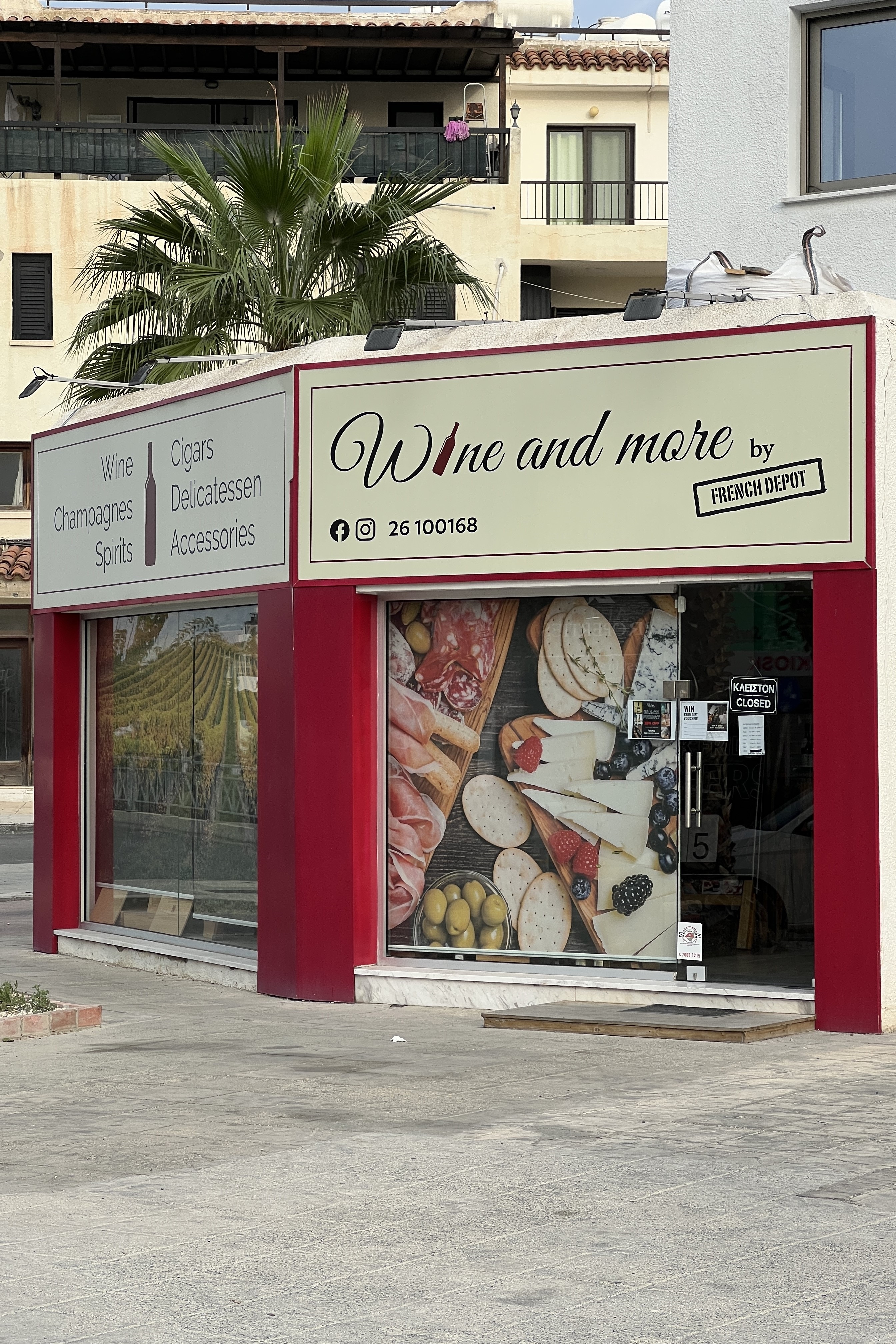
Regarding retail sourcing, travelers should note that Cyprus does not feature a high density of expressly dedicated independent "wine boutiques." However, the major local supermarkets carry a surprisingly excellent, deeply stocked selection of domestic estate wines. If you are looking for premium European imports, we frequented Wine and More (The French Depot) in Paphos to study how French allocations move onto the island.
Regarding bottle logistics, the mountain wineries are incredibly welcoming, but shipping directly to the US from a tiny island can incur exorbitant freight costs. Your best bet is to pack a specialized wine travel suitcase or purchase a protective foam shipper to check on your flight home.
The Spoke Report: High-Altitude Terraces and Volcanic Chalk
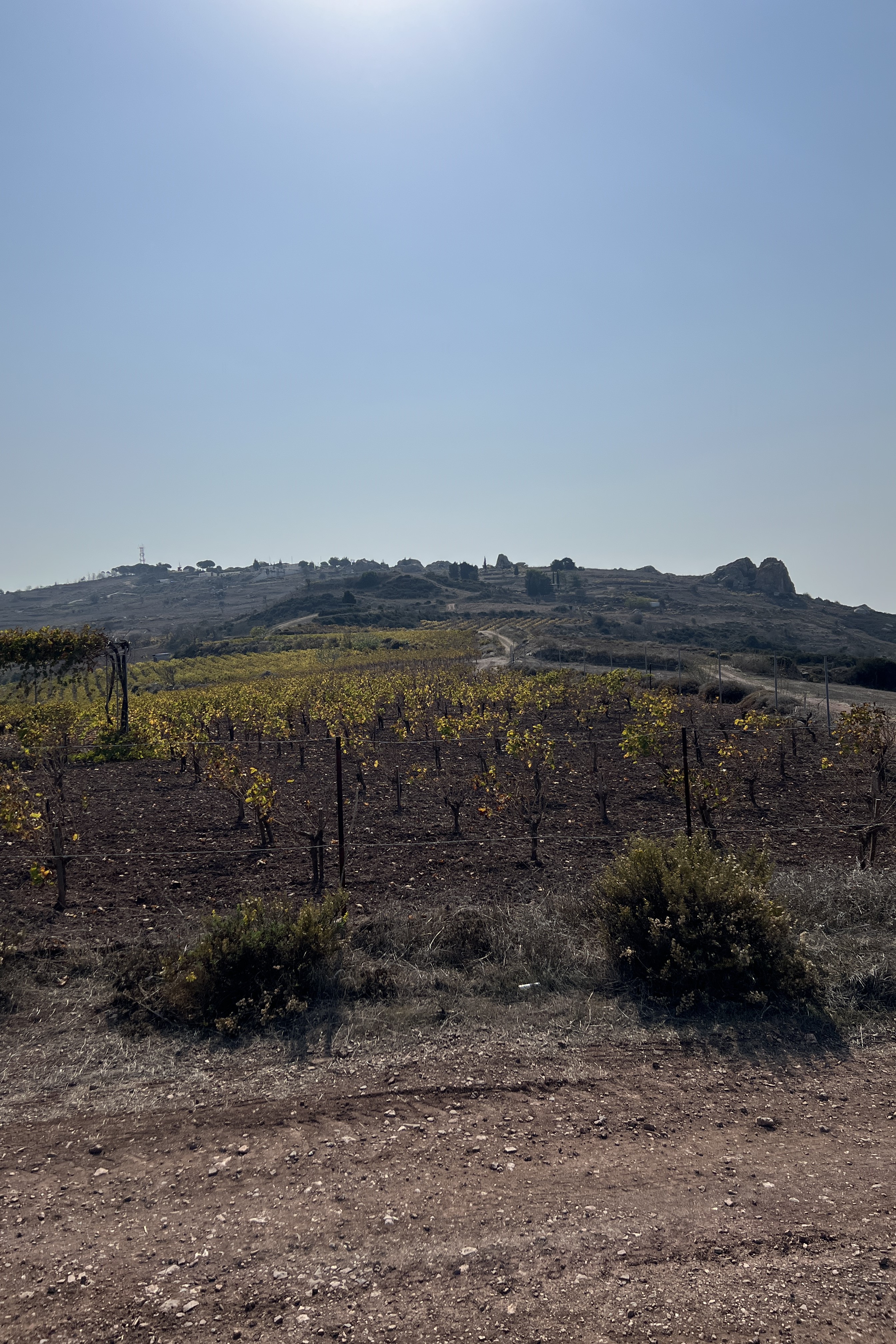
To understand Cypriot viticulture, a wine student must look directly at altitude and soil. The vineyards of Cyprus are among the highest in all of Europe, scaling the slopes of the Troodos range up to a dizzying 1,500 meters above sea level.
Standing in the vineyards, the learning objective becomes instantly clear: Altitude is the ultimate heat regulator. While the coastal beaches bake in relentless Mediterranean sunshine, the high-altitude mountain spokes experience a massive diurnal shift. The chilly night air sweeping down from Mount Olympus snaps the vines awake, locking in the vital, mouth-watering acidity needed to balance the intense fruit sugars generated by day.
The soils here are a stark, dramatic puzzle. You are standing on a complex matrix of fractured volcanic rock, decomposed granitic scree, and stark, blinding white calcareous chalk. This poor, low-nutrient earth forces the un-grafted roots to dig deep for water, limiting vine vigor and naturally yielding intensely concentrated berries.
The Producer Field Studies & Cellar Style
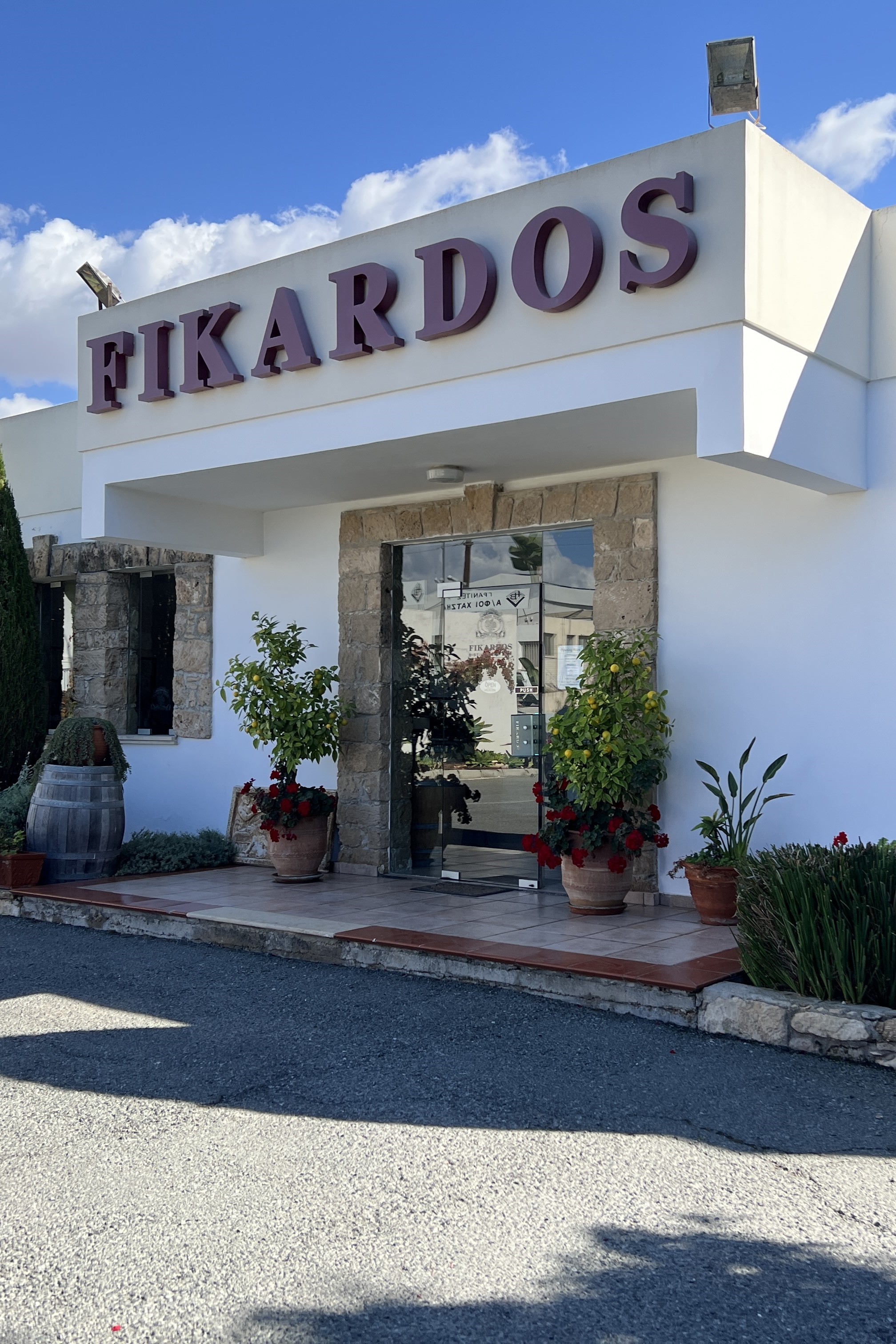
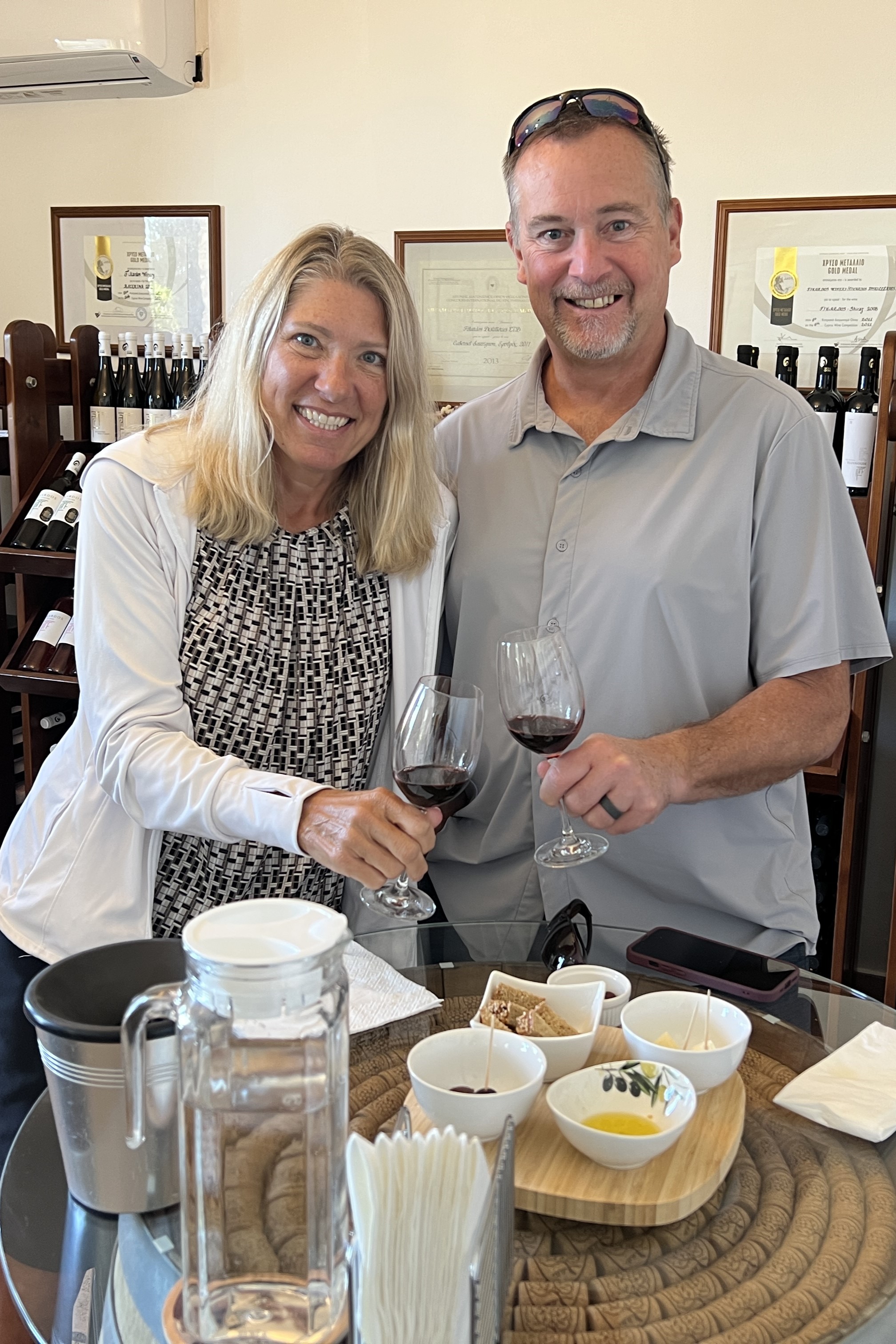
- The Indigenous Pioneer — Fikardos Winery (Mesogi): Located just outside Paphos, this estate was the perfect, easy-to-reach winery to serve as the cornerstone of our study. Fikardos was one of the very first private wineries established during the island's modern quality renaissance. Our technical tasting here focused heavily on their dedication to reviving lost, indigenous Cypriot varietals—moving away from international grapes like Cabernet or Shiraz to let the island's native grapes sing. We shared our tasting session with two lovely ladies visiting from Hungary, which gave us plenty of relaxed time to cross-examine our host and ask deep questions while sipping through the flight.
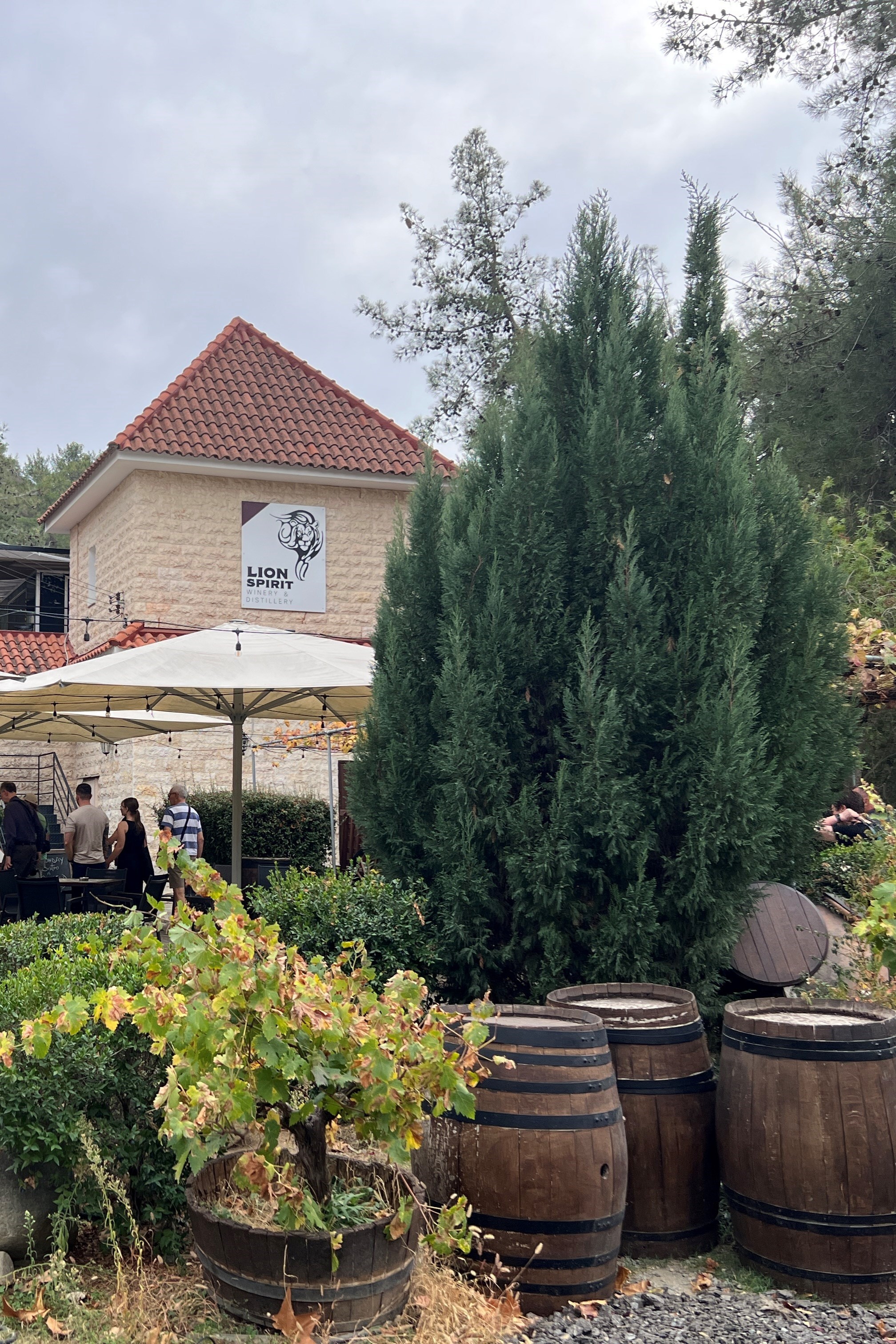
- The High-Altitude Innovator — Lambouri Winery, (Kato Platres): Perched in the high alpine pines of the Troodos foothills, this beautiful estate (historically known as Leon Winery and currently expanding under the Lion Spirit banner) blends ancient methods with modern vinification. It was here that we explored the fascinating novelty of "Blue Wine" (Mediterranean Blu). For certification students wondering how this azure hue is achieved without artificial dyes: the winery crafts it using99% Xinisteri white grapes blended with 1% pure grape juice from thick-skinned Alicante and Mataro grapes. The vibrant Mediterranean blue color is entirely natural, derived from anthocyanins—the organic color pigments extracted directly from the red grape skins. This was also the historic cellar where we happily selected and purchased our prized bottle of estate Commandaria to save for our holiday table over Christmas.
- The 100% Estate Grinder — Makarounas Vineyards, (Letymbou): This Paphos-region boutique estate is an absolute dream for terroir purists, boasting four generations of viticultural history and operating as the only winery in Cyprus to source fruit solely from their privately owned, un-grafted vines. However, our visit coincided with a massively hectic, bustling afternoon. The tasting room was so overwhelmingly packed that the staff could provide virtually no educational context beyond listing the grape name and the vintage. Rather than missing out, we adapted on the fly: we ordered a spread of local food platters to pair with the tasting flight and ran our own independent, quiet comparative study directly at our table, letting the soil profiles in the glass speak for themselves.
A Geographical Note on Fikardos: While their tasting room is conveniently located in the Mesogi Industrial Area just 10 minutes outside downtown Paphos, their estate vineyards are split inland to leverage specific microclimates. Their high-altitude plots in Pano Arodes (650–700 meters) sit on limestone-rich soils with cool breezes perfect for Shiraz and Mataro, while their lower plots in Choulou (Karias and Ammos sectors) host a diverse mix of ancient native red and white varieties.
The Regional Style & SAT Tasting Notes
- Fikardos Xinisteri 2024 (Paphos Region)
- Appearance: Clear, pale lemon with distinct flashes of pale green.
- Nose: Clean, medium-plus intensity, youthful, vibrant aromas of fresh pink grapefruit, green apple, white peach, wild mountain thyme, and wet stone minerality.
- Palate: Bone dry, light-to-medium bodied, with high, electric, and razor-sharp acidity. The palate is incredibly refreshing and linear, driving forward with crunchy citrus zest, lime leaf, and a stony, saline persistence that leaves a clean, mouth-watering finish.
- Conclusion: Very good quality. TheWhy: Xinisteri is the undisputed white monarch of Cyprus. Sourced from limestone-heavy vineyard plots, the grape's natural tendency toward high yields is heavily restricted by the poor mountain soil, resulting in a beautifully focused, aromatic white that carries enough structural acidity to slice flawlessly through local grilled halloumi cheese.
- Makarounas Vineyards, Yiannoudi 2022
- Appearance: Clear, medium ruby with a bright, youthful pink rim.
- Nose: Clean, medium-plus intensity, offering an incredibly savory and rustic bouquet. Aromas of blackberries, red currants, and wild plums are deeply intertwined with complex notes of dried local herbs and white pepper.
- Palate: Dry, medium-bodied, with soft, rounded, medium-minus tannins and beautifully integrated, medium acidity. The palate is elegant, subtle, and exceptionally light on its feet, showing a lovely touch of fruit ripeness balanced by a shorter savory and smoky finish.
- Conclusion: Good quality. The Why: Yiannoudi is an exciting, rare native red grape being revived on the island. Makarounas sources this 100% varietal expression from un-grafted, phylloxera-free vines planted at 500 meters. Spontaneous fermentation and 10 months in neutral French oak allow the grape’s natural, light-bodied elegance and savory herb character to show through.
- Lambouri Winery, Commandaria Legacy
- Appearance: Clear, deep amber-brown with thick, slow-moving, viscous legs.
- Nose: Clean, pronounced intensity, displaying massive, complex oxidative development. Dominant, lush aromas of sun-dried raisins, dried figs, dates, and molasses are beautifully layered with orange peel, toasted walnuts, dark chocolate, and a warm hit of sweet baking spice.
- Palate: Lusciously sweet, full-bodied, and mouth-coating, yet held in perfect alignment by a high acidity that completely cuts through the sugar. The palate explodes with rich flavors of liquid fruitcake, honeyed nuts, and espresso. The finish is remarkably long, complex, and intensely warming.
- Conclusion: Outstanding quality. The Why: Sourced from the protected 14-village volcanic foothills of the Troodos range, this ancient style relies on late-harvested Xinisteri and Mavro. The grapes are sun-dried for weeks to concentrate the sugars before undergoing a slow, natural fermentation and years of barrel maturation. The intense mountain altitude preserves the high acidity necessary to prevent this luscious, historic elixir from feeling cloying.
The Hub Scene: Village Classrooms and Tavern Epiphanies
When you retreat from the steep mountain terraces back to your primary bases, continuing your wine education requires tracking down the island’s independent urban enclaves and local tables.
While mountain villages like Omodos serve as picturesque, open-air classrooms where you can stroll down medieval cobblestone alleys and peek into ancient, preserved stone grape presses, the coastal hubs are where the modern wine scene thrives. If your base is Paphos, you are surrounded by the deep history of the island—making it easy to pair an afternoon exploring the world-class ancient Roman mosaics and ruins of Kourion with a focused evening wine evaluation. For an elite, contemporary wine list in town, secure a table at Nema in Paphos, where a progressive selection allows you to sample modern Cypriot releases side-by-side with continental benchmarks.
The Representative Vibe: Agora Tavern (Paphos)
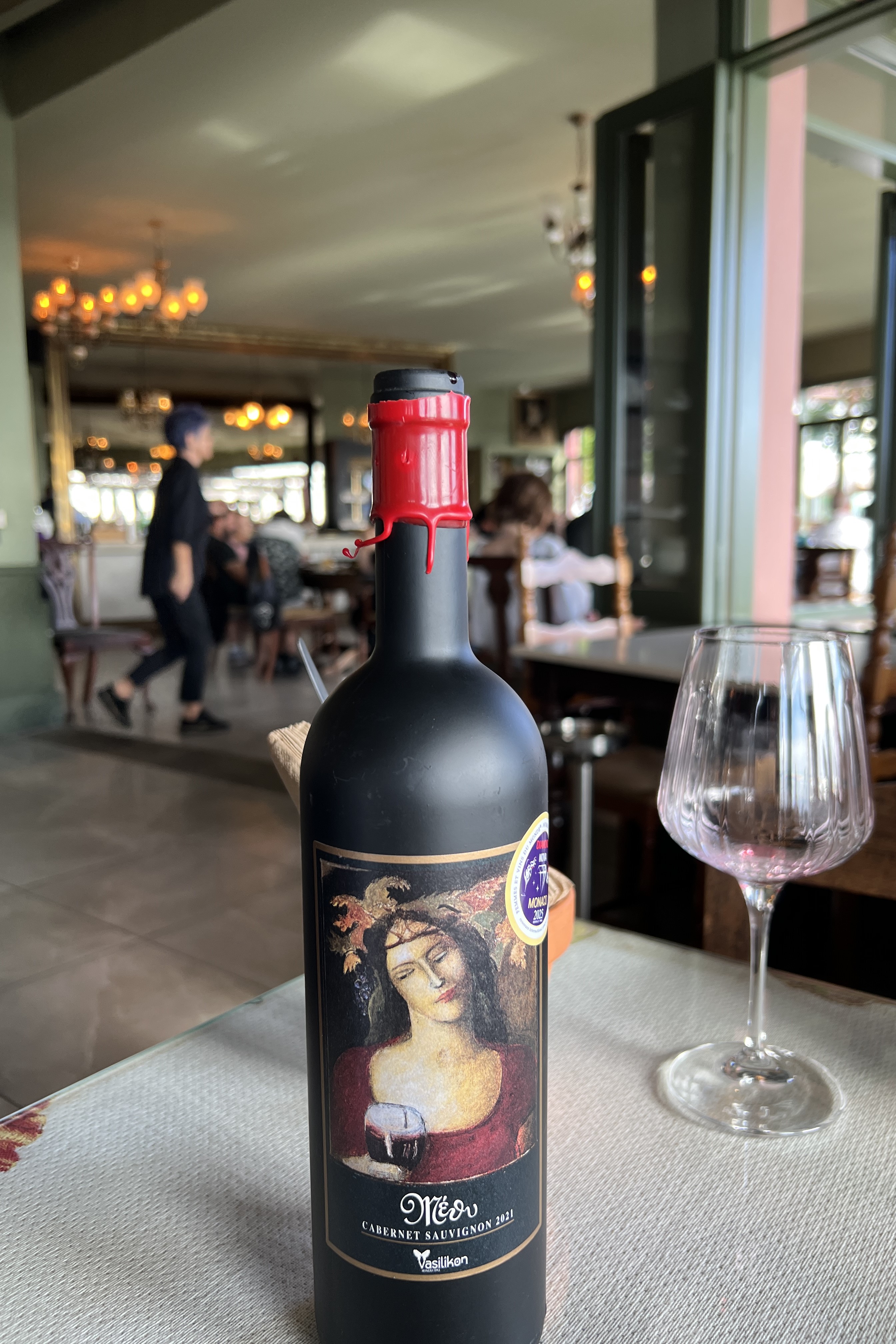
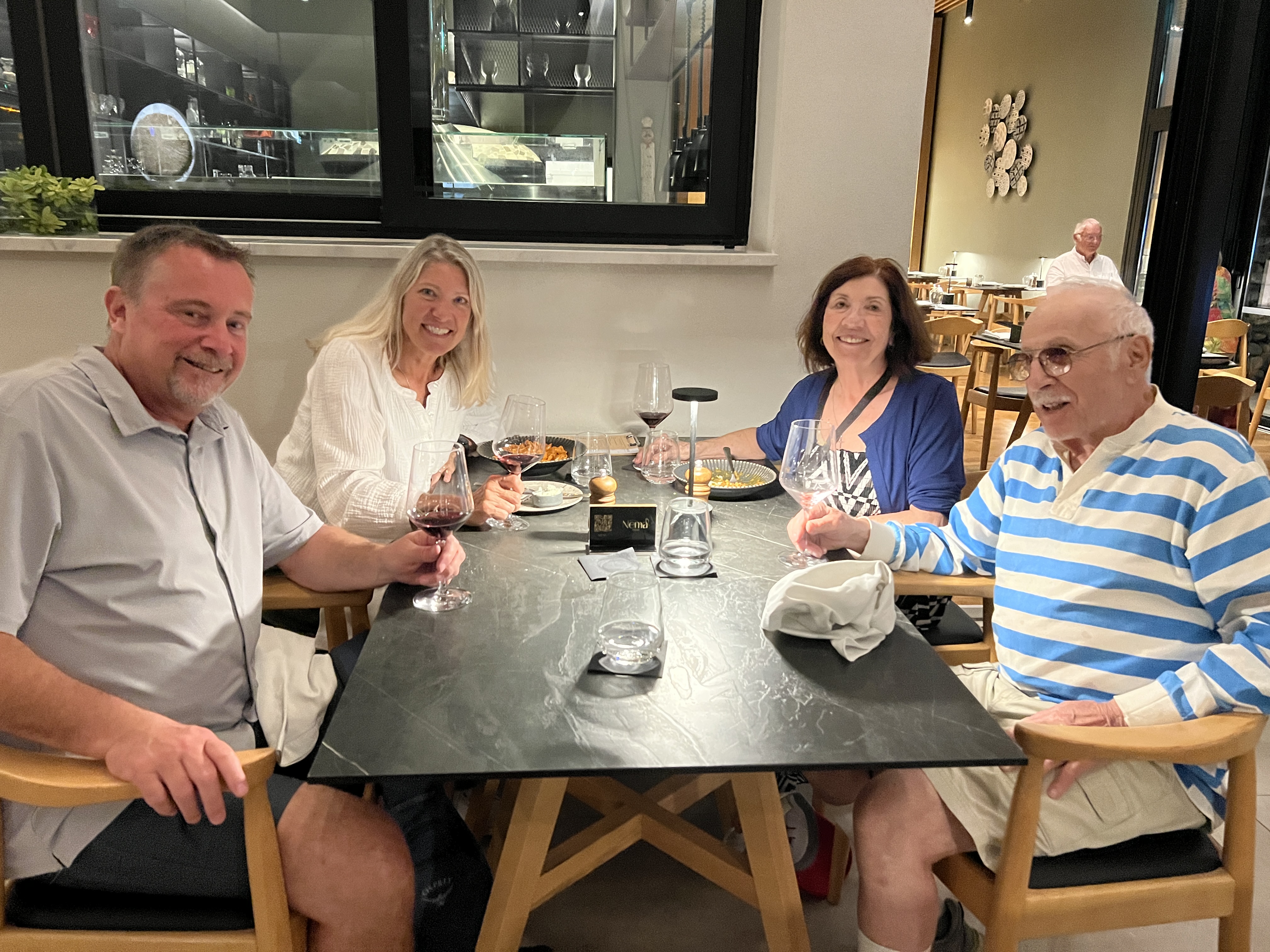
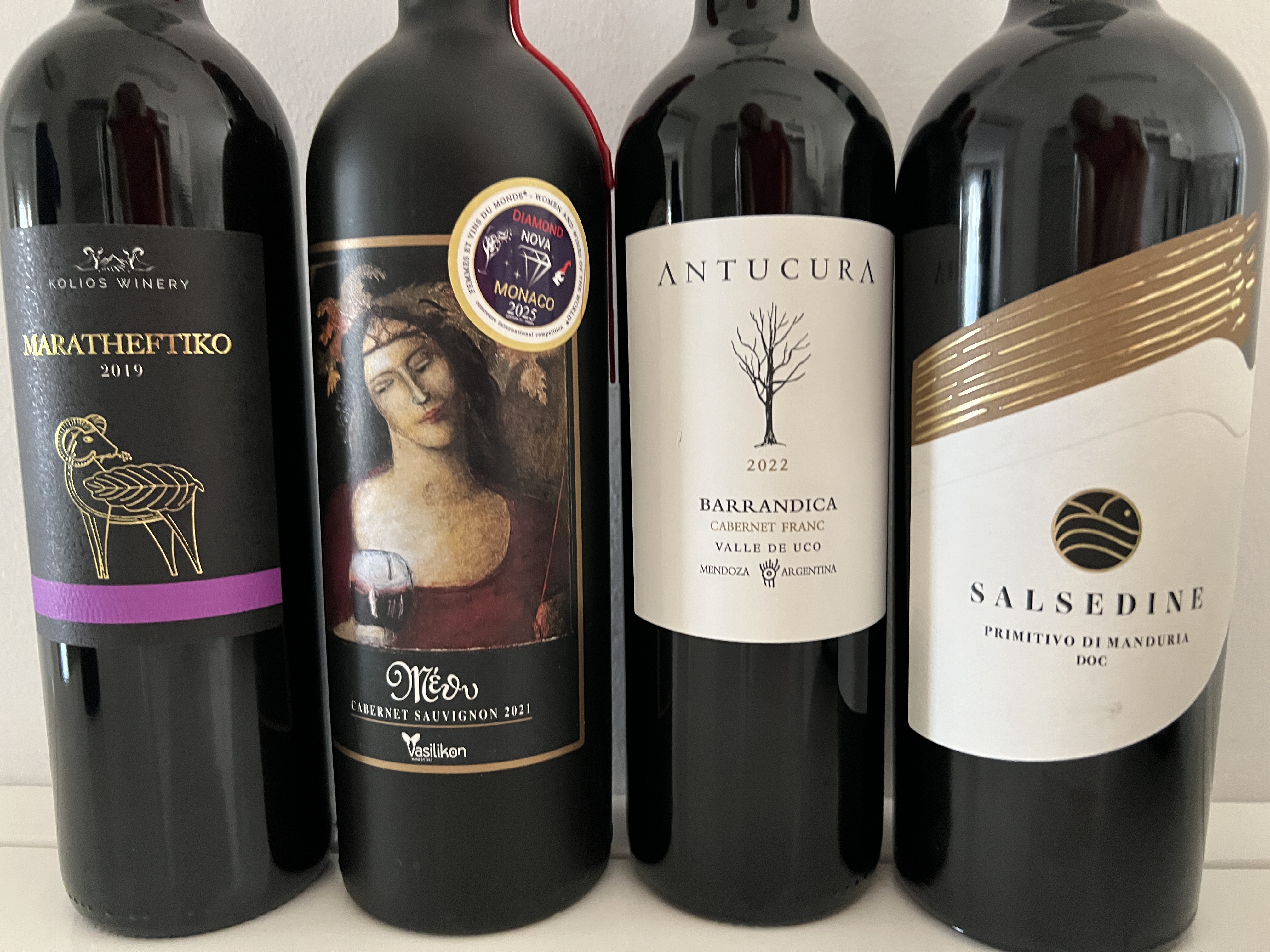
Our absolute pinnacle culinary and wine-pairing experience occurred over an unforgettable dinner at Agora Tavern in Paphos. We were greeted by a wonderfully sharp, passionate waitress who, after explaining their famous Meze options, immediately asked what style of wine we enjoyed. Being wine students, we confidently told her we wanted to explore the island's boldest, most structured reds. Based on our request, she first brought out the award-winning 2019 Methy Cabernet Sauvignon from Vasilikon Winery—an absolute powerhouse of an international red, boasting two full years in new French oak and two years in bottle, throwing pronounced aromas of green pepper, caper, and dark fruit.
When she returned later to check on us and ask us if we liked the wine pairing, we politely told her we liked it. She looked at us, smirked, and called us out instantly: "Your mouths say yes, but your faces say something completely different." Trusting her local intuition implicitly, she marched back to the cellar and brought out a bottle of the 2019 Maratheftiko from Mythes Winery, a gorgeously rustic, ink-dark native red bursting with volcanic minerals and wild plum. She knew exactly what our palates actually needed—she just wanted us to experience the true, unadulterated soul of native Cypriot fruit, and she was 100% right. To seal the evening, she poured us a round of house-made Zivania, the traditional, high-proof grape pomace distillate which I deemed "firewater," throwing back the moonshine shot right along with us.
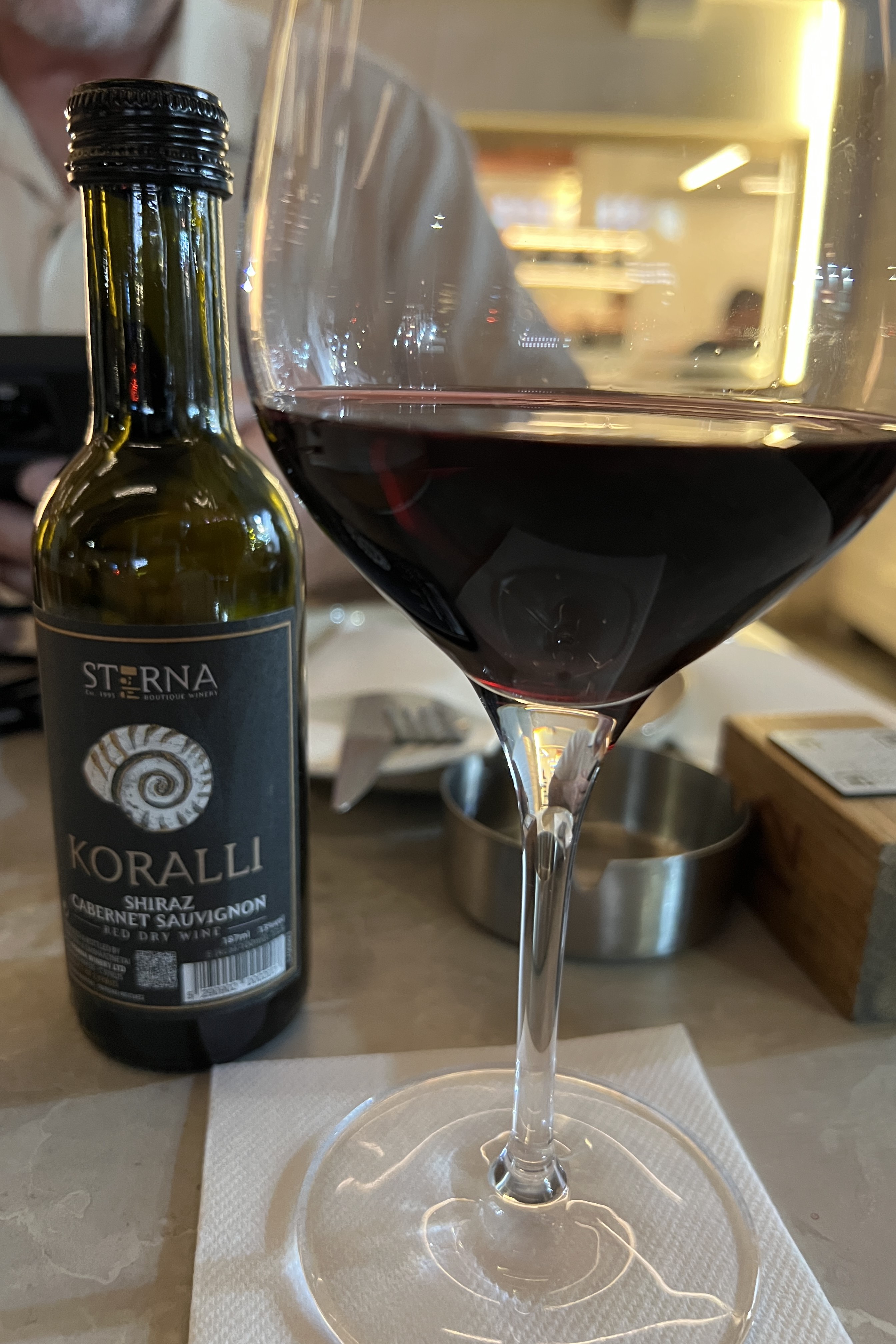
A Retailer Pro-Tip: If you fall in love with tavern selections like the Vasilikon Cabernet or the Mythes Maratheftiko, don't panic looking for a specialty boutique. Both of these specific bottles were easily located and sourced later right on the shelves of the local supermarkets. (Shown Below)
The Capstone Move: The Larnaca Grand Finale Study Session
Our ultimate logistical advice for a Cyprus wine itinerary is to leverage the Post-Field Study Synthesis. Do not try to memorize the abstract maps while trying to navigate the winding mountain tracks. We spent our first 29 nights in Paphos completely immersed in the rugged physical geography of the vineyards.
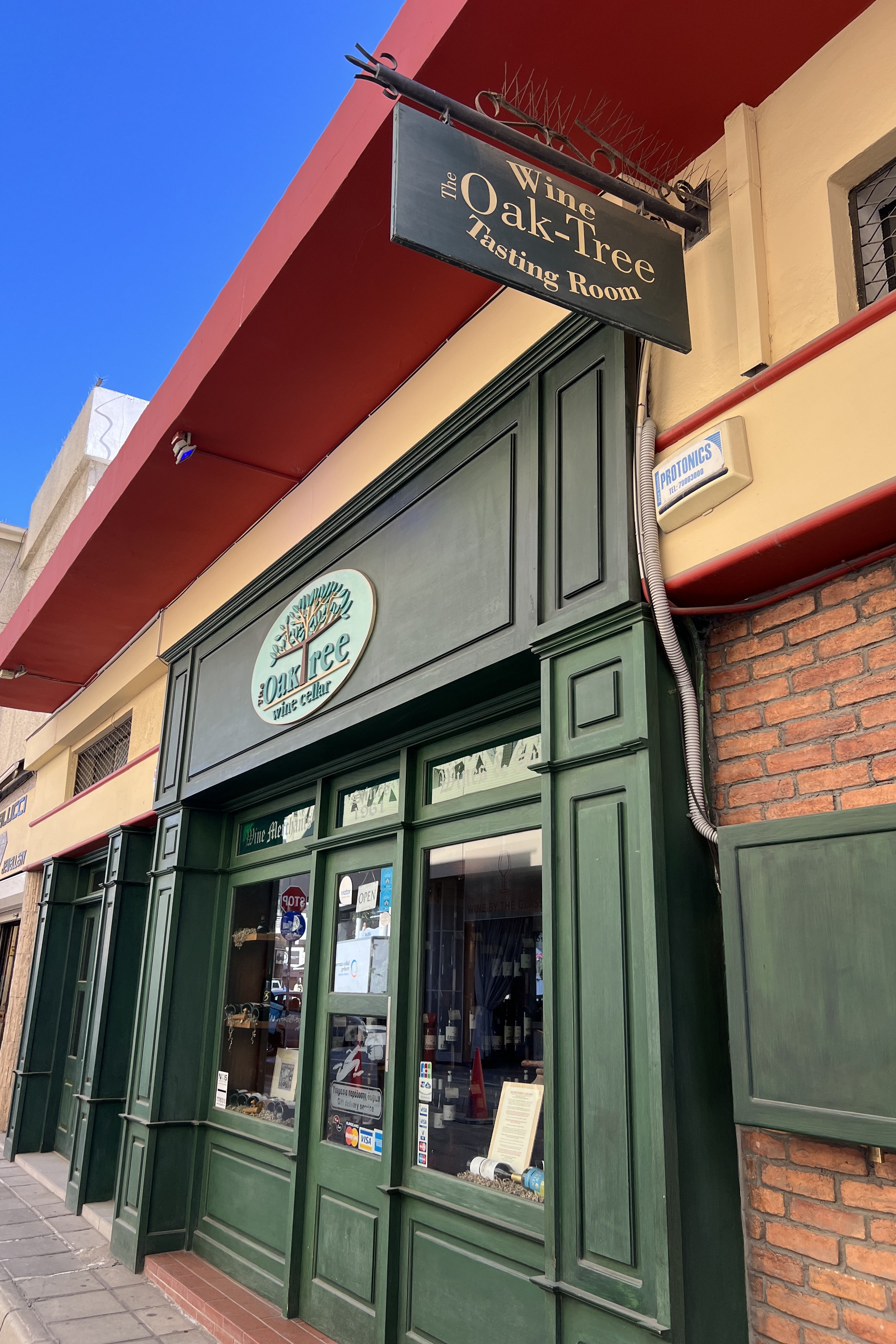
Then, once we transitioned to our final hub in Larnaca, we capped off our entire 40-day study by booking an evening at The Oak Tree Wine Cellar & Tasting Room. Located right in the city center, this is a spectacular, quiet urban laboratory. Walking in after you have physically stood on the volcanic chalk of the Troodos mountains transforms the tasting. The sommelier can walk you through a highly curated retrospective flight of the island's key labels, allowing you to seamlessly connect the abstract regional theory and classification laws with the actual soils you just spent a month exploring.
The WSET Study Corner
- The Commercial Benchmark: When navigating a restaurant wine list or a supermarket aisle looking for a pristine, highly representative expression of classic Cypriot typicity, Vasilikon Winery is your absolute safest bet. Their bottlings represent the island's gold standard for clean, varietally accurate commercial winemaking. However, branch out to see how the winemaking style differs with some of the local grapes by sourcing producers such as Kolios winery, Zambartas Winery (for more softer wines), Makarounas Winery and of course Fikardos.
- Label Anatomy (The Commandaria Mandate): To carry the prestigious Commandaria AOC designation, the wine must be produced entirely within a strictly defined zone of 14 specific villages in the Troodos foothills. It must be crafted from a blend of two indigenous grapes: white Xinisteri and red Mavro. Crucially, the grapes are harvested overripe and laid out in the intense sun for up to two weeks to dry and dehydrate, naturally concentrating the sugars before undergoing a slow fermentation and a minimum of two years of aging in oak casks.
- Flashcard Moment: True or False? International varieties like Cabernet Sauvignon and Chardonnay dominate the modern premium wine production of Cyprus. Answer: False. While international varieties were heavily planted in the 1980s, the modern premium renaissance is entirely driven by indigenous grapes like Xinisteri, Maratheftiko, and Yiannoudi, as winemakers leverage their natural adaptation to the island's arid, high-altitude microclimates.
The Exam Cheat Sheet
- Climate: Intense Mediterranean with hot, dry summers and mild winters; heavily mitigated inland by dramatic altitude cooling and mountain shadows.
- Soils: A highly diverse, complex matrix dominated by volcanic ophiolite rocks, granitic scree, and deep, high-pH calcareous limestone and chalk.
- Key Indigenous Varieties: Xinisteri (white); Mavro, Maratheftiko, and Yiannoudi (reds).
If you are interested in learning more about the WSET Certification in Wine. I received my Level 2 from Johnson & Whales University in Charlotte, NC and my Level 3 from the Napa Valley Wine Academy in Napa Valley, CA.
Links: Paphos Trip Report | Larnaca Trip Report | Wine Guides
Up Next: Morocco Wine Guide

Welcome to the new Touchpoint Wines
We’re blending our passion for wine with a love for global exploration. Join us as we journey through the world's most captivating destinations, uncovering hidden wine gems and offering unique workshop experiences for your team retreats. Whether you're seeking to enhance team dynamics or discover the art of slow travel, let us be your guide.